

What Are Prebiotic And Probiotic Foods?
Prebiotics and probiotics both play important roles in nurturing a healthy gut microbiome. Prebiotics are non-digestible food components that encourage the growth and activity of our beneficial gut bacteria in, while probiotics are live micro-organisms that confer health benefits to the host when consumed regularly in good amounts.
While probiotics directly introduce beneficial bacteria into our gut microbiome, prebiotics serve as nourishment for these beneficial organisms, promoting their growth and enhancing their beneficial effects even further.
Let’s talk further about both prebiotics and probiotics, but mainly prebiotics because probiotic foods and their actions are better covered on the post called Fermented Foods.

Prebiotics And Probiotics
Think of probiotics as being live organisms themselves, while prebiotics are their food, they are components of certain foods, different sugars and starches, that resist being broken-down, being digested in our gut, and it’s why we call them “resistant starches”.
SFCAs – This digestive-resistance allows prebiotic foods to reach our large intestine intact where they can ferment and stimulate the growth and activity of beneficial bacteria through the production of SFCAs (short-chained fatty acids). Studies shown that resistant starches help us address gut dysbiosis (SIBO). (Sobh et al., 2022)
Together, prebiotics and probiotics form a powerful symbiotic relationship that supports digestive health and overall well-being by maintaining a balanced and thriving gut microbiome. A study just published concludes with the ability of probiotics, prebiotics and postbiotics to alter the composition of human gut microbiota and the immune system hold great promise as a new medical frontier. (Zhou et al., 2024)
There are literally billions of microbes living inside our gut, with the highest concentration being inside our gut microbiome, our large and small intestines. Fermented foods rich in probiotic bacteria like yoghurt, sauerkraut, kefir, kimchi, and kombucha contain live micro-organisms known to help our digestive system get back into balance, even if we have a gut imbalance. (Valentino et al., 2024)
The term we use for poor gut bacterial levels, and an imbalanced microbial environment in the gut, is dysbiosis. Poor gut bacteria has been linked to SIBO, IBS, IBD, Candida overgrowth, as well as many common diseases like Type 2 diabetes, heart disease, and even different cancers. (Hills et al., 2019)
Therefore, maintaining a healthy gut microbiome contributes to overall health, and by consuming a diet rich in pre and probiotics you’ll be achieving that aim.
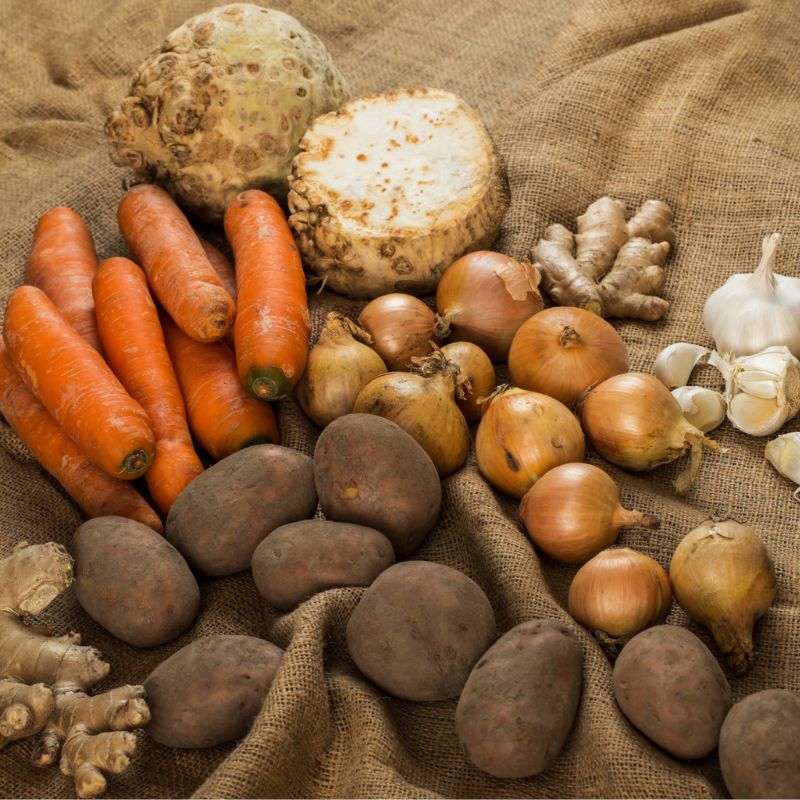
Prebiotics
Prebiotics supports our body’s beneficial bacterial flora, they are different types of indigestible dietary fibre, specific components of plant-based foods that support the growth of beneficial bacteria in our gastrointestinal tract.
Prebiotics and probiotics are not the same thing, though, while almost all prebiotics tend to be made up of some kind of fibre, not all fibre will have a tendency to be prebiotic by nature. Prebiotic foods help to promote a healthier digestive system by enabling our gut bacteria to manufacture food to build the health of our colon’s cells.
Short-Chain Fatty Acids (SCFAs): Key Players in Gut Health
Short-chain fatty acids (SCFAs) are vital nutrients produced through the healthy fermentation of dietary fibers in the gut. Among the most important SCFAs are butyrate, acetate, and propionate.
These gut-derived fatty acids can significantly enhance overall health when absorbed into the bloodstream, contributing to benefits ranging from improved immune function to reduced inflammation (Jannsen 2016).
Prebiotics: Natural and Synthetic Sources
Prebiotics fuel the beneficial bacteria in your gut, but not all prebiotics are natural, nor are they created equal. Some prebiotics are derived from whole foods, while others are synthetic and added to processed foods or supplements.
Here are some prebiotic sources you might encounter:
Whole foods are generally the best source of prebiotics, as they provide a rich array of fibers and nutrients that work synergistically. However, your healthcare professional might recommend a prebiotic supplement, particularly if you struggle to consume enough prebiotic-rich foods. Supplements containing inulin or FOS can also be beneficial and are often included in dietary formulations for gut health.
Take-Away
Incorporating both SCFA-promoting fibre and prebiotic-rich foods into your diet can help optimise your gut microbiome, enhancing digestion, immunity, and overall wellness. Whether through whole foods or supplements, the key is finding a balance that supports your unique health needs.
Here are some of the benefits of prebiotics:
Prebiotic Supplement Caution

While prebiotic supplements can support gut health, they may occasionally cause unwanted symptoms, particularly if the supplements are taken irregularly or in large doses. For example, inulin is known to sometimes trigger unwanted side effects, including gas, bloating, and loose stools.
This is one reason I often caution against relying on prebiotics in dietary supplements, like probiotics. In my clinical experience, these symptoms are not uncommon and can become a source of discomfort for those sensitive to certain types of prebiotics. It’s also why I stopped using prebiotics in my probiotic formulation years ago, preferring patients to consume foods containing prebiotic fibre instead.
If you decide to use prebiotic supplements, or probiotics containing them, consider the following:
Remember, prebiotics are most effective and gentler on the gut when sourced from whole foods. However, if supplements are necessary, approach them mindfully and consult a healthcare professional if adverse symptoms persist.
Probiotics

Unlike prebiotics, probiotics are live bacteria that, when consumed, are essential for balancing and enhancing our gut microbiota. These beneficial micro-organisms, which include many Lactobacillus and Bifidobacteria strains, are well known for the many health advantages they bring us.
In order to keep our gut healthy, we need to make sure we are getting enough prebiotics, which is basically fibre that feeds our probiotic bacteria in our digestive systems, especially in the large intestine.
We need to include foods high in prebiotics (found in foods like onions and bananas, see the list below) and probiotics (found in foods like yogurt, sauerkraut and kimchi) in our diets.
While this page primarily focuses on prebiotics and their sources, you can find extensive information about probiotic-rich foods on the Fermented Foods page, including the very special foods like yogurt, kefir and sauerkraut.
Our Diet Needs To Be Balanced
Studies are showing that our diet affects our gut mycobiota, our internal fungal population, just as much as it is affecting our bacterial population. (Zhang 2021)
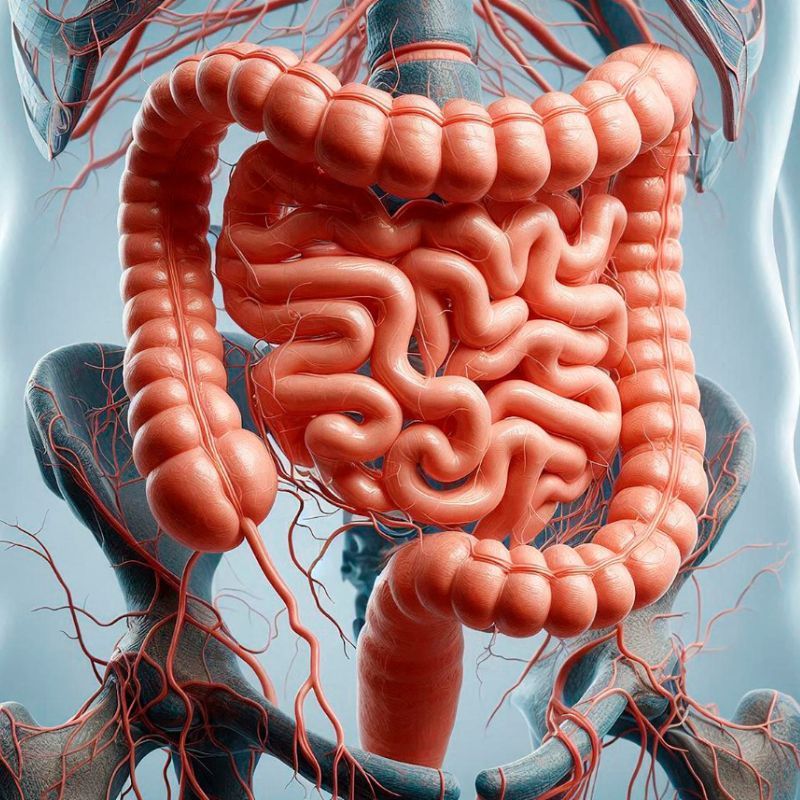
Our mycobiome, the population of gut fungal species, plays a small but crucial role in regulating many vital functions in your gut, including balancing the bacterial and fungal population.
People who predominantly consume animal products in their diet, have been associated with having lower levels of Candida in their mycobiome than those with diets high in plant-based foods (people who mainly eat vegetables, fruits, legumes, beans, nuts, seeds, etc. (Hoffman 2013)
This does not mean we need to avoid FOS and GOS containing foods, because their benefits outweigh any negatives. These oligosaccharide-containing foods are a good fit alongside healthy proteins and fats in your diet, they do not need to be avoided because of Candida overgrowth. For example, studies have found oligosaccharides to bare good candidates for incorporation in a formula to prevent vaginal yeast infections (Rousseau et al., 2005).
They are an ally as you will soon learn, and can help build-up large intestinal colonies of Bifidobacteria, a beneficial bacteria shown to have powerful anti-fungal and probiotic anti-microbial abilities.
We need a balance between levels of healthy protein, fat and carbohydrates in our diet. Do we therefore need to be eating less vegetables, fruits, nuts, seeds, legumes, because we need to be eating more fats and animal protein? No, it doesn’t imply this at all, it means we need a healthy balance.
Prebiotic Food Caution

Tip if you are new to a prebiotic or probiotic food:
When it comes to fermented foods, cultured foods, prebiotic foods or probiotic foods, especially if you have not previously tried this food – always start with a small amount (1/4 of a typical serving) and gradually increase quantities and the number of servings per day.
Here are a few tips:
After some time, try to incorporate prebiotic foods into one or two snacks or meals daily. Once you feel many parameters of your health have picked up, and you’ve noticed you’re feeling better, it will usually be an indication that you’re building good levels of beneficial bacteria, your microbiome is getting more balanced.
But what are prebiotic foods, what are they made of, and more importantly, what benefits will we get to when it comes to our microbiome? Let’s talk about them now.
What Are Oligosaccharides?
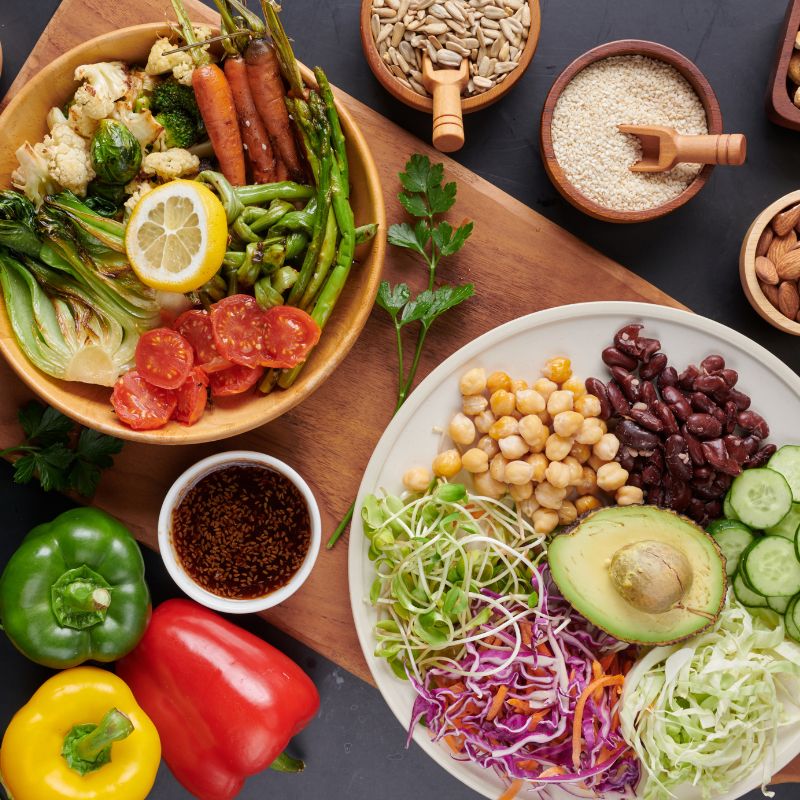
Many plant-based foods naturally contain prebiotic sugar chains that support gut health. These include legumes, whole grains, fruits, and vegetables. In addition to fresh produce, nuts, seeds, and legumes, some processed foods—like cereals, breads, and snacks—also contain prebiotic components.
Let’s explore two types of beneficial sugars commonly found in a healthy diet: oligosaccharides and polysaccharides.
Oligosaccharides are unique because they cannot be digested by human enzymes. Instead, they travel undigested through the gastrointestinal tract until they reach the large intestine, where they encounter beneficial gut bacteria like Bifidobacteria and Lactobacillus. These bacteria possess the enzymes needed to break the bonds between the sugar units in oligosaccharides, fermenting them into energy. This process supports the growth of healthy gut flora.
However, excessive fermentation can lead to excessive gas, sometimes causing discomfort or bloating. Many of us have encountered someone with this issue—often linked to an imbalance in their diet. Balancing prebiotic-rich foods is key to reaping their benefits without unwanted side effects.

Caution If You Have A Sensitive Gut
Patients with conditions like Candida overgrowth, SIBO, irritable bowel syndrome and inflammatory bowel conditions, (IBD) often experience a “touchy” or sensitive gut. This is frequently linked to insufficient levels of beneficial bacteria. Without enough good bacteria to balance gut flora, these individuals are more prone to excessive fermentation, leading to gas, bloating, abdominal pain, and irregular bowel movements such as constipation or diarrhea. Inappropriately high fermentation of oligosaccharides due to a lack of bacteria to “digest” them exacerbates these symptoms.
Recent research shows that nearly 1 in 7 Americans regularly experience bloating, yet most do not seek professional help (Oh 2022). In my experience, dysbiosis—an imbalance in gut bacteria—is a common underlying cause of these issues.
If you are a highly sensitive person (HSP), you may also be more reactive to certain foods and drinks. Studies indicate that highly sensitive individuals are more likely to experience symptoms like reflux, abdominal pain, indigestion, diarrhea, or constipation (Limura 2022). For HSPs, introducing fermented foods into the diet requires extra caution to avoid triggering symptoms.
In contrast, individuals with a balanced microbiome and robust populations of beneficial bacteria typically have smooth digestion. They experience minimal gas, no bloating, and regular, comfortable bowel movements. Unfortunately, this is not the case for those with Candida, SIBO, IBS, or IBD. How would you describe your daily digestive and elimination process?
Let’s now talk about the two prebiotic sugars when it comes to your diet:
Main Oligosaccharides are FOS and GOS
FOS and GOS are different kinds of beneficial sugars you’ll soon learn about, because not all carbohydrate foods are strictly forbidden in your Candida diet, some can in fact be beneficial according to studies as we’ll see.

FOS Fructo-oligosaccharides
FOS are short-chain carbohydrates classified as oligosaccharides, naturally present in various plants. They are especially abundant in Jerusalem artichokes, blue agave, yacon roots, leeks, garlic, onions, bananas, Chinese radish, chicory, and asparagus. Scallions and white onions contain moderate amounts, while Jerusalem artichokes, chicory root, and garlic have the highest levels, earning the Jerusalem artichoke its nickname, “fartichoke” (Malinovska 2011).
Benefits and Stability
FOS is a stable, soluble fiber that withstands high temperatures and varying pH levels, making it ideal for processed foods like infant formula, yogurt, and baby food. Because humans cannot digest FOS, it does not affect blood sugar levels. Instead, it travels undigested to the large intestine, where it promotes the production of short-chain fatty acids (SCFAs).
Gut Health Impact
FOS cause bacterial fermentation in the colon as they pass into the large intestine undigested. A meta-analysis confirmed that FOS intake strongly correlates with increased levels of Bifidobacteria. Higher doses and longer intake further amplified these benefits (Dou 2022).
Recent research found FOS to be “bifidogenic,” promoting the growth of Bifidobacteria and Lactobacillus bacteria. Its anti-inflammatory properties make it an excellent choice for managing gut-related conditions (Mahalak 2023).
FOS and Candida
If you have Candida overgrowth, avoiding all oligosaccharide-containing foods may not be necessary. FOS can enhance gut health by stimulating Bifidobacteria and lactobacillus growth, which can inhibit Candida albicans.

Research has shown that Bifidobacteria reduce intestinal pH levels, hindering fungal growth. Probiotics and resistant starch-rich diets further encourage Bifidobacteria colonization, further improving gut resistance to Candida.
Studies have found that FOS alone could reduce the environmental pH, significantly inhibit the growth of the harmful bacteria Escherichia-Shigella and Bacteroides, while significantly promoting the growth of the beneficial bacteria Bifidobacterium and Lactobacillus (Fu et al., 2023).
In summary, FOS-rich foods are valuable for supporting beneficial gut bacteria, reducing inflammation, and aiding in Candida control, thanks to their role in promoting SCFA production, lowering gut pH, and boosting beneficial bacteria counts.
Foods Highest in FOS (Fructo-Oligosaccharides)
Fructo-oligosaccharides (FOS) are a type of prebiotic fibre that supports the growth of beneficial gut bacteria, particularly Bifidobacteria. Naturally found in a variety of fruits, vegetables, and grains, FOS is often associated with improved digestion and enhanced gut health. The highest concentration of FOS has been found in yacon root (Caetano et al., 2016).
Incorporating FOS-rich foods into your diet can help maintain a balanced microbiome while offering a range of nutrients. Below is a list of foods particularly high in FOS:
Including these foods in your diet regularly can help boost FOS intake, promoting a healthy gut microbiome and improving overall digestive health.
Actions Associated With FOS Intake

GOS Galacto-oligosaccharides
GOS is sometimes used as a functional food for young children, and is used in various food products. is thought to have a laxative effect because of how it functions as a soluble fibre. (Axelrod el at., 2018)
Like FOS, oligosaccharides cause bacterial fermentation in the colon as they pass into the large intestine undigested. The primary dietary sources of GOS are legumes (e.g., beans and lentils), seeds, and nuts, making them a valuable addition to a balanced, fibre-rich diet.
Many studies with infants and adults have shown that foods or drinks enriched with galacto-oligosaccharides result in a significant increase in Bifidobacteria. (Jeurink 2013)
Foods Highest in GOS (Galacto-Oligosaccharides)
Galacto-oligosaccharides (GOS) are prebiotic fibre that nourish beneficial bacteria and are found in a variety of plant-based foods. Here’s an expanded alphabetical list of GOS-rich foods to incorporate into your diet:
Including these foods in your diet regularly can help promote a healthy gut microbiome while adding a variety of flavors and textures to your meals.
Actions Associated With GOS Intake
Take-Away
GOS is a powerful prebiotic with a broad range of benefits, from improving gut health and immune function to enhancing mineral absorption, reducing inflammation, and supporting metabolic and mental health. It is a versatile functional ingredient suitable for people of all ages, including infants, those with IBS, and individuals managing chronic conditions like diabetes or allergies.

Best Prebiotic Foods
The following examples highlight some foods naturally rich in prebiotics, along with various ways to enjoy them in your diet.
While this is not an exhaustive list, it offers a glimpse into the many sources of galactooligosaccharides (GOS), fructooligosaccharides (FOS), and inulin-containing foods that can support gut health.
The following foods are rich in beneficial sugars, starches, and fibre that nourish and promote the growth of beneficial bacterial colonies in our gut.
By regularly incorporating them into your meals, you can encourage a thriving microbial environment that supports not only digestion but also overall health and well-being. But as we shall soon see, by incorporating prebiotic and probiotic foods we get an even better outcome.
As these foods stimulate the growth of beneficial bacteria such as Lactobacillus and Bifidobacteria, they enhance the gut’s natural defences. A robust population of these helpful microbes creates a resilient barrier against potentially harmful pathogens, including Candida albicans, safeguarding your digestive system from imbalance and infection (Ricci et al., 2022).
Prebiotic Foods List
Prebiotic Food Hints and Tips
To summarise, you don’t have to completely avoid oligosaccharides if you have Candida, IBS, or IBD and are wanting to reduce your symptoms. These foods may prove to be quite useful. You’ll find it easy to incorporate prebiotic-rich foods into many meals to encourage the growth and proliferation of good gut bacteria with a little more effort and preparation. Just remember to take it easy at first at least.
These foods serve as prebiotics and promote the development of our beneficial micro-organisms. Additionally, they contain a lot of minerals and fibre, so include some in your Candida diet. Here are a few pointers:
FOS, GOS, and Fermented (Probiotic) Foods: A Perfect Match
Research from Stanford School of Medicine highlights the transformative impact of fermented foods on gut health. A diet rich in these foods not only enhances microbial diversity but also lowers key markers of inflammation, making them an excellent addition to your routine (Weaver 2021).
For those managing conditions like Candida, SIBO, IBS, IBD, or other gut imbalances:
How Diet Shapes Our Gut Microbiome and Immune System
The choice of foods in our diet plays a crucial role in shaping our gut microbiome, which, in turn, significantly influences our immune system. A recent clinical trial involving 39 healthy adults explored this connection by comparing the effects of two distinct dietary approaches over a 10-week period (Wastyk et al., 2021).
The study aimed to evaluate how two microbiota-targeted dietary interventions—one emphasising plant-based fibre and the other focusing on fermented foods—impact the composition and function of our human microbiome and its interaction with the immune system.
The findings offer valuable insights into how specific dietary choices can promote gut and overall health:
Take-Away
This combination offers a simple yet powerful strategy to support a healthy, balanced gut microbiome.
The Role of Prebiotics in Supporting Vaginal Health
Prebiotics are non-digestible food components that nourish and stimulate the growth of beneficial bacteria, particularly in the gastrointestinal tract. These compounds play a crucial role in fostering a healthy microbiome, which can help reduce the risk of bacterial vaginosis (BV), vaginal yeast infection, and other vaginal or genital infections.
A diet rich in plant-based foods is naturally abundant in fibre, which serves as an excellent source of prebiotics. Incorporating these foods into your daily meals can support both gut and vaginal health.
Do Fermented Foods Aggravate Your Symptoms?

As with any food or drink, consuming fermented foods in excess or too frequently can sometimes cause discomfort, especially if your gut is sensitive or already compromised. Moderation and mindfulness are key when introducing these powerful foods into your diet.
Consider common fermented foods like yogurt, sauerkraut, and kefir, and how they might impact your gut:
In my clinical practice, I often explore whether specific foods, beverages, or snacks might be triggering symptoms. Identifying patterns and testing tolerances is crucial for finding a balance that works for you.
If you notice aggravations, consider:
Fermented foods can offer incredible benefits for gut health, but listening to your body and adjusting as needed is essential to reap those benefits without discomfort.

Questions I Would Ask Patients:
Here are a few typical questions I would ask a patient coming to see me, especially if they ticked the fermented foods box on the patient intake form.
Otherwise, I would always ask in detail anyway what foods they would consume for breakfast, lunch, and supper, including snacks and drinks.
How would you answer these questions? Have a think, and whether the fermented foods category is good for you now. Should you perhaps wait until your gut improves? Are you OK with small portions? How is your gut and stool the next day, were they affected by these foods?
It’s always good to reduce your intake of fermented foods until you are confident in your gut health, and to keep your consumption down to one type or category until you feel better in your gut, a lot better.
The Best Foods To Feed Our Microbiome
Probiotics are live beneficial bacteria that can directly influence your microbiome. Foods like yogurt, kefir, sauerkraut, kimchi, kombucha, and other fermented foods contain probiotics. Including these regularly in your diet can help maintain a healthy gut microbiome. Check-out the following key articles:
Key Articles
Eating more foods that are high in probiotics is good for you in many ways and can improve your health and well-being as a whole.
Here are some important reasons to eat foods high in prebiotics and high in probiotics:
There are many health benefits to eating foods that are high in probiotics, and unlike the 1980s, we can easily add probiotic-rich foods to your diet today they are easy to find and get at your local store.
Yoghurt, kefir, cabbage, kimchi, kombucha, and some of the older cheeses are all examples. You can read everything you need to know about these probiotic-rich fermented foods on the respective links.

Eric Bakker N.D.
Greetings! I am a naturopathic physician from New Zealand. Although I’ve retired from clinical practice since 2019 after 34 years of clinic. I remain passionate about helping people improve their lives. You’ll find I’m active online with a focus on natural health and wellbeing education through my Facebook page, Reddit page and YouTube channel, including this website.