
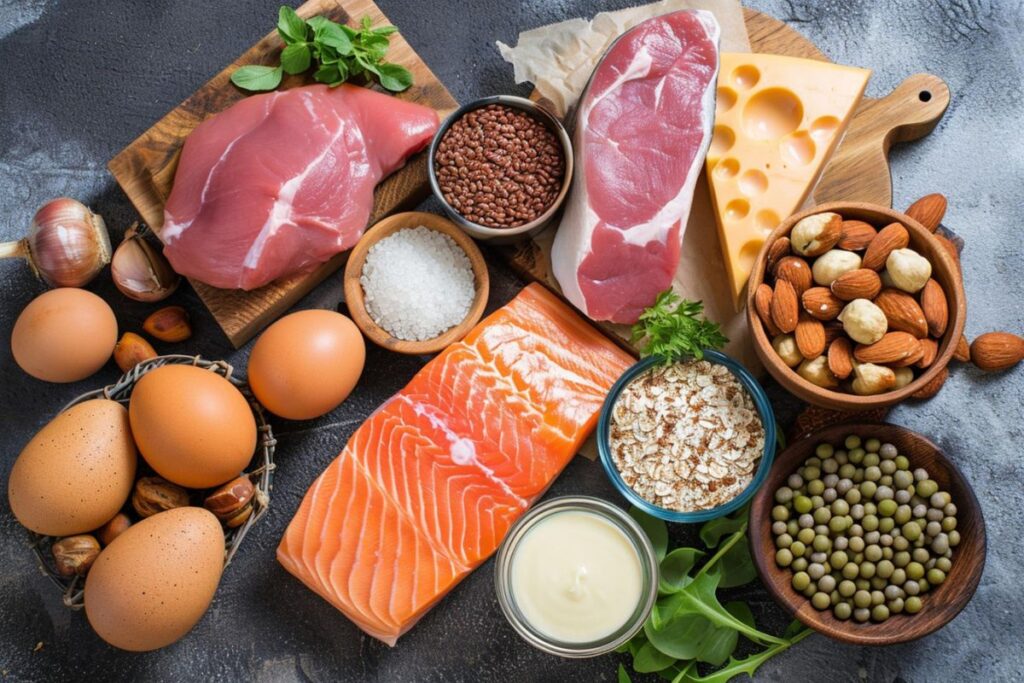
Choose Protein Sources Wisely
When we think of protein we generally think of meat, right? It’s the wrong way of thinking. Most of us think of a beef steak or a piece of chicken as soon as we are asked to described what protein is.
Protein is one of the three primary macronutrients, alongside carbohydrates and fats. It is an essential building block of the body, composed of amino acids linked together in complex chains. Proteins serve a wide variety of crucial roles, including supporting growth, repair, and maintenance of tissues, as well as enzymatic and hormonal functions.
Protein Is Vital For Good Health
Protein is not only fundamental for structural purposes but also for energy. While the body primarily relies on carbohydrates and fats for fuel, protein can act as an energy source when necessary, especially during intense physical exertion or periods of fasting.
Sourced from various foods, proteins are vital for healthy bodily functions and should be included in our diet each day in sufficient amounts. However, individual protein needs can vary significantly based on factors like age, weight, activity level, and overall health. Younger and more active people need more protein, older and less active need less.
A study found that a high-protein diet during middle age was associated with higher mortality rate. In adults over 65, however, a high-protein diet was linked to lower mortality (NIH 2014).
Protein In Our Diet

Protein-rich foods are an integral part of a healthy and balanced diet. They supply all the amino acids our body cannot produce on its own, known as essential amino acids. While protein can be sourced from both animal and plant-based foods, the quality and profile of amino acids can vary significantly between sources.
Not all proteins are created equal. The quality of a protein source depends on factors like its amino acid profile, digestibility, and accompanying nutrients. Animal proteins typically rank higher in quality due to their complete amino acid profile, but many plant proteins are considered high-quality when consumed as part of a diverse diet.
The nutritional value of protein depends on its amino acid content, particularly the nine essential amino acids that the body cannot synthesise. These amino acids are vital for building and maintaining tissues, producing enzymes and hormones, and even serving as an energy source when needed.
Protein’s Nutritional Value and Amino Acids
Animal proteins, such as those from meat, eggs, and dairy, are “complete proteins” because they naturally provide all nine essential amino acids in the right proportions. This makes animal protein highly bioavailable, meaning the body can digest and utilise meat, egg, and milk efficiently—typically around 93% of their amino acids are absorbed. In contrast, plant proteins often lack one or more essential amino acids, earning them the label of “incomplete proteins.” Examples of exceptions include quinoa, soy, and amaranth, which are complete proteins among plant-based options.
The digestibility of plant proteins is lower, such as legumes, grains, and nuts, averaging around 80%, due to factors such as fibre and anti-nutrients, which can block absorption. However, processing methods like fermentation, cooking, or sprouting can improve their bioavailability (Gaudichon et al., 2020).
Combining plant-based foods, such as rice and beans or lentils with whole grains, can create complete protein meals that mimic the amino acid profile of animal proteins. For those on vegetarian or vegan diets, consuming a variety of plant-based protein sources daily is essential to ensure adequate intake of all amino acids
Amino Acid Bioavailability
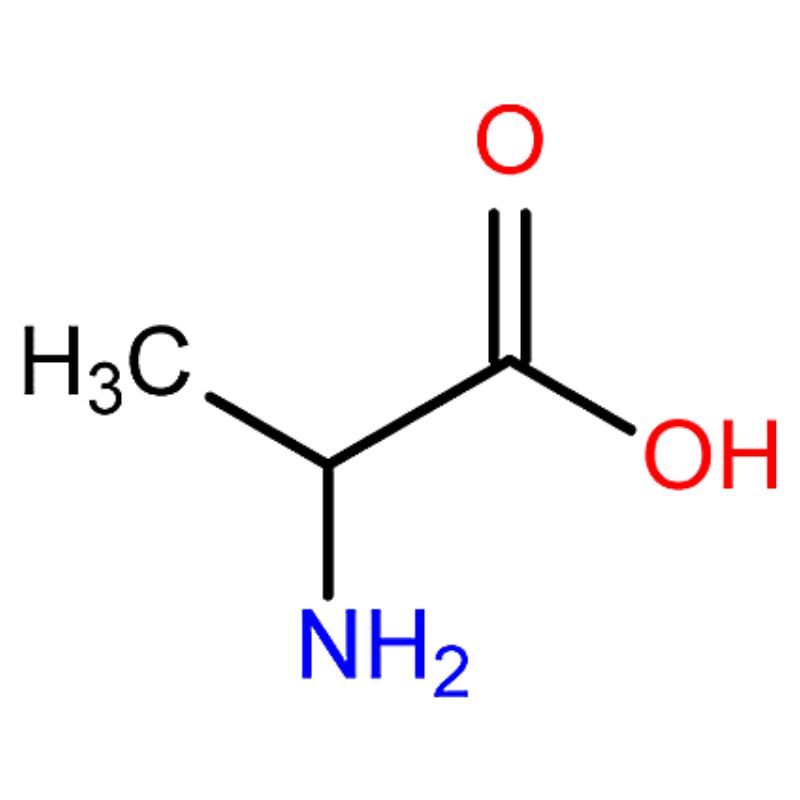
The bioavailability of amino acids is influenced by food quality and the health of your gut. Advanced methods, like stable isotope studies, have shown that animal proteins score higher on scales like the Digestible Indispensable Amino Acid Score (DIAAS) (Gaudichon et al., 2020).
DIAAS provides precise results by considering the effects of anti-nutrients found in plants. For example, animal-based proteins like whey and egg protein score close to 1.0 (the highest possible score), while plant proteins like kidney beans or lentils score much lower due to digestibility limitations (Ajomiwe et al., 2024).
Take-Aways
Establishing Your Individual Protein Needs

Determining your optimal protein intake is a personalized process. No universal formula perfectly suits everyone, as factors such as age, activity level, muscle mass, and health status all influence protein requirements. While some approaches, like metabolic typing or blood type diets, offer general guidelines, the most effective way to find what works for you is through experimentation and careful observation of how your body responds to different protein sources.
Start by incorporating protein into each lunch and dinner, rotating between options like legumes, lean meats, fish, tofu, and grains. Pay attention to how these choices affect your energy, mood, digestion, and sleep. Keeping a food diary is invaluable for identifying patterns and refining your diet. Combining plant-based proteins, such as beans with rice or lentils with grains, can ensure you receive all essential amino acids when animal protein is limited or avoided.
Complete vs. Incomplete Proteins
Animal proteins like eggs, milk, meat, and fish are “complete,” containing all nine essential amino acids needed for optimal health. Plant proteins are often “incomplete,” missing one or more amino acids, but combining foods such as beans with grains or nuts with seeds can create a complete amino acid profile. Regularly rotating your protein sources ensures you gain a variety of nutrients while meeting your amino acid needs.
Protein Content in Foods
For most people, daily protein needs range from 0.8 grams to 2.0 grams per kilogram of body weight, depending on activity level and life stage. Athletes and older adults, for instance, may benefit from intakes on the higher end of this spectrum to support muscle repair and maintenance. Spreading protein evenly across meals—targeting 20–30 grams per serving—is ideal for maximising muscle protein synthesis and ensuring consistent energy levels throughout the day.
Take-Aways
By tuning into your body’s responses and incorporating diverse, nutrient-dense protein options, you can optimize your intake for your unique needs while supporting overall health and well-being.
Three Types of Dietary Protein
Although there are three main kinds of protein sources in our diet, most are of animal or plant-based origin. By including a variety of protein sources ensures that we obtain all the essential amino acids and other important nutrients that accompany them, such as vitamins, minerals, and healthy fats. A diet rich in variety of protein-rich foods could include foods such as grilled chicken breast, quinoa, black beans, spinach, and tofu.
Proteins are classified based on their origin and amino acid profile. They can generally be categorised into different types. Let’s first look at these 3 principle types of proteins in a little more detail:
Animal-Based Protein

A Complete Source of Protein
Animal proteins are regarded as “complete” because they contain all nine essential amino acids in the proportions required for human health. This makes them an excellent choice for muscle repair, immune support, and overall tissue maintenance.
Another advantage of animal proteins is their high bioavailability, meaning the body can easily digest and absorb the amino acids they provide (Gaudichon et al., 2020).
Foods such as eggs, fish, poultry, and lean meats are nutrient-dense sources that also contribute critical micronutrients like iron, zinc, and vitamin B12, which are less readily available in plant-based diets. In populations with specific nutrient deficiencies, animal proteins play a crucial role in addressing these gaps.
Diets High In Meat Can Cause Inflammation and Dysbiosis
While animal proteins have superior bioavailability, excessive consumption of processed or high-fat animal products has been linked to risks like heart disease and colorectal cancer (Najjar 2023),
Moderation is key, alongside incorporating high-quality, lean animal proteins. Meanwhile, plant-based diets offer additional benefits such as fibre, phytonutrients, and lower saturated fat, which support gut health and reduce chronic disease risk (Sidhu et al., 2023).
However, the benefits of animal proteins must be weighed against their potential downsides. Overconsumption of processed or fatty meats, such as sausages and bacon, has been linked to health risks like heart disease, colorectal cancer, and Type 2 diabetes.
Diets heavy in red meat may also increase inflammation and negatively affect gut microbiota diversity (Lee et al., 2023). Furthermore, while lean cuts and minimally processed meats provide health benefits, environmental concerns related to the meat industry—such as greenhouse gas emissions and resource use—have sparked discussions about sustainable consumption. Balancing animal proteins with plant-based options can not only reduce these risks but also offer a more environmentally friendly dietary approach

Meat And The Candida Cleanse
In reality, the overall acid or alkaline load of one’s diet does not significantly affect Candida levels, because Candida can manipulate its environment and even change its surrounding pH from 4 to more than 7 in less than 12 hours regardless of diet (Vylkova et al., 2011).
The best dietary choices ultimately depend on your own personal tolerance, preferences, and any testing or guidance from your health-care providers.
When considering a Candida Cleanse, it’s crucial to remember that gut health relies on a diverse balance of bacteria and yeast, rather than focusing on “killing Candida”. Meat and vegetables alike contribute a variety of nutrients and compounds to the digestive system, making it more complex than a single food-causing reaction.
Rather than avoiding certain foods out of fear, focus on whether a food will support or disrupt gut health. A balanced approach—like limiting red meat to around 8 ounces per week—is often best. Additionally, leaner meats or fish might be preferable to red meat, which can be more inflammatory. Prioritising vegetables, high-fibre foods, and probiotic foods alongside smaller portions of meat will help create a more supportive environment when it comes to optimising gut microbiome health.
Health Benefit of Red Meat
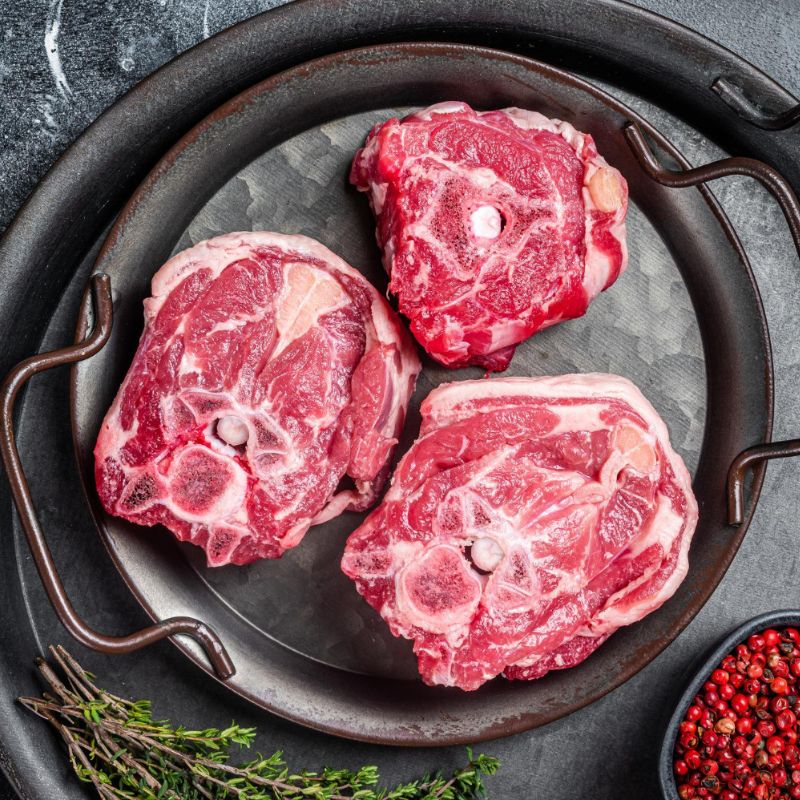
While red meat is often discussed in terms of its risks, it also offers several valuable health benefits when eaten in moderation. Red meat is an excellent source of high-quality protein, essential for muscle repair and immune health, and it provides heme iron, a form of iron that is particularly well-absorbed by the body and supports oxygen transport in the blood (Ruxton et al., 2024).
Nutrient-Dense and Well-Absorbed
Red meat, when consumed in moderation as part of a balanced diet, can be a nutrient-dense source of high-quality protein and essential nutrients like iron, and vitamin B12. Additionally, red meat is a good source of zinc, which plays a role in immune function, and vitamin B12, essential for nerve health and the production of red blood cells. While red meat is not the only way to obtain these nutrients, it remains a concentrated and bioavailable source of them.
While observational studies often associate red meat consumption with health risks, such as a potential increase in colorectal cancer risk from high intakes of processed meats, randomized controlled trials (RCTs) frequently find neutral or positive effects on disease markers when lean red meat is included in diets, even at higher-than-recommended levels (Ruxton et al., 2024).
Conversely, avoiding red meat entirely may increase the risk of nutrient deficiencies for some, particularly in vulnerable groups like women of childbearing age and the elderly. Future research should focus on addressing biases in current studies and explore the bioavailability of nutrients in plant-based diets versus those that include lean red meats.
Key Nutrients and Benefits of Red Meat:
For those seeking alternative sources of these nutrients, options include poultry, seafood, and plant-based proteins such as legumes and tofu. A balanced approach, incorporating a variety of protein sources, can help minimise risks while retaining the nutritional benefits.
Red Meat and Gut Health
The relationship between red meat and gut health is complex and depends on factors like meat type, preparation methods, portion size, and individual health conditions. Here’s a concise summary:
Dairy and Dairy-Based Proteins
Final Say On Red Meat
Promoting healthier meat-inclusive diets may offer more practical and equitable health benefits than total avoidance for those of us who are omnivores. Lean red meat can be part of a gut-healthy diet if consumed in moderation and paired with plenty of vegetables, whole grains, and fibre-rich foods. Limiting processed meat and choosing healthier preparation methods (like baking or grilling at moderate temperatures) are key strategies to minimise risks.
Poultry and Eggs

Poultry and eggs are staples in diets worldwide, valued for their high-quality protein and essential nutrients. Poultry, such as chicken and turkey, provides lean protein with less saturated fat compared to red meat, making it a heart-friendly option.
Studies have highlighted the role of poultry meats in maintaining muscle mass, supporting cardiovascular health, and reducing risks associated with obesity and type 2 diabetes when included in balanced diets. Furthermore, poultry is rich in B vitamins, selenium, and zinc, all vital for energy production, immune function, and cellular repair (Connolly et al., 2023).
Whole Eggs Are A Superfood
Eggs, particularly whole eggs, are nutritional powerhouses packed with complete protein, healthy fats, and vital nutrients like choline, which is crucial for brain health (Réhault-Godbert et al., 2019).
Recent research found that consuming whole eggs improves nutrient density without negatively impacting cholesterol or inflammation markers, making them a reliable option for both young and aging populations. (Myers et al., 2023). They are also a good source of vitamin D, which supports bone health, and contain antioxidants like lutein and zeaxanthin, which benefit eye health (Abdel-Aal et al., 2013).
Although poultry and eggs are generally considered healthy, moderation and preparation methods are key. For example, avoiding deep-frying and opting for grilled or baked chicken can maximise health benefits. Choosing lean cuts of poultry and incorporating eggs into a varied diet can contribute to overall well-being without increasing the risks often associated with excessive saturated fat intake
Key Health Benefits of Poultry and Eggs:
Take-Aways:
Fish And Seafood
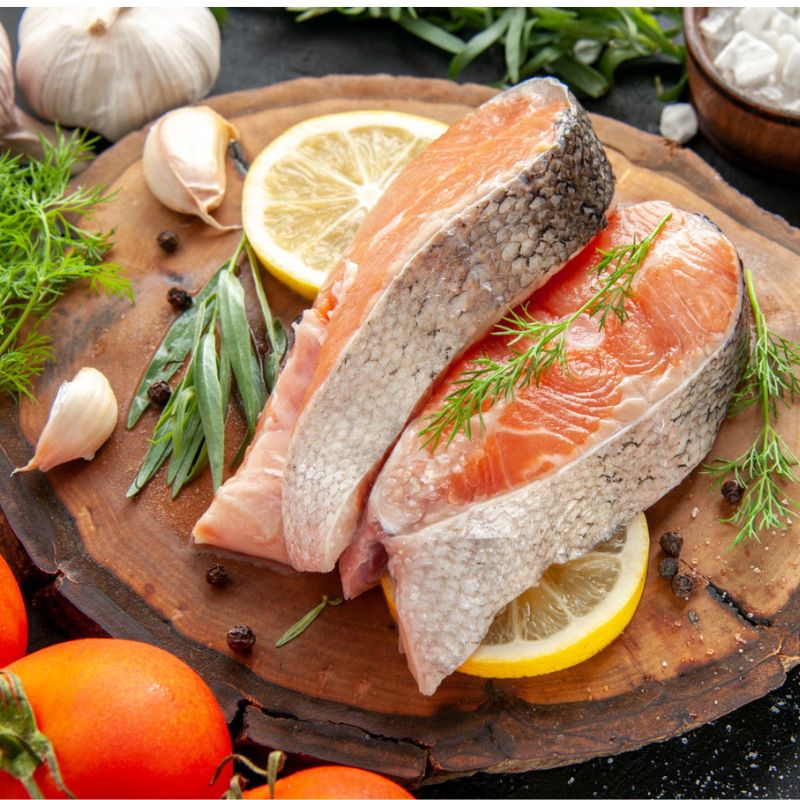
The Ocean’s Nutritional Powerhouse
Incorporating fish and seafood into your diet provides a wide array of health benefits, including support for heart, brain, and gut health. Fish, especially fatty varieties like salmon, mackerel, and sardines, are rich in high-quality protein, omega-3 fatty acids (EPA and DHA), vitamins D and B12, and essential minerals such as iodine, selenium, and zinc.
These nutrients contribute to reduced inflammation, improved cardiovascular function, and cognitive protection. Omega-3s are particularly beneficial, with research showing their role in lowering blood pressure, reducing triglycerides, and enhancing blood vessel function (Banaszak et al., 2024).
Additionally, regular fish consumption has been linked to lower risks of neurodegenerative diseases like Alzheimer’s disease, dementia, and conditions such as depression (Godos et al., 2024).
From a gut health perspective, fish can be beneficial due to its anti-inflammatory properties. The omega-3 fatty acids in fish help support gut barrier function and reduce systemic inflammation, which is often associated with gastrointestinal disorders (Costantini et al., 2017).
Mercury Exposure Caution

Research also indicates that fish can positively impact the gut microbiome, promoting bacterial diversity essential for overall health. However, high consumption of certain seafood, especially large predatory fish like shark or swordfish, may increase mercury exposure, which can have adverse health effects. It’s crucial to balance these risks by choosing low-mercury options, such as salmon, sardines, shrimp, and tilapia, and by moderating intake.
Emerging studies suggest seafood may have specific benefits for pregnant women and young children. Consuming 8–12 ounces of fish weekly during pregnancy has been associated with improved foetal brain development, thanks to the DHA in fish. However, these benefits are best achieved by selecting species lower in mercury, such as salmon or sardines, which are among the best choices recommended by health agencies.
Key Benefits of Fish and Seafood
Take-Aways
Plant-Based Protein

Plant Protein: Health Benefits and Key Insights
Plant-based proteins are not only an essential part of a sustainable diet but also offer numerous health benefits that extend beyond basic nutrition. They are rich in fibre, antioxidants, polyunsaturated fats, and phytonutrients, which collectively contribute to better heart health, improved digestion, and reduced inflammation. Unlike animal proteins, plant proteins are lower in saturated fats and free of cholesterol, making them a superior choice for reducing cardiovascular risk.
Research strongly supports the inclusion of plant proteins in the diet. A study in JAMA Internal Medicine (2020) revealed that replacing just 3% of daily caloric intake from animal protein with plant protein reduces overall mortality by 5% and cardiovascular mortality by 10% (Huang et al., 2020).
Studies have highlighted that plant protein consumption improves cholesterol profiles and reduces the risk of coronary artery disease when it constitutes at least 50% of total protein intake (Naghshi et al., 2020). This shift is particularly impactful when plant proteins replace red meat, which is associated with higher risk of chronic diseases (Harvard T.H.Chan 2024).
In addition to health advantages, plant proteins are environmentally sustainable. They require fewer resources, produce lower greenhouse gas emissions, and align with global efforts to combat climate change. However, a common challenge is their “incomplete” amino acid profiles, as most plant proteins lack one or more essential amino acids. This problem can easily be mitigated by combining sources, such as legumes with grains, to achieve a complete protein profile. Furthermore, innovative food technologies are improving the functionality and digestibility of plant proteins, making them more accessible and versatile in the food industry.
By thoughtfully integrating plant proteins into your diet, you can promote health while contributing to a more sustainable and ethical food system. For more information on plant protein research, refer to studies from JAMA Internal Medicine (2020) and (Xiao et al., 2023)
Why Choose Plant Proteins?
Plant-based proteins are linked to lower rates of chronic diseases, including gut diseases, heart disease, cancer, and diabetes, thanks to their unique composition of bioactive nutrients. They also offer environmental benefits, as they have a much smaller carbon footprint compared to animal proteins. For those interested in a meat-free diet, thoughtfully planned diet rich in diverse plant proteins can meet all of a person’s nutritional requirements.
Nuts and Seeds
Incorporating a small handful of nuts and seeds into the daily diet provides good levels of protein and essential fatty acids. Nut and seed choices like almonds, Brazil nuts, and walnuts can help maintain steady blood sugar levels and support satiety throughout the day. However, it’s essential to practice moderation, as overeating nuts can trigger weight issues and even allergies in some people.
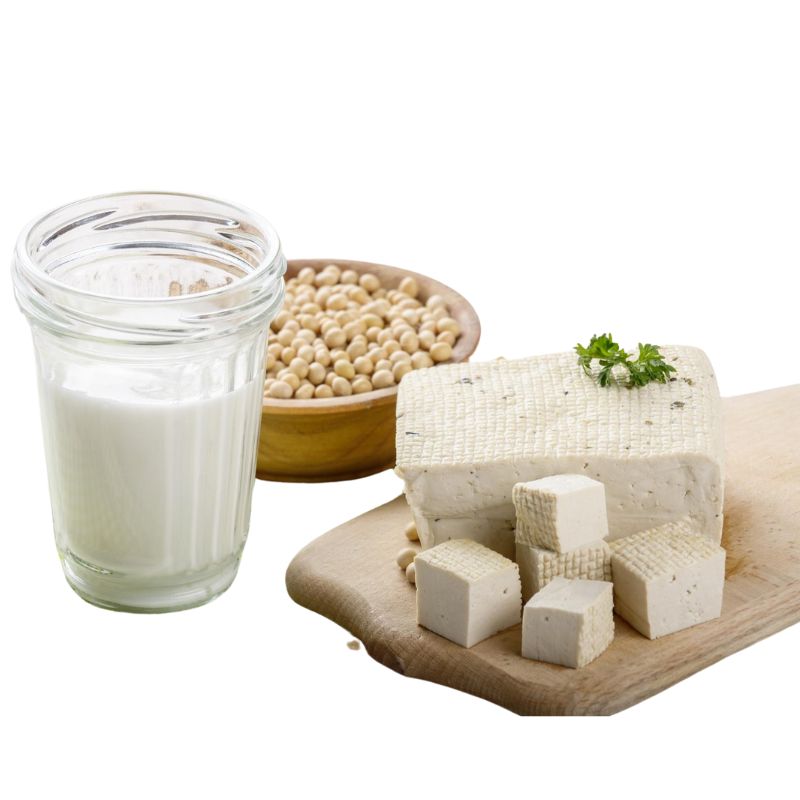
Soy Protein
A technical review of the observational and clinical data have shown however, that neither foods made from soy nor nor isoflavones themselves warrant classification as “endocrine disruptors”. (Messina et al., 2021).
Plant-Based Protein Leads Global Supply
Globally, plant-based sources dominate dietary protein supply, accounting for 57% of total protein intake. This includes staples such as grains, legumes, and nuts, which form the backbone of protein consumption in many diets. Animal-based proteins make up the remaining 43%, distributed among meat (18%), dairy (10%), shellfish and fish (6%), and other animal products (9%).
This distribution reflects dietary trends and agricultural practices worldwide, with plant-based proteins often being more accessible and cost-effective. Their prominence also highlights their critical role in addressing nutritional needs, especially in regions where animal proteins are less affordable or culturally less prevalent. As the shift toward sustainable and plant-based diets gains momentum, the reliance on plant-derived proteins continues to grow, underscoring their importance in global nutrition (FAO 2010).
Health Benefits of Plant Proteins
Take Aways
The Highest Plant Protein Sources
Other Protein Sources

Beyond conventional sources like meat, poultry, and legumes, innovative and alternative protein sources are gaining attention for their nutritional benefits and sustainability. These include protein powders, insects, seitan, and algae. Each offers unique advantages, making them valuable additions to a varied diet.
Protein Powders
Concentrated sources of protein like whey, casein, and plant-based options such as pea, soy, or rice protein provide a convenient way to boost protein intake. Whey protein is particularly beneficial for muscle growth and recovery due to its high content of branched-chain amino acids (BCAAs), while plant-based powders are ideal for those avoiding dairy (Ramos 2016).
Studies have found virtually no difference with whey protein vs pea protein in terms of results when it comes to protein powders. A study on high-level futsal players found that supplementing with either a plant-based protein matrix or whey protein over 8 weeks produced no differences in body composition, performance, or other assessed variables (Teixeira et al., 2022).
This indicates that when the essential amino acid profiles are matched, plant-based proteins are as effective as whey protein for muscle support. Moreover, consuming protein above 1.6 g/kg of body weight per day, regardless of the source, did not lead to additional benefits for trained athletes (Teixeira et al., 2022)
Research has shown that regular use of protein supplements can help support muscle maintenance and enhance post-workout recovery (Pearson et al., 2023).
Insects
It may not be suite everybody’s taste, but insects like crickets and mealworms, are emerging as a sustainable protein source. They are rich in protein, vitamins, and minerals like iron and zinc, with a significantly lower environmental footprint compared to traditional livestock. Studies suggest that incorporating edible insects into diets could address global food security while providing high-quality nutrients (Tao et al., 2018).
Seitan
Seitan is a meat substitute made from wheat gluten, is an excellent plant-based protein source. It offers a dense texture and high protein content but is low in essential amino acids like lysine, so pairing it with complementary foods is vital.
Similarly, algae like spirulina and chlorella are nutrient-dense, delivering complete protein, essential fatty acids, and antioxidants. These microalgae have demonstrated potential in reducing oxidative stress and supporting immune health (USDA, 2023; CDC, 2023).
Key Points About Alternative Proteins:
Take-Aways
Miscellaneous Protein Food Sources
This list offers a comprehensive view of protein-rich foods outside the realm of meat and traditional vegetables, catering to diverse dietary preferences.
Final Summary
Protein is essential for maintaining the body’s structural integrity, physiological functions, and overall well-being. It plays a central role in muscle repair, enzyme production, immune function, and energy regulation.
Achieving a well-rounded, high-quality diet involves incorporating diverse protein sources, including both animal-based and plant-based options, to ensure we receive all the necessary amino acids and nutrients. Regardless of whether we are a meat-eater, vegetarian, or vegan, there are abundant choices to meet our dietary preferences and health goals.
Determining the right protein intake is a personalised process influenced by factors such as our activity level, weight, health status, and lifestyle.
While high-protein diets, like Keto, can offer benefits in certain contexts, balance is vital for sustainable long-term health. Experimenting with a variety of protein sources, observing how they impact energy, mood, and sleep, and paying attention to our body’s signals can help fine-tune our intake for optimal results.
For guidance on crafting a balanced, nutrient-rich diet, explore our Foundation Diet, which incorporates a blend of the best protein sources. This plan ensures you achieve a complete nutrient profile while supporting overall health and vitality. I hope you enjoyed this post, please leave a comment with your views or experiences with protein.

Eric Bakker N.D.
Greetings! I am a naturopathic physician from New Zealand. Although I’ve retired from clinical practice since 2019 after 34 years of clinic. I remain passionate about helping people improve their lives. You’ll find I’m active online with a focus on natural health and wellbeing education through my Facebook page, Reddit page and YouTube channel, including this website.


