

Introduction to Miso
Miso, a traditional Japanese fermented paste, is celebrated for its rich umami flavour and deeply nourishing qualities. Made primarily from soybeans, salt, and a mould called Aspergillus oryzae, miso is one of Japan’s essential ingredients, known for its versatility and depth in Japanese cuisine, where it has held an enduring role for centuries.
What is Miso?

Miso is a thick, umami-rich paste and a cornerstone of Japanese cuisine. Made by fermenting soybeans with salt and koji (Aspergillus oryzae, a cultivated fungus), miso’s deep flavour profile and nutritional benefits have secured its place in Japanese kitchens for over 1,300 years.
Originally from ancient China, miso became a beloved staple in Japan by the seventh century. To create miso, steamed soybeans, salt, and koji are combined and allowed to ferment for anywhere from a few months to several years, which produces a paste with a diverse range of flavours, colours, and textures.
Some variations use rice, barley, or seaweed instead of soybeans, contributing to over 1,000 unique types of miso available today. While miso is typically salty, flavours can also be sweet, earthy, or fruity, depending on ingredients and fermentation length.
Our family loves miso soup, especially in winter time, I’ll share my recipe a little later on. But first, let’s look at different types of fermented soy foods, and then go further with the exceptional nutritional value.
4 Types Of Fermented Soybean Food Products
In Asia, soybeans are transformed into various fermented foods, each with unique flavours and health benefits. In Japan, Miso is a savoury soybean paste, fermented with a specific culture to create a deep umami flavor, ideal for soups and marinades. Miso starter culture: Aspergillus oryzae
Another Japanese fermented product, Natto, is made with Bacillus subtilis natto bacteria, giving it a distinctive taste, sticky texture, and a high probiotic content.
Indonesia’s Tempeh is a firm, cake-like soybean product fermented with Rhizopus oligoporus, providing a mild, earthy flavour and serving as a popular meat substitute. In China, Douchi is a fermented black soybean with a strong, salty taste, often used to season dishes.
These fermented foods highlight the versatility of soybeans and the unique culinary traditions of each culture.
Two Main Types Of Miso
The two most common types in Japanese cooking are shiro miso (white miso) and aka miso (red miso). Shiro miso, known for its light colour and mild flavour, is fermented for a shorter time, generally around three months to a year.
White Miso (Shiro Miso)

Sweet and mild, typically used in soups, dressings, and marinades. It has a short fermentation time and a high rice koji content.
Its sweetness comes from a high proportion of rice koji to soybeans, giving it a subtle umami flavour that pairs well with delicate dishes, including soups, dressings, and lighter proteins like chicken or white fish.
Red Miso (Aka Miso)
Stronger, saltier, and more complex due to extended fermentation. Ideal for hearty dishes like stews and braises.
Aka miso, on the other hand, undergoes a longer fermentation—anywhere from six months to ten years—resulting in a much darker, red-brown paste with a robust, salty flavour. This rich miso is ideal for hearty dishes, including stews, braises, and recipes featuring dark meats or rich vegetables. This is the one I like, it tastes great in hot water, just add one heaped teaspoon to a cup of hot water. A most delightful drink.
3 Other Types of Miso:
Each type of miso offers a unique taste experience and is crafted with attention to detail, reflecting Japan’s deep culinary tradition and the integral role of fermentation in achieving these layered flavours.
Key Benefits Of Fermented Foods

Fermented foods like miso are very rich in probiotic bacteria, beneficial micro-organisms that support a healthy gut microbiome. Countless studies exist online supporting the consumption of probiotics, because they have proven to aid in digestion, reduce bloating, and alleviate symptoms of gastrointestinal disorders like irritable bowel syndrome (IBS).
It’s only been quite recently in the history of medical science that gut micro-organisms have been linked to so many health benefits. Because of this, these microorganisms have become a serious scientific topic of interest.
Lactic acid bacteria (LAB) have become some of the most studied bacteria for this reason. During fermentation, these lactic acid bacteria have been found to make many vitamins and minerals, make different enzymes and biologically active peptides, they even manage to help get rid of “anti-nutrients”. (Sanlier et al., 2017). Studies have found that fermented foods offer an opportunity to positively impact our gut microbiome by two main ways (Leeuwendaal et al., 2022):
Key Articles About Fermented Foods

Miso Is Packed With Beneficial Nutrients
Miso is packed with beneficial nutrients that contribute to its reputation as a healthful addition to a balanced diet. One of its standout features is its protein content, which supplies essential amino acids necessary for muscle repair and general body functions.
High Protein Content
Although it is a plant-based protein source, miso can offer a comparable amino acid profile to some animal products, making it especially beneficial for those on vegetarian or vegan diets. Miso paste also includes significant amounts of glutamine, an amino acid that supports immune function and promotes gut health by helping maintain the integrity of the intestinal barrier (Wang et al., 2015).
This role in gut health is essential, as a balanced microbiome is linked to various benefits, including improved digestion and potentially better mental health through the gut-brain axis.
Beyond protein, miso is a rich source of vitamins and minerals. It contains notable amounts of manganese, zinc, and copper, which are crucial for metabolic processes and immune health. Additionally, certain miso varieties may contain B vitamins like B12, particularly in traditionally fermented types, making it a valuable source for individuals who might otherwise struggle to meet B12 requirements through plant-based diets alone.
Miso’s high antioxidant content, derived from its fermentation process, helps combat oxidative stress, which is linked to aging and various chronic conditions. These nutrients collectively support energy production, cellular repair, and immune system resilience, underscoring miso’s value as a nutritional powerhouse.
Miso Is A Nutrient-Dense Food
Miso is made by fermenting soybeans with ingredients like rice, wheat, or barley and salt, creating a nutrient-dense food with essential amino acids, vitamins, and antioxidants. The fermentation process increases the bioavailability of these nutrients, especially the beneficial isoflavones (genistein and daidzein) unique to soybeans, which support various health functions, including hormone balance and antioxidant protection.
Key Nutritional Highlights of Miso:
- Amino Acids: Includes glutamine, promoting gut health and enhancing immune resilience.
- Healthy Fats: Includes polyunsaturated fats that support cardiovascular health.
- Isoflavones: Genistein and daidzein offer antioxidant and hormone-regulating benefits.
- Minerals: Contains manganese, zinc, and copper..
- Protein-Rich: Contains soybean-specific proteins (glycinin and conglycinin) that aid in muscle and tissue health. Supplies all essential amino acids, supporting muscle repair and overall health.
- Vitamins: B vitamins like B12, as well as vitamin K aiding metabolic and immune functions.
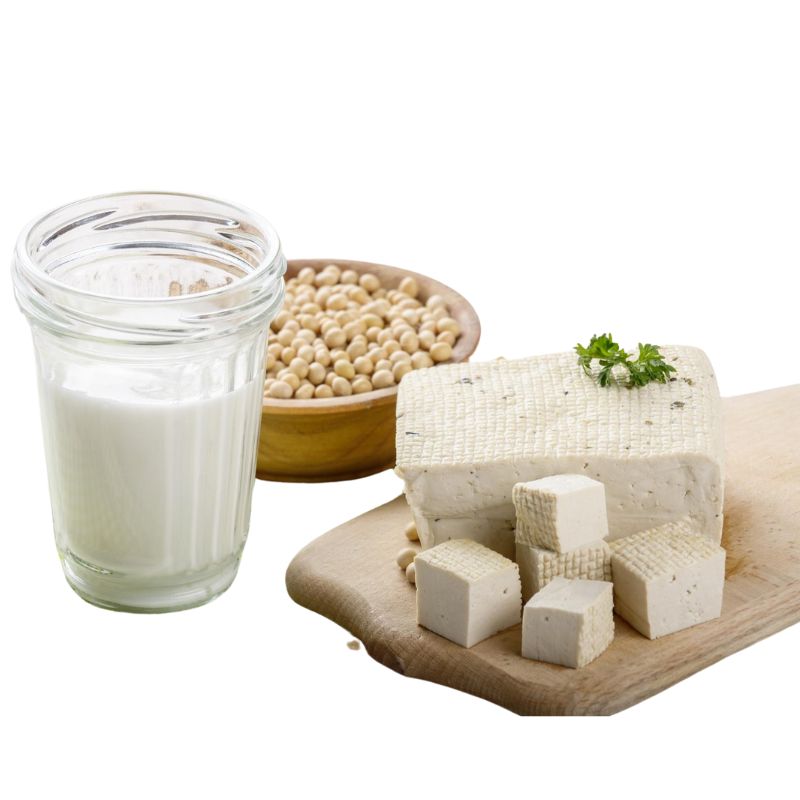
4 Key Soy Components
Traditional probiotic foods have long been staples in diets worldwide, featured in foods like yogurt, cheese, curd, and fermented drinks. These foods are widely recognised for their health benefits, and the Japanese diet, known for its fermented soy-based foods like miso, has been linked to the country’s impressive longevity.
Soybeans and their fermented products contain functional components, such as proteins and isoflavones, which contribute to their potential therapeutic effects (Jayachandran & Xu, 2019).
Research indicates that regular consumption of miso and other fermented soy products may reduce the risks of cancer, heart disease, and type 2 diabetes due to their antioxidant, anti-inflammatory, and antihypertensive properties (Yamamoto et al., 2003).
The following points outline the health-promoting compounds found in miso and their mechanisms of action, demonstrating how this traditional food supports health across multiple systems: (Dukariya et al. 2020).

Soy Isoflavone Are Phytoestrogens
Soy is well known for for its health-promoting compounds, especially isoflavones like genistein and daidzin. These compounds make up nearly the entire isoflavone content in soybeans and are well-known for their potential role in cancer prevention.
Phytoestrogens
Miso is rich in beneficial phytoestrogens, specifically genistein and daidzein, which are soy isoflavones known for their potential roles in hormone regulation, cancer prevention, and cardiovascular support. Isoflavone compounds mimic estrogen by binding to estrogen receptors, helping to balance and control estrogen metabolism in the body.
Miso Can Help Prevent Cancer
Research highlights that genistein can inhibit tumour growth and may induce apoptosis (programmed cell death) in certain cancers. Fermentation further boosts miso’s therapeutic potential, enhancing the concentration and bioavailability of isoflavones, which means that the body absorbs and utilises them more effectively compared to unfermented soy.
Regular miso consumption may reduce risks of breast cancer, heart disease, and osteoporosis, with the hormone-regulating effects of isoflavones linked to a protective effect on these conditions.
Fermentation also increases the concentration of genistein, especially effective at inhibiting prostate cancer cell growth, adding to miso’s unique health benefits. As a fermented food, miso not only delivers powerful isoflavones but also provides a range of therapeutic compounds for those aiming to support long-term health.
Key Benefits of Miso’s Isoflavones
Health Benefits of Miso
Miso, a fermented soybean paste essential to Japanese cuisine, offers a wealth of nutrients. It’s packed with amino acids, vitamins, and minerals that support everything from muscle repair to immune health.
The fermentation process that creates miso introduces beneficial probiotics, which aid digestion and help balance the gut microbiome—essential for immunity, nutrient absorption, and even mental well-being.
This fermentation also boosts miso’s bioavailability, making any nutrients easier for the body to absorb. Studies link regular consumption of fermented foods like miso with many health benefits, let’s look now at some of the key health benefit obtained from eating miso regularly.

Digestive Health and Gut Microbiota
Miso, a fermented food, is rich in beneficial probiotics, including Lactobacillus and Bifidobacterium, which play a key role in maintaining a balanced gut flora. By encouraging the growth of beneficial bacteria, miso improves digestion, enhances nutrient absorption, and generally supports a healthy gut environment.
The fermentation process also breaks down soy proteins into easily digestible amino acids, further boosting digestive comfort and efficiency.
Research suggests that regular miso consumption may lower risks of gastritis, ulcers, and even stomach cancer. Older adults who consume miso daily report fewer digestive issues, potentially due to genistein, an isoflavone in miso that inhibits Helicobacter pylori, a bacterium associated with inflammation and stomach ulcers (Mano et al., 2018); (Watanabe, 2013).
Additional Digestive Benefits
The fermentation of miso introduces enzymes that enhance nutrient absorption by breaking down soy proteins. Additionally, Aspergillus oryzae, a probiotic strain found in miso, promotes a balanced gut microbiome by counteracting harmful bacteria, while its fibre aid in intestinal cleansing.
The fermentation process reduces anti-nutrients—compounds that can hinder nutrient absorption—making miso especially effective for digestion (Minamiyama & Okada, 2003); (Brenner et al., 2009).
Key Benefits of Miso for Gut Health:

Immune System Support
The probiotics in miso play a significant role in supporting immune health by fostering a balanced gut microbiome, which is closely linked to immune function. (Clemente et al., 2012). A healthy gut environment strengthens the body’s natural defences, helping to manage inflammation and better defend against pathogens.
Miso also contains bioactive compounds, vitamins, and minerals that directly contribute to immune resilience, such as zinc and B vitamins, which are essential for maintaining immunity.
Additionally, regular intake of probiotics in foods like miso may reduce the frequency and duration of infections, such as colds, by improving the gut’s microbial balance. This probiotic-rich diet can potentially reduce the need for antibiotics, as healthy gut bacteria inhibit the growth of harmful microbes, promoting quicker recovery (Aziz et al., 2024).
Key Immune Benefits of Miso
Cancer-Prevention
Cancer begins when cells grow uncontrollably and spread to other areas of the body. Research suggests that up to 40% of cancers could be prevented with healthy lifestyle habits, including eating certain nutrient-rich foods.
Fermented soy products, such as miso and soy milk, have shown potential in lowering cancer risks, particularly for colon and breast cancer. For example, fermented soy products have been found to slow the growth of human colon cancer cells in lab settings and may also reduce the development of breast cancer cells by limiting harmful oxidative stress.
Additionally, fermented soy products have been found to reduce stomach cancer cell growth. Miso has been studied for its effects on liver cancer. Research indicates that it may help prevent liver cancer by slowing cell growth and reducing blood flow to tumours. (Jayachandran et al., 2015).
Key Benefits on Miso and Cancer Prevention

Antimicrobial Activity
Miso has notable antimicrobial benefits attributed to the fermentation process and its bioactive compounds. The production of miso involves the action of beneficial bacteria and fungi, such as Aspergillus oryzae, which generate peptides and enzymes that can inhibit pathogenic microorganisms.
These compounds, such as antimicrobial peptides and organic acids, act against harmful bacteria and fungi, thereby supporting gut health and immunity. The isoflavones and phytonutrients in miso contribute further to its antimicrobial effects by promoting a balanced gut microbiome and reducing inflammation.
Miso’s antimicrobial qualities are also tied to its ability to promote the growth of beneficial gut bacteria while suppressing the proliferation of harmful pathogens.
Key Antimicrobial Benefits of Miso
Protects Against Radioactivity
After the 1986 Chernobyl disaster, miso gained popularity in Europe as many believed it helped reduce radiation exposure (Newmark et al., 2009).
Studies suggest that miso aids in removing radioactive elements from the body, and historical accounts show that people working at miso plants after the atomic bombings in Japan suffered less radiation damage.
Animal studies also indicate that rats fed miso may eliminate radioactive components more efficiently, though the exact mechanisms behind these effects are still not fully understood (Minamiyama & Okada, 2003); (Watanabe, 2013).

Cardiovascular Health
Miso is known for its cardiovascular health benefits due to the presence of several key compounds that benefit the heart and circulatory system. Rich in antioxidants such as polyphenols and flavonoids, miso helps to combat oxidative stress, which is a significant factor in cardiovascular diseases.
Additionally, the high potassium content in miso plays a crucial role in regulating blood pressure by balancing sodium levels, potentially leading to lower risks of hypertension and heart disease.
Regularly consuming miso can promote heart health, enhance overall cardiovascular function, and support the body’s ability to maintain healthy blood pressure levels.
Key Cardiovascular Benefits of Miso
Antioxidant Properties
Miso is packed with antioxidants that help combat oxidative stress in the body. These antioxidants neutralize free radicals, reducing cellular damage and inflammation. This action helps protect against chronic diseases and supports overall health. The antioxidant-rich compounds in miso include vitamins, minerals, and polyphenols, all of which play a role in reducing inflammation and promoting longevity.
These properties suggest that including miso in the diet may not only add flavor but also provide a natural defense against infections by supporting the body’s microbial defenses.
Incorporating miso into your diet not only provides a delicious flavor to your meals but also offers a range of health benefits, from supporting digestive health to providing antimicrobial protection.

Miso Health Considerations and Precautions
Miso is generally safe for most people and offers numerous health benefits, but there are important considerations to keep in mind, particularly regarding allergies and sodium content.
Soy allergies are the most significant concern, as miso is primarily made from soybeans, which can provoke allergic reactions in sensitive individuals. Therefore, those with soy allergies should look for alternatives. Additionally, many miso varieties contain barley, which means they are not necessarily gluten-free; individuals with celiac disease or gluten sensitivity should opt for specifically labeled gluten-free miso.
Miso is also high in sodium, which can pose a risk for people with high blood pressure or those on low-sodium diets. It’s advisable for these individuals to consume miso in moderation or choose low-sodium options.
Despite its sodium content, miso is considered safe for most people, but those with conditions requiring salt restriction should monitor their intake.
Furthermore, miso contains compounds known as goitrogens, which may affect thyroid function. While cooking can reduce these effects, individuals with existing thyroid issues should be cautious and consume miso in moderation. My recommendations are to consume iodine-rich foods like the Japanese, it seems to go with a diet high in soy foods and mitigates any effects, and studies tend to support this point of view. (Knudsen et al., 2002).
Key Considerations:

Does Miso Go Bad? How Should I Store it?
Miso paste is known for its long shelf life, particularly when stored properly. Although it technically doesn’t expire, improper storage can lead to oxidation and mould growth, affecting its quality.
To maintain freshness, keep miso in the refrigerator after opening. When stored correctly, miso can last for over a year. I’ve kept some miso for more than 3 years refrigerated and found it still to be perfectly fine. To prevent oxidation, placing a piece of parchment paper or plastic wrap on the surface of the paste can help.
Always use clean utensils to serve to avoid contamination, which can lead to spoilage., and make sure to store miso at a cool refrigerator temperature. The back of the refrigerator seems to be the best spot, next to the sauerkraut.
Miso Storage Tips:
Shopping for Miso:
When shopping for miso, look for products that contain minimal ingredients, ideally just soybeans, grains, and water, as these tend to be of higher quality. Be mindful of the texture—natural miso should have some graininess, while overly smooth varieties might indicate excessive milling or additives. Miso can be found in most Asian grocery stores, and you might find a better selection in specialty stores or online.
Using Miso In Cooking Tips:
Miso is highly versatile and can enhance a variety of dishes. It’s excellent for flavouring broths, marinades, stews and casseroles.
The amazing this is, you can also blend it with other ingredients like peanut butter, tofu, or vinegar for sauces and dressings. While heat can kill some beneficial probiotics, using miso in cold dishes preserves its health benefits.
Miso Soup Recipe
Miso soup is also known as a hug in a bowl. It is a very comforting and nourishing drink, especially in the cooler months of the year, but can be enjoyed any time.

What Is Miso Soup?
Miso soup is a staple of Japanese cuisine, celebrated for its comforting, savoury flavour and health benefits. This traditional soup is primarily made from miso paste, a fermented soybean product, combined with dashi, a tasty broth typically made from kombu (seaweed) and bonito flakes (dried tuna). While dashi is essential for authentic miso soup, many modern recipes substitute dashi with vegetable broth or vegetable stock cubes to accommodate various dietary preferences.
In addition to miso and dashi, common ingredients include tofu, green onions, and seaweed, making it a nutritious dish that can easily be customised with seasonal vegetables or additional proteins.
How to Make Miso Soup
To prepare miso soup, start by heating your chosen broth, whether it’s dashi or vegetable-based. Dissolve the miso paste in a small amount of hot water to achieve a smooth consistency before adding it to the soup.
Traditional recipes emphasise the importance of not boiling the miso after adding it, as high temperatures can diminish its probiotic benefits. After incorporating ingredients like tofu and greens—such as spinach, chard, bean sprouts, or bok choy—allow them to simmer briefly before serving.
The result is a quick, nutritious soup that can be prepared in less than 15 minutes. Miso soup is not only delicious but also highly versatile, allowing for a range of adaptations to suit individual tastes. It is often served with plain steamed white rice.
Key Miso Soup Ingredients:
Miso Preparation Steps:
Miso soup is not only comforting and easy to prepare but also customisable with different vegetables, making it a delightful addition to any meal. I find it best when served with Asian greens (like bok choy, gai lan, or choy sum) and freshly steamed rice.
Thanks for reading our comprehensive page all about miso. Feel free to leave a comment about your experiences with miso.

Eric Bakker N.D.
Greetings! I am a naturopathic physician from New Zealand. Although I’ve retired from clinical practice since 2019 after 34 years of clinic. I remain passionate about helping people improve their lives. You’ll find I’m active online with a focus on natural health and wellbeing education through my Facebook page, Reddit page and YouTube channel, including this website.


