
What Is Kimchi?
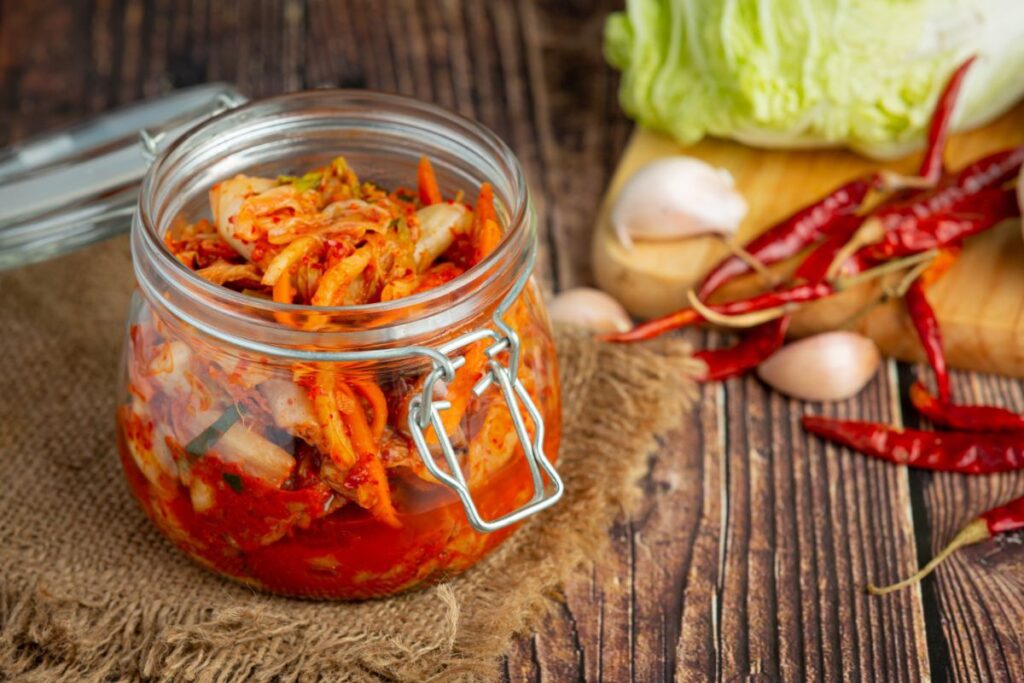
If sauerkraut makes you think of Germany, then kimchi will transport you straight to South Korea. This fiery, tangy, and deeply flavorful dish is South Korea’s national treasure, a fermented vegetable medley with a history spanning over 2,000 years. While many families have their own unique recipes, at its core, kimchi is a spicy, pickled dish traditionally made with napa cabbage, radish, garlic, and a blend of chili and seasonings.
Historically, it has been a constant struggle for many people to grow fresh vegetables year round. Many civilisations like Germans and South Koreans developed various food preservation techniques like fermentation, pickling, salting, and drying of foods. Just like sauerkraut, kimchi is an adaptable fermented food based on cabbage, but can be endlessly modified and tailored to suit your own taste.
Kimchi: A Global Fermented Superfood
Just like sauerkraut, kimchi was born out of necessity—an ancient method to preserve vegetables for the long winter months. Through fermentation, lactic acid bacteria naturally develop, helping eliminate harmful microbes while enhancing the food’s nutritional profile. Research confirms that kimchi functions as a probiotic food, delivering gut-friendly bacteria much like yogurt (Park 2014).
While some spell it “kimchee,” I prefer “kimchi” because of its connection to the concept of “chi” (or “ki,” “gi”)—a term in Asian traditions referring to life force or natural energy. The most well-known kimchi variety is made with napa cabbage, but South Korea boasts hundreds of variations, each offering a distinct taste and texture.
Like sauerkraut, kimchi can be enjoyed raw or cooked, though its probiotic benefits are best preserved when eaten fresh. When made correctly, kimchi not only enhances meals with its bold flavors but also serves as a nutritional powerhouse, packed with vitamins, fiber, and beneficial microbes.
Before we explore its incredible health benefits, let’s first take a closer look at the best cabbage for kimchi—because, unlike sauerkraut, it requires a specific type to achieve that perfect balance of crunch and flavour.
Key Articles About Fermented Foods
What Is Kimchi Made Of?
Kimchi comes in many varieties, depending on the vegetables, fruits, spices, and seasonings used. The most common type is made with napa cabbage, combined with garlic, ginger, chili peppers, fish sauce, scallions, and radish. These ingredients are mixed into a cabbage brine and left to ferment, allowing beneficial bacteria to develop.
While napa cabbage is the traditional base, some recipes use cucumber, daikon radish, or even green onions. The variations are endless, with each region—and even each household—having its own unique twist on this beloved dish.
What Does Kimchi Taste Like?
Kimchi has a bold, complex flavour—spicy, tangy, slightly sour, and rich in umami. Because it ferments over time, the taste evolves, becoming more pungent and sour the longer it ages. If you’re new to kimchi, I recommend starting slow. Much like sauerkraut, it can be an acquired taste, so ease into it with a small serving alongside a meal.
Personally, I’ve always been more of a sauerkraut fan, but over the years, I’ve grown to appreciate kimchi—especially since my wife loves it, and I now make it regularly.
How to Tell If Kimchi Is Still Good
Fish-based ingredients, such as anchovies, fish paste, or fermented fish sauce, are commonly used in traditional kimchi recipes, contributing to its distinct umami flavour. However, if you’re not a fan of fish, there are plant-based kimchi options available.
To determine if kimchi is still safe to eat, rely on your senses. Fresh kimchi should have a naturally pungent, tangy aroma. If it develops a strong alcoholic smell, an overly sour taste, or visible mold on the surface, it may have spoiled. Otherwise, well-fermented kimchi lasts a long time and only gets better with age—if you enjoy a sharper, more intense flavour.
Key Take-Away

Napa Cabbage Is Best For Making Kimchi
If you want to make kimchi, I recommend using napa cabbage, which is also called Chinese cabbage. Its mild taste and tender, crinkly leaves make it very popular. Its unique texture and taste let the spices and seasonings used in kimchi recipes blend with them, making a well-balanced, sour fermented meal.
If you want to ferment cabbage, knowing these small changes between varieties can have a big effect on how the finished product tastes and feels. Whether you use napa cabbage to make kimchi or solid green cabbage to make sauerkraut, each type gives you a different taste experience that comes from centuries of fermentation traditions.
It’s good to discuss these subtle differences, showing how different cabbages can be used to make kimchi and sauerkraut, and how their different tastes and textures can affect the finished fermented foods.

Sauerkraut Cabbage
Traditional solid green cabbage, on the other hand, is best for sauerkraut because it has a strong taste and a firm texture that hold up well during the crushing and fermentation process. When this kind of cabbage ferments, it gives off a strong smell and a very sour taste, which is typical of traditional European sauerkraut.
The best cabbages will have grown over four months, sometimes up to six months or more. They can be hard to find at your local greengrocer or whole-foods store, but any fresh green or red cabbage is OK. Choose a heavy, solid and fresh cabbage. I prefer to harvest and process right-away. Use a sharp serrated knife and cut the cabbage finely.
Kimchi Health Benefits
Is Kimchi Good For You?
Kimchi has been the subject of numerous scientific studies, which highlight its impressive range of potential health benefits. Research shows that kimchi contains various biological compounds known for their positive effects on health. It may stimulate immune function, reduce oxidative stress, support weight loss, improve bowel function, lower the risk of certain cancers, offer anti-aging benefits, and help manage heart disease and metabolic syndrome (Kim 2018).
Like sauerkraut, kimchi is packed with antioxidants, vitamins, and minerals. A recent study from 2023 found that kimchi is a safe and effective treatment for general health issues, including obesity and irritable bowel syndrome (IBS), despite a lack of comprehensive trials on the topic (Song 2023).
While the list of kimchi’s purported health benefits continues to grow, many of these claims have yet to be conclusively verified by scientific research. That said, here are some of the key benefits that kimchi may offer:
Kimchi is a powerful, nutrient-packed food that can benefit overall health in numerous ways. However, further research is needed to fully validate many of its health claims.

Kimchi Contains Probiotics
Research increasingly supports the link between fermented foods like kimchi and improved gut health, as well as overall wellness. Kimchi, along with other fermented foods such as sauerkraut, is particularly rich in the probiotic Lactobacillus plantarum, a strain of bacteria widely recognized for its immune-boosting properties (Yang 2019).
When kimchi is traditionally prepared (without commercial pasteurization), it retains high levels of Lactobacillus bacteria, which provide a variety of benefits to gut health and overall well-being. The process of lacto-fermentation, in which Lactobacillus bacteria convert sugars from crushed cabbage into lactic acid, gives kimchi its signature tangy taste and enhances its probiotic content.
The same Lactobacillus species found in kimchi, sauerkraut, and yogurt have been shown through research to offer several health benefits when consumed, particularly for gastrointestinal conditions. I’ve come across studies indicating that kimchi can have a profoundly positive effect on common gut ailments.
Reducing Inflammation and Supporting Immune Health
A diet rich in fermented foods like kimchi and kefir can promote intestinal health by supporting the immune system and reducing inflammation. There’s growing evidence suggesting that fermented foods may help increase the number of beneficial probiotic bacteria in the gut, alleviating symptoms such as constipation, diarrhea, IBS, and other digestive issues (Higashikawa 2010).
A more recent study from 2022 highlighted that kefir, like kimchi, can reduce constipation and diarrhea, improve leaky gut (intestinal permeability), and help balance immune system function (Egea 2022). This growing body of evidence underscores the powerful impact of fermented foods on gut health and immune support.
Key Take-Away
Kimchi Can Help Improve Nutritional Value Of Our Diet
The fermentation process, primarily involving Lactobacillus bacteria, significantly enhances the nutritional value of kimchi. This is because bacteria produce essential vitamins and minerals during fermentation, while also deactivating anti-nutrients—unwanted compounds that can interfere with nutrient absorption (Sanlier 2017).
An older study highlighted that the fermentation of sugars in kimchi leads to beneficial compositional changes, including the accumulation of organic acids and the production of vitamins, especially ascorbic acid (Cheigh 1994).
Kimchi is also a nutrient-dense food, rich in a variety of vitamins and minerals. It contains protein, fiber, and essential minerals like iron, potassium, and magnesium, as well as vitamins B2, B3, B6, B12, C, K, and folic acid (Hwang 2023).
A recent study from 2023 found that kimchi was one of the top five foods contributing to a high magnesium intake in Korean individuals (Shim 2023).
For those on a predominantly vegan diet, vitamin B12 can be hard to obtain. However, kimchi can provide a good source of this important vitamin. A study conducted in Korea found that plant-based foods like seaweed, soybean-fermented foods, and kimchi play a key role in maintaining adequate vitamin B12 levels, particularly in elderly populations (Kwak 2010).
Key Take-Away
Kimchi Supports Our Immune System’s Functioning
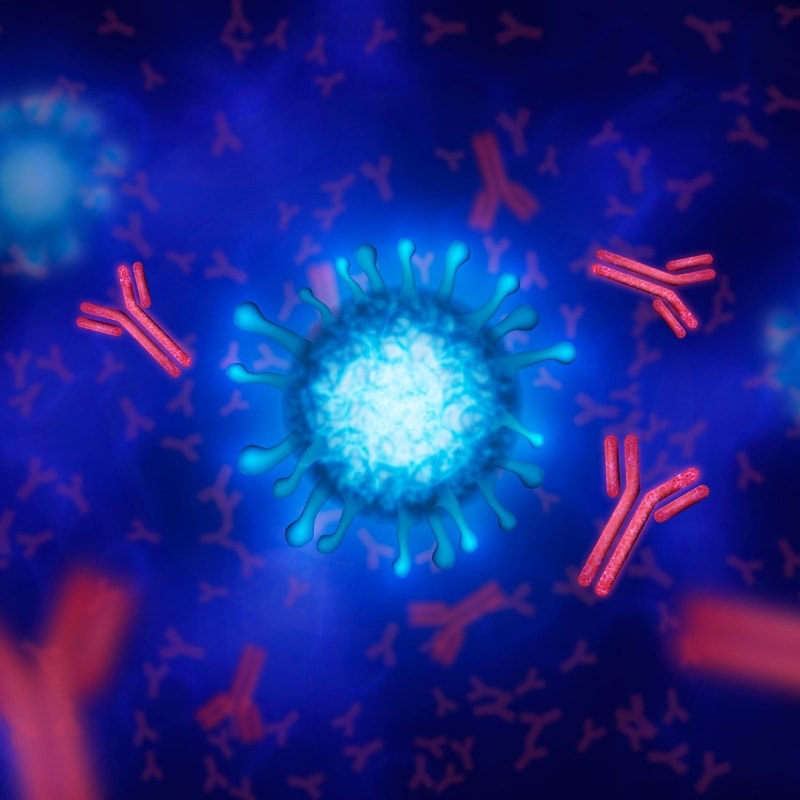
Numerous studies suggest that the consumption of fermented foods like yogurt and kimchi can enhance the body’s immune responses, supporting both intestinal and overall health.
Kimchi has even been shown to improve lactose malabsorption and reduce the duration and frequency of respiratory infections (Kok 2018).
A study involving Lactobacillus plantarum (a strain found in kimchi) found that while this strain did not directly inhibit the growth of Candida, it did interfere with its biofilm development in the early stages, preventing Candida from adhering and growing ((Yuk 2021).
While further research is needed in the area of immune function and Lactobacillus, it’s clear that the specific strain found in kimchi has the potential to strengthen the immune system.
Key Take-Away
Kimchi Can Help Prevent Many Kinds Of Cancer
In addition to its role in suppressing cancer-causing enzymes, the antibiotic-tolerant probiotic Lactobacillus plantarum found in kimchi offers several health benefits, including intestinal regulation, immune system enhancement, and a reduction in the growth and development of harmful bacteria.
Notably, the bacteria Weissella cibaria and Lactobacillus plantarum found in kimchi have anti-inflammatory and immune-modulating effects, which may contribute to their potential in preventing or treating cancer (Kwak 2014).
Indole-3-Carbinol
Although kimchi contains various phyto-chemicals with potential cancer-fighting properties, the exact mechanisms by which they prevent cancer remain unclear. One key phytochemical present in kimchi is indole-3-carbinol (I3C), which is abundant in cabbage, broccoli, cauliflower, and Brussels sprouts. I3C is known for its powerful anti-cancer effects.
Research has shown that I3C can suppress the proliferation of several cancer cell lines, including those from breast, colon, prostate, and endometrial cancers (Katz 2018).
A recent study published in 2022 found that indole-3-carbinol, derived from cruciferous vegetables like cabbage, can be converted into 3,3′-di-indolylmethane (DIM) and 3,3′-diindolylmethane (LTr1), both of which have shown efficacy in fighting cancer (Qian 2022).
Key Take-Away

Kimchi Can Help Reduce Inflammation
Studies into the effects of fermented foods, including kimchi, on skin conditions like eczema highlight the interconnectedness of the skin, inflammation, and gut health. Research has shown that the probiotics and beneficial bacteria found in fermented foods can help regulate the immune system and reduce inflammation, both of which are key factors in controlling eczema symptoms.
When we make poor dietary choices that negatively affect our gut health, such as consuming processed foods or foods we’re allergic to, it can exacerbate inflammation and trigger eczema flare-ups. This intricate connection underscores the importance of diet in managing skin conditions like eczema.
Kimchi Supports Eczema
In my clinical experience, I’ve observed that incorporating fermented foods, like kimchi, into the diet has made a significant difference in the severity of eczema for many patients. Those who regularly consume probiotic-rich foods often report improvements in both their skin health and overall well-being. This reinforces the idea that enhancing gut health through diet is vital for controlling inflammatory skin conditions.
A study involving nearly 10,000 adults found that kimchi consumption was associated with a lower prevalence of atopic dermatitis (eczema), while high consumption of meat and processed foods was strongly linked to a higher prevalence of the condition (Park 2016).
Additionally, animal studies have demonstrated that a compound in kimchi called HDMPPA can suppress inflammatory responses, offering further evidence of kimchi’s anti-inflammatory properties (Noh 2013).
Key Take-Away
Kimchi Can Help Reduce Aging
Kimchi is known for its ability to reduce chronic inflammation, which is closely linked to both acute and chronic diseases as well as the acceleration of the aging process. Chronic inflammation is one of the key factors that can lead to faster aging, so finding ways to manage it is essential for healthy aging.
Interestingly, kimchi may help extend human cell life by slowing down the process of inflammation. In a test-tube study, human cells exposed to kimchi showed increased viability and a prolonged lifespan, regardless of their age (Kim 2011).
A diet rich in antioxidants, such as fresh fruits and vegetables, is essential for maintaining a balance between oxidants and antioxidants, ultimately supporting a healthy aging process. Research has shown that kimchi consumption can improve antioxidant status in the body, which can contribute to healthier aging (Choi 2013).
Key Take-Away

Kimchi Can Help With Candida Yeast Infection
As Candida strains increasingly become resistant to antifungal drugs, researchers are turning to natural remedies, and kimchi may be one of the answers. The high levels of Lactobacillus bacteria in kimchi contribute to its potential in supporting Candida treatment. Similarly, other fermented foods like sauerkraut and yogurt, which also contain beneficial probiotic bacteria, may help with yeast infections.
A recent study on Lactobacillus probiotics and Candida highlights the growing body of research supporting fermented foods as antifungal agents. During my training, such studies were limited, so it’s exciting to see that fermented foods are now recognized for their antifungal properties due to their high levels of Lactobacillus.
Certain Lactobacillus species, like L. rhamnosus, have been shown to possess various antimicrobial and antifungal actions. While the exact mechanisms through which these probiotics inhibit Candida are not yet fully understood, research has identified several interference pathways, such as antifungal activity, biofilm formation, and interference with Candida’s virulence genes (Ribeiro 2020)
Further studies on Lactobacillus plantarum and Lactobacillus fermentum (both found in kimchi) have shown these probiotics to have a significant effect against Gardnerella vaginalis (causing bacterial vaginosis) and Candida albicans (causing vaginal yeast infections), making them promising candidates for preventing or treating these conditions (Santos 2018)
A study on three Lactobacillus plantarum strains isolated from kimchi revealed their impressive antibacterial and antifungal properties. These strains demonstrated growth inhibitory and killing effects against Candida albicans, with the most effective results seen against this yeast (Beck 2019)
Though research is still in its early stages, it’s clear that probiotic-rich foods like kimchi could play an important role in the prevention and treatment of yeast infections.
Key Take-Away

Kimchi Can Help With Weight Loss
After spending years in the naturopathic clinic, I began to notice a pattern: patients who regularly consumed fermented foods seemed to maintain a healthier weight. Scientists are now exploring this connection, though the exact mechanism remains unclear. Studies have recently shown that fermented foods, like kimchi, may help with weight management by improving satiety and digestion, boosting immunity, and potentially aiding in weight loss (Jalili et al., 2023)
So, is it the fewer calories, the probiotics, or the fibre that makes kimchi effective for weight loss? The answer isn’t entirely clear, but I believe that consuming a daily portion of fermented foods like kimchi, sauerkraut, or yogurt can shift how we think about food. It satisfies the gut in a way that sugary snacks don’t, gradually changing cravings and helping to shift our preferences towards healthier foods.
Is Our Body’s Size Linked To Our Taste?
You’ll find that most people gravitate towards specific taste preferences—sweet, salty, or sour/bitter. These cravings can shape our gut microbiome composition and diversity, and in turn, our body size. Extreme cravings for one type of food can lead to larger or smaller body sizes, depending on the individual’s taste tendencies. From my clinical experience, as the gut improves through the inclusion of fermented foods, cravings for unhealthy foods like soda, fries, ice cream and candy gradually subside. Eventually (after 6-12 months) you’ll lose the desire for such food altogether.
When patients start consuming fermented foods regularly, their gut bacteria evolve, sending signals to the brain that reduce cravings for junk foods. This dietary shift leads to a natural reduction in unhealthy food choices and a positive change in body composition.
The Science Behind Kimchi and Weight Loss
Recent studies have begun to uncover the mechanisms by which kimchi can promote weight loss. A 2023 study found that kimchi helps increase beneficial intestinal bacteria, producing short-chain fatty acids (SCFAs), which alleviate obesity and related inflammation (Kim & Choi 2023). Other research has also shown that kimchi can positively affect blood-sugar metabolism, improve insulin resistance, and help regulate blood pressure in pre-diabetic participants (An 2013).
The bottom line is that kimchi, a probiotic-rich food, may help reduce body weight, body fat, blood sugar levels, and improve overall metabolic health, while also supporting the body’s fight against Candida and bacterial infections.
Key Take-Away
Kimchi Recipe

The Health Benefits of Making Your Own Kimchi
Years ago, when I was a naturopathic student, I took several healthy cooking classes that introduced me to the world of fermented foods like sauerkraut, sourdough bread, and kimchi. I quickly learned that making your own fermented foods at home offers numerous benefits.
One of the greatest advantages, especially with kimchi, is its remarkable shelf life—when stored properly in the refrigerator, it can last for months without losing its fresh, vibrant flavor.
Fermented foods, such as kimchi, have natural preservatives like lactic acid, which keep the raw vegetables tasting fresh and flavorful for extended periods. Whether enjoyed as a healthy snack or incorporated into a full meal, kimchi is incredibly versatile. Its flavour remains intact whether you eat it cold, warm, or hot, making it a great addition to a variety of dishes.
Making kimchi is surprisingly simple. It simply involves thinly slicing vegetables, creating a brine with salt, adding spices, and tightly packing the mixture into a jar to ferment for several weeks at room temperature. As with sauerkraut, there are a few tricks and techniques to mastering the fermentation process to produce high-quality kimchi.
Addressing Concerns Around Fermentation
Many people new to making fermented foods often express concerns about bacteria and the fermentation process. It’s important to distinguish between fermentation and canning. Unlike canning, which uses high temperatures to destroy bacteria, fermentation promotes the growth of beneficial bacteria. This is a key factor in kimchi’s health benefits.
When making kimchi, it’s the salt, not heat, that plays the crucial role. Salt helps create the ideal environment for beneficial Lactobacilli bacteria to thrive. These probiotics contribute significantly to gut health, digestion, and overall well-being. The high temperatures used in canning would destroy these beneficial bacteria, so it’s important to ferment kimchi at room temperature, allowing the bacteria to flourish naturally.
The fermentation process also produces lactic acid, which gives kimchi its signature sour and tangy flavour. Lactic acid contributes to a favourable digestive environment that supports the development of healthy Lactobacillus colonies. The beauty of making your own kimchi is that you can experiment with different spices and seasonings, tailoring the flavour to your personal taste. There are hundreds of traditional and innovative kimchi recipes available online for those interested in exploring different variations.
Buying Pre-Made Kimchi
If you’re not keen on making your own kimchi, there’s no need to worry. High-quality, pre-made kimchi can easily be found in large supermarkets, health food stores, and online retailers. When choosing store-bought kimchi, make sure to opt for the unpasteurised variety that contains live cultures for the best probiotic benefits.
Key Take-Away
Final Thoughts
Whether you choose to make kimchi at home or buy it ready-made, this probiotic-rich food is a fantastic addition to any diet. Its simple ingredients, long shelf life, and countless health benefits make it a valuable food to include in your daily routine.
How To Make Kimchi
How to Make Kimchi: A Step-by-Step Guide
Kimchi, particularly the classic napa cabbage variety (known as paechu kimchi), is a delicious and nutritious fermented food that can be enjoyed year-round. Though there are countless variations, making this tangy, probiotic-packed dish is surprisingly easy once you understand the process.
Key Stages to Making Great Kimchi
Making kimchi is an enjoyable process, but there are a few crucial steps to ensure that you end up with a product that will ferment beautifully and last for months. Here’s a breakdown of the key stages to making kimchi that’s full of vitamins, minerals, and beneficial bacteria.
1. Brining the Cabbage
The first step to making kimchi is selecting the right cabbage. For the best results, use napa cabbage (also called Chinese cabbage). This cabbage has crinklier, softer leaves compared to standard round cabbage and a milder, sweeter flavor.
The brining process draws moisture out of the cabbage and promotes the growth of beneficial lactic acid bacteria, essential for fermentation. The process of osmosis, in which cabbage juice is released by the salt, also helps tenderize the cabbage leaves, making them more receptive to the kimchi spices.
Ingredients for Brining:
Brining Method:
2. Making the Kimchi Spice Paste
The paste used to coat the cabbage is what gives kimchi its signature spicy, tangy flavor. The ingredients can vary depending on personal taste, but here’s a basic recipe:
Ingredients
Spice Paste Method
3. Making the Kimchi
Once the cabbage is well-drained and the spice paste is prepared, it’s time to massage the paste into the cabbage. Wearing gloves is highly recommended to avoid staining your hands and to protect them from the heat of the chili paste.
4. Fermentation Process
Fermentation is where the magic happens. The natural bacteria, especially Lactobacillus, will convert the sugars in the cabbage and spices into lactic acid, giving kimchi its characteristic sour flavor.
5. Storing Kimchi
Once your kimchi has fermented to your liking, it’s time to store it.
Key Take-Away
Enjoy your homemade kimchi as a side dish, snack, or part of a main meal, and experience the health benefits of this age-old fermented food!
Final Thoughts
Making kimchi is a fun and rewarding process that results in a tasty, probiotic-rich food. With a bit of practice, you’ll perfect your technique and create batches that suit your taste—whether you prefer it mildly sour or spicy, or bold and hot.
Once you’ve made your own kimchi, you’ll never want to go back to store-bought versions again! Please leave any comments below with your recipe or your views.

Eric Bakker N.D.
Greetings! I am a naturopathic physician from New Zealand. Although I’ve retired from clinical practice since 2019 after 34 years of clinic. I remain passionate about helping people improve their lives. You’ll find I’m active online with a focus on natural health and wellbeing education through my Facebook page, Reddit page and YouTube channel, including this website.