SHARE

Candida Diet Snacks And Treats

Candida-Safe Snack Ideas To Keep You Going Between Meals

Snacking on the Candida diet doesn’t have to mean deprivation—it’s about choosing smart, satisfying options that support your gut health, not sabotage it. Whether you’re between meals, on the go, or entertaining guests, there are plenty of delicious snack ideas that won’t spike your blood sugar or feed yeast overgrowth.


I’ve found most store-bought snacks are loaded with hidden sugars, inflammatory oils, refined carbs, preservatives, and many kinds of artificial additives. Check out any typical snack label, and you’ll often see a list of gut-disrupting ingredients longer than the snack name itself.

That’s exactly why homemade, Candida-safe snacks are a superior choice at our place. Not only do they taste better, but they also work with your healing plan—not against it.

A child's hand reaches for a pink frosted donut with colorful sprinkles, among an assortment of chocolate-topped donuts—a sweet escape from the mundane discussion of what causes vaginal yeast infection.

Why Typical Snacks Make Candida Worse

Most of the commonly available desserts I’ve seen are a gut microbiome disaster.

They usually contain:

  • Refined white sugar (Candida rocket fuel)
  • White wheat flour (highly-refined carbs = sugar by another name)
  • Dairy (inflammation and mucus)
  • Honey, and syrups like maple syrup, corn, and agave (all high glycemic)

Even so-called “natural” treats (any form of high-sugar) can trigger flare-ups. That’s why it’s crucial to rethink not just the sweetness, but the entire base of any dessert suitable for those with Candida overgrowth, SIBO, or IBS.
  • Always Keep a Shopping List:
    With your mobile phone, it’s never been easier. Before you head to your local whole foods or grocery store, create a list of healthy snacks you’d like to have on hand, don’t worry – I’ll give you a list soon. Having a plan is a smart move to prevent impulse purchases of less healthy processed options. And remember, don’t head out on an empty stomach!
  • Always Prioritise Fresh Produce:
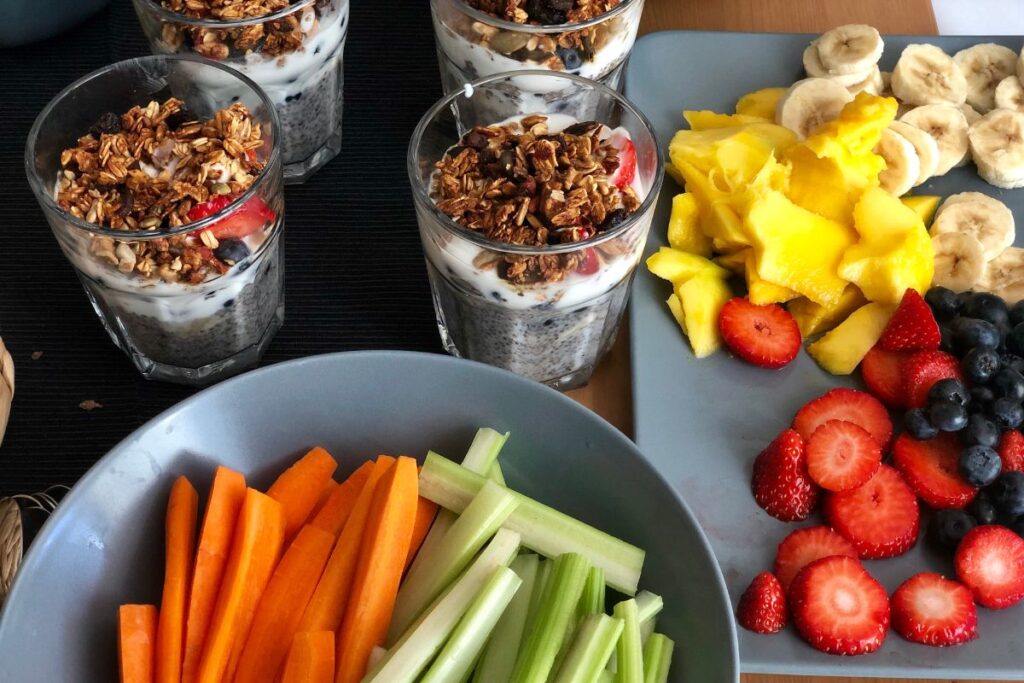
    Fresh fruit, berries and vegetables make excellent snacks. Buy a variety of options you enjoy, like apples, bell peppers, blueberries, carrots, celery, cucumbers, strawberries. Watch the sugar content of some fruits in particular if you have Candida, SIBO, IBS, or IBD issues. Look at Chapter 8 for much more detailed information about the best (and worst) fruits and vegetables to eat if you have gut issues.
  • Buy or Grow Fresh Herbs and Spices: One of the more important points of a healthy diet is inclusion of several fresh herbs and spices, both dried and fresh.
  • Buy Fresh Nuts and Seeds:
    Stock up on unsalted nuts like almonds, Brazil nuts, walnuts, and cashews, as well as seeds like sesame seeds, pumpkin seeds and sunflower seeds. These provide healthy fats and protein, I consume about one tablespoon of each every day either as snacks or part of my meals. Snacking on nuts is a very healthy thing to do apparentely. Research has shown nut consumption to be associated with a substantial reduction risk of dying from respiratory diseases, infectious diseases, and diabetes. Snacking on a handful of huts a day is associated with a 20 percent reduction in heart disease death risk and a 10 percent cancer death reduction risk. (Balakrishna 2022)
  • Choose Whole Foods:
    Try and always choose snacks made from whole, and minimally processed ingredients. Examples include fresh fruit, vegetables, berries, nuts, seeds, and whole-grain crackers.
  • Canned Foods:
    Canned options like tuna, red salmon, sardines, or a few anchovies can be handy as protein-rich snacks. I prefer to select varieties that are canned in spring water or olive oil, rather than vegetable oil blends or soybean oil. Canned foods are sometimes seen as inferior in comparison to fresh foods, but research has found frequent canned food consumption was associated with higher intakes of 17 essential nutrients including calcium, potassium and fibre. (Comerford 2015)
  • Don’t Go Back To Sugary and Processed Snacks:
    While it’s okay to have healthy snacks here and there, try hard to limit and preferably avoid sugary and highly processed snacks. Keep them out of sight and don’t buy them, it’s as simple as that. The longer you avoid ultra-processed foods, the higher the likelihood you’ll have little desire for them in future. This includes cookies, gum, candy, ice creams, hotdogs, pizza, and soda drinks.  
  • Dried Fruits:
    I don’t recommend dried fruits as a snack food unless your digestive system is in relatively good shape, you’ll find fresh fruit less problematic. While dried fruits are convenient, if you crave them, you are better to choose chopped fresh fruit. Avoid dried fruits preserved with sulphur, it’s common with apricots (read the label). Those with chronic gut complaints may want to be careful with dried fruit until their gut health has improved significantly, they can be problematic. A study published just this year has found dried fruit to enhance the human microbiome in several ways. (Alasalvar 2023) I advise caution however due to the high sugar content, especially with Candida, irritable bowel syndrome, and SIBO patients.
  • Frozen Fruits and Vegetables:
    When in season and when the price is right, stock up on frozen fruit for smoothies and frozen vegetables for quick, healthy side dishes. Frozen produce has a longer shelf life and is almost as nutritious as fresh. Many studies have found that the majority of comparisons yielded no significant difference between nutritional content. (Li 2017)
  • Herbal Teas:
    Get a range of different fruit and herb teas for flavourful and calorie-free beverage options when you want a break from water. I find a good quality green, peppermint, or chamomile tea to be pleasant in the afternoon or evening. Sometimes people just need to drink water and not eat food, in fact, some people get confused over wanting a snack or needing a drink. You’d be surprised how after a glass of water folks don’t seem to need that snack anymore. Try it.
  • Hard-Boiled Eggs:
  • A versatile and excellent snack is a large or two small hard-boiled eggs with a little salt. You’ll be consuming a lot of protein and will feel satisfied long after.
  • Hummus and Pesto Dips:
    Hummus is a versatile dip you can make at home or buy, it contains chickpeas, tahini (sesame seed paste), garlic, and olive oil.  Hummus pairs well with fresh vegetables like carrots, celery, or cucumber, or whole-grain crackers. You can also make your own dips with Greek yogurt and different fresh herbs like dill, oregano, or basil. Pesto is also simple to make at home, and a lot cheaper than the bought-variety. It is made from basil leaves, pine nuts, olive oil, and garlic and tastes wonderful with crackers, cheese, and many kinds of vegetables.
  • Keep Your Snacks Fresh:
    By keeping snacks fresh, visible and organised in your refrigerator, benchtop, or pantry, you’re more likely to reach for healthy options. Rotate your snack foods to ensure you don’t waste anything
  • Lean Protein Snacks:
    It is always a good idea to keep some lean protein snack sources on hand, like slices of lean turkey or chicken, hard-boiled eggs, beef jerky, or edamame (soy beans). You’ll find it a good idea to have several protein sources quickly available if you are a busy and active person.
  • Limit Sugary Drinks:
    Stopping the consumption of soda drinks, which are often high in added sugars and can have negative health effects, is a positive step toward improving your overall well-being. Cut down on sugary drinks like soda, fruit juices, and energy drinks. Choose water, herbal teas, or homemade infused water with fresh fruits and herbs as your main beverages. A study involving almost half a million participants from 10 European countries, found that those who drank two or more soft drinks, including sugar-sweetened and artificially sweetened soft drinks, per day had a higher risk of mortality from all causes than those who consumed less than one glass per month. Specific associations were observed between artificially sweetened soft drinks and deaths from circulatory diseases and sugar-sweetened soft drinks with mortality resulting from digestive diseases. (Stewart 2019)
  • Mindful Eating:
    Are you actually present when you eat snacks?  Try avoiding mindless munching while watching a movie or working on your computer. When you focus on your hunger cues, including the taste, flavour and textures, your digestion will work better. The intention is to help individuals savour the moment and the food and encourage their full presence for the eating experience. Eating mindfully can help you make better food choices and avoid unnecessary snacking on processed foods. (Nelson 2017)
  • Nut Butter:
    Nut butters like almond or peanut butter can be spread on whole-grain toast, rye or rice crackers for a satisfying snack. My favourite is tahini, sesame seed paste. Get unhulled version of tahini, it is higher in nutrients. Some people will avoid nuts and nut butters thinking they’ll gain weight, and many websites advise caution with nuts, citing “high calories”. In fact, studies have found the opposite, that higher nut consumption was not associated with greater body weight gain in healthy middle-aged women during 8 years of follow-up. Nut consumption in middle-aged women was associated with a lower risk of weight gain and obesity. (Bes-Rastrollo 2009)
  • Self-Control Please:
    It is important to pay attention to your body’s hunger and fullness cues. Slow down when eating snacks, eat more slowly and deliberately. Chew more before you swallow foods, this will give you sensation of fullness sooner. Stop eating when you feel satisfied, not full. Be careful of emotional eating and mindful of any emotional triggers that may lead you to over indulging in snacks. Find alternative ways to cope with stress, boredom, or other emotions.
  • Snack Portion Size:
    Controlling snack portion size is essential for maintaining a balanced diet and managing calorie intake. Consider pre-portioning snacks like nuts or trail mix, into small containers or bags to avoid overeating when you grab a snack. This makes it easier to grab a predetermined portion. Avoid eating any snack directly from a bulk bag or container, as it’s easy to lose track of how much you’ve consumed! Pour a small amount into a separate dish. Measure your snacks using a measuring cup, spoon, or a kitchen scale to accurately measure your snacks. This ensures you’re eating the intended portion size, and you’re not eating increasing amountss time goes by.
  • Whole-Grain Options Are A Default:
    Always choose whole-grain snacks like whole wheat crackers, rice cakes, or air-popped popcorn. These provide fibre for satiety. There are many websites with countless recipes on how to create your own whole-grain snack foods.
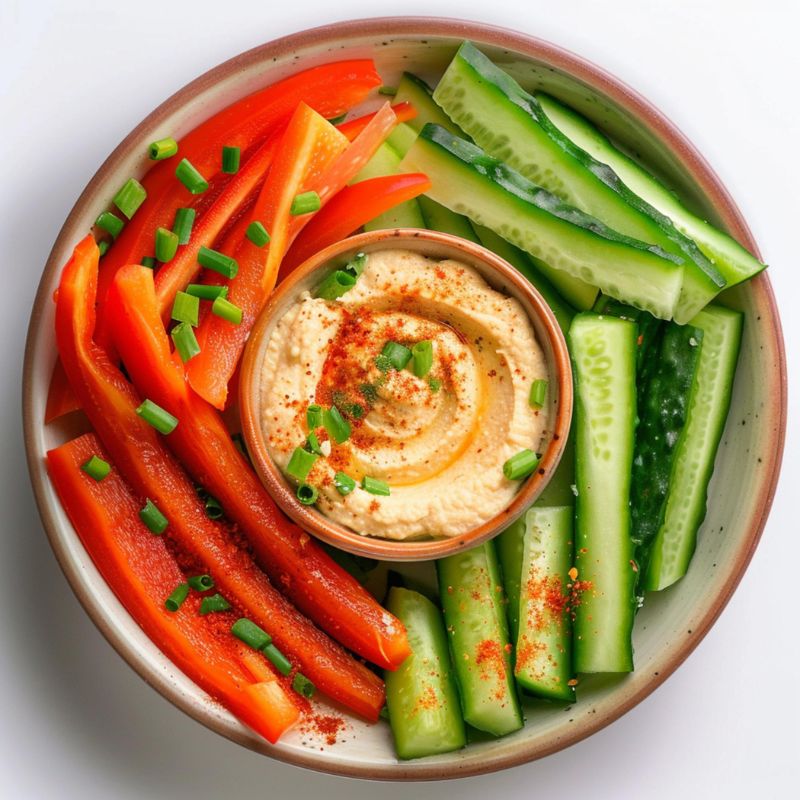
A plate with sliced red bell peppers and cucumber sticks arranged around a bowl of hummus, garnished with paprika and chopped green onions makes for perfect healthy snacks for weight loss.

What Makes a Snack Candida-Safe?

A Candida-friendly snack should be:

  • NO sugar (no cane sugar, honey, agave, maple syrup, or fruit juice concentrates)
  • Free of refined carbs, avoid wheat flour esp. Gluten-free initially, but OK as your gut heals.
  • Made with clean, whole-food ingredients. Stick with fresh foods over preserved.
  • Supportive of digestive health and immune balance

Great for Entertaining or Everyday Nibbles

Hosting guests while on the Candida diet? You can absolutely still impress with a flavorful snack spread. From roasted veggie platters with cashew dip to zucchini chips, flaxseed crackers, or dairy-free tzatziki, there are plenty of options that are both health-supportive and crowd-pleasing. Check out the 50 healthiest snack ideas.

And if you’re someone who needs something small between lunch and dinner, these snacks are perfect for sustaining energy without feeding Candida or spiking cravings.You’ll find many of these snacks made with ingredients like:

  • Coconut flour, almond flour, or buckwheat
  • Raw vegetables, olives,
  • Raw nuts and seeds, unsalted and unroasted
  • Greek yogurt with berries
  • Gut-friendly dips like avocado, baba ganoush, or artichoke hummus
  • Berries, kiwifruit, green apple
  • Natural sweeteners like stevia, monk fruit, or xylitol (in moderation)

Some of Our Personal Favourite Candida-Safe Snack Ideas:

  • Avocado-stuffed devilled eggs
  • Artichoke hummus with celery and cucumber sticks
  • Homemade roasted seed mix with turmeric and sea salt
  • Mini coconut flour muffins (with monk fruit or stevia)
  • Zucchini fritters with a side of unsweetened yogurt dip
  • Ajvar dip with flaxseed crackers
  • Chia pudding pots made with coconut milk and cinnamon

Snacking doesn’t have to mean compromising your diet—it can be an opportunity to nourish your body, keep your blood sugar steady, and stay on track with your healing. Try a few of the snack recipes below and see what works best for you. Who knows—you may never go back to store-bought snacks again.

Candida-Friendly Snack Recipes

  • candida-friendly seed crackers

    Candida-Friendly Seed Crackers (Gluten-Free, Low-Carb, Gut-Safe)

  • smashed avocado on seed crackers rest on a white marble cutting board

    Smashed avocado on seed crackers with a sprinkle of oregano

  • halved hard boiled eggs and olives set on a bed of lettuce leaves

    Hard Boiled Egg and Olives

  • a white plate with a cucumber and half of it sliced - cucumber slices with almond butter for candida diet

    Cucumber Slices with Almond Butter

  • two glasses of coconut chia pudding with cinnamon and blueberries

    Coconut Chia Pudding with Cinnamon & Blueberries

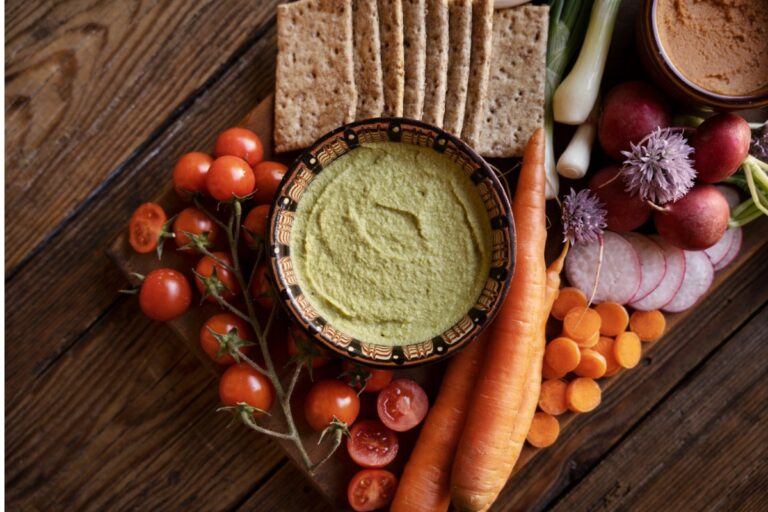
  • candida-friendly zucchini dip recipe in a bowl surrounded by vegetables, carrots, tomatoes and crackers

    Mediterranean Zucchini Dip

  • A variety of fruits, nuts, and vegetables are arranged in white bowls on a gray surface. Foods include strawberries, apples, blueberries, avocados, broccoli, nuts, and grains.

    50 Healthiest Snack Ideas

Ultimate Candida Cleanse System Bundle

The Ultimate Candida Cleanse System Bundle brings together everything you need to support gut balance — expert guidance, targeted supplements, and a practical roadmap you can actually follow.

The recipes on Candida.com pair beautifully with the Ultimate Candida Cleanse Program. They’re designed to match each stage of the cleanse, making daily meals simple, nourishing, and fully aligned with your gut-healing goals.

Inside the bundle, you’ll find Eric Bakker’s two core books — The Ultimate Candida Cleanse Program and The Ultimate Candida Cleanse Guide — along with the Yeastrix Gut Restore Kit. This professional-grade supplement system works hand-in-hand with the recipes and the program, supporting each step with antifungals, probiotics, and enzymes that help restore microbial balance and strengthen digestion.

If you want a clear plan, supportive meals, and natural formulas that work synergistically, the Ultimate Candida Cleanse System Bundle ties it all together — making your cleanse easier, smoother, and far more effective.