
Probiotics

What Is A Probiotic?
Probiotics are live microorganisms, often called “friendly bacteria,” that deliver powerful health benefits when consumed in the right amounts. These beneficial bacteria and yeasts naturally exist within your body, forming a vital part of your gut microbiome—a complex ecosystem of trillions of microbes.
While some of these microbes can be harmful, probiotics work to maintain balance by keeping the harmful species in check and supporting overall gut health.
Defining Probiotics
The World Health Organization (WHO) defines probiotics as “Live microorganisms, which, when administered in adequate amounts, confer a health benefit on the host.” (Mack 2005).
To qualify as probiotics, these micro-organisms must:
How Probiotics Work
Probiotics, the live microorganisms that confer health benefits when consumed in adequate amounts, play a vital role in maintaining gut health and overall wellness.
The activity or probiotics is centered in the gastrointestinal (GI) tract, where they positively influence the composition and activity of the gut microbiota, which includes bacteria, viruses, fungi, and protozoa. This ecosystem, collectively known as the gut microbiome, has a profound impact on both our level of health as well as disease.
Studies have also shown that the intake of probiotics in healthy people may result in improvements of vitamin B12, folate, calcium, zinc, and iron status (Barkhidarian et al., 2021).
Probiotic Mechanisms of Action
Probiotics exert their health benefits through nonspecific, species-specific, and strain-specific mechanisms:
Nonspecific Mechanisms
These mechanisms are common across many probiotic strains and include:
Species-Specific Mechanisms
Certain probiotic species provide additional targeted benefits, such as:
Clinical Applications and Individual Responses
The effects of probiotics can vary significantly based on the quality of the formulation, the species and strains used, as well as a person’s individual and unique microbiota composition. This variability underscores the importance of selecting premium, well-known and well-researched multi-strain probiotics for health purposes.
Key Takeaways
By understanding more about them, probiotics can be better utilised as part of our comprehensive approach to gut health and overall well-being. Probiotics are an important when undergoing our Ultimate Candida Cleanse Program.
Prebiotic vs Probiotic

Prebiotics and probiotics play essential roles in maintaining a healthy gut microbiome, which is critical for overall health. While probiotics are live microorganisms that provide health benefits when consumed in adequate amounts, prebiotics are non-digestible food components that nourish and promote the growth of beneficial bacteria in the gut. Together, they work synergistically to support digestive health, immune function, and nutrient absorption.
What Are Prebiotics?
Prebiotics are specific types of indigestible dietary fibers found in plant-based foods. They act as nourishment for beneficial gut bacteria, enabling them to thrive and perform vital functions such as producing short-chain fatty acids (SCFAs) that support colon health.
Whole foods are the best source of prebiotics, as they contain a rich array of fibers and nutrients that work synergistically.
Good Sources of Prebiotic Foods:
Benefits of Prebiotics
Article Of Interest: Prebiotic Foods And Their Benefits
Prebiotic Supplement Caution
While prebiotic supplements can offer gut health benefits, they may sometimes cause unwanted symptoms, especially when consumed in high doses or irregularly. For example, inulin, a common prebiotic, may cause gas, bloating, or loose stools in some individuals.
In my clinical practice, I often recommend obtaining prebiotics through whole foods rather than supplements. This approach minimises the risk of side effects and ensures balanced fibre intake.
What Are Probiotics?
Probiotics are beneficial microorganisms that support gut health, immune function, and overall well-being. These live bacteria and yeasts naturally reside in the body, particularly in the digestive and vaginal microbiomes, also on our skin, mucous membranes, and even our scalp and nails. Probiotics can also be supplemented through foods and dietary products.
Probiotics are live beneficial bacteria that help maintain and restore the balance of gut microbiota. Commonly found in fermented foods and supplements, probiotics include strains like Lactobacillus and Bifidobacteria, which are known for their positive effects on digestion and overall health. We’ll talk more about the health benefits of probiotics below shortly.
Fermented foods like yogurt can be excellent natural sources of probiotics — but not all yogurts are created equal. To get the most benefit without feeding Candida, it’s important to choose the right types. I break it down here: the benefits of yogurt for gut health and how to use it correctly during your cleanse.
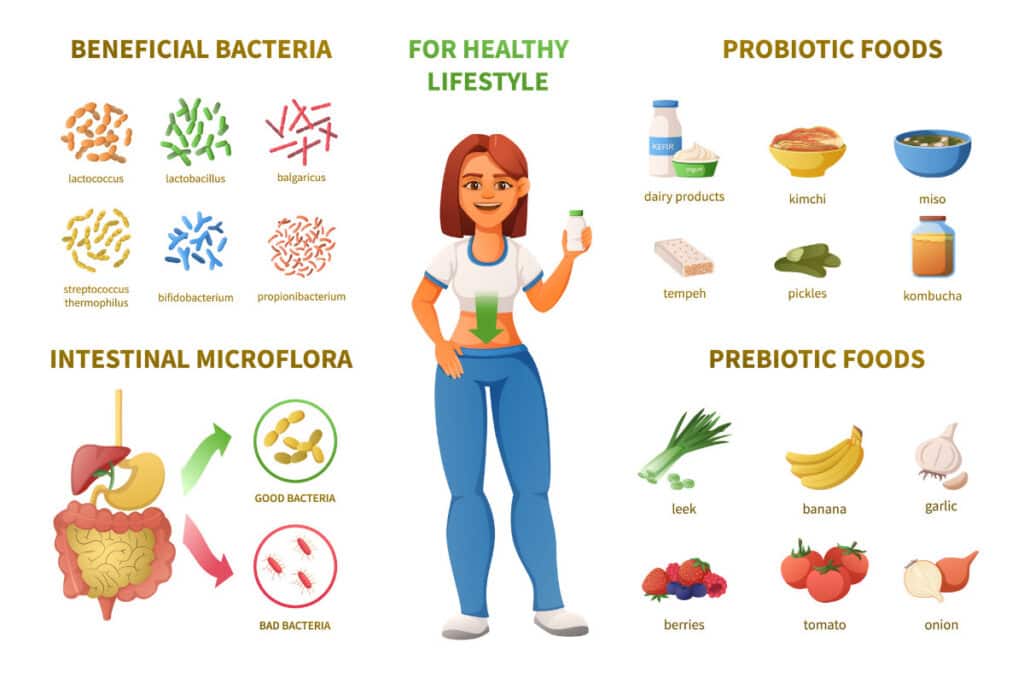
Food Sources Of Probiotics

Fermented foods are excellent sources of live microbes that may benefit gut health. Examples include yogurt, which often contains probiotic strains like Lactobacillus bulgaricus and Streptococcus thermophilus.
However, not all fermented foods retain live cultures when consumed; for instance, sourdough bread and many commercial pickles are processed after fermentation.
Foods like kimchi, kombucha, sauerkraut, miso, and raw unfiltered apple cider vinegar may also contain live cultures but do not typically include proven probiotic strains.
Temporary Bloating and Gas Most Common Symptoms
Temporary gas and bloating are the most typical responses to fermented meals. This happens when a microbiome re-shuffle occurs, probiotic bacteria kill pathogenic gut bacteria and fungi, causing an excess of gas production. Salmonella, E. coli, and other potentially hazardous pathogenic bacteria are eliminated by antimicrobial peptides that probiotic bacteria release.
The antibacterial action of probiotic Lactobacilli strains prevalent in commercial yoghurt was recently demonstrated by research. Stomach bloating after consuming probiotic rich yogurt appears to be a positive indication that the bad bacteria are being flushed from the gut, with some individuals experiencing uncomfortable bloating. (Prabhuajeshwar 2019)
Dietary Supplement Sources Of Probiotics

Probiotic supplements are another popular source of live probiotics, available in capsules, tablets, powders, and liquids. These products often contain multiple strains of live microorganisms, measured in colony-forming units (CFUs).
CFU Counts
While some supplements provide 1–10 billion CFU per dose, others may offer up to 50 billion or more. However, higher CFU counts don’t necessarily equate to better health outcomes, as effectiveness depends on the strains used and their proven benefits.
Many commercial probiotic products lack rigorous evidence for their claims, making it difficult to select an effective supplement. It’s essential to choose a top-quality probiotic dietary supplement backed by scientific studies and labeled with the number of CFUs expected at the end of their shelf life. It is important to also note that CFU counts, not total microorganism weight, determine the number of viable cells that can deliver health benefits.
Key Articles About Probiotic Foods
7 Main Types of Probiotics
Each probiotic strain has unique effects, and their benefits depend on the genus, species, and specific strain used. Some strains are particularly effective for digestive health, while others support immune balance, metabolic health, or vaginal flora. Understanding the different types of probiotics can help in choosing the right strains for specific health concerns.
Probiotics are classified by their genus, species, and strain, with seven core genera most commonly used in supplements and fermented foods. These genera contain multiple species and strains that have been extensively researched for their health benefits (NIH 2024).
The main seven genera of probiotics are:
What Are Synbiotics?
Combining Prebiotics and Probiotics
To maximise the benefits, include both prebiotics and probiotics in your diet. This combination, known as synbiotics, ensures that beneficial bacteria are not only introduced into the gut but also supported to thrive (Markowiak et al., 2017).
The following combinations combine fermented foods or supplements with foods rich in inulin, fructooligosaccharides FOS), or resistant starch to create an environment where beneficial microbes can thrive.
Examples of Synbiotic Pairings:
Synbiotics: A Powerful Combination
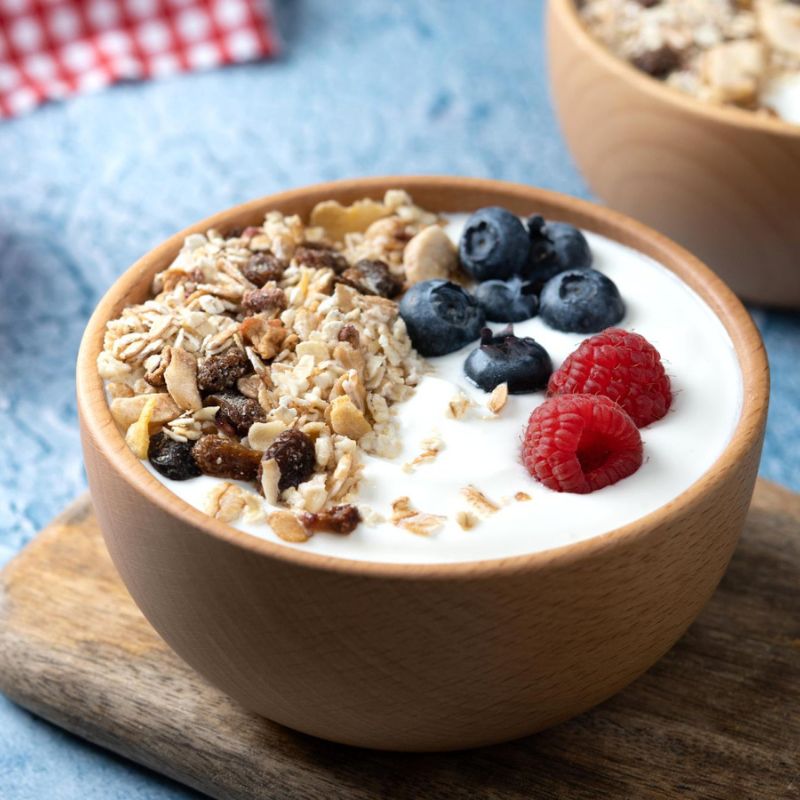
Synbiotics are a unique blend of prebiotics and probiotics designed to work synergistically to optimise gut health. Studies have found that synbiotics improve our gut microbiota by increasing Lactobacillus and SFCAs across various healthy adult populations, resulting in increased Bifidobacterium (Cosier et al., 2025).
Prebiotics serve as food for beneficial bacteria, while probiotics are live microorganisms that directly support the balance of the gut microbiota. Together, synbiotics enhance the survival and colonisation of probiotics in the gastrointestinal tract, ensuring they thrive and provide maximum benefits (Parhi et al., 2024).
This combination is particularly valuable for individuals with digestive issues, such as IBS, SIBO, or Candida overgrowth, where both restoring balance and nourishing beneficial bacteria are crucial for healing.
Combined Action
The combined action of synbiotics promotes a robust and resilient gut microbiome, strengthening the gut barrier, improving digestion, and boosting immune function. They have been shown to reduce inflammation, enhance nutrient absorption, and improve overall gut health more effectively than prebiotics or probiotics alone.
Synbiotics may also play a role in managing conditions like leaky gut, food intolerances, and chronic gut dysbiosis, offering a comprehensive approach to digestive wellness.
The combination of pre and probiotics can significantly improve gut health in both humans and animals. They offer added benefits by combining probiotics and prebiotics, providing better health outcomes than either component alone, making them valuable for both consumers and clinicians (Quintero et al., 2017).
Key Benefits of Synbiotics
Final Words On Synbiotics
We have always recommended a balanced diet rich in prebiotic and probiotic foods because it is essential for maintaining a healthy gut microbiome. These two components work hand-in-hand to improve digestion, boost immunity, and support overall well-being.
Whether you’re addressing Candida, SIBO, or general digestive issues, probiotics often work best when combined with enzymes, binders, and antifungal agents. Explore my full range of probiotic and gut health supplements to see what’s right for your stage of recovery.
Psychobiotics: The Gut-Brain Connection

Psychobiotics are a class of probiotics that, when ingested in adequate amounts, confer mental health benefits by interacting with the gut-brain axis—a bidirectional communication network linking the gastrointestinal system and the brain.
These live bacteria, such as certain strains of Lactobacillus and Bifidobacterium, can influence the production of neurotransmitters, reduce inflammation, and enhance neural signalling, thereby potentially alleviating symptoms of conditions like anxiety and depression.
While research into psychobiotics is ongoing, their ability to positively modulate the gut microbiota highlights their potential as a therapeutic tool for maintaining a healthy gut-brain connection.
Probiotics And Our Health
The 3 Core Health Benefits of Probiotics
Probiotics offer a wide range of health benefits, but their primary impact falls into three key areas: gastrointestinal health, immune system support, and broader health effects beyond digestion. While their role in gut health is well established, emerging research continues to highlight their potential in regulating immune responses, supporting metabolic health, and even influencing mental well-being. By maintaining a balanced microbiome, probiotics contribute to overall vitality and disease prevention.
1 – Gastrointestinal Health
Probiotics are most commonly associated with digestive health, as they help maintain microbial balance in the gut, improving digestion and nutrient absorption. They support the breakdown of food, prevent the overgrowth of harmful bacteria, and enhance the production of short-chain fatty acids that nourish the intestinal lining. Clinical studies suggest that specific probiotic strains can help alleviate symptoms of bloating, diarrhea, and constipation, while also playing a role in managing conditions like irritable bowel syndrome (IBS) and inflammatory bowel disease (IBD).
Probiotics may help gut health by:
2 – Immune System Support
A significant portion of the immune system is housed in the gut, and probiotics play a key role in immune modulation. By maintaining a balanced microbiome, they help prevent infections, regulate inflammatory responses, and improve the body’s ability to distinguish between harmful and beneficial microbes.
Certain probiotic strains enhance the production of immune cells like T-cells and natural killer cells, which help the body fight off harmful bacteria, viruses, and other pathogens.
Probiotics may help immune health help:
3 – Potential Benefits Beyond Digestion
Beyond gut and immune health, probiotics influence various other bodily functions, including cardiovascular, metabolic, and mental health. The gut-brain axis links the microbiome to mood regulation and cognitive function, while probiotic strains have also been shown to lower cholesterol, regulate blood sugar levels, and improve skin conditions like eczema.
Additionally, ongoing studies suggest a potential protective role against certain cancers and metabolic disorders.
Probiotics may help our health in general by:

Probiotic Research
The potential benefits of probiotics have become a significant focus of scientific research, and the findings so far are promising. Probiotics are being studied for their ability to improve gut health, boost immunity, support skin health, and enhance vaginal health.
While they are not a cure-all, probiotics can play an essential role in maintaining overall health and addressing specific conditions.
Current research is exploring how probiotics might prevent or treat various conditions, including atopic dermatitis, antibiotic-associated diarrhea, inflammatory bowel disease (IBD), irritable bowel syndrome (IBS), hypercholesterolemia, obesity, and acute infectious diarrhea.
Probiotics, particularly strains of Lactobacillus and Bifidobacteria, support healthy gut flora, improve nutrient absorption, and enhance the immune system’s ability to combat infections. However, not all strains are created equal—choosing a premium probiotic supplement containing multiple strains of these organisms is important for maximizing potential benefits.
Probiotics For Women

Probiotics play a crucial role in maintaining women’s overall health by promoting balance in the gut, vaginal, and immune systems. Women are more prone to bacterial vaginosis (BV), vaginal yeast infections, urinary tract infections (UTIs), and hormone-related conditions, all of which can disrupt microbial balance. Regular probiotic intake helps maintain a healthy microbiome, reducing the risk of infections and supporting overall well-being.
For vaginal health, beneficial probiotic strains such as Lactobacillus casei, Lactobacillus paracasei, and Lactobacillus rhamnosus help sustain the natural acidity of the vaginal environment. This acidity prevents the overgrowth of harmful bacteria and yeast, reducing the likelihood of BV and Candida overgrowth.
Additionally, probiotics support vaginal tissue health by lowering inflammation and enhancing natural defence mechanisms against infections.
Gut health is another critical area where probiotics support women’s well-being. Certain strains, including Bifidobacterium lactis and Lactobacillus reuteri, aid digestion, alleviate bloating and constipation, and improve nutrient absorption. A balanced gut microbiome also plays a key role in breaking down and regulating estrogen levels, which may help prevent hormone-related conditions such as polycystic ovary syndrome (PCOS) and estrogen dominance.
Probiotics for Specific Women’s Health Issues
Autoimmune Diseases
Women are at higher risk for autoimmune diseases such as rheumatoid arthritis and Sjogren’s syndrome. Research suggests that probiotics may help reduce systemic inflammation, support immune regulation, and potentially provide a therapeutic effect on autoimmune conditions (Liu et al., 2018).
Bacterial Vaginosis (BV)
Bacterial vaginosis occurs when there is an imbalance in the vaginal microbiota, with a reduction in Lactobacillus species and an overgrowth of anaerobic bacteria. Restoring the dominance of Lactobacillus species can help rebalance the vaginal environment, lower pH, and inhibit harmful bacteria (Chen et al., 2022).
Probiotic strains that may help with BV include:
Pregnancy and Breastfeeding
Probiotics for women may offer several benefits during pregnancy, including improved digestion, enhanced immunity, and reduced risk of metabolic disorders. Some research suggests that maternal probiotic use may lower the likelihood of allergies in infants. Lactobacillus rhamnosus and Lactobacillus reuteri have been shown to be safe during pregnancy and breastfeeding, with minimal side effects such as mild gas or vaginal discharge.
Potential benefits of probiotics during pregnancy and breastfeeding include:
Gestational Diabetes Mellitus (GDM)
Probiotics may also help manage blood sugar levels and inflammation during pregnancy, potentially reducing the risk of gestational diabetes mellitus (GDM). Studies suggest that probiotic supplementation may improve glucose metabolism, though more research is needed to confirm its full impact (Suastika et al., 2024).
Probiotics For Vaginal Yeast Infections
Probiotics for women play a crucial role in maintaining vaginal health by lowering pH levels and creating an environment that inhibits the growth of Candida yeast. This protective effect makes them a promising addition to antifungal treatments for vaginal yeast infections.
Candida vaginal yeast infections occur when Candida albicans overgrows in the vaginal microbiota. Probiotics can help restore vaginal microbiota balance by promoting Lactobacillus species that inhibit Candida growth through competitive exclusion and production of antimicrobial substances (Liu et al., 2023). Probiotics may not be a guaranteed cure, but they can serve as a valuable component of a holistic approach to vaginal health, especially when combined with antifungal treatments and lifestyle adjustments.
Many studies highlight their benefits in restoring microbial balance and reducing vaginal yeast infection recurrence rates, while others suggest that more research is needed to establish definitive guidelines for their use.
In cases like vaginal yeast infections, restoring a healthy balance of bacteria is critical for long-term relief. Step 3 of my treatment plan focuses specifically on restoring microbiome balance after a vaginal yeast infection using targeted probiotic strains.
Probiotics With Antifungal Drugs
Some research suggests that probiotics may enhance the effectiveness of conventional antifungal medications. A review found that when probiotics were used alongside antifungal treatments, they improved the likelihood of curing a vaginal yeast infection and preventing recurrence within one month (Xie et al., 2017).
Probiotics logically seem beneficial for preventing and treating vaginal yeast infections with clinical evidence is gaining increasing credibility. Several studies indicate potential benefits (Mei et al., 2022).
Probiotic strains that may help with vaginal yeast infection include:
Recurrent Urinary Tract Infections (UTIs)

UTIs are particularly common in young women, and frequent antibiotic use can lead to resistance. Some research suggests that probiotics may help restore vaginal and urinary tract flora, reducing the risk of recurrent infections (Schwenger et al., 2015).
Probiotics offer numerous benefits for women’s health, and while their role in gut and vaginal health is well-supported, ongoing research continues to explore their potential in other areas, including immune function, hormone balance, and pregnancy-related conditions.
Probiotic strains that are especially beneficial for women include:
Best Probiotic For Women
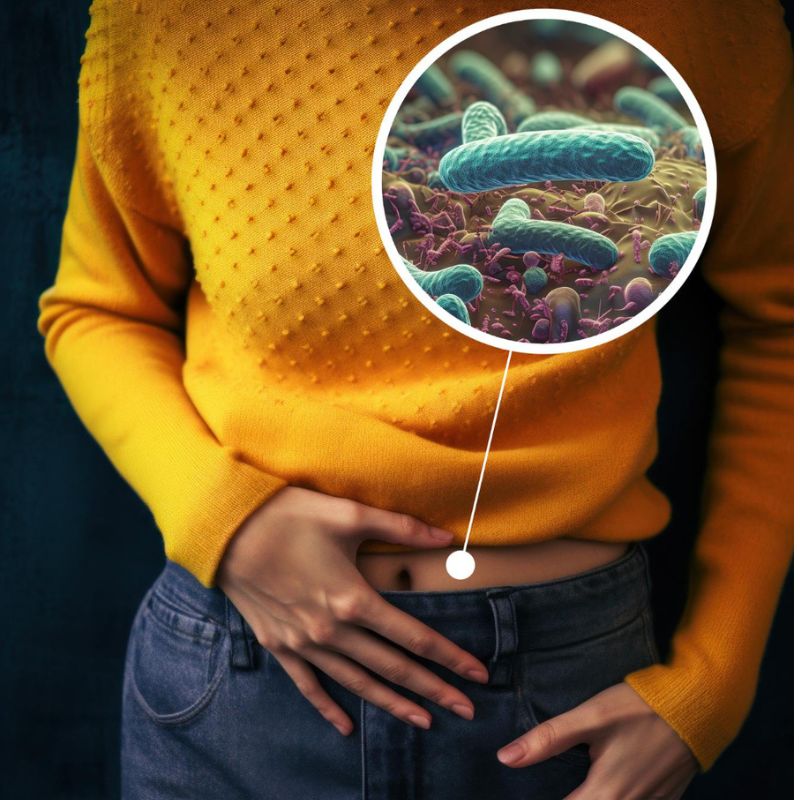
The best probiotic for women should contain strains that specifically support vaginal, gut, and immune health. Lactobacillus rhamnosus and Lactobacillus reuteri are two of the most well-researched strains for maintaining a healthy vaginal microbiome by promoting an acidic environment that prevents the overgrowth of harmful bacteria and yeast (Ansari et al., 2023).
For gut health, Bifidobacterium lactis and Lactobacillus acidophilus aid digestion, improve nutrient absorption, and help alleviate bloating and constipation (Mansilla et al., 2024).
A premium probiotic formulation should also contain multiple strains for broad-spectrum benefits, be free from unnecessary additives, and have a clinically validated CFU (colony-forming unit) count to ensure effectiveness. Whether in supplement form or through fermented foods like yogurt and kefir, incorporating these beneficial bacteria into a daily routine can support women’s long-term health and well-being.
Probiotics And Gut Health

Although the importance of probiotics extends far beyond general digestion, they are particularly critical for addressing gut-related issues such as Candida overgrowth, irritable bowel syndrome (IBS), and small intestinal bacterial overgrowth (SIBO).
By interacting with our gut microbiota, probiotics help restore gut microbial balance, particularly when dysbiosis (bacterial or fungal imbalance) occurs due to conditions like Candida overgrowth, IBS, SIBO, or SIFO. They also improve intestinal transit, normalize disrupted microbiota, and promote the growth of beneficial organisms, creating a healthier gut environment.
In cases of Candida overgrowth, probiotics help restore a healthy microbiome by reducing the numbers of pathogenic yeast like Candida albicans and encouraging the growth of beneficial bacteria such as Lactobacillus acidophilus. For IBS and SIBO, probiotics can reduce inflammation, improve digestion, and ease symptoms like bloating, diarrhea, and constipation by re-balancing the gut flora.
Probiotics Can Help Repair Our Gut Lining
Probiotics also play a significant role in healing chronic gut problems by repairing the gut lining (leaky gut), regulating immune responses, and improving nutrient absorption. By fostering a healthier gut environment, probiotics not only alleviate these conditions but also support long-term wellness, making them an indispensable part of any gut health strategy.
While food-based sources are useful, many people benefit from using a properly formulated supplement. Yeastrix Daily Probiotics delivers 35 billion CFU in a delayed-release capsule — ideal for surviving stomach acid and reaching the lower gut where they’re needed most.
Irritable Bowel Syndrome and Probiotics

Irritable bowel syndrome (IBS) is a common and often debilitating functional disorder of the gastrointestinal tract, marked by symptoms such as recurrent abdominal pain, bloating, and altered bowel habits. While the exact causes of IBS remain unclear, growing evidence points to an imbalance in gut microbiota as a contributing factor.
Research indicates that patients with IBS often show an overgrowth of proinflammatory bacteria, such as Enterobacteriaceae, alongside a reduction in beneficial species like Lactobacillus and Bifidobacterium (Rodiño-Janeiro et al., 2018).
Since these beneficial bacteria are commonly included in probiotic products, probiotics hold potential for restoring microbial balance and alleviating IBS symptoms.
Several studies have examined the effectiveness of probiotics in managing IBS. Meta-analyses suggest that probiotics can modestly improve IBS symptoms, including abdominal pain, bloating, and flatulence. For example, a meta-analysis of 23 randomised controlled trials (RCTs) involving over 2,500 participants showed that probiotics reduced persistent IBS symptoms by 21% (McFarland et al., 2008).
Research also indicates that multi-strain probiotic formulations may offer superior benefits compared to single-strain products, particularly in reducing abdominal pain and enhancing quality of life (Ruiz-Sánchez et al.,2024)
The Impact of Probiotic Strains on IBS
The effectiveness of probiotics in IBS appears to depend on the specific strain and symptom being targeted. For instance, studies have shown that probiotics containing Bifidobacterium breve, Bifidobacterium longum, or Lactobacillus acidophilus significantly reduce abdominal pain (Horvat et al., 2021). Improvements in bloating and flatulence have been observed with strains such as Bifidobacterium breve, Bifidobacterium infantis, and Lactobacillus plantarum (Ruiz-Sánchez et al.,2024).
However, not all probiotics yield positive results; certain strains have shown no significant impact on pain or quality of life. Despite these findings, high-quality multi probiotic formulations appear to be the most effective probiotic combinations for treating specific IBS subtypes, such as those dominated by diarrhea or constipation.
Researched probiotic strains that may help with IBS include:
Inflammatory Bowel Disease (IBD) and Probiotics
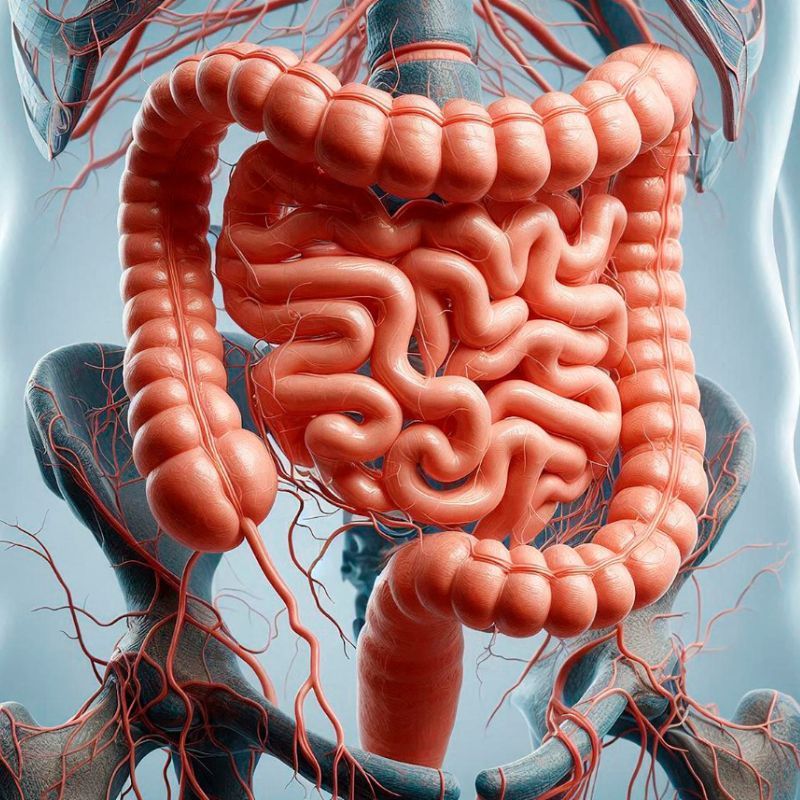
IBD, which includes Crohn’s disease and ulcerative colitis, involves chronic inflammation of the gut. While probiotics are not a cure, they can help reduce inflammation and maintain remission, especially in mild-to-moderate ulcerative colitis.
A 2020 systematic review by the American Gastroenterological Association (AGA) evaluated 12 studies on probiotics for Crohn’s disease and 17 on ulcerative colitis . The review found evidence indicated that multi-strain probiotic formulations might reduce symptoms in people with mild-to-moderate ulcerative colitis (Preidis et al., 2020).
Researched probiotic strains that may help with IBD include:
Small Intestinal Bacterial Overgrowth (SIBO) And Probiotics
SIBO occurs when bacteria from the large intestine overpopulate the small intestine, leading to bloating, gas, and mal-absorption. Probiotics can help suppress overgrowth and improve gut motility.
Researched probiotic strains that may help with SIBO include:
Candida Overgrowth And Probiotics
Candida overgrowth can result from antibiotic use, high-sugar diets, or a weakened immune system. Probiotics can restore the gut microbiome by increasing beneficial bacteria, crowding out Candida albicans, and reducing inflammation. A good multi-strain probiotic formula is best used with a high-quality antifungal supplement.
The Candida Diet and Probiotics
Probiotics play a crucial role in a Candida Cleanse by helping to restore balance to the gut microbiome. Candida overgrowth, particularly caused by Candida albicans, occurs when the balance of beneficial and harmful microorganisms in the gut is disrupted. This imbalance can lead to digestive issues, fatigue, and weakened immunity. Probiotics are vital for re-establishing a healthy gut environment by reducing Candida populations, promoting the growth of beneficial bacteria, and decreasing inflammation triggered by microbial imbalance.
In addition to supporting gut health, probiotics help strengthen the immune system, making it more effective at preventing Candida from spreading. A high-quality probiotic supplement, paired with an anti-Candida diet, enhances microbiome diversity and resilience, supporting long-term recovery and reducing the likelihood of recurrence.
Researched probiotic strains that may help with Candida overgrowth include:
Constipation And Probiotics
Constipation is commonly linked to sluggish gut motility and disruptions in the gut microbiome, which can lead to infrequent, hard, or difficult-to-pass stools. Probiotics can play a valuable role in alleviating constipation by promoting the growth of beneficial bacteria and enhancing the production of short-chain fatty acids (SFCAs). These acids help stimulate gut motility and improve stool consistency, supporting regular bowel movements and overall digestive health.
Researched probiotic strains that may help with constipation include:
Diarrhoea And Probiotics
Probiotics can reduce the duration and severity of diarrhea caused by antibiotics, infections, or traveler’s diarrhea by enhancing gut barrier function and restoring microbial balance.
Researched probiotic strains that may help with diarrhoea include:
Each condition may respond differently to specific probiotic strains. It’s important to match the strain and dosage to the condition, and for the most chronic or severe gastrointestinal health issues, consult a healthcare professional for more specific and more tailored recommendations.
Choosing the Right Probiotic For You
Selecting the right probiotic is essential for maximising health benefits, as different strains serve unique functions. When choosing a probiotic, consider the following key factors:
1. Strain-Specific Benefits
Probiotics are not one-size-fits-all—different strains offer targeted support for specific health concerns. For example:
Understanding which strains match your health goals ensures you choose the most effective probiotic.
2. Effective Dosage & CFU Count
The potency of a probiotic is measured in colony-forming units (CFUs), which indicate the number of live bacteria in a dose. While CFU counts vary depending on the purpose of supplementation, general guidelines suggest:
It’s important to choose a probiotic with an adequate CFU count to ensure effectiveness without overwhelming your gut microbiome. Very high CFU counts of 50 – 100 billion are generally unnecessary.
3. Survivability & Delivery Mechanism
For probiotics to be effective, they must survive the harsh environment of the stomach and reach the intestines alive.
Look for probiotics with:
4. Multi-Strain vs. Single-Strain Formulas
Multi-strain probiotics tend to offer broader benefits by promoting microbial diversity, while single-strain probiotics are often used for specific conditions. A well-balanced multi-strain probiotic typically contains a mix of the most-researched Lactobacillus and Bifidobacterium species for comprehensive gut and immune support.
5. Quality & Purity
When selecting a probiotic, opt for products that:
6. Refrigerated vs. Shelf-Stable Probiotics
Some probiotics require refrigeration to maintain potency, while others are freeze-dried and shelf-stable. Look for storage instructions on the label to ensure your probiotic remains effective.
By considering these factors, you can select a high-quality probiotic that best aligns with your health goals, ensuring optimal gut, immune, and overall well-being.
Conclusion
Probiotics are powerful tools for enhancing gut health, boosting immunity, and addressing a range of health conditions. Whether you’re following a Candida treatment plan or seeking overall wellness, integrating probiotics into your routine—through diet or supplements—can make a significant difference.
As research continues to uncover their full potential, probiotics remain a cornerstone of modern natural health practices, offering a safe and effective way to nurture your body from the inside out.
Leave a comment with your views or experiences with probiotics!

Ultimate Candida Cleanse System
Beat Candida naturally with the complete, science-based system created by naturopath Eric Bakker, N.D. This all-in-one package gives you two downloadable guidebooks plus the Yeastrix Gut Restore Kit — three targeted professional formulas that work together to reset your gut, restore balance, and rebuild healthy digestion.
You get a structured, step-by-step program, professional clinical guidance, and supplements designed to support each stage of recovery. No guesswork. No confusing protocols. Just a clear roadmap and the right tools to help you finally reduce symptoms, rebalance your microbiome, and feel like yourself again. The Ultimate Candida Cleanse System is everything you need to make real progress — naturally, safely, and effectively.