

Can Men Get Yeast infections?
Candida and yeast infections are typically seen as women’s problems. While it is true that women are significantly more likely to experience yeast infections than men, guys get yeast infections too. And sometimes pretty bad, as I’ve discovered through my clinical work, specialising in Candida yeast infections.
When I first began writing about male yeast infections in health magazines during the 1980s, there was hardly any useful information for men. The conversation centered on women’s yeast infections and diaper rash, with little regard for men.
Even when men’s issues were acknowledged, symptoms like itching or discharge were typically dismissed as signs of an STD, a sexually transmitted disease. As we’ll explore, one reason for this gap is the general reluctance many men have toward seeing a doctor, particularly for intimate health concerns.

Understanding Male Yeast Infections
While I touched on the subject of male yeast infections in my previous book Candida Crusher, the coverage was brief. In creating candida.com, I wanted to dive deeper, addressing male yeast infections more thoroughly and sharing new findings and particularly treatments that have emerged since Candida Crusher was published in 2013.
Much of this new and updated information includes practical, proven home treatments for men who might avoid going to the doctor. Men often benefit greatly from effective at-home remedies for yeast infections. However, it’s typically women, not men, who recognise they have an infection and seek help.
In my clinical experience, men are less likely to take action on mild discomforts, whether by self-treatment or by consulting a healthcare provider.
Key Pages on Men’s Yeast Infection
What is a Male Yeast Infection?
A male yeast infection, known medically as balanitis, or Candida balanitis, is a fungal infection caused by the yeast Candida albicans. This fungal infection typically affects the head of the penis, causing a red, itchy rash. You can read more about penile yeast infections, including images, on this page.
Candida albicans can be regarded as a normal member of a male’s genital flora because it is typically found on the penis glans’ skin. (Arya 2022).
Candida thrives in warm, moist environments, which makes the foreskin of uncircumcised individuals particularly susceptible. If the conditions are right, an overgrowth of Candida can occur, producing a range of symptoms resulting in balanitis (Wray 2024).
3 Key Male Genital Infections
These three male yeast infection conditions often overlap, so the terms are frequently used interchangeably.
Balanitis can be caused by fungi like Candida, certain bacteria, or viruses, including those responsible for STDs such as gonorrhoea. However, balanitis itself is not a sexually transmitted infection, although the organisms causing it can be transferred between individuals.
Recurrent balanoposthitis might indicate hidden diabetes, so patients with frequent episodes should get their blood glucose levels checked and consult a urologist (Wray 2024).
Male genital health can be affected by a range of issues, including:
For uncircumcised individuals, maintaining good hygiene is crucial to preventing infections. The warm, damp environment of the foreskin provides an ideal setting for the growth of fungi and bacteria, which can lead to infections if not managed properly. We will discuss the importance of hygiene and prevention later.
Who Does Balanitis Affect?
Candida balanitis can affect males of any age, though certain groups are at a higher risk:
Important Points to Note
Understanding the symptoms, risk factors, and preventive measures for male yeast infections can help men take a proactive approach to their health and seek timely treatment when needed.

Is a Male Yeast Infection the Same as Jock Itch?
While both male yeast infections and jock itch can affect the genital area, they are distinct conditions caused by different fungi. A male yeast infection is primarily caused by Candida albicans, which often affects uncircumcised individuals and can be transmitted through sexual intercourse. This type of infection can lead to symptoms such as itching, redness, and irritation on the penis and surrounding areas.
On the other hand, jock itch, medically known as tinea cruris, is caused by a different fungus called Trichophyton rubrum. Jock itch is commonly spread through direct contact with contaminated surfaces, such as gym equipment or locker room floors, as well as by sharing towels or clothing with an infected person. Symptoms of jock itch typically include intense itching, a red rash with defined edges, and a scaly appearance in the groin region.
In summary, while both conditions can cause discomfort in the genital area, it is essential to recognie their differences to ensure appropriate treatment and management. Understanding the underlying causes can help individuals take proactive steps to prevent both infections and maintain their overall genital health.

Causes Of Male Yeast infections
Through my clinical work with men and yeast infections, I learned that the primary causes of yeast infections in males are alcohol, stress, drugs like antibiotics and steroids, including diets high in refined carbs (sugars, alcohols, and breads).
Guys can have a tendency to eat more mindlessly between meals, and when they do consume meals, they eat bigger portions, and with less concern for food quality and quantity than women.
The guy may have contracted a yeast infection from a female who already has a vaginal yeast infection, which can easily result in an overgrowth of candida in the digestive tract.
Candida albicans can be found in and on most people’s bodies by default, men too. But it’s certainly not the only yeast competing for food and space.
Candida Is The Common Cause
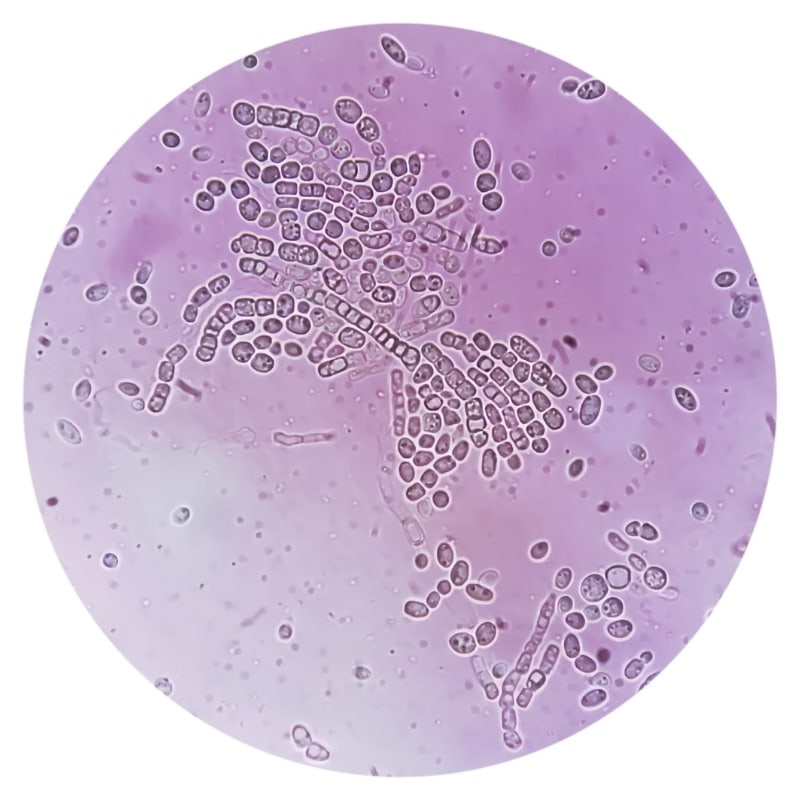
Candida albicans is a normal part of the body’s flora, often found on the skin without causing any issues. While Candida infections are the most common cause of male yeast infections, it is important to consider other possible causes of similar symptoms.
Misdiagnosing an infection can lead to ineffective treatment.
Here are some essential causes of male yeast infections:

Poor Hygiene
In my clinical experience, I’ve found that yeast infections in men aren’t only linked to Candida overgrowth but are also influenced by lifestyle habits such as alcohol consumption, stress, antibiotic or steroid use, and diets high in refined carbohydrates like sugars, alcohols, and breads.
Men may also be more likely than women to snack mindlessly, eat larger portions, and overlook food quality—all of which can create internal imbalances that encourage yeast growth.
However, poor personal hygiene remains a primary non-infectious cause of yeast infections in men. When hygiene practices are neglected, the body creates a perfect environment for yeast to flourish, especially in naturally warm and moist areas like the groin (Arya et al., 2023).
The Impact of Poor Hygiene on Men’s Yeast Infections
Failing to maintain a regular hygiene routine can significantly increase the risk of yeast infections. Daily washing is essential, but drying thoroughly after washing is equally important, as residual moisture encourages yeast growth.
Some key hygiene practices for preventing yeast infections include:
Other Non-Infectious Contributing Factors
While poor hygiene is a leading cause, other non-infectious factors also play a role in causing yeast infections in men:
Prevention Focused on Hygiene
Addressing these non-infectious causes, especially by establishing a consistent and gentle hygiene routine, can significantly reduce the risk of male yeast infections.
By combining good hygiene with awareness of other contributing factors, men can better protect themselves from the discomfort and recurrence of yeast infections.

Diets High In Sugars, Alcohol, and Refined Carbs
Diets high in sugars, junk foods, refined carbohydrates, and alcohol are some of the most significant contributors to yeast infections. Sugars and refined carbs, like white bread, pastries, and sodas, create an internal environment that encourages Candida growth, as yeast thrives on simple sugars (Gunsalus et al., 2015).
When these foods are regularly consumed, they can lead to blood sugar spikes and drops, which not only fuel Candida but also weaken immune defences over time. This dietary pattern disrupts the balance of gut flora, allowing yeast to overgrow and increase the likelihood of infections in both the gut and other areas of the body, like the groin, and the penis.
Alcohol is another significant factor in men’s yeast infections, as it acts as both a sugar source and an immune suppressant. Regular alcohol consumption can disrupt the natural bacteria-yeast balance in the gut, while also weakening the liver’s ability to filter out toxins, which are crucial for a healthy immune response (Molina et al., 2010).
Additionally, alcoholic drinks often contain added sugars, further fuelling Candida growth. Reducing intake of these foods and beverages, while focusing on whole grains, vegetables, and lean proteins, can create a more balanced internal environment that supports a healthy immune response and discourages yeast overgrowth.
Symptoms of Male Yeast Infections
Male yeast infections can be challenging to recognise and treat, primarily because many men may dismiss or ignore symptoms that might initially seem trivial or unrelated.
Symptoms like an itchy groin, itchy feet, or even digestive issues such as bloating, gas, or diarrhoea may be overlooked as minor annoyances rather than indicators of an underlying yeast infection.
Men’s Yeast Infection Symptoms
Penile yeast infections, although less talked about, can cause significant discomfort and inconvenience. Recognising the symptoms is crucial for timely treatment and relief.
Understanding these symptoms can help in seeking appropriate medical advice and treatment. Early intervention not only alleviates discomfort but also prevents potential complications, ensuring better overall health and well-being.
More Subtle Symptoms of Male Yeast Infections
Many symptoms of yeast infections in men can manifest subtly and may include:

Men Don’t Like To Talk To Doctors Much
In fact, many men are known to avoid the doctor’s office altogether. A 2019 survey by the Cleveland Clinic found that only half of the men (1,174 adult males) surveyed reported regular check-ups, and a surprising 72% would rather clean the bathroom than schedule a health check with their doctor (Klein 2019).
In contrast, women tend to prioritise routine check-ups, especially when they don’t feel well. Men, on the other hand, often delay medical visits until an issue becomes nearly unbearable. This is not to say men never seek medical help. When experiencing persistent pain, particularly something like severe back pain, men are more likely to see a doctor.
Doctor-Dodging
The tough guy mentality—valuing stoicism over vulnerability—may partly explain some men’s hesitancy to seek medical advice. Unfortunately, doctor-dodging can have serious health consequences.
Men not only tend to take greater physical risks, but they also avoid health checks more often than women. This avoidance is one of the reasons men, on average, die five years earlier than women (Shmerling 2020)
Why Symptoms Are Often Ignored
Men are often less inclined to seek medical help or share concerns about their health, especially when it involves intimate areas. Here are a few reasons why yeast infections might go untreated:
Delayed Diagnosis: The Risks of Ignoring Symptoms
Ignoring symptoms can allow a yeast infection to progress, sometimes affecting the immune system, gut health, and even the nervous system over time. Men might only realise the need for treatment when symptoms significantly impact daily life—or when a partner points out that something seems “off.”
Without treatment, yeast infections can spread or recur, especially if both partners are not treated. Open communication with a partner is crucial, as untreated yeast infections can be passed back and forth.
Taking Action: Why Early Treatment Matters
Early diagnosis and treatment can prevent complications and help men avoid prolonged discomfort. If symptoms are present, it’s wise to consult a doctor for an accurate diagnosis and treatment plan. Both partners should be treated in cases where intimacy is involved to ensure complete recovery and prevent reinfection.
Addressing symptoms of male yeast infections early on is key to managing and preventing the infection from impacting other areas of health.

Men Experience Fungal Infections Differently Than Women
Fungal infections, particularly yeast infections, manifest more frequently in men’s genital regions compared to other areas of their bodies, leading to potentially serious health concerns. When men seek treatment for a yeast infection, they often refer to an infection affecting their penis, inner thighs, scrotum, or, in more chronic cases, even the prostate.
While fungal prostatitis is relatively rare among younger men, it is more commonly observed in older adults, particularly those who are hospitalised, catheterised, or immunocompromised (Fidel 1999).
In addition to genital fungal infections, men can also experience fungal infections in other parts of the body, such as the mouth, throat, digestive system, toenails, and feet. Chronic fungal infections in the genital area are often accompanied by symptoms in other regions, indicating that a Candida or other fungal infection can affect multiple parts of the body simultaneously.
Many male yeast infection patients I have encountered present with a range of symptoms, including:
Moreover, these men frequently report accompanying issues like:
Ignoring the signs and symptoms of a Candida infection can lead to worsening conditions. Just as with any health issue, neglecting the problem will only exacerbate the situation, potentially leading to more severe complications down the line.
By recognising and addressing these infections early, men can take proactive steps to safeguard their health and well-being.

How Are Male Yeast Infections Diagnosed?
Diagnosing a male yeast infection typically begins with a comprehensive physical examination conducted by your healthcare provider. During this exam, the provider will closely inspect your penis and foreskin for signs of infection, such as a red rash, which can often indicate a yeast infection. In many cases, the provider may be able to make an initial diagnosis based solely on the visible symptoms.
To confirm the diagnosis, your healthcare provider may collect a sample from the affected area. This is done by gently scraping some skin from the infected site using a scalpel or tongue depressor.
The collected sample is then sent to a pathologist, who will examine it under a microscope to identify the presence of the yeast Candida albicans.
While some cases of thrush may resolve on their own without treatment, persistent or recurring infections warrant further investigation. If the symptoms do not improve or if the rash is severe, your provider may consider other underlying issues that could predispose you to infections, such as diabetes. In such cases, screening for sexually transmitted infections (STIs) may also be appropriate, as these can present similar symptoms.
If the examination reveals persistent sores or ulcers that do not heal, your doctor may recommend a biopsy to obtain a deeper analysis. Additionally, while the diagnosis is often straightforward, your healthcare provider may choose to take a swab from the area around the glans penis and beneath the foreskin to confirm the presence of an infection.
In summary, diagnosing a male yeast infection involves:
Early diagnosis and treatment are key to effectively managing male yeast infections, so it’s important to consult your healthcare provider if you suspect an infection.
How to Treat a Male Yeast Infection
A mild male yeast infection may sometimes clear on its own with improved hygiene and gentle skin care. However, most cases benefit from treatment with a topical antifungal cream. Several options are available, including over-the-counter (OTC) treatments, while others may require a prescription from your healthcare provider.
Antifungal Cream
Antifungal creams are commonly used and usually applied twice daily for 10 to 14 days. This treatment routine typically helps resolve the infection within that time frame. Here are three commonly prescribed options:
In some cases, to reduce inflammation and swelling, a healthcare provider may also suggest applying a topical steroid, such as hydrocortisone 1% cream (available OTC under various brand names, including Cortizone), twice daily along with the antifungal.
Antifungal Drug Options
Let’s take a quick look at the advantages and limitations of two commonly prescribed antifungal medications for Candida infections:

Antifungal Medications Come In Various Forms
Because yeast can inhabit nearly every part of the body—gut, skin, urinary and reproductive tracts, and mucous membranes—antifungal drugs come in various forms: tablets, capsules, powders, creams, ointments, and even intravenous options for severe cases.
Through these options, healthcare providers work to match the antifungal form and treatment to the infection’s location and severity.
Methods of Antifungal Drug Administration
Antifungal treatments are typically delivered in one of two ways:
When Oral Antifungals Are Necessary
If skin-based treatments do not effectively clear the infection, an oral antifungal like Diflucan (fluconazole) may be required. Often prescribed as a single 150-mg dose, more aggressive or extended treatments may be necessary if the infection spreads beyond the skin to areas like the urinary tract. If you take fluconazole, you may like to be aware of any possible side-effects.
Conventional Antifungal vs. Natural Candida Treatments
For centuries, natural medicines were the primary treatment for various health issues, and even today, they remain the main option for 80% of the global population (Ekor 2013).
Modern pharmaceuticals offer potent, scientifically-backed treatments but often manage symptoms rather than addressing root causes of Candida overgrowth.
Limitations of Conventional Antifungal Treatments
Benefits of Natural Treatments
Natural antifungals, such as oregano, have demonstrated effectiveness against Candida without the severe side effects of some pharmaceuticals (Manohar 2001).
Professional Guidance and Customisation
For effective treatment of chronic or recurring men’s yeast infection, I recommend consulting a qualified and registered health-care professional who can customise a Candida management plan.
Personalised care is crucial, as a one-size-fits-all approach often falls short. Working with both a naturopath and a physician trained in natural medicine can provide a balanced and effective approach to Candida, SIBO, IBS, and related concerns.
Explore Natural Solutions
If you’re interested in managing Candida overgrowth while minimising pharmaceutical use, consider a comprehensive treatment plan, more on that soon. First let’s look at a few highly-effective topical solutions that really work:

Australian Tea Tree Oil
Australian tea tree oil is a potent natural remedy recognised for its broad-spectrum antimicrobial and healing properties. It serves as an effective treatment for various infections like jock itch, athlete’s foot, and Candida due to its antifungal, antibacterial, and antiviral benefits.
With over 40 years of personal experience using tea tree oil, I’ve seen it work as a gentler alternative to chemical treatments, which research supports.
Studies reveal tea tree oil’s active compound, terpinen-4-ol, is highly effective against Candida, and bacteria such as E. coli and even viruses like influenza. Clinical trials even report improvement in over 68% of patients with athlete’s foot (Satchell 2002), highlighting its reliable efficacy and safety, as resistance to tea tree oil has not been documented (Carson 2006).
When applied to skin, tea tree oil can be used in various ways depending on the infection. For example, diluting tea tree oil with a carrier oil is effective for athlete’s foot, while pure tea tree oil works well for tougher infections like toenail fungus.
For sensitive areas such as an itchy anus, dilution is recommended to prevent irritation, though many people find pure tea tree oil tolerable. This versatile oil can also be applied to minor wounds for infection prevention and even used as a gargle for sore throats.
Key Benefits and Uses of Tea Tree Oil:
Apple Cider Vinegar (ACV)

Apple cider vinegar (ACV) can be highly beneficial in your efforts to eliminate fungal infections such as jock itch and men’s yeast infection of the penis. Its antifungal properties make it a reliable option both for internal and external use.
For men, there are several effective ways to use ACV. Whether applied as a diluted wash for external treatment or consumed in moderation to help balance the body internally, it can play a key role in addressing fungal infections.
When using ACV, however, it’s important to be mindful of how your body reacts. If you experience any burning or discomfort around sensitive areas like the groin, penis, or inner thigh when treating jock itch, it may be a sign that the concentration was too strong, or the dosage in your water was too high.
Always start with a lower concentration, especially when applying to sensitive areas, and gradually increase as tolerated to avoid irritation. In some cases, you may be able to apply ACV neat to the worst affected areas, in other cases, only a very dilute solution regularly applied may be the perfect solution.
We have have developed a complete Ultimate Candida Cleanse Program that includes dietary adjustments, lifestyle changes, probiotics, enzymes, and natural antifungals, based on almost 40 years of experience. For more details, visit Yeastrix.
Eric’s Holistic Approach to Managing Men’s Yeast Infections

After years of clinical experience, I’ve seen that the key to overcoming recurring or chronic yeast infections in men isn’t a quick fix—it’s a comprehensive, holistic approach that addresses the root causes, not just the symptoms.
Long-term relief from fungal infections like male yeast infections requires attention to multiple areas of health, from personal hygiene to gut health and immune resilience. It’s totally achievable.
In addition to using topical treatments, maintaining proper hygiene, and keeping affected areas dry, it’s vital to build a defence from within. Supporting the gut and immune system with high-quality supplements, probiotics, and nutrient-rich dietary choices is essential.
While hygiene practices—such as drying thoroughly after washing, wearing breathable clothing, and choosing natural remedies like tea tree oil—help address symptoms on the surface, true prevention means strengthening your body’s natural defences.
One of the most overlooked aspects of managing fungal infections is gut health. A balanced microbiome promotes a robust immune response, preventing fungal overgrowth and supporting your body’s ability to fight off infections effectively.
Including probiotic-rich foods, reducing refined sugars, and making other gut-supportive dietary adjustments can make a significant difference.
Key Take-Away
With the right combination of treatments, preventive care, and holistic lifestyle changes, men’s yeast infections can be effectively managed.
By incorporating these steps into your daily routine, you can achieve not only relief from symptoms but also enhanced wellness and a lower risk of recurrence.
Thanks for reading this page, please leave a comment with your views or any tips that may help others!

Ultimate Candida Cleanse System
Beat Candida naturally with the complete, science-based system created by naturopath Eric Bakker, N.D. This all-in-one package gives you two downloadable guidebooks plus the Yeastrix Gut Restore Kit — three targeted professional formulas that work together to reset your gut, restore balance, and rebuild healthy digestion.
You get a structured, step-by-step program, professional clinical guidance, and supplements designed to support each stage of recovery. No guesswork. No confusing protocols. Just a clear roadmap and the right tools to help you finally reduce symptoms, rebalance your microbiome, and feel like yourself again. The Ultimate Candida Cleanse System is everything you need to make real progress — naturally, safely, and effectively.

Eric Bakker N.D.
Greetings! I am a naturopathic physician from New Zealand. Although I’ve retired from clinical practice since 2019 after 34 years of clinic. I remain passionate about helping people improve their lives. You’ll find I’m active online with a focus on natural health and wellbeing education through my Facebook page, Reddit page and YouTube channel, including this website.