
Preventing Future Vaginal Yeast Infection
Step 4 is the final stage of the Yeast Infection Treatment Program. This stage is pivotal because it shifts the focus from managing symptoms to preventing recurrence and maintaining a healthy vaginal and gut microbiome. For those experiencing chronic vaginal yeast infections, this step provides the guidance needed to break free from the cycle of temporary fixes like antifungal creams or drugs, which often exacerbate the problem by creating fungal-resistance and disrupting the delicate microbial balance.
By addressing root causes such as poor diet, a stressful lifestyle, average to poor personal hygiene, and overuse of antibiotics, and replacing harmful habits with nurturing and healthy practices, we create the foundation for long-term health and vitality. We’ve left this stage until the last, because it’s important to first learn to identify your own triggers or causes and establish a healthy diet and lifestyle.
Let’s Build And Maintain Our Vaginal and Gut Health

Our body’s microbiome—a community of trillions of bacteria, fungi, and other microorganisms—plays a critical role in overall health. The vaginal microbiome, mainly composed of Lactobacillus species, maintains a low pH environment to inhibit harmful organisms (Chen et al., 2021).
Similarly, our gut microbiome influences digestion, immunity, and even vaginal health. Imbalances in either of these ecosystems can be detrimental to each other and lead to conditions such as yeast infections and bacterial vaginosis. Long-term success lies in sustaining our gut and microbial balance and interplay by adopting dietary, lifestyle, and hygiene strategies that nurture and protect these interconnected systems.
The Inter-Connectedness of Gut and Vaginal Health
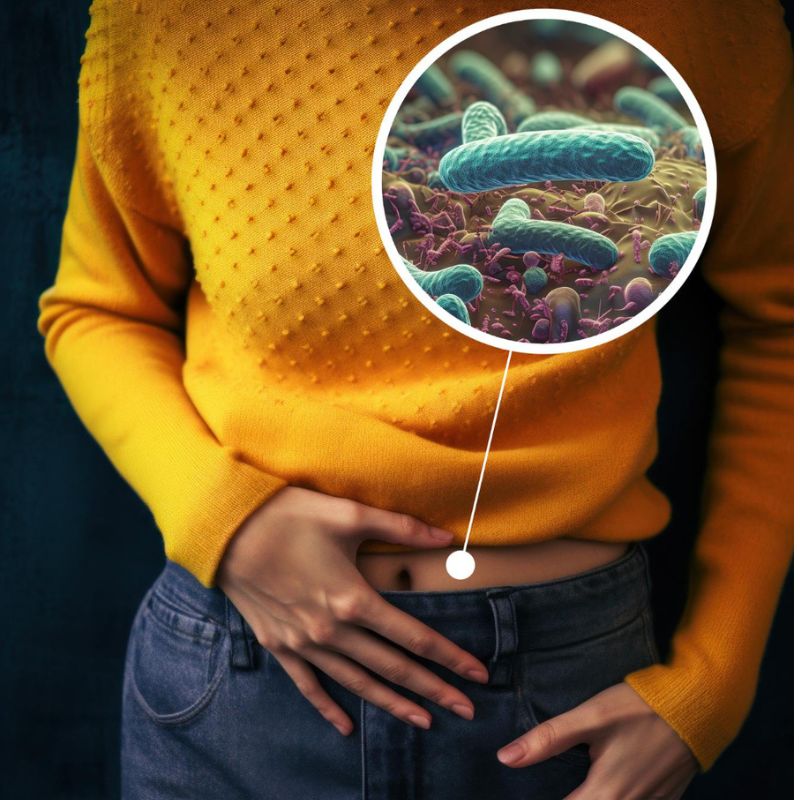
The gut microbiome is often likened to one our most important vital organs due to its extensive role in systemic health. Housing trillions of microorganisms, it profoundly impacts immune function, metabolism, and inflammation. Its influence extends to the female reproductive tract, which is itself a complex ecosystem.
Emerging research highlights the intricate relationship between the gut microbiome and vaginal microbiome, Far from being isolated systems, these microbiomes interact and influence each other in profound ways, emphasising their role in maintaining optimal female health (Wang et al., 2021), (Elkafas et al., 2022).
The Gut And Vagina Share Similar Bacteria
Research has identified shared bacterial species between the gut rectal-area and vagina, as evidenced in studies involving pregnant women, where 44% of bacterial species were found in both regions (El Aila et al., 2009).
These findings underscore just how closely the gut and vaginal microbiota are well-connected, and that it is important to consider the health of our gut microbiome (our diet) when it comes to vaginal and reproductive health.
Updated Yeast Infection Treatment Program

In 2013, I introduced a three-stage approach to addressing chronic vaginal yeast infections in my book Candida Crusher. Since then, years of clinical practice and, more recently, two additional years of research into the human microbiome have revealed the need for a more comprehensive protocol.
By the time I retired from clinical practice in 2019, my expanded understanding of Candida overgrowth and persistent vaginal yeast infection allowed me to refine and enhance my treatment protocol even further.
Drawing from research and clinical experience in Candida and yeast infections, I’ve developed a four-stage yeast infection treatment program. This updated protocol integrates the latest research on gut and vaginal microbiome health, offering a holistic and effective solution for restoring balance and achieving long-term relief.
Why Four Stages
Advancements in microbiome research have uncovered the intricate connection, referred to as cross-talk between the gut and vaginal ecosystems (Amabebe et al., 2020).
Inspired by key research insights and findings, I moved beyond the traditional “weed, seed, and feed” treatment framework (kill and build protocols) commonly used to include a crucial fourth stage focused on maintaining combined optimal gut and vaginal health. This final stage is designed to ensure lasting relief from symptoms and also for the prevention of recurring infections, making it an essential part of a long-term and sustainable solution.
Consistency Is The Key: Commit to 3 Months Treatment

Because we are dealing with a very complex ecosystem biologically, the relationship and cross-talk between vaginal and gut microbiota can take time to correct and re-establish. Studies have shown that re-setting our gut microbiome can take a long time (UCLA., Ko and Glazier 2022).
If you’re dealing with chronic or recurring vaginal yeast infection or bacterial vaginosis., I strongly recommend committing to this protocol for a minimum of 12 weeks, but longer is even better, for 6 months. Chronic imbalances in the vaginal microbiome take time to correct, and this timeframe allows for a full restoration of healthy flora and reduced relapse risk (Joseph et al., 2021).
By working on your gut microbiome simultaneously by consuming prebiotic foods as well as fermented foods in your diet, and taking probiotics twice daily you’ll be in a much better position to speed up both vaginal and gut healing simultaneously.
By following these steps—coupled with the Candida diet and targeted supplementation —you can achieve outstanding results. This program has been life-changing for countless women, even those with long-standing and severe cases.
Why Our Program Works
The four-stage program targets the root causes of yeast infections, addressing factors like diet, lifestyle, stress, and microbial imbalances. By systematically cleansing, restoring, and then maintaining and building a balanced microbiome, this program sets the complete foundation for long-term health and resilience.
If you’re ready to commit to building great gut health, vaginal health, or health and wellbeing, you’ll be amazed at how quickly your body responds when given the right tools and support. Let’s now look at the four stages that make up this program:
The 4-Steps to Vaginal Cleansing and Balancing
The 4-step yeast infection treatment protocol integrates the latest scientific insights and decades of clinical experience, offering a practical and highly effective alternative to standard pharmaceutical treatments. Not only have the methods we recommend been scientifically-validated to perform as well, if not better, than drug-based interventions, and clinically-validated over more than 30 years, they also provide long-term relief by addressing the root cause of vaginal yeast infections.
Each stage is vital, but Stage 4 is where the real transformation happens. This is where you shift from managing infections to building a healthy foundation for lasting gut and vaginal health.
Please share your thoughts or experiences in the comments below—we’d love to hear how this program is helping you on your journey to great health.
Step 4 – Lasting Health

Preventing Future Overgrowth and Maintaining Optimal Vaginal and Gut Health
Preventing yeast infections is essential for women’s health, as these infections can cause discomfort and lead to more serious health issues if recurrent. A balanced vaginal microbiome, dominated by beneficial Lactobacillus species, serves as a natural defence against pathogens (Holdcroft et al., 2023).
One author reviewed 37 studies and found that hormonal contraception and good personal hygiene support a healthy vaginal microbiome. On the other hand, factors like sexual activity, smoking, alcohol-use, as well as stress can all disrupt the vaginal microbiome, increasing the risk of bacterial vaginosis, yeast infections, STIs, and pelvic inflammatory diseases (Morsli et al., 2024).
Disruptions in this balance can result in conditions like bacterial vaginosis and increase susceptibility to sexually transmitted infections. Maintaining a healthy vaginal microbiome is crucial for preventing such complications.
Equally important is the health of the gut microbiome, which plays a significant role in overall immunity and has a direct impact on vaginal health. An imbalance in gut flora can lead to systemic inflammation and may influence the vaginal microbiome, potentially increasing the risk of infections. Therefore, supporting gut health is vital for maintaining vaginal health (Prados 2023).
Let’s now look at several of the best ways to support both our gut and vaginal microbiota to optimise not only our recovery from yeast infections, but long-term prevention leading o optimal gut and vaginal health.
1. Anti-Candida Diet
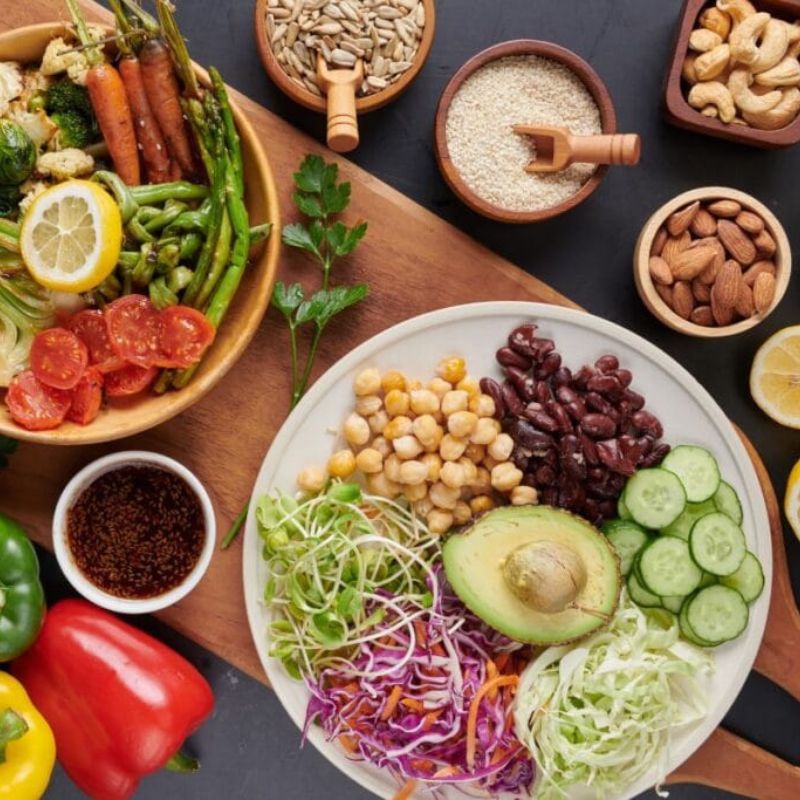
Transitioning to a sugar-free, whole-foods diet is one of the best strategies to alleviate and eradicate yeast infections, including Candida and bacterial dysbiosis symptoms.
Adopting an anti-Candida diet can help prevent gut and vaginal yeast overgrowth. This diet involves reducing the intake of added sugars and refined carbohydrates, which can promote the growth of Candida albicans.
Instead, focus on consuming non-starchy vegetables, lean proteins, healthy fats, and fermented foods that encourage the growth of beneficial bacteria.
Read: Candida Diet
Candida Diet Food List
2. Incorporate Probiotic Supplements Into Your Diet
Probiotics, especially strains like Lactobacillus rhamnosus and Lactobacillus acidophilus, play a vital role in maintaining microbial balance in both the gut and vaginal environments alleviating gynaecological diseases, and enhancing the local immunity of the vagina (Mei et al., 2022).
There is an association between a highly diverse vaginal microbiota and female reproductive tract health. Research indicates that probiotics can reduce yeast infections by stabilising vaginal pH and enhancing immune function (Cribby et al., 2009).
Read: Probiotics
Incorporating them into our daily routine, through fermented foods or high-quality probiotic supplements, can strengthen our defences against fungal and bacterial overgrowth and recurrence. Regular consumption of probiotics has been associated with a reduction in the incidence of yeast infections and other vaginal disorders.
Benefits of Probiotics:
3. Incorporate Prebiotic Foods Into Your Diet

How To Build Good Gut And Vaginal Microbiome
We all know that a healthy diet constitutes, it means avoiding junk foods and ultra-processed foods in favour of fresh whole foods, preferably foods that have been minimally-processed. Prebiotic foods and probiotic foods both play important roles in nurturing a healthy gut microbiome.
A primary concept for prebiotic effectiveness is their ability to resist digestion by human enzymes, enabling them to reach the large intestine where fermentation takes place.
Prebiotics are non-digestible food components that encourage the growth and activity of our beneficial gut bacteria in, while probiotics are live micro-organisms that confer health benefits to the host when consumed regularly in good amounts.
Both these foods can be easily incorporated into our diets, leading to both and improvement in gut and vaginal microbiome health (Markoviac et al., 2017).
Read: Prebiotic Foods
While probiotics directly introduce beneficial bacteria into our gut microbiome, prebiotics serve as nourishment for these beneficial organisms, promoting their growth and enhancing their beneficial effects even further.
It’s the probiotics that help introduce beneficial bacteria, prebiotic foods act as food for those bacteria, helping them thrive. Consuming foods rich in prebiotics, such as garlic, onions, asparagus, bananas, and chicory root, supports both gut and vaginal microbiota by fostering the growth of beneficial strains (Johnson et al., 2017).
Click on the + sign to read more bout prebiotic foods.
4. Good Personal Hygiene
How to Prevent Vaginal Yeast Infections
Preventing vaginal yeast infections starts with understanding what triggers them, identifying the factors that allow them to develop, and addressing the root causes. The tips and advice provided here are designed to help you reduce the risk of recurrent vaginal thrush.
This guide focuses on helping you identify underlying causes and offers practical strategies to manage and prevent infections. If you experience recurring vaginal thrush and are unsure of the cause, consulting with your doctor is recommended to rule out any underlying health issues.
Many prevention tips—such as avoiding tight clothing, hot tubs, or activities that trap moisture—are based on the principle that yeast thrives in warm, dark, and moist environments. Yeast infections are also fuelled by sugary foods and recurring antibiotic prescriptions, so adjustments are critical.
Read: How To Prevent Yeast Infections
Diet and Lifestyle Adjustments to Prevent Yeast Infections
Hygiene Tips for Yeast Infection Prevention
Proper hygiene is essential in preventing yeast infections. Taking small steps to maintain cleanliness and protect the natural balance of the vaginal area can go a long way.
Simple Steps to Stay Ahead of Yeast Infections
By making a few adjustments to your lifestyle and hygiene habits, you can significantly reduce the likelihood of developing vaginal yeast infections.
Prevention is always better than cure, and these proactive steps will help create an environment where yeast infections are far less likely to thrive.
Key Articles About Women’s Yeast Infections
5. Follow Vulvar Skin Guidelines

Proper care of the vulvar skin involves gentle cleansing and avoiding over-cleaning to prevent irritation. It’s also advisable to avoid harsh laundry detergents, fabric conditioners, and scented personal care products, as these can cause irritation and disrupt the natural balance, potentially leading to infections
Love Your Vulva
The vulval skin is delicate and requires gentle care to avoid irritation and discomfort. Washing the area once a day with lukewarm water and a soap substitute, like aqueous cream, helps maintain moisture and protect the skin. Avoid harsh soaps, antiseptics, and scrubbing with sponges or flannels, as they can worsen symptoms. After washing, pat the area dry with a soft towel or use a hairdryer on a cool setting.
Showers are generally better than baths, but if you do bathe, adding an emollient to the water can soothe and hydrate the skin.
Wearing loose, breathable clothing, such as cotton or silk underwear, can reduce friction and allow the skin to breathe. Avoid tight garments like leggings or jeans, as well as fabric conditioners and biological detergents, which can leave irritating residues.
Products such as soaps, douches, and fragranced creams should also be avoided, as they may disrupt the skin’s natural balance.
Regular use of an emollient or moisturiser, even when symptoms aren’t present, helps prevent flare-ups and supports healthy vulval skin. Here are some of the best tips:
Hygiene and Washing
Clothing
Avoiding Irritants
Emollients for Ongoing Care
By following these steps, you can minimise irritation, soothe symptoms, and maintain healthy vulval skin.
6. Manage Stress and Lifestyle

The Link Between Stress and Yeast Infections
While stress itself doesn’t directly cause yeast infections, it can play a significant role in increasing your susceptibility to developing an infection – in fact, just about any infection, because stress lowers our immune resistance.
Understanding the connection between stress and vaginal health can help you take steps to reduce your risk of infections.
Chronic stress activates the hypothalamic-pituitary-adrenal (HPA) axis, which raises cortisol levels. Elevated cortisol can weaken the immune system, disrupt the balance of beneficial bacteria in the vaginal microbiome, and even elevate blood sugar levels—all of which create an environment where Candida can thrive (Amabebe et al., 2018).
Research has shown that women experiencing stress, anxiety, or depression are more likely to suffer from recurrent vaginal yeast infections. For example, a recent highlighted that stress significantly impacts immune health, reducing the body’s ability to keep a vaginal yeast infection caused by Candida albicans in check (Moshfeghi et al., 2020).
Additionally, stress-induced increases in blood sugar levels provide an abundant energy source for Candida growth, further compounding the risk of a fungal infection (Jawhara 2023).
Read: Stress
How Stress Can Impact Vaginal Health
Stress doesn’t just affect your immune system; it also alters your vaginal microbiota. Chronic stress can:
Practical Tips to Manage Stress
Taking proactive steps to manage stress can help restore vaginal microbial balance, improve immune function, and lower your risk of fungal yeast infections and bacterial (BV) infections. While stress reduction may not be an immediate cure, it’s an essential long-term strategy for maintaining overall health. Here are a few tips on how to mitigate the effects of stress in your life:
Key Takeaways
By managing stress effectively and taking care of our overall health, we can improve your resilience to yeast infections while enhancing your overall well-being.
7. Anti-Inflammatory Diet
The Role of Anti-Inflammatory Foods in Gut Health
Anti-inflammatory foods are essential for supporting gut health, particularly for those managing conditions like IBS, SIBO, or IBD. By reducing inflammation, these foods can improve gut function and enhance overall well-being, especially for individuals with chronic health issues. Acute or chronic inflammation can affect both the gut and vaginal microbiome.
Chronic inflammation is a key driver of many conditions, including Candida overgrowth, heart disease, certain cancers, and Alzheimer’s disease. Chronic inflammation has also been linked to dysbiosis, which increases the risk of yeast infections and bacterial vaginosis (Dabee et al., 2021).
Inflammation can worsen Candida symptoms like bloating, gas, itching, and bowel irregularities, making an anti-inflammatory diet a practical and effective choice (Jawhara 2023).
The Dual Nature of Inflammation
Not all inflammation is harmful—it plays a vital role in healing. Inflammation increases immune activity and blood flow to help the body recover from infections or injuries. Without it, healing would be nearly impossible (Chen et al., 2017).
However, when vaginal inflammation becomes chronic or excessive, it can contribute to serious health issues. Persistent inflammation, often linked to poor diet, stress, toxins, and lifestyle factors, can damage the gut and vaginal tissue and lead to long-term health problems (Dabee et al., 2021).
Adopting an anti-inflammatory diet is a proactive step toward reducing chronic inflammation and supporting both gut and vaginal health and overall wellness.
Ultra-Processed Foods Are Inflammatory
One of the most important considerations of maintaining a healthy diet is to try your best to avoid inflammatory foods, these are often the ultra-processed foods. Stay away from UPFs, and in particular, avoid sweet sugary drinks, and eat nutrient dense and anti-inflammatory foods. (Ma et al., 2022)
Including anti-inflammatory foods like fatty fish, turmeric, green tea, and leafy greens can help reduce inflammation and promote a healthy microbial environment. Click on the + sign and read about the 21 most anti-inflammatory foods. There’s an entire blog post that explains each one if you are interested.
Read: Anti-Inflammatory Foods
Here are additional points and strategies to support gut and vaginal microbiome health simultaneously:
8. Avoid Unnecessary Antibiotics

While antibiotics can be life-saving, they also disrupt the natural balance of gut and vaginal microbiota by killing off beneficial bacteria. Avoiding unnecessary antibiotic use and completing prescribed courses only when essential can help maintain microbial health. Consider probiotics after antibiotic treatments to restore balance.
Antibiotics and Yeast Infections
Antibiotics, commonly used to treat infections like UTIs or strep throat, can disrupt the balance of beneficial bacteria in your body, often leading to yeast overgrowth and vaginal yeast infections.
These medications can wipe out Lactobacillus bacteria, which are essential for maintaining an acidic vaginal environment and suppressing yeast growth. Without these protective bacteria, the vaginal pH may become more alkaline, allowing yeast to thrive.
Read: What Causes A Vaginal Yeast Infection to Stay?
To reduce the risk, consider taking a high-quality probiotic supplement with Lactobacillus strains or adding yogurt with live cultures to your diet. If you suspect antibiotics are causing a yeast infection, consult your doctor to explore alternative treatments.
9. Stay Hydrated

Hydration supports both gut and vaginal health by helping maintain mucosal barriers and encouraging the removal of waste products that can disrupt microbial balance. Proper hydration also promotes bowel regularity, which prevents the overgrowth of harmful bacteria in the gut that can influence the vaginal microbiome.
Beyond Water: Hydration with Health Benefits
Pure, clean water is the gold standard for staying hydrated, but sometimes we crave a little extra flavour. Luckily, there are plenty of beverages that not only quench your thirst but also provide added health perks. Here are 9 top beverage choices to keep you hydrated and healthy.
We all know hydration is key—every cell in your body depends on water to function. Proper hydration helps prevent infections, boosts metabolism, enhances mood, and even improves sleep quality (Pross et al., 2014).
How Much Water Do You Really Need?
The “eight glasses a day” rule is a good starting point, but hydration needs vary based on factors like age, activity level, weight, climate, and health conditions.
Hydration Beyond Water
While water should be your go-to, you can mix things up with nutritious, gut-friendly drinks that offer extra benefits. Whether it’s supporting digestion, boosting immunity, or providing essential nutrients, these beverages are excellent additions to your daily hydration routine. Read our Healthy Drinks page and you’ll soon see there are plenty of choices besides alcohol, coffee, tea, or soda drinks.
Read: Healthy Drinks
Vaginal-Friendly Practices During Menstruation
During menstruation, especially the first few days, the vaginal pH becomes less acidic, creating an increasingly favourable environment for pathogens like Candida albicans and E.coli (Gajer et al., 2012).
Changing menstrual products regularly, opting for unscented options, and maintaining hygiene can minimise microbial imbalances during this time.
This is also a good time to step-up Candida treatments and be aware of any sugar or sweet cravings that may inadvertently occur.
Use Gut- and Vaginal-Friendly Supplements
Certain supplements can directly benefit both microbiomes:
Best Treatment For For Chronic Gut and Vaginal Health Problems
There are many ways to quickly relieve symptoms and the discomfort of a vaginal yeast infection, but achieving a more complete long-term freedom requires a more comprehensive strategy. If you suffer from bloating, gas, sweet cravings, or a host of other gut or systemic symptoms of Candida, you may be interested in our comprehensive Ultimate Candida Cleanse Program.
By following the Ultimate Candida Cleanse Program outlined in this website alongside the targeted local treatments, you can successfully address the root causes of any gut and yeast infection rather than just treat the symptoms. This program is also suitable for those with food allergies, SIBO, IBS, and IBD.
Summary: Achieving Balanced Gut and Vaginal Health
Preventing yeast infections and fostering a healthy microbiome involves a comprehensive, proactive approach if you are looking for lasting health.
From dietary changes and proper hygiene to lifestyle adjustments, each small step contributes to long-term health and vitality. By reducing sugar intake, prioritising gut-friendly foods, managing stress, and practicing good hygiene techniques, you can support a balanced gut and vaginal microbiome that strengthens your body’s natural defences against infections.
Caring for your gut and vaginal health holistically not only helps prevent recurring infections but also enhances overall well-being. With the right knowledge and strategies, you can empower yourself to live a healthier, more balanced life.
Key Takeaways for Gut and Vaginal Health
Diet and Nutrition
Hygiene Practices
Stress Management and Lifestyle
Smart Antibiotic Use
Anti-Inflammatory Approach
Professional Guidance
A Holistic Path to Health
By combining these above strategies—adopting a nutrient-rich diet, practicing proper hygiene, managing stress, and being mindful of antibiotics—you can create a strong and balanced microbiome in both the gut and vaginal environments. These efforts will not only reduce the risk of yeast infections but also contribute to your overall vitality, leaving you healthier and more resilient in the long term.
Taking care of your microbiome is an investment in your health and well-being. Small, consistent changes today can lead to a lifetime of benefits. Start with these practical steps, and empower yourself to take charge of your health. Let us know your comments below!

Ultimate Candida Cleanse System
Beat Candida naturally with the complete, science-based system created by naturopath Eric Bakker, N.D. This all-in-one package gives you two downloadable guidebooks plus the Yeastrix Gut Restore Kit — three targeted professional formulas that work together to reset your gut, restore balance, and rebuild healthy digestion.
You get a structured, step-by-step program, professional clinical guidance, and supplements designed to support each stage of recovery. No guesswork. No confusing protocols. Just a clear roadmap and the right tools to help you finally reduce symptoms, rebalance your microbiome, and feel like yourself again. The Ultimate Candida Cleanse System is everything you need to make real progress — naturally, safely, and effectively.

Eric Bakker N.D.
Greetings! I am a naturopathic physician from New Zealand. Although I’ve retired from clinical practice since 2019 after 34 years of clinic. I remain passionate about helping people improve their lives. You’ll find I’m active online with a focus on natural health and wellbeing education through my Facebook page, Reddit page and YouTube channel, including this website.