Building the Foundation: Essential Habits for Lifelong Gut Health
Creating lasting digestive wellness starts with simple, consistent habits that support the body’s natural ability to heal and rebalance. In the beginning stages of the Ultimate Candida Cleanse, we lay the groundwork for a healthier gut microbiome by focusing on everyday nutrition and lifestyle choices that are both sustainable and practical.
When these foundational practices become part of daily life, they help strengthen immunity, improve gut function, reduce inflammation, and restore microbial diversity.
This stage isn’t about getting everything just perfect—it’s about cultivating awareness, making better choices, and reinforcing the body’s ability to maintain balance long-term. By supporting our digestive system in these early stages, we’ll create a resilient internal environment that sets us up for deeper healing and success as we move through the full Ultimate Candida Cleanse Program.
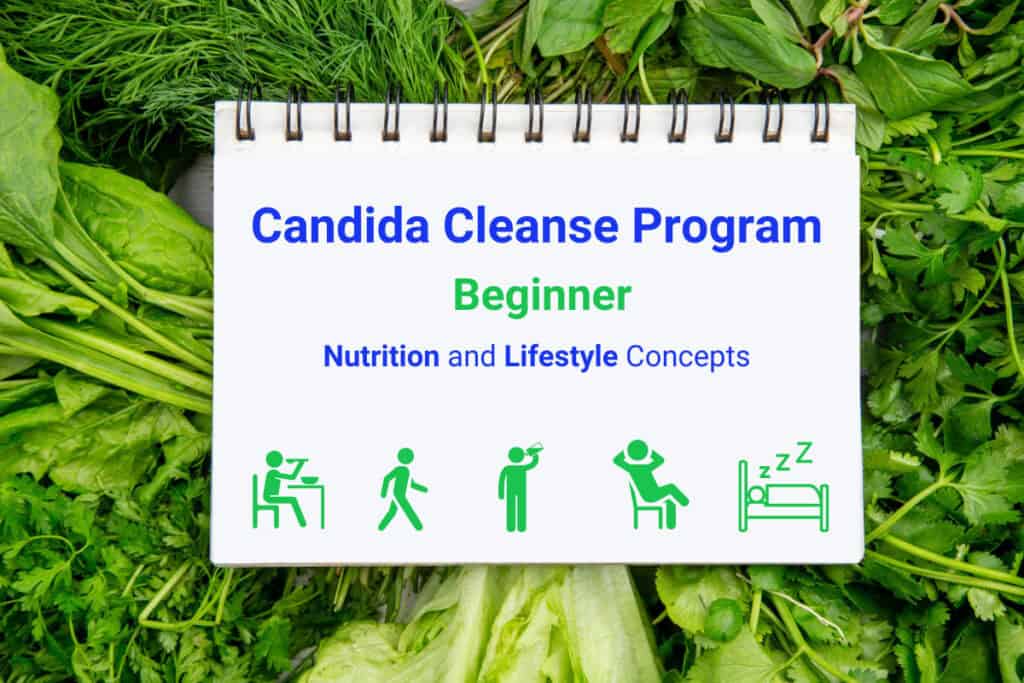
Beginner’s Nutrition & Lifestyle Concepts
By incorporating these five core principles, you’ll support a more diverse and resilient gut microbiome. Improved microbial diversity has been shown to lower the risk of many chronic diseases, including inflammatory bowel conditions, metabolic dysfunction, and even cognitive decline.
These practical changes are designed to be accessible, progressive, and powerful—gently leading you toward long-term health transformation. You can read about each of these five principles further down this page:
Gut Bacteria Can Change In As Little 24 Hrs
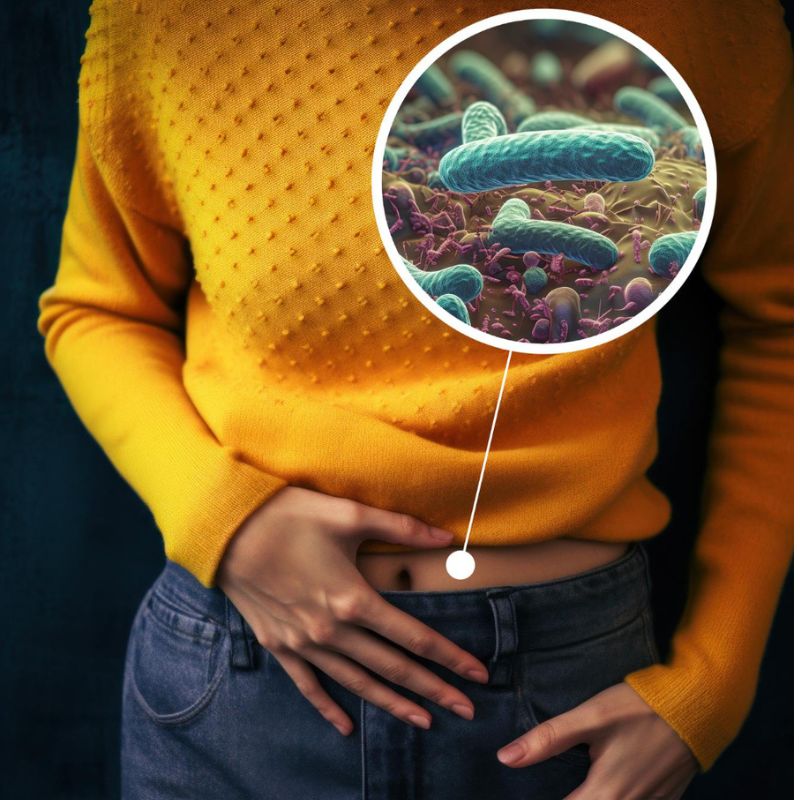
Did you know your gut microbiome—the trillions of bacteria in your digestive system—can begin to shift within just 24 hours of changing your diet?
Research shows that dietary choices can cause rapid changes in gut bacterial composition. In one study (Singh et al., 2017), participants experienced measurable microbiome changes within a day of switching their eating habits.
For example, increasing fibre, fruits, and vegetables can quickly encourage beneficial bacteria, while consuming refined sugars and unhealthy fats can promote harmful strains. While these changes can be immediate, they’re often short-lived unless healthier patterns are maintained.
This rapid adaptability also opens doors for targeted healing. By adjusting your diet, you can influence your gut bacteria to help reduce inflammation, improve digestion, and even enhance mood and mental clarity. Nutrition becomes not just a lifestyle choice but a powerful therapeutic tool.
The Bottom Line – Every meal counts. What you eat today can directly shape your gut—and your health—by tomorrow!
Let’s Build Healthy Daily Eating and Digestive Habits

Simple daily practices around eating and digestion can have a powerful impact on your health. While they might seem basic, doing them consistently and correctly can reduce symptoms, ease discomfort, boost energy, and improve both mood and sleep. These habits lay the groundwork for long-term gut and overall wellness.
It’s Important To Do What Feels Right for You
With so much conflicting advice out there, it’s easy to feel overwhelmed! Keep it simple and use common-sense. Focus on what feels right for your body. In my clinical experience, there’s no such thing as universal “ultimate diet.” I personally favour a plant-based, whole food approach, but what matters most is adapting a healthy whole-foods eating plan to suit your needs.
Healthy eating goes beyond cutting out ultra-processed foods—it requires a shift in mindset and lifestyle. A cleaner way of eating supports a healthier gut. Research now confirms that Western diets and lifestyle habits can disrupt gut bacteria, trigger inflammation, and contribute to chronic disease (Bhandari 2021).
Let’s now discuss the five important healthy concepts regarding eating and drinking:
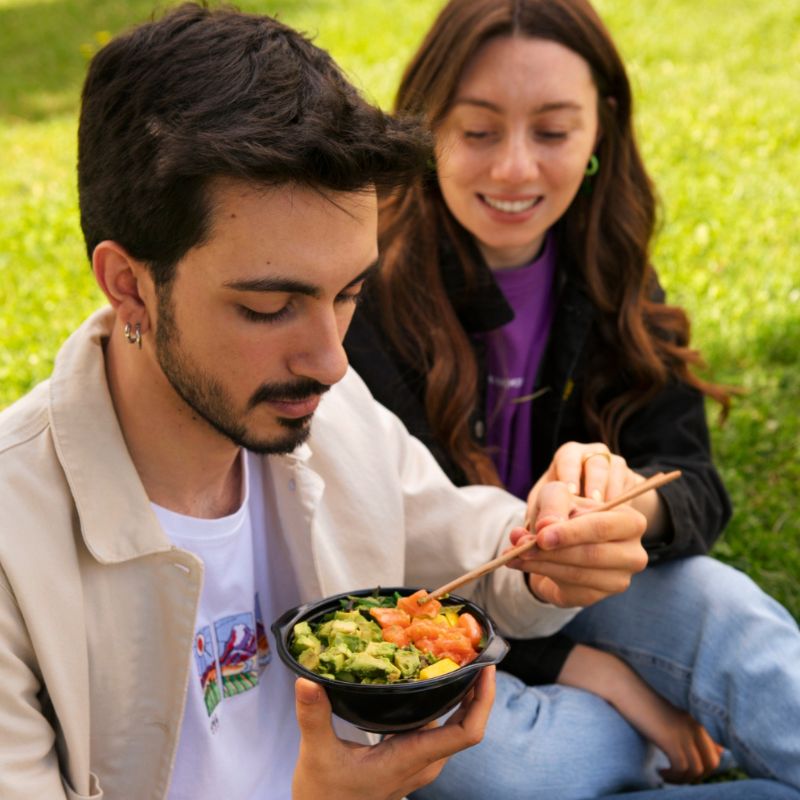
1 – Healthy Eating and Snacking
In both clinical and personal experience, it’s rarely the evening meal that causes problems—unless portions are too large. The real issue is often the snacks we reach for between meals or while relaxing at night, such as during a movie or social time with friends.
Unhealthy snacking habits usually begin early in life. Fortunately, studies show that teaching self-regulation strategies can help children and teens develop better snacking behaviours over time (De Vet 2015).
In our family, we’ve always leaned on simple, nourishing snacks like fruits, vegetables, nuts, and seeds. This has become a lasting habit passed down to our adult children and even our grandchildren.
Once you start basing your meals and snacks around the fresh foods featured in the Cleanse Diet, your taste buds and gut health begin to shift. The appeal of sugary or salty processed snacks fades. Your sense of taste and smell sharpens, and your gut bacteria flourish. Over time, highly processed snacks not only lose their appeal—they can actually make you feel unwell. This is the point when it becomes natural to re-evaluate your intake of refined carbohydrates, which offer little to no benefit for gut health.

2 – Mindfulness and Cravings
Mindfulness is one of the most effective tools for managing cravings. Begin with acceptance—recognize that it’s normal to experience desires that don’t always align with your health goals. Don’t judge them. Simply observe the feeling, focus on the sensation, and remind yourself: cravings are temporary and will pass.
Recent research supports mindfulness-based approaches, especially those rooted in Buddhist models of craving. Practicing mindfulness has been shown to reduce the intensity of cravings and make it less likely you’ll act on them (Tapper 2017).
We typically eat for two reasons: true hunger or emotional cravings. It’s important to pause and ask—am I genuinely hungry, or am I eating out of habit, boredom, stress, or comfort?
Hunger comes from the body: a growling stomach, low blood sugar, irritability, fatigue, or feeling “hangry.” These are physical signals. Cravings, on the other hand, often stem from emotional or psychological triggers.
While some cravings may arise from nutrient deficiencies, this is rare. Most often, they’re emotionally driven. Fascinatingly, brain scans show that social isolation can activate the same brain regions as food cravings, highlighting the emotional roots of desire (Tomova 2020).
The more aware we become of why we eat, the easier it is to choose nourishing foods that truly serve our body and mind.

3 – We Eat Too Much Food
Another goal is to decrease our overall food intake, particularly when dining out, to avoid excessive consumption of refined carbohydrates, alcohol, sweetened coffee, and takeaway foods.
Our aim is to shift away from consuming large quantities of highly processed foods and toward a healthier, more natural diet rich in fruits, vegetables, nuts, seeds, legumes, lean protein, and other nutritious options.
Many people don’t realise that portion sizes have dramatically increased over the past few decades. Restaurant meals, convenience snacks, and even home-cooked dishes often provide far more calories than our bodies need—leading to weight gain, sluggish digestion, and poor gut health. Studies show that simply eating more slowly and mindfully, and using smaller plates or bowls, can help regulate appetite and prevent overeating. When we tune in to true hunger cues rather than emotional or habitual eating, we naturally eat less and feel better.
The 4 Psychological Tendencies Over-Eating
A study found four psychological tendencies that foster overeating, but these psychological barriers can be overcome by conscious awareness of the risk of overeating sweet, fat or tasty (sweet) foods, large portion sizes, and overconsumption of food during special times like celebrations or festivals. (Borer 2021):

4 – Chewing Foods Really Well
Slowing down and chewing your food may seem simple, but it’s a foundational step that greatly improves digestion. Like staying well-hydrated, proper chewing is one of the small daily habits that make a big difference.
A study involving nearly 8,000 adults aged 65+ found that 43% had difficulty chewing—leading to significantly reduced intake of nutritious foods like fruits, vegetables, and key nutrients such as calcium, potassium, vitamins A and C, and more (Kim et al., 2023). Proper chewing directly impacts how well we absorb nutrients.
Why Many of Us Don’t Chew Well Anymore
Years of processed food consumption have weakened our chewing ability. Narrow jaws, dental work, soft diets, and worn-out teeth all contribute. Yet chewing is essential—it kickstarts digestion and helps release nutrients from plant fibers.
When we swallow poorly chewed food, it lingers in the digestive tract, creating conditions for harmful microorganisms (yeast and bacteria) to thrive (Sensoy 2021). Poor chewing also makes it harder to digest and absorb nutrients, and often leads to digestive discomfort.

Chewing and Technology
Years ago, while studying stress, I learned that chewing food properly activates the parasympathetic nervous system— the part of our body responsible for rest and digestion.
Chewing is more than just a mechanical action; it’s a mindful practice that calms the body and enhances digestion.In today’s tech-driven world, mindful chewing has become rare. Many people eat in front of screens—TVs, laptops, or mobile phones—barely aware of the food they’re consuming. In fact:
Eating while distracted impairs digestion, much like texting while driving—your focus is split, and the results can be harmful. For optimal digestion, try turning off screens, slowing down, and enjoying each bite with awareness.
Try This Chewing Experiment
Time your meals and aim to double how long you take to eat. Chew each mouthful 20–50 times.
You will be:
Chewing mindfully is one of the easiest and most effective ways to improve gut health—without spending a dime.

5 – Hydration: Drinking Water
One of the most overlooked health habits is simply drinking enough water each day. In my clinic, I’ve seen many people struggle with dehydration, not realizing just how crucial water is—especially for digestion and gut health.
Adequate hydration supports the function of key digestive organs like the stomach, pancreas, and intestines. It also improves stool movement, enzyme activity, and nutrient absorption. Drinking pure or filtered water—particularly first thing in the morning and between meals—is ideal. Room-temperature water with a splash of lemon or lime adds both flavor and digestive support.
Water is especially important when increasing dietary fibre. Without enough water, fibre can cause bloating or discomfort. But when combined with proper hydration, fibre helps move waste through the gut more easily.
We recommend:
These small, consistent changes can lead to major improvements in digestion, gut flora balance, and overall health. In fact, one large study linked higher daily water intake with a reduced risk of death from all causes—likely due to the wide-ranging health benefits of better hydration (Zhou et al., 2021)
Key Lifestyle Pages
No Progress or Improvement After Beginning the Program?
If you haven’t noticed meaningful progress after completing the first few program modules, it’s time to reassess. Go back and review module 1 (Colon Cleanse) and module 2 (Cleanse Diet) to ensure you’ve fully implemented the steps and consistently followed the five foundational health concepts discussed on this page.
Still not seeing results? Consider working with a qualified natural health practitioner or integrative medical doctor. A skilled professional can help uncover overlooked or hidden issues, provide personalised insights, and guide your next steps with experience and care.
There are many competent and caring practitioners out there—don’t hesitate to seek support. You’re not alone in your health journey. I also encourage you to go to our You Tube channel or Reddit forum and ask questions.

Eric Bakker N.D.
Greetings! I am a naturopathic physician from New Zealand. Although I’ve retired from clinical practice since 2019 after 34 years of clinic. I remain passionate about helping people improve their lives. You’ll find I’m active online with a focus on natural health and wellbeing education through my Facebook page, Reddit page and YouTube channel, including this website.