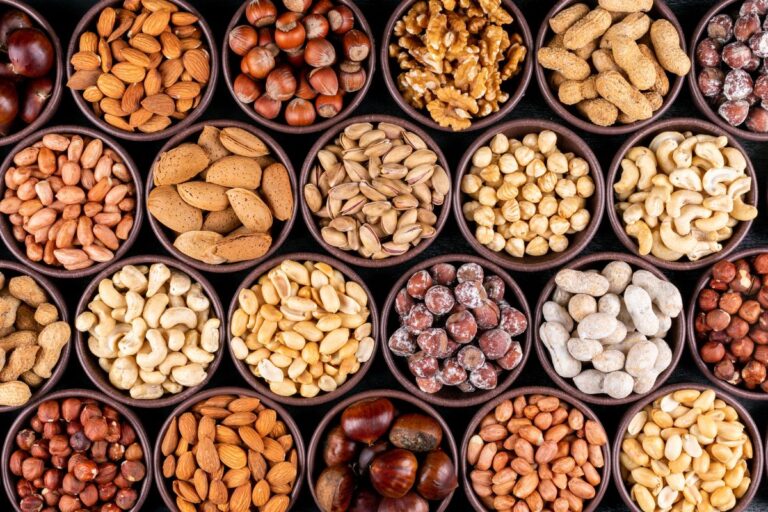

Re-Introducing Foods Back Into Your Diet.
Reintroducing fruits, vegetables, and other foods after a Candida cleanse might seem simple—but it’s easy to get it wrong! With the right guidance, though, the process becomes much smoother and more successful.
After giving your gut time to heal, many foods you once reacted to—yes, even those long-missed favourites like bread, potatoes, or sweet fruits—can often be enjoyed again.
The key is knowing how to re-introduce them properly, and that’s exactly what I’ll guide you through in this web page.
If you’ve just completed the Low-Reactive Diet — you’re in the right place. That foundational phase is designed to ease the burden on your digestive system and help identify and remove potential food triggers and allergies.
Others may have found this page out of curiosity or because they’ve had difficulty reintroducing foods like bananas, pumpkin, bread, sauces, or condiments. In some cases, reactions stem not from the foods themselves, but from natural food chemicals like salicylates, amines (histamine), or additives such as artificial colours, preservatives, or flavour enhancers. In other cases, food reactions can be linked to food allergies and intolerances.
But how would you know unless you paused these foods—and later re-introduced them in a clear, structured way? You’d never know…

How Does Food Reintroduction Work?
Food Re-Introduction is 5th module of the Ultimate Candida Cleanse Program, and follows the Low-Reactive Diet.
Re-introducing foods after a period of elimination is a crucial part of the program. Re-introduction is the final part of a structured elimination and challenge diet process that allows you to identify and confirm any food allergies or sensitivities.
Underlying hidden sensitivities may have been contributing to symptoms like brain fog, fatigue, joint pain, unexplained gut & immune symptoms, recurring Candida overgrowth, and more.
Food Re-Introduction phase allows you to gradually rebuild a natural whole foods diet that aligns with your personal preferences, gut health, and lifestyle. Once symptoms have eased—typically around two weeks after the elimination phase, though it may take longer for some—you can begin re-introducing foods.
With the right strategy, consistency, and some patience, the withdrawal and introduction approach becomes a powerful tool—not only for improving gut health but also for gaining deeper insight into your body’s unique nutritional needs, allowing you to build great health.
Your Food Re-Introduction Resources

We recommend saving these resources for quick and easy access. They’ll serve as your step-by-step guides throughout the food elimination and reintroduction process, helping to simplify the journey and keep you on track. Here are the key documents and resources you’ll need:
3 Steps of Food Elimination and Re-Introduction
Our Approach to Food Re-Introduction
Oral food elimination and challenge combined with symptom tracking can be an accurate, cost-effective, and non-invasive method for pinpointing any food allergies and intolerances.
After completing the Low-Reactive Diet, you’ll probably find your gut is in a more stable state. Inflammation may have been reduced, and you’re more likely to get accurate feedback from your body when re-introducing any potentially problematic foods.
We follow a systematic three-stage food elimination and introduction method:
1 – Identify and Eliminate
During the Low-Reactive Diet, we identify food allergies and other potentially reactive foods and substances that may be causing inflammation or gut distress. These may be high FODMAPs, high histamine, or salicylate-containing foods. Please refer to our fourth module (Low-Reactive Diet) for complete information and identification and elimination of food allergies and triggers.
2 – Stabilise the Gut
We recommend sticking to a simple, low-reactive diet to reset the gut, reduce symptoms, and build resilience. These are the foods you will have identified with as being less reactive. The goal is symptom-relief and stable gut, both essential for accurate food re-introduction. You will find probiotics, digestive enzymes, and antimicrobial supplements useful during these stages. If symptoms flare, pause re-introduction for or a few weeks until stability returns.
3 – Food Re-introduction
We begin re-introducing previously eliminated foods—one at a time—to observe any physical or emotional reactions. It helps us understand which foods our body truly tolerates and which may be contributing to gut imbalances, Candida overgrowth, or chronic symptoms.
This page is mainly about food re-introduction, with more detail ahead how to re-introduce different vegetables, fruits, grains, etc. Previously eliminated foods are best re-introduced one by one in a systematic way, helping you monitor for any symptoms or sensitivities that may arise.
The 2-Step Structured Food Reintroduction
Let’s walk through the structured re-introduction process step by step:
1. Re-Introduce Common Food Triggers
Start by re-introducing any common food allergens you may have excluded. Some of these may have been removed during the Low-Reactive Diet to give your gut time to rest and inflammation a chance to subside. The group of most-allergenic foods includes:
Ask yourself these questions:
If you haven’t experienced noticeable improvements, symptom aggravation or setbacks, now’s the time to start carefully re-introducing any of these foods you were eating before – one at a time.
Pro Tip: Highly-desired foods or snacks are more likely to cause issues like bloating, fatigue, or digestive discomfort. Begin with the least physically or emotionally-craved foods. Re-introduce the foods you strongly desire last, at the end, rather than first.
2. Re-Introduce Additional Food Triggers
The next stage focuses on reviewing any other foods or drinks you may have taken out of your diet —beyond the high-allergy group. You’ll find these listed on the High and Low Reactive Food List.
If you’re dealing with chronic gut issues like Candida overgrowth, SIBO, IBS, or IBD, certain foods can still be problematic—even if they’re not part of the classic allergen list.
Ask yourself these questions:
Many of these foods are high in natural food chemicals such as histamines, salicylates, or are high FODMAPs foods.
Examples of Additional Food Triggers:
These compounds can trigger or worsen symptoms such as:

Look For Subtle Signs and Symptoms
The challenge with these reactions is that they are often more subtle, delayed, and not easily identified through standard testing as the common food allergen group. Many people are misdiagnosed or told they have something else—like hay fever, the flu, or food poisoning—when in fact, it’s a food chemical sensitivity that’s gone unnoticed.
If you identified and removed foods from the High and Low-Allergy Food List during your cleanse, now is the time to reassess. Any highly-desired trigger foods—foods you crave and may have over-consumed in the past—should be treated with caution. Cravings are often a sign of imbalance, and jumping back into eating these foods too soon can easily undo the progress your gut has made.
Tip: It’s best to delay reintroducing any highly-desired trigger foods for another 12 to 16 weeks. This gives any leaky gut time to heal your gut microbiome more time to strengthen and repair.
Consider any other reactive foods you noted during the Low-Reactive Diet phase. These might include:
Key Take-Aways
Pro Tip: Use your High and Low-Reactive Food Guide & List along with your Food Scoring Guide during this phase. These tools help you track your food and responses accurately.

Timing of Re-Introduction
To accurately identify food allergies or sensitivities, we recommend spacing out food trials.
Food reactions may be delayed by 24–72 hours, so rushing the process can blur the results and give you a false indication.
This is particularly relevant for the group of potential allergens – milk, eggs, fish and shellfish, peanuts and tree nuts, and wheat, but also applies to other foods such as the FODMAPs, salicylate, and high-histamine foods.
Recommended Reintroduction Timeline: (See below the “One Week Food Re-Introduction Timeline”)
Keep detailed notes using your Symptom Tracker (PDF) or Symptom Tracker.xlsx file (zip folder) and Food Scoring Guide (PDF) during this time. If symptoms develop, stop the new food immediately and make note of the reaction. See below the “One Week Food Re-Introduction Timeline”.
Key Time For Digestive and Gut Support
The elimination and food re-introduction phases present an ideal window to actively treat the gut. This is the time when the digestive system is less burdened by reactive foods, making it easier and more effective to target underlying imbalances.
Use probiotics and digestive enzymes during food withdrawal and reintroduction phase especially. These support gut microbiome balance and help the transition go smoothly.
Using a broad-spectrum antifungal and antibacterial supplement during this transition helps break down stubborn Candida biofilms, reduce yeast and bacterial overgrowth, and rebalance the gut microbiota. This approach is especially valuable for those dealing with Candida overgrowth, SIBO, IBS, or general gut dysbiosis.
Troubleshooting Reactions During Food Re-introduction
What to Do If Symptoms Return
Sometimes, even with careful pacing, symptoms can re-emerge. These may include digestive upset, fatigue, headaches, mood changes, skin issues, or sinus symptoms. If symptoms are strong or persistent, don’t hesitate to pause for a week or more before continuing.
Here’s What to Do:
Tip: Not all food reactions are due to food allergies—some symptoms occurring during the elimination or challenge phases can be part of a healing crisis that includes a major gut microbiome shift. Re-testing a food in the future, after further gut repair, may yield an entirely different outcome.

Building New Relationships with Food
I often reminded patients that food re-introduction isn’t just a science—it’s a journey of re-discovery. You’re learning how your body truly responds to the foods you eat, and in the process, deepening your connection with your gut and health.
Our relationships with food are like our relationships with people in our lives — fluid, ever-changing, and capable of growth.
This stage takes patience and consistency. But with every food you successfully re-introduce, you move closer to a more flexible and enjoyable diet that is most suitable to you and your gut.
Just because a food doesn’t suit you right now – it doesn’t mean it never will. When intestinal permeability (leaky gut) heals, inflammation drops, and your gut microbiome becomes more balanced, tolerance often improves. Why give up a food you love forever based on temporary reactions?
Keep going. You’re not testing “good or bad” foods — you’re optimising your personal diet and laying the foundation for lasting gut health and true wellness.
Food re-introduction and elimination diets are best carried out at home, where you have full control over your kitchen, foods, and daily routine. Attempting the food re-introduction process while on vacation, traveling for business, or during stressful life events is often a recipe for failure.

A patient once tried reintroducing foods during a two-week family cruise, which not only derailed the process but also disrupted her holiday pretty badly. Similarly, patients on business trips found it challenging to stick to the plan, resulting in incomplete or ineffective outcomes. Don’t do it!
Major dietary changes should be approached when you’re in a relaxed, low-stress home environment with a calm mind. Stress can disrupt digestion, causing symptoms like bloating or gas, which can easily be mistaken for food reactions. Home offers a familiar, comfortable space where you can accurately observe how your body responds to each re-introduced food.
Patience and timing are key. Wait until you’re settled, stress-free, and have the resources you need at hand. This will ensure a smooth process and meaningful results.
Key Take-Away
The Laws of Food Re-Introduction
The Smart and Informed Way of Re-Integrating Foods
Reintroducing foods into the diet—especially carbohydrates like fruits, vegetables, and grains—shouldn’t be rushed or done haphazardly. I’ve found the following three principles essential for avoiding setbacks, tracking reactions, and gradually rebuilding your digestive resilience over time.
When followed, these tips can help you uncover hidden food sensitivities and support long-term gut microbiome and total health recovery.
1. How Much Food We Re-Introduce at Once
Start slow, be consistent, and observe.
Many people ask, “When can I start eating these foods again?” The answer is simple: once you’ve felt noticeably better for at least two weeks following food elimination.
This staged approach gives your gut time to adapt. Research shows that the gut microbiota, immune, hormonal, and even nervous systems benefit from slow dietary reintroduction (Kelly 2015).
Pro Tip: Don’t re-introduce the food you crave the most first—leave that till last. Your cravings may well be masking a hidden intolerance, I’ve seen this many times in clinical practice.
Impatience is a common issue in food re-introduction. Clinical research supports this. People tend to choose short-term gratification over long-term benefit (Ainslie, 1975; Thaler, 1981).
But some people rush this step:
This often results in a return of symptoms or even full relapse. Take it one step at a time.
One Week Food Re-Introduction Timeline (example)
Here’s a simple table to explain how (as an example) you could re-introduce different foods:
| Day | Action | Notes |
|---|---|---|
| 1 | Introduce small amount | e.g., 1–2 bites of the test food |
| 2 | Increase portion slightly | e.g., ¼ cup |
| 3 | Eat full serving – if no symptoms | e.g., ½–1 cup |
| 4–5 | No new food; observe carefully | Watch for delayed symptoms |
| 6 -7 | Begin next food test | Repeat process with a different food |
2. Are We Craving Any of These Foods?
Understand the Cravings—They’re Often Clues.
Cravings can point to underlying food sensitivities or emotional food attachments. It’s not uncommon for people with Candida, SIBO, IBS, or IBD to crave the very foods that trigger their symptoms.
It’s about building your new normal—one that’s guided by your body’s signals, not from old habits or the internet.
Pro Tip: The foods you crave and want The most are unlikely to be nourishing your body —they may be disrupting your gut microbiome. Read: Are We Hungry or Just Craving Food?
3. Are Any Symptoms Produced on Re-Introduction?
What To Watch for – and What To Do Next.
If symptoms return after reintroducing a food, don’t panic! It doesn’t mean your gut is “broken” — it simply means you need to pause, re-assess, take a breath – and go slower.
Typical symptoms to observe include:
Pro Tip: Minor symptoms are often transitional—just part of your gut microbiome adjusting. Severe or prolonged symptoms are red flags—pause that food and try again later.
Best course of action:
Gradual Food Re-Introduction Benefits Metabolism
Your metabolism (thyroid, adrenal) also benefits from a slower transition. Gradual reintroduction can improve hormonal resilience (Mullur 2014). And while most won’t experience full-blown allergic reactions, remember: food challenges are still the gold standard for detecting dietary triggers
(Papapostolou et al., 2022)
Good Summary: Go Slow to Heal Fast
Rebuilding your gut is not about going back to “normal eating” overnight, or some quick “diet plan” to loose a few pounds. It’s about building your new normal—one that’s guided by your body’s signals, not old habits.
Research shows that taking a slower, measured approach allows your gut bacteria to gradually adapt and thrive as restricted foods are reintroduced into your diet (Su 2021) .
In my clinical experience, this approach significantly reduces the likelihood of symptom aggravation, Candida die-off, and minimises the risk of frustration or abandoning the diet altogether.
Key Take-Away
Food re-introduction is a restorative process, not a race. Done properly, food elimination followed by food re-introduction helps you create a diverse, nourishing diet tailored to your gut, as well as a healthy and well-balanced gut microbiome that supports your long-term digestive and immune health immeasurably.
A few key tips:
How To Re-Introduce Different Food Groups Back Into Your Diet
Now let’s discuss the most common food groups and their re-introduction. Here’s a carousel of images of foods people commonly eliminate or reduce from their diet:
Most Common Foods People Eliminate

Apples 
Banana 
Beans 
Bread 
Cow’s Milk 
Chickpeas 
Corn 
Honey 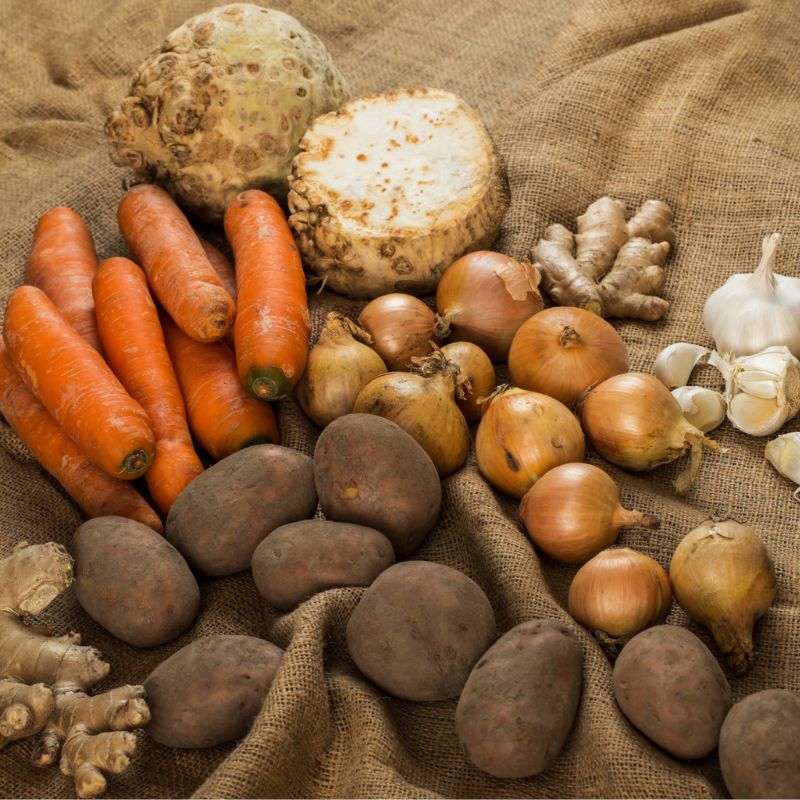
High FODMAPs Food 
Mushrooms (Not Necessary) 
Parsnip 
Pasta 
Peas 
Potatoes 
Pumpkin 
Sweet Potato 
Taro 
Watermelon
Key Food Pages
Watch Out For For Common Food Chemicals and Additives
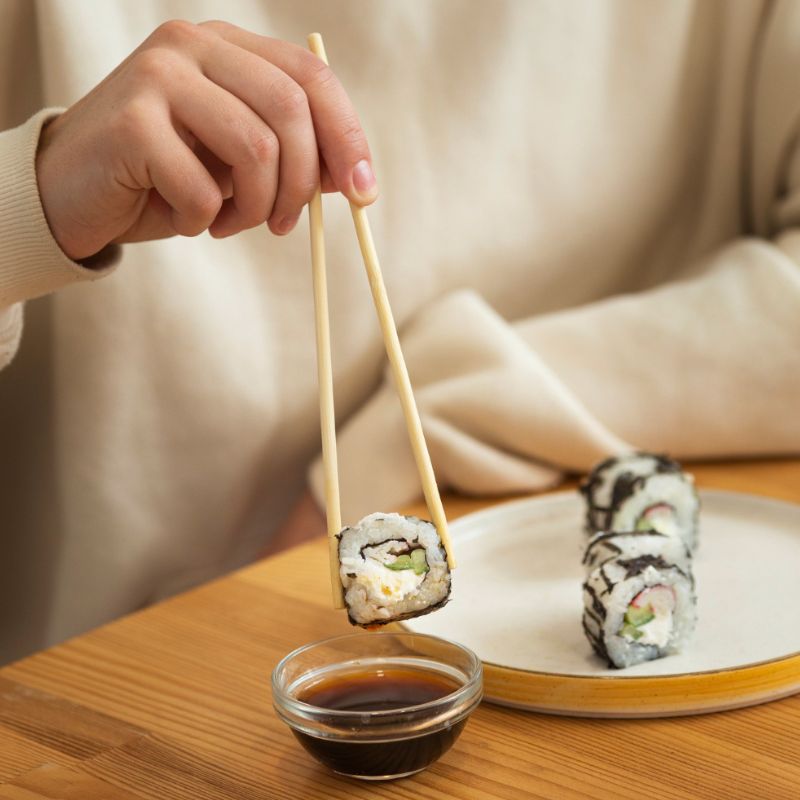
Many sauces and condiments—like soy sauce, ketchup, chili sauce, or mayonnaise—contain food additives that can irritate the gut. If you removed any during your Low-Reactive Diet and still crave them, ask yourself:
Is it the food—or the salt, sugar, or chemical additive you’re craving?
Some people instinctively avoid certain foods after elimination because they just don’t sit right. That’s your body giving you a clear message. Over time, you’ll become much more intuitive about which foods support your gut and which ones don’t. But for now, it’s good to listen more carefully to our gut, and the messages we receive.
During any diet transition, especially when we reduce processed foods from our diet, taking a probiotic daily can help support our gut microbiome. A daily probiotic containing multiple Lactobacillus and Bifidobacteria strains — can help balance the gut and make any food re-introduction a smoother experience.
Food additives are a hidden source of gut disruption for many (Rinninella, 2020). Even “safe” additives can upset bowel flora, especially in those with:
That’s why I always recommend a fresh, whole-food diet. The more processed the food, the more likely it is to hinder your recovery.
If you’ve tried everything—diets, supplements, practitioners—and you’re still stuck, ask yourself:
Check the Basics First
Like checking a car’s fuel tank before assuming something’s broken, you need to rule out food chemicals and poor dietary choices before blaming deeper issues. Eliminate them—just to be sure.
Caution Re-Introducing These Carbohydrates
There are many sweet foods many of us love to eat, and these include these three high-carb food choices. The following three carbohydrate groups appear to be the ones we need to be most careful with when it comes to re-introduction.

The High Starch Vegetables
High starchy vegetables include pumpkin, potato, butternut squash, celeriac, and sweet potato, yams, etc.
The High Sugar Fruits
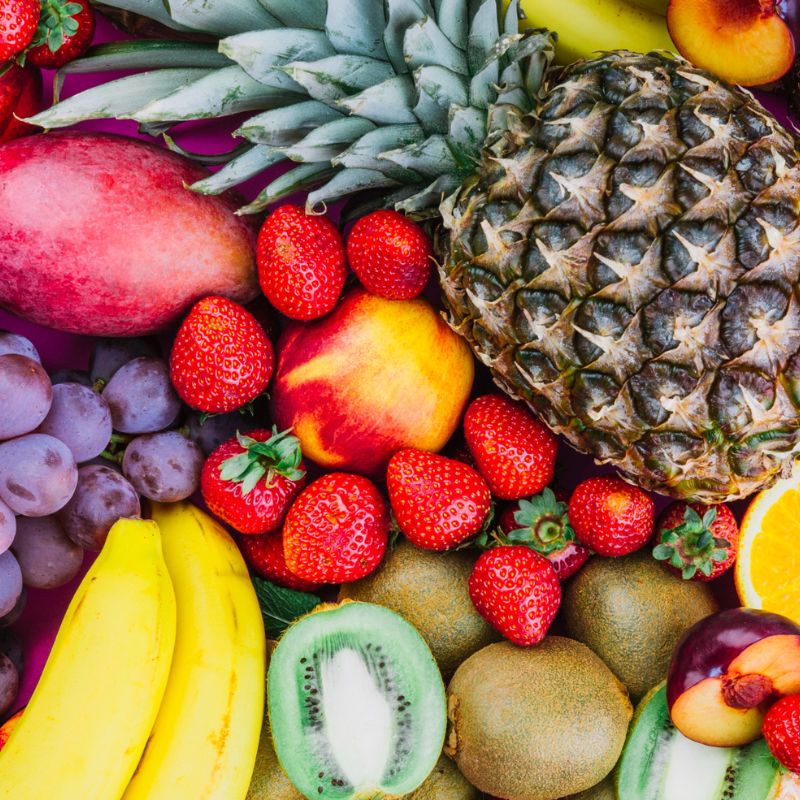
High-sugar containing fruits include citrus fruits and like apricot, banana, cherry, dates, figs, grapes, kiwifruit, mango, pineapple, plum, pomegranate, prune, and raisins.

The Grains
Grains include wheat, barley, rye, oats, and especially all products made into commercial bread products.
How To Re-Introduce Grains, Legumes, Beans, and Peas
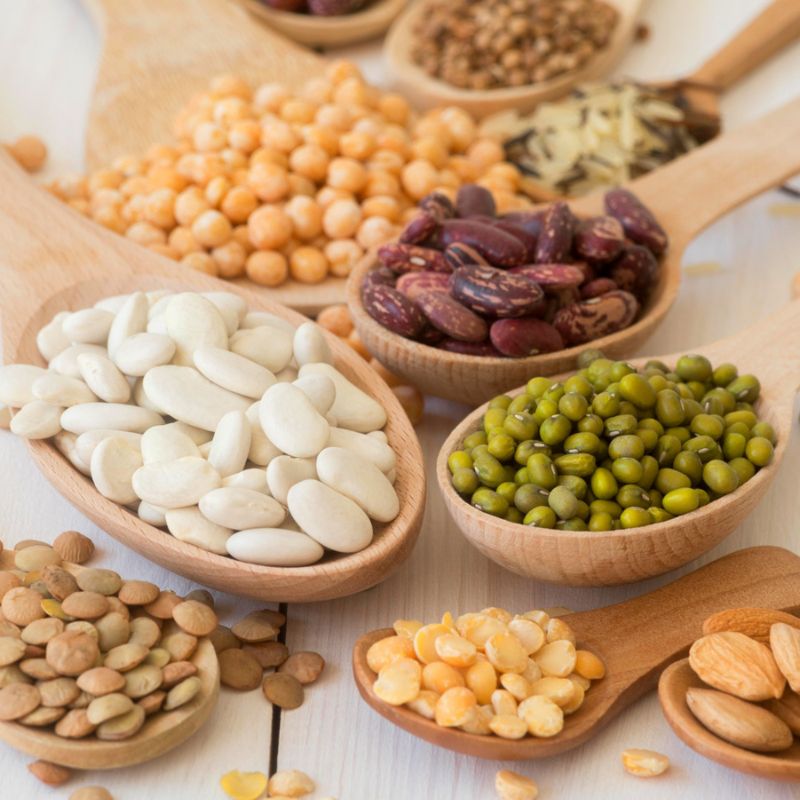
After eliminating common dietary triggers, reintroducing complex carbohydrates—such as whole grains, legumes, beans, and peas—should be done with care.
Many people recovering from Candida overgrowth, SIBO (gut dysbiosis), or IBS are understandably cautious with carbohydrate-rich foods.
However, reintroducing these foods strategically is essential for long-term gut healing, microbial balance, and dietary variety. These food groups provide important nutrients, high amounts of fibre, and prebiotics, but they can also challenge a gut that’s still healing.
Why These Foods Matter
Introducing Whole Grains
Some people recommend starting with gluten-free whole grains, whereas other individuals will have already re-introduced wheat and gluten-products already. The gluten free grains include:
These are generally easier to digest and less likely to cause inflammatory responses. If well tolerated, you can then trial ancient grains containing gluten, like spelt or kamut, followed by wheat-based products as the final step.
Pro Tips: Soak overnight to improve digestibility. Always begin with small servings (½ cup cooked).
If you notice bloating, fatigue, or brain fog after reintroducing a grain, pause and allow time to reassess before continuing.
Introducing Legumes, Beans, and Peas
These are highly nutritious foods that offer fibre, plant-based protein, and resistant starch—but they can be hard on the gut, especially if dysbiosis, Candida, or SIBO is still present.
Begin first with gentler legumes like:
Then trial other varieties such as:
If gas, bloating, or loose stools occur, reduce the amount or wait several weeks before trying again.
How to Re-introduce:
Pro Tip: Avoid combining multiple grains or legumes in one day during reintroduction. Introduce each one individually to isolate reactions more clearly.
How To Re-Introduce Fruit Back Into Your Diet
Just because you’re recovering from Candida overgrowth or another digestive issue doesn’t mean you must cut out all fruit. That’s a common misconception—one of the biggest, in fact. Whole fruit, when eaten correctly, can support your recovery, not hinder it.
I recommend including some fruit daily, even during Candida treatment. The key is to find fruits that agree with your gut and to consume them in moderation.
But What About Sugar in Fruit?
Yes, fruit contains natural sugars like fructose, but it also comes packaged with fiber, antioxidants, vitamins, and phytonutrients. These compounds support immunity, digestion, and overall vitality—something processed sugar absolutely doesn’t do. Unless you’re on a strict FODMAP, ketogenic, or elimination protocol—or have a known intolerance or allergy—there’s no solid reason to avoid fruit altogether.
Article of Interest: Fruits
Fruit and Food Reintroduction
In the food reintroduction phase, it’s important to keep your diet diverse and balanced. Fruits play a vital role in this process. Add them back in slowly and observe how your gut responds. A few tips:
The Science Supports It
Research shows daily fruit and vegetable intake boosts mental and physical wellbeing. One study found that giving young adults fresh fruit and vegetables for just two weeks led to measurable psychological benefits (Conner 2017).
We All Love To Eat Sweet Foods
Let’s be honest—most of us don’t crave kale, chicken, or sardines. What we’re drawn to are the sweet, comforting foods: warm bread, croissants, sweet fruits like mandarins and oranges, or starchy vegetables like pumpkin and corn.
These are all high-carb, sweet foods, and they’re often the ones we miss the most when starting an elimination diet.
That’s because sweetness triggers pleasure and reward pathways in the brain, making these foods hard to resist—especially if you’ve restricted them for a while.
But many of these foods, while enjoyable, can trigger fermentation in the gut, especially in people with Candida, SIBO, or IBS. Diets like FODMAP are designed to help reduce those effects by limiting fermentable sugars.
Craving Versus Nourishing
Cravings are real—but not all sweet foods are equal. Yes, you should be cautious when reintroducing sweet foods. But that doesn’t mean you need to avoid them all.
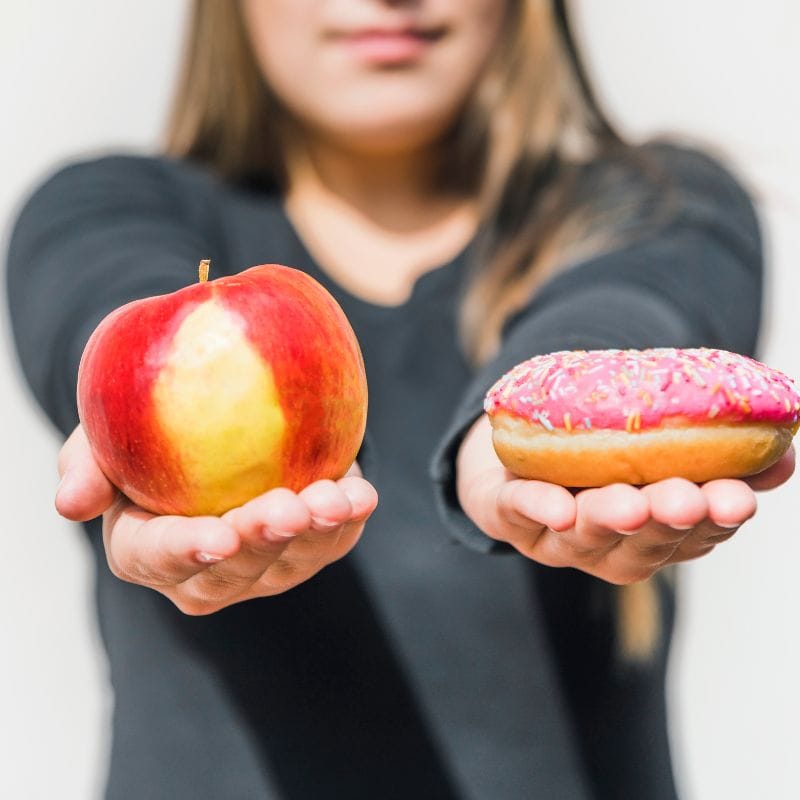
A crisp apple beats a sugar bomb every time— and your gut microbes will throw a party in your honour
candida.com
Reintroducing natural, whole-food sources of sweetness, like fresh fruits, can satisfy those cravings in a healthy way. Just go slow, observe how your gut responds, and prioritise foods that make you feel good—not just in the moment, but long after eating.
Key Take-Away

Go Easy on the Sweet Stuff—Even the Natural Kind
When you’re healing from Candida, SIBO, IBS, or any gut-related condition, it’s wise to hold off on high-sugar foods—even the fresh and natural ones. That means limiting citrus fruits, watermelon, grapes, and other high-fructose fruits until your gut is in a more stable, balanced state.
Once symptoms have eased and you’ve maintained progress for a while, there’s usually no reason you can’t begin reintroducing sweeter fruits—slowly and strategically. Many people find they can tolerate small amounts of kiwi, green apple, or berries as they improve.
But here’s the key: don’t overdo it. Even natural sugars can stir up trouble if you eat too much in one sitting or make sweet fruits a daily habit. It’s not unusual for someone to go through several mandarins at once—easy to do, thanks to their juicy, addictive nature. But your recovering gut may not thank you for it!
Pro Tip: Gut imbalances like Candida and SIBO thrive on sugar. That includes obvious sources like candy, ice cream, and alcohol—but also hidden sources in “healthy” sweet fruits.
Remember – you’re not just eating for enjoyment—you’re rebuilding your gut and building you health!
Natural Greek Yogurt with Fresh Fruit
Re-introducing fruit to your diet is best done slowly and cautiously. As an example, start with a small bowl of fresh Greek natural (sugar-free) yoghurt and top it with a few blueberries or green apple. After that, you might want to move on to a fruit smoothie, but please resist the urge to eat ice cream—it is much too sweet, and far too much sugar!
Yoghurt and ice cubes combined with some berries and other low-sugar fruits make for delicious fresh fruit smoothies. There are countless combinations to choose from, so feel free to try them and see what works best for you.
Re-introducing fruit into your diet after any elimination diet should be done carefully to monitor your body’s response to different fruits.

My Top Ten Tips for Reintroducing Fruit During Gut Recovery
Low-Sugar Fruit
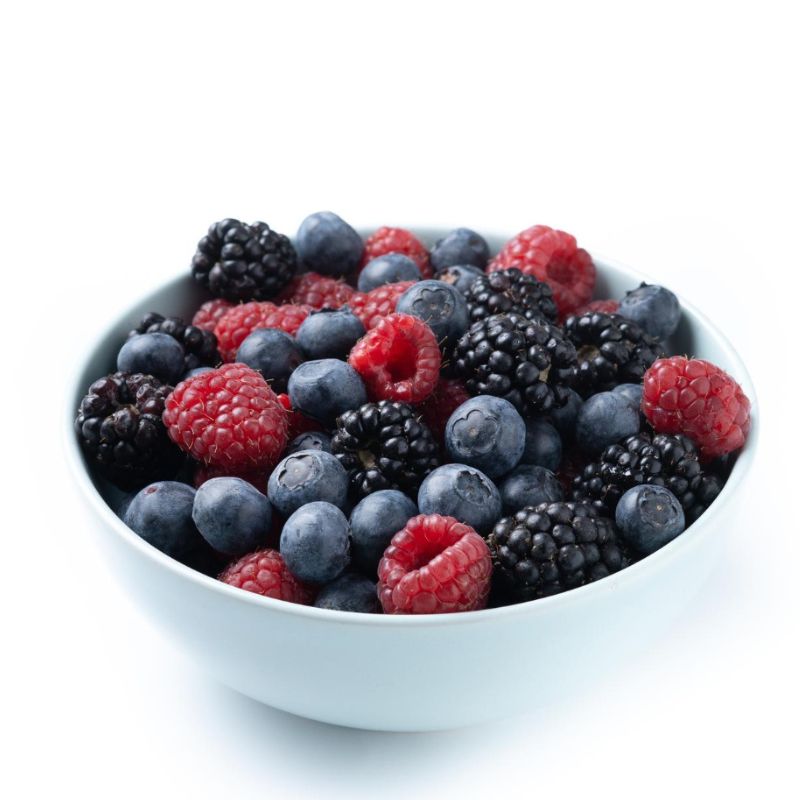
Consume the low-sugar fruits first: avocado, blueberries, blackberries, cranberries, raspberries, strawberries, rhubarb, green apples.
Moderate-Sugar Fruit
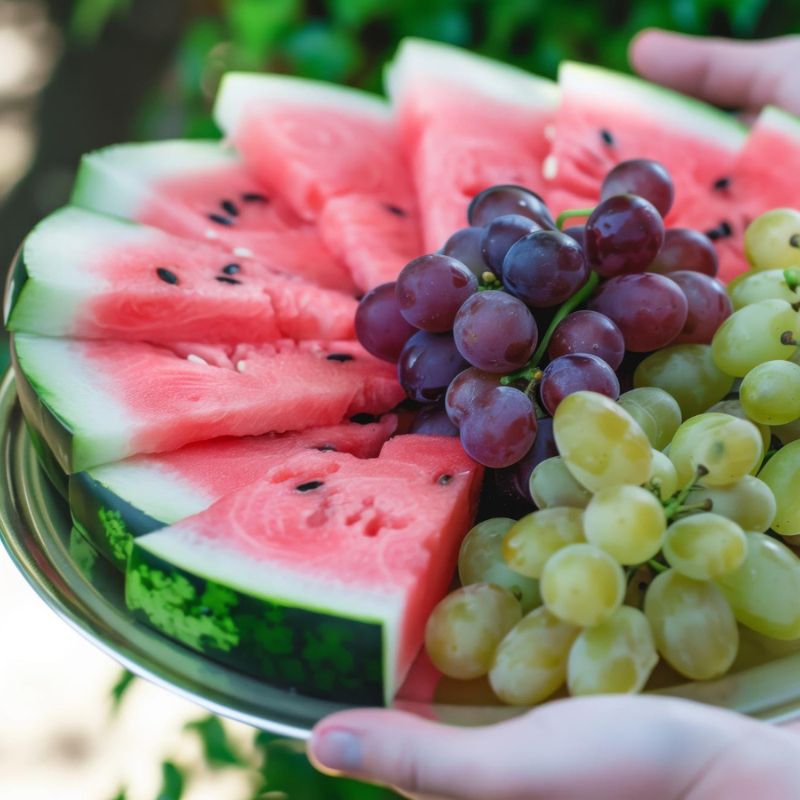
Moderate-sugar fruits as your gut improves: These fruits are considered to have more moderate levels of fruit sugars. Here is a list of the fruits moderate in sugar levels: cantaloupe (rock melon), guava, honeydew melon, apples (some mod. & some high), nectarines, peaches, plums. Caution with any kind of melon, especially with any kind of issues.
High-Sugar Fruit
High-Sugar Fruits when you’re better: Be aware the highest sugar-containing fruits, identify the highest sugar-containing fruits you like to eat. Here they are: apricot, banana, cherry, dates, figs, grapes, kiwifruit, mango, pineapple, plum, pomegranate, prune, raisins.
How To Re-Introduce Vegetables Back Into Your Diet
Most people can tolerate complex starchy vegetables again fairly early on—but not everyone. Some experience bloating, cramping, or changes in bowel habits when reintroducing foods like pumpkin, sweet potato, carrots, or legumes too quickly.
This often happens when one or more of the “Laws of food reintroduction” are ignored: going too fast, eating too much, ignoring symptoms, or reintroducing foods out of order.
Caution when re-introducing starchy root vegetables With Gut Symptoms
Be especially cautious with starchy root vegetables if you’re still recovering from Candida, SIBO, or IBS. It’s best to avoid them during the first few weeks, then gradually reintroduce them one at a time, watching carefully for reactions.
Leafy greens and most non-starchy vegetables, on the other hand, are typically well tolerated and can be added back in early without much concern. The key is patience. You’re not avoiding root vegetables forever—you’re simply letting your gut rebuild its resilience before challenging it.

Sweet Potato and the Gut Microbiome
Emerging research highlights the powerful role starchy vegetables—particularly sweet potato—play in supporting a healthy gut microbiome.
A study explored how different cooking methods affect the gut microbial response to meat and sweet potato. Mice were fed raw and cooked versions of both foods, and the impact on their gut microbiota was measured. While meat had little effect regardless of preparation, sweet potato triggered rapid and significant shifts in microbial composition—some changes occurred within just hours of eating (Carmody et al., 2019).
This wasn’t limited to mice. A follow-up human study showed similar gut microbial changes in response to starchy vegetables like sweet potato.
The following year, another study found that sweet potato residue in humans significantly increased beneficial gut bacteria like Bifidobacterium and Lactobacillus, while suppressing potentially harmful species such as Enterobacter, Clostridium perfringens, and Bacteroides. ((Liu et al., 2020).
If you’ve been told to avoid sweet potato, pumpkin, or other starchy vegetables due to Candida, SIBO, IBS, or ulcerative colitis—you’re not alone. While some may experience issues, our clinical experience shows that most people with Candida (and many with SIBO or IBS) tolerate high-starch carb vegetables well – when reintroduced carefully.
Tolerability varies from person to person. But by following those Laws of Food Reintroduction outlined earlier, most people can successfully incorporate sweet potato and other starchy vegetables into their diets without setback.
Article of Interest: Vegetables
Starchy Root Vegetables & Gut Health
Starchy root vegetables span a wide botanical spectrum—bulbs like fennel, onions, and garlic; corms such as celery root; rhizomes like ginger and turmeric; taproots like carrots and beets; tuberous roots like sweet potatoes and yucca; and tubers like potatoes and yams.
In clinical practice, I’ve noticed some patients subconsciously swap sugar for starch—especially in the form of fries, chips, crackers, or excess pumpkin and potatoes. If you find yourself craving starchy foods after cutting out sugar, it’s worth asking: Is this hunger, or a disguised craving?
Cravings and starchy veg often go hand-in-hand.
So when reintroducing starchy vegetables, portion size and mindfulness matter. The more intense the craving, the more likely it is that moderation will be a challenge.
Pro Tip: When re-introducing starchy vegetables, please be aware of any craving issues, and be cautious when it comes to portion sizes.
You may like to read : Are we hungry or just craving food?
Starchy Vegetable Retrogradation

Starchy vegetables can become a lot easier on our gut if we cook, cool, and then reheat them. This process, known as starch retro-gradation, significantly alters the starch structure. When starchy foods like potatoes or rice are cooked and then cooled, the amylose and amylopectin chains in the starch realign.
This realignment increases the amount of resistant starch in the food. For example, cooking and cooling pasta can elevate its resistant starch content. This transformation also occurs when foods are left to cool at room temperature (Zhang et al., 2014).
Practical Tips for Gut-Friendly Starch
Are You Still Fearing Starchy Vegetables?

Nutrient-dense starchy vegetables like sweet potatoes, carrots, and beets are rich in essential vitamins and minerals. While they contain more carbohydrates, they typically don’t cause issues for individuals managing Candida overgrowth or conditions like insulin resistance, provided they are cooked, cooled, and then reheated. This process, called retrogradation, makes the starches easier to digest and gentler on the gut.
However, consuming these vegetables without retrogradation may lead to symptoms, especially by feeding Candida or impacting blood sugar levels. This is more likely to occur in chronic cases or when excessive amounts are consumed.
In our experience, Candida patients who follow these guidelines have had no issues. Retrograded starchy vegetables are generally well tolerated by those recovering from Candida, SIBO, or IBS, especially when introduced slowly and eaten in moderation. In our clinic, we rarely see problems when patients adhere to the “4 Laws of Food Reintroduction” and listen to their body’s signals.
Key Take-Away
Tolerance: Understanding “What” and “How Much” Food

When it comes to how our gut microbiome processes fermentable starches and fibre, each of us has a unique microbiome “fingerprint.” It’s common for some people to struggle with digesting certain beans, nuts, or vegetables, even with a healthy gut.
For instance, you may tolerate a small portion of chickpeas or tahini, but consuming larger quantities could lead to bloating or gas.
This doesn’t necessarily indicate a severe issue, but rather shows that your gut needs balancing.
Tolerance isn’t just about which foods you can handle; or about creating lists of “yes” and “no” foods, it’s also about how much you can consume without discomfort. Sometimes, eating too much in one sitting can overwhelm your digestive system, regardless of how healthy the food is.
The solution could be as simple as reducing portion sizes before seeking specialized diets or drastic cures. Moderation can often be the key to resolving digestive issues.
Key Take-Away
How To Remedy Symptoms Caused By Starchy Vegetables

When you reduce the consumption of starchy foods, especially refined starchy vegetables, gut symptoms like bloating, abdominal pain, cramps, constipation, or diarrhoea often diminish.
Over time, cravings for sugary foods subside—especially if you’re practicing intermittent fasting, a topic we discuss in some detail as well.
As your gut function improves, your microbiome no longer craves starchy or sugary snacks like potato chips, and your body weight tends to normalise. Over time, your taste buds and oral bacteria adjust, and you’ll start to enjoy the fresh, natural flavours of whole foods instead of processed, factory-made options.
A glass of soda, once a treat, might even make you feel sick if your diet is mostly fresh. In fact, if you’ve stuck to whole foods and avoided processed foods, it could make you feel downright nauseous like it does to me.
Many People Re-Introduce Foods They Used To Eat, Some Good, Some Bad
A common misconception in Candida diets is the belief that restrictive eating must last “forever” to prevent recurrence. This is simply not true. The final phase of the program (the Foundation Diet) is designed to be a long-term maintenance plan, but many individuals, over time, can slowly reintroduce most foods they previously ate, avoiding only those that aggravate their symptoms the most.
In our clinic, we’ve observed that many people learn to reduce their consumption of ultra-processed foods and sugary treats, such as flavoured dairy, sweets, ice cream, and soda.
They return to eating more fruits and vegetables, and in some cases, they even begin incorporating sweet fruits and high-carb or starchy vegetables as a substitute for their previous sugary snacks.
Key Take-Away
Cooked Vegetable Mash Increases Beneficial Gut Bacteria
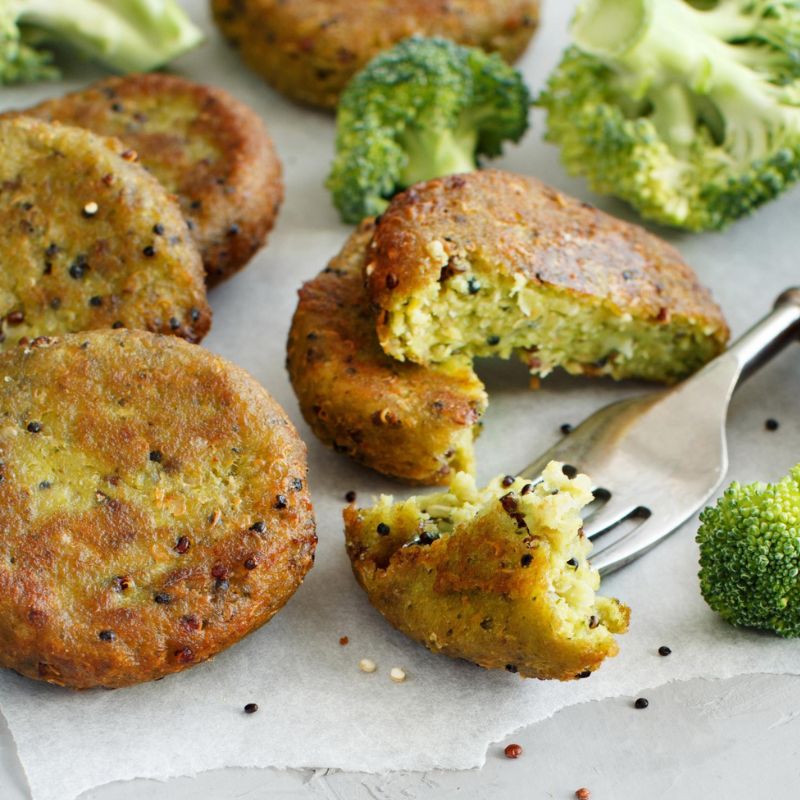
I’ve long advocated for vegetable mash-ups as a great way to boost fibre intake, especially for people who haven’t eaten many vegetables in a while. This simple meal can help create a positive shift in your gut microbiota.
Think of it like gradually introducing solid foods to an infant – you’re nourishing your gut bacteria with wholesome, natural food again, rather than relying on sugars, fats, or processed foods filled with artificial additives.
How to Make a Vegetable Mash:
Tips for Enhancing the Mash:
You can also transform the leftover mash into vegetarian burger patties. Just form the mash into patties and cook them in a skillet with a little olive oil. They’ll cook up beautifully. Many health professionals have used this vegetable mash technique to help people restore their gut microbiome after dietary changes, especially when reintroducing vegetables into the diet.
Key Take-Away

Introduce Antimicrobial Vegetables
Did you know that many vegetables possess antimicrobial properties, which can help fight off a variety of pathogens, including Candida and harmful bacteria like Clostridium, Pseudomonas, E. coli, and Salmonella?
A study found that extracts from peeled and shredded carrots demonstrated antimicrobial effects against several foodborne microorganisms (Babic et al., 1994), such as:
The Benefits of Antimicrobial Vegetables:
Incorporating these nutrient-dense foods into your meals not only aids in digestive health but also accelerates the process of adopting a long-term, healthy eating pattern.
Key Take-Away

Eric’s Pro Tips for Re-Introducing Foods
Here are some my favourite Tips for food re-introducing:
Re-introducing foods into your diet after a period of restriction can be a tricky process, but it’s key to doing it slowly, mindfully, and with patience. Here are some of my top tips for a successful and sustainable food re-introduction:
Final Key Take-Away
Conclusion
Food re-introduction is a key step in rebuilding your gut and restoring long-term health. It helps you identify how specific foods affect your digestion, energy, mood, and immune response—allowing you to make more informed choices. By gradually and mindfully reintroducing foods, you reduce the risk of setbacks while expanding your diet in a sustainable way.
This phase isn’t about rushing—it’s about tuning in, observing your body, and creating a more balanced, enjoyable, and nourishing way of eating for life.

Eric Bakker N.D.
Greetings! I am a naturopathic physician from New Zealand. Although I’ve retired from clinical practice since 2019 after 34 years of clinic. I remain passionate about helping people improve their lives. You’ll find I’m active online with a focus on natural health and wellbeing education through my Facebook page, Reddit page and YouTube channel, including this website.