
Liver Cleanse Detox
The liver is the cornerstone of our body’s detoxification system, playing a crucial role in filtering out toxins and waste products. A liver cleanse detox can help our liver from becoming overworked.
Learning how to cleanse your liver can assist in the prevention of a cascade of health problems affecting every part of our body, including fatigue, weakened immunity, and persistent inflammation.
Over the years our clinic has fine-tuned a bowel, gut, and liver-cleansing process, using clinical experience (empirical knowledge) and patient feedback to refine our gut-reset program that delivers consistent results. These protocols have become the first three modules of the Ultimate Candida Cleanse Program.
The Liver Cleanse is the third module in our program, a foundational approach to achieving long-term digestive health and wellness.

The Importance of a 3 Module Step-by-Step Cleansing Approach
At our naturopathic clinic, we’ve discovered that following a carefully designed sequence of 3 cleansing steps can help avoid common pitfalls and pave the way for significantly improved health outcomes. Taking the time to thoughtfully address each of these three phases ensures a smoother process and reduces the risks associated with rushing. During this stage, targeted supplements can be highly effective in eliminating unwanted yeast, harmful bacteria, and parasites.
Start with Improved Bowel Function for Optimal Results
The first priority is to improve bowel function. Optimising gut health before progressing to liver cleansing allows the body to heal more effectively from Candida overgrowth, mycotoxins, bacterial infections, or parasitic infestations. This approach also provides an opportunity to reassess dietary and lifestyle habits, ensuring they support long-term health. By following a well-structured, clinically proven cleansing plan, the results are often far more impactful and lasting.
Let’s discuss the first 3 modules (cleansing steps) of the Ultimate Candida Cleansing Program once again briefly:
1. The Colon Cleanse (One Week)
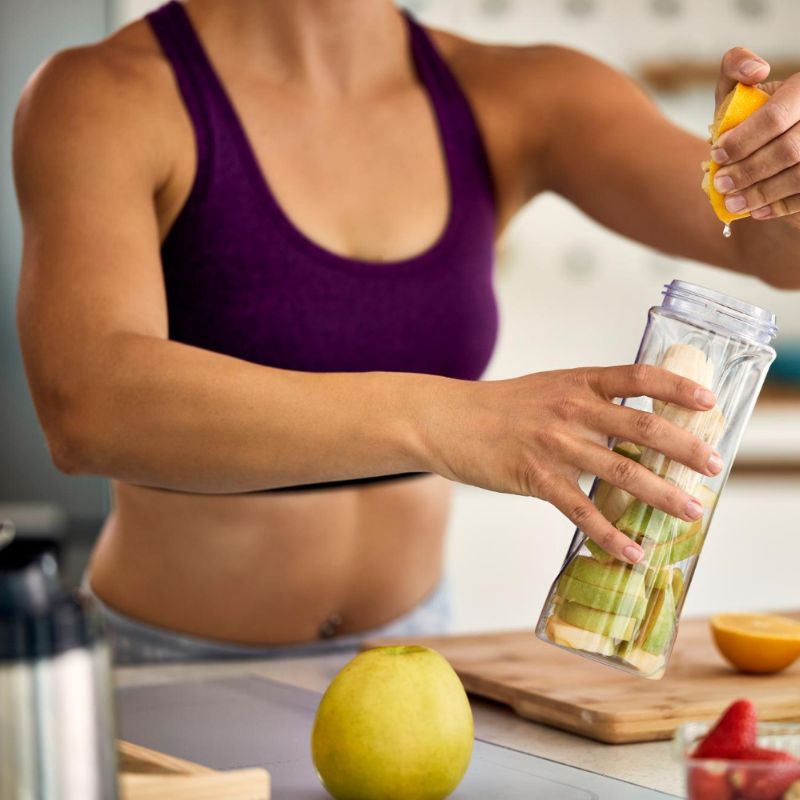
Start with a gentle Colon Cleanse to clear out accumulated waste, toxins, and harmful microorganisms like yeast, bacteria, and parasites.
This short cleanse, helps restore a healthy intestinal barrier, boosts nutrient absorption, and balances the gut microbiome. It also helps reduces the chance of sudden die-off.
2. The Cleanse Diet (Two Weeks)

The Cleanse Diet follows the Colon Cleanse. By nourishing our gut and body with whole foods, we provide our body with the essential nutrients necessary for healing our gut. During this phase, mindful eating practices are key—listen to your hunger cues, chew thoroughly, and savour your food. A Cleanse Diet helps us repair our “leaky” gut lining and prepare it for the liver cleanse. Targeted supplements during this phase further cleanse and balance the gut.
3. The Liver Cleanse (One Week) – This Page
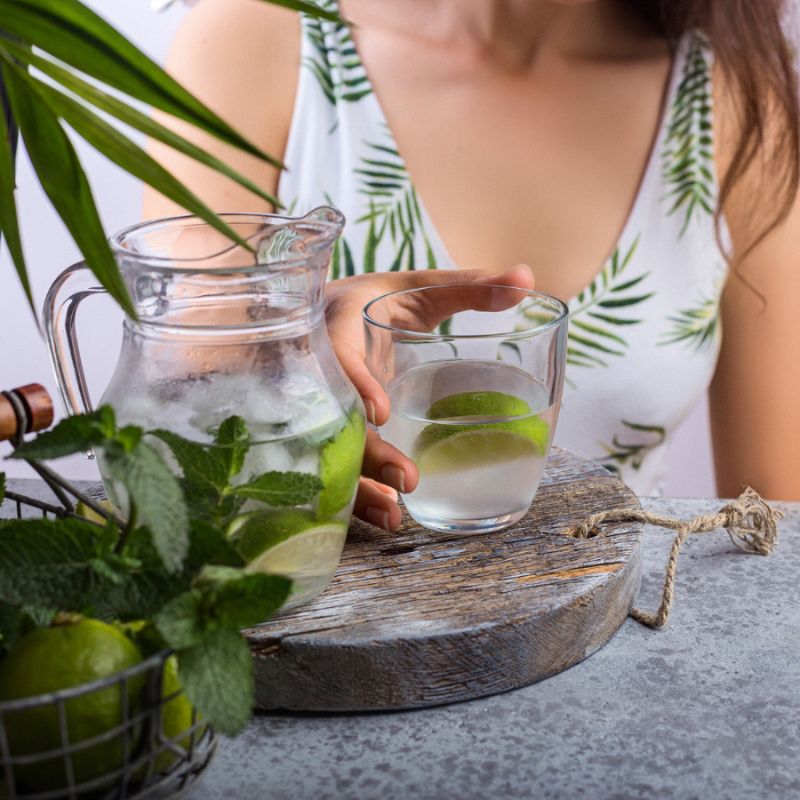
The Liver Cleanse, the final stage, focuses on detoxifying and revitalising the liver to support healthy digestion and efficient detoxification—key for Candida overgrowth, IBS, or SIBO recovery. This phase activates the liver’s detox pathways, helping the body eliminate toxins, dead yeast, chemical residues, and heavy metals. Antimicrobial supplements, probiotics and enzymes can all play a crucial role during this third phase of the Ultimate Candida Cleanse Program.
Cleansing With Care and Consideration
Additionally, we recommend supporting other detox pathways—drink more water and healthy drinks, brush your skin to activate lymph flow, and engage in regular exercise to stimulate your lungs and muscles to further assist in toxin excretion.
By following the Ultimate Candida Cleanse Program, you’ll not only cleanse your entire system but also create sustainable habits that promote long-term health and vitality. Cleansing is most effective when done with care and consistency, and our structured approach can help you avoid the pitfalls of improper cleansing while reaping maximum benefits.
Ultimate Candida Cleanse Program

The three key elements of our cleansing component include the Colon Cleanse, followed by the Cleanse Diet, and culminating in the Liver Cleanse. These 3 separate cleansing modules are simple to follow, and form the foundation for significant physical, mental, and emotional improvements.
For those with chronic or recurring Candida overgrowth, SIBO, IBS, or IBD, we recommend 3 further modules. These are for patients who want to go further and deeper into solving potential triggers and causes of their health issues, namely the Low-Reactive Diet, the Food Re-Introduction, and the Foundation Diet.
The Liver Cleanse
The liver, the body’s primary blood cleanser and filter, is one of our most vital organs. As the largest internal organ, it handles a vast amount of blood continuously.
The liver is the body’s primary detoxification organ. It processes nutrients, filters toxins from the blood, and produces bile to aid digestion. Given its vital functions, many believe that actively supporting liver health can ease symptoms associated with various gastrointestinal disorders.

Your Liver Cleanse Resources
Here is a list of the different resources available for you to guide you through the Liver Cleanse program. Be sure to download and print any relevant documents.
4 Key Benefits of Liver Cleansing
The Liver Is Our Primary Detox Organ
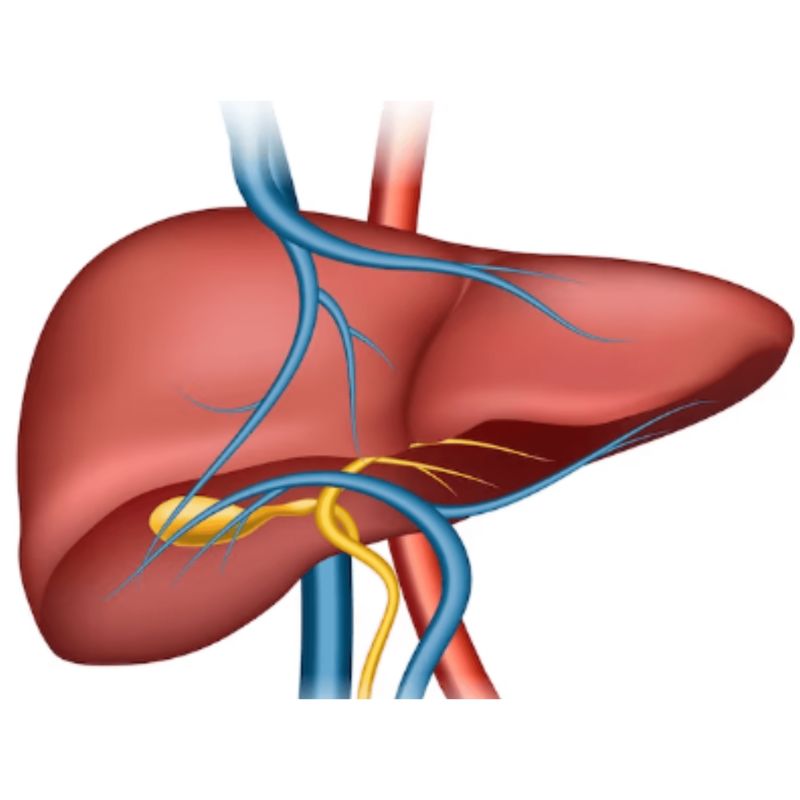
The liver is our body’s main filter, converting toxins into waste and metabolising nutrients to produce vital proteins. Maintaining liver health and avoiding excess indulgence (especially alcohol) is crucial for our overall well-being. When our liver function is impaired, digestion (especially of fats) becomes difficult.
Our liver is essential for overall health, performing many critical functions. The ability of this organ to detoxify and support our metabolism highlights the importance of maintaining our liver health for overall well-being.

The Relevance Of Liver Cleansing
If you want to learn how to clean-up your body, starting with a liver cleanse detox can be highly effective.
Heavy metals, pesticides, and pollutants like alcohol can damage the liver, reducing its detox capacity and causing disease (Barouki et al., 2023). Environmental and dietary toxins lead to oxidative stress, inflammation, cell death, and impaired liver function. While the body can defend against some toxins, the liver constantly faces over 84,000 chemicals, many untested for safety.
Our high-fat, sugary food environment and chronic stress elevate cortisol levels, increasing the risk of non-alcoholic fatty liver disease (NAFLD), affecting up to 30% of adults globally, with over 40% prevalence in the Americas and South-East Asia (Teng et al., 2022). A liver cleanse alone won’t yield lasting benefits without permanent dietary and lifestyle changes.
Adopting long-term lifestyle changes supports healthy liver function. Detoxing with a liver cleanse can be effective, especially given the prevalence of environmental toxins and processed foods.
Lifestyle and Diet First – Not “Detox Supplements”

Many herbal products, detox drinks, and supplements claim to “cleanse” the liver, but it’s crucial to debunk myths and assess the true benefits of these methods. Relying on evidence-based practices and clinical experience, it’s very clear and obvious that supporting liver health through healthy diet and lifestyle habits is more effective than using marketed liver detox products.
And this includes eating the best foods, herbs and spices that are known support liver health. It also means moderating alcohol consumption, and understanding the LINK between soda drinks and non-alcoholic fatty liver disease.
But having said this, there is a time and place for specific herbs and spices know through research to benefit those with liver cleansing. Understanding and caring for our liver, as well as knowing the relevance and significance of liver cleansing can significantly enhance our well-being and our lives.
Healthy Body Weight
Optimal liver health is crucial for maintaining a healthy body weight, as the liver regulates fat metabolism, detoxifies our body, and processes nutrients. When the liver functions well, it supports efficient digestion and energy balance, helping to manage weight. An overburdened liver, however, can lead to slower metabolism, fatigue, weight gain, and eventually obesity.
Digestive disorders are often accompanied by toxic buildup and inflammation, contributing to leaky gut syndrome, where harmful particles enter the bloodstream and trigger immune responses leading to systemic health problems. A clinically-proven gut repair program addresses the root causes of these issues, promoting healing and restoring balance.

A Healthy Liver Fights Candida Toxins
Albumin is primarily made by the liver with the human liver producing approx.13.9 g per day (Peters, 1996). Besides several other functions, researchers have found that albumin neutralises a variety of bacterial, fungal, and even insect toxins, offering an essential biological mechanism for protecting host organisms from toxin activity (Merlot et al., 2014).
Using animal and test-tube infection models, researchers found that albumin neutralises a powerful Candida albicans mycotoxin called candidalysin. (Austermeier et al., 2021)
11 Key Signs You Need A Liver Cleanse
There are many reasons why it makes sense to keep our liver in a high state of health, but here are 11 good reasons it pays to look after our liver’s health.
Recognising an overtaxed liver early can help us take action to support and detoxify our body’s largest organ. Here are some of the key signs and symptoms why we need a liver cleanse detox. If you notice any of these symptoms, especially multiple, it might be time to consider a liver cleanse to support and improve your liver health.

1. Bad Breath or Body Odour
Doctors often overlook bad breath and body odour but can be significant issues for many healthy individuals. A healthy person has minimal or a light body odour, and there will generally be a reason why somebody will have body odour that may be considered offensive.
Body odours may arise from diet, gut and skin microbiota composition, or impaired liver, intestinal, and kidney (waste-excretion) function. (Mogilnicka et al., 2020)

2. Excessive Fatigue
Fatigue is a common symptom when the liver is under stress. The liver converts glucose into glycogen, storing it and releasing it as needed for energy. If the liver struggles to regulate blood glucose, fatigue and sugar cravings may occur. (Swain 2006)

3. Hormone Imbalances & Premenstrual Syndrome
The liver detoxifies not only chemicals and pollutants but also excess hormones like estrogen. Impaired liver function may cause inadequate excretion of excess estrogen by the liver.
This can lead to PMS, fibrocystic breasts, mood swings, weight gain, menstrual disturbances, and fibroids. (Kasarinaite et al., 2023)

4. Anxiety Or Depression
Mood disorders such as depression are common in those with liver disorders, especially thise with chronic liver diseases.
One study found in individuals with chronic liver disease that depression was present in almost 63% of them. (Huang et al., 2017)

5. Belly Bloat and Gas
Sluggish bile flow can cause gut dysbiosis, where harmful bacteria dominate and constipation is common.
These liver toxins can block liver detox pathways, leading to excessive gas and bloating after meals. They can also be a potential cause of SIBO. (Gudan et al., 2023)

6. Poor Appetite or Nausea
Loss of appetite or frequent nausea can be signs of liver distress, as the liver plays a crucial role in processing nutrients and detoxifying the body.
Compromised liver disrupts digestion and leads to these symptoms, showing that medical evaluation is necessary, including blood tests and a physical exam. (Lindqvist et al., 2020)

7. Yellowing of Skin or Eyes
Jaundice often accompanies fatty liver disease, manifesting as yellowing of the skin and eyes.
This condition is quite easy to pick up and is a common symptom of liver disease. It signals a build-up of bilirubin in the bloodstream, indicating underlying liver dysfunction. (Gondal et al., 2016)

8. Dark Urine and Pale Stools
Changes in urine and stool colour can be signs of bile flow issues. Changes in urine and stool color can show bile flow issues.
Dark urine may mean the liver isn’t processing bilirubin properly, while pale stools can result from blocked bile ducts. These signs indicate liver dysfunction or bile duct obstruction, and doctors should medically evaluate them. (Beckingham et al., 2001)
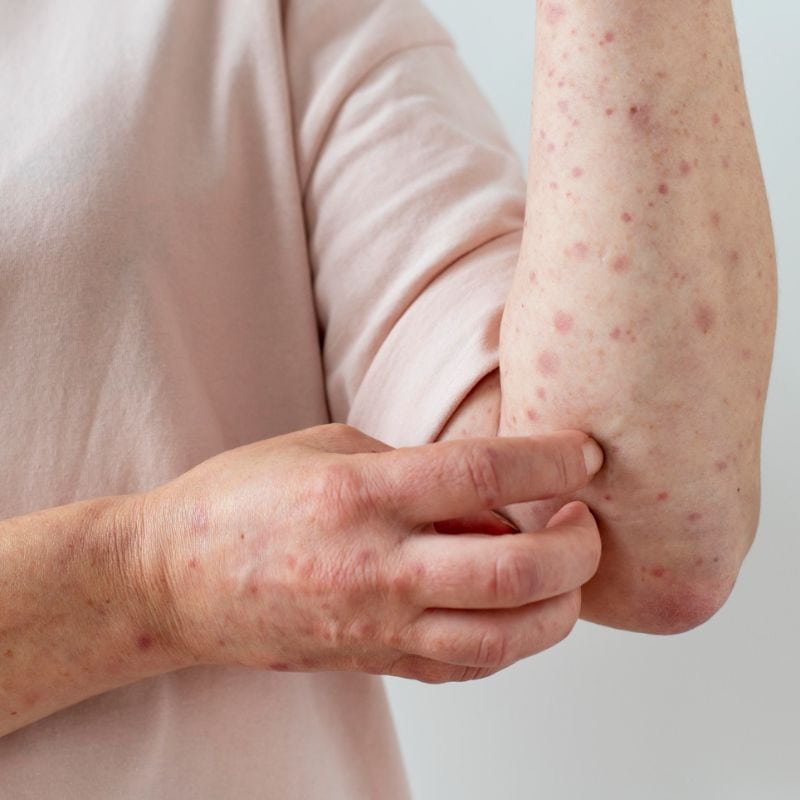
9. Skin Problems
Liver toxicity can cause acne, rashes, or itchy skin. Patients with chronic liver diseases can show various skin changes, especially itching (pruritus).
Clinically we have found that patients with compromised liver or kidney function (organs of toxin elimination) are the individuals more likely to have some type of skin problem. Studies have found that recognising skin signs can help diagnose liver diseases early. (Liu et al., 2022)

10. Unexplained Weight Loss Or Weight Gain
An impaired liver’s struggle to metabolise fats and toxins effectively can lead to weight fluctuations. When the liver becomes overloaded and struggles to metabolise fats and toxins effectively, it can lead to difficulty losing weight or sudden weight gain. (Kamimura et al., 2021)

11. High Level of Heavy Metals
Heavy metal build-up occurs when impaired detox pathways prevent the liver from safely excreting toxins and metals.
Human exposure to heavy metals has increased because of industrial, agricultural, and technological applications. Heavy metals can cause DNA damage and various illnesses. (Mitra et al., 2022)
How To Cleanse Your Liver
Download your Free Guide to The Liver Cleanse
This guide contains what you need to know to how effectively cleanse your liver, including best foods, shopping list, and many hints and tips.
Liver cleansing typically involves dietary changes, supplementation, or specific detox protocols aimed at enhancing liver function. If we make several of the changes recommended below we have the best chance of improving our liver’s function.
Foods to Eat and Avoid for Liver Health go to the Fatty Liver Disease page.
Here is a summary of some the most common liver cleansing methods include:
Liver Cleansing FAQs
How to Cleanse Your Liver
Balanced Diet
Cleansing your liver effectively begins with a balanced diet rich in whole, nutrient-dense foods. Include plenty of fruits, vegetables, whole grains, and lean proteins in your meals. Foods such as leafy greens, berries, nuts, and seeds are beneficial because of their high levels of antioxidants and fiber, which support liver function. Staying hydrated by drinking plenty of water helps flush toxins from your body and aids in overall liver health.
Be Mindful of Toxic Exposure
Last, limit your exposure to harmful substances. Reduce or eliminate alcohol consumption, avoid smoking, and be cautious with the use of over-the-counter medications, which can strain your liver. Instead, opt for natural remedies and consult with a healthcare professional before taking any new supplements. Adopting these healthy habits can significantly improve liver function and contribute to long-term health and well-being.
Regular Exercise
Last, regular exercise is another crucial component of liver cleansing. Physical activity helps maintain a healthy weight, reduces liver fat, and improves overall metabolic health. Aim for at least 2 to 3 hours of moderate-intensity exercise, such as brisk walking or cycling, each week. Exercise not only supports liver and gut health, but also boosts your immune system and enhances your body’s natural detoxification processes.
Are Liver Detoxes Safe?
Medical treatments exist for liver diseases, but detox programs and supplements do not cure liver damage. Studies show liver injuries from herbal and dietary supplements do occur, but not in the magnitude they do like in pharmaceutical drug side-effects experienced by many.
For example, some imported green tea extracts can cause liver damage, and coffee enemas in some regimens can lead to electrolyte imbalances. Other important considerations:
Pharmaceutical Drugs Are Liver Toxins
Pharmaceutical drugs also pose significant risks. A study by the CDC found that nearly half of Americans used at least one prescription drug in the past month, and adverse effects from these drugs are a leading cause of liver injury. It’s crucial to weigh the risks of both detoxes and pharmaceuticals when considering liver health.
Change In Gut Bacteria Is What Makes Us Feel Better
There is no scientific evidence that liver cleanses remove toxins or improve health. You may feel better on a detox diet because it eliminates highly processed foods high in calories but low in nutrition, and may also cut out foods you’re allergic or sensitive to, like dairy, gluten, eggs, or peanuts. But you’ll probably feel a lot better because your gut bacteria will have changed due to eating a fresh diet over a period of time. And, your body’s cells are receiving high-value nutrition in the way of fibre, minerals, & vitamins.
Helping Your Liver After Drinking Too Much Alcohol
Your liver can only process a limited amount of alcohol at a time, and excessive drinking can lead to inflammation, scarring (cirrhosis), or even many forms of cancer. The health experts recommend no more than one drink a day for women and two for men (12 ounces of beer, 5 ounces of wine, or one shot of liquor). Many people who drink don’t follow these guidelines unfortunately.
Your liver can heal minor alcohol damage in days or weeks, but severe damage might take months or become permanent. Give your liver a break by avoiding alcohol several days in a row each week.
By drinking more water on these days, and eating more fruit and vegetables, we are in a better position to support our liver.
Do Liver Cleanses Help You Lose Weight Safely?
Some studies have suggested a connection between liver cleanses and weight or fat reduction, but these studies are frequently of inferior quality or have a few participants. Additional studies show that the low-calorie diets in detox programs may cause initial weight loss, but individuals typically regain the weight when they resume their normal eating patterns.
Despite being promoted for weight loss, there is limited scientific evidence supporting the effectiveness of liver cleanses. Prioritising a healthy diet, regular exercise, and moderate alcohol intake is a safer and more efficient approach to weight loss and liver wellbeing.
Balanced Perspective on Liver Cleanses and Weight Loss
While liver cleanses may offer temporary weight loss, they are not a sustainable or proven method for long-term weight management or liver health. Instead, adopting healthy lifestyle changes is a more reliable approach.
Effective Ways to Lose Weight and Support Liver Health
Lifestyle changes that protect against liver disease can also help you lose weight and reduce inflammatory fat in the liver:

Avoid Over-Eating
Be selective and prioritise food taste and quality over quantity. Chew slowly to appreciate the subtle flavors of natural foods, oils, spices, and herbs. These foods often have healing properties.
Avoid overeating and listen to your body’s signals. Stop eating when you feel full and satisfied. You may like to read Are We Hungry Or Just Craving Food?
A study reveals that a well-controlled diet and lifestyle intervention can have lasting positive effects on our liver fat content and metabolism. The findings suggest that benefits are largely driven by changes in a person’s liver metabolism resulting from a lower calorie intake. (Haufe et al., 2013)
Consistently overeating increases the liver’s workload, reducing its efficiency in removing toxins. Overworking the liver also impairs its ability to burn body fat, raising the risk of developing fatty liver disease (NIH 2021).

Caution Advised With Alcohol
Moderate alcohol consumption may offer some health benefits, but heavy drinking poses significant risks to overall health and well-being. While mixed messages about alcohol abound, the reality is that its effects can vary widely among individuals and depend on the type and amount consumed.
The COVID-19 pandemic has exacerbated alcohol use, with national sales increasing by 54% and many individuals reporting higher consumption due to stress. (2019 National Survey on Drug Use and Health)
Alcohol use disorders remain a critical public health issue, affecting nearly 15 million people in the U.S., highlighting the need for awareness about both the potential benefits and dangers of alcohol.
Daily Alcohol Drinking Is Not Good
Heavy drinking is linked to numerous health problems, particularly liver-related conditions such as cirrhosis and cancer, making alcohol the third-leading preventable cause of death in the U.S., with 95,000 deaths annually attributed to alcohol-related causes.
Furthermore, long-term alcohol use increases the risk of many kinds of cancer, including those of the liver, mouth, and breast, and weakens the immune system, impairing the body’s ability to fight infections. (Rumgay et al., 2021)
Additionally, the social consequences of alcohol misuse are significant, contributing to increased emergency department visits, driving fatalities, and a host of risks associated with underage drinking, such as unintentional injuries and fatalities.
Liver Cleanse Diet
Many health problems can be overcome just by eating properly, especially when we consume healing foods that contain powerful medicinal properties. Food is medicine when the diet is correct, and likewise, can “bad medicine” when regularly consumed in highly processed forms.
Optimal health and the prevention of many diseases is only possible by including the following healing foods regularly in our diet. Their healing substances are are therapeutically-active chemicals known as phytochemicals. The culinary habits of different cultures have been recognised for decades as being influential in the incidence of diseases.

Raw Fruits and Vegetables
Eat plenty of raw vegetables and fruits as part of your liver cleansing diet, especially any nutrient dense dark green leafy vegetables including purple, yellow, orange, red fruits and vegetables rich in polyphenols.
For those looking at liver cleansing or with fatty liver disease, we recommend eating thirty to forty percent of the diet to contain raw fruits and vegetables. You can read a lot more about the best foods to eat and avoid with liver problems on the fatty liver disease page.
Raw foods contain enzymes, many vitamins and minerals, including many natural antimicrobial and antioxidant properties to assist in detox and liver regeneration.
Foods That Cleanse The Liver
Broccoli has been found to contain a phytochemical most beneficial for our liver called sulphoraphane which enhances the phase two-detoxification pathway in the liver. (Yan et al., 2023)
Tomatoes have been found to contain a powerful antioxidant called lycopene, the most powerful of all carotenoids. Dietary intake of tomatoes and tomato products has been shown to be associated with a decreased risk of chronic diseases, such as cancer and heart disease. (Agarwal et al., 2000). Cooking tomatoes in olive oil increases the availability of lycopene to the body, another reason the Mediterranean diet confers health benefits.
Beetroot is another vegetable with high nutritional value when it comes to our liver. This deep rep purple coloured root vegetable contains the antioxidant anthocyanadin. It has shown to have anti viral and anti-tumor effects. Studies have shown that beetroot juice holds potential as an effective treatment for non-alcoholic fatty liver disease. The combination of beetroot juice with the Mediterranean diet showed enhanced efficacy in addressing liver disease. (Fateh et al., 2023)
Onions, garlic, leeks all belong to the allium family of vegetables. They contain sulphur, an important compound when it comes to liver detoxification.
Other vegetables which also have these properties although not quite as powerful as tomatoes and beetroot, are green and red bell peppers (capsicums), red paprika, and sweet potato. Foods with this colouration contain high levels of carotenoids, capsanthin and anthocyanins.
Tips to Avoid Constipation and Boost Fibre Intake
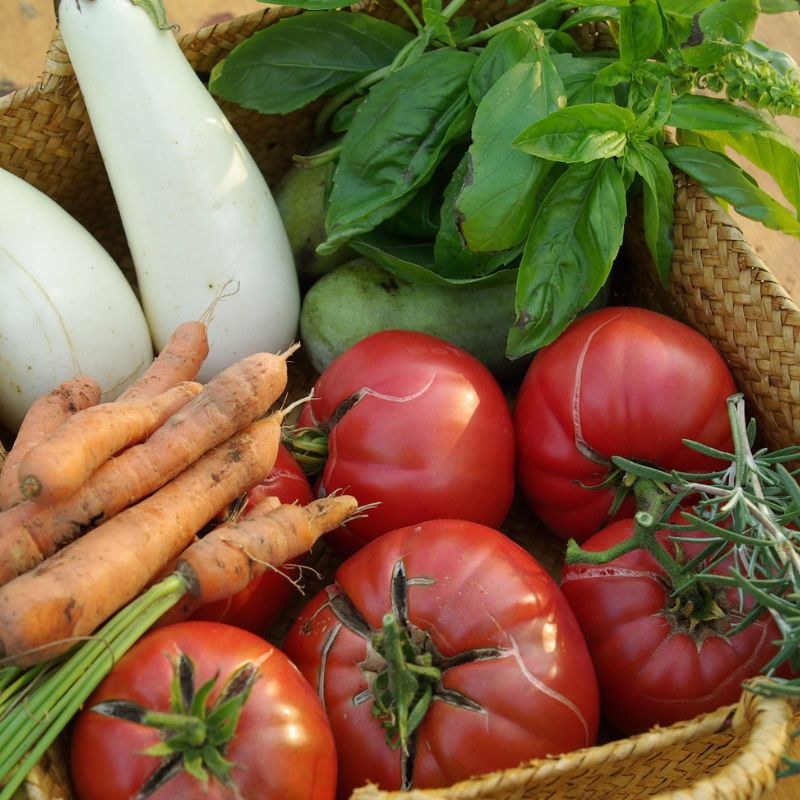
To avoid constipation while on a liver cleanse, ensure your diet is rich in fibre, predominantly found in unprocessed foods like raw or partially-raw fruits and vegetables. A helpful tip is to incorporate a few tablespoons of LSA mix (linseed, sunflower, and almond) daily. You can also add other ground seeds like psyllium, pumpkin, sunflower, sesame, and alfalfa to further increase fibre intake.
LSA powder can be easily added to smoothies, vegetables, soups, cereals, and fruit salads. Other excellent sources of dietary fiber include brans made from wheat, oats, rice, or soy. Sweet corn, whether raw or lightly cooked, is also great for bowel and liver cleansing. Fiber acts like a broom, sweeping the walls of the bowel clean of accumulated waste, which is then eliminated through bowel movements.
Best Foods For Liver Function
Here is a list of the best liver foods, they all contain nutrients that are particularly good for boosting immune function.
Pages Of Interest

Rehydrate Your Body With Filtered Water
Drinking large amounts of water throughout the day or raw juices or tea (green tea, herbal, and regual weak black tea) is good. Aim for around two litres of fluid daily. This will greatly aid in the prevention of constipation and help your kidneys eliminate toxins that the liver has broken down.
We recommend the use of a good quality water filter. Water filters with a sediment filter, sub micron, and solid carbon block filters are able to remove most toxic chemicals and even parasites. Most high-quality water filters will take out chlorine, fluoride, and heavy metals, and most chemicals.
Shop around online before you decide to buy. Once you get used to drinking pure clean water every day, you’ll soon feel and see the difference within a short period of time. Results of a recent study indicated that drinking water may be an important factor in shaping our human gut microbiome and that integrating drinking water as a source of food for our gut microbiota is warranted. (Van Haecke et al., 2022)
Filter Your Water for Better Health
Filtered water significantly reduces exposure to harmful chemicals, improves taste, and supports better health. Invest in a high-quality water filter that suits your local water quality and personal needs.
Drinking clean, filtered water is one of the simplest yet most powerful things you can do for your health. Many people overlook the quality of their tap water, assuming it is safe, but contaminants are common in municipal supplies worldwide. Using a quality water filter can reduce exposure to harmful substances and improve overall health. Clean water is one of the best health investments you can make!
Why We Should Filter Our Water
How to Choose the Right Water Filter

Liver Cleanse Juice
Orange-Carrot-Ginger Juice
One great option is Orange Carrot Ginger Juice, perfect for liver health. Carrots, which convert beta-carotene to vitamin A, flush out toxins, while the high fibre content aids digestion. Ginger soothes inflammation, and oranges provide a tangy boost of vitamins C, A, and B6, enhancing the overall detox effect.
Consuming enough raw vegetables for an effective liver cleanse can be tough, but juicing makes it easier. Juicing lets you quickly take in four to five servings of fresh, organic produce—even hiding the taste of less-favoured veggies. This method is especially helpful for those with impaired liver function, as it simplifies digestion and nutrient absorption.
Key liver-cleansing vegetables include cabbage, cauliflower, and Brussels sprouts. For better taste, add carrots, cucumber, beets, and greens, which also help balance your pH. Experiment with combinations and add herbs like parsley or mint for extra flavour.
Caution With Fats and Oils
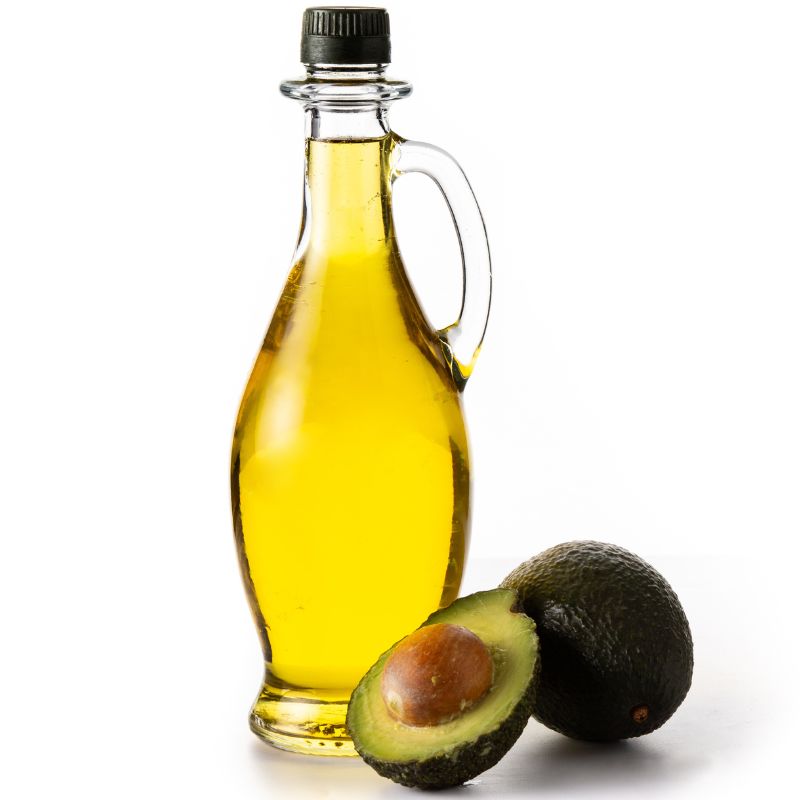
Be mindful of the fats you consume, as certain types can place a heavy burden on your liver and gallbladder. Avoid fats such as margarine, full-cream dairy fats, processed vegetable oils (hydrogenated fats), deep-fried foods, rancid or stale fats, processed and preserved meats, animal skins, and fatty cuts of meat.
These fats can slow digestion and negatively impact liver and gallbladder function, so opt for healthier, fresh alternatives to support overall well-being. For those with fatty liver disease or chronic liver issues, it’s best to avoid all dairy products, particularly full-fat varieties. Instead, opt for plant-based alternatives like oat, rice, almond, or soy milk.
Incorporating healthy fats and oils is key. Look for options like cold-pressed oils, avocado oil, and omega-rich fish such as salmon, tuna, sardines, and mackerel. Shrimp, prawns, and crayfish are also good choices. Fresh, raw nuts and seeds, including flaxseeds, sunflower seeds, and pumpkin seeds, provide essential fats that support liver health.
Flaxseeds, in particular, can be freshly ground and added to cereals, smoothies, or salads for a nutrient boost. Legumes like beans, peas, and lentils are also excellent plant-based options.
To further support liver function, include spirulina, evening primrose oil, borage oil, and lecithin in your diet. When it comes to spreads, avoid butter or margarine. Instead, use tahini, hummus, pesto, tomato paste, or fresh avocado with cold-pressed oils like extra-virgin olive oil. Nut spreads are a great alternative too, though it’s best to avoid peanut butter.
Liver Cleanse Diet
Focus on these foods for 7 days. The are best used in conjunction with the digestive health supplements recommended below. You’ll find more information about these foods in the Cleanse Diet, the follow-up to this module, the Liver Cleanse.
7-Day Liver Cleanse Increases Liver Detoxification – The Study
A study involving 25 participants examined the effectiveness of a 7-day detoxification program on enhancing liver detoxification pathways and overall health and well-being.The results showed a 23% increase in liver detoxification capacity, as indicated by the caffeine clearance measure.
This suggests a trend toward improved liver function. The findings support the hypothesis that enhanced liver detoxification capacity can contribute to improved well-being. (MacIntosh et al., 2000)
Liver Cleanse Supplements
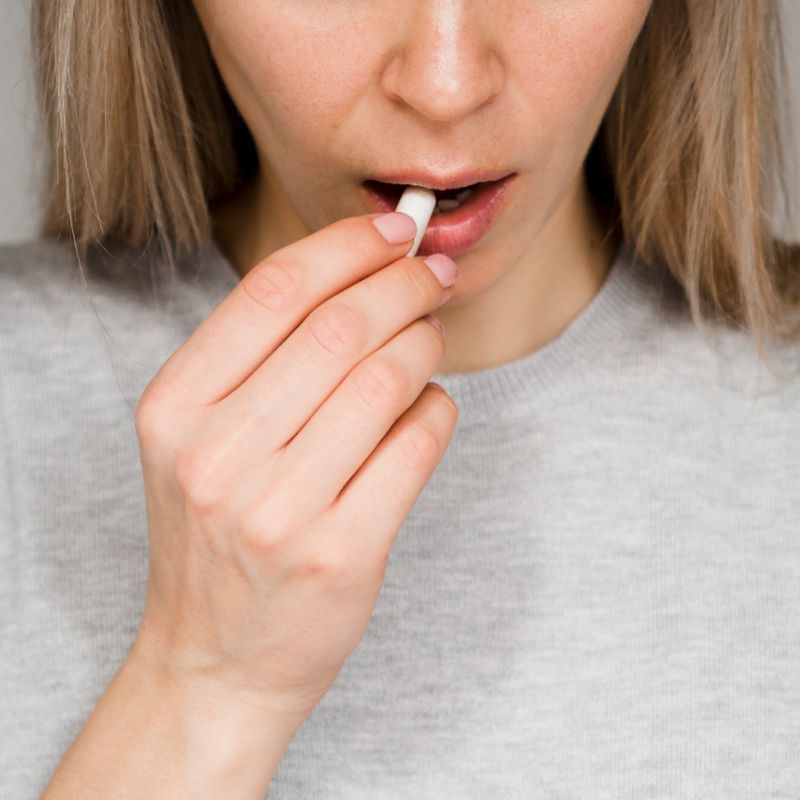
Liver Detox Supplements
Many people believe they need specialised liver detox supplements, but the reality is that the best way to support your liver is through your lifestyle—what you eat, drink, and how you live. Our liver, often referred to as the “live-r” for its essential role in life processes, is incredibly efficient at detoxifying the body on its own, provided it gets the right nourishment.
Rather than relying on supplements marketed for liver detox, focus on consuming foods and drinks that naturally support liver health.
Your liver is designed to process and eliminate toxins, optimise metabolism, and keep your body in balance. It doesn’t need liver-detox supplements to do its job. Instead, by eating a diet rich in fruits, vegetables, healthy fats, and lean proteins, and staying hydrated with clean, pure water, you provide the best support for your liver’s natural detoxification abilities.
By optimising your gut microbiome, you help your liver function more effectively and support your overall metabolic health. In essence, the secret to liver health isn’t a bottle of pills—it’s giving your liver the right tools through a healthy, balanced lifestyle. However, if you have conditions like Candida overgrowth, SIBO, IBS, or IBD, there are some supplements that may be beneficial. These supplements aren’t necessarily for detoxing your liver, but for improving your gut health, which in turn supports and optimises your liver.
Let’s discuss these now:
Probiotics

Probiotic Supplements
Top-quality probiotic formulations contain beneficial bacteria that support gut health and digestion. They can help restore balance to the gut microbiome, which may be beneficial during liver cleansing diet.
Probiotics have been found to improve our immune function by maintaining our gut lining, inhibiting pathogens like yeasts, bacteria and viruses from adhering to our intestinal surface, and properly maturing our immune system.
Clinical trials involving 1037 patients with non-alcoholic fatty liver were included in a study. Results showed that after probiotic intervention, liver function, blood fat levels, blood glucose levels and insulin levels were all significantly reduced (Zhou et al., 2023).
One study found that probiotics improved liver health, reduced triglyceride levels, and lowered BMI. They also significantly reduced inflammation markers like TNF-α and hs-CRP (Pan et al., 2024).
Digestive Enzymes
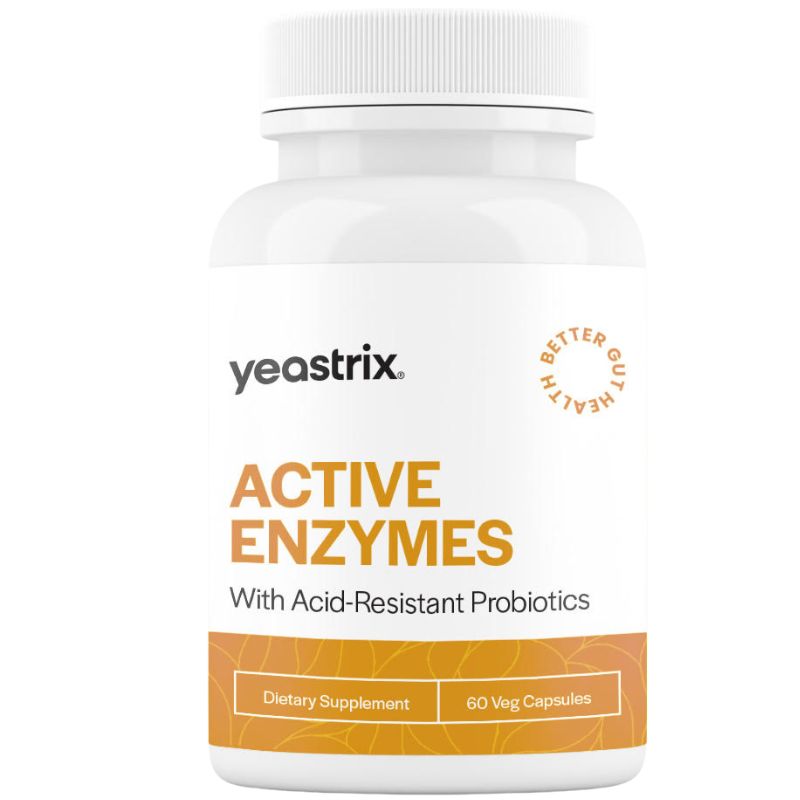
Digestive Enzymes
High-quality digestive enzyme supplements play a crucial role in breaking down and absorbing nutrients from food, particularly proteins and fats, thereby supporting both liver function and overall digestion. These enzymes enhance the efficiency of the stomach and pancreas, improving the body’s ability to absorb and utilise essential vitamins and minerals. This, in turn, boosts the functionality of not just the liver, but also the kidneys and other vital organs, promoting optimal health throughout the body.
A recent study has shown that a digestive enzyme supplement can enhance digestion during both the gastric and intestinal phases by complementing the action of our own body’s own enzymes. Taking digestive enzyme supplements helps support more efficient digestion and help alleviate gut discomfort related to food sensitivities or digestive issues, leading to improved overall digestive health. (Rathi et al., 2024).
Anti-Fungal and Anti-Bacterial Supplement
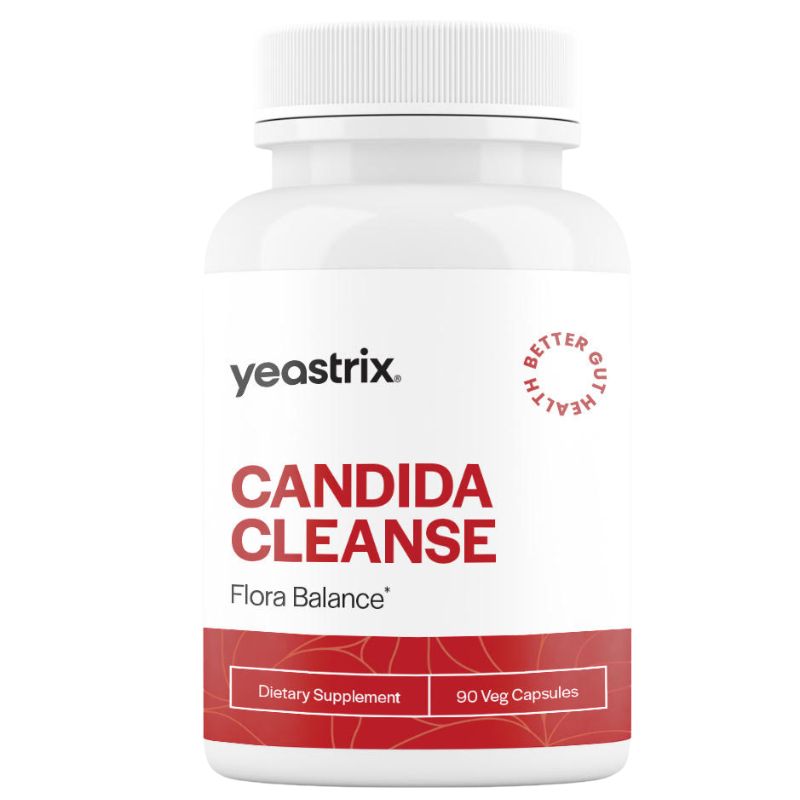
Antimicrobial Supplement
High-quality antimicrobial supplements can be important for maintaining a balanced gut microbiome by reducing harmful bacteria and yeast overgrowth. This balance is crucial, as an imbalanced gut can put strain on the liver, responsible for processing toxins such as mycotoxins and other waste.
By addressing gut dysbiosis—whether from Candida overgrowth, SIBO, or other gut issues—antimicrobials help reduce the toxic load on the liver. This not only promotes more efficient liver detoxification but also supports overall digestive health. By optimising our gut-liver connection, antimicrobial supplements contribute to more effective cleansing and enhanced metabolic function.
Accumulating evidence supports that gut dysbiosis may relate to various liver diseases. Dietary factors seem very important in this new developing, interesting clinical field. (Fukui et al., 2019).
Other Useful Supplements
Liver Cleansing Herbs
Milk Thistle
Milk thistle contains the compound silybin, is often claimed to improve liver function and treat liver disease. However, there is now some evidence to prove that milk thistle or its extracts can enhance liver cell (hepatocyte) health. Some studies suggest that milk thistle compounds can ease symptoms of certain liver diseases like fatty liver disease.
Research suggests milk thistle may reduce positive biochemical changes in nonalcoholic fatty liver disease (NAFLD) patients and is considered liver protective. Some even view milk thistle now as a viable alternative for acute and chronic liver disease, particularly when standard therapies have failed. (Achufusi et al., 2024)
Turmeric
Turmeric is renowned for its potential health benefits, particularly its role in protecting against liver injury. This vibrant yellow spice contains curcumin, an active compound with anti-inflammatory and antioxidant properties. These qualities are believed to contribute to liver health by reducing oxidative stress and inflammation, which are common contributors to liver damage.
Curcumin, known for its antioxidant and anti-inflammatory benefits, gains effectiveness when combined with piperine for better bioavailability. Research indicates curcumin can aid in managing oxidative and inflammatory conditions, metabolic syndrome, arthritis, anxiety, and hyperlipidemia.
You may read some studies warning about turmeric’s possible involvement with causing liver cell damage. But when you read carefully, you’ll see the patient was taking pharmaceutical drugs or still is, when commencing the turmeric supplement. Turmeric has been used in India for over 4,000 years and is used safely by millions daily. It’s not hard to see why some with vested interests are not that happy with powerful turmeric.
Dandelion
Dandelion has been recommended as a natural medicine for many kinds of liver complaints for various conditions, but more studies were needed to confirm its effectiveness. The latest findings suggest for the first time that dandelion extract may be a preventive therapeutic agent for the severe liver and renal inflammatory injury associated with acute liver failure. (Pfingstgraf et al., 2021)

Liver Cleanse Tea
Liver cleanse teas are often consumed as part of a detox regimen to support the body’s natural ability to eliminate toxins and maintain optimal liver function. You’ll be able to buy different teas readily on Amazon or other similar websites. Look for reputable brands, and check out any reviews!
Liver cleanse teas are typically consumed over a period of time, ranging from a few days to several weeks, depending on individual health goals and recommendations.
It is best to use clean and pure water, and to take the liver cleanse tea twice daily away from meals or snacks (at least half and hour).
While liver cleanse teas can be beneficial, it’s essential to use them in conjunction with a balanced diet rich in low-sugar fruits, nutrient dense and high-fibre vegetables, whole grains, healthy fats and oils and lean proteins.
Regular exercise and drinking plenty of water play crucial roles in supporting liver health and overall well-being. There are many herbs are spices you will find in liver cleanse tea formulations. Some of the best contain:

Best Liver Cleansing Tips
Conclusion
A healthy liver is vital for overall well-being, as it plays a central role in detoxifying the body, regulating metabolism, and supporting digestion. By incorporating nutrient-rich foods, probiotics, herbal supplements, and lifestyle practices that promote liver health, you can enhance your body’s natural ability to cleanse and rejuvenate.
A liver cleanse is not about quick fixes but about fostering long-term habits that reduce toxin exposure and improve liver function. Prioritise your liver health, and your entire body will thank you with better energy, digestion, and vitality.

Eric Bakker N.D.
Greetings! I am a naturopathic physician from New Zealand. Although I’ve retired from clinical practice since 2019 after 34 years of clinic. I remain passionate about helping people improve their lives. You’ll find I’m active online with a focus on natural health and wellbeing education through my Facebook page, Reddit page and YouTube channel, including this website.