Home » Programs » Gut Building

Gut Building

Know someone with these symptoms? Show them this

How To Improve Gut Health

Welcome! You’ve just made it to the Gut Building module, where we explore ten essential aspects of nurturing and strengthening your gut health for life. This is an optional, deeper step in the Ultimate Candida Cleanse Program.

This section is for people who want to go beyond long-term symptom relief and really strengthen their digestive system for the long term. You’ve done the hard work already with the main program. Now we look at how to future-proof the gut

Your digestive system is home to a vast community of bacteria, yeasts, and other microbes that influence everything from digestion to immunity to mood. When this community is diverse and stable, you feel it — better energy, smoother digestion, stronger resilience to stress, and far fewer flare-ups. When it’s out of balance, symptoms creep back.

This module explores ten key areas that help you build a stronger, more adaptable microbiome over time. Food quality matters, of course, but so do lifestyle factors like stress, sleep, movement, and daily habits. I’ve worked with thousands of patients who improved dramatically once they understood how these simple, long-term foundations keep the gut stable long after the cleanse is finished.

Remember – this is optional, but highly valuable if you want to keep your results, deepen your progress, and create a gut that stays healthy for life.

A couple preparing an anti-candida diet meal together with a focus on a candida cleanse.

Ultimate Candida Cleanse Program

Gut Building is Module 7

The Gut Building stage represents our final module in our comprehensive Ultimate Candida Cleanse Program. This step has been designed to inspire you to making a daily advancement towards building great gut health by eating foods that best suit your gut, your lifestyle, and your personal requirements.

Our gut microbiome restoration is the best program for those with chronic Candida or yeast infection issues, SIBO, IBS, or IBD. Includes advanced eating and living concepts. Our programs are based on more than 30 years of clinical experience.

To begin any of our programs, your Ultimate Candida Cleanse Program book is your guide, it will guide you through each of the 6 modules that form the program. There is also the Resources page, it is valuable because you’ll have an overview of the 6 modules are described on one page. If you want more in-depth and learn the science behind each module, you can go the the module pages.

You’ll need your password for access to the resource and module pages: Cleanse2025!Revive

Ultimate Candida Cleanse Program Modules

The Key Areas of Gut Health Building

In this post, we’ll explore the 10 essential areas for building a strong and resilient gut. From the gut-brain axis and the role of prebiotics and probiotics to the impact of diet, lifestyle, and stress, each aspect plays a crucial role in maintaining a balanced digestive system.

You’ll gain practical insights and actionable strategies to help nurture a thriving gut environment.

Whether you’re working to eradicate Candida overgrowth, relieve digestive discomfort, strengthen immunity, or boost overall vitality, this gut-building guide will empower you with the knowledge and tools to support lasting gut health.

The final phase of gut building focuses on sustaining and enhancing digestive health by prioritising gut-supportive foods and key lifestyle habits. This phase is about conserving and takes a holistic approach, recognising how diet, stress, movement, and daily choices influence overall well-being.

Gut Building: A Lifelong Commitment

A woman, man, and young girl sit together at a table with a variety of dishes, smiling at the camera.

Your gut microbiome is constantly evolving, shaped by daily decisions—not just the foods you eat, but also the medications you take, your stress levels, and your lifestyle choices.

Every decision influences the diversity and health of your beneficial gut bacteria.

However, the foundation of long-term gut health is a fresh, balanced, whole-foods diet.

Research highlights that diet is one of the most easily modifiable factors for shaping the gut microbiota, making it a powerful tool for long-term gut health management (Gagliardi, 2018).

By making mindful choices today, you can create a stronger, healthier microbiome for tomorrow, and for years to come.

As naturopaths, we’ve recognised for over a hundred years the gut as the root of many health issues and understand that a balanced microbiome is essential for overall well-being. Good health is not possible without a healthy diet, which is why we emphasise the importance of a diet that supports the gut—rich in fibre, lean protein, and nutrient-dense, probiotic and prebiotic foods to nurture a thriving microbial community.

The naturopath’s role goes beyond offering simple dietary recommendations. We understand the deep connection between the gut and overall health. A recent global study found that naturopaths from 14 countries adopt an integrative, whole-foods approach to diagnosing and treating chronic health conditions, with a strong focus on gut health ((Steele 2020).

Naturopaths are pioneers in recognising the role of the gut in maintaining health, promoting self-healing through diet and lifestyle.

Our naturopathic clinic has always advocated for a simplification of dietary recommendations, include the following recommendations. All these recommendations have been endorsed by mainstream medicine , particularly in the area of preventative medicine and longevity:

With years of experience, we’ve gained valuable insights into how dietary changes help patients overcome fungal and bacterial disorders. We’ve learned that transitioning to a healthier diet can be challenging, so we approach this with patience, empathy, and non-judgment. Our goal is to guide patients gradually from ultra-processed foods to a fresh, whole-food diet. This foundation helps them develop a strong nutritional base, supporting their long-term health goals.

Key Take-Away

  • Naturopaths have long understood the vital role of the gut microbiome in overall health.
  • Patient-centered, gradual changes in diet and lifestyle are essential for long-term success.
  • A strong nutritional foundation is key to maintaining health and preventing disease.

Healthy eating doesn’t have to be boring. Switching up our ingredients and cooking methods can transform basic dishes into exciting meals. Explore new cuisines, shop at farmers’ markets, or experiment with different preparation techniques like slow cooking or grilling. This helps keep us motivated to stick to healthy eating habits and makes meal preparation more enjoyable.

Tips to Increase Diet Variety:

  • By adding more plant-based recipes to our diet and reducing meat.
  • Explore different world cuisines like Thai, Mexican, or Mediterranean.
  • Use a variety of cooking methods to prepare familiar foods differently.
  • Try meal delivery services that emphasises diverse, more nutritious recipes.

It’s well known that eating a varied diet is key to overall health, but the reasons behind it may be less clear. Variety in your diet is more than just including a range of foods; it ensures a broad intake of essential nutrients, supports gut health, and may even help prevent chronic diseases.

10 Essential Topics For Healthy Gut Building

In this blog post, we’ll delve into the 10 key areas that are essential for gut building. From understanding the gut-brain axis connection and the role of prebiotics and probiotics in gut health to exploring the impact of diet, lifestyle, and stress on your digestive system, each topic will provide valuable insights and practical tips for nurturing a thriving balanced gut environment.

Whether you’re seeking to eradicate Candida overgrowth, alleviate digestive discomfort, boost immunity, or enhance your overall health and vitality, our gut-building guide can help empower you with the knowledge and resources you need to cultivate a healthier gut and a happier you.

The aim of this final phase is to prioritise the best foods that continue to support and build gut health alongside the most important lifestyle factors. This “conserve phase” emphasises a true holistic approach, recognising the inter-connectedness of these elements and their impact on our health, happiness, and long-term vitality.

Gut Building Is Essential Going Forward

The type of bacteria and other beneficial micro-organisms in our digestive system can vary considerably depending on a wide variety of circumstances. The decisions we make going forward on a daily basis will dictate the health of our microbiome, and these decisions don’t only include what foods you eat, but what medicines or drugs we take and how we live.

Gut building long-term is first and foremost dependent however on eating a fresh, well-balanced and whole-foods diet, and according to research, a person’s diet is an easily modifiable factor and is consequently a very attractive therapeutic approach to modulate gut microbiota in the long-term. (Gagliardi 2018)

A person is sitting on a couch and eating a sandwich. There are bowls of fries and chips on the table in front of them.

What We Eat And Drink Shapes Our Gut, Brain, and Our Health

The actual quality of food we eat and drink has a significant impact on the bacterial composition and function of our microbiome with any diet long-term.

Eating junk food very occasionally for a healthy person who maintains a balanced whole foods diet is not generally a problem. But eatingjunk foods, ultra processed foods and drinking alcohol regularly, can have a deleterious effect on our gut.

It’s what happens daily that counts, not once in a while. Let’s talk further about how we can keep our gut healthy in the long-term, not just in order to recover from health problems, but to how to build and maintain our gut-garden for life.

The Health Of Our Microbiome Relies Long-Term Diet Stability

Our microbiome will shape itself according to the dietary choices we make on a long-term daily basis. For example, a ten year old study emphasised that while high Candida abundance was most strongly related to recent high-level carbohydrate consumption, while the stability of the microbiota community was most related to long-term diet. (Hoffman 2013)

When we begin to make poor dietary choices daily long-term, our microbiome will shape itself accordingly. Although they play a critical role in maintaining general health, certain bacteria found in our gut can also have an impact on the development of a number of chronic diseases. (Guinane 2013)

Studies have long discovered unwanted bacterial to increase depending on the foods they are fed, especially refined sugars or a high meat and processed meat diets. (Thurler 2022)

More recently, high consumption of animal products, sugary drinks, alcohol, and saturated fats are linked to a much lower microbiome diversity and the production of toxic bacterial by-products, according to studies of people living in the United States and the EU. (Clemente-Suàrez 2023)

It is therefore important to understand the kinds of food we eat in the long-term will shape and define our microbiome. Besides food, there are several other ways to keep our microbiome in top shape.

10 Best Ways To Optimal Gut Health

Here are some of our best tips on 10 separate topic relating to long-term gut health, on how to shape and maintain a healthy microbiome through adopting the following dietary and lifestyle practices.  

If you manage to maintain several of these for any length of time, your gut will become increasingly diverse and strong, reflecting in amazing health. Our You Tube channel will contain much of this content and more.

Let’s discuss these topics in somewhat more detail, and if possible, outline some older and more recent studies supporting these views. Just click on any of the links to the topics you are interested in, and click on the the green accordion-box under each topic for more detail.

A variety of fresh foods including raw meats, eggs, pasta, vegetables, fruits, nuts, and spices are arranged on a table.

1. Diet Diversity

Diet Diversity. Brighten up your plate with a rainbow of flavours and colours! Importance: A diverse diet ensures you get a wide range of nutrients, supporting the diverse community of microbes in your gut. This can enhance digestion, nutrient absorption, and overall gut health.

Dietary diversity is a fundamental principle for maintaining and enhancing overall health. Incorporating a wide range of whole foods into your diet ensures that you receive a broad spectrum of essential nutrients. This approach is supported by a growing body of research, which highlights the numerous benefits of a varied diet, including improved gut health, better disease prevention, and enhanced mental well-being.

Dietary diversity is defined as the number of different foods or food groups consumed over a given reference period (Ruel 2003). Dietary diversity has long been recognised as a key component of diet quality and many dietary diversity indicators (DDIs) have been developed (Verger et al., 2021).

Healthy eating doesn’t have to be boring. Switching up our ingredients and cooking methods can transform basic dishes into exciting meals. Explore new cuisines, shop at farmers’ markets, or experiment with different preparation techniques like slow cooking or grilling. This helps keep us motivated to stick to healthy eating habits and makes meal preparation more enjoyable.

Tips to Increase Diet Variety:

  • By adding more plant-based recipes to our diet and reducing meat.
  • Explore different world cuisines like Thai, Mexican, or Mediterranean.
  • Use a variety of cooking methods to prepare familiar foods differently.
  • Try meal delivery services that emphasises diverse, more nutritious recipes.

It’s well known that eating a varied diet is key to overall health, but the reasons behind it may be less clear. Variety in your diet is more than just including a range of foods; it ensures a broad intake of essential nutrients, supports gut health, and may even help prevent chronic diseases.

Read: Diet Diversity

Here are ten key reasons why we should incorporate diverse foods into our meal plan:

10 Reasons Why Diet Diversity Matters

It’s important to eat many kinds of food, that we will be getting all the nutrition our body needs to remain in good health. Here are several of the most important reasons why it is important to maintain diet diversity:

  • Allergy and Sensitivity Prevention: Exposure to a wide range of foods reduces chance of allergy.
  • Sustained Energy Levels: Diverse nutrient intake helps maintain steady energy throughout the day.
  • Environmental Sustainable: Eating a predominantly plant-based diet can help save our environment.
  • Improved Gut Health: Diverse diets promote balance gut bacteria and improved microbiome health.
  • Healthy Sleep: Proper nutrition supports sleep quality and overall health.
  • Nutritional and Essential Nutrient Adequacy: Diet diversity prevents nutritional deficiencies.
  • Mental and Emotional Health: Eating diverse ensures our gut and brain get what they need.
  • Weight Management: Varied diet prevents boredom, promotes consumption of nutrient-dense foods.
A variety of healthy foods are displayed, including cutting boards with chopped melon, bowls of beans, nuts, and whole grains, an avocado, blueberries, strawberries, apples, and bananas.

2. High Fibre Foods

High Fibre Foods. Fibre is your gut’s best friend! Importance: High-fibre foods promote an incredible healthy gut by supporting regular bowel movements, feeding beneficial gut bacteria, preventing inflammation, and several digestive issues like constipation.

Fibre plays a crucial role in maintaining a healthy gut microbiome. High-fibre foods are an important part of a healthy diet.

High-fibre foods, including a range of plant-based options such as fruits, vegetables, whole grains, legumes, nuts, and seeds, are crucial for maintaining a healthy digestive system.

These foods contain different forms of carbohydrates with varying levels of solubility: some are easily broken down by the body, while others remain undigested and ferment in the bowel, promoting a beneficial environment for the microbiome.

Fibre comes in two main types—soluble and insoluble—both of which play vital roles in digestion. Despite its importance, some people mistakenly view fibre primarily as a remedy for constipation, overlooking its broader benefits for digestive health.

What is Dietary Fibre?

Dietary fibre can be defined as dietary carbohydrates resistant to absorption and digestion by enzymes in your gut, and it may, or may not, be fermented by bacteria in the large intestine. The main types of fibre can be categorised into the less-fermented and water insoluble: hemicellulose, cellulose, lignin, and the more water soluble and easily fermentable oligosaccharides, pectins, and gums. (Trowell 1985)

Read: High-Fibre Foods

The Functions and Health Benefits of Dietary Fibre

There are more reasons to include fibre in your diet than to exclude it. Research has shown that there are 6 key benefits of dietary fibre. (Dhingra 2012)

  • 1. – Fibre adds bulk to your diet, making you feel full faster. This can result in appetite reduction.
  • 2. – Dietary soluble fibre attracts water, turning it to gel during digestion. This traps carbohydrates, slowing the absorption of sugars like glucose.
  • 3. – Dietary fibre speeds the passage of food through the gut, this improves bowel regularity and reduces the risk of colorectal cancer.
  • 4. – Dietary fibre adds bulk to stool formation, improving stool texture, irregular bowel motions and constipation.
  • 5. – Fibre lowers total and LDL cholesterol and helps regulate blood pressure.
  • 6. – Balances intestinal pH levels. Fibre stimulates intestinal fermentation leading to the production of SCFAs, leading to increase in beneficial bacteria and a more robust and balanced microbiome.
Collage showing pumpkins, sweet potatoes, yogurt with fruit, bacteria illustration, and hands holding a jar of fermented food. Discover how to hack your health and uncover the secrets of your gut with this colorful montage.

3. Prebiotic and Probiotic Foods

Pre and Probiotic Foods. Think pro and pre, for a gut-friendly spree! Importance: Prebiotics nourish good bacteria, while probiotics introduce friendly microbes, creating a balanced gut environment crucial for digestion and immune health.

Prebiotics are non-digestible food components that encourage the growth and activity of our beneficial gut bacteria in, while probiotics are live micro-organisms that confer health benefits to the host when consumed regularly in good amounts.

While probiotics directly introduce beneficial bacteria into our gut microbiome, prebiotics serve as nourishment for these beneficial organisms, promoting their growth and enhancing their beneficial effects even further.

Let’s talk further about both prebiotics and probiotics, but mainly prebiotics because probiotic foods and their actions are better covered on the post called Fermented Foods.

Prebiotics

Prebiotics supports our body’s beneficial bacterial flora, they are different types of indigestible dietary fibre, specific components of plant-based foods that support the growth of beneficial bacteria in our gastrointestinal tract.

Prebiotics and probiotics are not the same thing, though, while almost all prebiotics tend to be made up of some kind of fibre, not all fibre will have a tendency to be prebiotic by nature. Prebiotic foods help to promote a healthier digestive system by enabling our gut bacteria to manufacture food to build the health of our colon’s cells.

Read: Prebiotic and Probiotic Foods

Short-Chained Fatty Acids

The key gut nutrients that occur due to the healthy fermentation of dietary fibres are called SFCAs (short-chain fatty acids), with butyrate, acetate, and propionate being among the most important of these nutrients. The health of our body can be improved significantly just by absorbing these gut-derived fatty acids into our bloodstream. (Jannsen 2016).

Not all prebiotics are natural or created equal either and several are man-made. Some terms for “prebiotics” you may read on food labels include inulin, wheat dextrin, acacia gum, psyllium, polydextrose, GOS (galacto-oligosaccharides), and FOS (fructo-oligosaccharides). Prebiotics are best when they come from whole foods. However, your health-care professional may also advise taking a prebiotic supplement, or you may find inulin or FOS in your dietary supplement.

Here are some of the benefits of prebiotics:

  • Prebiotics enhance digestion, boosting immune function, and assisting with nutritional absorption.
  • Prebiotic fibre can control our metabolism and weight by and ake us feel fuller for longer.
  • Prebiotic fibre-rich foods are also excellent providers of vitamins, minerals, and other nutrients, all of which have a number of positive effects on health.

Probiotics

Unlike prebiotics, probiotics are live bacteria that, when consumed, are essential for balancing and enhancing our gut microbiota. These beneficial micro-organisms, which include many Lactobacillus and Bifidobacteria strains, are well known for the many health advantages they bring us.

In order to keep our gut healthy, we need to make sure we are getting enough prebiotics, which is basically fibre that feeds our probiotic bacteria in our digestive systems, especially in the large intestine.

We need to include foods high in prebiotics (found in foods like onions and bananas, see the list below) and probiotics (found in foods like yogurt, sauerkraut and kimchi) in our diets.

While this page primarily focuses on prebiotics and their sources, you can find extensive information about probiotic-rich foods on the Fermented Foods page, including the very special foods like yogurt, kefir, sauerkraut, and Kimchi.

Two oval plates filled with red raspberries and red cherries, surrounded by various fruits including lemons, limes, apples, and oranges.

4. Polyphenol-Rich Foods

Polyphenol-Rich Foods. Colourful eats for gut treats. Importance: Polyphenol-rich foods, found in fruits, veggies, and teas, act as antioxidants, reducing inflammation and supporting a healthy gut microbiome.

Plants naturally contain a class of chemicals called polyphenols, widely recognised for their health advantages. In addition to giving colour to fruits and vegetables, polyphenols bring a lot of health benefits to foods.

Foods containing the highest polyphenol levels include red apples, strawberries, blueberries, blackberries, blackcurrants, coffee, tea, chocolate, tomato, red onion, garlic, cabbage, eggplant, bell pepper, broccoli, red wine, and cocoa powder.

Many of these foods are my personal favourite, including all kinds of berries, red wine, raw cacao beans, dark black tea and coffee, onions, tomato, and eggplant. I’ve made a list below of the best food sources of polyphenols.

Polyphenols are a kind of antioxidant, they’ve gained a lot of attention the past several years due to mounting research showing their many health and longevity advantages. If you want to know more about antioxidants, you can read more about what antioxidants are by following the link that will direct you to my website.
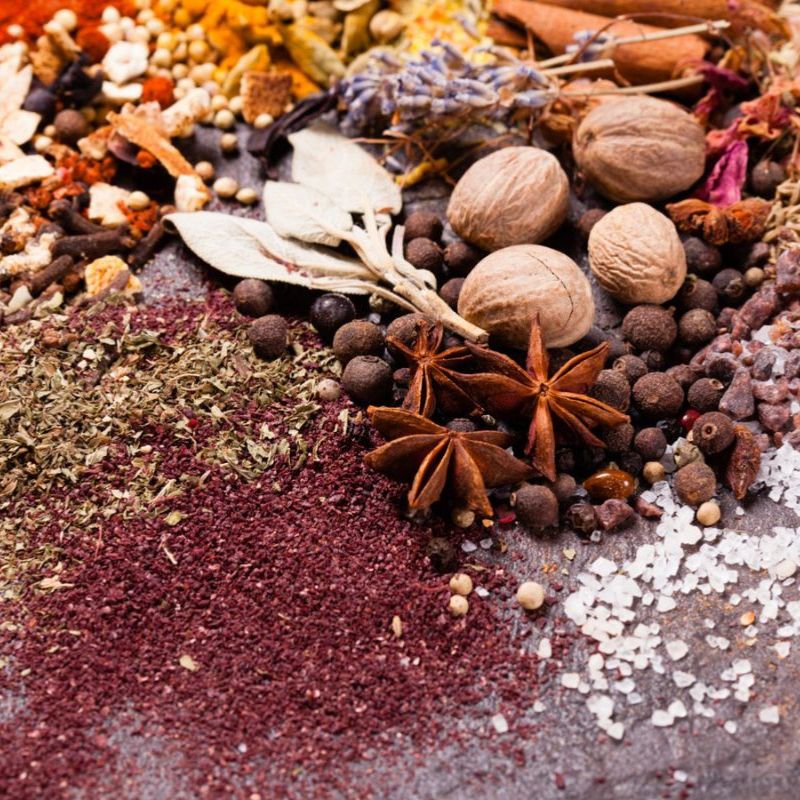
Four Major Groups of Polyphenols

There are over five hundred different polyphenols, but they can be easily broken into four basic groups due to their structure. (Pandy 2009)

  • Flavonoids: give many fruits and vegetables their amazing colour.
  • Phenolic acids: coffee, cocoa beans, cherries, tea,
  • Lignans: flax seeds, fruit, vegetables, seeds, legumes.
  • Stilbenes: red wine, grapes.

Read: Polyphenol-Rich Foods

Highest Food and Drink Sources of Polyphenols

You’ll find the majority of plant-based foods, like fruits, vegetables, and whole grains, are rich in polyphenols. It is easy to consume enough to improve your health, but there are some more nutrient-dense sources of polyphenols than others (Opara 2014)

The following foods have some of the highest polyphenol content per serve:

  • Herbs : Rosemary, Peppermint, Star Aniseed, Thyme, Sage, Oregano, Marjoram, Dill, Parsley, Spearmint, Celery Seed, Basil,
  • Spices: Cloves, Cinn­­amon, Ginger, Nutmeg, Curry Powder
  • Cocoa: Cocoa Beans (raw), Dark Chocolate
  • Berries: Blueberries, Blackcurrants, Black Chokeberries, Elderberries, Cranberries, Raspberries, Strawberries
  • Grapes: Red Grapes
  • Nuts: Chestnuts, Hazelnuts, Pecan nuts,
  • Tea and Coffee
  • Fruits: Black Olives, Green Olives, Capers, Dark Plums,
  • Vegetables: Broccoli, Red Onion
  • Flaxseed
A variety of spices and herbs, including star anise, dried leaves, nuts, and peppercorns, set against a textured surface—ideal for those exploring gut health supplements.

5. Antimicrobial Foods

Antimicrobial Foods. Nature’s antibiotics for your gut! Importance: Antimicrobial foods, like garlic and honey, can help control harmful bacteria in the gut, maintaining a balanced microbial ecosystem.

Antimicrobial foods are rich in natural compounds that have the ability to inhibit or eliminate harmful microorganisms, including bacteria, viruses, fungi, and other pathogens. These powerful compounds work directly to combat infections and promote balance in the body, especially within the digestive system. By naturally targeting the root causes of microbial imbalances, antimicrobial foods play a key role in restoring gut health.

In addition to their direct antimicrobial effects, these foods support overall immune function and help create an environment where beneficial bacteria can thrive. Many of these foods, like garlic, oregano, coconut oil, and ginger, have been used for centuries in traditional medicine due to their potent healing properties.

For individuals dealing with chronic gut conditions, incorporating antimicrobial foods into a broader natural health strategy, alongside professional guidance and functional medicine testing, can support lasting relief and gut healing.
Antimicrobial Foods Help Keep Our Gut Clean

Antimicrobial foods are nature’s allies in combating harmful microorganisms, offering a gentle yet effective approach to managing gut health and overall wellness. These foods contain natural compounds like allicin, eugenol, caprylic acid, and polyphenols, which actively inhibit or eliminate bacteria, viruses, fungi, and other pathogens.

Unlike antibiotics, which can harm beneficial microbes, antimicrobial foods work selectively, protecting the gut lining and supporting beneficial bacteria. For individuals with conditions such as Candida overgrowth, SIBO, IBS, or IBD, these foods play a vital role in restoring digestive balance, reducing inflammation, and promoting long-term healing while enhancing immune resilience.

Key Benefits of Antimicrobial Foods:

  • Supports Gut Health: Protects the gut lining and reduces harmful microbial loads while supporting a more balanced microbiome.
  • Targets Harmful Pathogens: Effectively combats bacteria, fungi, and viruses without disrupting beneficial bacteria levels.
  • Reduces Inflammation: Helps soothe gut pain and inflammation, alleviating symptoms of IBS, IBD, and dysbiosis.
  • Improves Immune Function: Enhances the body’s natural defences against fungal, bacterial, and viral infections.
  • Balances the Microbiome: Promotes an environment conducive to beneficial bacteria, essential for long-term digestive health.
  • Complements Holistic Healing: Provides a natural alternative or complement to natural antimicrobial medicines for gut-related conditions.

Read: Antimicrobial Foods

Here are some of the best antimicrobial foods that can support gut health:

  • Garlic: Contains allicin, a potent compound known for its broad-spectrum antimicrobial properties.
  • Oregano: Rich in carvacrol and thymol, which have strong antibacterial and antifungal effects.
  • Coconut Oil: Contains lauric acid and monolaurin, which can inhibit the growth of harmful bacteria and viruses.
  • Ginger: Known for its anti-inflammatory and antimicrobial properties, it helps fight infections and supports digestion.
  • Turmeric: Contains curcumin, which has strong antibacterial, antiviral, and antifungal properties.
  • Apple Cider Vinegar: Naturally acidic, it helps kill bacteria and maintain a balanced gut microbiome.
  • Cinnamon: Contains cinnamaldehyde, a compound that can inhibit the growth of bacteria and fungi.
  • Clove: Contains eugenol, a potent antimicrobial agent used to combat infections.
  • Honey: Especially raw honey, has natural antibacterial properties and supports healing.
  • Onions: Similar to garlic, onions contain sulfur compounds that exhibit antimicrobial effects.

Incorporating these antimicrobial foods into your diet can support gut health, particularly when managing conditions like Candida, SIBO, or Ulcerative Colitis.

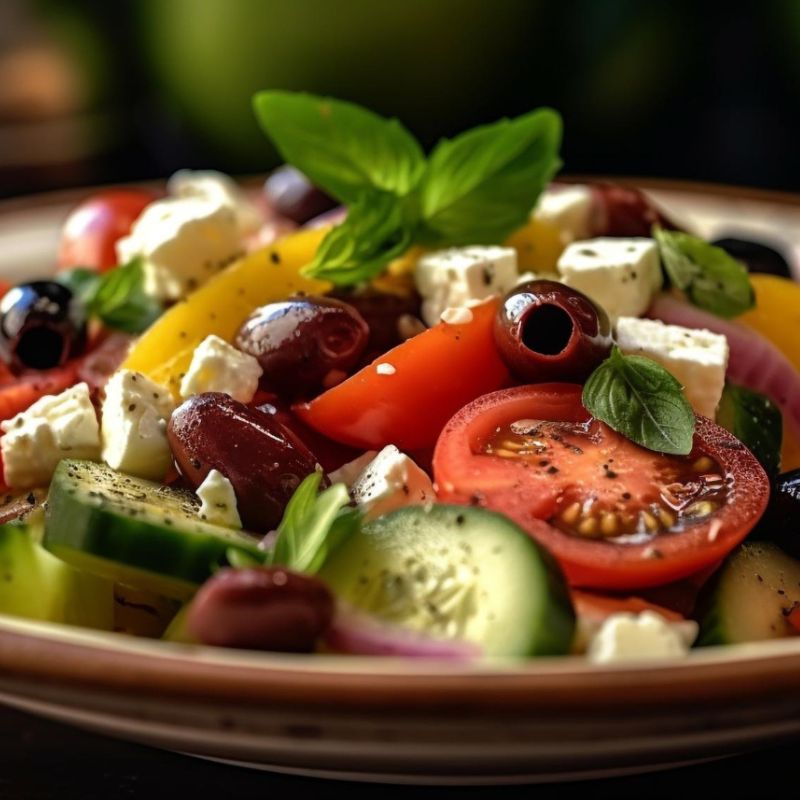
A close-up of a colorful Greek salad with fresh tomatoes, cucumbers, olives, red onions, and feta cheese, garnished with basil leaves and seasoned with pepper.

6. Anti-Inflammatory Foods

Anti-Inflammatory Foods. Soothe your gut, avoid the inflammatory rut! Importance: Foods with anti-inflammatory properties, help reduce inflammation in the gut, preventing many chronic diseases and supporting overall health.

Anti-inflammatory foods are particularly beneficial for gut health, especially for individuals dealing with conditions such as irritable bowel syndrome, SIBO, Candida infections, or Inflammatory bowel disease. For those with chronic conditions, incorporating anti-inflammatory foods can enhance gut function and overall well-being.

Chronic inflammation is a common underlying factor in various health issues, including Candida overgrowth, heart disease, many cancers, and conditions like Alzheimer’s disease. Symptoms of Candida overgrowth—such as itching, bloating, gas, stomach cramps, and bowel issues—can be exacerbated by inflammation, making an anti-inflammatory diet a sensible choice. Many chronic illnesses are accompanied by long-lasting inflammation in the gut. (Hakansson et al., 2011).

What Are Some Of The Most Inflammatory Foods?

Inflammation is a complex and essential biological process that involves a range of cells and signalling proteins, designed to protect the body from harmful invaders like bacteria and viruses. However, inflammation is also at the core of many chronic diseases, and it’s increasingly common among adults, particularly in the United States, where many suffer from systemic inflammation. Sometimes, the immune system mistakenly triggers inflammation when it’s not needed, as seen in autoimmune disorders, where the body attacks its own healthy tissues as though they were harmful.

Read: Anti-Inflammatory Foods

For those looking to reduce or eliminate inflammation, adopting an anti-inflammatory diet is an excellent starting point. The food we consume has the power to either enhance our health or undermine it, and by choosing foods that combat inflammation, we can support overall wellness and make other treatments more effective.

Here are some of the more inflammatory foods in our diet:

  • Grains
  • Corn (cornmeal, polenta, corn starch, masa, sweet corn, popcorn)
  • Gluten (wheat, barley, rye)
  • White Rice
  • White Potatoes
  • Dairy
  • Dairy (cow, goat, and sheep’s milk, cheese, butter, cream, sour cream, ice cream)
  • Sugars and Sweeteners
  • Agave Syrup
  • Artificial Sweeteners (aspartame, sucralose, saccharine, acesulfame K, neotame)
  • High Fructose Corn Syrup and Corn Syrup
  • Refined Sugar
  • Oils and Fats
  • Margarine
  • Overheated Refined Oils (Deep-fried foods)
  • Trans Fats and Hydrogenated Oils
  • Meat and Animal Products
  • Processed Meats (bacon, breakfast sausage, hot dogs, lunch meats, chicken nuggets)
  • Pork
  • Red Meat
  • Soy and Legumes
  • Peanuts and Peanut Butter
  • Soy that is not fermented (TVP, soy protein, soy crisps, etc.)
  • Processed and Packaged Foods
  • All Processed Foods
  • Artificial Colors & Flavorings
  • Common iodized “Table Salt”
  • Fried Foods & Deep fried
  • GMO’s (genetically modified foods)
  • MSG (monosodium glutamate)
  • Beverages
  • Alcohol
  • Sodas (regular and diet)
  • Energy Drinks
  • Sugary Drinks (sweetened teas, lemonades, fruit punches)
  • Sweetened Coffee Beverages (including flavoured lattes and Frappuccino’s)
A cluttered assortment of various packaged food products, including snacks, canned goods, cereals, and beverages, is piled on shelves and a counter. Among them are some of the best probiotics for gut health, perfect for those looking to hack your health: the secrets of your gut.

7. Avoid Ultra-Processed Foods

Ultra-Processed Foods. Keep it real, skip that processed meal! Ultra-processed foods often contain additives harmful to gut health. Avoiding them supports a more natural and balanced gut environment.

If you want great gut health as you get older, one of the best things you can do is to stop consuming ultra-processed foods. Studies consistently show diet is strongly connected to the presence or absence of disease, which is in turn linked to our microbiome. (Armet 2022)

Many of us know the difference between unprocessed foods and processed foods, but how many of us know the difference between processed and ultra-processed food? (UPFs). The key difference between processed food and ultra-processed food lies in the extent of their processing, the number of additives and artificial ingredients they contain, and how refined, artificial, and “chemicalised” these fake foods have become over the years.

Does this mean we have to avoid all foods that are processed in any way? No it doesn’t, because many processed foods are OK, but some may be not depending on your preferences. Ultra-processed foods however are best avoided, and I’ll explain why shortly. Although the Foundation diet is a Mediterranean-styled way of eating, including plenty of fresh and raw foods, it also includes processed foods, but no UPFs.

According to the British Medical Journal, ultra-processed foods are the main source (almost 58%) of calories eaten in the United States, and contribute almost 90% of the energy we get from added sugars. (Steele 2010)

Read: Ultra-Processed Foods

First, let’s understand the difference between the term processed foods and UPFs. Once we understand the difference, it will become apparent that the UPFs are the foods to stop consuming.

Ultra-Processed Foods Examples

  • Soda drinks, carbonated soft drinks, energy drinks, fruit juices
  • Sweetened dairy drinks, ice cream, frozen yoghurt, sweetened yogurt
  • Plant-based milks, including nut milks (many have added sugars)
  • Bread (the cheap stuff, sold sliced, packaged in clear plastic)
  • Processed cheese, margarine
  • Sugary coffee, cordials and syrups
  • Savoury snacks like chips, pretzels, microwave popcorn, salted nuts
  • Sweet snacks like cookies, and doughnuts
  • Sugary cereals like Cheerios, Cinnamon Crunch, Frosty Flakes, etc.
  • Premade baking mixes like cookie mixes, brownie, cake, stuffing
  • Reconstituted meat like chicken nuggets, hot dogs, salami, sausage
  • TV dinners, frozen pizza and frozen pre-made meals
  • Powdered instant soup mixes, gravy, stock cubes, curry or meal mixes
  • Confectionery, Jell-O (jellies), and candy
  • Boxed pasta or Mexican dinners
  • Protein powders, muesli bars, weight loss bars
  • Weight loss powders, meal replacement shakes
Assorted raw meats including sausages, chicken, and steaks on a wooden board, garnished with herbs and accompanied by bell peppers and lime wedges make for a meal that's not just delicious but also great for supporting gut health.

8. Moderate Meat Consumption

Moderate Meat Consumption. Less meat, more beet for your gut! Importance: Excessive meat consumption disrupts our gut microbiome. Moderation ensures a healthier balance and reduces the risk of gut-related issues like dysbiosis.

Are you interested in maintaining good gut health long-term and also care for the wellbeing of the planet we live on?

If you consume meat, it makes a lot of sense to do so in moderation. Meat is consumption is certainly not necessary when it comes to protein requirements, but meat is highly desired by many in the West. High consumption of red and processed meats has been associated with microbiome imbalance and linked to many diseases. (Diakité 2022)

The average meat intake for those in high-income countries is approximately 200 – 250g per day, almost three times the amount recommended by the United Nations. Experts have estimated many millions of lives could be saved annually is we switched from a meat-top heavy diet to a predominantly plant-based diet. This conversion would lead to amazing health-care cost savings as well as avoiding over a trillion dollars in climate change damage.

Reducing Meat Consumption For Health Reasons

There is enough accumulated evidence of prospective studies that show red meat and processed meat to convincingly increases bowel cancer risk by 20-30 percent. (Aykan 2015)

The International Agency for Research on Cancer (IARC) released a statement in October of 2015, based on a review of 800 studies, stating there was an association between the consumption of red and processed meats to the development of cancer. (Bouvard 2015)

In addition, there is increasing evidence that red meat and especially processed meat are associated with increased risks of heart disease, cancer and dementia whereas white meat is neutral or associated with a lower risk of these diseases. (López 2022)

Read: Moderate Meat Consumption.

 5 Core Reasons We Need To Reduce Meat In Our Diet 

(Pickles 2017)

  • The environmental impact is far too great
  • It requires too much water, land, and grain feed
  • It hurts poor nations
  • It causes a lot of animal suffering
  • Too much meat can make us sick
A bowl filled with a colorful assortment of fresh vegetables, including cherry tomatoes, chickpeas, cucumber slices, radishes, and chopped greens, garnished with sesame seeds and herbs.

9. Intermittent Fasting

Intermittent Fasting. Give your gut a break, for goodness’ sake! Importance: Intermittent fasting allows our gut to rest between meals, promoting better digestion, improved metabolism, and a healthier intestinal barrier.

Intermittent fasting is a pattern of eating that involves not always having to eat food, but abstaining from it. It means periods of time when you do eat food, and other times when you don’t eat any food, and you give your gut a break.

Fasting periodically means exploring what it feels like to have an “empty tummy”, along with the noises and feelings an emptying gut creates. It’s a wonderful experience once you get used to it. You’ll feel lighter and just better in so many ways, it’s backed by science and I highly recommend it.

Human beings normally eat food three times a day, with many people rarely taking a break from the daily consumption of foods. The over-consumption of foods with these continuous eating patterns often leads to metabolic diseases (insulin resistance, excessive accumulation of visceral fat, high blood pressure, etc.), particularly when associated with a sedentary lifestyle.

 The Countless Benefits Of Intermittent Fasting

Intermittent fasting has many benefits, and been a hot topic in the world of health and wellness for the past several years. But it’s nothing new, fasting has been around for a very long time, certainly well before it became the trend it is today. I’m going to spend a little time and expand on the topic of fasting because it is so important in what it can do for you. Those familiar with fasting already will know exactly what I’m talking about and will be quick to tell you any benefits they’ve experienced.

READ: Intermittent Fasting.

According to the latest research however, intermittent fasting for brief periods of time may be an easy yet efficient strategy to reduce excess weight and enhance metabolic health. But intermittent fasting is also a good way to look after our microbiome, our gut.

You can incorporate an intermittent fasting protocol into your daily routine in a number of ways. There are several ways you can fast and many are gaining popularity.

This article covers all the information you require about intermittent fasting, including how to implement it, whether it helps people improve their gut, lose weight, various popular ways to fast, and any potential negative effects.

If we want to a live longer, healthier and happier lives, we will most certainly benefit from including intermittent fasting into our life. Personally, I’ve been practicing this technique for more than 40 years, allowing me to maintain healthy normal weight and excellent metabolic health.

Various jars of preserved vegetables, including pickles and peppers known to be the best probiotics for gut health, are displayed on wooden shelves at an outdoor market. A sign indicates a price of $15.

10. Fermented Foods

Fermented Foods Green eats for a happy gut and planet! Importance: Sustainable eating not only supports your gut but also contributes to the well-being of our planet. Choosing eco-friendly foods can positively impact both our health and our environment.

While fermentation may appear to be a difficult process, it actually is really simple, and has been used for thousands of years by almost every ancient population on Earth in various forms to preserve foods.

Since fermentation prevents food from decaying quickly, it has been a tried-and-true way method used by humans to prepare and preserve many kinds of food, including fruits, seeds, tubers, meat, dairy foods and much more.

When growing up in Australia in the 1960s, sauerkraut was not consumed by Australians, it was consumed by Polish, German or Dutch migrants. The Aussies would eat steak and boiled vegetables for dinner.

Even in the 1970s when I was young, yogurt and other fermented foods were not widely consumed unless you belonged to a specific ethnic group like Greek or Indian, or were considered “very health-conscious”. Items such as yogurt, sauerkraut, kimchi, and kombucha were not commonly stocked in supermarkets; instead, they could only be found in specialised health food stores.

Stay Open-Minded About Fermented Foods

You may see hyped-up information like:

  • “No mushrooms or fungi with Candida”.
  • “No mouldy or yeasty foods like cheese with Candida”.
  • “None or limited fermented foods with Candida”.

Read: Fermented Foods

While many of the scientific studies about fermented foods and Candida are accurate, I’ve found that much of this hype about Candida and fermented foods and consuming fungi like mushrooms on other websites and social media isn’t very accurate unfortunately. Read what one off the world’s leading fungal experts has to say about why eating mushrooms is perfectly fine with a Candida overgrowth : Mushrooms and Candida

A lot of this banter is just “here-say”, similar to the misinformation when it comes to the soy debate. People may inform you to stay away from soy and soy products, because it is a “bad” and “not good” food – when the scientific evidence (EFIC 2024) clearly pains a different picture.

Be aware that just because a post comes from a friend or colleague, it doesn’t mean it’s accurate, comprehensive, or even relevant to your health.

Just because a webpage is written by a medical doctor or dietician, and has been “fact checked”, doesn’t make it the truth either. Information can be written for different purposes, so it pays to be on the alert with any kind of health article.

Rebuild Your Gut Flora the Professional Way

Yeastrix Daily Probiotic is designed to address these challenges head-on. Whether you’re aiming to rebalance your gut flora post-antibiotic use, enhance your immune defences, or improve specific areas such as vaginal, urinary, or digestive health, Yeastrix Daily Probiotic offers a potent, scientifically-backed solution.

With targeted strains, high-potency, and a gentle delivery system, Daily Probiotic provides effective, long-lasting benefits for men’s and women’s unique health needs.

Key Product Features:

  • 90 Easy-To-Swallow Capsules Per Bottle
  • Each bottle contains 90 easy-to-swallow capsules, ensuring a consistent supply for long-term health maintenance.
  • 17 Clinically-Studied Diverse Probiotic Strains
  • Formulated with 17 clinically studied probiotic strains, Yeastrix provides broad-spectrum support to cater to various health aspects.
  • High-Potency 35 Billion CFUs
  • Each capsule delivers 35 billion CFUs per dose, ensuring an effective concentration of beneficial bacteria reaches your gut.
  • Delayed-Release Capsules
  • Our advanced delivery-system uses the very latest in delayed-release capsules, ensuring that probiotics survive the diet and harsh stomach environment, allowing bacteria to reach the large intestine and colon in larger counts than would be normally possible.
  • Shelf-Stable for Two Years
  • With a two-year shelf life & no refrigeration required, maintaining your probiotic regimen becomes hassle-free. Easy to take when travelling or holidays too.

By integrating these features, Yeastrix Daily Probiotic stands out as a reliable and professional choice for those seeking to enhance their health through targeted probiotic supplementation.

Eric Bakker N.D.

Greetings! I am a naturopathic physician from New Zealand. Although I’ve retired from clinical practice since 2019 after 34 years of clinic. I remain passionate about helping people improve their lives. You’ll find I’m active online with a focus on natural health and wellbeing education through my Facebook page, Reddit page and YouTube channel, including this website.

Similar Posts

Leave a Reply

Your email address will not be published. Required fields are marked *