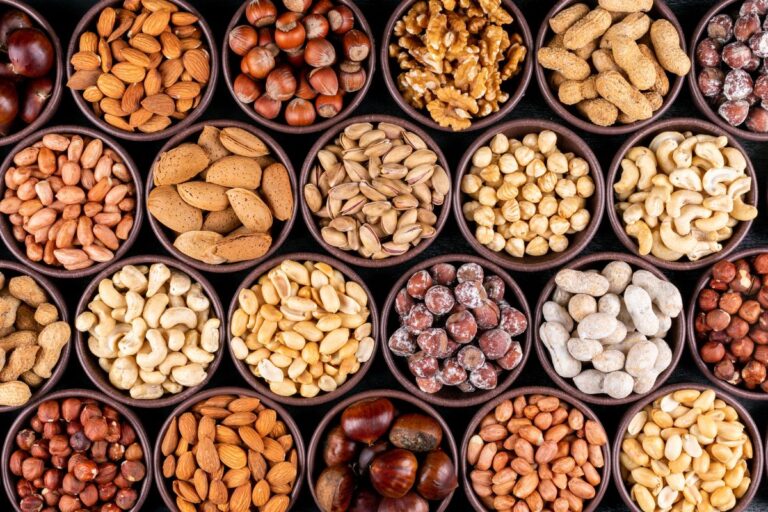
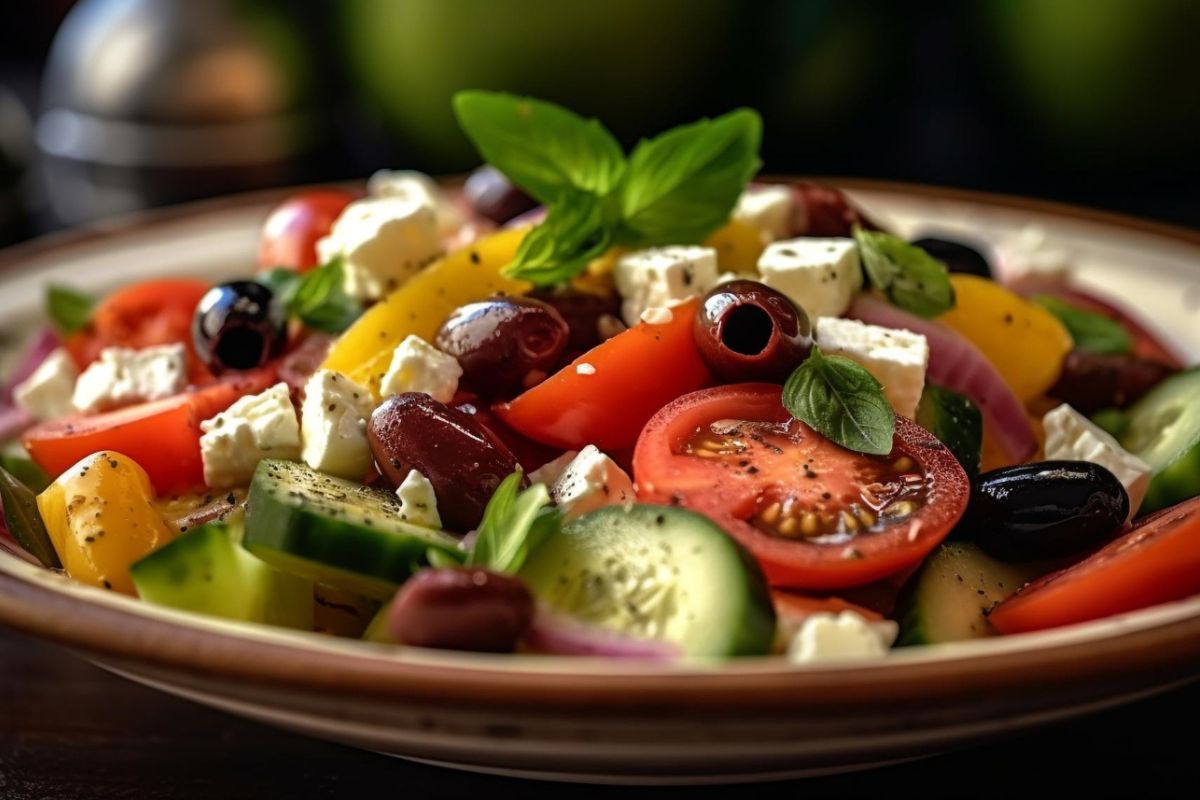
Best Anti Inflammatory Foods
Anti-inflammatory foods are particularly beneficial for gut health, especially for individuals dealing with conditions such as irritable bowel syndrome, SIBO, Candida infections, or Inflammatory bowel disease. For those with chronic conditions, incorporating anti-inflammatory foods can enhance gut function and overall well-being.
Chronic inflammation is a common underlying factor in various health issues, including Candida overgrowth, heart disease, many cancers, and conditions like Alzheimer’s disease. Symptoms of Candida overgrowth—such as itching, bloating, gas, stomach cramps, and bowel issues—can be exacerbated by inflammation, making an anti-inflammatory diet a sensible choice. Many chronic illnesses are accompanied by long-lasting inflammation in the gut. (Hakansson et al., 2011).
Not All Inflammation Is Bad
It’s important to recognise that not all inflammation is detrimental. Inflammation is a natural and crucial component of the body’s healing process. It helps increase immune activity and blood flow to areas of infection or injury, facilitating recovery. Without some level of inflammation, our bodies would struggle to heal effectively. (Chen et al., 2018)
However, when inflammation becomes excessive, persistent, or occurs without a clear benefit, it can lead to further health issues. Chronic inflammation, often fueled by poor dietary choices, lack of exercise, environmental toxins, genetic factors, and stress, can contribute to serious health conditions. (Margină et al., 2020)
The Cardinal Signs Of Inflammation

Doctors use specific symptoms, known as cardinal signs, to diagnose inflammation. These include:
- Pain,
- Heat,
- Redness,
- Swelling,
- Loss of Function.
It’s important to recognise, however, that not every case of inflammation will present all five signs, and sometimes, inflammation can occur without any obvious symptoms.
In addition to these classic signs, inflammation may also manifest in various ways, such as aches, pains, arthritis, weight gain, skin conditions like rashes and itching, fatigue, bloating, digestive problems, migraines, allergies, dark circles under the eyes, high blood sugar, and even mental health issues.
Avoid Inflammatory Foods

Chronic inflammation can persist for months or years and is a contributing factor to more than half of deaths worldwide. (NIH 2023). One of the most important considerations of maintaining a healthy diet is to try your best to avoid inflammatory foods, these are often the ultra-processed foods.
Stay away from UPFs, and in particular, avoid sweet sugary drinks, and eat nutrient dense and anti-inflammatory foods. (Ma et al., 2022)
Let’s now discuss how specific foods can have an anti-inflammatory action, and that by incorporating anti-inflammatory foods into our diet when we have Candida overgrowth (or SIBO, IBS, or IBD) is one of the best strategies for managing any chronic inappropriate inflammation affecting our body, thereby reducing our chances of acute or chronic inflammatory responses.
Incorporating Anti-Inflammatory Foods
Many chronic illnesses are associated with ongoing inflammation in the gut (Durack et al., 2019). Here’s why including anti-inflammatory foods in your diet can be a strategic approach to managing chronic inflammation and improving your overall health:
Embracing a diet rich in anti-inflammatory foods is a powerful strategy for managing chronic inflammation and supporting gut health.
Anti Inflammatory Diet
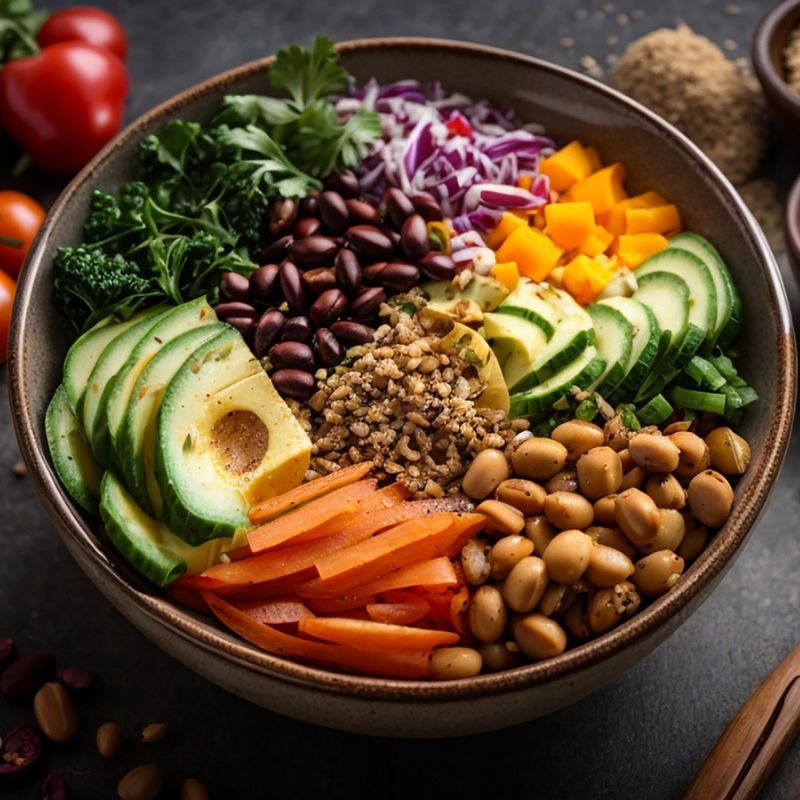
What does an anti-inflammatory diet do? Your immune system springs into action whenever your body detects something foreign, like a microbe, plant pollen, or chemical.
This response often triggers inflammation, a process that helps protect your health by targeting genuine threats.
However, when inflammation persists, even without the presence of an actual threat, it can become harmful. Chronic inflammation has been linked to many major diseases, including cancer, heart disease, diabetes, arthritis, depression, and Alzheimer’s.
One of the most effective tools to fight inflammation isn’t found in your local chemist shop, but in your diet. Many experimental studies have shown that components of foods or beverages may have anti-inflammatory effects. (Hu 2002)
By choosing the right anti-inflammatory foods, you can significantly reduce your risk of illness. On the other hand, consistently consuming the wrong foods can accelerate the development of inflammatory diseases.
Key Points:
The Anti Inflammatory Diet Reduces Inflammation
The Anti-Inflammatory Diet is designed to reduce chronic inflammation in the body, promoting overall health and well-being by emphasising nutrient-dense foods that help combat inflammation at its source. Central to this diet are a variety of fruits and vegetables, including berries, cruciferous vegetables, and sea vegetables, all rich in antioxidants, vitamins, and minerals.
These plant-based foods work synergistically with healthy fats from sources like avocados, olive oil, and nuts, which provide essential fatty acids that further reduce inflammation. Incorporating fermented foods such as sauerkraut, kimchi, and kefir adds a probiotic boost, supporting gut health and enhancing the body’s natural anti-inflammatory defences.
Protein is also a key component of the Anti-Inflammatory Diet, with a focus on high-quality sources such as seafood—particularly fatty fish like salmon and sardines, which are rich in omega-3 fatty acids known for their anti-inflammatory properties.
Whole soy foods like tofu and tempeh, along with legumes and beans, provide plant-based protein options that contribute to balanced blood sugar levels and reduced inflammatory markers.
Additionally, bone broth offers collagen and amino acids that support joint health and repair tissues, further aiding in the reduction of inflammation.
Herbs and spices like turmeric, ginger, and cinnamon are celebrated in the Anti-Inflammatory Diet for their potent anti-inflammatory and antioxidant effects.
Combined with whole grains like quinoa, oats, and brown rice, these ingredients create a well-rounded diet that not only fights inflammation but also supports overall health. Regular consumption of green tea, dark chocolate, and plenty of water ensures that the body stays hydrated, detoxified, and nourished, making the Anti-Inflammatory Diet a holistic approach to maintaining optimal health.
We’ll be talking about all of the key anti inflammatory foods on this comprehensive blog post.
8 Key Reasons We Need To Eat More Anti-Inflammatory Foods
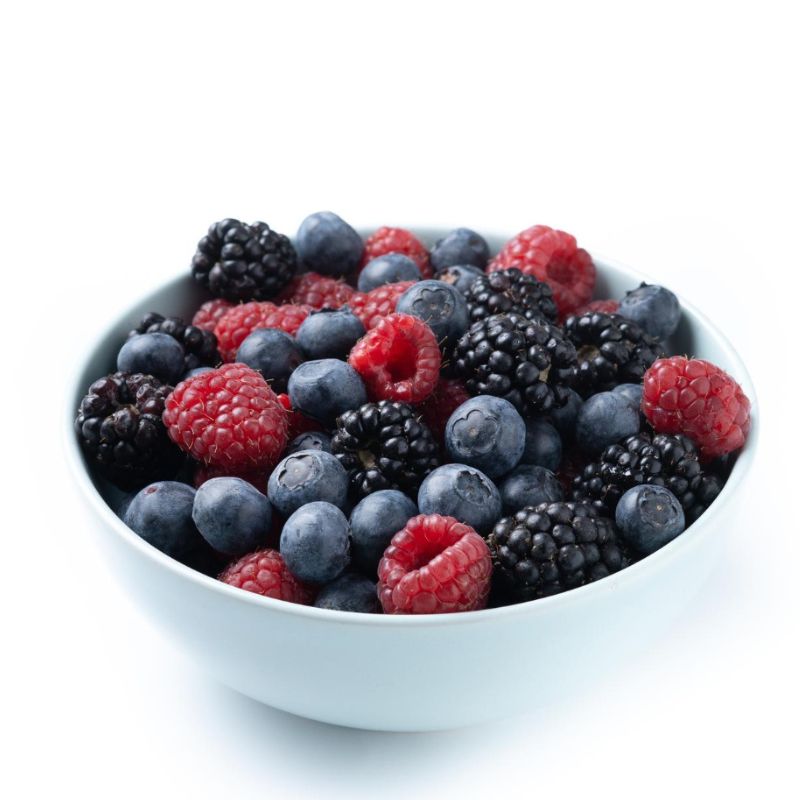
Incorporating anti-inflammatory foods into our diet is crucial for maintaining overall health and preventing chronic diseases. Inflammation, while a natural response to injury or infection, can become harmful when it persists over time, leading to conditions like heart disease, diabetes, and autoimmune disorders.
A diet rich in anti-inflammatory foods helps to combat this chronic inflammation by providing essential nutrients that reduce oxidative stress, balance immune function, and support cellular repair.
These foods not only protect against inflammation but also promote better digestion, enhance mental clarity, and support a healthy weight.
By prioritising anti-inflammatory foods, we can mitigate the long-term effects of inflammation and support our body’s ability to heal and thrive. Here are several key reasons you’ll want to consider including inflammatory foods in your diet long-term:
1. To Reduce Gut Inflammation
Anti-inflammatory foods have particular kinds of food chemicals in them like omega-3 fatty acids, antioxidants, and polyphenols help calm down any inflammation in our gut.
Because they reduce inflammation, foods that are considered anti-inflammatory can help people feel significantly better and heal faster of any gut-related inflammatory illness like inflammatory bowel disease and irritable bowel syndrome and IBS. (de Castro et al., 2021)
2. They Are Nutrient Dense
Nutrient dense foods like berries, deep leafy green vegetables, nuts, seeds, and whole grains are particularly those rich in antioxidants and anti-inflammatory compounds, help reduce inflammation and support a healthier gut environment. (Scheiber et al., 2023)
3. For Obesity Prevention
Anti-inflammatory nutrients, foods, and/or diets can play an essential role in the management of obesity by affecting the intestinal flora and controlling inflammatory responses. Such diets help prevent obesity. (Bagheri et al., 2022)
4. For Healthy Ageing
Nutrients in our diet that have anti-inflammatory properties can help in mitigating inflammation arising from diseases and unhealthy eating habits, ultimately supporting the process of healthy aging. This underscores the notion that our food choices serve a dual purpose: not only as a source of nourishment but also as a form of medicinal intervention. (Stromsnes et al., 2021).
5. To Help Balance Gut Microbiota
The gut microbiota is very important for gut health. If the gut bacteria are out of balance, it can lead to diseases like Candida overgrowth and SIBO.
For example, fruits, veggies, and whole grains are all good for you because they are low in inflammation. These nutrients help good bacteria grow in the gut, which helps restore microbial balance and stops the growth of bad bacteria like Candida or too many bacteria in SIBO. (Aziz et al., 2024).
6. To Improve Immune Response
Immune reactions that aren’t working right can cause inflammatory gut conditions like IBD to start or get worse. Some foods that reduce inflammation, like berries, green tea, and cruciferous vegetables, have chemicals in them that change how the immune system works and stop the gut immune system from being overactive. This helps people with Crohn’s disease and ulcerative colitis feel better and keeps flare-ups from happening. (Scheiber et al., 2023).
7. To Support Digestive Function
Some anti-inflammatory foods have nutrients and enzymes that help the digestive process and the uptake of nutrients.
To give you an example, ginger and turmeric can help ease stomach pain and encourage gut motility, which can be helpful for people with IBS. (Jafarzadeh et al., 2022).
Fermented foods like yoghurt, kefir, and pickles also have probiotics, which help the digestive system work better by adding good bacteria to the gut. (Harvard Health).
8. To Protect Gut Barrier Function
The gut barrier keeps dangerous things out of the bloodstream, like bacteria and toxins. IBD and other diseases that cause chronic inflammation can weaken the gut barrier, allowing more food to pass through (leaky gut). (Aleman et al., 2023).
Anti-inflammatory foods, like those high in omega-3 fatty acids (found in fatty fish and flaxseeds) and glutamine (found in bone broth), help strengthen the gut barrier and lower intestinal permeability. This lowers the risk of inflammatory responses and improves gut disorder symptoms. (Zivkovic et al., 2014).
When you eat a range of anti-inflammatory foods, you can seriously improve your gut health and ease the symptoms of many diseases, you can read a lot more about these foods on this website.
Top 21 Anti-Inflammatory Foods
Incorporating anti-inflammatory foods into your diet is essential for supporting overall health and well-being. These foods are rich in antioxidants, healthy fats, and essential nutrients that help reduce inflammation at the cellular level.
A diet that emphasises fresh vegetables, fruits, and fatty fish like salmon, as well as nuts, seeds, and whole grains, can significantly lower inflammation in the body. These foods work synergistically to neutralise harmful free radicals, support a healthy immune response, and maintain balanced blood sugar levels.
By consistently choosing anti-inflammatory foods, you can promote long-term health and reduce the risk of chronic diseases linked to inflammation, such as heart disease, arthritis, and diabetes.
Here are the top 21 anti-inflammatory foods:

1. Animal Protein
High quality natural cheese (especially goat’s cheese) and yogurt (Greek, naturally soured, no artificial sugars or fruit, etc.), free-range eggs, free-range poultry, free-range turkey, and grass-fed lean lamb meat.
A study found chicken soup to alleviate immune suppression by improving peripheral blood levels, increasing lymphocytes, and stimulating the secretion of several anti-inflammatory agents. (Li et al., 2022)
Reduce consumption of beef, it is more pro-inflammatory than white meats or lamb. Studies show that high red meat consumption increases our CRP blood levels (C-reactive protein, an inflammatory marker). (Wang et al., 2022)
If you eat chicken, choose organic, cage-free chicken because the meat will be free of antibiotic residues. Use organic dairy products moderately, especially fresh yogurt and natural cheeses such as Emmental, Edam, Jarlsberg and Parmesan. If you eat eggs, always choose organic eggs from free-range chickens.
Here are a few anti-inflammatory benefits of animal protein:
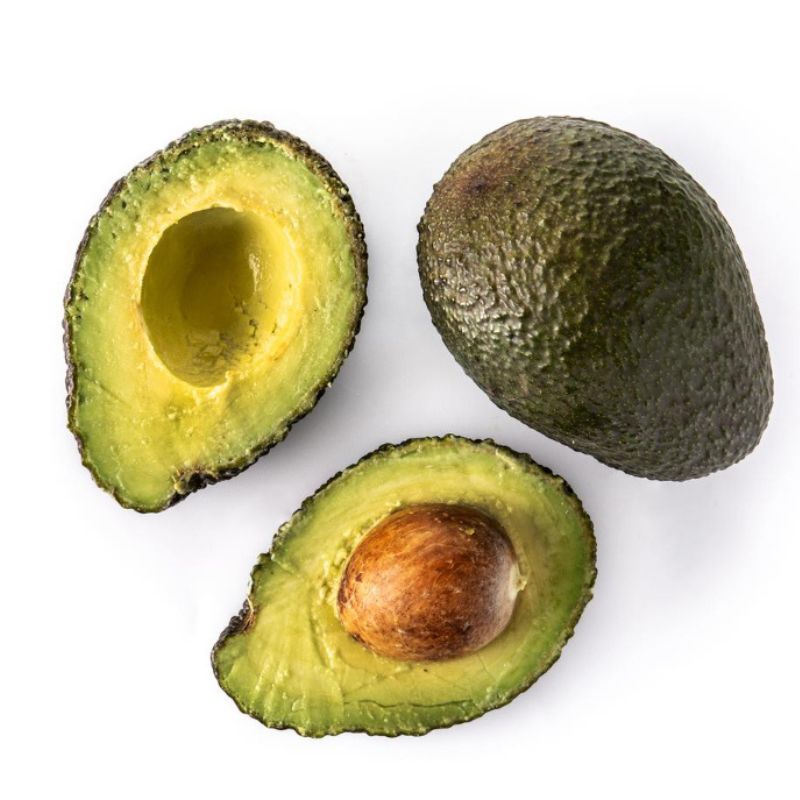
2. Avocados
Avocados are more than just a delicious addition to your meals—they are a nutritional powerhouse with remarkable anti-inflammatory benefits. Rich in heart-healthy monounsaturated fats, fiber, and a variety of essential vitamins and minerals, avocados support overall health while actively helping to reduce inflammation in the body.
Their high antioxidant content, including vitamins C and E, helps neutralise harmful free radicals, while their fiber promotes a healthy gut microbiome, both of which are key to managing chronic inflammation.
By incorporating avocados into your diet, you can not only enhance the flavor of your meals but also protect yourself against chronic diseases, improve heart health, and support your body’s natural inflammatory response.
Here are a few anti-inflammatory benefits of avocados:
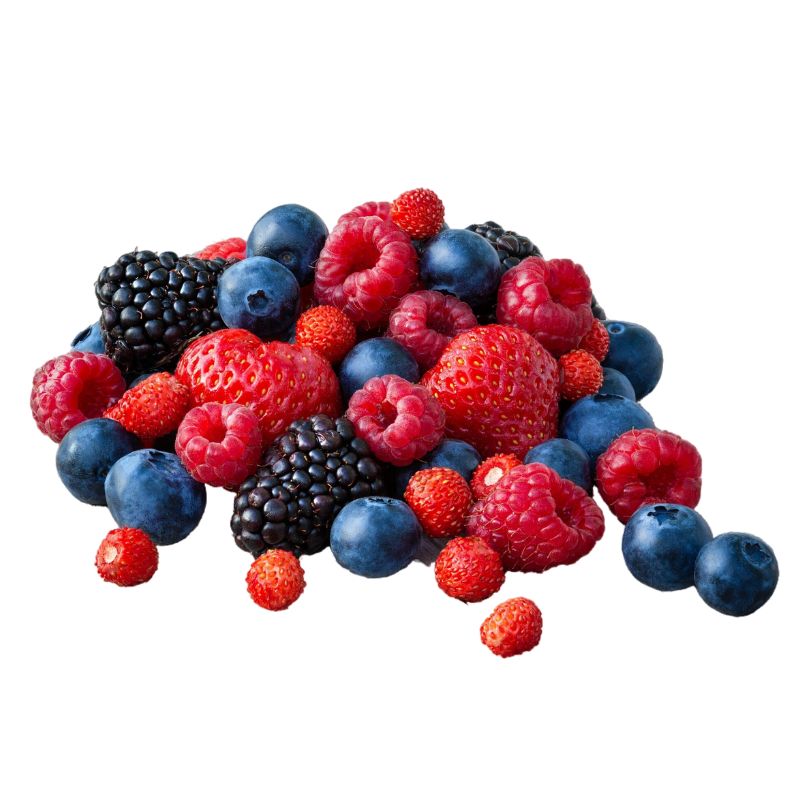
3. Berries
Berries, such as blueberries, strawberries, and raspberries, offer several anti-inflammatory benefits due to their high content of antioxidants, particularly anthocyanins.
Berries, rich in polyphenols, can treat diseases by targeting oxidative stress and inflammation, common causes of diabetes, neurological, cardiovascular diseases, and cancer. (Golovinskaia et al., 2021)
These powerful compounds help reduce oxidative stress and inflammation in the body by neutralizing free radicals. Additionally, berries are rich in fibre, which supports gut health and helps regulate blood sugar levels, further reducing inflammation.
Their low glycemic index also makes them an excellent choice for maintaining stable blood sugar, thereby minimising insulin spikes that can trigger inflammatory responses.
Regular consumption of berries has been linked to reduced markers of inflammation and a lower risk of chronic diseases.

4. Bone Broth
Bone broth is more than just a comforting, savory drink; it’s a powerful ally in the fight against chronic inflammation. This traditional remedy, made by simmering animal bones and connective tissues for hours, extracts a wealth of nutrients that are essential for reducing inflammation and promoting overall health.
Rich in collagen, gelatin, and amino acids, bone broth helps to repair the gut lining, ease joint discomfort, and support the immune system’s balance. Its high concentration of minerals like calcium, magnesium, and phosphorus also contributes to its anti-inflammatory effects, making it an invaluable addition to any diet focused on reducing inflammation and enhancing long-term wellness.
Whether enjoyed on its own or as a base for soups and stews, bone broth is a simple, effective way to nourish your body and protect against the harmful effects of inflammation. One recent study found the consumption of bone broth could be a natural and low-cost alternative with results as effective as those obtained through gene and pharmaceutical drug treatments. (Mar-Solís et al., 2021)
Here are a 4 anti-inflammatory benefits of bone broth:

5. Chocolate
Consume unsweetened dark chocolate, but very sparingly. Dark chocolate contains polyphenols with good levels of antioxidant activity that are known to reduce inflammation in our body.(Magrone et al., 2017).
Dark chocolate, especially varieties with a high cocoa content, is not only a delicious treat but also a potent source of anti-inflammatory benefits. Choose a minimum of 70 percent pure cocoa dark chocolate.
Rich in flavonoids, particularly epicatechin, dark chocolate helps reduce inflammation and support heart health by improving blood flow and reducing oxidative stress. The powerful antioxidants found in dark chocolate can also help neutralise harmful free radicals, protecting the body from cellular damage and chronic inflammation.
Moreover, the magnesium and other minerals present in dark chocolate further contribute to its anti-inflammatory effects, making it a surprisingly healthy addition to a balanced diet.
Including dark chocolate as part of a healthy lifestyle can provide a natural way to combat inflammation while satisfying your sweet tooth. When consumed in moderation, it can play a role in reducing the risk of chronic diseases like heart disease, diabetes, and certain cancers by combating inflammation at the cellular level. For those looking to indulge mindfully, dark chocolate offers a delicious and health-boosting option.
Here are a 5 anti-inflammatory benefits of dark chocolate:
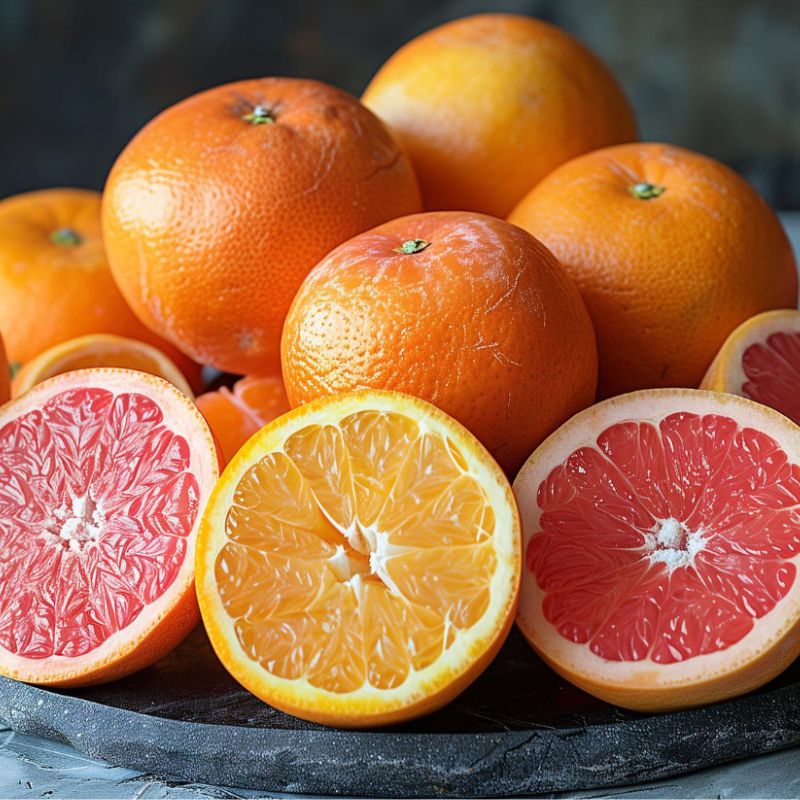
6. Citrus Fruit
Citrus fruits, including oranges, lemons, limes, and grapefruits, are not only refreshing and flavorful but also packed with potent anti-inflammatory benefits. Rich in vitamin C, citrus fruits play a critical role in reducing inflammation by supporting the immune system and neutralizing free radicals that can cause cellular damage.
The flavonoids found in citrus fruits, such as hesperidin and quercetin, further enhance their anti-inflammatory properties by helping to reduce oxidative stress and lower levels of inflammation throughout the body. Additionally, their natural fibre content supports digestive health, which is closely linked to the body’s overall inflammatory response.
Incorporating citrus fruits into your diet is an easy and delicious way to harness their anti-inflammatory power. Whether enjoyed as a snack, added to salads, or squeezed into a refreshing beverage, these fruits can help protect against chronic inflammation and promote overall health.
The combination of vitamins, antioxidants, and fibre makes citrus fruits a valuable addition to any anti-inflammatory diet, helping to lower the risk of chronic diseases such as heart disease, diabetes, and arthritis.
Here are a 5 anti-inflammatory benefits of citrus fruits:

7. Cruciferous Vegetables
Cruciferous vegetables, such as broccoli, cauliflower, kale, and Brussels sprouts, are nutritional powerhouses that offer significant anti-inflammatory benefits. These vegetables are sky-high in vitamins, minerals, and antioxidants, including sulforaphane, a compound known for its potent anti-inflammatory effects.
Sulforaphane helps reduce inflammation by neutralising harmful free radicals and supporting the body’s natural detoxification processes. In addition to sulforaphane, cruciferous vegetables are packed with fiber, which supports gut health and helps regulate the immune system, further reducing inflammation throughout the body.
Incorporating cruciferous vegetables into your diet is a delicious and effective way to combat chronic inflammation. Whether steamed, roasted, or enjoyed raw in salads, these vegetables can help protect against a range of inflammatory-related conditions, including heart disease, cancer, and arthritis.
Their unique combination of phytonutrients and fibre makes them an essential component of any anti-inflammatory diet, promoting overall health and well-being.
Here are a few anti-inflammatory benefits of cruciferous vegetables:

8. Fermented Foods
Fermented foods, such as yogurt, kefir, kvass, sauerkraut, kimchi, and miso, have long been celebrated for their impressive health benefits, particularly when it comes to reducing inflammation. These foods are rich in probiotics, the beneficial bacteria that support a healthy gut microbiome. Fermented vegetables and beverages are gaining attention for their natural anti-inflammatory properties. They are known as functional foods with nutritional and therapeutic effects against chronic disorders. (Paul et al., 2023)
A well-balanced gut microbiome plays a critical role in modulating the immune system and reducing inflammation throughout the body. (Zhao et al., 2023)
The fermentation process also enhances the bioavailability of nutrients, making it easier for the body to absorb essential vitamins, minerals, and antioxidants that help combat inflammation.
Incorporating fermented foods into your daily diet can be a powerful tool in managing chronic inflammation. By promoting a healthy gut environment, fermented foods help to reduce inflammatory responses, protect against autoimmune diseases, and support overall digestive health. Whether you enjoy them as a side dish, a condiment, or a snack, fermented foods offer a delicious and natural way to enhance your body’s ability to fight inflammation and maintain optimal health.
Here are a few anti-inflammatory benefits of fermented foods:
Here are a few anti-inflammatory benefits of fruit:

9. Fruit
Healthiest choices: Avocado, raspberries, blueberries, strawberries, blackberries, cherries, grapefruit, pomegranates, green apples, and kiwi fruit.
These fruits are lower in glycemic load (low sugar) than most fruits and won’t affect your blood sugar too much. They also won’t encourage any Candida yeast infection from proliferating.
Fresh fruits are very good sources of both flavonoids and carotenoids which have an excellent antioxidant as well as anti-inflammatory activity. (Majdan et al., 2022).
Always choose fruit that is brightly coloured and fresh in season or frozen. Buy organic fruit when you can, commercial fruits are often sprayed with insecticides, I’d recommend you avoid them.
Here are a few anti-inflammatory benefits of fruit:
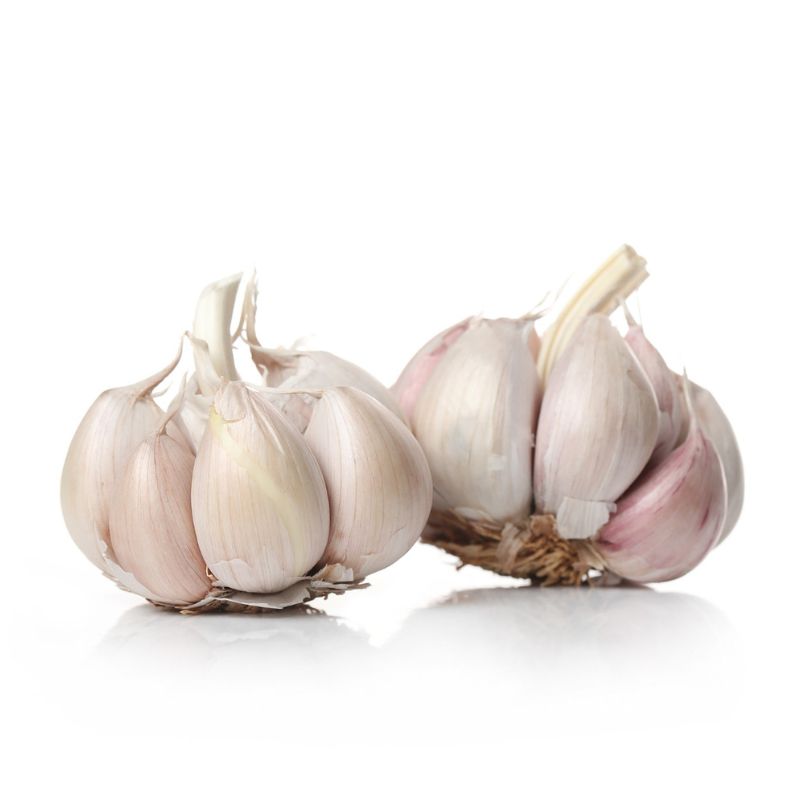
10. Garlic
Garlic, often celebrated for its robust flavour and versatile use in cooking, is also a powerful ally in combating inflammation. This humble bulb contains a range of bioactive compounds, such as allicin, which have been extensively studied for their anti-inflammatory effects.
Regular consumption of garlic can help modulate our body’s inflammatory response, providing relief from chronic inflammation and potentially reducing the risk of associated diseases.
The anti-inflammatory benefits of garlic extend well beyond its culinary appeal. Its active compounds have been shown to influence various inflammatory pathways, making it a valuable addition to any health-conscious diet. Incorporating garlic into our meals can support overall health by addressing inflammation at its core.
Here are a few anti-inflammatory benefits of fruit:

11. Green Tea
Tea, particularly green tea and its premium form, matcha, is renowned for its health benefits, including its powerful anti-inflammatory properties. Rich in catechins—antioxidant compounds that significantly reduce inflammation—green tea provides a natural and effective way to support overall health. High-quality green tea, when brewed properly, can deliver maximum taste and health benefits, contributing to a reduction in chronic inflammation and promoting overall well-being.
Matcha green tea, known for its high concentration of catechins, stands out as an exceptional choice for those seeking to minimise inflammation (Kochman et al., 2021).
Choose white, green, or oolong tea. Consuming green tea regularly can aid in managing inflammation, thanks to its potent compounds that help neutralise free radicals and modulate inflammatory responses.
Here are a few anti-inflammatory benefits of green tea:
12. Healthy Fats
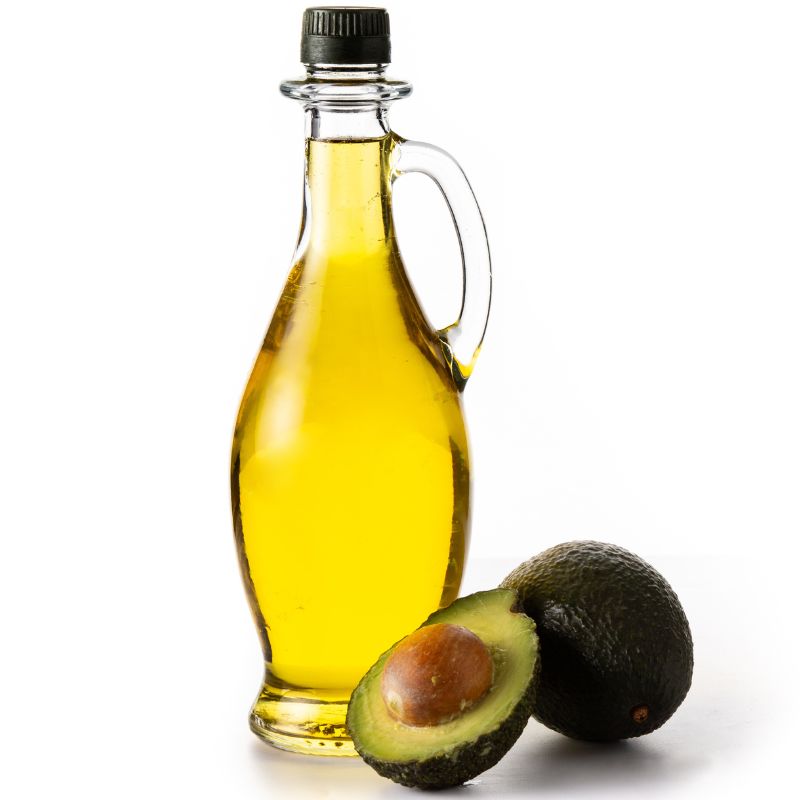
A recent study mentions that dietary fats have a major impact on our health, and that a growing body of evidence suggests that inflammatory status should be included as one of the characteristics for which dietary fats are evaluated relative to their impact on our health. (Fritsche 2015).
For cooking, I’ve always recommend using EVOO (extra-virgin olive oil) and expeller-pressed (cold-pressed) organic oils like sesame seed oil, non-GMO sunflower oil, and coconut oil. Other sources of healthy fats include walnuts, macadamia nuts, avocados, and flaxseeds (freshly-ground), sunflower and pumpkin seeds, and even ground hemp seeds.
Omega-3 fats are found especially in cold-water oily fish, walnuts, and omega-3 enriched eggs. Organic, cold-pressed, (high-oleic) safflower or sunflower oils may also be used, as well as walnut, avocado, macadamia and hazelnut oils in salads and dark roasted sesame oil as a flavouring for soups and Asian stir-fry meals.
You’ll find healthy fats are rich in either mono-unsaturated or omega-3 fatty acids. Extra-virgin olive oil is rich in polyphenols with a high antioxidant activity and other nut and seed oils like contain small fractions of omega-3 and omega-6 fatty acids. Avoid blended vegetable oils in clear plastic bottles. Buy and store oils in glass, preferably buy fresh oils and store cool and dark and consume within several months.
Here are a few anti-inflammatory benefits of healthy fats:

13. Herbs and Spices
Herbs and spices are not just flavor enhancers; they are potent natural remedies that can significantly reduce inflammation. Garlic, turmeric, ginger (both dried and fresh), basil, cinnamon, rosemary, and thyme are some of the most effective anti-inflammatory agents available.
These ingredients are rich in bioactive compounds that help manage inflammation and support overall health. For example, turmeric has received considerable attention due to its high curcumin content, a compound known for its powerful anti-inflammatory properties. According to a recent study by Kunnumakkara et al. (2018), spice-derived compounds can interact with multiple targets and alter dysregulated inflammatory pathways, thereby mitigating chronic disease symptoms.
Using these herbs and spices generously in your daily meals is an excellent way to naturally combat inflammation. Garlic’s anti-fungal properties, combined with the anti-inflammatory powers of turmeric and ginger, make these ingredients indispensable in any anti-inflammatory diet. By incorporating a variety of these herbs and spices, you can help your body manage inflammation and support long-term health.
Here are a few anti-inflammatory benefits of healthy fats:
14. Legumes and Beans
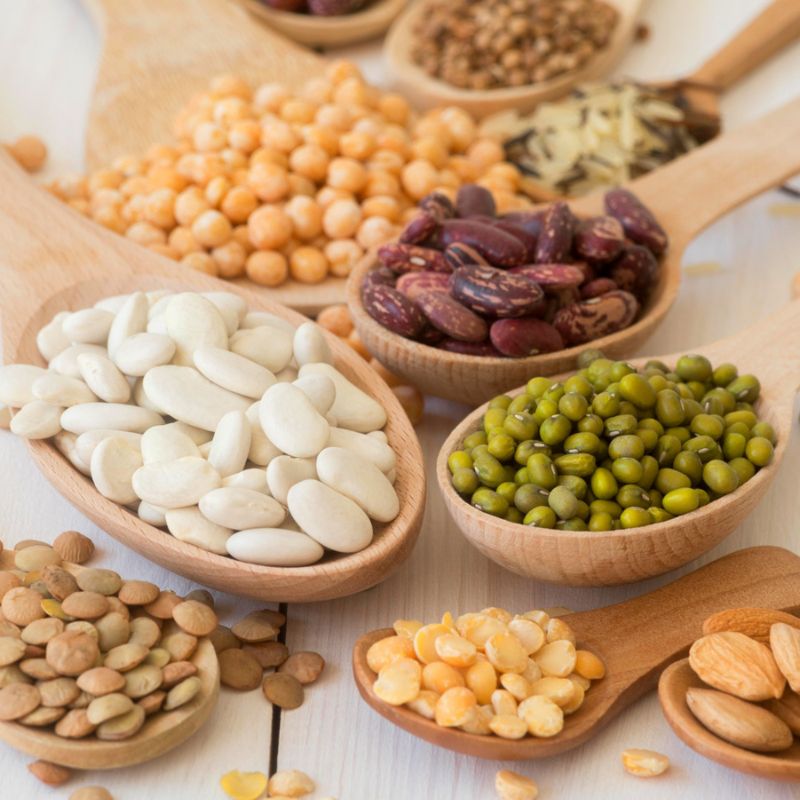
Even though legumes are a good source of protein, carbs, vitamins, and minerals, they are also good for our health in other ways. Up until now, research has focused on bioactive compounds found in legumes as an alternative to drugs used to treat a number of chronic inflammatory illnesses.
Soybean and bean are the only legumes that have been studied for their anti-inflammatory bioactive molecules. Less research has been done on legumes like lupin, alfalfa, lentil, pea, and chickpea, and only a few of those studies have looked at how they might help reduce inflammation. (Juárez-Chairez et al., 2022)
Your best anti-inflammatory bean choices are adzuki, black beans, adzuki, chickpeas (Garbanzo), lentils and black-eyed peas. Beans are a low-inflammatory source of high-quality protein as well as magnesium, potassium, folic acid, as well as soluble fibre.
They are a superb low-GI food. It is best to eat them very well cooked, and you can consume them either whole or pureed into spreads like hummus (chickpeas). If you buy them dried like me, soak them overnight first. That way you’ll remove anti-nutrients like lectins and reduce excess gas production in your gut.
Here are a few anti-inflammatory benefits of legumes and beans:

15. Mushrooms
Mushrooms are a nutritional powerhouse that offers an impressive range of health benefits, particularly in reducing inflammation and supporting immune function. These fungi are low in calories yet rich in essential nutrients, including all the B vitamins, copper, and selenium, which are often challenging to obtain through diet alone.
For those managing Candida, mushrooms can be consumed, especially Asian varieties, but it’s best to cook them well and moderate the intake of common commercial mushrooms.
The best mushrooms are shiitake, maitake, enokidake, and oyster mushrooms. Yes, you can eat mushrooms if you have Candida, but cook them well and reduce your consumption of common commercial mushrooms, go more for the Asian mushroom varieties like shiitake. You can read here about medical mycology.
Anti-Inflammatory Properties of Mushrooms:
16. Seafood
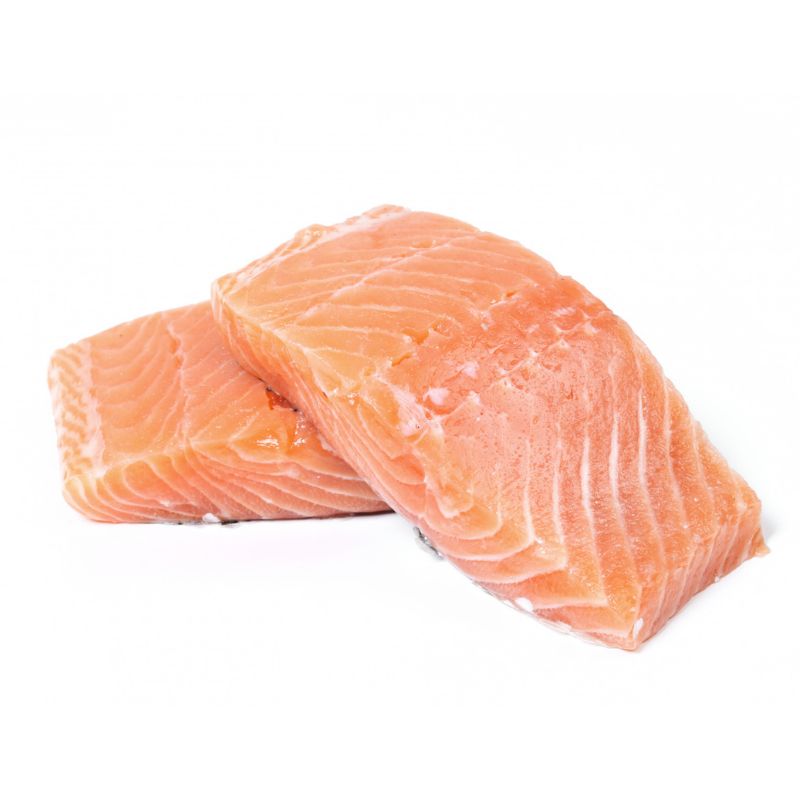
Seafood is not only a delicious and versatile component of a healthy diet but also a potent source of anti-inflammatory nutrients. Rich in omega-3 fatty acids, antioxidants, and essential vitamins, seafood plays a significant role in reducing chronic inflammation and supporting overall health.
Whether it’s fatty fish like salmon or shellfish like shrimp, seafood offers unique benefits that help lower the risk of inflammatory diseases, protect heart and brain health, and enhance immune function. Incorporating a variety of seafood into your diet is a natural and effective way to combat inflammation and promote long-term wellness.
Wild Alaskan salmon (especially sockeye), mackerel, herring, and sardines. Oily fish are rich in omega-3 fats, which has strong anti-inflammatory activity. Researchers discovered that people consuming salmon (or fish oil omega-3 supplements) experienced reductions in the inflammatory marker C-reactive protein (CRP)., (Lankinen et al., 2019), (Kavyani et al., 2022).
If you don’t like eating fish, then take an omega-3 fish oil supplement that provides both EPA and DHA. Take one capsule two to three times daily with your meals.
Here are a few anti-inflammatory benefits of seafood:
- Rich in Omega-3 Fatty Acids: Seafood, particularly fatty fish like salmon, mackerel, and sardines, is one of the best sources of omega-3 fatty acids. These healthy fats, including EPA and DHA, are powerful anti-inflammatories that help reduce chronic inflammation, lower the risk of heart disease, and alleviate symptoms of inflammatory conditions like arthritis. (Ye et al., 2018)
- High in Antioxidants: Many types of seafood, such as shrimp and shellfish, are rich in antioxidants like selenium and astaxanthin. These antioxidants help protect cells from oxidative stress, a major driver of inflammation, thereby reducing the risk of chronic diseases related to inflammation. (Yaqoob et al., 2022)
- Source of Anti-Inflammatory Nutrients: Seafood provides essential nutrients like vitamin D, zinc, and iodine, which play a critical role in modulating immune function and reducing inflammation. Vitamin D, found in fatty fish, is particularly important for controlling inflammatory responses and maintaining overall immune health. (Laing et al., 2020)
- Supports Healthy Brain Function: The omega-3 fatty acids in seafood not only reduce inflammation but also support brain health by protecting against neuroinflammation. This is beneficial in reducing the risk of cognitive decline and inflammatory brain disorders like Alzheimer’s disease. (Thomas et al., 2015)
17. Sea Vegetables
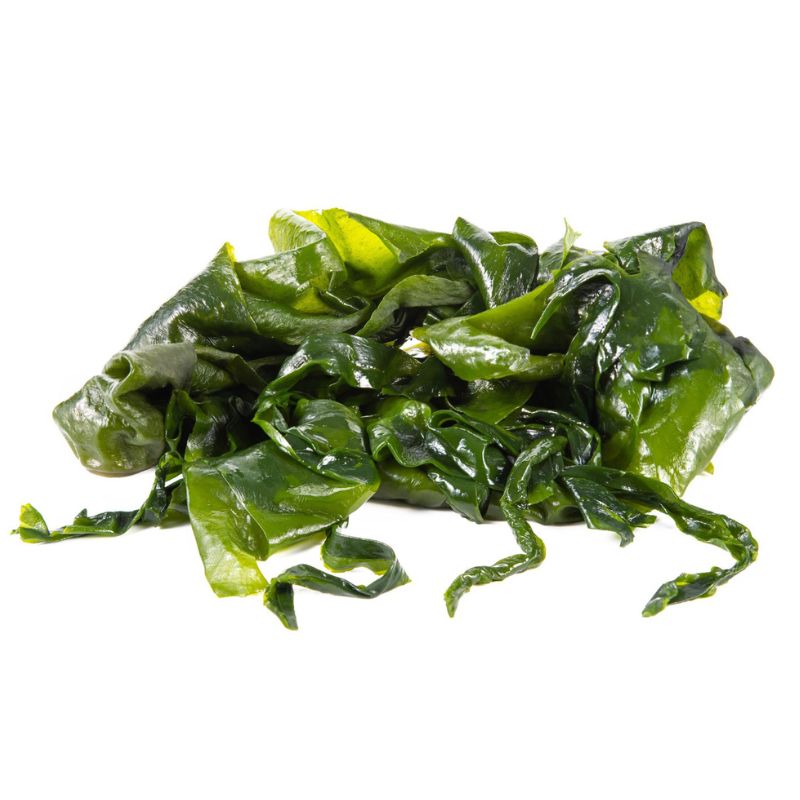
Sea vegetables, often overlooked in Western diets, are a powerhouse of nutrients and bioactive compounds that offer significant health benefits.
Among the various types of seaweeds, kombu, nori, hijiki, wakame, dulse, and kelp stand out for their exceptional mineral content, including iodine, which plays a crucial role in maintaining thyroid and immune system health.
Beyond their mineral richness, sea vegetables are gaining attention for their potent anti-inflammatory properties. Research has shown that these marine plants are a rich source of bioactive compounds, including phenolic compounds, polysaccharides, glycoproteins, polypeptides, terpenoids, and alkaloids, all of which contribute to their ability to combat inflammation effectively.
Here are a few anti-inflammatory benefits of sea vegetables:
18. Vegetables
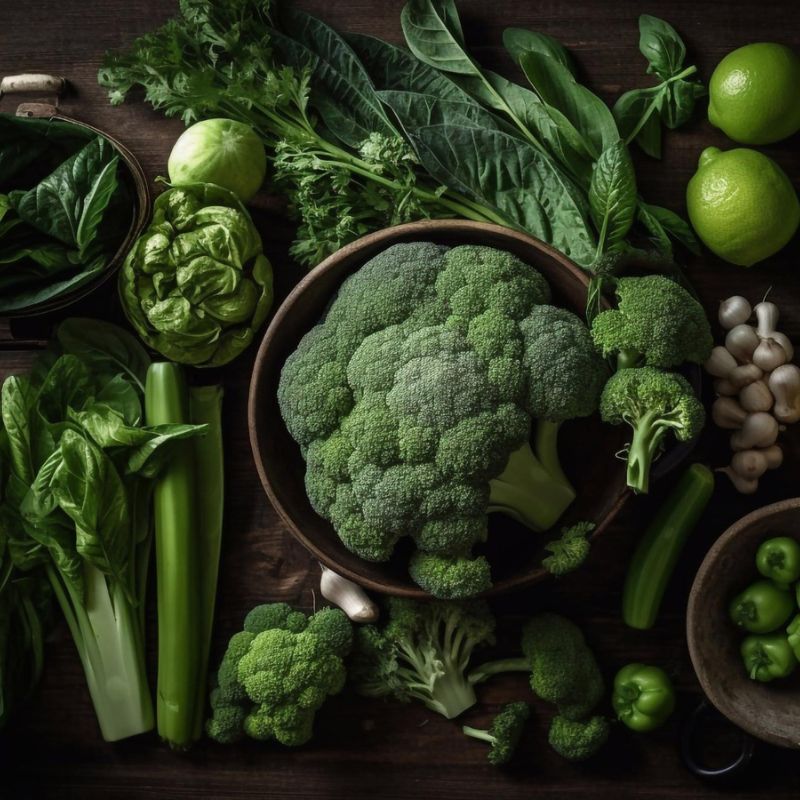
Lightly cooked (steamed) dark leafy greens (spinach, collard greens, kale, or Swiss chard), cruciferous vegetables (Brussels sprouts, broccoli, cabbage, kale, Bok choy and cauliflower), carrots, beets, onions, peas, squash, and salad greens.
Studies reveal that broccoli is very high in a nutrient called sulforaphane, an antioxidant that decreases inflammation by reducing molecules that drive inflammation in your body (cytokines and nuclear factor kappa B (NF-κB). (Santín-Márquez et al., 2019) (Nandini et al., 2020), (Ruhee et al., 2020), (Kaiser et al., 2021).
Studies suggest that higher intakes of fruit and vegetables lead to both a reduction in pro-inflammatory mediators and an enhanced immune cell profile. (Hosseini et al., 2018)
Vegetables are rich in many different phytonutrients, including flavonoids and carotenoids that have both antioxidant as well as profound anti-inflammatory properties. Choose vegetables that have a wide range of colours and try to eat them both in their raw or partially cooked form, always buy organic when possible or grow most of your own like me.
Here are a few anti-inflammatory benefits of vegetables:

19. Water
Water plays an essential role in maintaining overall health, and its benefits extend to reducing inflammation in the body. Staying hydrated by drinking pure, fresh, or filtered water throughout the day is crucial for keeping your body’s systems functioning optimally.
Whether you opt for plain water, green tea, or sparkling water with a splash of lemon or lime, maintaining proper hydration can significantly impact your body’s ability to manage inflammation.
Water not only supports digestion and keeps the bloodstream flowing smoothly, but it also helps to moderate inflammatory responses, particularly in the digestive system.
Here are a few anti-inflammatory benefits of vegetables:
20. Whole Grains
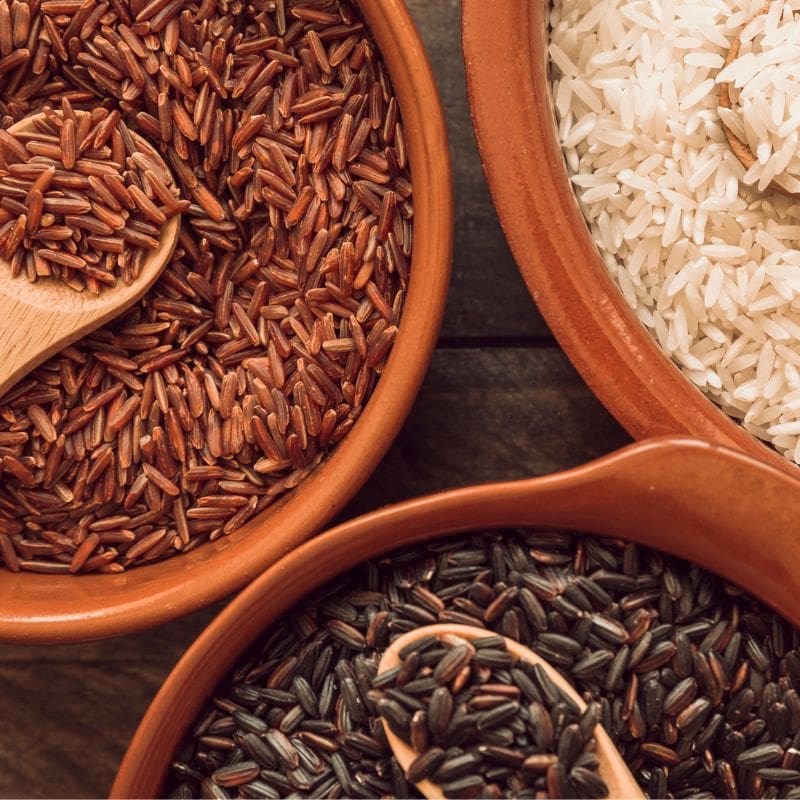
Whole grains offer a multitude of health benefits, particularly when it comes to reducing inflammation in the body. Unlike refined grains, whole grains like quinoa, amaranth, barley, brown rice, buckwheat, and steel-cut oats are packed with fiber and a variety of phytochemicals that work together to combat inflammation.
These grains digest more slowly, preventing the rapid spikes in blood sugar that can trigger inflammatory responses.
Moreover, the beneficial compounds in whole grains, along with the support they provide to gut microbiota, amplify their anti-inflammatory effects, making them an essential part of a healthy diet.
Here are a few anti-inflammatory benefits of vegetables:

21. Whole Soy Foods
Whole soy foods, such as soy milk, tofu, tempeh, and edamame, are rich in isoflavones—potent compounds with antioxidant and anti-inflammatory properties.
These foods are not only protective against certain types of cancer but also play a significant role in reducing inflammation throughout the body.
Unlike processed soy products, whole soy foods provide a natural and effective way to manage inflammation, with research suggesting that their consumption can help lower levels of C-reactive protein (CRP) and other inflammatory markers.
Choosing whole soy foods over highly processed alternatives ensures you reap the full anti-inflammatory benefits that soy has to offer.
Here are a few anti-inflammatory benefits of whole soy foods:
We hope you enjoyed this post about the best anti-inflammatory foods, please leave a comment about your views or experiences.

Eric Bakker N.D.
Greetings! I am a naturopathic physician from New Zealand. Although I’ve retired from clinical practice since 2019 after 34 years of clinic. I remain passionate about helping people improve their lives. You’ll find I’m active online with a focus on natural health and wellbeing education through my Facebook page, Reddit page and YouTube channel, including this website.