SHARE

The Problem With Ultra-Processed Food

While many people understand the difference between unprocessed and processed foods, fewer recognise what sets processed foods apart from ultra-processed foods. The distinction lies in the degree of processing, the use of additives, and how artificial these food products have become.

Ultra-processed foods are heavily refined and filled with additives like preservatives, sweeteners, and artificial flavors, making them nutritionally inferior and potentially harmful to gut health.

Does this mean all processed foods are bad? No, some processed foods can fit into a healthy diet depending on your choices. However, UPFs should be avoided due to their poor nutritional quality and harmful effects. For instance, the British Medical Journal reports that UPFs make up 58% of the average American’s calorie intake and contribute nearly 90% of added sugar consumption, making them a significant driver of health problems (Steele 2010).

For optimal gut health as you age, cutting back on ultra-processed foods (UPFs) is crucial. Research consistently shows that diet significantly influences disease risk and our overall health by shaping our gut microbiome (Armet 2022).

By understanding the difference between processed foods and UPFs, it becomes clear why reducing UPFs is essential for long-term health. A Mediterranean-style diet, rich in fresh, whole foods and minimally processed options, offers a strong foundation for supporting the gut and overall well-being.

What Are Processed Foods?
According to the USDA, (United States Department of Agriculture) processed foods are foods that have undergone changes from their natural state. When we talk about “changes”, it may simply include washing freshly grown produce, as an example let’s say potatoes. This implies a bag of potatoes from your local grocery store would become a “processed food”. But if those potatoes are deep-fried and become French fries, they become highly-processed.

Processed foods are any food products that have undergone a change from their original state. These changes can include washing, cutting, freezing, cooking, or packaging to make food more convenient or preserve it longer (Harvard T.H. Chan). It is important to remember the word “processed food” is a very broad term, and includes any raw agricultural commodity even including grains, seeds, nuts, fruits and vegetables.

Examples include canned vegetables, frozen fruits, whole-grain bread, and pasteurised milk. These minimally processed foods often retain much of their nutritional value and are generally considered healthy.

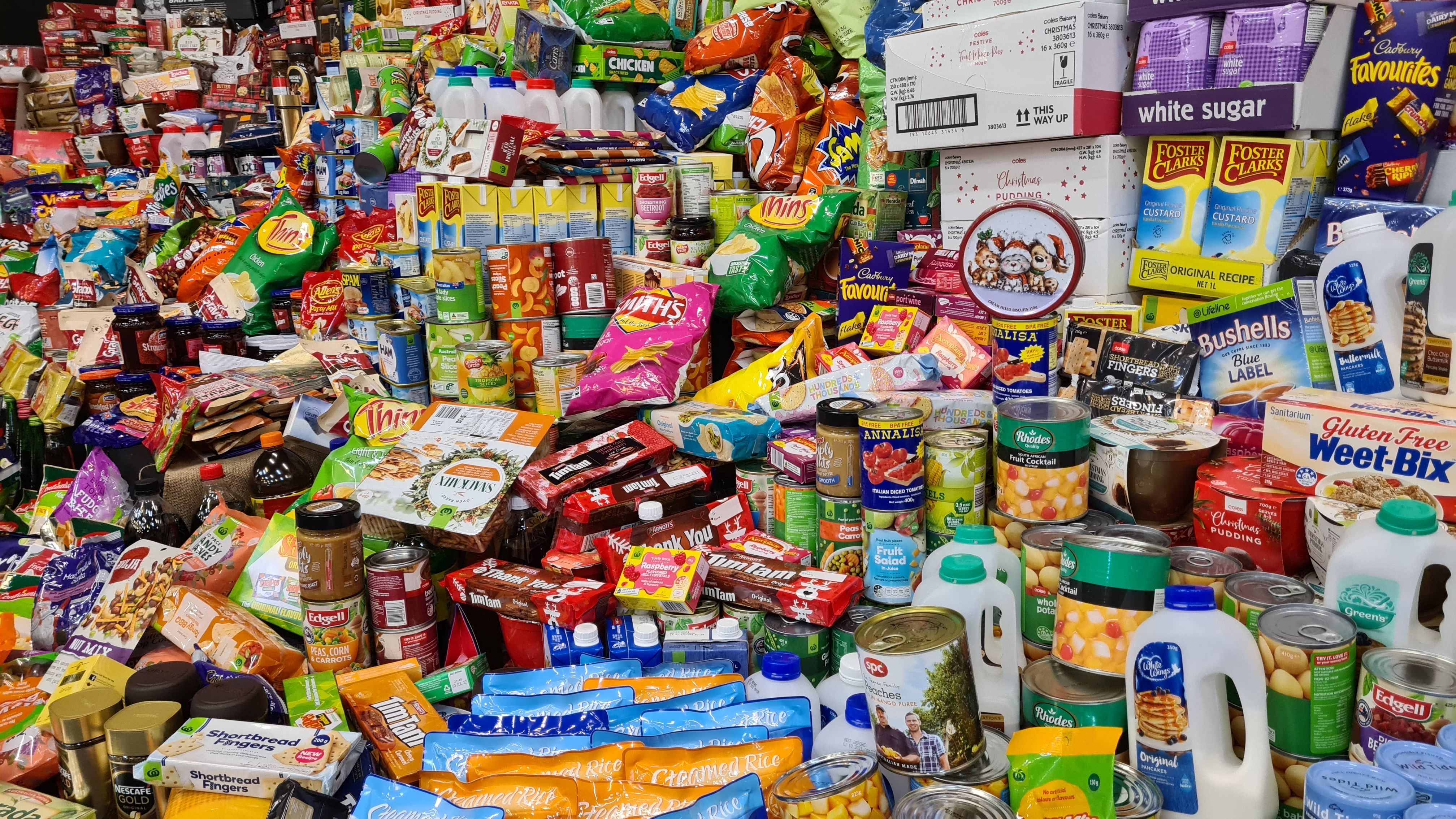
In contrast, ultra-processed foods (UPFs) go through extensive industrial processes and often include added sugars, unhealthy fats, salts, preservatives, and artificial ingredients. Examples of UPFs include soft drinks, packaged snacks, instant noodles, and ready-made meals.

While convenient and often tasty, these foods are linked to adverse health outcomes such as obesity, cardiovascular disease, and diabetes. They often lack fibre, micronutrients, and bioactive compounds while being calorie-dense and nutrient-poor.

Examples of Processed Foods

These foods undergo basic preparation methods to improve shelf life, safety, or convenience while retaining their natural form and nutritional quality. Processed foods vary widely in their level of processing and nutritional value. Understanding the differences between minimally processed and highly processed foods is essential for making informed dietary choices.

Examples include:

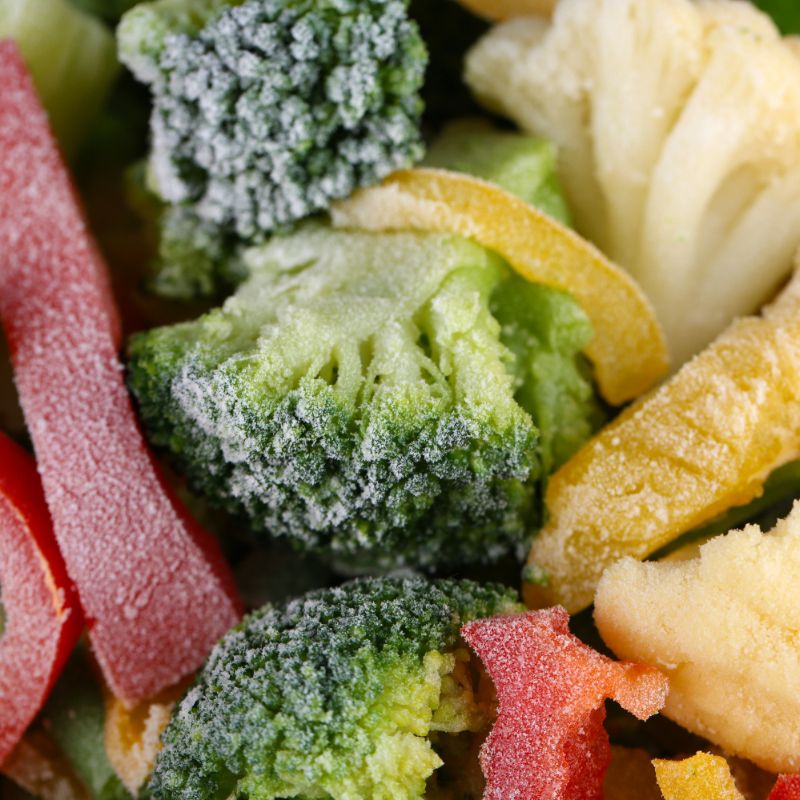
  • Frozen Vegetables: Harvested, cleaned, chopped, and snap-frozen without added ingredients. These maintain virtually all their vitamins and minerals.
  • Whole-Grain Bread: Bread made with whole grains, minimal additives, and no artificial preservatives. Look for options with very short ingredient lists.
  • Canned Fish: Options like tuna, salmon, or sardines packed in water or olive oil, without added salt or preservatives. These are high in protein and omega-3 fatty acids.
  • Fermented Foods: Examples include Greek yogurt, sauerkraut, Kimchi, sourdough bread.
  • Fresh Nuts: Nuts that have been dried and packaged. Look for fresh unsalted nuts.
  • Pasteurised Milk: Milk that has been heat-treated to kill harmful bacteria while preserving nutrients like calcium, protein, and vitamin D.

These foods are often considered healthy and form the foundation of many balanced diets, including the Mediterranean diet. Other minimally processed foods not listed include canned tomatoes and beans.

Take-Aways

  • Prioritise minimally processed foods like fresh fruits, vegetables, and whole grains.
  • Avoid processed foods that contain added sugars, unhealthy fats, salt, and any artificial additives.
  • Check processed food labels for hidden additives like high-fructose corn syrup or hydrogenated oils.
  • Incorporate home-cooked meals and unprocessed snacks like fresh fruits or nuts into your diet.
  • Adopt a Mediterranean-style diet with an emphasis on whole foods and healthy fats.
  • Limit intake of packaged, ready-to-eat foods high in sodium and refined carbohydrates.

Articles of Interest


What Are Ultra-Processed Foods?

Shelves in a grocery store display various brands and types of margarine and butter in plastic tubs, highlighting the essential oils and fats that play crucial roles in our bodies.

Almost all foods we consume undergo some level of processing, but not all processed foods are created equal. The key lies in the degree of processing.

For example, roasting potatoes or grilling chicken (minimally processed) retains much of the food’s natural quality, while deep-fried French fries and chicken nuggets with flavoured seasonings (ultra-processed) are far removed from their original state.

Similarly, raw nuts are a healthy snack (minimally processed), but honey-coated roasted peanuts with artificial additives are considered ultra-processed.

Minimally processed foods often undergo light processing such as washing, chopping, freezing, or canning without losing their core nutritional value. In contrast, ultra-processed foods are highly modified, often incorporating artificial flavours, sweeteners, colours, preservatives, and emulsifiers that dramatically alter their composition.

Minimising ultra-processed food intake can have significant health benefits, as these foods are linked to obesity, cardiovascular diseases, diabetes, and other chronic conditions.

Natural Sugars Don’t Pose A Health Threat

Why Avoid White And Refined Sugar?

UPS often contain refined sugars, and what matters most is the kind of sugars you eat, because not all forms of sugar need to be avoided.

Do these sugars come from natural sources, for example, are they refined – man-made – or artificial forms of sugar? In recent decades, sugar has become a ubiquitous ingredient, and one of the most commonly used ingredients in desserts, tea, milk, juices, shakes, dairy products, coffee, and bakery products worldwide.

  • Refined Sugars Linked With Many Diseases:
  • Despite its widespread use, it poses a significant threat to human health. Many health issues, like obesity, metabolic syndrome, diabetes, dental caries, digestive issues, high cholesterol and blood pressure, and even cancer, have all been linked to refined sugar consumption. Research has repeatedly demonstrated that a sucrose-enriched diet impairs gut barrier function, increases inflammatory tuning of the immune system, and predisposes to intestinal inflammation. (Fajstova et al., 2021)
  • Candida albicans and dysbiotic bacteria
  • They prefer to consume refined carbohydrates like sugar to reproduce and thrive, taking up residence in your gut, and make the biofilms that keep your immune system from killing it (Nobile et al., 2015).   
  •   Nutrient Dense, Not Energy Dense:                                                          
  • Studies have repeatedly shown that that shifting diets from energy dense (foods high in refined sugar) to nutrient dense (foods high in nutrients, deep leafy green vegetables, etc.) can have an most beneficial effect on reducing risk of developing many chronic diseases, and helping to keep life expectancy, but also quality of life, high. (Troesch et al., 2015).
  • Naturally Occurring Sugars Are A Substitute:
  • Naturally occurring sweeteners like stevia, honey, and xylitol are among the recommended alternatives we recommend. These alternatives not only provide sweetness but also contain essential vitamins, minerals, phytochemicals, antioxidants, and other beneficial substances that contribute to overall gut health and well-being. Unlike refined white sugar, these natural sweeteners do not pose harm little if any human health and offer several additional health benefits.
  • Natural Sugars Don’t Pose A Health Threat:
  • Do certain sugar varieties offer better health benefits? According to Harvard Health Publishing, unlike refined white sugar, consuming natural sugars found in foods like fruits is not associated with adverse health effects for most people. This is because the sugar content is typically modest and comes “packaged” with fibre and other beneficial nutrients. Our bodies don’t require nor gain benefits from the consumption of any added sugars. To prevent these health concerns, replace refined man-made sugars with healthier, more natural alternatives. (Ashwell 2015)

Do certain sugar varieties offer better health benefits? According to Harvard Health Publishing, unlike refined white sugar, consuming natural sugars found in foods like fruits is not associated with adverse health effects for most people. This is because the sugar content is typically modest and comes “packaged” with fibre and other beneficial nutrients. Our bodies don’t require nor gain benefits from the consumption of any added sugars. To prevent these health concerns, replace refined man-made sugars with healthier, more natural alternatives. (Ashwell 2015)

According to a study in the British Medical Journal, ultra-processed foods account for 58% of the calories consumed in the United States and contribute nearly 90% of added sugar intake (Steele et al., 2016).

Sugar Builds Strong and Powerful Candida Biofilm

Sucrose plays a significant role in strengthening and promoting Candida biofilm formation, creating a dense exo-polysaccharide matrix that aids the fungus in surviving nutrient-poor conditions (Uppuluri et al., 2010). . Research shows that high sugar levels repress Candida’s ability to change shape (morphogenesis) but stimulate biofilm growth, while low sugar levels induce hyphae formation, which is essential for biofilm structure, adherence, and nutrient acquisition .(Maidan et al., 2005).

Sucrose also drives the development of complex, acidic biofilms that incorporate both bacterial and fungal cells, whereas biofilms formed in the presence of glucose or fructose alone tend to be less structurally integrated and less acidic (Negrini et al., 2022). Studies further reveal that sucrose enhances Candida’s growth, adhesion, and biofilm development, making it a key factor in the resilience of Candida infections (Tomé et al., 2017).

Reducing sucrose intake, combined with the use of anti-fungal foods and supplements like garlic, berberine, and enzymes, can help disrupt biofilm formation and support more effective treatment outcomes (Weerasekera et al., 2017).

  • Sucrose and Biofilm Formation:
  • Studies show sucrose significantly enhances Candida biofilm development, creating a dense exo-polysaccharide matrix that aids survival under nutrient-poor conditions.
  • High Sugar vs. Low Sugar Conditions:
  • High sugar levels repress Candida morphogenesis but promote biofilm growth.
  • Low sugar levels induce hyphae formation, crucial for biofilm structure and nutrient acquisition (Maidan et al., 2005b).
  • Sucrose and Microbial Interactions:
  • Sucrose promotes complex, acidic biofilms involving both bacterial and fungal cells (Negrini et al., 2022).
  • Glucose and sucrose, individually or combined, enhance Candida growth, adhesion, and biofilm formation (Weerasekera et al., 2017).
  • Dietary Implications:
  • Reducing sucrose intake can disrupt Candida biofilm formation.
  • Anti-fungal foods and supplements (e.g., garlic, berberine, enzymes) can help break down biofilms and improve treatment outcomes.

Understanding the role of sucrose and adopting a low-sugar, anti-fungal diet is essential for addressing Candida biofilms effectively.

Characteristics of Ultra-Processed Foods

  • High Additive Content: Includes artificial preservatives, emulsifiers, sweeteners, and colorings.
  • Low Nutritional Value: Often stripped of fibre, vitamins, and minerals, with high amounts of sugar, sodium, and unhealthy fats.
  • Heavily Industrialised: Designed for convenience, long shelf life, and taste enhancement, often at the expense of health.
  • Highly Palatable: Engineered to be super-tasty which can promote overeating and disrupt satiety.

Examples of Ultra-Processed Foods

  • Beverages: Soda, energy drinks, fruit juices, sweetened plant-based milks, sugary coffee drinks.
  • Dairy Products: Ice cream, sweetened yogurt, and processed cheeses.
  • Snacks: Chips, pretzels, microwave popcorn, salted nuts, cookies, and doughnuts.
  • Breakfast Items: Sugary cereals like Frosted Flakes or Cinnamon Crunch.
  • Prepackaged Meals: Frozen pizza, TV dinners, and boxed pasta meals.
  • Reconstituted Meat: Chicken nuggets, hot dogs, salami, and sausages.
  • Convenience Mixes: Powdered soups, gravy packets, and curry meal kits.
  • Sweets: Candy, Jell-O, and confectioneries, chewing gum..
  • Meal Replacements: Protein powders, muesli bars, weight-loss bars, and meal replacement shakes.

Why Avoid UPFs In Your Diet?

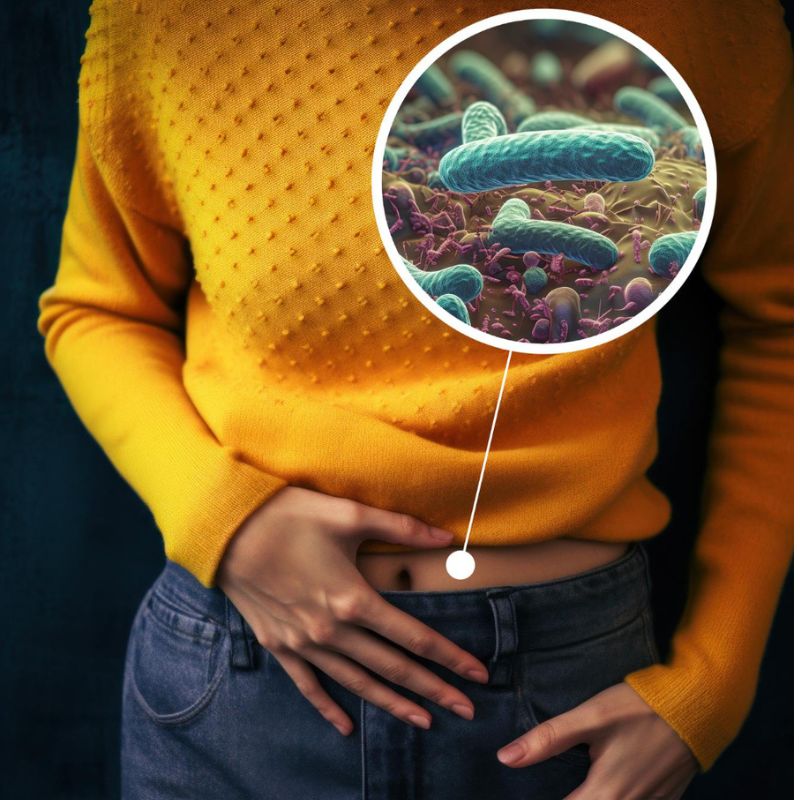
Person in a yellow sweater and jeans with a graphical insert showing bacteria, implying a focus on gut health or microbiology.

Researchers speculate that long-term or permanent exposure of our gut microbiota to even low levels of modern food additives may modify the composition and function of our gut microbiota, and thus influence our immune system.

By focusing on minimally processed or whole foods such as fresh fruits, vegetables, nuts, seeds, whole grains, and lean proteins, we can build a diet that promotes long-term health while avoiding the pitfalls of highly processed diets. Let’s now look at 3 key studies that explain why consuming UPF foods regularly long-term is unsafe:

3 Key Studies Show UPF Consumption Harm

  • BMJ Study on Mortality
  • Research published in the British Medical Journal found that those who consumed high amounts of ultra-processed foods had an increased risk of dying from any cause compared to those who avoided them. This study highlights the long-term risks of a diet dominated by UPFs (Campà 2019).
  • JAMA Study on Type 2 Diabetes
  • A study published in JAMA Internal Medicine revealed that individuals who consumed high levels of ultra-processed foods were more likely to develop type 2 diabetes. The study linked the high glycemic index and unhealthy fats found in UPFs to insulin resistance (Srour 2019).
  • NIH Study on Caloric Overconsumption
  • In a randomised controlled trial by the National Institutes of Health, participants who consumed a diet rich in processed foods ate 500 more calories per day than those who ate mostly whole, unprocessed foods. This significant increase in caloric intake was linked to weight gain, highlighting how processed foods contribute to overeating (Hall 2019).

Key Mechanisms of UPF Harm

The growing body of research on ultra-processed foods (UPFs) reveals several mechanisms by which they negatively impact our health.

Here’s why it’s crucial to reduce or eliminate UPFs from our diet:

  • Metabolic Endotoxemia
  • UPFs trigger a chronic inflammatory process starting in the gut, leading to systemic inflammation. This condition, known as “metabolic endotoxemia”, is linked to various chronic inflammatory diseases, such as type 2 diabetes, heart disease, and even some cancers (Mohammad 2021).
  • Systemic Low-Grade Inflammation
  • The consumption of food preservatives and additives has been proposed to increase intestinal permeability (leaky gut), contributing to systemic low-grade inflammation. This process has been implicated in the rise of autoimmune diseases, especially in Western populations over the past few decades (Fasano 2005).
  • Development of Metabolic Dysregulation
  • Regular consumption of ultra-processed foods is associated with metabolic disorders such as diabetes, heart disease, and cancer. These foods often contain unhealthy fats, refined sugars, and other ingredients that disrupt the body’s natural metabolic balance (Elizabeth et al., 2020).
  • Excessive Energy Intake Leading to Obesity
  • UPFs are calorie-dense but nutrient-poor, contributing to overeating and weight gain. This excess energy intake is a major factor in the rising rates of obesity, which in turn increases the risk of several chronic conditions, including cardiovascular diseases and type 2 diabetes (Monda et al., 2024).

Let’s look at a few relevant studies on UPFs and health:

  • UPFs Trigger Low-Grade Inflammation:
  • The environment created in the gut by ultra-processed foods, a hallmark of the Western diet that are recognised as trigger factors for low-grade systemic inflammatory and oxidative changes, favour the development of neurodegenerative diseases like Alzheimer’s disease. (Leo et al., 2020).
  • UPFs may be Linked To Allergies and Auto-Immune Disease
  • Some researchers believe the effect of our additive-modified gut microbiota on our immune system functioning could explain to a degree the increasing incidence of allergies and autoimmune diseases. (Hrncirova et al., 2019).
  • UPFs Linked with Metabolic Syndrome and Obesity:
  • Scientific evidence shows the association between UPF consumption and adverse health outcomes, including inflammatory gastro-intestinal disorders and obesity. The gut microbiota has been suggested as potential mediator of the effects of UPF consumption on metabolism and health (Atzeni et al., 2020).
  • High UPF Consumption Linked To An Increase in All-Cause Mortality:
  • The findings indicated that a greater intake of ultra-processed foods (exceeding 4 servings daily) was linked to a 62% higher risk of all-cause mortality in comparison to lower consumption (less than 2 servings per day). (BMJ 2019)
  • UPF Food Intake Linked To Anxiety and Depression:
  • Higher consumption of ultra-processed foods is strongly associated with poor mental health and cognitive decline. A study of 11,000 adults over ten years found that individuals consuming more than 20% of their calories from ultra-processed foods experienced a 28% faster decline in cognitive functions like memory, reasoning, and problem-solving compared to those with lower intakes. Additionally, frequent consumption of processed foods was linked to increased anxiety, depression, and mentally unhealthy days. (Hecht et al., 2022)

Convenient, Affordable, and Highly Addictive

A man with a stained white t-shirt bites into a pizza slice while sitting on a couch. An open pizza box and two beer bottles are on the table in front of him.

Many people continue consuming ultra-processed foods (UPFs) due to their convenience, affordability, and highly addictive qualities, despite their lack of health benefits. These foods are designed to be easy, tasty, and ready-to-eat, which appeals to busy lifestyles. However, they can significantly harm our health over time.

Once people eliminate highly processed foods from their diet for several weeks or months, their cravings for these products often fade. This shift occurs as the gut microbiome becomes healthier and more balanced, promoting beneficial bacterial colonies. These bacteria thrive on real, nutrient-dense foods rather than artificial additives and refined ingredients.

As a result, many people lose the taste for highly-processed foods and feel physically uncomfortable if they attempt to return to their old eating habits, such as indulging in chips or chicken nuggets with dips. This discomfort can include bloating, sluggishness, or feeling mentally unwell.

Over time, continued reliance on UPFs negatively affects both our mental and physical health. Studies show that such diets can impair cognitive function, increase anxiety and depression, and promote chronic diseases like obesity and diabetes.

Moreover, UPFs contribute to gut dysbiosis, fostering harmful microbes while suppressing beneficial ones, leading to long-term damage to digestion, immune function, and overall well-being. Cutting out UPFs not only helps reverse these effects but also restores the body’s natural ability to crave and thrive on whole, nutrient-dense foods.

Ultra-Processed Foods as Addictive Substances

Group of friends with varied reactions to a plate of snacks at a gathering.

Ultra-processed foods (UPFs) are deliberately engineered for maximum taste, texture, and shelf life. They are loaded with industrial-grade chemicals, artificial additives, and flavour enhancers that are not typically found in home kitchens. These foods often include artificial sugars, unhealthy fats, preservatives, stabilisers, and agents to modify texture, colour, and flavour. Their design is highly intentional—to be irresistible and, for some, addictive.

Recent studies argue that UPFs meet criteria to be classified as addictive substances, similar to tobacco products. They are described as “industrially mass-produced and sensory-enhanced edible substances” rather than actual foods because they bear little resemblance to whole, unprocessed items (McManus 2020).

The addictive potential of UPFs, combined with their low cost and heavy marketing, contributes significantly to global health issues like obesity, diabetes, and heart disease. One review called UPFs “toxic and ready for regulation,” urging significant sugar reduction as a necessary measure for public health (Lustig 2020).

The addictive nature of UPFs lies in their engineering. Scientists and food psychologists craft these foods to trigger the brain’s reward system through enhanced taste, smell, and texture. This makes them difficult to stop eating and leads to overconsumption of calories. Research highlights how this addiction to UPFs is a major factor driving the high public health costs associated with obesity and diet-related diseases. Their design ensures they are not only palatable but habit-forming, perpetuating a cycle of dependency (Gearhardt 2022)

The evidence underscores that breaking away from UPFs is essential for better health. Their addictive characteristics, combined with low nutritional value and potential to drive chronic illnesses, make them a critical focus in improving diet quality worldwide.

Ultra-Processed Foods and Gut Health

An older man with a beard appears frustrated, holding a phone and yelling at a cluttered desk, while blurred people move quickly in the background in a busy office setting.

An increasing body of research shows that ultra-processed foods (UPFs), which are typically high in sugar, unhealthy fats, and artificial additives, can negatively impact the gut microbiome.

These foods are manufactured in ways that disrupt the balance of trillions of bacteria in the intestines, promoting the growth of harmful microorganisms. This imbalance, known as dysbiosis, is linked to a range of chronic diseases, including inflammatory bowel disease and irritable bowel syndrome. (Madhogaria 2022)

Refined sugars and additives in UPFs feed harmful bacteria and fungi in the gut, including Candida, which can lead to inflammation and other digestive issues. A study demonstrated that diets rich in refined sugars can disrupt the gut microbiota, contributing to poor health through various mechanisms, including the promotion of chronic diseases and weight gain (Satokari 2020). The symptoms of dysbiosis are often ignored but are key signals from the gut microbiota.

Common dysbiosis signs include:

  • Cravings for sweet foods or alcohol
  • Persistent bloating, cramping, or gas
  • Difficulty controlling appetite and weight
  • Fluctuating energy levels
  • Recurring bacterial or yeast infections

Key Takeaways

  • Highly processed foods are linked to gut dysbiosis, which increases the risk of chronic gut diseases.
  • Refined sugars in UPFs feed harmful bacteria and fungi, causing inflammation in the gut.
  • Dysbiosis can lead to symptoms like bloating, food cravings, and difficulty managing weight.
  • Gut microbiome harm: Consuming large amounts of sweet, highly processed foods may harm the microbiome and increase disease risk.
  • Nutrient dense foods: Restoring a balanced microbiome requires reducing intake of UPFs and focusing on whole, nutrient-dense foods.

Ultra Processed Foods Linked With Poor Mental Health

An older man with a beard appears frustrated, holding a phone and yelling at a cluttered desk, while blurred people move quickly in the background in a busy office setting.

Historically, mental health and nutrition were closely linked, but the rise of pharmaceutical treatments in the 20th century shifted focus away from diet-based interventions.

However, recent research highlights how diets rich in ultra-processed foods can negatively impact mood, cognition, and overall mental well-being. A study demonstrated a clear association between UPF consumption and an increased risk of depression, emphasising the importance of considering the “non-nutritional aspects” of diet for mental health (Adjibade 2019).

Ultra-processed foods create a poor gut environment, which is now understood to influence brain health through the gut-brain axis. This connection between gut health and mental function reveals how poor diets contribute to systemic inflammation and oxidative stress, conditions linked to neurodegenerative diseases like Alzheimer’s and Parkinson’s, as well as mood disorders like anxiety and depression. (Leo 2020).

Emerging research also links nutrition to societal issues such as rising rates of violence and aggression. Nutritional deficiencies associated with high-UPF diets may exacerbate mental health challenges, hinting at the potential for diet-focused public health strategies to mitigate these crises (Kaplan 2022).

Key Takeaways

  • Ultra-processed food consumption is linked to a higher risk of depression.
  • Poor diets contribute to systemic inflammation, oxidative stress, and neurodegenerative diseases.
  • The gut-brain axis underscores how gut health directly influences mental health.
  • High-UPF diets are associated with societal issues such as aggression and violence.
  • Incorporating whole foods into public health initiatives may improve mental health outcomes.

Rethinking Our Diet in Favour of a Healthy Microbiome
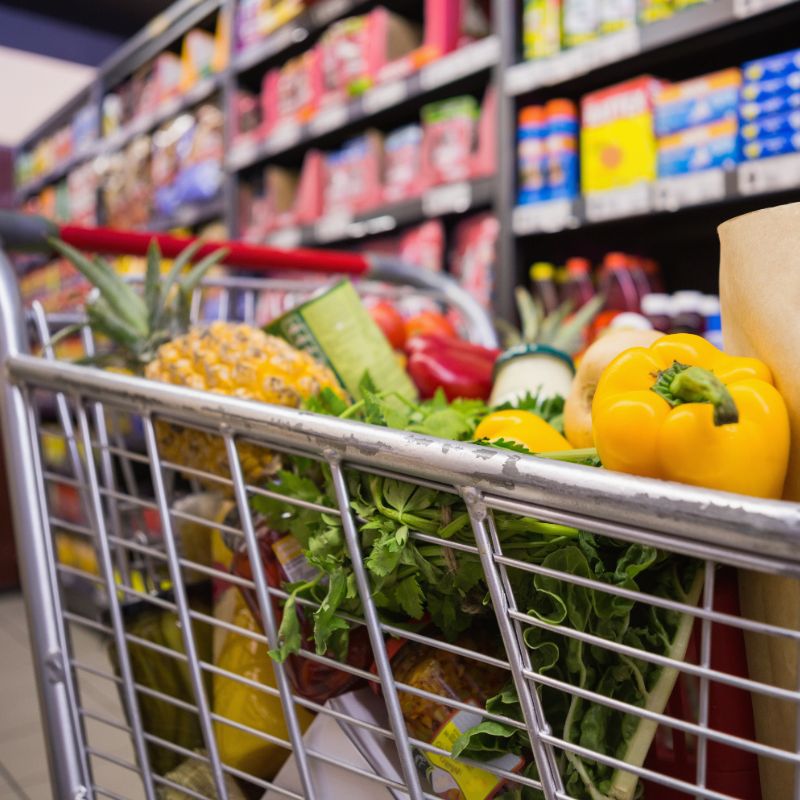
Are your food choices influenced by marketing? A study involving nearly 90,000 supermarket food advertisements found that 45.7% promoted ultra-processed foods (UPFs), while only 5.1% featured minimally or unprocessed foods.

This shows how advertising skews consumer choices toward unhealthy options. UPFs may smell and taste good, but remember—they’re designed to be addictive and appealing, often at the expense of your health (Zhong 2022).

The health impacts of UPFs are well-documented. A systematic review of 43 studies identified a strong link between UPF consumption and various diseases, including obesity, type 2 diabetes, cancer, cardiovascular diseases, depression, and even increased all-cause mortality. Remarkably, no studies reported positive health outcomes associated with UPFs (Elizabeth 2020).

Our gut microbiome, a critical component of overall health, is particularly vulnerable to the negative effects of UPFs. The microbiome is often described as the “black box” of nutritional research due to its complexity and significant influence on our well-being.

UPFs disrupt the balance of beneficial bacteria, while whole foods support a thriving gut microbiome, improving digestion, immunity, and mental health. Shifting away from UPFs to a whole foods-based diet is key to nurturing this intricate system.

Conclusion: The Risks of Ultra-Processed Foods

While both processed and ultra-processed foods involve some level of preparation, UPFs are far more detrimental to health. They are extensively modified, often containing artificial additives and sugars that disrupt the gut microbiome, contribute to chronic disease, and promote overeating.

That’s why I recommend the Foundation diet—focused on whole, raw, and minimally processed foods—as a healthier long-term choice. Reducing UPF intake can help improve overall health and prevent chronic diseases associated with diet.

How You Limit UPFs In Your Life

Here are some of my favourite tips and and effective strategies to help limit processed foods in our family’s diet allowing us to make healthier choices that support our microbiome. I’d like you try following many, if not most of these points. You’ll build better gut health and feel amazing!

  • Try Forward Planning Your Meals:
  • Planning your meals in advance can help you avoid reaching for processed foods when you’re hungry and in a rush. Prepare a weekly meal plan and create a shopping list to ensure you have wholesome ingredients on hand. Studies find meal planning was associated with a healthier diet and a lot less obesity. (Ducrot 2017)
  • Cook at Home Is Always Best:
  • Cooking your meals from scratch gives you complete control over the ingredients and cooking methods. Go for simple recipes that incorporate whole, unprocessed foods like fruits, vegetables, lean proteins, and whole grains. Research has found more frequent cooking at home is associated with better diet quality overall and among lower and higher-income adults in the USA. (Wolfson 2020)
  • Read Food Labels Carefully:
  • When purchasing packaged foods, read ingredient labels carefully. Avoid ultra-processed food products that contain long lists of artificial additives, preservatives, and high levels of added sugars and unhealthy fats. Did you know more than 50 percent of people never read food labels? A recent study found almost 60 percent of consumers don’t understand or read any food labels. (Goyal 2018).
  • Shop Around the Store Perimeter:
  • In most grocery stores or supermarkets, you’ll find those fresh and minimally processed foods like fruits, vegetables, lean meats, and dairy are around the perimeter. Focus your shopping in these areas and minimise time in the centre aisles, which often contain highly-processed food and drink items. According to Grand View Research, Millennials remain the main consumers of fruits and vegetables (and meal kits) in the U.S. due to their increased digital presence. (GVR 2023)
  • Don’t Shop For Food When Hungry:
  • Some people may have already heard this – to only go grocery shopping for food after you’ve eaten. Never shop when very hungry, it will influence your purchases, I guarantee, a study has even found shopping when hungry influences non-food purchases. (Xu 2015).
  • Always Choose Whole Grains:
  • Swapping out ultra-processed foods for whole grains is one of the simplest ways to cut back on both how much you eat, and how much processed food you eat. Swap refined grains like white pasta, white rice, and white bread, and tortillas for whole grains like brown rice, whole grain pasta and whole meal bread, and wholemeal tortillas. A review involving 21 studies over more than 30 years found nutrients, like fibre, minerals, and different vitamins found in whole grains help prevent many common chronic diseases. (McRae 2017).
  • Stock Up on Healthy Snacks:
  • Keep your kitchen stocked with healthier snack options such as nuts, seeds, Greek yogurt, fresh fruit, and cut-up vegetables. This way, you’re less likely to grab processed snacks when hunger strikes. Results of a study showed that hunger and temptation of buying ultra-processed foods were reported as a reason for eating unhealthy snacks in more than half of all cases. Eating because the person was feeling fed up, bored or stressed (emotional eating) was given as a reason in over a quarter of episodes. (Cleobury 2014).
  • Grow Some of Your Own Food:
  • By growing some or all of our own food, we can significantly limit our intake of ultra-processed foods in several ways. When we grow fruits, vegetables, and herbs, we have access to fresh, whole foods straight from the garden. These unprocessed, natural foods are rich in nutrients, lack the additives including many unwanted chemicals found in ultra-processed options. Growing your own food gives us complete control over what goes into our meals.

Home Grown Is Always Best

We often choose UPFs just for their convenience. By growing some of our own food, we become less reliant on pre-packaged and ultra-processed food, encouraging the preparation of home-cooked meals using whole ingredients.

We also know where our food comes from, a connection that can lead to a greater appreciation for healthy whole foods. When we grow our own food, we are encouraged to eat more seasonally, consuming produce when it’s at its freshest and most nutritious. Homegrown fruits and vegetables typically have higher fibre content as well.

I hope this article has inspired you towards taking steps in eliminating UPFs from your diet, and instead – choosing fresh, whole foods. Thank you for reading this page, please leave a comment with your views on ultra-processed foods.

Man with glasses smiling outdoors.

Eric Bakker N.D.

Greetings! I am a naturopathic physician from New Zealand. Although I’ve retired from clinical practice since 2019, I remain passionate about helping people improve their lives. You’ll find I’m active online with a focus on natural health and wellbeing education through my Facebook page and YouTube channel, including this website.

Similar Posts

Leave a Reply

Your email address will not be published. Required fields are marked *