SHARE
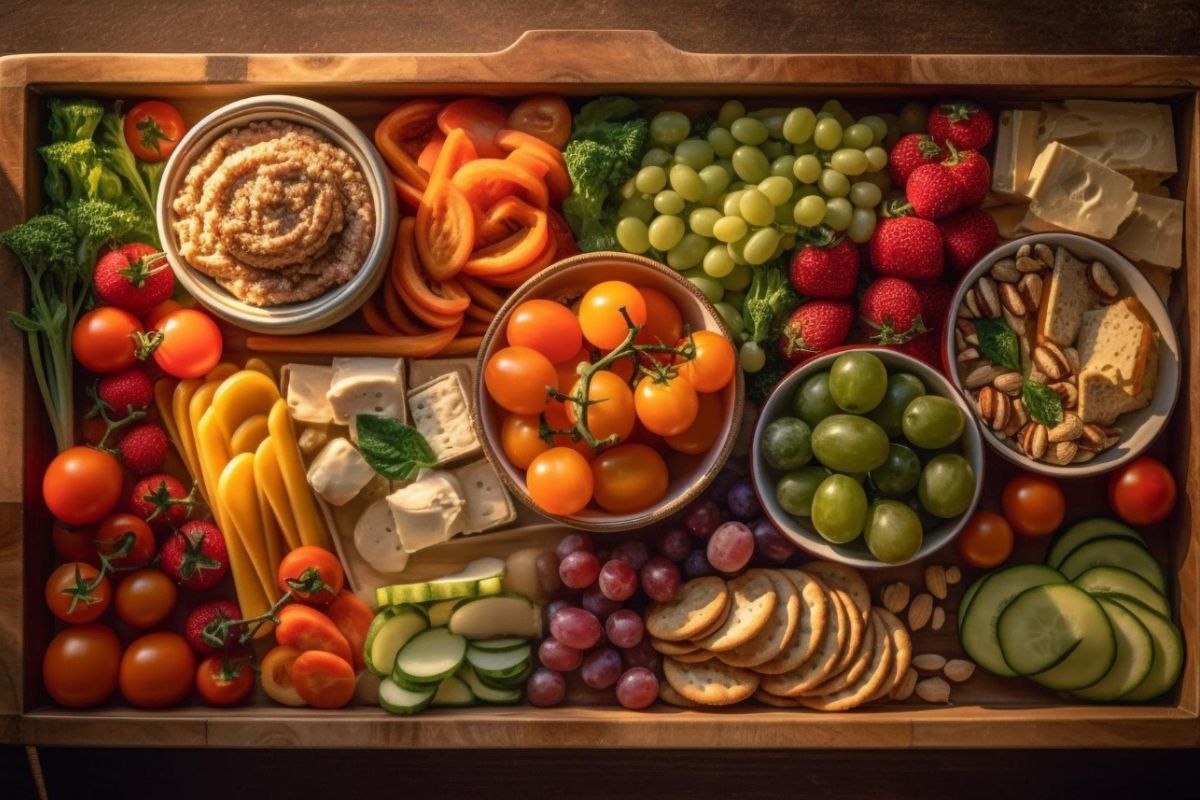
A wooden tray filled with various fruits, vegetables, cheese, crackers, and a dip. Items include cherry tomatoes, grapes, strawberries, cucumbers, bell peppers, nuts, and a bowl of hummus.

Healthy Snack Ideas

Healthy snacking means choosing smaller portions of nutritious foods between meals, and when done correctly, it can be an important part of a balanced diet. Opting for snacks high in protein, fibre, and healthy fats can help keep you full, curb cravings, and maintain steady energy levels throughout the day.

While research on whether snacking directly contributes to weight loss is mixed, some studies suggest that eating smaller, nutrient-dense meals more frequently may help regulate blood sugar levels and prevent overeating at main meals. Snacking also provides a great opportunity to incorporate more fruits, vegetables, and whole foods into your diet—nutrients that many people struggle to consume in sufficient amounts.

However, not all snacks are created equal. Highly processed, sugary, or refined carbohydrate-heavy options can lead to energy crashes and increased cravings. The key to smart snacking is making mindful choices that nourish your body while supporting your weight loss goals. Let’s explore these concepts in this page.
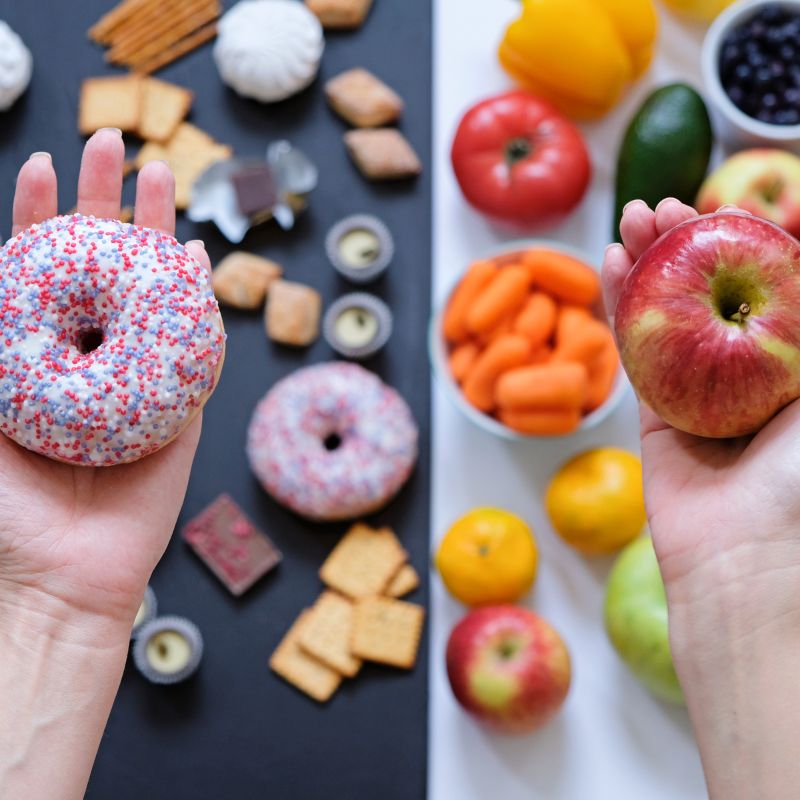
A person holds a donut in one hand and an apple in the other. Various snacks including fruits, vegetables, and sweets are spread out on a black and white surface in the background.

Healthy Snacking Supports Healthy Weight

Snacking can be a valuable tool for weight management when done right. By planning ahead and choosing nutrient-rich foods, you can keep hunger in check and prevent overeating at meals.

While no single snack leads to weight loss on its own, incorporating healthy options into a well-balanced diet can support your overall goals.

Many people ask, “What should I eat when I need a snack?” Whether you’re looking for quick bites to curb cravings or nutritious options for your kids, this guide is for you. Below, we’ve compiled 50 healthy snack ideas that align with a balanced approach to eating.

There’s nothing more nourishing than fresh fruits, nuts, and seeds. These whole foods are packed with essential nutrients, easy to incorporate into your routine, and can help satisfy cravings without processed ingredients. Just remember to chew well or grind nuts and seeds if digestion is a concern. While snacks shouldn’t replace meals, they can play an important role in meal planning, helping you stay on track and avoid unhealthy temptations.

Key Takeaways:

  • Thoughtful snacking can prevent overeating and support weight management.
  • Fresh fruits, nuts, and seeds are among the best choices for nutrient-dense snacks.
  • Having healthy snacks readily available can help you avoid processed junk food.
A person in a striped shirt sits in a kitchen holding a notepad and pen, smiling. There's a cutting board with green lettuce and yellow bell peppers in the foreground.

Smart Snacking Strategies

To make healthy snacking easier, we’ve created a free, comprehensive Healthy Food Shopping Guide that highlights nutritious options available at your local supermarket. Whether you need gluten-free snacks, allergen-friendly choices, or simple whole-food ingredients, this guide helps you find the best options for your dietary needs.

For easy, homemade snack ideas, check out our 50 Healthiest Snack Ideas page. Here, you’ll find simple recipes for snack bars and bites that are perfect for busy lifestyles. We prefer using honey as a natural sweetener since it contains vitamins and minerals absent in refined sugar. Many of our recipes also exclude common allergens like wheat, eggs, and dairy, making them suitable for a variety of dietary preferences. These snacks are not only economical and delicious but also packed with essential nutrients to support a balanced diet.

Healthy Snacks Boost Your Metabolism

Snacking is especially important on busy days. While the word snack sometimes carries a negative connotation, when done correctly, it can help boost metabolism, maintain energy levels, and prevent overeating at meals. Eating every 2-3 hours can also help regulate blood sugar levels, which is crucial for active individuals. However, portion control matters—if you’re eating 5-6 small meals a day, focus on nutrient-dense foods like nuts, seeds, and fresh produce.

Nutrient density refers to how much nutrition a food provides per calorie. For example, a 100-calorie apple delivers fibre, vitamins, and antioxidants, while a 100-calorie packet of chocolate-dipped rice cakes offers little nutritional value. The choice is simple—opting for whole, nutrient-rich foods ensures you’re fueling your body with the best possible options.
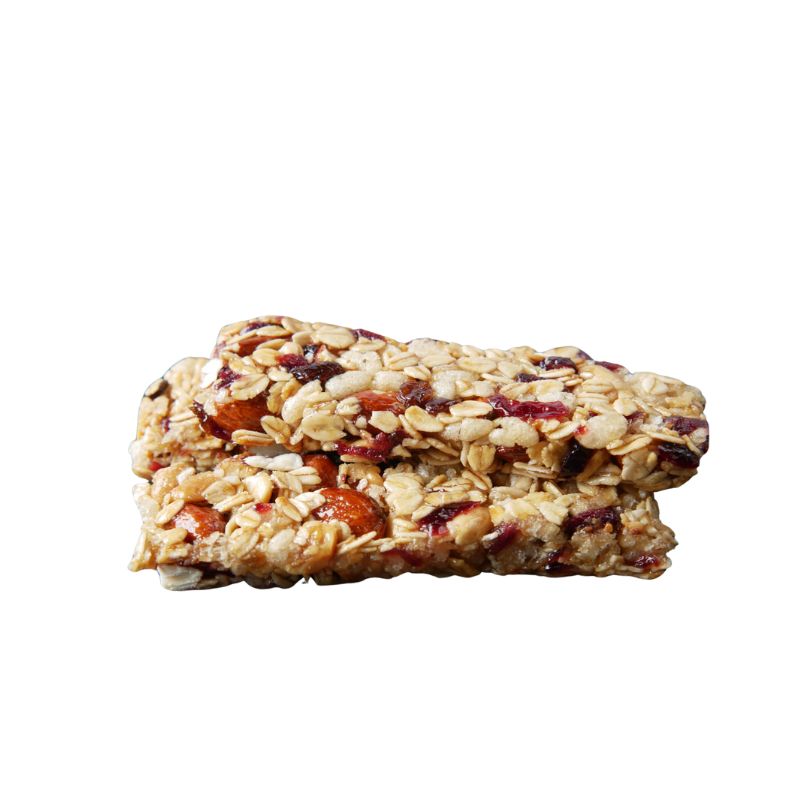
Two granola bars with visible oats, nuts, and dried fruits are stacked on top of each other against a white background, making them perfect healthy snacks for weight loss.

Muesli Bars – Your First-Aid Snack Kit

Keeping a snack first-aid kit in your pantry or office ensures you always have healthy options on hand, helping you resist the temptation of processed, unhealthy snacks. While store-bought granola or muesli bars are convenient, many contain hidden sugars, artificial additives, and unhealthy fats. Preparing your own bars allows you to control the ingredients and maximize their nutritional benefits. If you do choose pre-packaged options, always check the nutritional labels, paying special attention to sugar and fat content. Our Healthy Food Shopping List highlights the best brands for smarter snacking.

Blood Sugar Management Considerations

For those managing blood sugar concerns—such as hypoglycemia, hyperglycemia, or diabetes—it’s important to be mindful of sugar content in snack bars. Ingredients like glucose, honey, fructose, and dried fruits can cause blood sugar spikes. Choosing snacks rich in protein, fiber, and healthy fats helps slow sugar absorption and provides sustained energy.

Choosing the Right Snack Bars

Muesli and snack bars come in a variety of combinations, often featuring nuts, seeds, and natural sweeteners like honey. Some are coated with carob or yogurt, while others include dried fruits like apricots, almonds, and cashews. There are also gluten-free, lactose-free, and sugar-free options catering to different dietary needs. While these bars can be a great snack option, watch out for artificial sweeteners, which are sometimes hidden in so-called “healthy” snack bars.

Key Take-away

  • A snack first-aid kit helps prevent unhealthy snacking.
  • Store-bought snack bars often contain added sugars and artificial ingredients—check labels carefully.
  • Homemade bars allow better control over ingredients and nutrition.
  • People with blood sugar concerns should be cautious of dried fruits, honey, and high-glycemic sweeteners.
  • Choose snack bars with whole-food ingredients, balanced macronutrients, and minimal processing.

This approach ensures you always have a steady supply of nutritious options, making it easier to maintain balanced nutrition throughout the day.
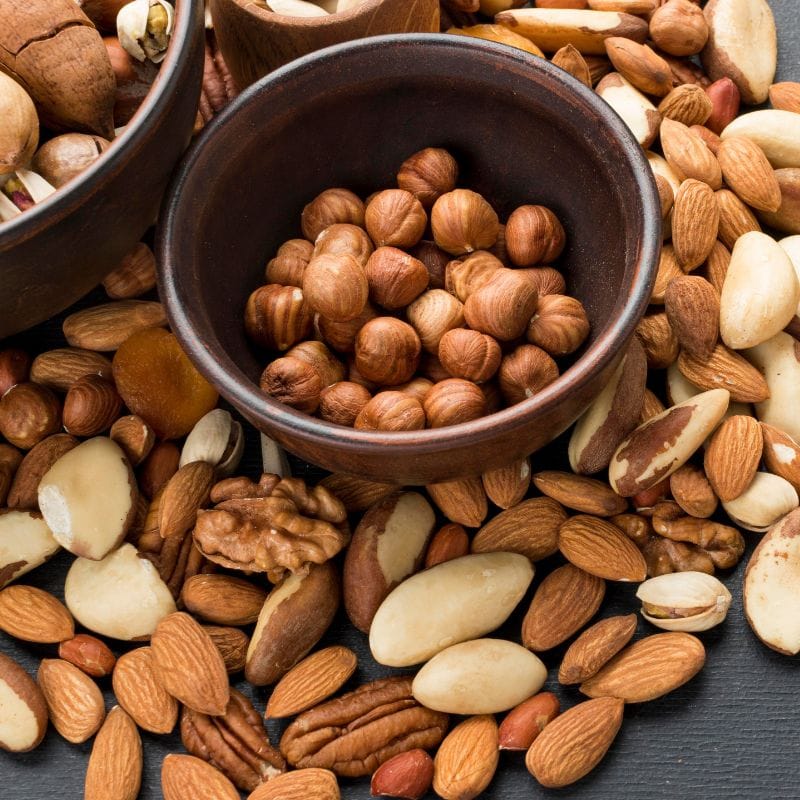
A variety of mixed nuts spilling out from a wooden bowl.

Nuts and Seeds – A Nutrient-Dense Snack

While roasted nuts and seeds may have a richer flavor, raw varieties are far healthier. Their high fat content makes them prone to rancidity, so it’s best to store them in a cool place—freezing can help delay oxidation and extend freshness.

Dried fruits and nuts, such as prunes, raisins, apricots, almonds, Brazil nuts, and hazelnuts, can be bought pre-packaged or in bulk and mixed at home for a custom snack blend. Seeds, on the other hand, are often easier to consume when incorporated into bars.

For added variety, include boiled eggs and fresh vegetables like carrot and celery sticks in your snack kit. If necessary, use a freezer pack to keep these foods fresh and cool.

The best nuts to include in a healthy diet are almonds, Brazil nuts, walnuts, hazelnuts, and macadamia nuts—always buy them as fresh as possible.

Peanuts, however, are not the best choice. They are one of the most allergenic foods and, despite their name, are actually legumes rather than true nuts.

Key Take-Away

  • Raw nuts are healthier than roasted; store them in the freezer to prevent rancidity.
  • Dried fruits and nuts make for an easy, nutritious snack mix.
  • Seeds are best consumed in bars for convenience.
  • Adding boiled eggs and fresh veggies provides variety and balanced nutrition.
  • The best nuts for health include almonds, Brazil nuts, walnuts, hazelnuts, and macadamias.
  • Peanuts are a legume, not a nut, and are highly allergenic.

Fresh Fruits and Vegetables

Nature provides us with a variety of delicious, healthy snacks – fresh fruits and vegetables! These nutrient-packed options are not only tasty but also great at curbing hunger. Some of the best snack choices include:

  • Bananas, apples, pears, and oranges
  • Carrots, peas in the pod, celery, and tomatoes
  • Small or half a large avocado
  • Radishes, celery or carrot strips, and strips of sweet red bell pepper (capsicum)

Pairing these with a small container of hummus adds a satisfying protein boost for a balanced snack.

Breakfast Cereals

While there are some healthy breakfast cereals available for snacking, it’s crucial to check their sugar content carefully. Opting for homemade muesli or granola is often a better choice. Here are some tips to make your own:

  • Select the freshest ingredients from your local health food store
  • Get creative with the recipe – the combinations are endless!

Making your own gives you control over the quality and nutritional content of your snack.

A stack of plain rice cakes sits on a white surface next to an open brown paper bag. One rice cake, a perfect example of healthy snacks for kids, has a bite taken out of it, and a few grains of rice are scattered nearby.

Puffed Cereal Snacks

If you’re tired of plain homemade popcorn, there are more nutritious and equally convenient snack alternatives that can add variety to your routine. Naturally puffed grains like millet, brown rice, and yellow corn are excellent options, often found in the health section of your supermarket. Why puffed millet stands out:

  • Retains the millet germ, offering a slightly nutty flavour
  • Rich in fibre
  • Rich in magnesium and B vitamins
  • Minimally processed with no added sugar, salt, or artificial additives

Puffed grains provide a light, crunchy texture and make an excellent base for a wide variety of toppings.

Topping ideas to elevate your puffed cereal snack:

  • Smoked salmon for omega-3s
  • Cheese for a calcium boost
  • Mashed avocado for healthy fats and fiber
  • Fresh slice of tomato
  • Nut butters with a drizzle of honey
  • Seeds and spices like cinnamon or turmeric for an extra health boost

With a little creativity, puffed grains can become a flavorful, nutrient-packed snack that satisfies and fuels you throughout the day.

Healthy Drinks

Healthy drinks include pure water, prune juice, carrot juice, spirulina and fruit juices which are nice to sip during the day.The idea is to drink plenty of fluids – more than you would generally drink, and this alone will give you a sensation of fullness which will help you to control your appetite more effectively.

A family of four enjoys a meal together at a table filled with various colorful vegetables and dishes, ensuring the ingredients are wholesome to prevent common health issues like yeast infection in children.

Healthy Snacks For Kids

Introducing healthy snacks into your child’s daily routine is crucial for supporting their growth and well-being. Snacks aren’t just about filling the gap between meals—they provide the energy children need to stay active and focused throughout the day, especially during those long hours between breakfast, lunch, and dinner.

By choosing nutrient-rich snacks, parents can ensure their children receive the vitamins, minerals, and nutrients essential for their development. Healthy snacking also helps build good eating habits early on. While sugary treats may be tempting, balanced snacks that include fruits, vegetables, whole grains, and proteins set the stage for a lifetime of healthy eating.

Healthy Snacking Fosters Good Eating Habits

Involving children in snack preparation can increase their excitement about wholesome foods and teach them valuable lessons about nutrition. Creating a variety of healthy snacks doesn’t have to be complicated—simple ingredients can be transformed into fun, appealing options. Whether it’s a colorful fruit salad, a handful of mixed nuts, or a yogurt parfait with granola and berries, there are endless possibilities to make healthy snacking enjoyable.

By making snacks fun and tasty, you can help your children develop a positive relationship with food, ensuring they grow up strong, healthy, and happy.

Healthy Snack Ideas for Kids (and Adults)

  • Fresh rice cakes (unsalted, plain, or sesame seed)
  • Oat cakes with hummus, tahini, guacamole, goat’s cheese, nut butter, or Manuka honey
  • Japanese rice cakes – low in sodium, cholesterol, and fat-free
  • Homemade popcorn – skip the butter and salt for a healthier option
  • Cherry tomatoes with a few chunks of goat’s cheese
  • Half an avocado sprinkled with olive oil and balsamic vinegar
  • Mixed nuts and seeds – a small handful of Brazil nuts, almonds, hazelnuts, and walnuts
  • Roasted sesame, sunflower, or pumpkin seeds – great for enhancing the flavors of dishes or as a quick snack to support digestion and bowel health
  • Cashew nut patties – a delicious high-protein snack, loved by adults
  • Healthy pancakes – made from brown rice and tapioca flours
  • Raw vegetables served with tahini, hummus, or guacamole
  • Fresh juice, smoothie, or non-dairy milk shake
  • Fresh fruit salad – try melon, kiwifruit, grapes, apple, pear, etc.
  • Hummus – a healthy chickpea and tahini snack, perfect with carrot, celery, or cucumber sticks
  • Gomashio – a Japanese condiment made from roasted sesame seeds and sea salt, perfect for topping a variety of dishes

These snack options provide an exciting way to nourish your kids and yourself with healthy, delicious choices throughout the day.

A colorful assortment of fresh fruits including grapes, bananas, strawberries, kiwi, mango, peaches, and a pineapple. This delightful mix features some of the best anti-inflammatory foods to help support your wellness.

Healthy Sweet Snacks

When it comes to maintaining a healthy diet, snacking often presents a challenge, particularly when it comes to sweet snacks. Many people crave sugary treats, but it’s important to understand that not all sweet snacks are created equal.

There are natural, nutrient-dense options that provide the sweetness we enjoy while also delivering health benefits, as well as highly processed, sugar-laden snacks that can harm our health in the long run. Choosing the right kind of sweet snack can help regulate blood sugar, prevent overeating, and support overall well-being.

Healthy Snacks Come From Whole Foods

Healthy sweet snacks come from whole, natural sources that provide both energy and essential nutrients. These snacks can satisfy your sweet tooth without spiking blood sugar or contributing to long-term health issues. Many fruits, for instance, offer natural sugars alongside fiber, vitamins, and minerals, making them excellent choices.

Pairing these with a source of healthy fat or protein can also enhance their nutritional profile and keep you feeling full for longer. Additionally, snacks made from natural ingredients like nuts, seeds, or whole grains can provide a balance of sweetness and nutrition without the harmful additives found in processed foods.

On the other hand, processed and ultra-processed sweet snacks are typically loaded with refined sugars, unhealthy fats, and artificial ingredients. These types of snacks may provide a quick sugar rush but often lead to energy crashes, cravings, and potential weight gain over time. Consuming too many of these types of snacks is linked to a higher risk of chronic conditions like obesity, diabetes, and heart disease.

Sweet Snacks That Are Healthy

Maintaining a healthy diet means (virtually) abstaining from sweet foods – lollies, cakes, desserts, and the like, as their primary ingredients have be found to be less than wholesome. Some sweet snacks belong to the junk food group, others are ultra-processed foods.

Sugary snack foods upset nutritional balances and moods, so, with our busy lifestyles, having the right healthy snack food on hand is vital.We all like to snack on foods, and snacking is important for many reasons, for example it will allow you to maintain a better blood sugar level between meals and it will assist in weight control as well. You will find that if you eat three good meals a day that you will not want to snack too much on foods.

Here are your best and worst sweet choices:

Best Sweet Snack Choices:

  • Fresh fruit (e.g., apples, berries, grapes)
  • Dried fruit without added sugars (e.g., dates, apricots)
  • Dark chocolate (70% cocoa or higher)
  • Greek yogurt with honey or berries
  • Nuts with a sprinkle of cinnamon or coconut
  • Chia pudding sweetened with fruit
  • Smoothies made with whole fruits and leafy greens

Worst Sweet Snack Choices:

  • Candy and chocolate bars with refined sugars
  • Sweetened cereals and granola bars
  • Baked goods like cookies, cakes, and pastries
  • Sugar-loaded yogurts and flavored milks
  • Packaged snack cakes and doughnuts
  • Ice cream and frozen desserts with artificial additives
  • Sugary drinks like sodas and energy drinks

By making mindful snack choices, it’s possible to enjoy sweet treats while also supporting your overall health. Focusing on natural, nutrient-rich options can help you feel more energised and avoid the pitfalls of processed junk foods. Natural foods make you feel full and satisfied for much longer, and you’ll save a lot of money.
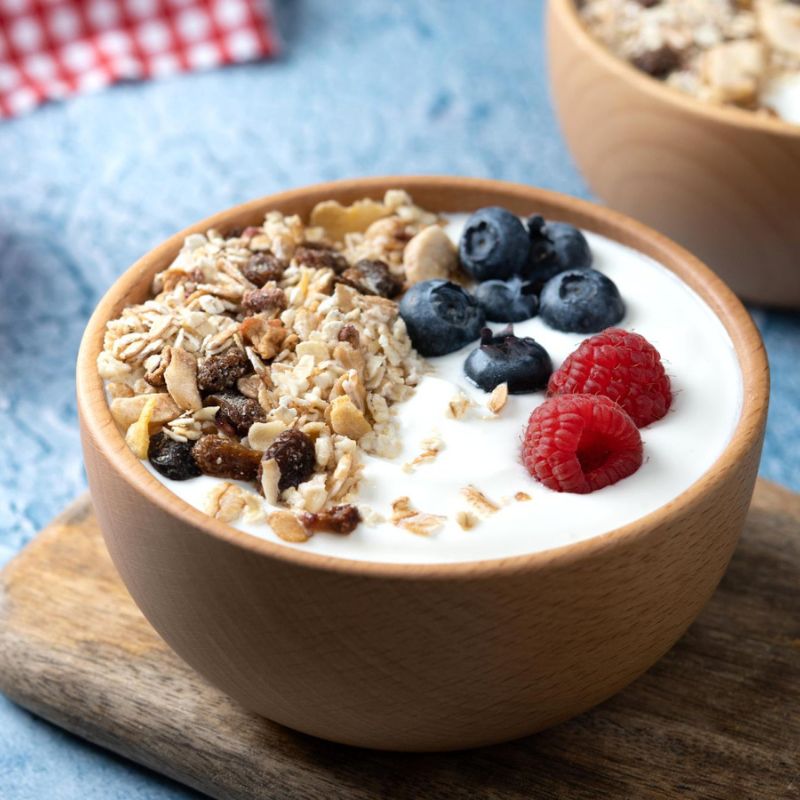
A wooden bowl filled with yogurt, topped with granola, blueberries, and raspberries, placed on a wooden board with a blue surface underneath.

Best Healthy Snacking Hacks

Controlling snack portion size is a skill that takes time and practice. Over time, your healthier snacking habits will become second nature, and you’ll find it much easier to manage your snacking in a healthy and balanced way. You’ll also find you’ll lose the desire for ultra-processed snack foods and drinks.

Try following these tips and maintain a well-stocked pantry and refrigerator with a wide variety of fresh and healthy snacks.

That way you’ll be less tempted to eat UPFs (Ultra-Processed Foods) , because you’ll be much better prepared to make those healthy choices and resist less healthy options when you’re hungry for a quick snack.

Here’s how you can efficiently stock up on healthy snacks, these are some of my personal favourite healthy snacking tricks and tips. I think they call these “hacks” today:

  • Always Keep a Shopping List:
  • With your mobile phone, it’s never been easier. Before you head to your local whole foods or grocery store, create a list of healthy snacks you’d like to have on hand, don’t worry – I’ll give you a list soon. Having a plan is a smart move to prevent impulse purchases of less healthy processed options. And remember, don’t head out on an empty stomach!
  • Choose Whole Foods:
  • Try and always choose snacks made from whole, and minimally processed ingredients. Examples include fresh fruit, vegetables, berries, nuts, seeds, and whole-grain crackers.
  • Always Prioritise Fresh Produce:
  • Fresh fruit, berries and vegetables make excellent snacks. Buy a variety of options you enjoy, like apples, bell peppers, blueberries, carrots, celery, cucumbers, strawberries. Watch the sugar content of some fruits in particular if you have Candida, SIBO, IBS, or IBD issues. Look at Chapter 8 for much more detailed information about the best (and worst) fruits and vegetables to eat if you have gut issues.
  • Herbal Teas:
  • Get a range of different fruit and herb teas for flavourful and calorie-free beverage options when you want a break from water. I find a good quality green, peppermint, or chamomile tea to be pleasant in the afternoon or evening. Sometimes people just need to drink water and not eat food, in fact, some people get confused over wanting a snack or needing a drink. You’d be surprised how after a glass of water folks don’t seem to need that snack anymore. Try it.
  • Hummus and Pesto Dips:
  • Hummus is a versatile dip you can make at home or buy, it contains chickpeas, tahini (sesame seed paste), garlic, and olive oil.  Hummus pairs well with fresh vegetables like carrots, celery, or cucumber, or whole-grain crackers. You can also make your own dips with Greek yogurt and different fresh herbs like dill, oregano, or basil. Pesto is also simple to make at home, and a lot cheaper than the bought-variety. It is made from basil leaves, pine nuts, olive oil, and garlic and tastes wonderful with crackers, cheese, and many kinds of vegetables.
  • Lean Protein Snacks:
  • It is always a good idea to keep some lean protein snack sources on hand, like slices of lean turkey or chicken, hard-boiled eggs, beef jerky, or edamame (soy beans). You’ll find it a good idea to have several protein sources quickly available if you are a busy and active person like me.
  • Canned Foods:
  • Canned options like tuna, red salmon, sardines, or a few anchovies can be handy as protein-rich snacks. I prefer to select varieties that are canned in spring water or olive oil, rather than vegetable oil blends or soybean oil. Canned foods are sometimes seen as inferior in comparison to fresh foods, but research has found frequent canned food consumption was associated with higher intakes of 17 essential nutrients including calcium, potassium and fibre. (Comerford 2015)
  • Frozen Fruits and Vegetables:
  • When in season and when the price is right, stock up on frozen fruit for smoothies and frozen vegetables for quick, healthy side dishes. Frozen produce has a longer shelf life and is almost as nutritious as fresh. Many studies have found that the majority of comparisons yielded no significant difference between nutritional content. (Li 2017)
  • Buy Fresh Nuts and Seeds:
  • Stock up on unsalted nuts like almonds, Brazil nuts, walnuts, and cashews, as well as seeds like sesame seeds, pumpkin seeds and sunflower seeds. These provide healthy fats and protein, I consume about one tablespoon of each every day either as snacks or part of my meals. Snacking on nuts is a very healthy thing to do apparentely. Research has shown nut consumption to be associated with a substantial reduction risk of dying from respiratory diseases, infectious diseases, and diabetes. Snacking on a handful of huts a day is associated with a 20 percent reduction in heart disease death risk and a 10 percent cancer death reduction risk. (Balakrishna 2022)
  • Nut Butter:
  • Nut butters like almond or peanut butter can be spread on whole-grain toast, rye or rice crackers for a satisfying snack. My favourite is tahini, sesame seed paste. Get unhulled version of tahini, it is higher in nutrients. Some people will avoid nuts and nut butters thinking they’ll gain weight, and many websites advise caution with nuts, citing “high calories”. In fact, studies have found the opposite, that higher nut consumption was not associated with greater body weight gain in healthy middle-aged women during 8 years of follow-up. Nut consumption in middle-aged women was associated with a lower risk of weight gain and obesity. (Bes-Rastrollo 2009)
  • Dried Fruits:
  • I don’t recommend dried fruits as a snack food unless your digestive system is in relatively good shape, you’ll find fresh fruit less problematic. While dried fruits are convenient, if you crave them, you are better to choose chopped fresh fruit. Avoid dried fruits preserved with sulphur, it’s common with apricots (read the label). Those with chronic gut complaints may want to be careful with dried fruit until their gut health has improved significantly, they can be problematic. A study published just this year has found dried fruit to enhance the human microbiome in several ways. (Alasalvar 2023) I advise caution however due to the high sugar content, especially with Candida, irritable bowel syndrome, and SIBO patients.
  • Whole-Grain Options:
  • Choose whole-grain snacks like whole wheat crackers, rice cakes, or air-popped popcorn. These provide fibre for satiety. There are many websites with countless recipes on how to create your own whole-grain snack foods.
  • Don’t Go Back To Sugary and Processed Snacks:
  • While it’s okay to have healthy snacks here and there, try hard to limit and preferably avoid sugary and highly processed snacks. Keep them out of sight and don’t buy them, it’s as simple as that. The longer you avoid ultra-processed foods, the higher the likelihood you’ll have little desire for them in future. This includes cookies, gum, candy, ice creams, hotdogs, pizza, and soda drinks.  
  • Keep Your Snacks Fresh:
  • By keeping snacks fresh, visible and organised in your refrigerator, benchtop, or pantry, you’re more likely to reach for healthy options. Rotate your snack foods to ensure you don’t waste anything
  • Snack Portion Size:
  • Controlling snack portion size is essential for maintaining a balanced diet and managing calorie intake. Consider pre-portioning snacks like nuts or trail mix, into small containers or bags to avoid overeating when you grab a snack. This makes it easier to grab a predetermined portion. Avoid eating any snack directly from a bulk bag or container, as it’s easy to lose track of how much you’ve consumed! Pour a small amount into a separate dish. Measure your snacks using a measuring cup, spoon, or a kitchen scale to accurately measure your snacks. This ensures you’re eating the intended portion size, and you’re not eating increasing amounts as time goes by.
  • Mindful Eating:
  • Are you actually present when you eat snacks?  Try avoiding mindless munching while watching a movie or working on your computer. When you focus on your hunger cues, including the taste, flavour and textures, your digestion will work better. The intention is to help individuals savour the moment and the food and encourage their full presence for the eating experience. Eating mindfully can help you make better food choices and avoid unnecessary snacking on processed foods. (Nelson 2017)
  • Self-Control Please:
  • It is important to pay attention to your body’s hunger and fullness cues. Slow down when eating snacks, eat more slowly and deliberately. Chew more before you swallow foods, this will give you a sensation of fullness sooner. Stop eating when you feel satisfied, not full. Be careful of emotional eating and mindful of any emotional triggers that may lead you to over indulging in snacks. Find alternative ways to cope with stress, boredom, or other emotions.
  • Limit Sugary Drinks:
  • Stopping the consumption of soda drinks, which are often high in added sugars and can have negative health effects, is a positive step toward improving your overall well-being. Cut down on sugary drinks like soda, fruit juices, and energy drinks. Choose water, herbal teas, or homemade infused water with fresh fruits and herbs as your main beverages. A study involving almost half a million participants from 10 European countries, found that those who drank two or more soft drinks, including sugar-sweetened and artificially sweetened soft drinks, per day had a higher risk of mortality from all causes than those who consumed less than one glass per month. Specific associations were observed between artificially sweetened soft drinks and deaths from circulatory diseases and sugar-sweetened soft drinks with mortality resulting from digestive diseases. (Stewart 2019)
Man with glasses smiling outdoors.

Eric Bakker N.D.

Greetings! I am a naturopathic physician from New Zealand. Although I’ve retired from clinical practice since 2019, I remain passionate about helping people improve their lives. You’ll find I’m active online with a focus on natural health and wellbeing education through my Facebook page and YouTube channel, including this website.

Similar Posts

Leave a Reply

Your email address will not be published. Required fields are marked *