What Is Ghee?
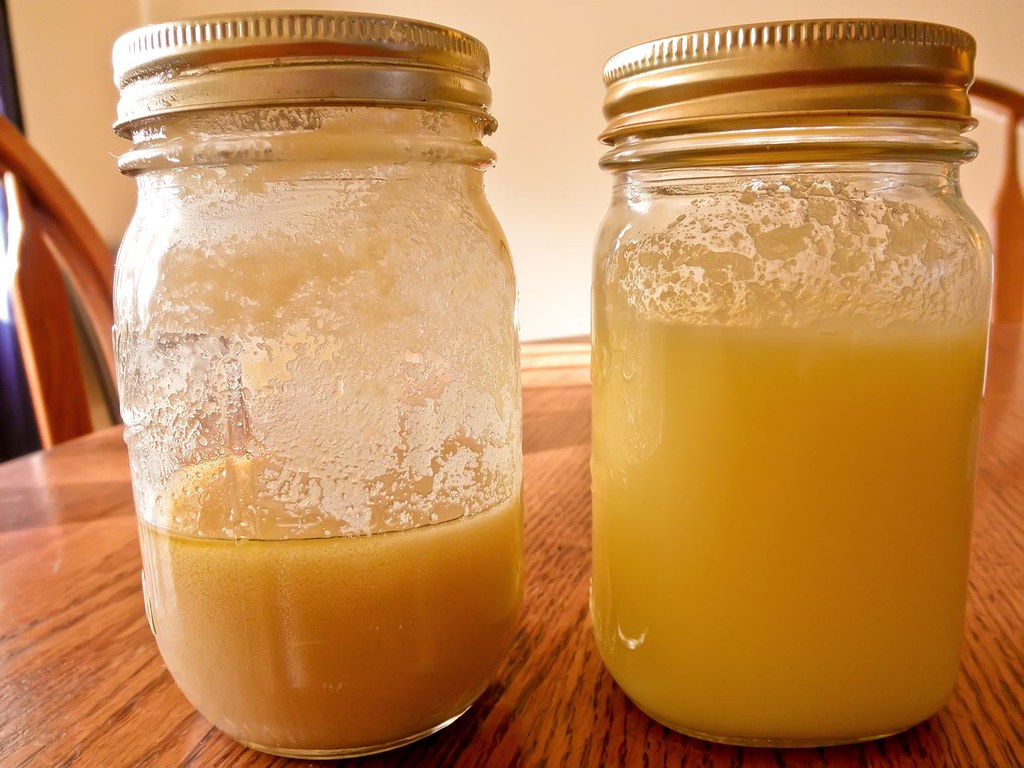
Ghee has been cherished for its incredible healing properties for centuries, not just in its native Indian and Pakistani cultures but globally as well. For those unfamiliar, ghee is a by-product of milk, created by gently heating cow’s butter until the water evaporates, leaving behind a nutrient-rich fat. The milk solids are strained away, resulting in pure clarified butter, which solidifies at room temperature.
The Wonders of Ghee: A Time-Honoured Superfood

Butter from grass-fed cows is already a powerful source of fat-soluble vitamins like A, D, E, and K. When transformed into ghee, these vitamins become even more concentrated, turning this golden liquid into a nutrient powerhouse. Some even call ghee a “superfood” due to its high concentration of these essential vitamins.
But what makes ghee particularly beneficial, even for those with gut issues like Candida overgrowth, SIBO, IBS, or IBD? This guide will show why ghee can be a valuable addition to your diet, especially if you’re dealing with chronic digestive problems.
What Makes Ghee Special?
Ghee, a traditional gem of the Indian subcontinent, has long been celebrated in both cuisine and Ayurvedic medicine. Created by slowly heating butter to remove water and milk solids, ghee becomes a lactose-free, concentrated fat with a rich, nutty flavor. Its long shelf life, high smoke point, and ability to aid in digestion make it a favorite in the kitchen and beyond. For those who are lactose intolerant or sensitive to dairy (casein), ghee offers the perfect solution, as it contains no milk solids. It’s even used in Ayurvedic practices for healing, rituals as well as cooking.
Ghee Benefits

Butter vs Ghee
When deciding between ghee and butter for your cooking needs, it’s important to understand their differences and benefits. Both ghee and butter share similar nutritional profiles, but ghee offers a few distinct advantages, especially for those with lactose intolerance.
Ghee is made by heating butter to remove the water and milk solids, which leaves behind a pure, lactose-free fat. This makes ghee a suitable option for people with dairy sensitivities while still providing a rich, nutty flavour similar to butter.
However, while ghee may be better for certain dietary needs or cooking methods, butter still offers a creamier taste that works well for lower-heat recipes and especially baking.
Nutritionally, both ghee and butter are high in saturated fats, which should be consumed in moderation according to dietary guidelines.
Ghee contains slightly more fat and calories per tablespoon than butter, but the difference is minimal. Ultimately, the choice between ghee and butter depends on your dietary preferences and cooking habits. If you need a lactose-free option or frequently cook at high temperatures, ghee might be the better choice. Otherwise, butter remains a versatile and tasty option for everyday use.
| Fat Levels Per Tablespoon | Ghee | Butter |
| Saturated Fat | 10 g | 7 g |
| Monounsaturated Fat | 3.5 g | 3 g |
| Polyunsaturated Fat | 0.5 g | 0.4 g |

What Are The Healthiest Fats?
A healthy diet should include a balance of different types of fats. Monounsaturated and polyunsaturated fats, found in foods like olives, nuts, seeds, and fish, are beneficial for maintaining healthy cholesterol levels and protecting against heart disease and inflammation.
Culinary Benefits of Ghee
Ghee is not only a staple in traditional Indian cuisine but is also becoming more common in Western kitchens. It imparts a rich, nutty flavour to dishes and can be used as a substitute for butter or oil in almost any recipe. Its high smoke point makes it ideal for frying, roasting, and sautéing vegetables or meats. Moreover, ghee can be drizzled over rice, used to bake, or simply spread on toast, adding a luxurious depth of flavor to everyday meals.
In summary, ghee is a highly versatile ingredient that has been used for centuries, not just in cooking, but also in traditional medicine and religious practices. Its health benefits, culinary uses, and long shelf life make it an excellent addition to any kitchen.
Whether you are following traditional recipes or exploring new ways to incorporate healthier fats into your diet, ghee is an ancient ingredient that offers modern benefits.
One of the key advantages of ghee is its stability at room temperature. Unlike regular butter, ghee doesn’t need refrigeration and can last for several weeks, even months if stored carefully.
The other major advantages of ghee is its high smoke point of 485°F, allowing it to be used for high-heat cooking without breaking down into harmful compounds like trans fatty acids. This makes it a perfect option for frying, sautéing, and roasting, as it retains its nutritional value even at high temperatures.
Moreover, its smooth, spreadable texture and long shelf life—up to 12 months without refrigeration—make it a versatile pantry staple that’s always ready to use. No more waiting for butter to soften or dealing with the frustration of cold, hard butter.
Additionally, ghee’s lack of lactose (milk sugar) and beta casein (dairy protein) makes it a good choice for people with dairy sensitivities or allergies.
Here are the key culinary benefits of ghee summarised:
Cooking with Ghee

Ghee stands out due to its incredibly high smoke point, making it perfect for high-heat cooking. Unlike many vegetable oils, which can break down and produce harmful by-products when heated, ghee remains stable even at high temperatures.
This is largely because ghee is made up mostly of 80 to 90 percent saturated fat, which is the most stable type of fat, followed by polyunsaturated and monounsaturated fats.
This stability is why animal fats, like ghee, are often considered beneficial for the body when used in moderation.
Beyond cooking, some people enjoy taking a spoonful of ghee daily straight from the jar, while others infuse it with herbs for added health benefits. Whether for its health advantages or unique flavour, there are countless ways to incorporate ghee into your diet.
How to Cook with Ghee
Thanks to its rich, nutty flavour and great versatility, ghee can be used in a variety of cooking methods. Here are a few ideas:
As ghee gains global popularity, its versatility makes it a fantastic ingredient not only for traditional recipes but also for modern kitchens. Now, let’s explore the process of making ghee, which is so simple you can do it at home!
How to Make Ghee at Home
Making ghee is easier than you might think. Simply heat grass-fed butter until the water evaporates and the milk solids separate. These solids will brown, giving the ghee a richer flavour. Afterward, strain out the solids, leaving behind the clear, golden fat.
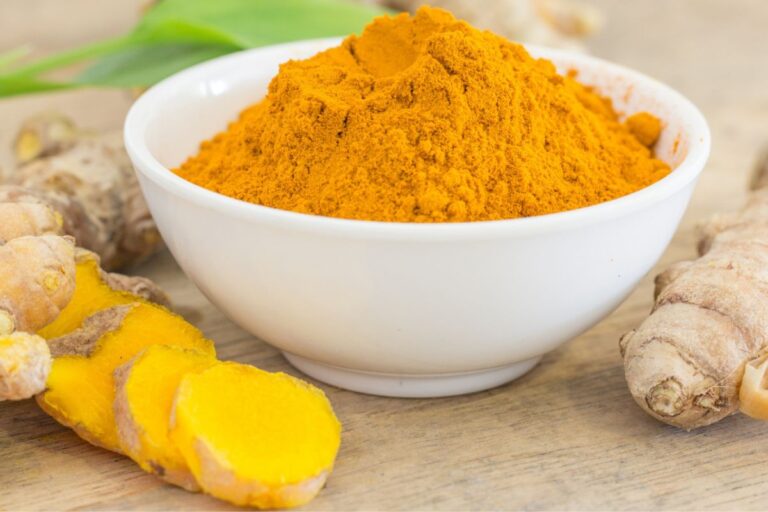
For an extra burst of flavor, consider adding spices like turmeric, cardamom, or cumin while making ghee. The result is a golden, aromatic fat that can elevate your dishes and boost your health.
Ghee is not just a cooking ingredient; it’s a nutritional powerhouse that enhances both the flavor and healthfulness of your meals.
Ghee vs. Butter: How Do They Compare?
Nutritionally, ghee and butter are quite similar, but there are some key differences:
| Ghee (1 tbsp) | Butter (1 tbsp) | |
|---|---|---|
| Calories | 123 | 100 |
| Total Fats | 14 grams | 11 grams |
| Saturated Fats | 9 grams | 7 grams |
| Protein | 0.4 grams | 0.1 grams |
| Carbohydrates | 0 grams | 0 grams |
| Vitamin A | 118 micrograms | 97 micrograms |
Key Differences
Potential Downsides of Ghee
Because ghee is so calorie-dense, excessive consumption can lead to weight gain and increase the risk of obesity. As with any high-fat food, moderation is key.
Ghee is a saturated fat, so care must be taken to consume it in moderate amounts. Like all saturated animal fats, there is always some element of risk with high consumption and cardiovascular disease.

Does Ghee Cause Heart Disease?
For thousands of years, Ayurveda has considered ghee to be the healthiest source of edible fat. Extensive research and data available in the literature do not support a conclusion of harmful effects of the moderate consumption of ghee in the general population. Some claim ghee’s health benefits to be “exaggerated” in comparison to butter, but Ayurvedic medicine has used ghee for thousands years for good reason (Sharma 2010).
In recent decades, ghee has been linked to the rising rates of coronary artery disease (CAD) among Asian Indians. Existing research however does not indicate that moderate ghee consumption has negative effects on the general population, including an increased risk of heart disease . In fact, a study of rural Indian populations found that men who consumed higher amounts of ghee had a significantly lower prevalence of coronary heart disease.(Gupta et al., 1997).
Health Benefits of Ghee
The scientific perspective on dairy fats is evolving. Previously, they were linked to negative health impacts, but recent research has shed light on their functional benefits.
Dairy fats and their fatty acids are now recognised for their positive roles in health, offering insights into their potential to support overall well-being rather than harm it (Kataria et al., 2024).
Ghee offers several health benefits:
Cognitive Health Benefits
The cognitive benefits of ghee have long been emphasised in Ayurvedic literature, where it is often mentioned for enhancing memory, intellect, and managing conditions like epilepsy. Although modern scientific studies on ghee’s impact on brain health are limited, existing research points to potential cognitive benefits. Only a handful of studies on this topic exist, and while results are not yet definitive, the presence of certain beneficial components in ghee suggests promising effects.
Ghee contains short-chain fatty acids (SCFAs), omega-3 fatty acids, and conjugated linoleic acids (CLAs), all of which have been linked to improved brain function. SCFAs, for instance, have shown anti-inflammatory potential, particularly in the context of Alzheimer’s disease.
Though these components are present in small quantities, their combination may explain why ghee has been traditionally regarded as beneficial for the brain.
Key Points:
Gut Health Benefits
Ayurveda strongly emphasises the gastrointestinal (GI) health benefits of ghee, citing it in about 11% of references, while modern scientific literature mentions it in less than 1% of studies (Kataria et al., 2024). According to Ayurveda, camel ghee is particularly beneficial for the digestive system.
Despite limited scientific studies on ghee’s direct impact on GI health, some research suggests that ghee may help regulate post-meal blood sugar levels, especially when used in cooking.
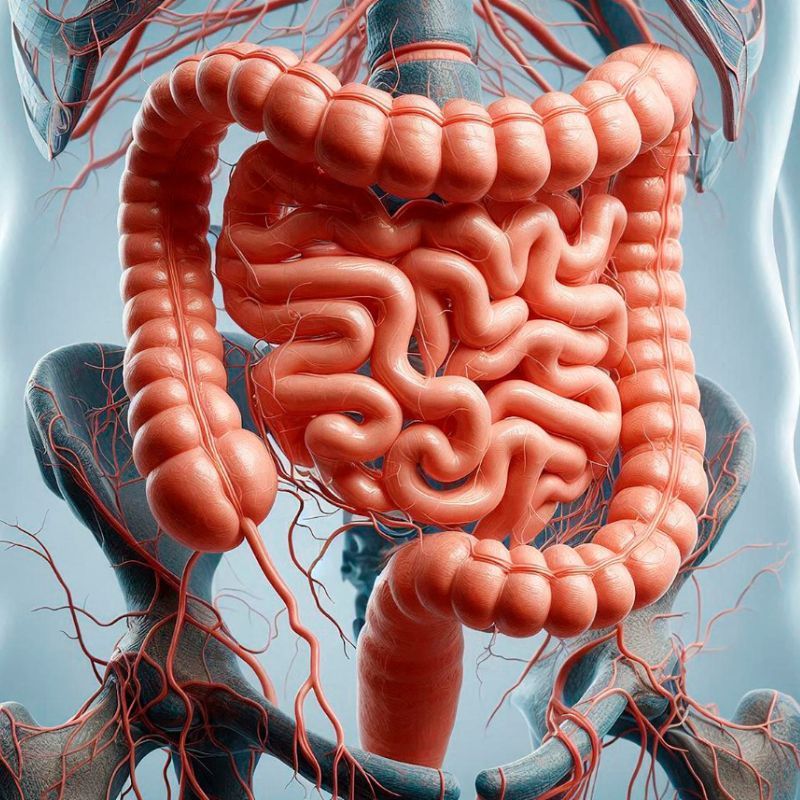
The fatty acids in ghee, such as short-chain fatty acids (SCFAs), medium-chain triglycerides (MCTs), conjugated linoleic acid (CLA), and omega-3 polyunsaturated fatty acids (n-3 PUFAs), play a vital role in digestion and gut health.
SCFAs, for example, improve digestion, strengthen the intestinal lining, and support gut immunity.
Additionally, these fatty acids provide energy and have satiating effects, helping regulate energy intake. The gut microbiota also benefits from these fatty acids, producing more SCFAs when consuming CLA, further enhancing gut health.
Key Points:
Ghee as a Source of Butyric Acid
Ghee has long been recognised for its immune-modulating properties, particularly in societies where it is a dietary staple. The presence of butyric acid in ghee is thought to be a key contributor to these effects.
Ghee’s high butyric acid content makes it a valuable source of immune support. By enhancing antioxidant production and potentially aiding in the management of immune challenges like Candida overgrowth, ghee can contribute to overall immune health.
What is Butyric Acid?
Butyric acid is a short-chain fatty acid (SCFA) found naturally in animal products, with ghee being one of the richest sources. SCFAs like butyric acid are beneficial for immune function, as they act similarly to antioxidants, reducing oxidative stress and inflammation in the body (Ulambayar et al., 2024).
In addition to ghee, SCFAs can be produced in the body by consuming fibre-rich foods such as fruits, vegetables, whole grains, and legumes, which promote gut health and increase SCFA production.
Health Benefits of Butyric Acid
Rejuvenating and Immune Modulating Benefits
In Ayurveda, ghee is recognized for its rejuvenating and immune-boosting (immunomodulatory) properties, accounting for 13% of references, compared to less than 4% in modern scientific studies.
It is considered nourishing for the body and promotes longevity, rejuvenation, and immunity. While modern research on ghee’s immunomodulatory effects is limited, studies on ghee and its components suggest a positive impact on immune function.
For example, ghee is often used in traditional Indian multi-herbal formulations to promote cardiovascular, pulmonary, and immune health, partly due to the lipid absorption pathways in the body.
Additionally, ghee’s butyric acid has been linked to the production of killer T cells, crucial for immunity, while omega-3 fatty acids (linolenic acid) help manage inflammatory and autoimmune diseases.
Key Points:
- Ayurvedic Insights: Ghee is used in Ayurveda to nourish, rejuvenate, and enhance immunity.
- Scientific Studies: Limited but supportive of ghee’s immune-modulating effects.
- Butyric Acid: Promotes killer T cells, boosting gut immunity (Zhang et al., 2009).
- Omega-3s and CLA: Useful for inflammation, allergies, and autoimmune diseases (Kelly 2001).
- Traditional Remedies: Ghee is often paired with herbs in Ayurvedic formulations for enhanced immune support (Rajani et al., 2012), (Nelaturi et al., 2021).
Ghee, along with its components and traditional formulations, offers potential immune-boosting benefits. While more research is needed, it could be a valuable addition to a diet aimed at improving immune health and reducing disease risk.
Cardiovascular Health Benefits
The relationship between ghee and cardiovascular health remains a topic of debate. Although ghee has a rich history in Ayurvedic medicine, its role in heart health is contested in modern research. About 27% of scientific studies on ghee focus on cardiovascular health, mostly highlighting potential risks due to ghee’s high levels of saturated fat and cholesterol. However, some research points to possible cardiovascular benefits of ghee.
Key Points:
Anti-Tumor Benefits
Research suggests ghee may have potential anti-tumour properties, though the findings are mixed. About 5.5% of PubMed studies on ghee focus on its role in cancer prevention and treatment, with some studies highlighting its positive effects in reducing cancer risk, while others suggest potential risks.
Key Points:
Skin Healing Benefits of Ghee
Ghee, while not frequently mentioned in the top Ayurvedic texts, is often prescribed for various skin ailments. In modern research, skin health is one of the top focus areas, with 17% of PubMed studies on ghee examining its effects on skin conditions (Kataria et al., 2024). The findings consistently highlight positive outcomes for ghee and its formulations in skin care.
Skin Uses of Ghee
Key Points:
Wound Healing and Anti-Inflammatory Properties
Approximately 24% of studies on PubMed focus on the healing properties of ghee (Kataria et al., 2024). Its lipid-based nature makes ghee an effective carrier for various herbs, enhancing their application for wound treatment by improving spreadability, and solubility.
Collectively, these studies underscore ghee’s effectiveness as an agent for wound healing and inflammation reduction, highlighting its potential in both traditional and modern medicinal applications. Further research could solidify its role in clinical wound management.
Key Findings:
Eye Health
Approximately 8% of studies on PubMed and around 4% of Ayurveda references mention ghee in the context of ocular health (Kataria et al., 2024). Ghee has been explored as a remedy for various eye diseases, particularly in traditional medicine.
These studies suggest that ghee may have beneficial effects on eye health and could serve as a carrier for medications targeting deeper eye tissues. However, further research is required to establish its effectiveness, dosage, and best practices for its use in eye treatments.
Key Findings:
Bone Health
While ghee itself is rarely highlighted for bone health, ghee-based formulations lshow strong potential for preventing and managing osteoporosis and improving bone health in both animal studies and clinical observations. However, more research is necessary to explore ghee’s direct impact on bone health.
Approximately 4% of studies on PubMed address the topic of bone health, while less than 1% of Ayurvedic references mention ghee in relation to this area (Kataria et al., 2024). In modern scientific literature, while all annotations related to bone health are positive, ghee is rarely mentioned as a standalone therapy for bone health. These findings suggest the potential use of ghee as a preventive therapy for osteopenia and osteoporosis.
Key Findings:
Ghee and Health Benefits Conclusion
While Ayurvedic literature and modern science both highlight the therapeutic potential of ghee, their focus areas differ significantly. Ayurveda emphasises ghee’s benefits for cognitive health, nourishment, immunity, and digestive well-being, whereas modern studies often focus on cardiovascular risks due to its saturated fat content. However, limited research in areas such as cognitive function, gastrointestinal health, wound healing, skin conditions, and eye health has shown promising, albeit preliminary, results.
Ghee’s role as a carrier of medicinal compounds also offers a valuable area for further exploration. More comprehensive studies and clinical trials are needed in the future to better understand these benefits and establish clear guidelines for its use. A collaborative approach between Ayurveda and modern science could unlock new health applications for ghee. I see a bright future for ghee indeed.

Should You Use Ghee?
n my opinion, absolutely! At least try ghee before you decide its not for you, you might be surprised how much you like the flavour. Ghee is a wonderful addition to any diet, and we’ve been cooking with it for more than 30 years. Its rich, nutty flavour enhances a wide variety of dishes, from savoury meals to baked goods.
Despite the rising concern around dairy products, ghee stands out as a notable exception. Many common allergens found in dairy, such as lactose, whey, and casein, are virtually absent in ghee, making it more accessible to those with sensitivities. Moreover, ghee contains good levels of essential fat-soluble vitamins, such as vitamins A, D, and K, vital for a strong immune system, healthy vision, and proper bone development. As a functional super food, ghee is a clear winner in my books.
When incorporating ghee into your diet, it’s essential to choose a high-quality product. Grass-fed ghee not only contains a superior profile of fatty acids but also boasts a higher concentration of these critical fat-soluble vitamins. As with all animal products, quality matters. I always advocate for moderation in dairy consumption, but when you do indulge, it’s worth investing in the best you can afford—organic, grass-fed options ensure you’re getting the most nutritious product possible.
While ghee can sometimes be on the pricier side, a little goes a long way, and its long shelf life—up to a year or more when stored in a cool, dark place—makes it a wise and lasting investment for your pantry. Thanks for reading, leave a comment if you enjoyed this blog.
I

Eric Bakker N.D.
Greetings! I am a naturopathic physician from New Zealand. Although I’ve retired from clinical practice since 2019 after 34 years of clinic. I remain passionate about helping people improve their lives. You’ll find I’m active online with a focus on natural health and wellbeing education through my Facebook page, Reddit page and YouTube channel, including this website.