
SHARE

Food To Eat


A bowl filled with fresh vegetables including sliced avocado, cucumbers, carrots, kidney beans, and corn, alongside a fork, a lime wedge, and bowls of seeds and legumes on a dark surface.

Best Food To Eat On Your Candida Cleanse Diet

Choosing the right foods is one of the most powerful steps you can take toward restoring balance in your gut and overall well-being. If you’re dealing with Candida overgrowth, SIBO, IBS, or IBD, the foods you eat can either support your healing or contribute to ongoing symptoms.

This page outlines the most beneficial foods to include in your diet to help rebalance your gut microbiome and promote long-term health

A diet high in sugar and processed foods is often linked to gut imbalances, leading to issues like bloating, gas, fatigue, poor sleep, weakened immunity, and mood disturbances. Eliminating these triggers and replacing them with nutrient-dense, whole foods is key to supporting your body’s natural defenses and improving digestion.

The several food groups listed here provide a solid foundation for creating nourishing, satisfying meals while keeping your gut health in check. By focusing on these ingredients, you’ll be able to enjoy a diverse, delicious diet that supports your Candida cleanse and overall vitality

This page focuses on what to eat — but if you want to understand how food fits into the bigger picture of the Candida cleanse, read more about the cleanse diet structure and how each phase supports your recovery

Foods To Eat On Your Candida Diet Video

In this informative video, I explain the best foods to eat for individuals with Candida overgrowth, but also for those with SIBO or irritable bowel syndrome.

Candida Diet Food List Your Complete List

On this website, we have categorised foods and drinks into three main categories:
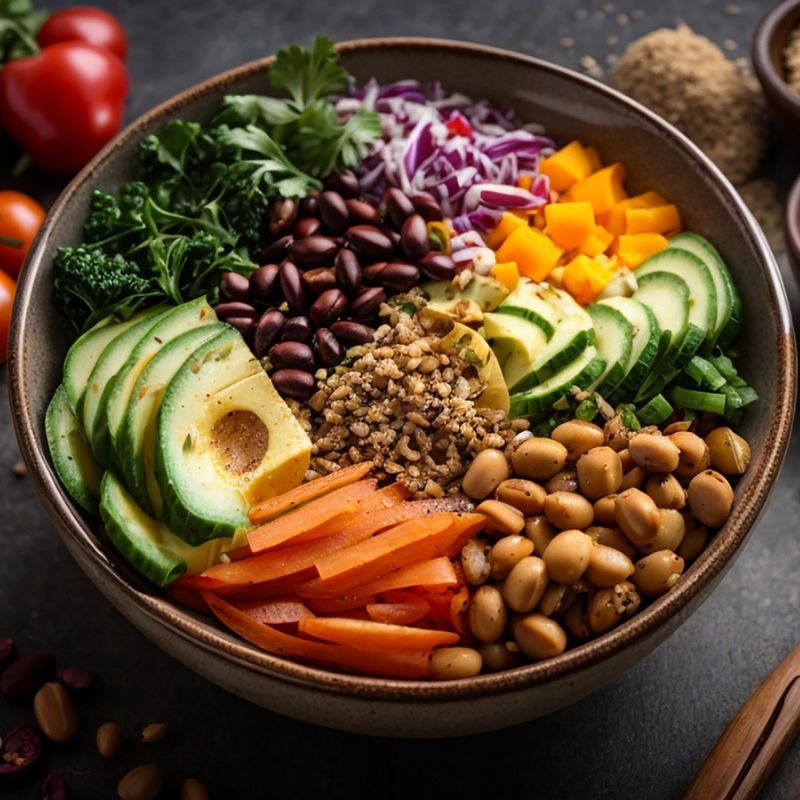
A bowl of mixed salad ingredients including avocado, cucumber, carrots, red onion, yellow bell pepper, black beans, edamame, kale, and nuts, garnished with cilantro.

Foods To Eat

Choosing the right foods is one of the most powerful steps you can take toward restoring balance in your gut and overall well-being. If you’re dealing with Candida overgrowth, SIBO, IBS, or IBD, the foods you eat can either support your healing or contribute to ongoing symptoms. This page outlines the most beneficial foods to include in your diet to help rebalance your gut microbiome and promote long-term health. Read This Page

A person gestures to decline a plate of hamburger and potato wedges being offered to them.

Foods To Avoid

The first and most important step is eliminating junk foods and ultra-processed foods (UPFs). Some may assume that a Candida diet is about avoiding gluten, sugar, or specific food groups like many fruits, root vegetables, or even mushrooms. While these may be considerations later, the foundation of gut recovery begins with removing highly processed and nutritionally depleted foods and consuming a fresh and whole-foods diet. Read: Foods To Avoid
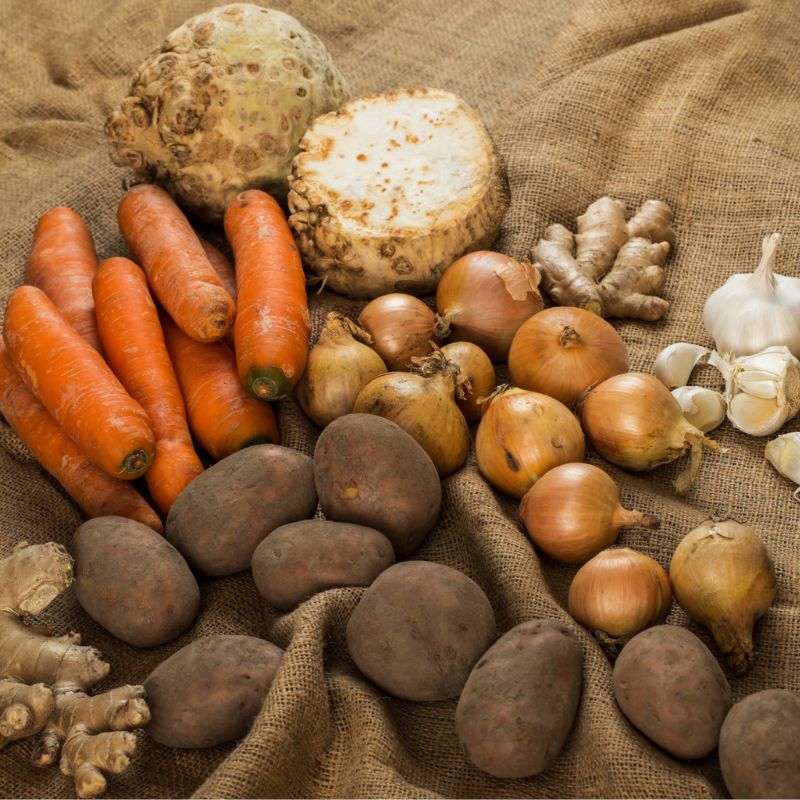
A selection of vegetables, including carrots, potatoes, onions, garlic, ginger, and celeriac, arranged on a burlap cloth.

Maybe Foods

Despite any presence of fungal or bacterial overgrowth, infection, or gut issues, specific foods will always remain problematic for specific peopleThese foods are “maybe” foods and require caution until proven “gut-safe”. Recognising these foods is an important part of symptom management and gut health. This comprehensive page separates fact from fiction. Read: Maybe Foods

Candida Diet Food List & Shopping Guide

We’ve created a free, easy-to-follow shopping guide to help you choose the healthiest foods for your gut.

Inside this 9-page download, you’ll find:

  • A full Candida Diet food list
  • Smart shopping strategies
  • Tips for choosing quality produce and pantry staples
  • A printable PDF version for easy use on your next grocery trip

Download your FREE Candida Diet Food List and Shopping List (PDF)

For more detailed advice on fresh food choices, be sure to visit this page, where I walk you through what to look for at the supermarket.

For a complete breakdown of what’s in and what’s out, check out the anti-Candida food list — it’s your go-to reference to keep your meals gut-friendly and Candida-safe.

Your Candida Diet Food List
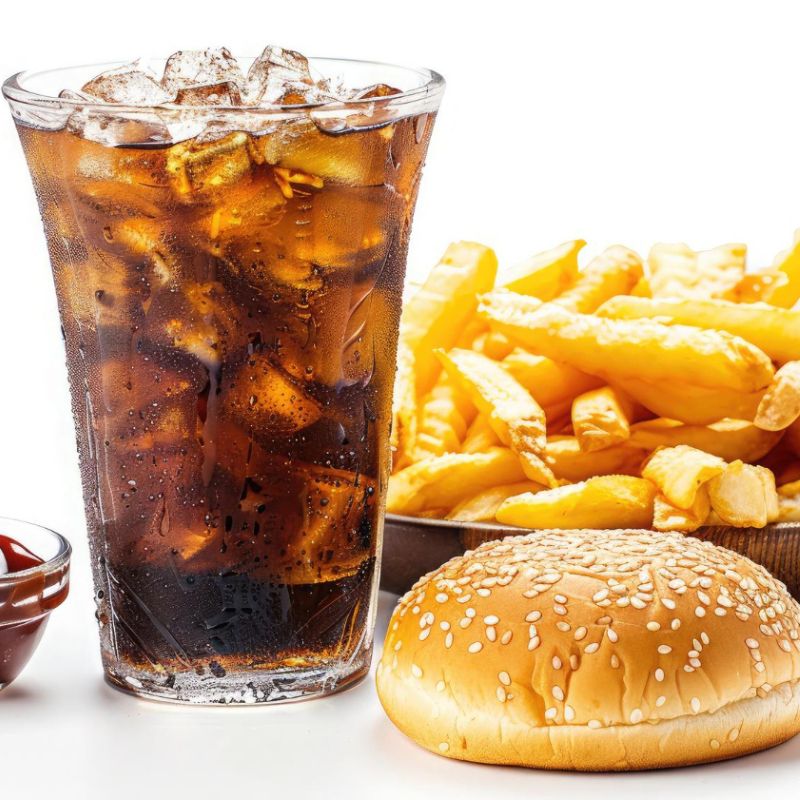
A glass of soda with ice next to a hamburger and a bowl of fries on a white background.

Regularly eating unhealthy foods, like junk food or ultra-processed food, may increase the risk of fungal or bacterial overgrowth (dysbiosis), intestinal issues, poor immune function, and inflammation. Research shows that starting and maintaining a healthy whole foods diet is crucial for significant health improvements. (Shah et al., 2023)

By consciously making healthy food choices, we build good digestive health, reduce signs and symptoms of a sick gut, and achieve a high level of well-being. By the time you’ve finished reading this page, you’ll know the right foods to eat that will start to rebalance your gut microbiome and enhance your health.

Gut Building

As your symptoms subside and your gut function improves over time, consider gut building. But first, let’s look at the best foods to eat with Candida overgrowth.

Candida Healthy Eating

Here are several pages of interest. You will discover most of the foods in the categories below link up to these.


Candida Diet Food List

Let’s now discuss these food categories below and their importance in brief and then link-up to a lot more detailed information on these following key pages:

Animal Protein
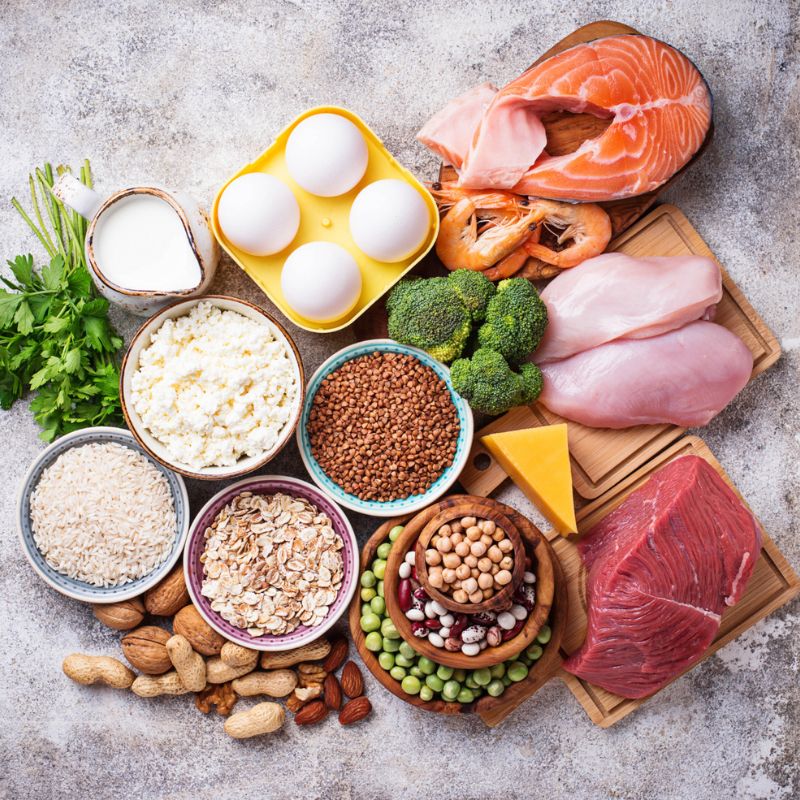
A variety of foods including eggs, chicken, salmon, shrimp, beef, cheese, broccoli, chickpeas, nuts, rice, oats, and lentils displayed on a gray surface.

Protein is one of the most crucial nutrients, found in a variety of foods, offering numerous options for inclusion in our meals. We have both plant-based and animal-based protein sources, and experts recommend incorporating protein into most of our meals or snacks.

Plant-based options such as grains, beans, nuts, and seeds provide important minerals, trace elements, and fibre in addition to high-quality protein. Meanwhile, animal sources like meats, fish, poultry, eggs, and low-fat dairy products offer complete proteins containing all essential amino acids.

Amino acids are vital as they are the fundamental building blocks for tissue growth and repair throughout the body. Protein is essential for maintaining and repairing body structures, regenerating skin and organs, and restoring muscle tissue damaged during exercise.

Beyond tissue repair, protein plays a crucial role in numerous other vital processes, making it indispensable for overall health and well-being.

Here are the main reasons we need high-quality protein in our healthy whole-foods diet:

  • Fundamental Building Blocks: tissue growth and repair throughout the body.
  • Detox: Aid in our body’s efficient liver, kidney, lung and skin detoxification processes.
  • Hormones: For the manufacture of hormones used throughout our body.
  • Immune: Plays a critical role in our immune-response because it helps produce of antibodies that protect against infections.
  • Mood and Cognition: Hormones are particularly important for controlling mood, cognition, our metabolism, and general wellbeing.

Choosing the Right Proteins on a Candida Diet

Choosing the correct proteins is essential for managing Candida overgrowth. Essential proteins don’t only come from animal proteins, you can obtain all the protein you need from plant foods, You’ll find more about how to get all the protein you need from plants on this page: Healthy Eating.

Because it is unnecessary to cut-out all starchy carbohydrates, you should be able to get plenty of calories along with energy by adding small amounts of quality protein to your diet every day.

Here are some key points to consider to ensure your protein sources support your health and help keep Candida and bacterial dysbiosis in check:

  • Limit red meat intake
  • In 2017, the meat types consumed by Americans include 51% red meat, 42% poultry, and 7% fish and shellfish (Bentley et al., 2019). Red meat, while rich in protein, can have adverse effects on digestion and overall health if consumed in excess.
  • A study involving many thousands of men and women consuming red meat over a 4 year period found if all participants had all consumed fewer than half a serving (about 1.5 ounces) of red meat per day, 9.3% of the deaths in men and 7.6% of the deaths in women could have been prevented. (NIH 2012) The evidence is strong today for the association between red meat and breast cancer and most gastric cancers. (Sivasubramanian et al., 2023)
  • When consuming red meat, choose pasture-raised, hormone-free meat options and limit your intake. We recommend either avoiding red meat or severely limiting consumption based on research. Balancing red meat with other protein sources can help mitigate potential negative impacts on your health.
  • Eggs
  • Organic, free-range eggs are an excellent source of high-quality protein and essential nutrients. Eggs are a nutritional powerhouse, offering vitamins, minerals, and healthy fats that support overall health. I have always recommended eggs as an outstanding source of protein, as they were a part of the MEVY Diet I used to recommend. You can read all about this on the Candida Diet page. They can be included in your diet regularly, and eating two per day if you choose is perfectly fine. One study found that the consuming two hard boiled eggs daily can positively affect our gut microbiota function. (Liu et al., 2022)
  • Lean poultry
  • Lean poultry, such as chicken and turkey, are great sources of protein that are easier to digest compared to red meat. Chicken contains high amounts of total short chain fatty acids important for colon health, and branched chain fatty acids for muscle growth and development. Choose free-range poultry to avoid added hormones and antibiotics. Lean white meat provide quality protein without the added fat that can cause digestive issues. (Zhao et al., 2021)
  • Prioritise fresh and nutrient-rich protein sources
  • Select the freshest and most nutrient-dense proteins available. This might mean buying organic or local produce, or working with a trusted butcher or fishmonger. Fresh, high-quality proteins from local sources are less likely to contain harmful additives and preservatives, and they retain more of their natural nutrients, which are essential for maintaining a healthy immune system and combating Candida. Choose grass-fed animal meat or pasture-raised whenever possible.
  • Avoid all processed meat
  • Many sources of meat today come with hidden ingredients that can exacerbate SIBO, Candida overgrowth and especially conditions like irritable bowel syndrome. (Rinninella et al, 2020) Common additives to avoid include dextrose, nitrates, and sulfate, but there are many more according to the USDA.
  • Read: Additives in Meat and Poultry Products. Processed meats, in particular, are best eliminated from our diet as much as possible. It’s worth it to steer clear of bacon, hot dogs, and other processed meats since we now know they are classified as Group 1 carcinogens. Replace those with nutritious, plant-based alternatives that will lower your risk of cancer instead of raising it.
  • Caution with contaminants in fish
  • Some fish live in contaminated waters and can accumulate toxic chemicals in their bodies. Consuming these fish can lead to a buildup of these toxins like heavy metals or PCBs in our bodies. Long-term consumption of contaminated fish increases the risk of illness. Depending on the type and amount of contaminants, prolonged exposure can lead to many digestive and other health issues, developmental problems, or even cancer.
  • Read: Contaminants in Fish. We’ve made a list below with fish choices that are more suitable than others.
  • Consider a mixture of different animal protein sources
  • Results of a study confirmed that long-term and balanced intake of different kinds of meat proteins (including beef, chicken and soy) can maintain a more balanced composition of gut bacteria and reduce the antigen load and inflammatory response from our gut bacteria to our body. (Zhu et al., 2017)
  • Add bone broth to your diet
  • For those suffering from Candida overgrowth, supporting gut health is essential. Candida can damage the gut lining, leading to symptoms like food sensitivities.
  • Bone broth is a highly nutritious option that contains compounds such as collagen, glutamine, glycine, and proline, which help restore and maintain gut health. Regular consumption of bone broth can aid in repairing the gut lining (leaky gut), reducing inflammation, and improving overall digestive function. (Mar-Solís et al., 2021)
  • Consider plant-based protein over meat
  • Plant-based proteins like quinoa, chia seeds, and hemp seeds are great alternatives to animal proteins. These options are rich in fiber, vitamins, and minerals, and they offer a complete amino acid profile. Incorporating a variety of plant-based proteins can provide balance and variety in your diet. One study found that while animal protein improves lean mass more than plant protein, the source of the protein is unlikely to have any affect of muscle strength. (Lim et al., 2021)
  • Large amounts of protein not required
  • Even with healthy protein choices, portion control is important. Overeating any protein can strain your digestive system and worsen Candida symptoms. Aim for balanced portions that provide enough protein to support your needs without overloading your system. Large amounts of protein per day are not necessary, nor desired.
  • Excess protein means our gut microbiota are exposed to increased protein fermentation that may result in gut dysbiosis. (Neis et al., 2015) Gut dysbiosis is linked with inflammatory bowel disease, celiac disease, allergies, metabolic syndrome, asthma, obesity, and heart diseases. (Wu el at., 2022)
  • Monitor your body’s digestive response
  • Pay attention to how your body responds to different protein sources. Some people with Candida overgrowth or SIBO may have sensitivities to certain proteins. Keeping a food diary can help you identify any adverse reactions and adjust your diet accordingly.
Close-up of a reddish-orange fish with large eyes displayed on a bed of ice in a market, perfect for those following a candida diet.

Choosing Healthy Fish To Eat

Some fish live in increasingly contaminated waters and can accumulate toxic chemicals in their bodies. Consuming these fish can lead to a buildup of these toxins like arsenic, cadmium, lead, mercury, chlorinated hydrocarbon pesticides, polychlorinated biphenyls (PCBs), polycyclic aromatic hydrocarbons (PAHs) dioxins, and pesticides. More recently, micro-plastic wastes are also common contaminates found in fish. (Soerensen et al 2023)
Most fish accumulate low levels of mercury over their lives, but predatory fish like tuna, sharks, marlin, and swordfish eat other fish with mercury in their bodies and therefore accumulate much more. Fish with long lifespans have greater mercury levels than younger fish.

Sharks are predatory and live up to 50 years or more. Studies repeatedly find the largest, oldest fish have higher amounts per pound of toxins than smaller, younger fish.

Consider selecting ocean caught (wild) fish for higher quality and less chemical contamination. Choose younger fish rather than orange roughy in the image. Orange roughy are know to live for 100 years or more.

Eating contaminated fish long term increases the risk of illness, prolonged exposure can lead to many digestive and other health issues, developmental problems, or even cancer.

We recommend avoiding seafood and fish imported from Asia due to their waters having higher pollution levels. It’s best to avoid of farmed fish as well. When buying farmed fish, choose organic, as non-organic choices can have antibiotics and toxic compounds.

  • Least Contaminated Seafood
  • Most Contaminated Seafood
  • Anchovies
  • Bluefin Tuna (Albacore and Yellow-Fin are better)
  • Crayfish
  • Chilean Sea Bass
  • Crawfish
  • Grouper
  • Mackerel
  • Mackerel
  • Pollock
  • Orange Roughy
  • Salmon
  • Swordfish
  • Sardines
  • Shark
  • Shrimp (Scallop, Clam, Squid, Oysters)
  • Tilefish

Articles Of Interest: Protein

Vegetables

Various fresh vegetables including carrots, zucchinis, turnips, eggplants, and tomatoes are displayed in green crates at a market—ideal for those on an anti candida diet.

Including starchy and non-starchy vegetables in our daily diet is essential for maintaining optimal health. This includes a wide variety of all vegetables.

Visualise dividing your plate into quarters, with one quarter dedicated to protein, another quarter to starchy vegetables, and the remaining half to leafy greens. Including a range of both starchy and non-starchy vegetables in your diet promotes a balanced, nutrient-rich lifestyle for optimal health.

What Kind Of Vegetables Can I Eat In A Candida Diet?

Does eating starchy vegetables feed intestinal Candida colonies on natural sugars? No – there is no scientific proof. In fact, studies have shown that Candida proliferate under both nutrient-rich and nutrient-poor conditions. (Van Ende et al., 2019) This food-adaptability is what makes Candida fungi especially successful as pathogens, it is one Candida’s 5 survival techniques.

The only reason you would need to reduce or eliminate starchy vegetables such as sweet potatoes, potatoes, yams, corn, squash, beets, peas, parsnips, and beans, particularly at the beginning of your diet, is if they aggravate your gut or Candida overgrowth symptoms. This will vary from person to person and also depend on how much is consumed and how it was prepared and eaten. More on this soon.

An important point to remember is that when we reduce sugar and refined food intake, it’s common to crave starchy sweet carbohydrate foods like bread, potatoes and other quickly-available forms of sugar for our gut as a substitute. It’s then that we create the gut problems!

While it’s important to avoid foods that aggravate, I don’t recommend being overly-restrictive in your choice of fruits and vegetables. Mostly stick to the Candida foods list, but it’s okay to include foods from the “Maybe” list depending on tolerance. Avoiding all carbs can lead to ketosis, which may actually feed Candida overgrowth.

The Importance of a Balanced Candida Diet

It is important to point out again that research has found that Candida albicans can thrive even in low-sugar environments. Therefore, avoiding starchy carbohydrate foods may not be necessary unless the person reacts to these foods. The carbohydrates to avoid are the refined carbohudrates and simple man-made sugars.

It’s important to listen to our body and adjust our diet based on we you feel and our specific health needs. By focusing on a balanced diet rich in all (tolerable) starchy and non-starchy vegetables, and high-quality proteins and fats, we can support our overall health and effectively manage Candida overgrowth.

Let’s now discuss starchy and non-starchy vegetables a little further:

Starchy vs Non-Starchy Vegetables

There are two major vegetable groups, those rich in starch and those that aren’t. Let’s look at the main differences between them both:

  • Starchy Vegetables
  • These vegetables have a higher starch content than non-starchy ones. Starch is a type of carb that is broken down into glucose, providing energy for our body. Starchy vegetables tend to higher sugar levels and less fibre compared to non-starchy vegetables. And this can problem for some depending on their gut. We’re more likely to gain weight with starchy foods because they taste so sweet!
  • To minimise gut issues, especially with Candida overgrowth, always cook, cool, and then reheat starchy vegetables before consuming them. This process also helps in reducing their impact on blood sugar levels, enhances gut fermentation and improves satiety levels. Taking probiotic and digestive enzyme supplement for the first several weeks upon starchy carbohydrate vegetable introduction can also help to minimise any digestive discomfort experienced.
  • Non-Starchy Vegetables
  • These nutrient dense vegetables do not contain starch, which is composed of sugar molecules joined chemically. Non-starchy vegetables have lower levels of carbohydrates and calories compared to their starchy counterparts but are rich in antioxidants, vitamins, and minerals, making them essential for a balanced diet.
  • Green leafy vegetables are particularly beneficial for maintaining healthy blood sugar levels and supporting overall gut health. These vegetables can be incorporated into almost any meal, providing essential nutrients without the high carbohydrate content of starchy vegetables.
A selection of vegetables, including carrots, potatoes, onions, garlic, ginger, and celeriac, arranged on a burlap cloth.

Starchy Vegetables

Starchy vegetables, many fruits, beans, and grains are whole foods that contain complex carbohydrates. This group includes potatoes, sweet potatoes, pumpkin, squash, parsnip, yams, Jerusalem artichoke, and celeriac.

These natural foods provide sustained energy, unlike simple carbohydrates found in ice cream, sugary foods, and white bread. Regular consumption of refined starchy foods and simple sugars, such as white rice flour and commercial flour-based products (breads, pastries, cookies, cakes, donuts, scones, and muffins), can lead to blood sugar imbalances.

Over time, frequent blood sugar swings can contribute to insulin resistance, weight gain, obesity, type-2 diabetes, heart disease, metabolic syndrome, autoimmune diseases, and even certain types of cancer. (Zhao et al., 2023)

Starchy vegetables like sweet potatoes, potatoes, and squash contain resistant starches and soluble fiber that remain mostly undigested. Gut bacteria ferment this fiber in the colon, promoting the growth of beneficial probiotic bacteria. This fermentation process produces short-chain fatty acids (SCFAs) like butyrate, which support gut barrier function, have anti-inflammatory effects, and help prevent leaky gut syndrome (intestinal permeability). Thus, starchy vegetables are not just sources of carbohydrates but also improve gut health with their prebiotic fibre.

Starchy vegetables, listed from their highest carbohydrate value to their lowest, include:

  • Potatoes
  • Parsnip
  • Sweet Potatoes
  • Yams
  • Corn Peas
  • Plantain (Bananas)
  • Butternut Squash
  • Cassava (Yuca)
  • Acorn Squash
  • Taro
  • Pumpkin
  • Jerusalem Artichoke

Here are the main reasons we need high-quality high-starch carbs, beans and grains in our healthy whole-foods diet:

  • Fibre Rich: – Fibre aids digestion and promotes bowel regularity. Promotes fullness, aids in weight management. Helps build gut bacteria.
  • Nutrient-Rich: – Rich in vitamins, minerals, antioxidants. Enhance immune function, skin, hair, and nails, promotes overall good health.
  • Energy-Providers: – These are our body’s preferred energy source, providing long-lasting energy for activity and maintaining energy levels.
  • Improves heart health: – These carb choices are low in saturated fat and cholesterol, contain minerals that reduce the risk of heart disease.
  • Prebiotic Source: – They are fibre-rich that supports gut health because they are a great source of prebiotics that nourish many gut bacteria.

Articles Of Interest: Carbohydrates and Vegetables
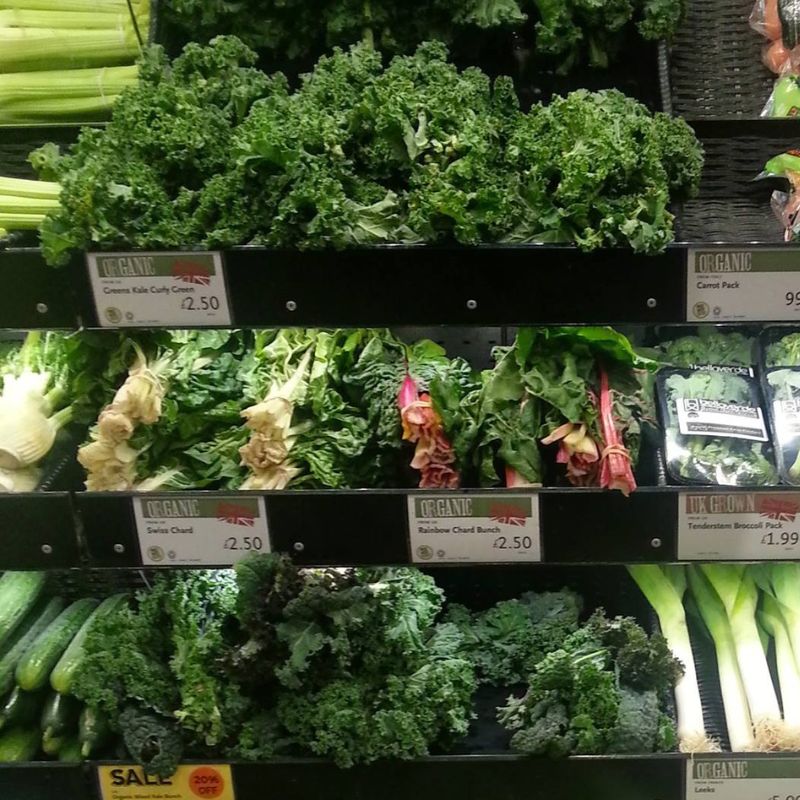
A supermarket shelf displays various leafy greens, including green kale, rainbow chard, Swiss chard, and tenderstem broccoli—ideal choices for those on an anti candida diet. Price tags and labels indicating organic options are visible.

Non-Starchy Vegetables

For optimal health, prioritising non-starchy vegetables as a significant part of our daily diet is an important step. Green and leafy vegetables encompass a diverse array of leafy greens and other varieties.

Compared to their starchy counterparts, non-starchy vegetables are notably lower in carbohydrates while being rich in essential vitamins, minerals, and trace elements. Nutritional experts emphasise consuming more servings of non-starchy vegetables due to their beneficial nutritional profile.

Research even suggests that integrating just one serving per day of green leafy vegetables can potentially slow cognitive decline. (Morris et al., 2018)

Visualise your plate divided into quarters: one quarter filled with protein, another with starchy vegetables, and half with leafy green vegetables. By incorporating a variety of non-starchy vegetables into your meals, you can establish a nutrient-dense and well-balanced diet that supports overall health and well-being.

Non-starchy vegetables, listed from their highest carbohydrate value to their lowest, include:

  • Carrots
  • Onions
  • Fennel
  • Eggplant
  • Green Beans
  • Snow peas
  • Brussels Sprouts
  • Leeks
  • Asparagus
  • Spinach
  • Spring Onions
  • Zucchini
  • Capsicum
  • Cucumber
  • Mushrooms
  • Cabbage
  • Cauliflower
  • Broccoli
  • Kale
  • Sea Vegetables
  • Radishes
  • Celery
  • Rocket
  • Watercress
  • Bok Choy
  • Beansprouts
  • Silverbeet

Here are the main reasons we need high-quality leafy green and non=starchy vegetables in our healthy whole-foods diet:

  • Fundamental Building Blocks: tissue growth and repair throughout the body.
  • Detox: Aid in our body’s efficient liver, kidney, lung and skin detoxification processes.
  • Hormones: For the manufacture of hormones used throughout our body.
  • Immune: Plays a critical role in our immune-response because it helps produce of antibodies that protect against infections.
  • Mood and Cognition: Hormones are particularly important for controlling mood, cognition, our metabolism, and general wellbeing.

Articles Of Interest: Vegetables

Fruits
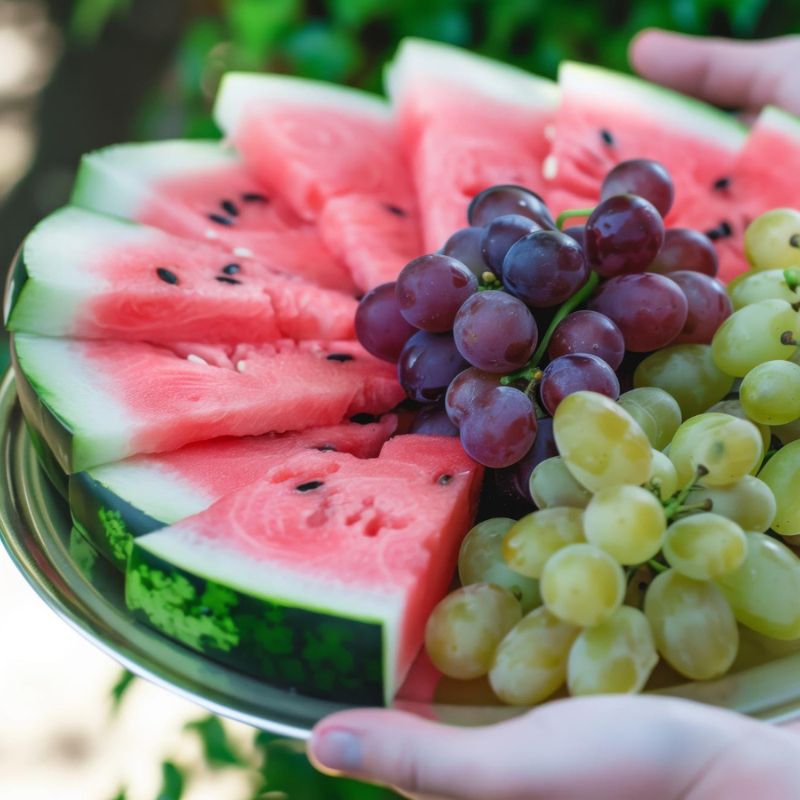
A platter of watermelon slices and clusters of red and green grapes is being held outdoors, perfect for a refreshing snack. For those concerned about food allergies, this simple fruit selection can offer a safe option with fewer risks.

What Kind Of Fruit Can I Eat In A Candida Diet?

Does eating fruit feed intestinal Candida colonies on natural sugars? Once again – there is no scientific proof. We mentioned before that studies have shown that Candida proliferate under both nutrient-rich and nutrient-poor conditions. (Van Ende et al., 2019)

When managing Candida or SIBO, it’s crucial to focus on high-fibre and nutrient-dense fruits while avoiding high-sugar fruits if you are in the active Candida or SIBO stages. Fruits such as melons and grapes can exacerbate these conditions if consumed with active overgrowth or dysbiosis.

Fibre-rich fruits help maintain a healthy gut microbiome and aid digestion, supporting overall gut health. Nutrient density ensures we are getting essential vitamins and minerals without excessive sugar intake. By choosing fruits wisely, we can better manage symptoms and support our body’s natural healing responses.

Very sweet fruits are more likely to produce gut discomfort and negatively affect a person’s blood sugar response, especially if consumed in large amounts. Discomfort is more apparent when a person is in the active stages of Candida overgrowth, IBS, or SIBO.

It is important to minimise or eliminate high-sugar and very sweet fruits from your diet in the early stages of any gut treatment. You can always try these fruits later, when your gut is in better shape.

ENJOY

  • Avocado
  • Blueberries
  • Cranberries
  • Green Apples (sour/tart)
  • Kiwifruit
  • Lemons
  • Limes
  • Papaya
  • Rasperries
  • Strawberries

AVOID

  • Bananas
  • Dried Fruit (all forms)
  • Figs
  • Grapes
  • Oranges, Mandarins, Tangerines
  • Stone Fruits (most kinds)
  • Lychees
  • Pomegranates
  • Watermelons (most melons)

MAYBE

For a lot more information about the “maybe” foods check out the Candida diet maybe foods page.

  • Cantaloupe (rockmelon)
  • Bananas (not fully ripe)
  • Persimmons
  • Plantain Bananas
  • Pears
  • Pineapple

Articles Of Interest: Fruits

Nuts And Seeds

Assortment of various nuts in small round bowls arranged in a grid pattern.

Despite their small size, nuts and seeds are packed with essential nutrients that support overall well-being. Rich in healthy fats, plant-based protein, fibre, and vital minerals, they play a crucial role in a whole-food diet.

Their abundance of antioxidants and anti-inflammatory compounds makes them particularly beneficial for digestive health, immune function, and long-term disease prevention.

For those dealing with Candida overgrowth, nuts and seeds can be both beneficial and challenging. While they offer essential nutrients and gut-supporting fibre, some varieties may contain mold or be harder to digest.

Opting for fresh, raw, or dry-roasted nuts and seeds can minimise these concerns while still delivering their many health benefits.

Smart Ways to Enjoy Nuts and Seeds on a Candida Cleanse

Here are several ways and tips when it comes to fresh nuts and seeds.

  • Nutrient-Dense Snacking: Replace sugary, processed snacks with a small handful of raw or dry-roasted nuts.
  • Meal Enhancements: Add chopped nuts and seeds to salads, stir-fries, or as toppings for soups and vegetable dishes.
  • Protein Boost: Nuts and seeds are excellent protein sources for vegans and vegetarians, providing iron, zinc, and essential fats.
  • Skip the Soaking: The skin of nuts is rich in antioxidants and phytonutrients, so soaking isn’t necessary unless preferred for texture.
  • Smart Roasting: Dry or light oil roasting enhances flavor without significantly increasing fat content, as nuts absorb minimal oil.
  • Mind the Salt: Choose raw or unsalted varieties for daily consumption, saving salted nuts for occasional indulgence.
  • Alternative Options: Unsweetened nut butters or tahini are great choices for those who find whole nuts difficult to chew.

Health guidelines suggest around 30 grams of nuts per day—roughly a small handful. Rotating between different types ensures a diverse nutrient intake. A serving typically includes:

  • 30 almonds
  • 10 Brazil nuts
  • 15 cashews
  • 20 hazelnuts
  • 15 macadamias
  • 15 pecans
  • 2 tablespoons pine nuts
  • 30 pistachios
  • 10 whole walnuts (or 20 halves)
  • A small handful of peanuts or mixed nuts

Including nuts and seeds in moderation as part of a balanced Candida cleanse diet provides essential nourishment while supporting gut health and overall wellness.

Article of Interest: Nuts and Seeds

Healthy Fats and Oils
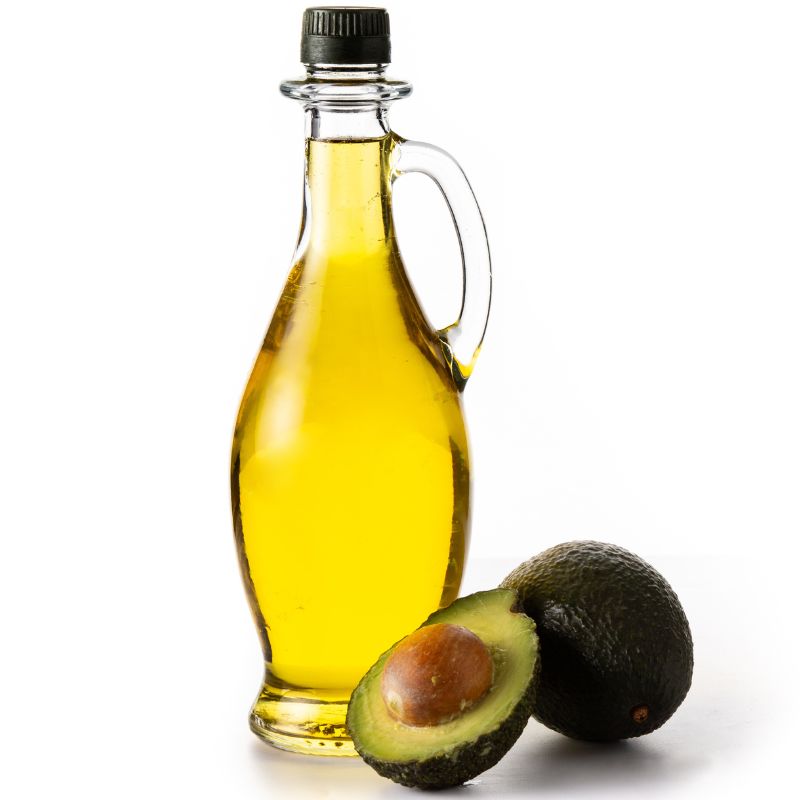
Glass bottle of oil with whole and halved avocado on a white background.

When navigating the Candida diet, SIBO diet, IBS diet or IBD diet, it’s important to discern between oils that support our health goals and other oils that may exacerbate conditions like Candida or bacterial overgrowth, inflammation in our digestive system or other areas of our body.

Again, like starchy vegetables, we ned to keep an open mind about fats and oils. Recent research mentions that even oils with a poor reputation today (canola oil, rice bran oil, soy bean and sunflower oil) all have different kinds of health benefits. (Tian et al., 2023) Just like carbohydrate-rich foods, the problem with fats and oils is over-consumption but also low quality of commercially available oils.

Due to their highly concentrated nature, fats and oils should only be consumed in very small amounts and as part of a natural whole-foods diet.

Healthy Fats and Oils for Candida Diet

There are a few oils that are excellent choices for those on a healthy diet and can be used frequently used in healthy cooking. There are several oils that are excellent choices for those on a healthy diet and can be used frequently in cooking. Here are some of the best fats and oils:

By incorporating the following healthy fats and oils into our diet, we can support our overall health and effectively manage conditions like Candida overgrowth, SIBO, IBS and IBD while enjoying delicious and nutritious meals. While extra-virgin olive oil and coconut oil are the two top oils in the case of Candida overgrowth, there are other oils and fats that can support a healthy gut microbiome and are beneficial for our overall health. They are as follows:

  • Avocado oil
  • Avocados are rich in dietary fibre and fats, especially monounsaturated fatty acids (MUFAs), nutrients that have been independently connected to benefitting our gut bacteria. Researchers found that people who ate avocado every day as part of a meal had a greater abundance of gut microbes that break down fibre and produce metabolites that support gut health. They also had greater microbial diversity compared to people who did not receive the avocado meals in the study. Avocado oil contains antioxidants that can help protect cells from damage. (Thompson et al., 2021)
  • Butter
  • Butter is a good source of fat-soluble vitamins like A, D, E, and K, which are important for overall health. Like ghee, butter contains butyrate, a short-chain fatty acid that supports gut health by nourishing the cells lining the colon and reducing inflammation. While previously considered unhealthy, recent research indicates that moderate consumption of saturated fats, like those in butter, can be part of a balanced diet. For those who are not lactose intolerant, butter is relatively easy to digest and can be a good source of healthy fats.
  • Coconut oil
  • Coconut oil stands out due to its potent anti-fungal properties attributed to its medium-chain fatty acids—caprylic acid, capric acid, and lauric acid. This is an oil I’ve used in cooking for over twenty years, it’s great to use as one of a wide range of healthy ingredients that make up our meals and snacks. The fatty acid components in coconut oil work synergistically to combat Candida albicans. Coconut oil is also versatile for cooking and baking. (Udensi et al., 2021).
  • Flax seed oil
  • Flaxseed oil is high in alpha-linolenic acid (ALA), an omega-3 fatty acid that supports heart and brain health. It can help reduce inflammation, which is beneficial for gut health. Flaxseed oil can help improve regularity and support overall digestive health.
  • Ghee
  • Ghee is a good source of butyrate, a short-chain fatty acid that supports gut health and reduces inflammation. Because it is clarified, ghee is free from lactose and casein, making it suitable for those with dairy sensitivities. Ghee has high smoke point, making it suitable for cooking at high temperatures.
  • Hemp seed oil
  • Hemp seed oil contains a balanced ratio of omega-3 and omega-6 fatty acids, beneficial for reducing inflammation. Like evening primrose oil, hemp seed oil gamma-linolenic acid (GLA), a compound with powerful anti-inflammatory properties and supports overall health support skin health, which is often reflective of internal health, including gut health.
  • Olive oil
  • Widely known for its versatility and health benefits, extra virgin olive oil is a cornerstone in the Mediterranean diet and ideal for the Candida diet. It contains oleuropein, a compound that inhibits Candida from adhering to intestinal membranes. (Zorić et al., 2016) Research suggests that olive oil helps regulate blood sugar levels. When buying olive oil, choose a reputable brand to avoid adulteration with cheaper oils which is common in the industry today.
  • You can use olive oil for a variety of culinary purposes, including baking, frying, and dressing salads. Its robust flavor and health-promoting properties make it a top choice for maintaining balance on the Candida diet.
  • Lard
  • Lard is high in monounsaturated fats, particularly oleic acid, which is also found in olive oil and is known for its heart health. Lard has a high smoke point, making it suitable for frying and cooking at high temperatures without breaking down into harmful compounds. Contains fat-soluble vitamins and other nutrients that support overall health. Lard has been used traditionally in many cultures and is praised for its ability to enhance the flavour of foods.
  • Sesame oil
  • Contains sesamol and sesamin, compounds found have antioxidant properties that can protect the body from oxidative stress. Sesame oil has anti-inflammatory properties, beneficial for gut health. It can add a nutty flavour to dishes, making it very versatile in cooking.
  • Walnut oil
  • One of the only nuts or seeds rich in omega-3 fatty acids, similar to flaxseed oil. Contains polyphenols that have antioxidant properties, supporting overall health. Omega-3s in walnut oil can reduce gut inflammation, and support brain health and cognitive function.

Choosing the Right Oils When incorporating oils into your Candida diet, prioritise those with antifungal properties and minimal processing. Aim for organic, cold-pressed varieties whenever possible to ensure maximum nutritional benefits and avoid potential contaminants.

Conclusion By selecting oils like coconut oil and olive oil for cooking and baking, you not only enhance the flavour and nutritional profile of your meals but also support your efforts to manage Candida or bacterial overgrowth effectively. These oils provide essential fatty acids and bioactive compounds that contribute to overall health and well-being on any healthy diet.

Fats and Oils To Avoid

Soybean oil – Many seed oils such as safflower, sunflower, canola, and soybean oil are rich sources of linoleic acid. Many people in North Americans obtain 8–10% of their daily energy from linoleic acid, the majority from soybean oil, even though our bodies only require around 1% of it daily. Studies have found our gut microbiota is adversely affected by too much linoleic acid. (Deol et al., 2023)

Key Take-Away

  • Fats and oils aid in our body’s efficient detoxification processes.
  • Necessary for the manufacture of hormones, guaranteeing our body’s proper balance and use of these chemical messengers.
  • Plays a critical role in our immune-response because it helps produce of antibodies that protect against infections.
  • Particularly important for controlling mood, cognition, our metabolism, and general wellbeing.

Articles Of Interest: Fats and Oils

Fermented Foods
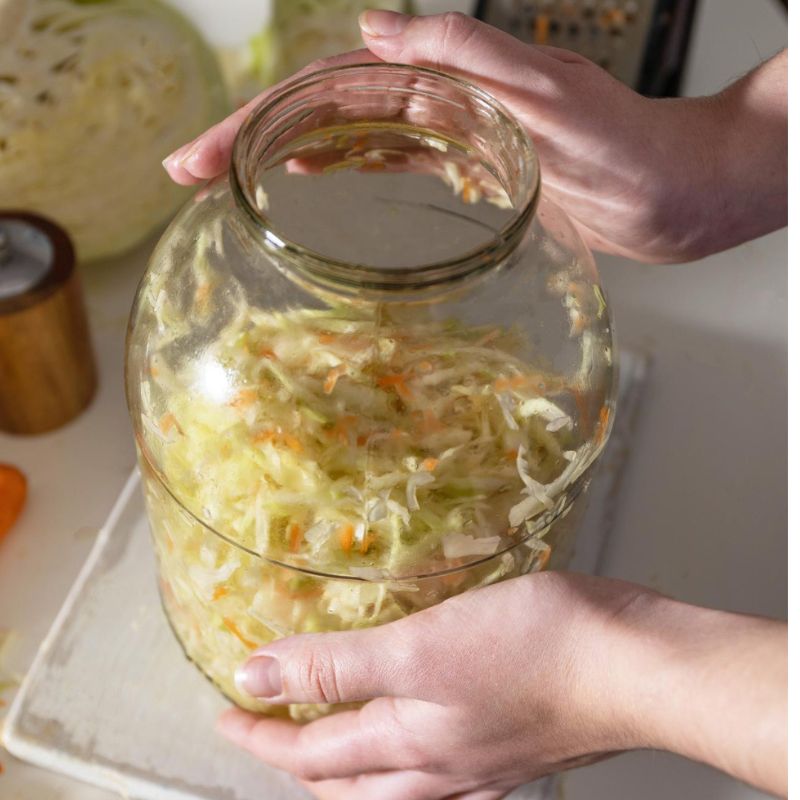
Hands holding a glass jar filled with shredded cabbage and carrots, likely prepared for fermentation. A cutting board and kitchen utensils are visible in the background.

Fermented Foods: Friend or Foe?

Fermented foods are well known for their rich probiotic content, supplying beneficial bacteria that support a healthy gut microbiome. Scientific research has consistently shown that probiotics aid digestion, reduce bloating, and alleviate gastrointestinal disorders such as irritable bowel syndrome (IBS). But how do fermented foods fit into a Candida cleanse, and can they help restore balance when dealing with Candida overgrowth?

The Role of Fermented Foods in Gut Health

Gut microorganisms have only recently been recognised for their profound impact on overall health. Among these, lactic acid bacteria (LAB) are particularly well studied due to their role in fermentation. During this process, LAB not only produce vitamins, enzymes, and bioactive compounds but also help break down “anti-nutrients” that could otherwise hinder nutrient absorption (Sanlier et al., 2017).

Fermented foods influence gut health in two key ways (Leeuwendaal et al., 2022):

  • 1 – They provide nutrients that either promote beneficial gut microbes or inhibit harmful ones.
  • 2 – The live microbes in fermented foods can integrate into the gut microbiome, actively interacting with existing gut bacteria.

This dynamic interaction is crucial when addressing Candida overgrowth. An imbalanced gut microbiome—often due to excessive sugar, antibiotics, or chronic stress—can create an environment where Candida thrives. Fermented foods may help restore microbial diversity and strengthen the gut’s natural defenses.

Fermented Foods: Natural Antimicrobials Against Candida

Fermented foods have long been valued for their antimicrobial properties. They produce organic acids, bacteriocins, and bioactive compounds that naturally suppress harmful microbes, including pathogenic yeasts like Candida (Dimidi et al., 2019).

One well-documented example is Lactobacillus reuteri, a probiotic strain found in yogurt, which produces reuterin—a natural antimicrobial compound with activity against bacteria, yeast, fungi, protozoa, and even viruses (Syngai et al., 2016). Similarly, lactic acid bacteria in foods like sauerkraut and kimchi lower pH levels, creating an acidic environment that discourages the growth of Candida and other pathogens.

In addition, probiotics in fermented foods can compete with Candida for space in the gut lining, reducing its ability to colonize and overgrow. By enhancing immune function and gut resilience, they may indirectly contribute to keeping Candida populations in check (Cleusix et al., 2008).

Should You Eat Fermented Foods on a Candida Cleanse?

While fermented foods offer many gut health benefits, their role in a Candida cleanse can be complex. Some people experience relief when adding fermented foods, while others—especially those with severe Candida overgrowth—may initially react poorly. This is often due to histamine sensitivity or a temporary die-off reaction as microbial balance shifts.

If you’re introducing fermented foods during a Candida cleanse, it’s best to start with small amounts and monitor how your body responds. Gradually incorporating probiotic-rich foods like unsweetened yogurt, sauerkraut, kimchi, or fermented vegetables may help support gut health without triggering unwanted reactions.

Here are a few good tips that can help save you some of the problems I and many others have faced with incorporation of fermented foods into the diet.

1 – Always Introduce Slowly

You won’t get used to fermented foods in a hurry, they change your gut bacteria and life for the better over time, so take your time and let your gut get used to these special foods slowly. Start with one tablespoon per day with any new ferment, continue with one tablespoon per day to slowly introduce any new bacteria and yeasts into your gut. After a week or two, try having a small serving as a snack here and there, if your gut can tolerate it, you’re fine.

2 – You’re Introducing New Gut Bacteria

A fight may break out inside your gut microbiome (large bowel) when your newly introduced food appears to almost clash with your gut. Just like us humans beings, sometimes probiotic cultures don’t get along if one group gets the upper hand over another group.

As the brawny newcomers make themselves known, a few of the undesirables end up being kicked-out of your gut house. These internal gut quarrels can create symptoms like gas, bloating, burping, or similar symptoms, but rest assured, they are only brief and temporary. Your digestive system will gradually normalise as all the bacterial and fungal species finds a new home to colonise over time.

3 – Observe Hygiene When Making Your Own

If you do wish to make your own fermented foods, you’ll need to observe high levels of hygiene, so as not to introduce unwanted micro-organisms, i.e; the wrong kind of bacteria and fungi into your ferment. Some people believe you shouldn’t make fermented foods for consumption unless you have a commercial kitchen. I’d love to know where these people eat, likely in some sterile lab facility. Common sense applies as usual.

4 – Commercially-Made Is OK Too

I appreciate not everybody has time to make their own fermented foods, in that case there are many leading brands of fermented foods now available at your supermarket or health foods store. But they can be quite expensive if you eat this food regularly, you’ll save a lot of money in the long run by making y8 – our own. I’ve found that cost is not always necessarily an indication of quality when it comes to foods like yogurt or sauerkraut. Shop around and try different brands, you’ll soon learn what you like and don’t like.

5 – They Still Contain Dietary Allergens

If you are allergic to cow’s milk, or soy, or gluten, you’ll discover you’ll still have the allergy after the fermentation process. An casein allergy to cow’s milk will still cause symptoms when yogurt is consumed that is made from cow’s milk. Read here about food allergies and intolerances.

6 – They May Be High In Histamine

Fermented foods do happen to contain histamine. Our body’s own enzymes will naturally digest the majority of them. Some people don’t make enough of these enzymes. If this doesn’t occur, it may mean that histamine will be taken-up into the bloodstream rather than being metabolised. I’ll explain this topic a little deeper, and then discuss the main fermented foods. Read here about histamine intolerance.

7 – Experiment with Fermented Foods

Experiment with fermented foods, including different types of vegetables to ferment, along with varying salt content level and fermentation time. Varying techniques can help maximise microbial diversity and can even reduce unwanted effects that can come from some fermented foods. For example, you may find fermented foods suit your gut better if they have fermented a bit longer, or shorter, than say around six weeks. You’ll need to experiment and will work out over time what suits your gut best. Personally, I prefer Greek sour yogurt as s snack, and sauerkraut a few times a week as a condiment or part of my main meal.

Caution With Ferments With Some Drugs

If you are taking a MAOI (monoamine oxidase inhibitors) drug for anxiety or depression, be cautious of consuming any sauerkraut, or other fermented foods. (Brown 1989) Some different types of MAOI drugs approved by the FDA include isocarboxazid, phenelzine, selegiline, and tranylcypromine.

It’s important to remember that sauerkraut can have a high tyramine content. Tyramine and MAOI drugs may interact in a harmful way. You may develop high blood pressure, this is called the cheese effect . Before including sauerkraut in your diet if you are taking MAOIs, consult your doctor.

Key Take-Away

  • Fermented foods provide beneficial probiotics that support gut health, aid digestion, and enhance immune function.
  • They naturally produce antimicrobial compounds that help suppress harmful bacteria, yeast, and fungi, including Candida.
  • Probiotics in fermented foods can compete with Candida in the gut, making it harder for it to overgrow.
  • Some people with Candida overgrowth may react negatively to fermented foods, particularly in the early stages of a cleanse.
  • Start slow and monitor your body’s response, adjusting intake based on tolerance.

Incorporating fermented foods wisely into your Candida cleanse can be a powerful tool in restoring balance to your gut microbiome. By choosing high-quality, unsweetened fermented foods and paying attention to your body’s signals, you can harness their benefits while minimising potential drawbacks.

Article of Interest: Fermented Food

Grains
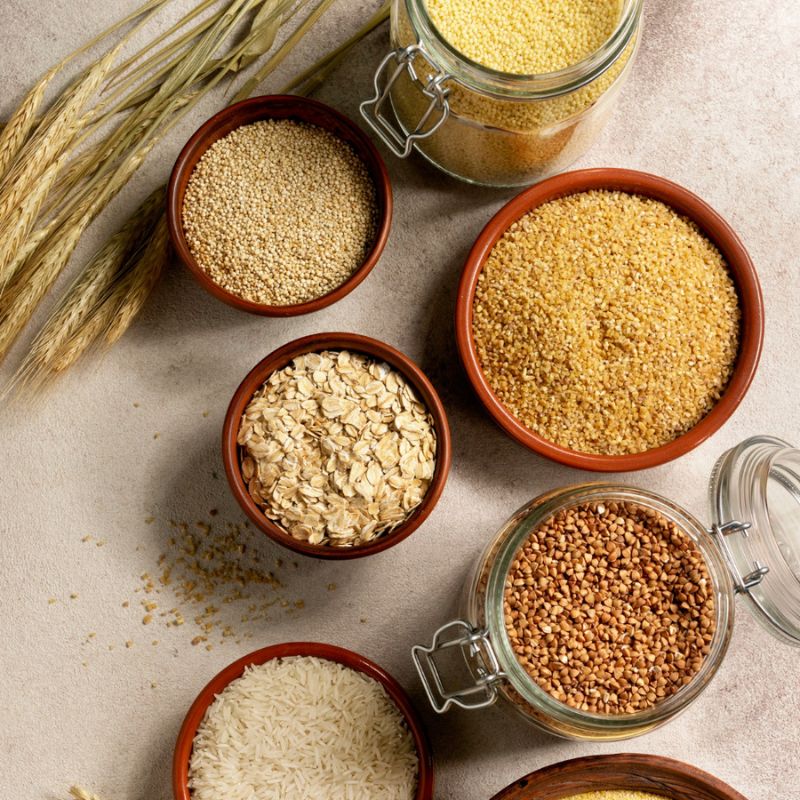
Assorted grains and cereals, including quinoa, oats, millet, and rice, are displayed in brown bowls and glass jars alongside wheat stalks on a light-colored surface—perfect for those following an anti candida diet.

Grains and Candida: Should You Avoid Them?

Grains and pseudograins have long been a topic of debate in gut health and Candida-related diets. Some believe that non-gluten grains can be freely consumed, while others argue that their carbohydrate content makes them problematic. The truth lies somewhere in between—our gut microbiomes are highly individual, and the way we react to grains varies from person to person.

The Controversy Around Grains and Candida

Gluten-containing grains such as wheat, barley, and rye are commonly eliminated by those with gut issues, including Candida overgrowth. While gluten is a well-known trigger for individuals with celiac disease, research suggests it may also contribute to gut inflammation and immune responses in some non-celiac individuals.

However, what is often blamed on gluten may actually be due to fructan intolerance, a reaction to the fermentable carbohydrates found in wheat rather than gluten itself. Some cases of persistent Candida-related symptoms may even be linked to an undiagnosed intolerance rather than gluten sensitivity.

Pseudograins—such as quinoa, millet, amaranth, and buckwheat—are naturally gluten-free and provide valuable nutrients, fiber, and prebiotics that promote gut health. However, they also contain carbohydrates, which some argue could fuel Candida overgrowth. While excessive carbohydrate intake can contribute to dysbiosis, it’s important to consider the type and quality of carbohydrates consumed rather than eliminating them altogether.

Before You Cut Out Grains, Consider Your Overall Health

If you’re struggling with Candida overgrowth, your gut lining may already be compromised. Instead of eliminating grains entirely, it’s essential to focus on your overall diet and lifestyle first. Are you feeling exhausted, struggling with weight, or experiencing poor digestion? Factors such as stress, processed foods, alcohol, and refined sugars often play a bigger role in gut health than whole grains alone.

Before making drastic dietary changes, consider the Low-Reactive Diet to assess food sensitivities. Eliminating all gluten based on someone else’s advice—without understanding how your body reacts—can be unnecessary and even counterproductive.

Are Grains Compatible with a Candida Diet?

While grains contain net carbohydrates, which may seem problematic for Candida, they also offer important health benefits. Certain grains and pseudograins contain fiber and prebiotic compounds that nourish beneficial gut bacteria, helping to restore microbial balance. A strong and diverse microbiome is one of the best defenses against Candida overgrowth.

In my clinical experience, most people can tolerate grains if they are consumed in moderation and in the context of an otherwise healthy diet. Cutting out grains entirely without addressing other factors—such as high sugar intake, poor digestion, or stress—often results in temporary improvement, only for symptoms to return later.

Is a Gluten-Free Diet Necessary for Candida Overgrowth?

Gluten-free diets have gained massive popularity, often due to misinformation rather than medical necessity. While it’s critical for those with celiac disease or non-celiac gluten sensitivity to avoid gluten, the vast majority of people do not need to eliminate gluten. Research from Harvard Health indicates that for those without a diagnosed condition, a gluten-free diet offers no significant health benefits (Sousa et al., 2021).

Despite the rise in gluten-free food sales, which reached $15.5 billion in 2016, most people do not need to avoid gluten to improve their gut health (Hellman, 2020). In fact, eliminating gluten without a valid reason may lead to nutrient deficiencies and a less diverse gut microbiome, both of which can hinder long-term gut health.

Key Take-Away

  • Gluten may be problematic for those with celiac disease, non-celiac gluten sensitivity, or gut inflammation, but many people tolerate gluten well.
  • Candida overgrowth is not solely caused by grains—high sugar intake, stress, and poor digestion play a much bigger role.
  • Pseudograins like quinoa and buckwheat can support gut health due to their fibre and prebiotic content, making them beneficial in moderation.
  • Going gluten-free is not necessary for most people and may lead to nutrient deficiencies if done improperly.
  • Before eliminating grains, focus on improving digestion, reducing stress, and eating a balanced diet to restore gut health effectively.

Instead of fearing grains, it’s best to take a balanced approach and focus on whole, unprocessed foods while addressing the underlying causes of Candida overgrowth.

Article of Interest: Grains

Healthy Drinks

Two clear glasses filled with ice, cucumber slices, and garnished with fresh mint and lemon wedges, are placed on a surface with scattered ice cubes and mint leaves.

Healthy Drinks for Hydration and Gut Health

While pure, clean water remains the best way to stay hydrated, sometimes we crave more variety. Fortunately, there are plenty of drinks that not only quench our thirst but also offer additional health benefits—especially for gut health.

Staying hydrated is essential for every cell in our body. Proper hydration helps prevent infections, supports metabolism, and even improves mood and sleep quality (Pross et al., 2014). But beyond water, specific beverages can provide nutrients, probiotics, and anti-inflammatory compounds that support digestion and combat gut-related issues like Candida overgrowth, IBS, and IBD.

How Much Water Do We Really Need?

The common “eight glasses a day” rule is a general guideline, but hydration needs vary based on age, activity level, weight, climate, and overall health. Mild dehydration is more common than people realise, leading to symptoms like fatigue, irritability, and impaired cognitive function. Simply increasing your fluid intake—especially with gut-supportive drinks—can have a profound impact on well-being.

Why Drinks Matter for Gut Health

Our gut microbiome plays a critical role in digestion, immunity, and even mental clarity. The right beverages can:

  • Reduce gut inflammation
  • Support beneficial gut bacteria
  • Improve digestion and nutrient absorption
  • Help with bowel regularity

For those struggling with Candida overgrowth, certain drinks can help balance yeast levels and prevent further dysbiosis. However, sugary, processed, and artificial beverages can make Candida and other gut issues worse.

1 – Source of Vitamins and Minerals

While clean, pure water is essential for hydration, it doesn’t contain the necessary electrolytes, vitamins and minerals to replace what’s lost during illness or intense exercise. Healthy drinks, especially those rich in electrolytes, are in liquid form, allowing for easier digestion and quicker absorption, which helps prevent electrolyte imbalances.

For example, coconut water serves as an excellent natural rehydration therapy. It not only replaces fluids lost during severe dehydration but also contains antioxidants that can neutralise free radicals, making it particularly beneficial after extended periods of exercise. Coconut water is one of my favourite drinks.

2 – Healthy Drinks Can Be a Digestive Aid

Healthy beverages offer enhanced nutritional benefits because they’re in liquid form, making nutrient absorption quicker and easier. Your stomach doesn’t have to work as hard to break them down, allowing the nutrients to reach your system faster than solid foods, which require chewing and digestion.

Probiotic drinks, created through fermentation, are particularly beneficial. During fermentation, healthy gut bacteria feed on the sugars and starches in the drink, producing lactic acid. This process preserves nutrients like B vitamins, beneficial enzymes, and multiple strains of bacteria, all while making the beverage more digestible.

3 – Healthy Teeth, Gums, Skin, and Hair

Healthy drinks rich in vitamin C, like lemon water, are packed with antioxidants that provide multiple benefits for your teeth, gums, skin, and hair. Vitamin C is the most abundant antioxidant in human skin, offering vital protection against oxidative stress from free radicals, which can accelerate aging.

Vitamin C also plays a crucial role in collagen production, a key protein for maintaining the structure of skin, teeth, and gums. As a co-factor in enzyme functions that stabilise collagen, it helps retain skin elasticity and strength. Its anti-inflammatory properties can assist with skin conditions like acne and rosacea, promote healing, and prevent hyperpigmentation.

Because humans cannot synthesize vitamin C naturally, we must obtain it from external sources. Healthy drinks made from citrus fruits, green leafy vegetables, strawberries, papaya, and broccoli are great ways to meet these needs. Historically, sailors carried vitamin C-rich foods and drinks to avoid scurvy, a condition marked by bleeding gums due to vitamin C deficiency.

In addition to vitamin C, regular consumption of green tea can support dental health. Research shows that green tea helps maintain periodontal health by preventing bone loss, reducing bacteria associated with gum disease, and limiting inflammation. (Guar et al., 2013).

The antioxidant catechin found in green tea has been linked to these benefits, as well as helping inhibit acid-producing bacteria that cause dental cavities (Goenka et al., 2013).

4 – Detoxification

Wondering how to detox your body naturally? Healthy drinks are an excellent way to cleanse your system from harmful toxins, making you feel and look healthier. These beverages are often packed with liver-cleansing, anti-inflammatory, and antioxidant-rich ingredients that energise and rejuvenate.

Herbs like dandelion, lemon, and stinging nettle leaf are known for their potent detoxifying properties. They contain bitter components that help isolate and flush out toxins from the body. Some researchers believe it is “time to re-think bitters” in our diet. (McMillan et al., 2015).

Digestive bitters, in particular, stimulate the production of gastric juices, improving digestion, nutrient absorption, and the efficient removal of toxins. Bitters also have been proven to help glycemic (blood sugar) control, and can help us loose weight more easily, perfect for diabetics. (Rezaie et al., 2021).

Incorporating these herbal drinks into your routine can offer a natural way to support your body’s detoxification processes.

Maximising the Benefits of Healthy Drinks

To make the most of gut-friendly beverages, follow these strategies:

  • Start Slowly: If you’re new to probiotic-rich or fermented drinks, introduce them gradually to avoid bloating or discomfort.
  • Rotate Your Drinks: A variety of gut-friendly drinks provides different nutrients and benefits, preventing dependency on just one.
  • Listen to Your Body: If a drink causes bloating or discomfort, adjust your intake or try a different one.
  • Monitor Bowel Habits: Notice how specific drinks affect your digestion. Are you more regular? Less bloated?
  • Stay Hydrated: Healthy drinks are great, but nothing replaces pure water as the foundation of hydration.

Key Take-Away

  • Hydration is key or digestion, immunity, and mental function.
  • Beyond water, gut-friendly drinks provide probiotics, nutrients, and anti-inflammatory benefits.
  • Candida overgrowth thrives on sugary, processed beverages—stick to natural, whole-food drinks.
  • Introduce new beverages gradually and track how they affect your gut.
  • Variety is important—rotate drinks to get a range of benefits.

Choosing the right drinks can support gut health, balance Candida, and enhance overall well-being. Stay hydrated and make your beverages work for you!

Article of Interest: Healthy Drinks

Carbohydrates
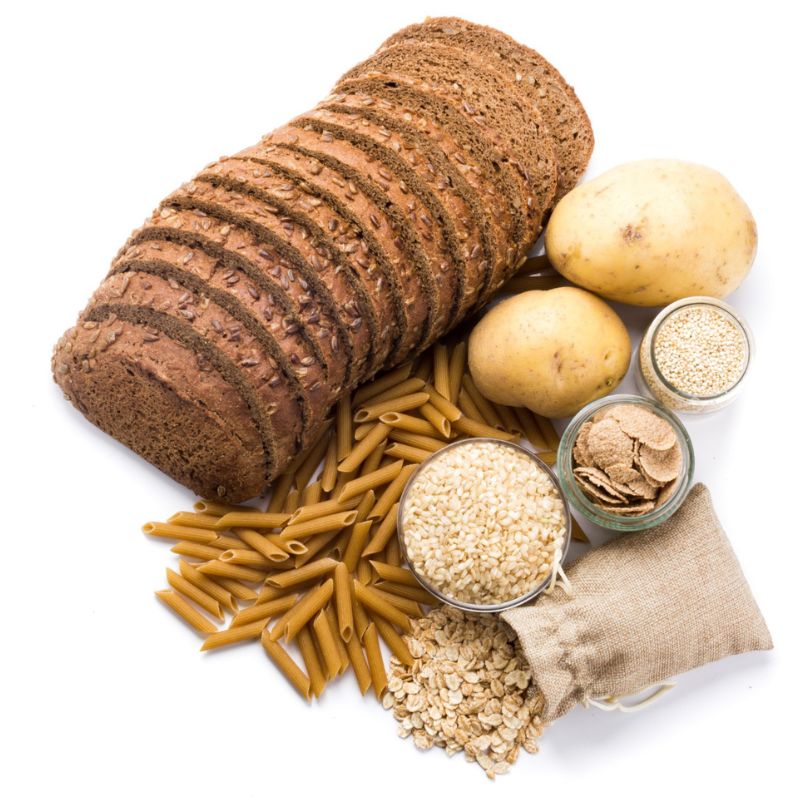
A variety of carbohydrate foods including sliced whole grain bread, potatoes, pasta, oats, quinoa, rice, and wheat bran.

Carbohydrates and Candida Overgrowth: What You Need to Know

Carbohydrates are often debated in the context of Candida overgrowth. Since Candida yeast thrives on sugar, many people believe cutting carbs entirely is the best approach.

However, not all carbohydrates are created equal, and eliminating them completely can lead to nutrient deficiencies and imbalanced gut health.

Carbohydrates are classified as simple or complex based on how quickly they break down into sugar in the body.

Simple carbs, such as those found in soda, candy, and refined grains, can cause rapid blood sugar spikes, which may fuel Candida growth. In contrast, complex carbs—like vegetables, legumes, and whole grains—are digested more slowly and provide essential fibre, vitamins, and minerals that support gut health.

Carbohydrates and Candida: What’s the Connection?

  • Candida thrives on sugars and refined carbohydrates that quickly break down into glucose. This includes processed foods, white flour, and sugary drinks.
  • Complex carbs and fibre feed beneficial gut bacteria, which can help keep Candida in check.
  • A well-balanced diet with moderate, whole-food carbohydrates is often better than a strict zero-carb approach, which can disrupt the gut microbiome.

The Three Types of Carbohydrates

Understanding different carbohydrate types can help you make better choices for managing Candida overgrowth.

  • Sugars (Simple Carbohydrates)
  • Found in fruits, vegetables, and dairy (natural sugars) and in processed foods, desserts, and soda (added sugars).
  • Added sugars can worsen Candida overgrowth by spiking blood sugar.
  • Natural sugars in whole foods (berries, leafy greens) contain fibre and antioxidants that help balance gut bacteria.
  • Starches (Complex Carbohydrates)
  • Found in whole grains, legumes, potatoes, and certain vegetables.
  • Must be broken down into sugars before being used as energy.
  • Best choices for Candida diets: quinoa, buckwheat, wild rice, and lentils, which provide slow-burning energy without feeding yeast aggressively.
  • Fibre (Complex Carbohydrate That Isn’t Digested)
  • Found in vegetables, nuts, seeds, beans, and whole grains.
  • Helps regulate blood sugar, promotes fullness, and feeds beneficial gut bacteria.
  • Insoluble fibre binds toxins and excess yeast, aiding in Candida detoxification.

How to Balance Carbohydrates on a Candida Diet

  • Fill Over Half Your Plate with Non-Starchy Vegetables
  • Choose leafy greens, cruciferous vegetables (broccoli, cabbage), zucchini, and peppers.
  • In chronic cases, starchy vegetables may spike blood sugar and may fuel Candida growth.
  • Limit Processed and Refined Carbs
  • Cut out white bread, pasta, sugary snacks, and processed grains.
  • Replace with low-glycemic options like quinoa, millet, or buckwheat.
  • Be Smart About Fruit Consumption
  • While fruit is OK, certain high-sugar fruits (bananas, grapes) can exacerbate Candida overgrowth.
  • Until your gut improves, stick to low-sugar fruits like berries, green apples, and citrus.
  • Include Gut-Supporting Fibres
  • Flaxseeds, chia seeds, and psyllium husk help remove excess yeast and toxins from the gut.
  • Add Probiotics for Gut Comfort
  • Take one capsule of a quality multistrain probiotic formulation twice-daily with meals.

Key Take-Away

  • Not all carbs are bad for Candida
  • Avoid simple sugars and processed grains, keep gut-friendly fibre and whole-food starches in moderation.
  • Candida feeds on junk foods, refined carbohydrates and sugar first and foremost
  • Limit sweets, white flour, and processed foods.
  • Non-starchy vegetables, nuts, seeds, and low-glycemic fruits
  • These choices support gut health and Candida balance.
  • Whole grains like quinoa and buckwheat
  • These can be included in moderation, as long as symptoms are under control.
  • Fibre helps regulate digestion, detoxify Candida, and feed beneficial gut bacteria.

Balancing carbohydrates wisely can help starve Candida without starving yourself—supporting long-term gut health and energy levels.

Article of Interest: Carbohydrates

Dairy Products
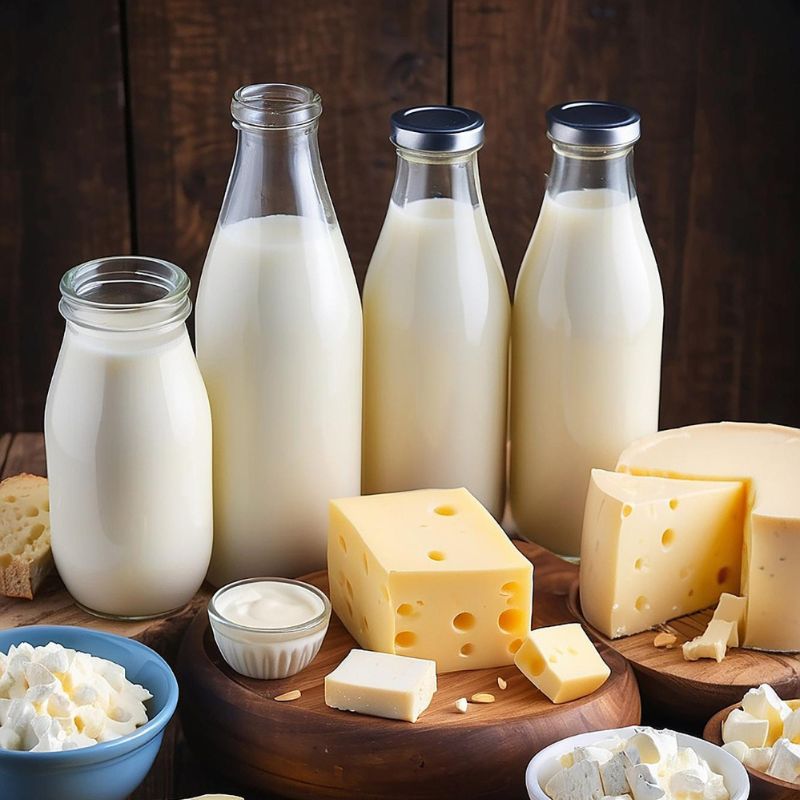
Various dairy products including milk bottles, cheese blocks, cream, and bowls of whipped cream and cheese cubes are displayed on a wooden surface, but not all items may be suitable for a candida diet.

Dairy Foods and Gut Health: What You Need to Know

Dairy includes milk, butter, cheese, yogurt, ice cream, and dried or condensed milk. While it has been a dietary staple for centuries, its effects on gut health vary significantly from person to person.

Dairy is packed with nutrients essential for overall health, making it a worthwhile inclusion in your Candida diet:

  • Calcium & Vitamin D – Essential for strong bones and teeth.
  • Potassium & Magnesium – Support heart health and muscle function.
  • Protein – Builds and repairs tissues.
  • Vitamins A & B12 – Aid immunity and energy levels.
  • Zinc, Selenium & Choline – Essential for cellular health and metabolism.

Should You Eat Dairy? Listen to Your Gut

  • Instead of following blanket advice, observe how your body reacts to dairy:
  • Do you feel bloated or sick after eating cheese?
  • Do you experience diarrhoea or loose stools after dairy products?
  • Does excessive gas follow dairy consumption?
  • Does your gut handle fermented dairy (yogurt, kefir) better than milk?

This self-observation, known as the food elimination and food challenge method, allows you to determine whether dairy supports or disrupts your gut health.

Many people believe that all dairy, especially cheese, should be avoided on a Candida diet, but I encourage you to keep an open mind. From my experience, small amounts of high-quality, mature cheese can be tolerated by many people, even those with Candida-imbalances. In fact, some cheeses may even offer gut health benefits, contrary to what social media is telling us.

You can read more about cheese and Candida on the Dairy Allergy page, especially the expert opinion by medical mycologist Dr.John Rippon. Eating yeast-containing foods does not promote the growth nor manipulation of Candida species. 

Recent studies support this by showing that cheese consumption can increase beneficial gut bacteria like Bifidobacteria and Lactococcus lactis known for their positive immune metabolic effects. These studies also found a reduction in harmful bacteria such as Bacteroides and Clostridia, which are often linked to gut infections, resulted due to consumption of cheese. (Aslam et al., 2020Farag et al., 2020Zhao et al., 2019a).

Additionally, compared to milk, cheese has been shown to significantly raise levels of important metabolites such as butyrate, hippurate, and malonate, compounds that promote gut health and a balanced microbiome (Zheng 2015).

A 2017 study highlighted the link between hippurate and a diverse microbiome, suggesting that diets rich in polyphenol-containing foods (like fruit, whole grains, and coffee) support a broader range of beneficial gut microbes (Pallister 2017).

This research points to the potential of cheese, in moderation, to complement a diet that fosters gut health, even in those managing Candida.

Dairy and Candida: A Case-by-Case Approach

  • Fermented dairy (yogurt, kefir, ghee) is often well-tolerated and may benefit gut flora.
  • Aged cheeses contain probiotics but may be harder to digest.
  • Full-fat butter and ghee are usually safe on a Candida diet.
  • Milk and ice cream are more likely to trigger symptoms due to lactose and sugar.
  • Dairy intolerance often improves as the gut heals.

Key Take-Away

  • Dairy is not inherently bad, but its effects vary by individual.
  • Use self-observation to determine your dairy tolerance.
  • Fermented and low-lactose dairy may be gut-friendly.
  • Dairy may be reintroduced after gut health improves.
  • Listen to your body—your symptoms provide the best guidance.

Article of Interest: Dairy Products

Spices and Condiments

Various spices and herbs displayed in containers at a market stall, with labels indicating their names such as saffron, curry, lavender, and incense. Some items are marked as beneficial for an anti candida diet. Scoops are placed in some of the containers.

The Natural Approach to Candida Control

Spices and condiments do more than enhance flavour—they play a crucial role in gut health. Many possess powerful antimicrobial, anti-inflammatory, and digestion-boosting properties that can help rebalance the microbiome and combat Candida overgrowth. What’s the difference between herbs, spices, and condiments?

  • Herbs – Leafy parts of plants (e.g., basil, parsley) used fresh or dried.
  • Spices – Derived from seeds, bark, roots, or fruit (e.g., cinnamon, turmeric, black pepper).
  • Condiments – Man-made or processed food enhancers, often with added sugar or preservatives. However, some condiments, like apple cider vinegar, mustard, and fermented sauces, can be gut-friendly.

Spices: Nature’s Antimicrobial Powerhouses

For centuries, spices have been used for their ability to fight harmful pathogens. Research shows that many, including clove, oregano, thyme, cinnamon, and cumin, possess antifungal and antibacterial properties. These compounds can help fight Candida and bacterial imbalances such as SIBO.

Unlike synthetic antifungals, which can disrupt the microbiome and cause side effects, natural spices offer a gentle yet effective approach. They support digestion, reduce inflammation, and promote detoxification—all essential factors in restoring gut balance.

Use A Spice Combination – Here’s Why

Numerous studies highlight the enhanced benefits of combining spices. For example, when cinnamon is paired with other spice such as clove, thyme, or oregano, the combination exhibits a synergistic effect against a wide range of bacteria.

A mixture of multiple spice oils can target an even broader spectrum of harmful bacteria, many of which are associated with human diseases or food spoilage. This powerful antibacterial action makes such combinations particularly effective for promoting health (Lu 2011).

Cinnamon, for instance, is well-recognised in the food industry for its antibacterial, anti-inflammatory, and antioxidant properties. Its extracts and essential oils are widely used to combat bacteria responsible for infectious diseases and food degradation.

This is why incorporating spice blends into your diet not only reduces the risk of infections but also supports overall health by lowering inflammation and providing antioxidant protection.

Yeastrix Candida Cleanse

If you are interested in balancing your gut microbiome, especially when it comes to Candida cleansing, consider Yeastrix Candida Cleanse spice and herbal formula.

For those looking for an all-in-one solution to tackle Candida and other fungal or bacterial infections, consider Yeastrix Cleanse, our 3rd generation antifungal supplement. This product combines clove with several other powerful antifungals, creating a balanced and effective cleanse for yeast overgrowth.

Yeastrix Cleanse includes:

With Yeastrix Cleanse, you can simplify your antifungal regimen by getting the benefits of medicinal spices along with other natural ingredients that promote gut health and combat yeast infections. Made with the highest-quality, non-GMO, and vegetarian ingredients, it’s designed for those looking for a natural, safe, and effective approach to Candida management.

Incorporating Spices and Condiments for Gut Health

  • Turmeric & Ginger – Anti-inflammatory, aids digestion, and supports liver detox.
  • Cinnamon & Clove – Antifungal, helps regulate blood sugar and fights Candida.
  • Oregano & Thyme – Strong antimicrobial properties to help combat gut infections.
  • Apple Cider Vinegar – Supports digestion, balances stomach acid, and fights yeast.
  • Fermented Condiments (e.g., miso, sauerkraut, kimchi) – Rich in probiotics to help restore gut flora.

Spices in Everyday Cooking

Incorporating these powerful allies into your diet is easy. Whether adding turmeric and cumin to curries, cinnamon to herbal teas, or apple cider vinegar to dressings, small daily choices can significantly impact your gut health.

Stay tuned for future content on my YouTube channel, where I’ll explore practical ways to use these remedies in your kitchen.

Cooking with Spices and Condiments

Do you cook with spices or condiments? The beauty of using spices and condiments for gut health is that they’re incredibly versatile. Many are proven to be antimicrobial, it’s one of the key reasons I only use the highest-quality herbal extracts and standardised spices in the Yeastrix Candida Cleanse formula.

Here’s an expanded list of ideas for cooking with spices and condiments:

  • Turmeric and Black Pepper:
  • Add to soups, stews, and curries for anti-inflammatory benefits.
  • Blend into golden milk or smoothies for a warming, health-boosting drink.
  • Use in marinades for meats, tofu, or roasted vegetables.
  • Cinnamon:
  • Sprinkle on oatmeal, yogurt, or smoothies for an antifungal and sweet-spicy flavor.
  • Add to pancake or waffle batter for a cozy, aromatic touch.
  • Use in spice rubs for roasted meats or vegetables.
  • Fresh Ginger:
  • Add to stir-fries, curries, or soups for a digestive boost.
  • Brew into tea with honey and lemon for soothing cold and flu relief.
  • Grate into salad dressings or marinades for a zesty kick.
  • Miso:
  • Stir into soups, broths, or ramen for a probiotic-rich umami flavor.
  • Use as a base for marinades, glazes, or dips.
  • Mix into mashed potatoes or roasted veggies for a savory twist.
  • Apple Cider Vinegar:
  • Drizzle on salads as a tangy, gut-friendly dressing.
  • Add to sauces, chutneys, or even sparkling water for a refreshing drink.
  • Use as a marinade for tenderizing meats or tofu.
  • Garlic:
  • Roast whole cloves and spread on bread or mix into mashed potatoes.
  • Mince fresh and sauté in olive oil for a quick pasta or veggie dish.
  • Add raw to salad dressings or salsas for its antimicrobial benefits.
  • Cumin and Coriander:
  • Toast and grind to use in spice blends for roasted vegetables or hummus.
  • Add to rice pilafs, soups, or lentil dishes for an earthy flavor.
  • Sprinkle into taco meat or bean chili for extra depth.
  • Fermented Condiments:
  • Add kimchi or sauerkraut as a side to grilled meats or roasted veggies.
  • Use tamari or soy sauce in stir-fries or marinades for a probiotic punch.
  • Top tacos or grain bowls with pickled vegetables for tang and crunch.
  • Chili Flakes or Powder:
  • Sprinkle on pizzas, pasta, or avocado toast for heat and spice.
  • Mix into soups, stews, or dips like guacamole for added depth.
  • Use in spice rubs for grilled meats, seafood, or roasted nuts.
  • Herbs and Blends:
  • Add za’atar to flatbreads, yogurt, or roasted veggies for a Middle Eastern flair.
  • Mix garam masala into curries, soups, or lentil dishes for warmth and complexity.
  • Use herbes de Provence in roasted chicken or ratatouille for French-inspired dishes.
  • Tahini and Sesame-Based Sauces:
  • Drizzle tahini on roasted vegetables, grain bowls, or falafel.
  • Mix with lemon juice and garlic for a creamy salad dressing or dip.
  • Add to smoothies for a nutty, nutrient-packed boost.

This expanded list gives you even more ways to incorporate spices and condiments into your meals for flavour and health benefits. Spices and condiments are not only the backbone of delicious cooking but also a cornerstone of natural gut health.

By integrating these simple yet powerful tools into your diet, you can create meals that support your digestive system and bring balance back to your gut. Don’t forget to stay tuned for more insights and practical tips on my YouTube channel and other platforms, as we continue to explore how nature’s pantry holds the key to vibrant health.

Key Take-Away

  • Spices and select condiments support digestion, reduce inflammation, and fight Candida.
  • Natural antifungal spices are a safer alternative to synthetic treatments.
  • Incorporating gut-friendly condiments like apple cider vinegar and fermented foods enhances microbiome balance.
  • Cooking with healing spices makes gut health enjoyable and sustainable.
  • Stay connected for more insights on using spices and condiments for Candida recovery!

Articles Of Interest: Spices and Condiments

Sweetener
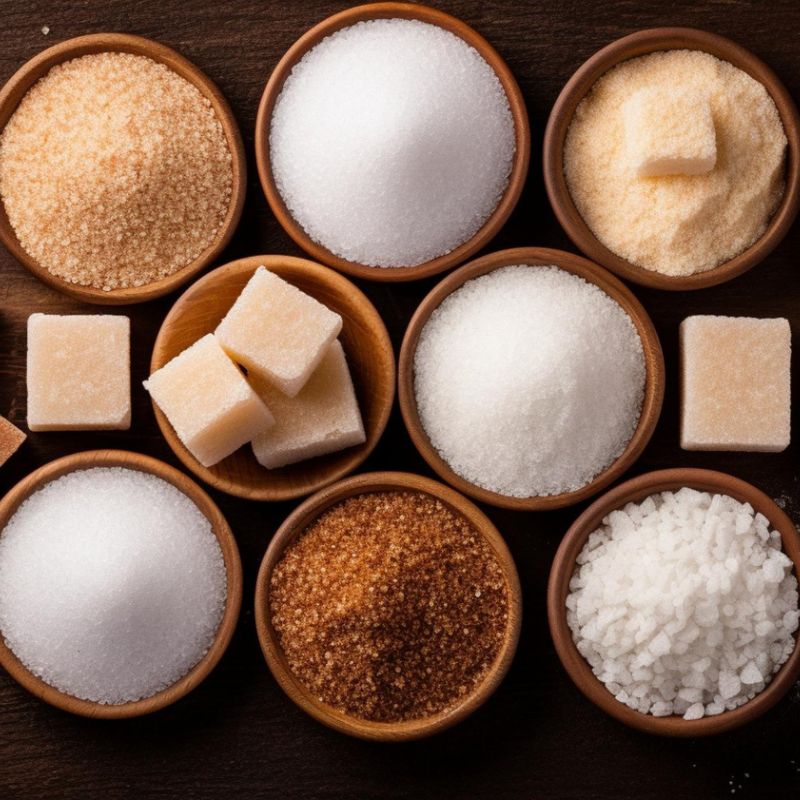
An assortment of different types of sugar in small brown bowls. The sugars are varied in texture and color, including white, brown, granulated, cubed, and coarse varieties, arranged on a dark surface.

Safe Sweeteners for Candida Overgrowth

For those managing Candida overgrowth, choosing the right sweetener is essential. While refined sugars fuel yeast growth and disrupt gut balance, certain natural sweeteners can be safer options when used in moderation.

The Problem with Sugar and Candida

Candida thrives on sugar, particularly refined carbohydrates that rapidly convert into glucose. Excess sugar can also disrupt gut bacteria, increase inflammation, and contribute to conditions like SIBO, IBS, and IBD. While sugar is often labeled as safe in small amounts, research suggests that regular consumption negatively impacts the microbiome, potentially leading to disease (Garcia et al., 2022).

However, once Candida is under control, a strict sugar-free diet isn’t necessary forever—instead, careful observation helps determine what works for you. Many people successfully reintroduce foods, including some natural sweeteners, after restoring gut balance.

Safe Sweetener Options

Certain natural sweeteners may offer benefits over refined sugar, as they contain enzymes, antioxidants, vitamins, and minerals that support health. Unlike artificial sweeteners, these alternatives can be part of a balanced diet when used mindfully.

  • Stevia Extract – A plant-based, zero-calorie sweetener that doesn’t spike blood sugar or feed Candida. Choose pure forms without additives.
  • Monk Fruit (Luo Han Guo) – A natural sweetener with zero glycemic impact, making it ideal for Candida diets.
  • Xylitol – A sugar alcohol that may help prevent bacterial overgrowth, but it can cause digestive upset in some people.

Sweeteners to Use with Caution

While honey, molasses, agave syrup, coconut sugar, and rice syrup are less processed than refined sugar, they still contain simple carbohydrates that can feed yeast if over-consumed. If included in the diet, they should be used sparingly and paired with fibre or fat to slow sugar absorption.

Balancing Sweetness and Gut Health

Even natural sweeteners should be used wisely. Overconsumption of any sugar can lead to gut imbalances, inflammation, and recurring Candida symptoms. Pairing sweeteners with protein, fat, or fibre can reduce blood sugar spikes and promote better digestion.

  • Alcoholic Drinks: Avoid wine, beer, whiskey, brandy, gin, rum, vodka, cider, and ginger beer. Alcohol is best entirely during the treatment of any condition.
  • Breads, Pastries, and Baked Goods: Avoid wheat, rye, barley, spelt, and oats (gluten-containing grains) until your digestion and immune system improve. Use sourdough techniques for bread. Flatbreads made with only flour, water, and salt are okay.
  • Coffee and Tea: Avoid regular filtered coffee, instant coffee, and tea, during the first two weeks. Gradually reduce caffeine intake to improve overall health.
  • Condiments, Sauces, and Vinegar-Containing Foods: Avoid mustard, tomato sauce, Worcestershire sauce, steak sauce, barbecue sauce, chilli sauce, shrimp sauce, soy sauces, pickles, pickled vegetables, relishes, bottled olives, commercial sauerkraut, horseradish, mincemeat, Tamari, plain white vinegar, and foods with vinegar like mayonnaise and salad dressings. Naturally fermented apple cider vinegar like Bragg’s is best.
  • Dried and Candied Fruits: Avoid dried fruits like apricots, dates, figs, pineapple, prunes, raisins, currants, dried apples, dried bananas, and dried papaya due to high sugar content.
  • Fruit Juices and Sodas: Avoid canned, bottled, or frozen fruit juices and all carbonated soft and soda drinks. Sugar-free tomato juice or cranberry juice isa good alternative.
  • Left-over Foods: Avoid eating leftovers from the previous day to prevent mold growth. Freeze leftovers immediately and reheat thoroughly. It’s better to cook fresh meals daily.
  • Processed and Packaged Foods: Canned, bottled, boxed, and other processed foods often contain refined sugars and hidden ingredients.
  • Malt Products: Avoid malted milk drinks like Milo, Ovaltine, Horlicks, and cereals.
  • Melons: Avoid watermelon, honeydew melon, and especially cantaloupe (rockmelon) due to high sugars and molds.
  • Sugar and Sugar-Containing Foods: Avoid sucrose, high-glucose corn syrup, fructose, high fructose corn syrup, maltose, lactose (cow’s milk), glycogen, glucose, mannitol, sorbitol, galactose, honey, molasses, maple syrup, maple sugar, and date sugar.

Key Take-Away

  • Refined sugar fuels Candida—limiting intake is essential.
  • Stevia, monk fruit, xylitol, and erythritol are the safest options.
  • Natural sweeteners like honey and coconut sugar should be used sparingly.
  • Pairing sweeteners with fat or fibre helps prevent sugar spikes.
  • Once Candida is controlled, reintroduction should be gradual and monitored.

By making informed choices, you can enjoy a touch of sweetness without compromising gut health. Stay tuned for future content on my YouTube channel, where I’ll explore practical ways to use natural sweeteners in your kitchen.

Articles Of Interest: Sweetener

A woman wearing a straw hat and a blue checkered dress holds a magnifying glass to her eye and points with her finger while making an exaggerated facial expression.

Candida Cleanse Programs

If you are looking how to plan the best food to eat and foods to avoid during your Candida diet, check out our Candida Cleanse treatment plans.

There is no charge for any of our plans or information, it’s all free!