
Home » Resources

Resources

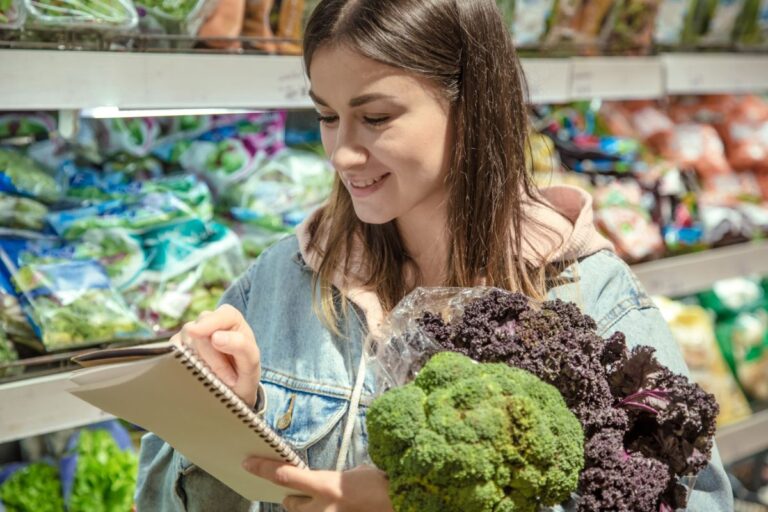
A person stands in a grocery store aisle holding broccoli and purple kale while looking at a notepad. Packaged greens are visible on the shelves behind them.

Ultimate Candida Cleanse Program Resources

Once you have purchased the Ultimate Candida Cleanse Program book you’ll have access to this page where you’ll find an array of easy-to-access downloads that complement your 6 different program modules and deepen your understanding of Candida overgrowth and related health conditions. Whether you’re just starting out or fine-tuning your long-term maintenance plan, these resources will help you stay informed, organised, and on track.

The Resources category page is your go-to hub for trusted, practical tools to support your Candida overgrowth recovery and overall gut health journey. From detailed handouts to educational videos, this section offers a growing collection of naturopath-approved guides designed to help you take action with confidence.

Inside the Resources category, you’ll discover:

  • Downloadable PDFs including food lists, symptom trackers, cleanse schedules, and diet handouts
  • Self-assessment quizzes to help you identify Candida-related symptoms and determine your next steps (coming soon)
  • Video tutorials explaining complex topics in plain English—covering diet, lifestyle, testing, and supplements
  • Meal planning aids, grocery shopping guides, and snack ideas to keep your Candida diet practical and sustainable
  • Supplement dosage support tools for choosing and using antifungals, probiotics, and enzyme formulas correctly
  • Educational charts, lifestyle templates, and habit checklists to reinforce daily success

All resource materials are based on many years of clinical experience and designed to reflect the real questions and struggles people face during Candida recovery. These tools don’t replace professional guidance—but they empower you to make better choices and understand your body more deeply.

Need More Support?

Whether you want a quick-start checklist, a deep-dive food chart, or help explaining Candida overgrowth to a friend or loved one, this category puts the right tools in your hands—when you need them most. But some people may need more support.

If you need further help or assistance, there is our YouTube channel or our Facebook page: https://www.facebook.com/ericbakker.ND/ You can find us on Reddit: https://www.reddit.com/user/EricBakkerCandida/

Ultimate Candida Cleanse Program Module Resources

A woman in a sports bra preparing an anti-candida diet recipe over a kitchen counter with fruits around.

Module 1 – The Colon Cleanse

The first stage of the Candida Cleanse Beginner Program is the Colon Cleanse. This foundational step is designed to gently clear your large intestine of accumulated waste and toxins that may interfere with gut function and detoxification.

By cleansing the colon first, we set the stage for deeper and more effective healing, it makes gut microbiome restoration an easier and more effective process.

Colon cleansing is typically carried out over seven days using a gentle, non-irritating supplement such as magnesium oxide powder, which helps to stimulate natural bowel movements without causing dependency or harsh effects.

What Is Colon Cleansing?

Colon cleansing—also called bowel cleansing—is an age-old practice used to the large intestine. While traditionally used in preparation for procedures like colonoscopies, modern natural health practitioners recognise its broader value in detoxification protocols.

There are various methods to cleanse the bowel, but we recommend a gentle magnesium-based approach. It’s safe, cost-effective, easy to use at home, and won’t cause unwanted side effects when used correctly. This method stimulates natural elimination, promoting better digestive flow and clearance of built-up waste.

Colon Cleanse Duration: 7-Day Program

The Colon Cleanse Guide

To make this process even easier, we’ve created a handy 6-page Colon Cleanse PDF Guide, available as a download. This guide walks you through the entire process step-by-step and offers helpful tips to ensure a smooth experience.

Colon cleansing is a simple process. It doesn’t need to be embarrassing or affect our social or working life. Here’s the link to take you to the comprehensive Colon Cleanse page. This page has more in-depth information and is also linked to many studies to support why this module is importan

Here is a list of the further resources available to you. We recommend you print them for easy access throughout your program:

Why Begin With a Colon Cleanse?

Starting your cleanse with the bowel makes perfect sense for several important reasons:

Key Benefits of the Colon Cleanse:

  • Helps clear the intestinal barrier, reducing the presence of harmful toxins, yeasts, and unfriendly bacteria
  • Enhances nutrient absorption by supporting more effective digestion and bowel function
  • Assists the liver in toxin elimination by ensuring the colon is able to properly evacuate wastes—reducing the chance of reabsorbing toxins through a compromised gut wall (i.e., leaky gut”)

By removing this toxic buildup, we create a cleaner and more efficient digestive environment, setting the foundation for a successful Candida cleanse. A well-prepared colon also supports the gut microbiome, improves overall well-being, and boosts the body’s ability to detox naturally.

  • Cleansing action – bowel cleansing can help remove debris, trapped undigested food particles, as well as improve digestion and the body’s ability to absorb nutrients.
  • Improved regularity – bowel cleansing can help encourage regular bowel motions.  Some people have constipation or irregular bowel movements. It’s possible that doing a colon cleanse will help stimulate bowel movements and provide temporary relief from discomfort.
  • Promotes a cleaner intestinal barrier – another reason we in initially recommend a bowel cleanse initially is that it promotes a cleaner intestinal barrier, a reduction in gut-associated toxins (coming from yeast, bacteria, fungi). Our gut microbiome improves as a result, enhancing our health and wellbeing.
  • Detoxification support – bowel cleansing can help the process of removing harmful or toxic wastes from one’s body, and receiving extra bowel-cleansing support during this process is vital. Those who support and know the practice of colon hydrotherapy, are of the opinion it is possible to improve the body’s detoxification processes by removing waste and toxins from the colon. The improvements we’ve seen in many patients supports our view and confirms our belief that it just works.

Is Colon Cleansing a Good Way to Eliminate Toxins?

Absolutely. Although it’s long been used in conventional medicine for diagnostic prep, colon cleansing is also highly regarded in functional and integrative medicine for its ability to eliminate yeast toxins, harmful bacteria, and metabolic waste.

Emerging research now shows strong links between gut dysbiosis (imbalanced gut flora) and many chronic health concerns, including fatigue, mood disorders, and even cognitive decline. Given this connection, removing toxic waste from the colon before starting a cleansing diet is more than just a logical first step—it’s a strategic move based on modern science.

When the colon is clean, the entire body benefits. You’ll not only experience better digestion, but also improved energy, clarity, and an enhanced response to dietary changes during the rest of the program.

Once you’ve completed your Colon Cleanse, you’re ready to move into The Cleanse Diet—the second stage of the Candida Cleanse Beginner Program.

A variety of colorful fruits, vegetables, and spices arranged on a white background. These foods form the basis of an anti-candida cleanse diet.

Module 2 – The Cleanse Diet

Modern life makes it all too easy to fall into unhealthy eating habits, even when we know better.

That’s why the second stage of the Candida Cleanse Beginner Program is the Cleanse Diet—a simple but powerful dietary reset that helps you reclaim your health.

Over the course of 14 days, this phase encourages the elimination of inflammatory and processed foods while focusing on nutrient-dense, gut-supportive meals.

By doing so, you support your body’s detoxification pathways, improve digestion, reduce inflammation, and begin healing the gut lining—especially if you’re dealing with issues like intestinal permeability (leaky gut).

Most importantly, the Cleanse Diet sets the tone for sustainable, mindful eating habits that not only nourish the body but bring enjoyment back to the table.

To guide you through this phase, we’ve created a helpful Cleanse Diet Food List on our website. This comprehensive resource outlines the best foods to eat and avoid during this time, making the process much easier to follow.

The Cleanse Diet involves swapping out poor food choices (high fat sugar, and salt) for clean and healthy choices. Our in-depth Cleanse Diet page will give you all full instructions.

  • To reduce the risk of many illnesses – evidence from studies and clinical trials indicates that plant-based foods, including fresh fruits and vegetables, whole grains, legumes, seeds, and nuts and lower in animal-based foods, particularly fatty and processed meats reduce risks of many diseases. (Cena et al., 2020)
  • For improved digestive health – a major focus of cleansing diets is on fibre-rich foods that enhance digestive health, relieve constipation, and foster a healthy gut microbiome. (Barber et al., 2020)
  • For better weight management: Achieve and maintain a healthy weight more effectively with a cleansing diet based on whole foods by eliminating calorie-dense and nutrient-poor junk foods linked with cravings and food addiction. (Kim 2021)
  • Fore more balanced blood-sugar levels – High sugar content in junk foods can lead to unstable energy levels. The combination of complex carbohydrates, protein, and healthy fats in a cleansing diet ensures sustained energy and stable blood-sugar levels. (Witek et al 2022)
  • For the prevention of mental health disorders – studies have shown consumption of foods high in refined sugars in children and adults, especially in reproductive age and in pregnant women, can lead to increased susceptibility of offspring’s health to diseases and proneness to mental disorders such as anxiety, depression, . (Witek et al 2022)
  • For clearer and more beautiful skin: By eliminating junk food and adopting a diet filled with fruits, vegetables, and water, you can improve your skin health, reducing wrinkles, acne and inflammation for clearer skin. Studies show plant foods can be considered as a non-pharmacological treatment option with fewer adverse effects for specific skin conditions and skincare. (Flores-Balderas et al., 2023)
  • To build a healthy mucosal gut surface -Fungal colonisation relies on Candida albicans interacting with a mucosal surface in the digestive system. Candida is able to colonise the mucosal surfaces of our gut without provoking an immune response in a healthy host. On the other hand, when the immune system is weakened at gut-mucosal surfaces, fungi can adapt and infiltrate underlying tissues, leading to more severe outcomes. (Angeliki- Nikou et al., 2019)
  • For improved immune response: Nutrient-dense foods in diets boost immune function, protecting against different kinds of infections and diseases. (Vishwakarma et al., 2022)
  • For improved Mood and Mental Clarity: A cleansing diet can enhance mood, cognition, and mental clarity, improving overall well-being. (Medawar et al., 2019)
  • For better sleep patterns – Poor sleep quality can result from consuming junk and ultra-processed food, which affects sleep patterns. Switching to a cleansing diet can help achieve better sleep quality by stabilizing blood sugar levels and providing necessary nutrients. (St-Onge et al., 2016)
  • For long-Term Health Benefits: Opting for a cleansing diet as a permanent choice instead of a quick fix can cause long-lasting health advantages, such as a longer life and better overall well-being. (Bansal et al., 2022)

What Is a Cleanse Diet?

The Cleanse Diet is more than just a temporary plan—it’s a tool for raising awareness around food choices and reconnecting with your body’s true nutritional needs. The goal is to transition from heavily processed, high-fat, high-sugar, high-salt foods to natural, whole, and healing foods.

This diet is especially beneficial for those struggling with Candida overgrowth, bacterial imbalances like SIBO, and other gut-related concerns. By feeding your body the right kinds of foods, you help restore balance and reduce the conditions that allow pathogens to thrive.

Cleanse Diet Duration: 14-Day Program

Free Cleanse Diet Guide

To make this process even easier, we’ve created a handy 7-page Cleanse Diet PDF Guide, available as a free download.

This guide walks you through the entire process step-by-step and offers helpful tips to ensure a smooth experience. It contains detailed food lists and more.

The Cleanse Diet follows the Colon Cleanse, focusing on nourishing the gut and body with whole foods rich in essential nutrients for healing and vitality. Mindful eating—listening to hunger cues, chewing thoroughly, and savouring meals—supports gut repair and prepares the body for the Liver Cleanse.

  • We all live in a toxic food environment – Experts have deemed today’s living a “toxic food environment,” in which abundant food cues lead to increased eating and weight gain (Flegal et al., 2016)
  • Today’s diets are harming our gut bacteria – typical Western diets harm our gut microbiota because they are high in fat and sugar, low in fibre and virtually depleted in vital nutrients our bodies need. The SAD diet (Standard American Diet) causes our gut bacteria to become imbalanced, increasing our chance of Candida albicans overgrowth (Jawhara et al., 2023) and SIBO. (Banasak et al., 2023)
  • Today’s diets now linked with Alzheimers disease and dementia – our modern industrialised way of eating increases our chance of developing many immune-related conditions, including auto-immune disease, and, more recently, has been linked with causing Alzheimer’s disease and dementia. (Bicknell et al., 2023).
  • Plant-based diets balance our microbiome – people living primarily on plant-based have a more balanced mycobiome (fungal populations) with more positive associations observed with groups such as vegetarians. (Musumeci et al., 2022)
  • There’s barely any research today into diets and dysbiosis – diets targeting gut dysfunction like dysbiosis (SIBO) show promise, but even in 2022, the research is still not sufficient in terms of both quantity and quality. (Souza et al., 2022) Regardless of the research, we believe, and have for many years, that selecting a nutritious diet that includes plenty of fruits, vegetables and whole foods seems to be the most effective strategy for maintaining a balanced microbiota.
  • Major push towards understanding gut health – There have been more studies published in the past few years about our diet, gut function, and health, than at any other point in history. The past 20 years have witnessed a major shift towards our understanding of the critical role of our gut microbiome in health and disease. (Puschhof et al., 2023)

Key Benefits of the Cleanse Diet:

  • Supports the body’s natural detoxification processes and reduces toxic load
  • Improves digestion, gut microbiome diversity, and reduces inflammation
  • Decreases yeast and bacterial toxins while enhancing nutrient absorption
  • Helps break food addictions and encourages long-term, enjoyable healthy habits
  • Enhances mental clarity, emotional well-being, sleep quality, and energy levels

Mindful Eating and Pleasure with Purpose

The Cleanse Diet also promotes mindful eating habits, such as:

  • Paying attention to hunger and fullness cues
  • Eating slowly and chewing thoroughly
  • Being present and intentional with food choices

These simple practices reconnect you with your body’s natural signals and help you form healthier habits that are more likely to stick long after the program ends.

As you begin to enjoy clean, delicious meals, you’ll find it easier to let go of cravings for sugary, processed foods. Instead, you’ll experience a new level of energy, satisfaction, and connection with your meals, creating a lifestyle that feels as good as it is healthy.

Once you’ve completed the Cleanse Diet, you’re ready to transition into the third stage: The Liver Cleanse—an essential step that supports your body’s primary detox organ.

Module 3 – The Liver Cleanse

The third and final stage of the gut cleanse is the Liver Cleanse—a vital step designed to reset your body’s primary detox organ. In today’s world, we’re constantly exposed to environmental pollutants, dietary toxins, and daily stress, all of which place an enormous burden on the liver.

This cleanse offers much-needed support to help your liver process and eliminate toxins more efficiently, while improving your gut health and overall wellbeing.

Although the liver is incredibly resilient, it’s now confronted with over 84,000 industrial chemicals, many of which haven’t been adequately tested for safety. Add to that a typical Western diet high in processed fats and sugars—and the chronic stress so many experience—and it’s no wonder liver function suffers.

Liver Damage Causes

For the liver to perform these functions effectively, optimal health is necessary. While many associate liver disease primarily with alcohol-induced cirrhosis, it’s important to recognise that other nonalcoholic factors can also lead to liver damage, including:

Liver Damage Caused By Environmental Toxins

Environmental toxins can significantly affect liver health. Here are some common culprits:

Heavy Metals: Metals such as mercury, cadmium, and arsenic, known as heavy metals, are major contributors to liver damage. These metals can contaminate soil, water, air, and some foods and products. They impair the liver’s detoxification processes and cause oxidative stress, inflammation, and cell death. (Briffa et al., 2020)

Pesticides: Chemicals used to control pests in agriculture often leach into food, water, air, and soil. Many pesticides can affect the liver, and prolonged exposure to these chemicals is linked to liver cancer, cirrhosis, and other liver diseases. Common liver-toxic pesticides include organochlorines, organophosphates, and pyrethroids. (VoPham et al., 2017)

Polychlorinated Biphenyls (PCBs): Authorities banned the use of Polychlorinated Biphenyls (PCBs) in electrical equipment, paints, and industrial applications in the 1970s. Despite the ban, PCBs persist in the environment and food chain, accumulating in the liver and increasing the risk of liver damage, inflammation, and cancer. (Hens et al., 2018)

Polycyclic Aromatic Hydrocarbons (PAHs): Formed during the incomplete combustion of fossil fuels and organic matter, PAHs are found in air pollution, cigarette smoke, and charred or grilled foods. They can damage the liver by causing oxidative stress, inflammation, and cell death. (Sampaio et al., 2021)

Volatile Organic Compounds (VOCs): Present in paints, cleaning products, and other household items, as well as outdoor air pollution. Some VOCs are toxic to the liver and can cause liver damage and disease. (David et al., 2021)

Bisphenol A (BPA): leaches into food and beverages from certain plastics, food packaging, and other products, and it is also present in the environment. BPA can disrupt liver function and increase the risk of liver disease. (Manzoor et al., 2022)

Elevated cortisol levels from stress are also directly linked to non-alcoholic fatty liver disease (NAFLD), which now affects nearly 30% of adults globally, and more than 40% in the Americas and South-East Asia (Teng et al., 2022).

While a liver cleanse alone won’t reverse years of toxic accumulation, it remains a critical first step—especially when done as part of a comprehensive Candida Cleanse protocol. By combining liver support with dietary changes and lifestyle upgrades, you give your body a fresh opportunity to restore balance and vitality.

When our liver function is healthy, sleep, mood, cognition, energy and weight management all improve. Our comprehensive Liver Cleanse page will give you instructions on what specialised-foods to eat, what to avoid.

What Is a Liver Cleanse?

A Liver Cleanse is more than some trendy detox—it’s a proven strategy to enhance liver function and overall vitality. Whether you’re in good health or managing a chronic condition, this cleanse can offer noticeable benefits. In our clinic, we’ve observed remarkable improvements in patients who incorporated liver cleansing into their wellness protocols.

Many individuals in Western countries suffer from intestinal dysbiosis—an imbalance between beneficial and harmful gut bacteria. The liver is directly connected to gut health, and cleansing it can help eliminate toxins stored in the liver, kidneys, lymphatic system, and digestive tract. This reduces the load on the body, helps control microbial overgrowth, and supports tissue repair and recovery.

With a well-functioning liver, you’ll experience:

  • Better digestion
  • Stronger detoxification
  • More efficient nutrient metabolism
  • Improved immunity and health resilience
  • Improved moods
  • Better looking skin

This is particularly important when following a Candida cleanse where toxin elimination and gut microbiome balance are essential to success.

Liver Cleanse Duration: 7-Day Program

Liver Cleanse Guide

To make this process even easier, we’ve created a handy 9-page Liver Cleanse PDF Guide, available as a download.

This guide walks you through the entire process step-by-step and offers helpful tips to ensure a smooth experience. It contains detailed food lists and more.

Key Benefits of the Liver Cleanse:

  • Enhanced Toxin Elimination – Helps your body efficiently process and remove harmful chemicals and waste
  • Improved Nutrient Absorption – A healthy liver supports optimal digestion and absorption, aiding gut microbiome balance
  • Reduced Pathogen Load – Lowers levels of Candida and dysbiotic bacteria, reducing chronic infection risk
  • Balanced Gut Flora – Supports healthy bacterial ratios, improving immunity and gut function
  • Reduces Systemic Inflammation – Clears inflammation-driving toxins that contribute to leaky gut and chronic disease
  • Promotes Long-Term Gut Health – Improves bowel regularity, relieving symptoms like bloating, gas, constipation, and diarrhoea
  • Restores Energy, Mental Clarity & Sleep – Reduces toxic load, improving energy levels, cognitive function, and fatigue

1. Boosted Mental Clarity and Mood Stability

Ensuring your liver is healthy can significantly enhance mental focus and clarity. A functioning liver efficiently converts ammonia from protein digestion into urea, preventing it from reaching the brain and hampering cognitive abilities.

A compromised liver can lead to increased ammonia levels, negatively impacting our brain function. Additionally, good liver health is associated with a positive mood, whereas a toxic liver can lead to irritability and anger. In traditional Chinese medicine, the liver is linked to anger, and a clean liver helps maintain emotional balance and relaxation.

2. Enhanced Digestion and Fat Metabolism

The liver is crucial for digestion and fat metabolism, producing bile that helps break down dietary fats and eliminate toxins. Regular liver function ensures a continuous bile flow, essential for digesting fat-soluble vitamins (A, D, E, K).

Liver cleansing can alleviate digestive issues like gallstones, bloating, and indigestion, leading to improved fat metabolism and digestive health. People with good liver function always seem to have the best gut function, it’s something I’ve noticed in my clinic for many years.

3. Better Blood Sugar Regulation

Your liver plays a vital role in managing blood sugar levels by storing glycogen and converting it into glucose as needed. It also converts other sugars into glucose, ensuring a steady energy supply.

A liver cleanse enhances this process, preventing hypoglycemic (low blood sugar) episodes and reducing sugar cravings, thus aiding in weight management and maintaining energy levels.

4. Strengthened Immune Function

The liver is a key immune organ, rich in white blood cells that help fend off infections and detoxify the body. Regular liver cleansing keeps the liver’s kupfer (immune) cells functioning optimally, lowering the risk of chronic diseases and enhancing the body’s ability to combat illnesses and toxins.

5. Improved Skin Health

Your skin’s condition reflects liver health. A toxic liver can result in dull, aging skin due to free radical buildup. Regular liver cleansing helps remove these toxins, promoting collagen production and maintaining skin elasticity. This leads to healthier, more youthful skin, reducing aging signs and improving overall skin tone.

6. Increased Energy Levels

A healthy liver boosts overall energy by efficiently processing nutrients and eliminating toxins. When the liver is overburdened, it can cause fatigue and sluggishness. Cleansing the liver supports its ability to convert nutrients into energy, enhancing vitality and endurance, and improving quality of life and productivity.

7. Lowered Risk of Chronic Diseases

Maintaining a healthy liver reduces the likelihood of developing chronic conditions such as fatty liver disease, cirrhosis, and liver cancer. It also helps prevent cardiovascular diseases by efficiently processing fats and cholesterol.

Regular liver cleansing supports long-term health by keeping the liver in peak condition, which in turn supports the health of other vital organs and systems.

Avoid the Common Detox Myths

While many popular detox methods rely on extreme measures—like intense fasting, harsh enemas, or sauna overuse—a proper liver cleanse is safe, gradual, and effective. When done correctly, it doesn’t deplete or stress the body but instead enhances its natural processes.

We provide specific guidance on how to support liver function through targeted foods, herbs, and hydration practices. The Liver Cleanse page will give you everything you need to get started, including recommendations on what to eat, what to avoid, and how to optimise results.

Once your liver is operating more efficiently, your entire body functions better—from digestion and elimination to mood, sleep, and energy levels. With this final phase complete, you’ll be well on your way to better health, equipped with the tools to maintain the gains you’ve made. After completing the Liver Cleanse consider digging deeper and starting the Low-Reactive diet.

Various food items are arranged on a light surface, including shrimp, a fish, grapefruit, cheese, milk, bread, peanuts, pistachios, and a bowl of oil.

4. The Low-Reactive Diet

The fourth stage of the Candida Cleanse Advanced Program is the Low-Reactive Diet. Going on the Low-Reactive Diet for two weeks is one of the most effective ways to identify food intolerances or allergies that may be affecting you. This approach helps you assess how your body reacts to different foods and beverages.

Countless patients have reported substantial improvements, often recovering from conditions like painful joints, brain fog, chronic fatigue, sinus infections, and more. If you’ve exhausted other avenues in your journey to regain health, this module could provide crucial insights you don’t want to miss.

What Is A Low-Reactive Diet?

The Low-Reactive Diet involves avoiding foods and drinks that are known or suspected to cause reactions. After eliminating these items, you gradually reintroduce them into your diet while observing any reactions. Over time, we’ve identified specific categories of foods that tend to be the most reactive. Rest assured, you’ll receive clear guidance on what steps to take and what to avoid, minimising the risk of any confusion or mistakes.

A Low-Reactive Diet is a method we rely on in traditional naturopathy to assess food reactions without relying on computer-based diagnoses or skin prick tests. Instead, we employ careful patient questioning and keen observations. Our dietary approach has evolved from extensive research, numerous patient consultations, and substantial trial and error. It represents a distilled approach that has proven effective for the majority of patients at our naturopathic clinic.

Recent studies highlight the profound impact of diet on our gut microbiome. Changes in our dietary patterns can lead to significant but temporary shifts in gut bacteria composition, sometimes within just 24-hours. These findings suggest promising therapeutic potential in improving gut microbiota through dietary interventions. (Singh et al., 2017)

The Low-Active Diet Duration: 14-Day Program

Free Low-Reactive Diet Guide

To make this process even easier, we’ve created a handy 5-page The Low-Reactive Diet PDF Guide, available as a free download.

This guide walks you through the entire process step-by-step and offers helpful tips to ensure a smooth experience.

For more information please go to The Low-Reactive Diet Page

The low reactive diet is a very important step in isolating problem foods or drinks. Follow the link to take you to low reactive diet page, you’ll find all the instructions along with tips.

  • Break the junk food cycle early on:  Before you attempt to identify and eliminate healthy foods you may be reacting to, make sure you’ve already stopped eating take-away or convenience foods.
  • Detect and eliminate: Make every effort to spot and eliminate potential food cravings during this low reactive diet stage. Expensive food allergy tests may not useful or even required. Save your money.
  • It’s most likely a common food allergy: Remember, common things happen to people commonly. It’s probably not the tomato or lettuce, it’s more likely to be that ice cream or peanut butter sandwich causing issues. The vast majority of food allergies were due to one or only a few at most of certain foods that needed to be avoided. The Low Allergy foods list on this page is all you need in most cases, problem foods soon identify themselves. Think of simple first, complicated much later.
  • The main offending foods/drinks are often in plain view – the foods we love and crave regularly may well be the foods causing us problems. Have we taken this into account? They are often found in our refrigerator, freezer or pantry. Could it be ice cream, beer, fries, soda, pretzels or salted peanuts?
  • Many patients had a “gut feeling” which foods were likely to be the problem – It became obvious on questioning that many patients could recall a food or drink linked to symptoms in the past. Like cow’s milk and a blocked nose, or oranges and a sore mouth, both are clear signs of known food allergies.
  • Many patients were disappointed with food allergy test reports – On many occasions those who paid for such tests were disappointed when the results came back clear, in spite of many food/gut symptoms. These were patients with generally the non-immune mediated food intolerance patients.
  • Cravings disappeared as a person’s gut microbiome improves – I started to notice this in the clinic years ago, and it’s finally confirmed by research. Many studies are now showing that as we eat healthier and avoid key trigger foods, our gut microbiome improves in diversity and quality.
  • Prepare for possible aggravations: Aggravations can occur may occur on food withdrawal: In some cases, withdrawal of certain foods may lead to the aggravation of symptoms caused by any underlying food allergies or sensitivities.  
Sliced whole grain bread on a wooden cutting board with wheat stalks, flour, a knife, and eggs arranged around it.

5. Food Re-Introduction

The fifth stage of the Candida Cleanse Advanced Program is Food Re-Introduction. What many of us may not realise is that after following an elimination diet and healing our gut lining, it’s possible to reintroduce foods we once enjoyed back into our diet. Our relationships with different foods are complex, similar to our relationships with people, and these can be affected positively or negatively based on our many interactions and experiences.

What Is Food Reintroduction?

Food reintroduction, also known as food challenging, is the second step in isolating problem foods or drinks.

Food reintroduction is simply the process of gradually bringing back various foods, snacks, and drinks into our diet after a period of cleansing and elimination. By removing them initially and reintroducing them slowly, we can observe if they trigger any reactions. Recent studies have shown that a slower rate of food introduction enables our gut bacteria to slowly change and adapt as we gradually reintroduce diet-restricted foods. (Su 2021

Food Re-Introduction Duration: 14-Day Program

Free Food Re-Introduction Guide

To make this process even easier, we’ve created a handy 6-page Food Re-Introduction PDF Guide, available as a free download.

This guide walks you through the entire process step-by-step and offers helpful tips to ensure a smooth experience.

  • Re-introduce one food at a time while maintaining your Low Reactive Diet.
  • Do this when you react: If you react to a food, stop the re-introduction of that food and return to the diet prior to re-introduction of that food until symptoms completely disappear. Re-test this food, and if you still experience symptoms, you may need to seriously restrict or (in extreme cases) entirely avoid this food.
  • Eliminate any “obvious” food or drink choices first like wheat, gluten, or dairy foods, and any high-trigger foods you read about in the elimination stage of the diet. Do this before you eliminate any low-reactive foods.
  • Eat the same amount: When you re-introduce a particular food, eat the same amount and with the same frequency as before to determine if it is a likely trigger.
  • Try not to get hung-up on any one particular diet: nobody has the answers except you. Be careful who you take counsel about selection of foods to include and eliminate. It may be based on a personal opinion, not fact or science at all. This is a lot more common than you think.
  • Monitor symptoms in any body system: Symptoms may include fatigue, nausea, pain, diarrhoea, constipation, eczema, asthma etc. diet.
  • Some people may want to keep a symptom diary: You’ll probably find an a “symptom diary app” these days for your android or iPhone no doubt.
  • Vitamin C: If you develop any gut side-effects as a result of food re-introduction, try a little buffered (non-acidic) vitamin C powder or bicarbonate of soda in water to buffer any gut symptoms if they are bad.
  • Taking a high-quality probiotic formulation will benefit your gut rebuilding. Remain on probiotics twice-daily during the initial stages of diet change. Check out Yeastrix Probiotics.
  • Long-term diet: It is important to eat the foods you don’t react to for a sustained period preferably a year or more, to build a healthy and balanced microbiome, along with all associated benefits of a healthy diet long-term.

If you’re here after completing the Low-Reactive Diet, you’ve likely found it to be a straightforward elimination approach. Others may be exploring Food Reintroduction because they encounter issues re-introducing certain foods or processed food items into their diet.

Some individuals may have sensitivities to naturally-occurring food chemicals like preservatives, food colours, artificial flavours, amines, or salicylates, whether knowingly or unknowingly. The only way to identify these sensitivities is by personally eliminating foods containing these chemicals and then reintroducing them to see how your gut reacts.

For more detailed information please go to the Food Re-Introduction page

A wooden tray with two raw salmon fillets, surrounded by various fruits, vegetables, nuts, grains, and mushrooms on a black surface.

6. The Foundation Diet

The sixth module is the Foundation Diet. The Foundation diet refines the Mediterranean diet by prioritising comprehensive nutritional support to optimise gut health, especially the microbiome.

Following this approach not only boosts digestive health but also enhances overall well-being.

What sets the Foundation Diet apart from the Mediterranean Diet is its inclusion of the most effective gut-building dietary elements from diverse cultural traditions, including:

What is a Foundation Diet?

Like the Mediterranean diet, the Foundation Diet is characterised by a high intake of fruits and vegetables, whole-grain cereals, and lean protein choices including poultry and oily fish, all proven to promote optimal microbiome health and diversity.

When we eat this way, fewer fungi, bacteria, and their toxic by-products from the gut leak into our bloodstream, lowering the risk of inflammation and potentially many kinds of diseases. In contrast, our typical Western diet is characterised by high intakes of red and processed meat, refined grains, especially wheat and bread products, alcohol, ultra-processed foods, fried and deep-fried foods, sugary drinks and a low intake of fruits and vegetables (low fibre and and many vital nutrients).

The Foundation Diet Duration: Lifetime Diet

Free Foundation Diet Guide

To make this process even easier, we’ve created a comprehensive 8-page Foundation Diet PDF Guide, available as a free download.

This guide walks you through the entire process step-by-step and offers helpful tips to ensure a smooth experience.

For more information please go to the Foundation Diet

The different components of a Mediterranean-styled diet work synergistically together to reduce inflammation, but the high-fibre and low saturated fat content mould the gut micro flora and increase the production of beneficial metabolites that help protect our gut barrier. (Tosti et al., 2018).

Recent studies have shown that our diet has a major impact on our gut microbiome, as changes in our food and drink patterns can lead to significant, although temporary, shifts in microbial composition even within a 24-hour period. The study concludes saying there could be important therapeutic applications in manipulating our gut microbial composition by way of manipulating our diet. (Singh et al., 2017)

Although the makeup of your Foundation diet may vary, we recommend it follows guidelines similar to these:

  • Make It A Whole-Foods Diet – Whole foods are the main focus of the Foundation diet. A whole foods diet is comprised of many kinds of vegetables, fruits, berries, whole grains, legumes, nuts, and seeds; it also includes lean proteins and healthy fats. These foods are high in fibre, antioxidants, including all the necessary vitamins,  minerals, and trace elements.
  • It Needs A High Element of Plant-Based Protein: There are many good reasons to incorporate more plant proteins into our diet. Studies found whole-food plant-based diet (without counting calories, portion control, exercise or stress management), resulted in many health benefits, including those who were already vegetarian or vegan. (Campbell 2019).
  • It Needs To Be A High-Fibre Diet To Help Control Appetite and Weight – To prevent overindulging and to maintain healthy body weight, it is more important for us to pay attention rather to what kind of food we eat, rather than just focus on portion size of a “healthy and balanced diet”. Taking control of eating the right (high-fibre) foods can help us in effectively controlling our caloric-intake by default, because dietary fibre helps control appetite.
  • Eat A Wide Variety Of Foods – See if you can expand on your dietary horizons. A broad range of nutrients is necessary to maintain optimal health, including minerals, vitamins, trace elements, and many other nutritional contingent factors. Consuming a diverse and wide variety of fresh foods promotes a wider range of health advantages, because it reduces nutritional deficiencies and improves microbiome-diversity. Try to incorporate different healthy foods into your diet, a diet variation will help boost your microbiome species abundance. Studies show if we vary our diet, it can modify the intestinal microbiome, which can have a profound impact on our overall health. (Singh 2017).
  • Add Foods You’ve Never Tried – Like Seaweed – Seaweed contains many hard to get minerals, including iodine and tyrosine, perfect for thyroid function. It’s a very flexible ingredient and can be used in a lot of different foods, like shakes, salads, soups and stews, and sushi rolls. Because seaweed is very nutritious, so a very small amount can go far.
  • Avoid Added Sugars and Ultra-Processed Food: The Foundation diet restrict or eliminates the intake of all ultra-processed foods and drinks containing added sugars, artificial sweeteners, and highly processed components like food additives, colours, and flavours. Sugar and additive elimination encourages improved microbiome health, lowering the risk of many chronic illnesses.
  • Eat Enough Food To Give Yourself Enough Energy – : We recommended to have a nutrient distribution that is reasonably well balanced. This means consuming not too much protein, healthy fats, and carbohydrates. You need enough  to meet your energy requirements, maintain your muscle mass, body weight, and promote general wellbeing. You don’t need as much protein as you think. This isn’t hard to figure out if you look at your current state of health right now, especially in key areas like energy, mood and cognition, sleep, and weight management.
  • Customise Your Foundation Diet: Take into account variables like your age, activity level, dietary restrictions (like being gluten-free, dairy-free, or vegan). You can easily tailor the Foundation diet to achieve specific dietary goals, like weight management, enhanced digestive health, or simply maintaining good health. Get professional help if you find it too challenging when it comes to customising your Foundation diet.
  • Candida Diet Or SIBO Diet? – The Foundation diet acts as the basis for a healthy eating plan, yet specific conditions like Candida, SIBO, IBS, or IBD,  can be easily factored in as well. You can read a lot more about how to tailor your Foundation diet to suit your specific condition on the Foundation Diet page.I’ll show you the best foods, herbs, and spices to include in your diet not only to build good levels of beneficial bacteria, also if you are looking for more anti-fungal, anti-bacterial, or anti-microbial activity.
  • Drinking Water Throughout The Day – Your Foundation diet needs to include adequate hydration, meaning drinking plenty of water throughout the day. Water and other hydrating drinks like herbal tea help promote general health and support many physiological processes. There is strong evidence showing that good hydration reduces the risk of kidney stones. There is evidence that also links good hydration levels with reduced incidence of constipation, asthma, and is associated with a reduction in urinary tract infections, high blood pressure, fatal coronary heart disease, blood clots, and stroke. (Popkin 2010). According to analysis of combined data from the NHANES 2009–2012 surveys, 32.6 percent of adults and 54.5 percent of children and adolescents in the United States are inadequately hydrated. (Liska 2019)
A platter of fresh vegetables, including carrots, radishes, cucumbers, cherry tomatoes, and flatbread, surrounds a bowl of orange dip, with small white flowers used as garnishes.

Gut Building

The final step is gut building, this last step was created to inspire us to make a daily advancement towards building gut health by eating foods that best suit our gut, our lifestyle, and our personal requirements.

There are a number of factors in the long-term however, including the foods we eat, which can affect the type of bacteria in our gut and our overall health. Eating a fresh, well-balanced diet is the best way to achieve gut health, and a good way to avoid an imbalance from occurring. But understanding the effects of our lifestyle, including stress, is just as important.

What Is Gut Building?

Here are some my best tips on 10 separate topic relating to long-term gut health, on how to shape and maintain a healthy microbiome through adopting the following dietary and lifestyle practices.  If you manage to maintain several of these for any length of time, your gut will become increasingly diverse and strong, reflecting in amazing health. Our You Tube channel will contain useful content, and you’ll be able to see me speaking on all of these topics and more.

On the Gut Building page, you’ll find how to build your gut microbiome health along with tips there.

The type of bacteria and other beneficial micro-organisms in our digestive system can vary considerably depending on a wide variety of circumstances. The decisions we make going forward on a daily basis will dictate the health of our microbiome, and these decisions don’t only include what foods we eat, but what pharmaceuticals drugs we take and how we live.

Gut building long-term is first and foremost dependent however on eating a fresh, well-balanced and whole-foods diet, and according to research, our diet is an easily modifiable factor and is consequently a very attractive therapeutic approach to modulate gut microbiota in the long-term. (Gagliardi 2018)

Here are 10 of the best ways to keep your gut and health in top shape long-term. On the Gut Building page we discuss each one of these topics in more detail, and if possible, outline some older and more recent studies supporting these views.

  • Diet Diversity – Brighten up our plate with a rainbow of flavours and colours – Importance: A diverse diet ensures we get a wide range of nutrients, supporting the diverse community of bacteria in our gut. This can enhance our digestion, nutrient absorption, and overall gut health.
  • High-Fibre Foods: Fibre is our gut’s best friend – Importance: High-fibre foods promote an incredible healthy gut by supporting appetite control, regular bowel movements, feeding beneficial gut bacteria, preventing inflammation, and several digestive issues like constipation.
  • Prebiotic and Probiotic Foods: Root vegetables and fermented foods build great gut health – Importance: Prebiotics nourish good bacteria, while probiotics introduce friendly microbes, creating a balanced gut environment crucial for digestion and immune health.
  • Polyphenol-Rich Foods: Colourful fruits and vegetables are the best – Importance: Polyphenol-rich foods, found in fruits, veggies, and teas, act as antioxidants, reducing inflammation and supporting a healthy gut microbiome.
  • Antimicrobial Foods: Nature’s antibiotics for our gut – Importance: Antimicrobial foods, like coconut, garlic, cinnamon, lemon grass, ginger and honey, can help control harmful bacteria in our gut, maintaining a balanced microbial ecosystem.
  • Anti-Inflammatory Foods: Foods that soothe our gut – Importance: Foods with anti-inflammatory properties, help reduce inflammation in the gut, preventing many chronic diseases and supporting overall health.
  • Avoid Ultra-Processed Foods: Skip those processed meals – Importance: Ultra-processed foods often contain additives harmful to our gut health. Avoiding them in favour of fresh whole foods supports a more natural and balanced gut environment.
  • Moderate Meat: Eat less red and processed meat – Importance: Excessive meat consumption disrupts our gut microbiome. Moderation ensures a healthier balance and reduces the risk of gut-related issues like dysbiosis.
  • Intermittent Fasting: Give our gut a break – Importance: Intermittent fasting allows our gut to rest between meals, promoting better digestion, improved metabolism, and a healthier intestinal barrier.
  • Eat More Sustainably: Save our planet – Importance: Sustainable eating not only supports our gut but also contributes to the well-being of our planet. Choosing eco-friendly foods can positively impact both our health and our environment.

Candida Cleanse Frequently Asked Questions

  • Candida albicans is a type of yeast that naturally lives in our gut, mouth, and skin. Problems arise when it overgrows—usually due to antibiotics, stress, poor diet, or weakened immunity. This can become what is known as Candida overgrowth and it can lead to bloating, fatigue, sugar cravings, skin issues, and brain fog.

A Candida Cleanse is a structured dietary and lifestyle program designed to restore balance to the gut microbiome by reducing the overgrowth of Candida albicans — a naturally occurring yeast that can cause health issues when it becomes excessive. The cleanse supports better digestion, energy, and overall wellbeing through targeted dietary changes, gentle detoxification, and the use of specific natural supplements that help rebalance and strengthen the gut ecosystem.

Some Candida cleanses you’ll find online focus almost entirely on restrictive “Candida diets”, yet diet alone rarely resolves deep-rooted fungal and bacterial imbalance. That’s why we created a truly holistic Ultimate Candida Cleanse — a program that targets the underlying causes and triggers of Candida fungal in addition to bacterial overgrowth, including not only diet, but also lifestyle, stress, and gut health factors that most approaches overlook.

The Ultimate Candida Cleanse Program can take from 3 to six months in total, but most will complete in 3 to 4 months. There are no timelines as far as treatment duration or recovery is concerned. The duration of a Candida cleanse can vary depending on individual health conditions and the severity of the Candida overgrowth. You may also take antifungal supplements to help reduce Candida overgrowth levels throughout the cleanse.

Here’s a general guideline of the 3 different stages:

  • Cleanse and Detox Phase:
  • We undertake module 1. Colon Cleanse followed by a module 2. Cleanse Diet and then module 3. Liver Cleanse.
  • Food Elimination and Challenge Phase:
  • During this phase we implement module 4. the Low-Reactive diet approach, and then a food challenge stage , or module 5. the Food Reintroduction. Once symptoms start to improve, you gradually reintroduce some of the eliminated foods while continuing to avoid sugar, processed and other poor food choices.
  • Gut Microbiome Building Phase:
  • The goal is to build-up and then maintain a nutrient-dense Mediterranean-styled diet that supports gut health, we implement module 6. the Foundation Diet. After settling in to a healthier way of eating and living, it’s good to look at Gut Building.

  • This is not another quick-fix Candida diet or some fad diet. It’s a clinically developed, step-by-step system refined over 40 years of clinical naturopathic practice and research. It focuses on long-term gut repair and microbiome diversity, not deprivation or endless dietary supplement or antifungal drugs
  • The Ultimate Candida Cleanse program is divided into 6 progressive stages we call modules — starting with a Colon Cleanse, followed by a Cleanse Diet, Liver Cleanse, and then advanced gut-restoration modules – the Food Elimination and Challenge, Food Reintroduction and finally the Foundation Diet . Each module builds on the last to rebuild gut balance safely and effectively.


Yes. It’s designed to be safe and sustainable for most people. The program avoids harsh cleanses, starvation diets, and aggressive supplement protocols that can make symptoms worse. Always consult your healthcare professional if you have specific health concerns. Eric Bakker has worked with thousands of patients from many countries over a prolonged period of time and seen no harm come about any patient undergoing the Ultimate Candida Cleanse.

Absolutely, Candida cleanses work well at restoring gut microbiome health and banishing Candida overgrowth and other yeast overgrowth or infections. We have worked with thousands of patients from many countries over a prolonged period of time and seen no harm come about any patient undergoing a Candida cleanse.

Not this one. The Ultimate Candida Cleanse is based on clinical experience, microbiome science, and functional medicine testing. It’s about restoring health, not chasing trends. Since the early 1980s, various “anti-Candida diets” and “Candida cleanses” have emerged, claiming to “cure Candida overgrowth” by restricting sugars, carbs, gluten, and yeast. These diets often promise to address the root cause of health issues by “starving” Candida of its preferred foods. The recommendations we make are evidence-based, in line with healthy eating and based on almost 40 years of clinical and research experience.


Most people can complete the full program in about 10–12 weeks. However, healing timelines vary depending on your starting point, lifestyle, and commitment level. Some people take longer.

Some targeted supplements are recommended to support the process — such as probiotics, antifungal herbs, and gut-repair formulas. The Yeastrix range was designed to complement this program, but you can use alternatives if preferred.


You’ll enjoy plenty of vegetables, low-reactive proteins, healthy fats, and low-sugar fruits. The program guides you through each phase of food reintroduction so you don’t feel deprived or confused. You’ll know exactly what to eat and what to avoid without confusion or severe food restrictions.

Some people may experience mild “die-off” or detox symptoms early on — such as fatigue or headaches. These are temporary. The Ultimate Candida Cleanse program includes practical tips to minimise discomfort and support gentle, steady progress.

Absolutely! The principles of the cleanse can be adapted to suit all dietary preferences, from carnivore to vegan. The key is emphasising whole, unprocessed foods and maintaining adequate protein and nutrient intake.

You’ll notice an improvement in digestion, energy, sleep, mood, and skin health, these are all good indicators. Many notice reduced bloating and cravings within 2–3 weeks. Most notice significant improvements within 4 – 6 weeks.

After completing the cleanse, you’ll transition into the Foundation Diet — a balanced, microbiome-supportive eating plan designed for long-term health and prevention of relapse.

You start by purchasing the Ultimate Candida Cleanse Program book. It is available in PDF or e-pub formats. It’s easy, just follow the step-by-step guidance in the book and follow through with each of the 6 modules at your own pace.

A person stands in a grocery store aisle holding broccoli and purple kale while looking at a candida diet food list and free shopping guide. Packaged greens are visible on the shelves behind them.

Download Your Free Healthy Shopping List

Here’s your free Candida diet food list. Smart shopping is the foundation of a healthy diet—especially if you’re dealing with Candida overgrowth, SIBO, IBS, or IBD. When you head to the grocery store, remember this simple rule: stick to the outer aisles. That’s where you’ll find the fresh produce, meats, fish, dairy, eggs, and other whole foods that help restore balance to your gut.