

Your Ultimate Candida Diet Food List and Shopping Guide
If you’re looking for a candida diet food list to guide your grocery shopping, you’re in the right place. This comprehensive list will help you choose foods that support gut health and reduce candida overgrowth. Whether you’re new to the candida diet or refining your approach, knowing what to eat—and what to avoid—can make a big difference in your progress.
Smart Shopping
Smart shopping is the first step towards eating fresh and healthy if you have Candida overgrowth, SIBO, IBS, or IBD. When you go to the grocery store, stick to the outer aisles where you’ll find fresh foods like fruits, veggies, meats, and dairy.
By following this strategy, you can steer clear of the inner aisles that are filled with sugary, salty, and unhealthy packaged foods. When you make fresh produce and whole foods a priority, you establish a sound basis for a healthy diet.
Choose Organic Options
Choose organic options whenever you can to reduce your contact with pesticides and chemicals. Organic foods, particularly fruits and vegetables, often contain higher levels of essential nutrients. Purchase from trustworthy food vendors recognized for their high standards and organic choices. You can often find fresh, organic produce and other healthy foods at farmers’ markets and local co-ops.
Cooking At Home
By cooking meals at home, you have the power to decide what ingredients go into your dishes. Creating your own meals allows for fresh ingredients, fewer added sugars and unhealthy fats, and balanced, wholesome dishes. Experimenting with flavors and cooking techniques is possible with home-cooked meals, making healthy eating enjoyable and sustainable.
Plan Your Shop
Don’t forget to plan your shopping trips and meals. Create a shopping list of nutritious foods and follow it. It prevents impulsive buying of unhealthy snacks and ensures you have all the ingredients for nutritious meals. By carefully organising and prioritising fresh, unprocessed foods, you can easily incorporate healthy eating into your daily routine.
Your Free Shopping Guide
Shopping List: Download your FREE PDF Shopping List here.
The following is a guide to your best healthy food choices. Simply download your free shopping guide, or read the page below for your healthiest food choices when you go out shopping.
Consume more foods with the green tick, and reduce or avoid foods marked with a red cross.
Protein Foods
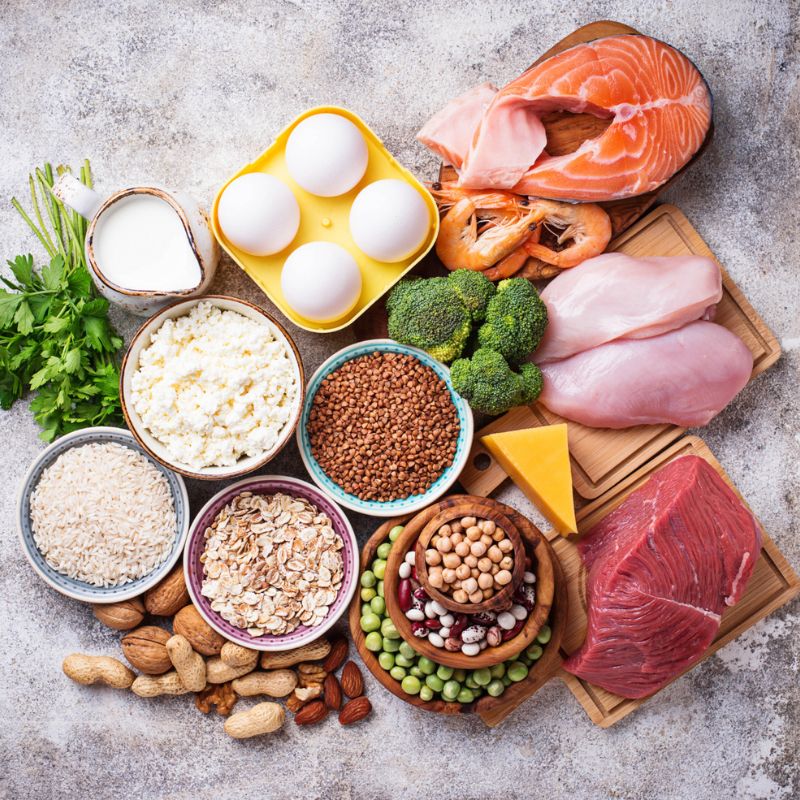
When we think of protein we generally think of meat, right? It’s the wrong way of thinking. Most of us think of a beef steak or a piece of chicken as soon as we are asked to described what protein is.
Buy organic (clean) protein foods where possible. Avoid all foods of know food allergy or intolerance. Consider a Low-Reactive diet to establish any food triggers – this is one of the modules in our Ultimate Candida Cleanse Program.
Protein Tips
ENJOY
AVOID
Vegetables

Fresh vegetables provide essential nutrients, high-fibre, and antioxidants that promote good health. The vegetables marked in green below are the brassica vegetables like broccoli, kale, and Brussels sprouts. Consuming these vegetables rich in beneficial phytonutrients can prevent chronic diseases.
Unless you have a particular aversion to certain vegetables, adding a range of fresh veggies to your diet is a great way to get a wide range of nutrients for better health. Why we believe mushrooms are OK on the Candida diet? You can read about that here. Confused about vegetables and fibre, starch, and sugar content? You can read all about that here.
Vegetables to best to avoid include canned or creamed vegetables, or vegetables prepared with sugars, artificial flavours and colours.
Vegetable Tips
ENJOY
Fruits

Consume fruit from the ENJOY column, track your symptoms, and if you notice any reactions then avoid them, temporarily. Try again later, but on an empty stomach, and limit portion size. Consume fruits from the Avoid column when your gut is in better shape and you have less symptoms, especially bloating and gas. The MAYBE column contains fruit choices that may suit some and not others at any stage , experiment & small portions.
Fruit Tips
ENJOY
AVOID
MAYBE
Very sweet fruits are more likely to produce gut discomfort and negatively affect a person’s blood sugar response, especially if consumed in large amounts. Discomfort is more apparent when a person is in the active stages of Candida overgrowth, IBS, or SIBO. It is important to minimise or eliminate high-sugar and very sweet fruits from your diet in the early stages of any gut treatment.
For a lot more information about the “maybe” foods check out the Candida diet maybe foods page.
Fermented Foods

Fermented foods are very rich in probiotic bacteria, beneficial micro-organisms that support a healthy gut microbiome. Countless studies exist online supporting the consumption of probiotics, because they have proven to aid in digestion, reduce bloating, and alleviate symptoms of gastrointestinal disorders like irritable bowel syndrome (IBS).
Studies have found that fermented foods offer an opportunity to positively impact our gut microbiome by two main ways (Leeuwendaal et al., 2022):
Fermented Food Tips
ENJOY
Nuts and Seeds

Nuts can have a higher tendency to create allergic responses in some people, especially in those with leaky gut syndrome.
If you are prone to allergies, monitor symptoms after starting any new nuts or seeds in your diet. It pays to keep a food diary to track if symptoms occur. Avoid peanuts, although actually legumes, they are classified as nuts due to their similar characteristics to other tree nuts. Many people are allergic to peanuts, it is among the most common food allergy in children.
Nuts and Seeds Food Tips
Nuts To Enjoy
Seeds To Enjoy
AVOID
Healthy Drinks

Maintaining optimal gut health is a cornerstone of overall well-being. In today’s fast-paced world, it’s easy to overlook the importance of what we drink.
While many focus on solid foods for nutrition, healthy beverages play a crucial role in supporting our digestive system and enhancing our health.
Whether you’re dealing with the persistent bloating and pain of IBS, the overgrowth of Candida, or the inflammation associated with IBD, the right beverages can offer relief and promote healing.
Healthy Drinks Tips
ENJOY
AVOID
Dairy Products
Apart from gluten, another big question on the Candida diet is: “Can I have dairy products?” Unfortunately, there’s no simple answer. Some say yes, others say no, but are their arguments based on social media, theories, or science?
Some types of dairy might be fine for you, while others might aggravate. From my experience, many people tolerate some forms of dairy well when consumed appropriately and in small amounts. Like yogurt, kefir, goat feta cheese and aged cheeses. When choosing aged cheeses for their probiotic benefits, look for those that are traditionally made and avoid highly processed varieties, as processing can reduce the levels of beneficial bacteria.
Dairy Products Tips
ENJOY
MAYBE
AVOID
Grains
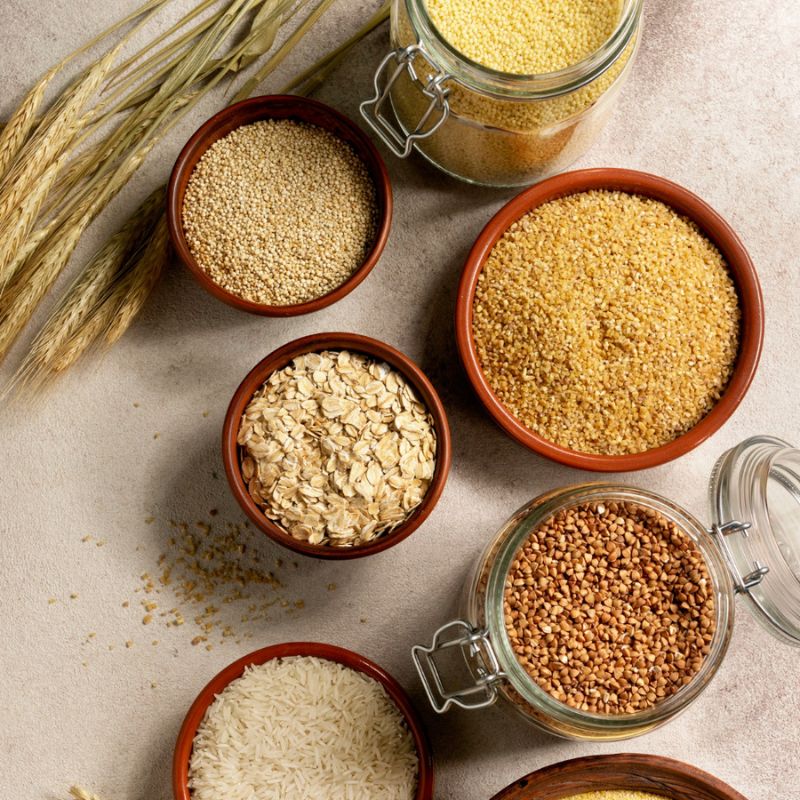
On the Candida diet, opinions about grains and pseudo-grains vary greatly. Some argue grains are nutritionally redundant and potentially harmful due to anti-nutrients and proteins like gluten. Others believe their high net carbohydrate content causes issues. Advocates of “safer” starches suggest tubers like sweet potatoes instead of grains.
So, what should you do? The reality is that only you can determine your reaction and tolerance to any gluten-containing or pseudo-grain. Tolerance depends on several factors, including existing conditions, gut microbiome balance, preparation method, quantity consumed, metabolism, and accompanying foods.
Don’t Blame Gluten!
Gluten-containing grains are listed in the “Avoid” column, but many people can tolerate them once their gut has healed. If you have chronic gut issues or Candida overgrowth, temporarily eliminating gluten while focusing on other carbohydrate and protein sources can help you assess your gut health.
However, before blaming gluten, it’s best to first eliminate all alcohol and sugar-laden, ultra-processed foods for several months. This allows for a clearer understanding of how gluten truly affects you.
Grains Tips
ENJOY
AVOID
Sweetener
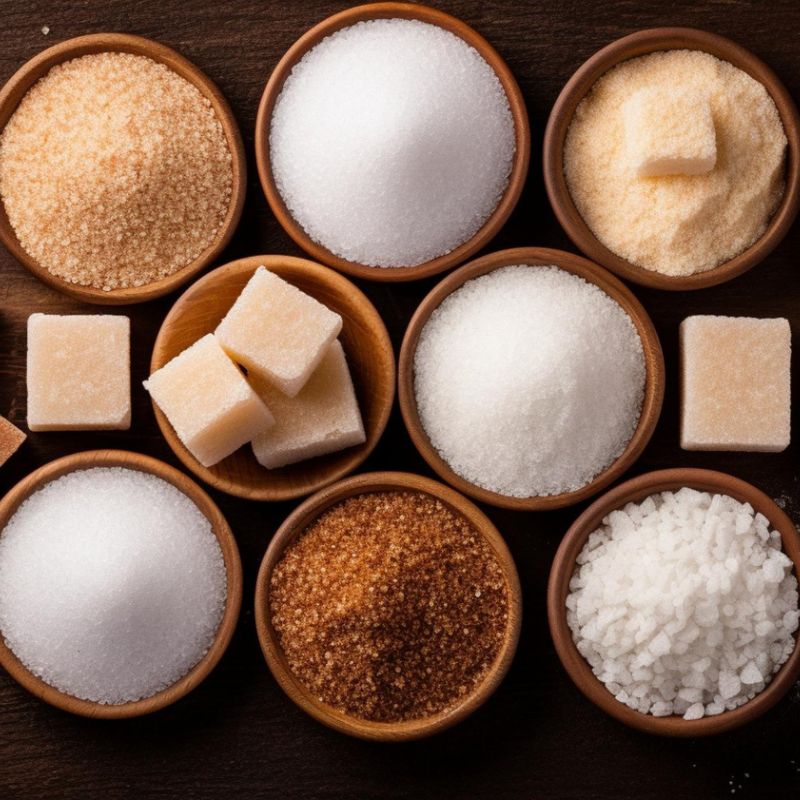
Almost everyone enjoys a sugary snack. However, frequently consuming foods and drinks with lots of added sugar can lead to significant weight gain and increase the risk of serious health problems, such as diabetes, heart disease, and even cancer.
Limit your intake of sweets and avoid eating anything highly sweetened. It also doesn’t make sense to eat anything sweet without it containing either fat or fibre to slow-down the rapid absorption of sugar into the bloodstream, while also providing valuable nutrients.
Consuming too much sugar has the effect of increasing unwanted dysbiotic bacteria, while reducing our level of beneficial bacteria. our gut bacteria as well, predisposing us to SIBO, Candida overgrowth, IBS and IBD. While experts generally acknowledge the safety of added sugars, mounting evidence suggests that consuming them can negatively impact our gut microbiome, potentially leading to various diseases. (Garcia et al., 2022
Sweetener Tips
ENJOY
AVOID

Ultimate Candida Cleanse System
Beat Candida naturally with the complete, science-based system created by naturopath Eric Bakker, N.D. This all-in-one package gives you two downloadable guidebooks plus the Yeastrix Gut Restore Kit — three targeted professional formulas that work together to reset your gut, restore balance, and rebuild healthy digestion.
You get a structured, step-by-step program, professional clinical guidance, and supplements designed to support each stage of recovery. No guesswork. No confusing protocols. Just a clear roadmap and the right tools to help you finally reduce symptoms, rebalance your microbiome, and feel like yourself again. The Ultimate Candida Cleanse System is everything you need to make real progress — naturally, safely, and effectively.

Eric Bakker N.D.
Greetings! I am a naturopathic physician from New Zealand. Although I’ve retired from clinical practice since 2019 after 34 years of clinic. I remain passionate about helping people improve their lives. You’ll find I’m active online with a focus on natural health and wellbeing education through my Facebook page, Reddit page and YouTube channel, including this website.


