
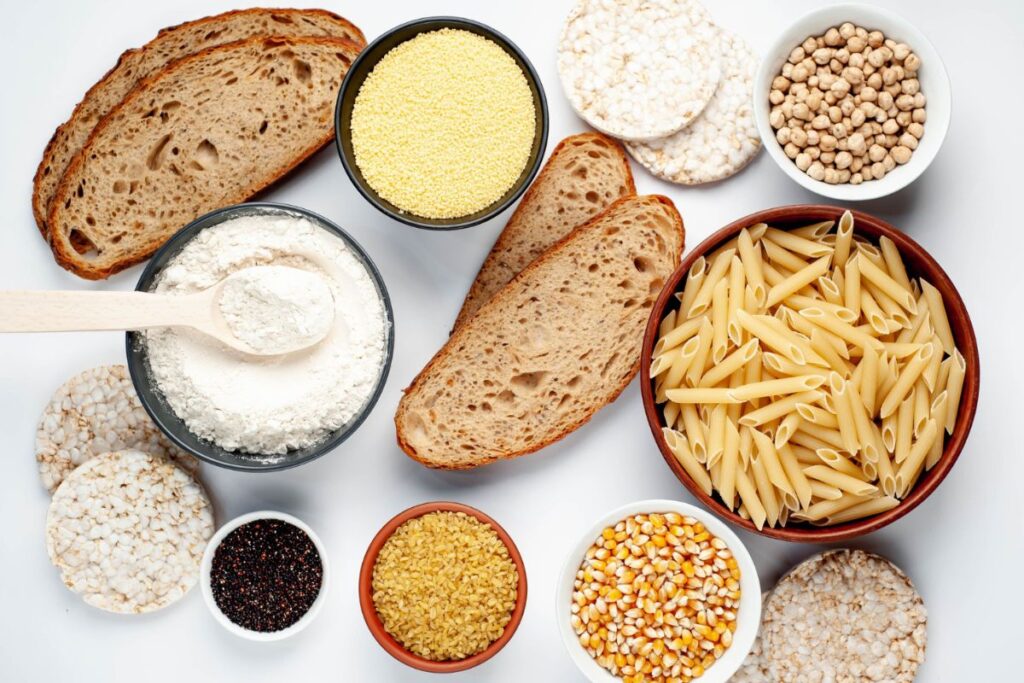
What Are Carbohydrates?
Carbohydrates are one of the three primary macronutrients, alongside proteins and fats. These organic compounds consist of carbon, hydrogen, and oxygen. When consumed, carbohydrates serve as a major energy source for the body.
Carbohydrate-rich foods are an important part of our healthy balanced diet. They supply glucose (sugar) to our body’s cells, which is transformed into energy for biological functions and physical activities.
Carbohydrates are found in a wide variety of foods and are classified into three main types: sugars, starches, and fibre. However, carbohydrate quality matters; some carbohydrate-rich foods are superior to others.
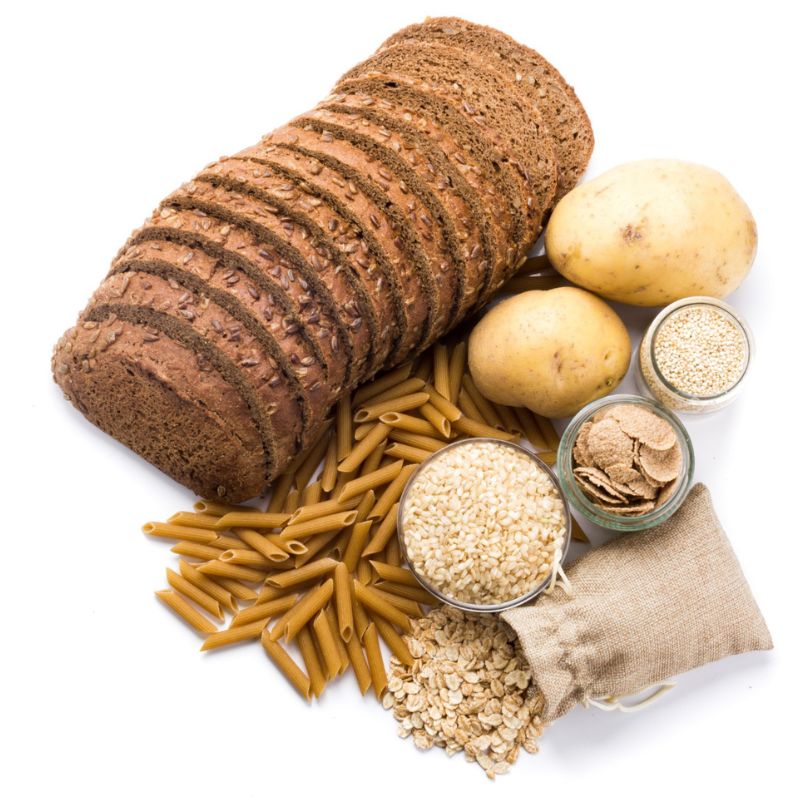
Carbohydrates Definition
Carbohydrates are classified as “simple” or “complex” based on how quickly they are broken down and converted to energy in the body.
Simple carbohydrates, such as those found in soda drinks, are rapidly digested and cause a quick spike in blood sugar levels. In contrast, water contains no sugars and therefore has no impact on blood sugar or circulation.
Research has shown that practically all dietary carbohydrates come from plant sources, except for lactose, which comes from milk. (National research Council. USA., 1989)
The healthiest carbohydrate sources are unprocessed or minimally processed whole grains, vegetables, fruits, and legumes. These foods provide essential vitamins, minerals, fibre and a variety of phytonutrients.
Consuming complex carbohydrates is less likely to cause a rapid increase in blood sugar levels. A diet rich in complex carbs and low in simple carbs can help regulate blood sugar, appetite, and weight more effectively. Let’s look at simple and complex carbs.
Two Main Types of Sugar In Our Diet
There are two main forms of sugar in our diet: natural sugars found in foods like milk and fresh fruits, and added sugars found in foods like candy, canned fruit, juice, and soda. Other forms of added sugars are present in baked goods, candy bars, and ice cream. Most canned fruits with juice contain added sugar, so it’s important to read labels.
All sugars are broken down the same way by the body, which doesn’t distinguish between natural and added sugars. However, foods with natural sugars also provide vitamins, minerals, and sometimes fibre, which affects how they are metabolised.
Common Names for Sugars
3 Types Of Carbohydrates
Did you know three primary categories of carbohydrates exist? It’s easy to think of carbohydrates as rice, potatoes or bread, but there is more to it than that. Just like fats and oils, carbohydrates make up a diverse group of foods that keep us healthy. Let’s look at the three main types of carbohydrates:
Let’s first look at these 3 principle types of carbohydrates in a little more detail:
Sugars

Sugars are Simple Carbohydrates
Simple carbohydrates, or refined carbohydrates, are sugars and refined grains that have been stripped of bran, fibre, and nutrients.
Simple carbohydrate commonly include white bread, take-away foods, pizza dough, pasta, pastries, white rice, white flour, sweet desserts, doughnuts, ice cream, potato chips, alcohol, most types of chocolate and confectionery, soda drinks, many breakfast cereals, and other highly processed foods.
These are unhealthy sources of carbohydrates that offer no nutritional value, they just look, smell and taste nice. When consumed in excess, foods high in simple carbohydrates can cause many health problems. (Clemente-Suárez et al., 2022)
Studies found refined dietary carbohydrates can modulate biofilm development by affecting virulence factors and structural features.
These foods are rich in easily digestible carbohydrates, which can cause weight gain and increase the risk of diabetes and heart disease, even cancer. Sugar is the the simplest form of carbohydrates, is quickly broken down in the body, causing rapid spikes and drops in blood sugar levels. This can lead to bursts of energy followed by fatigue.
Hidden Sources of Refined Sugar in Our Diet
By being aware of these hidden sources of refined sugar, you can make more informed choices and better manage your sugar intake. Click on the + sign to see hidden sources of sugar:
Starches
Starches are complex carbohydrates made up of long chains of glucose molecules. Starches exist in grains, potatoes, and other starchy foods.
Unlike simple carbohydrates, which are quickly broken down and absorbed by the body, starches can take longer to digest, providing a steady release of energy and helping to maintain stable blood sugar levels. This structural complexity not only distinguishes them from simple carbs but also contributes to their unique health benefits.
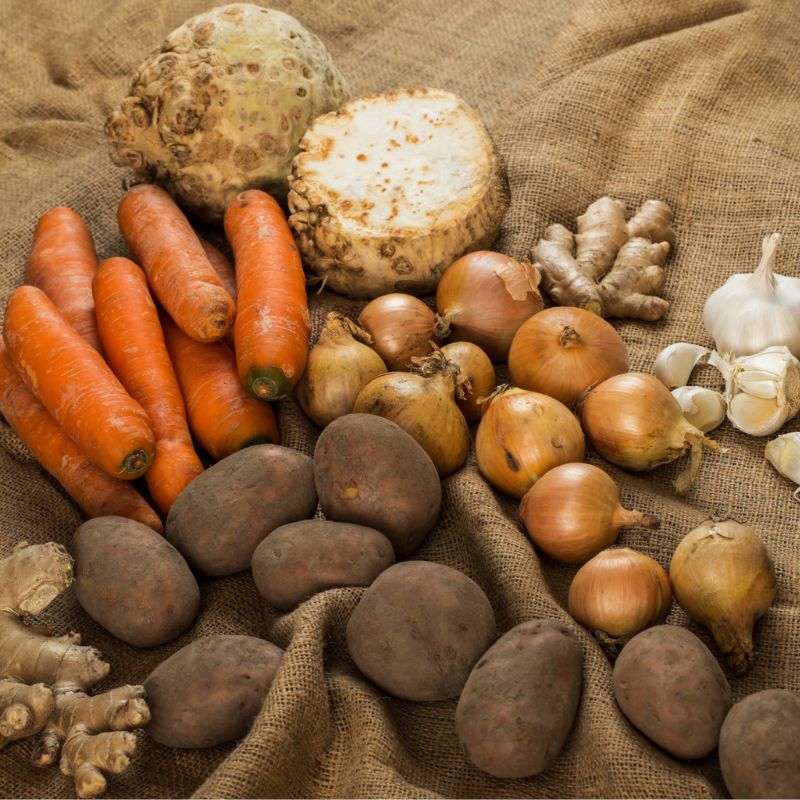
Starches are Complex Carbohydrates
Starches are much more intricate than simple sugars. Unlike simple carbohydrates, which have short chains or no chains at all, starches consist of long chains of simple sugars linked together. These long chains take longer to break down, supplying a steady amount of energy.
These complex carbohydrates are not only structurally intricate but also rich in vitamins, minerals, and other essential nutrients, unlike most sugars (with the exception of pure honey).
Foods rich in starches often come packed with fiber, which further enhances their health benefits. For instance, whole grains, legumes, and starchy vegetables provide a wealth of nutrients that are essential for maintaining good health.
Because of their complexity, starches take longer for the body to break down, resulting in a more steady blood sugar level and better appetite control. Unlike simple sugars, which may cause rapid spikes and crashes in blood sugar, starches provide a slow and steady release of glucose into our bloodstream. This helps maintain energy levels throughout the day and prevents the sudden energy dips that can lead to cravings and overeating. (Harvard T.H.Chan)
People who consume plenty of starches tend to feel fuller for longer periods, reducing the need to snack frequently. This prolonged satiety can aid in weight management and contribute to overall better dietary habits.
Including a variety of starchy foods in your diet, such as whole grains, beans, legumes, and starchy vegetables, can help you stay full and energized, while also providing essential nutrients for optimal health.

Resistant Starch
Starches are the main component of carbohydrates in our diet. There are different types of starches, some types of starch can pass through our digestive tract faster than others. Some forms of starch are “resistant” to digestion, meaning, they pass through without being digested by our stomach or small intestine.
We call these the resistant starches, and they have a similar function to soluble fibre. They pass through to the colon, or large intestine, where they become fermented by bacteria, as well as add bulk to our stool.
Many studies in humans show that resistant starch can have powerful health benefits, including improved insulin sensitivity, lower blood sugar levels, reduced appetite, and various benefits for digestion.
If you are looking at weight-loss, or weight management, I’d recommend you swap other predominant carbohydrates you eat (sugars and starches) for high-fibre foods. This will likely be one of the best moves we can make for our gut microbiome health.
You can read a lot more about resistant starches on this page.
Health Benefits of Resistant Starch
It’s important to note that several types of resistant starch can co-exist in the same food, and the amount of resistant starch can change depending on how the food is prepared. It can also depend on the stage of ripening of the food. Some foods, like bananas, convert their resistant starches during the green and unripe stage into regular sweet sugary starches as they ripen.
For example, allowing a banana to ripen (turn yellow) will degrade the resistant starches and turn them into regular starches.
Resistant starch has many health benefits, supported by extensive research. Here are just a few of these benefits:
To sum up, resistant starches offer a wide range of health benefits, including promoting gut health, improving insulin sensitivity, aiding weight management, and relieving constipation. Their significance in treating conditions such as Candida, SIBO, IBS, and IBD highlights their role in a healthy diet.
In our clinic we’ve always recommended our patients to consume a wide range of foods high in resistant starch. Enhance your overall health and well-being by including resistant starches in your meals.
How to Incorporate Resistant Starch into Your Diet
The following foods are particularly high in resistant starch, and I recommend you include them regularly into your diet:
These tips make it easy to incorporate resistant starch into your diet.
By understanding the different resistant starch and their benefits, you can make informed dietary choices that support your overall health and well-being. Remember to reduce those simple sugars, you don’t really need them much when you consume increasing amounts of complex carbohydrates.
Have a look at the resistant starch foods box below. You’ll notice that lentils, chickpeas and beans are all in the highest resistant starch group, besides
Best Resistant Starch Foods
Here is a list of the resistant starch (RS) content in various food sources. (Chen et al., 2024)
| Food Category | Food Items | Average RS Content (g/100gr) |
|---|---|---|
| Tubers | Potatoes, Yams | 2–5 |
| Processed Foods | Whole Grain Breads, Pasta | 2–6 |
| Grains | Barley, Oats, Whole Wheat | 3–7 |
| Legumes | Lentils, Chickpeas, Beans | 4–10 |

Is Tofu Resistant Starch?
Tofu does not fall under the category of resistant starch. Resistant starch acts more like fibre than a regular carbohydrate, since it resists digestion in the small intestine and undergoes fermentation in the large intestine. You can commonly find resistant starch in unripe bananas, cooled potatoes, legumes, and specific whole grains.
In contrast, tofu is made using soybeans. It has a high protein content and some carbohydrates, but no resistant starch. Tofu contains more fibre and simple sugars than resistant starch.
Different Types Of Starches

Corn Starch
Used in various industries, corn starch is a white and odourless powder that plays a role in food processing, paper-making, and the production of industrial adhesives.
Some people get corn starch and corn flour confused, let’s clear this confusion up:
Corn starch is derived from the inner part (endosperm) of corn kernels and is nearly 100% starch, without fibre, protein, or fat. It’s a fine white powder with a chalky texture, often mixd with water and used as a thickening agent in gravies, sauces, and custards.
Corn flour, on the other hand, is made by grinding whole dried corn kernels into a fine powder, containing not just starch, but also fibre, protein, and some fat. It comes in two types: yellow corn flour from yellow corn, and white corn flour from white corn. They can be used interchangeably, though yellow corn flour is more common.
The terms “cornstarch,” “corn flour,” and “maize flour” can be quite confusing, especially with differences between England and American terminology. Cornstarch is a starchy flour used in gluten-free baking, while corn flour is a protein-rich flour used in cooking or dishes. They are not interchangeable in recipes. If you need a substitute for cornstarch, consider arrowroot, potato, or tapioca starch. For corn flour, try light buckwheat, sorghum, teff, or oat flour.
Corn Flour Allergic Reactions
Contact urticaria has been attributed to cornstarch powder in surgical gloves. Sometimes, allergic reactions can occur from exposure to corn flour when it it used lubricant in surgical gloves. Corn starch is not allergenic on its own, but may becomes allergenic when it binds with latex proteins. (Choulis 2014)
Potato Starch
Potato starch is extracted by crushing potatoes, which releases starch in a milky white liquid. This starch is then washed, collected, and dried into a fine, odourless, and tasteless white powder. Compared to cornstarch, potato starch has much larger composition, corn starch being a fine white powder and potato starch being more like granules or fine flakes.
The larger granule size of potato starch can significantly affect its behaviour in cooking. For instance, potato starch can give foods a silkier texture or create a smoother, glossier finish when used as a thickener, in comparison to corn starch.
Potato starch and cornstarch behave similarly when heated in water, both starting off opaque, thickening, and forming a gel. To avoid clumping, potato starch, like cornstarch, will need to be effectively dispersed in cold water before heating.
However, potato starch has some distinct advantages. Being a more pure form of starch, it has a higher water-binding capacity than cornstarch, meaning it combines with water more effectively. I find that food like sauces or made from potato starch are often clearer and have a more neutral taste, unlike cornstarch, which can leave a residual starchy flavour and texture. Additionally, sauces thickened with potato starch tend to appear glossier and silkier, as potato starch is a purer starch with a lower fat and protein content than corn starch.

Tapioca Starch
Tapioca flour, derived from the cassava plant (Manihot esculenta), is a staple ingredient in gluten-free and paleo diets. Commonly used in South American cuisine, it’s perhaps best known as a key component in Brazilian cheese bread (Pao de Queijo). This flour is not just a one-trick pony; it serves multiple purposes in the kitchen, from baking to thickening sauces.
Versatile Ingredient for Gluten-Free and Paleo Baking
Tapioca flour is a structural element in gluten-free baking, providing the body and texture, often lacking in gluten-free products. When combined with other alternative flours like coconut flour, cassava flour, potato starch, and arrowroot starch, it helps mimic the texture of traditional wheat-based baked goods.
Tapioca flour is flavourless and finely ground, making it ideal for thickening fruit pie fillings, jams, puddings, and stir-fry dishes without overpowering delicate flavours.
For those who miss fried foods after going gluten-free, tapioca flour offers a solution. It creates a crispy coating for fried chicken when used as a dredge, making it a versatile ingredient for those craving a little crunch.
Essential for Paleo Baking
Tapioca flour is a popular choice in the world of Paleo baking, often used in combination with almond flour to create lighter, less dense baked goods. Its ability to lighten the texture of baked goods makes it a popular choice among those following a grain-free diet.
Thickening and Beyond
Tapioca flour isn’t just for baking. It’s an excellent thickening agent for sauces and gravies, providing a smooth texture with no wheat flour. People highly value its ability to create a glossy finish in Asian sauces. While tapioca flour is a really good ingredient, it’s important to handle it carefully. When measuring or pouring, be mindful, as it is lightweight and can easily scatter and make a mess.
Final Thoughts
Some critics point out tapioca flour’s high carbohydrate content, but this misses the broader context of its use, especially in gluten-free baking. It’s a crucial ingredient that adds body and strength to gluten-free bread, helping it hold a shape similar to wheat-based bread.
Many who bake bread find that adding nearly a cup of tapioca flour per loaf produces a bread so close to traditional wheat bread that even those without gluten sensitivities can’t tell the difference. Whether you’re creating a delicious Brazilian cheese bread or thickening a sauce, tapioca flour is a versatile and essential ingredient for anyone following a gluten-free or paleo diet.
Fibre
Like starches, fibre is a type of complex carbohydrate that plays a crucial role in maintaining our health. The best thing is that our body can’t digest most fibre consuming fibre-rich foods, this helps promote a feeling of fullness. If we feel full, we are going to eat a lot less, which can reduce overeating and support weight management. The second best thing is that fibre helps prevent constipation and is associated with lower cholesterol and blood sugar levels.
It’s easy to get plenty of fibre in our diet, because fibre is abundant in plant-based foods. Fruits, vegetables, nuts, seeds, beans, and whole grains are excellent sources of fibre, each contributing to the wide-ranging benefits that high-fibre diets offer.

Fibre is Found In Plant-Based Foods
Like starches, fibre falls under the category of complex carbohydrates. Our body cannot digest most sources of fibre. A major benefit of fibre of consuming fibre-rich foods is that they can promote satiety and reduce the chances of over-eating. Fibre also allows our beneficial bacteria to grow and flourish in the large intestine.
Several other health benefits are associated with diets high in fibre. Fibre could aid in avoiding digestive issues like constipation. They could help reduce cholesterol and blood sugar levels. Plants, such as fruits, vegetables, nuts, seeds, beans, and whole grains, contain fibre.
Fermented Foods are Rich In Fibre
Fibre is a type of carbohydrate found exclusively in plant-based foods, such as fruits, vegetables, whole grains, legumes, nuts, and seeds. Unlike animal proteins and dairy products, which contain no fibre, plant foods are rich in this essential nutrient. Fibre is also abundant in fermented foods like sauerkraut, which can contribute to a healthy gut microbiome.
Fibre Aids Digestion Greatly
Fibereis a complex carbohydrate that offers numerous health benefits. Because it cannot be broken down by the body, it passes through the digestive system intact, helping to cleanse and stimulate our intestines. This process aids in digestion, keeps blood sugar levels steady, lowers cholesterol, and promotes a feeling of fullness, which can help with weight management.
Experts recommend that adults consume between 25 and 30 grams of fibre each day. Unfortunately, most people fall short of this goal, often consuming less than half the recommended amount. This deficiency can contribute to various digestive health problems, emphasising the importance of a fibre-rich diet.
Fibre and Health
According to one researcher, the decreasing dietary fibre intake over the centuries has fostered a gut microbiota detrimental to human health, leading to a global epidemic of diabetes, cancers, and other diseases. (Fu et al., 2022)
Including the following fibre-rich foods in our daily diet can help improve digestion, regulate blood sugar levels, reduce cholesterol, and promote overall health and well-being.
Is A Low-Carb Diet Healthy?
Is it healthy to eat very few or no carbs? Some people cut back on carbs to lose weight, with popular low-carb diets like Atkins and the ketogenic (Keto) diet leading the way. Certain doctors even recommend the Keto diet for conditions like epilepsy and other health problems.
However, I’ve found through experience with many patients over the years that this approach can be very challenging to maintain long-term.
Although strict rules about “what you can and can’t eat” can feel super-restrictive over time, the ketogenic diet is worth mentioning.
Ketogenic diets limit carbohydrate intake to induce “nutritional ketosis”, usually restricting carbs to 20-50 grams per day. When carbs are limited to less than 50 grams, it causes glycogen (stored blood sugar) depletion and triggers ketone production by releasing stored fat in body tissues. (Oh et al., 2023)
This approach is not sustainable, but can be useful as an induction to weight-loss for many. Often, people start low-carb diets to lose weight, but eventually, they slip back into old eating habits. I’ve seen it happen a hundred times or more.
Thanks to the internet, many people now view carbs as either “good” or “bad.” But like all foods, the key is to choose wisely and enjoy them in moderation. Opt for carbs rich in vitamins, minerals, and fibre, and limit your intake of foods with added sugars.
The less refined sugar you consume, the better. Let’s focus on selecting the right carbs for a balanced diet.
Choosing The Right Carbohydrates

Fill Over Half of Your Plate with Vegetables
The more colourful your vegetables, the higher their antioxidant value, so aim for a variety of colours on your plate. The more vibrant and diverse your vegetables, the better for your health. However, not all vegetables are created equal however.
Potatoes and the French fries they make can spike blood sugar and insulin levels just like refined carbohydrates such as white bread and ice cream. These surges in blood sugar can cause short-term hunger and overeating and, over time, lead to weight gain, obesity, Type 2 diabetes, heart disease, and other inflammation-related health issues.
It’s also a good idea to enjoy fresh fruits as snacks rather than with your main meals. But if you suffer from adrenal fatigue, be cautious. Eating a lot of fruit, especially for breakfast, can be counterproductive. The “Fit For Life” diet, popular in the 1980s, promoted this idea, but it’s not always the best approach for everyone.
Vegetables Confer Countless Health Benefits.
It’s hard to argue with the health benefits of a diet rich in vegetables and fruits, amongst the many health benefits you will find lowered blood pressure; a reduced risk of heart disease and stroke, and probably some cancers (one third of cancer is linked to diet) ; lower risk of eye and digestive problems; and a mellowing effect on blood sugar that can help keep appetite in check.
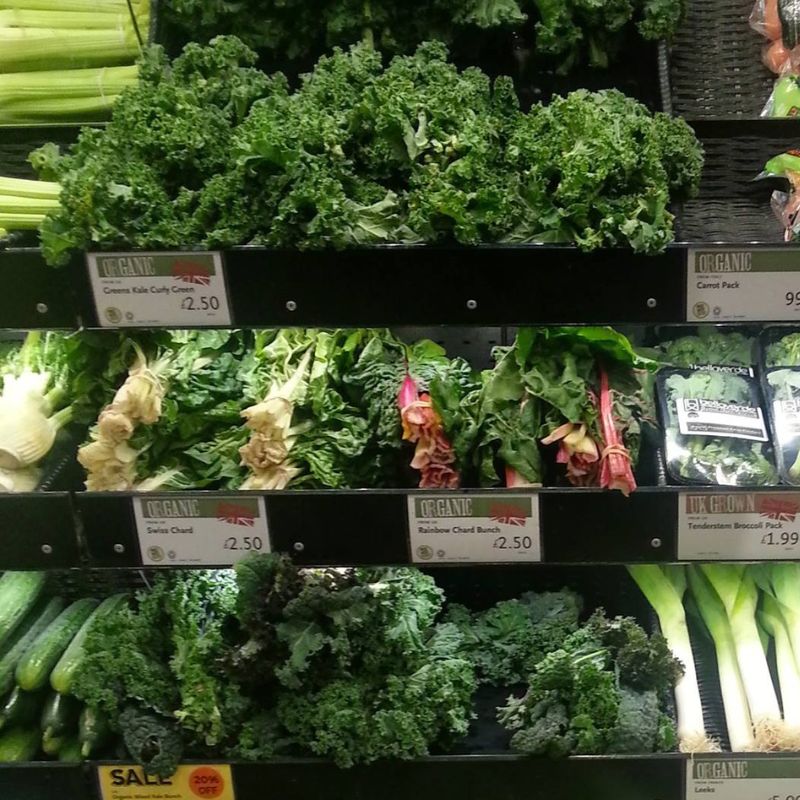
Dark Leafy Greens Are The MOST Dense Nutritionally
For optimal health, aim for at least 4½ cups of vegetables and fruits each day. Select a variety of different kinds and colours of produce, to give your body the mix of vital nutrients (especially the trace elements and minerals) it needs.
The best vegetables? Choose dark leafy greens, cooked tomatoes, and any brightly coloured vegetable for example courgette (or zucchini), bell peppers, tomato, spinach, eggplants and radish.
Choose Whole Grain
whole wheat, brown rice, quinoa, buckwheat and foods made with them, because they tend to have a gentler effect on blood sugar and insulin than the refined carbohydrates like white bread, white rice, and other so-called refined grains. The less processed the grains, the better, and certainly limit refined grains like white flour. Read more about whole grains.

“Fat Free” Is A Misleading Term
The idea that “fat makes you fat” is so outdated and misleading. The food and beverage industry still pushes this narrative, encouraging us to “avoid fats at all cost”. You’ve probably seen TV ads boasting about products being “99% fat-free.” I recently saw one promoting 2-minute noodles as “fat-free.” But here’s the catch—these refined carbohydrates can actually lead to weight gain because they cause dramatic spikes in blood sugar.
It’s not fat that’s the real culprit behind weight gain; it’s the wrong kinds of carbohydrates. Foods like bread, soda, ice cream, doughnuts, candy, and take-out pizza are more likely to contribute to fat accumulation than any animal fat. The key is choosing the right carbs—and vegetables are your best bet.
The prevailing notion that “fat is bad” has been deeply ingrained in our diet culture, with many people still believing that consuming fat will inevitably lead to weight gain and poor health.
However, this rather oversimplified view that “fats are bad” overlooks the significant health benefits of consuming the right kinds of fats. You can read a lot more about Fats and Oils here.
Conclusion
I think you’ve now got a good picture of carbohydrates, and the BEST and WORST carbs to eat & trust you enjoyed reading this page.
Carbohydrates are an essential part of a healthy diet, providing energy, supporting digestive health, and contributing to overall well-being. By understanding the different types of carbohydrates, their role in the body, and their impact on health conditions, you can make informed dietary choices that support a balanced and nutritious lifestyle.
Leave a comment if you wish!

Eric Bakker N.D.
Greetings! I am a naturopathic physician from New Zealand. Although I’ve retired from clinical practice since 2019 after 34 years of clinic. I remain passionate about helping people improve their lives. You’ll find I’m active online with a focus on natural health and wellbeing education through my Facebook page, Reddit page and YouTube channel, including this website.