

The 6 Core and Fundamental Healthy Eating Principles
Dieticians, nutritionists, and naturopaths often have unique guidelines for diet and nutrition. In our clinic, we recommend six core principles essential for establishing a solid foundation in nutrition and gut health.
While there are many additional principles, the following six are the most crucial to grasp and implement first. These principles can significantly impact overall well-being and serve as a base for more advanced concepts.
Prioritizing these basics before delving into complex nutritional strategies is important. By mastering these foundational principles, you can lay the groundwork for long-term success in achieving health and wellness goals. So, let’s focus on getting the basics right first.
Our Diet Doesn’t Need To Be Ultra-Strict
A crucial aspect of managing Candida and promoting gut health is the diet. While it may seem strict, a Candida diet is actually quite flexible, with an initial focus on non-starchy vegetables, probiotic foods, healthy proteins, and nuts, seeds, and grains.
Long lists of foods you can’t eat during the Candida diet may leave you feeling very restricted. There are many foods that you can still enjoy however. According to some experts, including a range of low-starch, low-carb foods can aid in controlling Candida overgrowth.
However, in my experience, many people with mild to moderate Candida overgrowth can consume some starchy vegetables, especially if they have been cooked previously and then re-heated, a process that increases their “resistance” to breakdown in the gut.
One study found that sourdough bread, regardless of flour type (whole or white wheat), had a significantly higher resistant starch content compared to yeast bread. (Ribet et al., 2023)
I’ve been recommending sourdough bread for more than 30 years and found it to be acceptable for many people with mild to moderate Candida overgrowth, providing it is consumed in moderation!
What methods do experts use to identify the most beneficial foods for gut health? There’s no single answer that works for everyone, but maintaining a sense of balance is vital. Most of your diet should focus on supporting gut health, with room for occasional moderate indulgences.
In contrast, the typical Western diet is dominated by processed foods that lack essential nutrients and are filled with unhealthy carbs. Research shows that this pattern negatively affects gut health. You can support your overall health by following a diet rich in nutrients and unprocessed foods.
Join me in delving into six key eating principles. These principles aid in recovering from Candida overgrowth, SIBO, and other gut problems while also lowering the risk of chronic illness.
The 6 Core Eating Principles
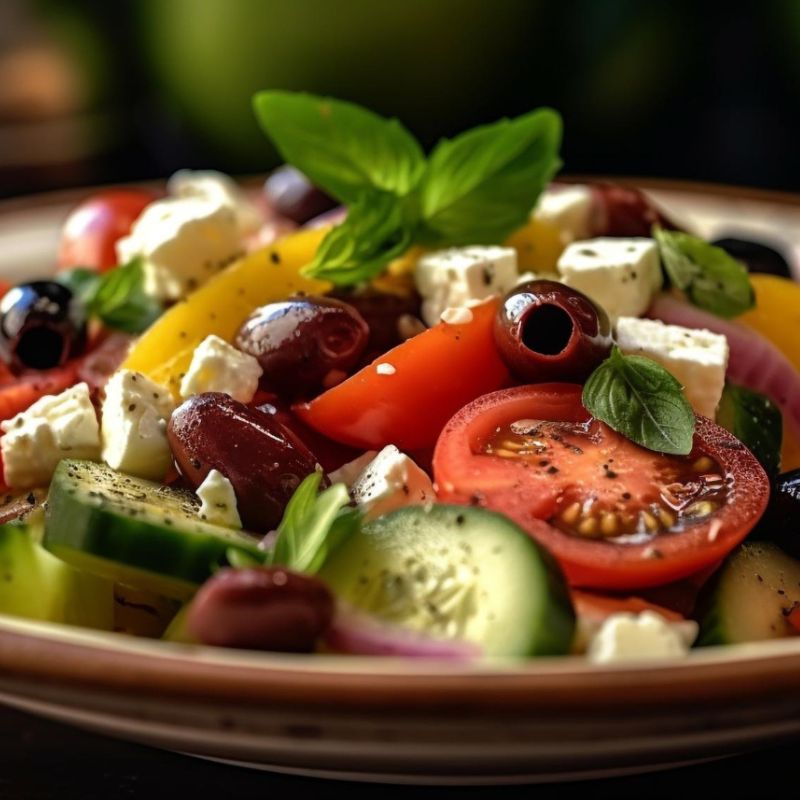
1. Develop Healthy Yet Balanced Eating Habits
Healthy eating isn’t as daunting or restrictive as it may seem.
Include diverse fresh foods in your diet: fruits, vegetables, proteins, carbs, and fats like meats, grains, legumes, oils, nuts, and seeds. Each type of fresh food offers unique nutritional benefits that contribute to overall health.
You’ll quickly discover your preferences. However, avoid eating too much of one food, even if you like it a lot. This helps prevent nutritional deficiencies, a common issue I see in many patients.
Pay attention to how different foods affect your gut health and overall well-being. Experiment to find which foods suit your digestive system and which cause discomfort.
Regularly evaluate your dietary adjustments and gut health over time. You’ll eventually find the foods that nourish your body and make you feel your best. With dedication and persistence, you can embark on a journey towards optimal health and well-being. Make it happen!
Watch Out For The Food Police
Approach dietary advice critically and be wary of what I call the “food police”—those who strictly oppose certain ingredients like gluten, grains, oxalates, salicylates, and lectins. Some individuals follow diets with almost religious fervour, enforcing strict rules.
Others adopt a more flexible approach, recognising that dietary needs and preferences are unique to each person. Stay open-minded and find what works best for you.

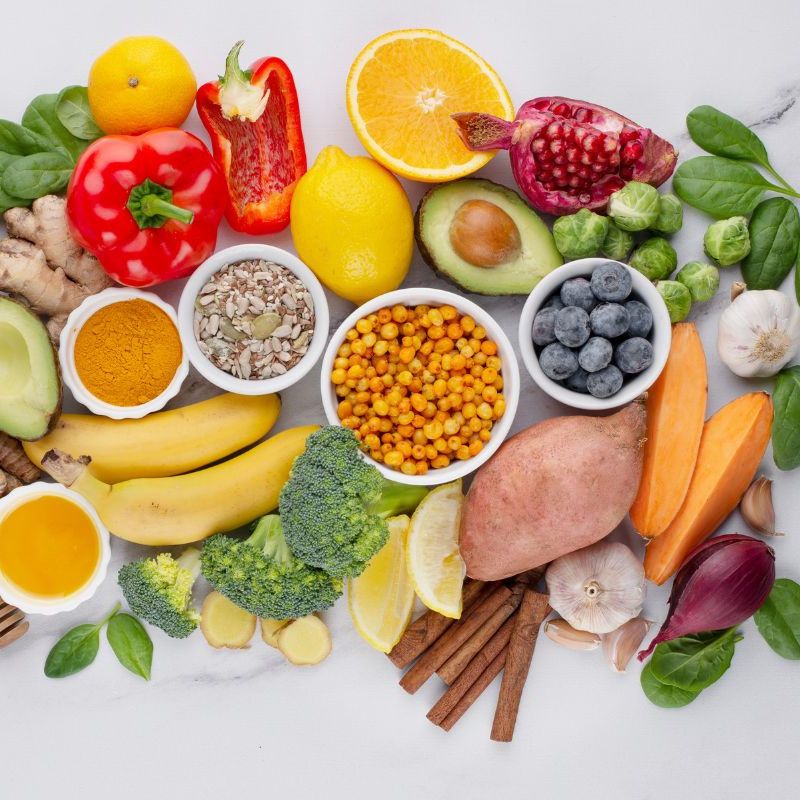
2. Build Your Diet On Nutrient-Dense Foods
A healthy diet should focus on nutrient-rich foods like fruits, vegetables, whole grains, and legumes. These foods are packed with complex carbohydrates, fibre, vitamins, minerals, and trace elements essential for overall health.
Dairy can be included in moderation. Choose non-homogenised, non-pasteurised quality aged cheeses, natural yogurt, and pure butter for added nutritional benefits. Opt for lean cuts of meat, free-range eggs, poultry, and fish to reduce saturated fat and boost protein intake.
For those following a vegan lifestyle, a diet rich in vegetables, fruits, nuts, seeds, legumes, and possibly soy can provide ample nutrition. Adopting the Mediterranean eating pattern is a great way to ensure a balanced intake of healthy calories and essential nutrients.

Embrace Balanced Eating with the Mediterranean Diet
The Mediterranean diet isn’t about cutting carbs, going keto, or focusing solely on protein. Instead, it emphasizes common-sense eating. This diet prioritizes vegetables, fruits, nuts, legumes, fish, seafood, and cereals, while limiting red meat, processed meats, and dairy. It features a high ratio of monounsaturated to saturated fats and allows for moderate wine consumption.
A study of over 23,000 people found that those who closely followed the Mediterranean diet had lower overall mortality rates compared to those who didn’t.
This diet includes pasta, bread, and wine, proving that healthy eating doesn’t require extreme restrictions. Additionally, the Mediterranean diet has been linked to a lower risk of rheumatoid arthritis (RA) in large population studies. (Johansson et al., 2018)
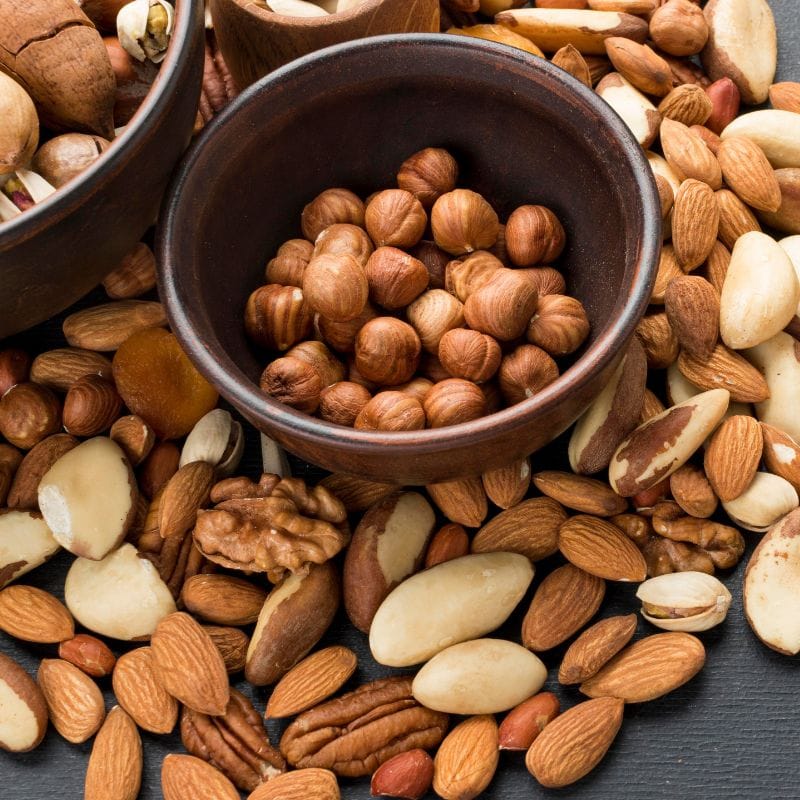
Mastering Healthy Snacking
Learning how to snack healthily starts early. Studies suggest that teaching self-regulation can help young people develop better snacking habits. (De Vet 2015)
Our family has always preferred fresh fruits, vegetables, nuts, and seeds. This healthy habit has continued with our adult children and grandchildren.
When you base your diet on fresh foods, you’ll naturally move away from highly refined snacks. Your taste and smell will improve, and so will your gut health. Over time, you’ll find less craving for artificially flavored snacks and may even feel unwell after eating them.
Choosing the right snacks adds essential nutrients to your diet. High-protein, high-fiber snacks can keep you fuller for longer and reduce calorie intake at the next meal. Mindful snacking supports your microbiome and overall health.
Implementing these snacking principles will soon show benefits like less pain, more energy, better sleep, and improved symptom management. Maintaining good eating habits and finding what works best for your body will enhance your well-being as you age.
In my clinical and personal experience, it’s not just about what you eat at dinner; snacking habits, especially in the evening, play a crucial role in overall health.
Article Of Interest: Best Healthy Snacks

3. Forget “Weight-Loss Programs”
Some diets, such as the high-protein diet, intentionally restrict certain food groups like carbohydrates (such as breads and pasta) to promote healthier behavioural changes. However, it’s essential to recognise that strict limitations imposed by certain diets can lead to unhealthy relationships with food and increase the risk of nutritional deficiencies, especially without long-term supervision. (Jeor et al., 2001)
Consideration of cost is also crucial when evaluating weight-loss programs. Contrary to popular belief, a healthy diet doesn’t necessarily have to be expensive!
Research has shown that many weight-loss programs that come with a hefty price tag often require limiting various food categories and incorporating premium items like organic produce, protein supplements, low-carb substitutes, and high-protein bread.
The effectiveness of obesity treatment should not be measured only by the extent of weight loss and how well a person maintains that weight loss. Instead, doctors are best to advocate for and assist their patients in making lasting changes to their dietary choices and physical activity levels, particularly if these behaviours fall short. Such lifestyle modifications are expected to yield significant health benefits, irrespective of substantial weight loss. (Hall et al., 2018)
Two Out Of Three Overweight Now
Two out of every three individuals in Australia are overweight of obese, which is a crazy 67 percent of the adult population. From 1999 to 2017, US obesity prevalence increased from 30.5% to 41.9%. During the same time in the United States, the prevalence of severe obesity increased from 4.7% to 9.2%.
It should come as no surprise that as interest in weight loss programs continues to increase, we give very little coverage to the costs that are connected with these programmes.
The financial feasibility of keeping to these weight-loss programmes or regimes may be impossible for some, particularly the low-income earners. There is a tendency for many to believe that a healthy diet cost an excessive amount of money, which is actually not the case. In fact, eating well can even be cheap, especially if you avoid all that costly processed and junk food. You’ll find plenty of information on this website regarding eating fresh and healthy – instead of expensive take-away foods.

4. Never Eat Too Much Nor Too Little
Whether you opt for the ketogenic diet route or choose to go carb-free, the fundamental principle for successful weight loss and maintaining a healthy weight remains consistent – just reduce calorie intake. By decreasing the number of calories (food) we consume each day, we can expect to witness a reduction in body fat. It’s as simple as that, without room for debate.
Striking a balance between calorie intake and energy expenditure is paramount. Overeating can lead to weight gain, emphasising the importance of consuming food in quantities that align with our body’s energy needs. The key lies in adopting an active lifestyle. The more physically active we are, and the less reliant we are on sedentary habits like using the TV remote control, the mobile phone or IPad, the greater flexibility we have in our dietary choices while maintaining this calorie balance.
However, it’s essential to recognise that solely relying on exercise as a weight loss strategy is not sustainable in the long run. While physical activity plays a crucial role in our overall health and well-being, studies have demonstrated that it’s not a realistic solution for achieving significant and lasting weight loss.
Instead, adopting healthy eating habits and incorporating regular physical activity into our routine are essential components of a successful weight management strategy.
5. Choose Drinks Wisely

Be mindful of the beverage trap. Don’t just settle for endless cups of coffee, tea or especially soda daily. Steer clear from the soda drink vending machine, they are no good for your health. Studies have found clear associations of soft drink intake with increased body weight.
A comprehensive and systematic review found a clear correlation between the consumption of carbonated soft drinks (soda drinks, sugar-sweetened beverages), as a key contributor to the epidemic of overweight and obesity, because of the high added sugar content, the low satiety, and the poor compensation for total energy.(Malik et al., 2011)
Soda Drinks Are Unhealthy Drink Choices
Soft drink intake also was associated with lower intakes of calcium, and other nutrients and in increased risk of several diseases. Soda drinks are known to cause disease and weight gain. These sugary drinks often contain added sugars, which can cause obesity, type 2 diabetes, heart disease, and dental concerns.
Regular soda drinking increases obesity risk due to its high calorie and low nutritional density. These drinks add calories without providing nourishment. Therefore, excessive soda drinking can lead to weight gain and obesity, which are risk factors for many chronic diseases.
Sweet Drinks Encourage Oral Fungi
Soda drinks are acidic, which erodes tooth enamel and increases the risk of cavities and tooth decay. Sugar and acidity increase dangerous bacteria growth in the mouth, causing dental erosion and oral health difficulties. The addition of sugar to coffee/tea, sweetened drinks, as well as sugar consumption all significantly increases the risk of colonisation of the oral cavity by fungi. (Góralska Lll et al., 2015)
Overall, cutting out soda can improve dental and overall digestive health. Water or other low-calorie, nutrient-rich liquids can improve health and reduce the risk of obesity and chronic disease linked with soda intake.
Once you drink fresh water regularly, you’ll end up drinking more. Add a little lemon or lime juice if you want some more zing. Keep well hydrated. You’ll have a lot less kidney and blood pressure problems as you age. And the more water you drink, the less junk you’ll drink. It’s a fact.

6. Learn How To Chew And Eat Foods Well
The next time you go out to a restaurant, watch how people eat while swiping their cellphone. Now watch how they chew. Eating away from any screen is advisable, especially your mobile phone. I’m BIG on this and believe that the downsides of tech and eating your regular meals are significant. Studies have shown that the use of smartphones during meals increases the number of calories ingested. (Marra et al., 2020)
Avoid Screens When Eating
Take your time when you eat, be sure to chew your foods very well before eating. Research has found that chewing until “no lumps remain” increases the number of calories the body burns during digestion, about 10 extra calories for a 300 calorie meal in fact. (Hawton et al., 2019)
Besides, you’ll find that chewing always seems to lead to better pooping. I know this to be a fact, remember a big part of my job was to discuss digestive and bowel habits. I’d want to know all about those habits most wouldn’t ever want to discuss with anybody else. When you hear enough stories, you get to understand the connection between one end of the body and the other, because your gut is one long tube.

Eric Bakker N.D.
Greetings! I am a naturopathic physician from New Zealand. Although I’ve retired from clinical practice since 2019 after 34 years of clinic. I remain passionate about helping people improve their lives. You’ll find I’m active online with a focus on natural health and wellbeing education through my Facebook page, Reddit page and YouTube channel, including this website.