
Why Is Sauerkraut So Good For Us?
Long before the advent of modern refrigerators, freezers, or commercial canning, people relied on fermentation and salting to preserve their crops, meats, and other perishable foods. Among the many preserved foods that have stood the test of time, sauerkraut has a particularly rich history. For centuries, fermented cabbage in the form of sauerkraut has been a staple in Central European cuisine, valued not just for its longevity but also for its unique flavor and health benefits.
The process of fermenting cabbage to create sauerkraut dates back to at least the fourth century B.C., according to research from the Institute for Integrative Medicine at the University of Witten in Germany (Raak, 2014). This ancient preservation method allowed people to store nutrient-rich food through harsh winters while also inadvertently creating a powerful probiotic food that supports digestive health.
Overcoming the Stigma of Fermented Foods
As a naturopath, I’ve often found it challenging to convince people just how beneficial sauerkraut can be for gut health. In the past, many dismissed it as an unappealing, strong-smelling dish. During the 1980s, fermented foods carried a certain stigma, often regarded as “foul-smelling concoctions” that only “health freaks” would consume. Back then, many—especially younger individuals—were reluctant to try them, turned off by both the sour taste and odour.
Interestingly, the same perception once applied to yogurt. Before flavored varieties became widely available, yogurt was simply plain and sour, making it far less appealing to the general public. Over time, as more people became aware of its health benefits, yogurt gained mainstream acceptance. The same shift is now happening with sauerkraut.
A Modern Comeback
Fast forward 40 years, and fermented foods have made a remarkable comeback. Today, they are widely recognised for their gut-health benefits and have become a staple in many households. Thanks to social media platforms like Facebook and Instagram, young people are now at the forefront of promoting fermented foods.
What was once dismissed as a niche health trend is now celebrated as a valuable dietary addition. It’s refreshing to see that sauerkraut is no longer viewed as an extreme or eccentric choice. Instead, it has gained the recognition it deserves as a powerful, probiotic-rich food that can contribute to overall well-being.
What Is Sauerkraut?

Sauerkraut is incredibly popular today, and chances are you’ve heard about it or even tried it yourself. But what exactly is sauerkraut, and why is it beneficial—especially if you have Candida? More importantly, how can you make it at home? While sauerkraut starts as simple cabbage, the lactic fermentation process transforms it into one of the healthiest fermented foods available.
The Ultimate Fermented Superfood for Gut Health and Beyond
For centuries, sauerkraut has been a staple in traditional diets worldwide, prized not just for its tangy flavor but for its impressive health benefits. This humble fermented cabbage is a powerhouse of probiotics, vitamins, and antioxidants that support digestion, strengthen immunity, and even enhance mood.
The origins of sauerkraut trace back to Eastern European nations, particularly Germany, Poland, and Russia, where cabbage is considered a staple ingredient—some might even call it the “quintessential vegetable.” Sauerkraut, meaning “sour cabbage” in German, first made its way to the United States in the 1700s. Interestingly, although it did not originate in Germany, sauerkraut has become one of the country’s most well-known national dishes and is recognised worldwide by its German name.
But there’s more to sauerkraut than meets the eye. Did you know that the quality of your cabbage, the fermentation process, and even the season in which it’s made can all impact its nutritional value? From its role in gut-brain communication to its surprising effects on heart health and weight management, sauerkraut is far more than just a side dish.
In this ultimate guide, we’ll explore everything you need to know about sauerkraut, including:
Whether you’re new to fermentation or a seasoned pro, we hope our deep dive into sauerkraut will transform the way you see—and enjoy—this very special food.
Making Sauerkraut at Home
If you’re new to making cultured foods, sauerkraut is an excellent place to start. It’s one of the simplest fermentation processes, requiring only cabbage, water, salt, and patience. The method is straightforward: finely chop raw green cabbage, pound it, and pack it into jars or crocks. Then, let it ferment with different lactic acid bacteria for several weeks.
Further ahead, I’ll walk you through the exact method I’ve used for many years, ensuring you get the best results from your homemade sauerkraut.
Caution When Buying Sauerkraut
Not all sauerkraut is created equal. While many products carry the name “sauerkraut,” the beneficial probiotics naturally formed during fermentation are destroyed if the product has been pasteurised or heat-treated.
Pasteurization, often used to eliminate harmful bacteria, also wipes out the beneficial microbes that make fermented foods so valuable. True sauerkraut, rich in probiotic strains like Lactobacillus, is only achieved through natural fermentation without any post-processing heat treatment.
Experts agree that the flavour of lacto-fermented vegetables improves over time. While many people ferment their sauerkraut for just a few weeks, traditional methods often recommend allowing it to mature for several months to maximise its nutritional value. However, as it ferments longer, the taste becomes stronger—something that may not suit every palate.
Your Gut Bacteria Will Learn To Say No To Sugar
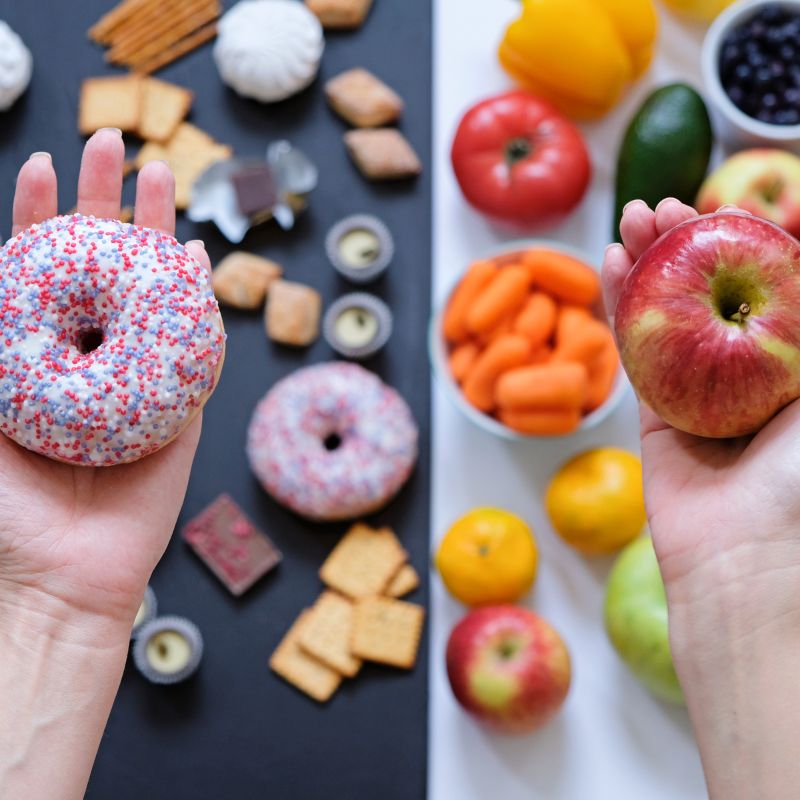
One thing I’ve noticed—both personally and in others who enjoy fermented foods—is that the longer you consume ferments like sauerkraut, the more you develop a taste for these bold flavors. At the same time, your cravings for sweets, such as chocolate, candy, soda, or donuts, start to fade.
This shift happens because your gut bacteria adapt over time. By consistently feeding them lactic acid-rich foods while avoiding sugar, you influence the composition of your microbiome. As a result, your gut bacteria begin signaling for more fermented foods and less sugar—the complete opposite of when you once craved sweets and disliked sour flavours.
When it comes to fermenting sauerkraut, my personal preference varies depending on the season. In warmer months, fermentation happens faster, while in cooler months, it slows down. I usually let my sauerkraut ferment for six to eight weeks or longer, but I find that sauerkraut made in autumn or winter tends to have a superior flavour compared to batches prepared in spring or summer. I’ll explain why ahead, including the best cabbage to use for making the perfect ferment.
One of the greatest benefits of lacto-fermented vegetables is their long shelf life. Unlike fresh produce that spoils quickly, properly fermented vegetables remain fresh and teeming with beneficial bacteria for many months when stored in a cool environment, such as your refrigerator.environment like your refrigerator.
Key Articles About Fermented Foods
What Makes Sauerkraut So Special?
Sauerkraut is an extraordinary food. What starts as ordinary cabbage undergoes a transformation through fermentation, an ancient method of food preservation that naturally alters its chemistry using beneficial bacteria. This process is similar to how cultured dairy products like yogurt and kefir are made, turning a basic ingredient into a powerhouse of nutrition.
Fermentation works by converting sugars and other carbohydrates into alcohols, carbon dioxide, or organic acids. For this process to occur, bacteria and yeast require a food source—such as the natural sugars found in milk or vegetables. These sugars, including lactose, fructooligosaccharides (FOS), and galactooligosaccharides (GOS), fuel fermentation and encourage the growth of beneficial microbes. In the case of sauerkraut, the sugars in cabbage juice are converted into probiotic-rich bacteria, such as Lactobacillus and Bifidobacteria, which help support gut health.
Microbial Fermentation and Lactic Acid
Microbial fermentation happens when bacteria or yeast thrive in an oxygen-depleted environment. The effectiveness of fermentation depends on factors like temperature and the availability of food sources, typically sugars. Early French microbiologists, who were among the first to study fermentation, famously described it as “respiration without air.” (Alba-Lois, 2010)
Lactic acid fermentation, often called “lacto” fermentation, is the key to making sauerkraut probiotic-rich. During this process, bacteria break down the sugars in cabbage leaves, producing lactic acid. This not only gives sauerkraut its distinct sour flavor but also acts as a natural preservative, preventing the growth of harmful yeast and bacteria while fostering the development of beneficial probiotic strains. Research has linked lacto-fermented foods to improved immune function, mood regulation, cognitive health, digestion, and hormonal balance. (Shabazi, 2021)
SCFAs and Candida
Lactic acid bacteria play a crucial role in gut health by metabolizing both digestible and non-digestible carbohydrates into short-chain fatty acids (SCFAs). Among these, butyrate stands out as particularly powerful. Studies have shown that butyrate can block Candida’s hyphal development, which may explain why many Lactobacillus species in the gastrointestinal tract help suppress Candida overgrowth. (Zeise, 2021)
By incorporating sauerkraut into your diet, you’re not only nourishing your gut with beneficial bacteria but also creating an environment that discourages Candida while promoting overall digestive balance.
Wanting To Buy Sauerkraut, Not Make It?

Making sauerkraut isn’t for everyone, some people aren’t interested in making sauerkraut, or simply haven’t got the time, space or inclination. But how do you know what to buy, more importantly, how do you know the sauerkraut you’re buying contains active live beneficial bacteria?
You’ll want to purchase sauerkraut that has been made according to traditional methods and has been chilled to reduce any remaining fermentation, and to protect any live and active lactic acid thriving cultures. You’ll find this kind of sauerkraut in the chilled or cold section of health food stores, and increasingly in some of the bigger grocery stores.
Nowadays, most health food stores sell sauerkraut in the refrigerated section, you’ll probably find them close to some probiotic supplements. If your local health food store does not carry live sauerkraut, try a natural whole-foods store that emphasises natural, fresh foods.
What To Look For When Buying Sauerkraut
Please be aware: If you do buy the sauerkraut in jars or cans sold at room-temperature jars, it will have been heat-treated, and although have good levels of fibre, it won’t contain any live beneficial bacteria.
Most industrial food producers have attempted to standardise the fermentation procedure in an effort to mass-produce cultured foods like sauerkraut much faster.
As a result, mass-produced items that were previously fermented (like sauerkraut, pickles, and olives, for example) are now simply treated with high levels of sodium and chemicals before being heated, then bottled or canned. When you make your own sauerkraut at home, you’ll find it teeming with live bacteria, and at a fraction of the cost of the store-bought stuff. And it’s so easy to make, why not try it?

Sauerkraut Benefits
In recent years, clinical studies have increasingly highlighted the many health benefits of consuming probiotic-rich foods like sauerkraut and yogurt.
Research has shown that our gut microbiome plays a crucial role in overall health, with a significant portion of our immune system residing in the digestive tract. The beneficial lactic acid-producing bacteria in sauerkraut contribute to a well-balanced gut flora, support immune function, and help reduce inflammation.
Lactic acid bacteria offer powerful effects beyond digestion (Parvez 2006) . Some people may not realise that a well-balanced microbiome influences not only gut health but also mood regulation, appetite control, and cognitive function (Chen et al., 2021).
As science continues to uncover the far-reaching effects of gut health, incorporating probiotic foods like sauerkraut into the diet becomes an effective strategy for promoting long-term well-being.
Some of the key benefits of sauerkraut include:
Probiotics That Support Immune Function and Digestion
Sauerkraut is one of the rare foods that provides both high levels of fibre and probiotics simultaneously. This combination is highly beneficial for immune function, digestive health, and overall well-being.
One of the most important reasons sauerkraut is so beneficial for the gut is its positive impact on our immune function. Research has confirmed the strong link between probiotics, gut flora, and a well-functioning immune system (Wang 2021). An imbalance in gut microorganisms has been associated with an increased risk of various diseases, and probiotics are a well-documented way to support microbial balance. (Collado 2009)
Regularly eating sauerkraut supplies our gut with diverse strains of beneficial bacteria, which colonise the mucosal lining of the small and large intestines. According to recent research from Stanford University, consuming fermented foods like sauerkraut significantly increases the diversity of beneficial gut bacteria (Wastyk 2021).

Lactobacillus Plantarum the Predominant Strain
Lactobacillus plantarum is one of the most beneficial lactobacillus strains, naturally occurring in the human gut, saliva, and various plant-based fermented foods. The species name “plantarum” means “of the plants,” indicating its plant-derived origins. You can find this strain in foods like sauerkraut, kimchi, sourdough bread, and other traditional ferments.
Research has shown that Lactobacillus plantarum is the predominant lactic acid bacterial strain during the fermentative phase of sauerkraut production. (Beganović, 2014) This dominance plays a crucial role in shaping the probiotic benefits of sauerkraut.
One of the key functions of Lactobacillus plantarum is its ability to support gut integrity. It does this by competing for receptor sites with harmful bacteria, reducing their ability to colonize the gut lining. Additionally, this strain plays a role in the production and transportation of essential nutrients across the intestinal mucosa.
Beyond its gut-healing properties, Lactobacillus plantarum also secretes antimicrobial compounds that help prevent the overgrowth of pathogenic bacteria. (Mangell, 2006) This natural defense mechanism contributes to a balanced microbiome, making fermented foods like sauerkraut a valuable addition to a gut-friendly diet.
Lactobacillus plantarum also happens to be in the Yeastrix Probiotic formulation, it’s one of the key probiotics in this probiotic.
Sauerkraut Health Benefits
Immune System Benefits
Beneficial bacteria found in sauerkraut can help play a significant role as a barrier against many different microbial infections in a safe, affordable, and natural way, according to scientific research. Sauerkraut offers impressive immune system benefits thanks to its high probiotic content.
Here’s how it supports your immune health:
Including sauerkraut in your meals can be a simple and natural way to support your immune system and promote overall health.
Anti-Cancer Benefits
Sauerkraut offers not only immune system benefits but also significant anti-cancer properties, thanks to its main ingredient—cabbage. Here’s how it helps in cancer prevention and supports overall health:
Including sauerkraut in your diet not only supports immune health but also offers protective benefits against cancer and other chronic diseases, making it a nutrient-packed food with multiple advantages.

Sulforaphane is Anti-Candida
The powerful member of the isothiocyanate family called sulforaphane can help the body make more Phase II detoxification enzymes, which can help stop free radical damage. Although it is also present in cabbage, this compound is even more common in broccoli and broccoli sprouts.
Very recent research is showing that sulforaphane is a substance that is anti-Candida when it exhibits antifungal and fungicidal activities. Additionally, due to its potential to cross the blood-brain barrier, sulforaphane by itself may be an alternative treatment for both deep and superficial fungal infections.
By suppressing hyphae growth and biofilm development in Candida, sulforaphane also prevents the virulence factors (biofilm and hyphae growth) necessary for the fungi to invade and colonise host tissues. (Silva 2022)
Anti-Candida
Candida is not immune to the effects of this strain of Lactobacillus either, Lactobacillus acidophilus and Lactobacillus plantarum both showed antifungal effects against the five oral Candida species. (Salari 2020)
Other research demonstrates that this beneficial bacteria has potent adhesive properties that enable it to stick to the gut wall and combat pathogens like Candida albicans. Additionally, it helps prevent bacteria like E. Coli from growing. (Carvalho 2021)
Anti-Viral
Additionally, there is proof that Lactobacillus plantarum triggers an immune response that may guard your body against infectious diseases. A study published last year found that L. plantarum provided a protective effect against the Covid-19 virus, by supporting the gut-lung axis. (Kageyama 2022)

Anti-Inflammatory Benefits
Inflammation plays a crucial role in the body’s defence mechanism, protecting against injury and infection. However, persistent, low-grade, or chronic inflammation can have detrimental effects on health, contributing to diseases such as cancer, heart disease, and autoimmune conditions. This is where foods like sauerkraut, with its anti-inflammatory properties, can be beneficial.
Sauerkraut is rich in probiotics, which are beneficial bacteria that support gut health. Research suggests that these probiotics may help reduce inflammation in the body.
In fact, some studies have found that sauerkraut has anti-inflammatory effects, potentially reducing the risk of developing chronic diseases associated with ongoing inflammation (Shahbazi 2021).
Auto-immune Diseases and the Role of Gut Bacteria
The connection between gut health and inflammation is particularly evident in autoimmune diseases. These conditions occur when the immune system mistakenly attacks the body’s own cells and tissues, often triggered by imbalances in gut microbes.
Research indicates that gut bacteria, including those found in sauerkraut, play a significant role in driving autoimmunity (Wein 2018). In fact, autoimmune diseases are becoming increasingly common, with studies showing that 78% of those affected are women. Autoimmune disorders are now the fifth-leading cause of death in women under 65 (Moyer 2021). It’s highly likely that in the future, many of these immune-related diseases will become linked to an imbalance or overgrowth of specific bacterial or yeast species in our gut microbiome.
Infections and Allergies
One of the key ways in which sauerkraut helps manage inflammation is through its impact on natural killer (NK) cells, which are critical in controlling inflammatory pathways and the body’s immune responses to infections or allergies. The beneficial bacteria in sauerkraut can increase the regulation of NK cells, thereby helping control inflammation and potentially offering relief for individuals suffering from inflammatory conditions (Leeuwendaal 2022).
Inflammatory Bowel Disease (IBD)
Additionally, sauerkraut’s anti-inflammatory properties have been specifically demonstrated in inflammatory bowel disease (IBD), a condition characterized by chronic inflammation of the gastrointestinal tract. In a study involving 34 IBD patients, supplementation with either pasteurised or non-pasteurised sauerkraut for six weeks led to significant changes in gut microbiota composition, as well as improvements in many symptoms (Nielsen 2018).
Take-Away
In conclusion, sauerkraut, through its probiotic content, may help modulate inflammation in the body, reduce the risk of chronic diseases, and offer support for those with autoimmune disorders or inflammatory bowel conditions. Adding sauerkraut to your diet can be a natural and effective way to promote long-term health.

Mood and Cognitive Health
The benefits of beneficial bacteria in sauerkraut extend beyond gut and immune function—they also positively impact brain health. In recent years, a growing body of research has highlighted the strong connection between the gut and brain, often referred to as the gut-brain axis. This relationship is becoming increasingly recognised for its role in mood regulation, stress response, and cognitive function.
Gut-Brain Communication and Stress Response
Multiple studies have shown that beneficial microorganisms communicate with the brain via the vagus nerve and the enteric nervous system (Wang 2016). These two pathways are crucial in regulating the body’s stress response, known as the HPA axis, which controls mood and emotional reactions. Research has frequently shown that probiotics can help reduce the body’s stress response, leading to lower cortisol levels and a calmer overall demeanour (Bravo 2011).
For instance, a study involving mice demonstrated that Lactobacillus, a strain of bacteria found in sauerkraut, can improve how the body reacts to stress. This highlights the potential for probiotics to modulate the body’s response to stress, which in turn can help reduce susceptibility to infection due to stress-induced immune suppression.
Fermented Foods and Anxiety Reduction
The benefits of probiotics for mood are not just theoretical—real-world studies support these findings. In a study involving 710 participants, regular consumption of fermented foods was shown to significantly reduce anxiety symptoms, particularly in individuals predisposed to anxiety (Hilimire 2015). This suggests that foods like sauerkraut, rich in probiotics, can play a role in reducing stress and improving mental health.
Stress, Candida, and Immune Health
While Candida overgrowth is the primary cause of yeast infections, stress can exacerbate the immune system’s ability to control fungal infections. One recent study found that women who experienced high levels of anxiety, stress, and depression were more likely to have recurrent vaginal yeast infections (Moshfeghy 2020). This underscores the important role of stress in compromising immune function and how probiotics, such as those in sauerkraut, could support the body’s ability to manage these infections.
Probiotics and Depression
The gut-brain axis is closely tied to our mood and emotional health. Probiotic-rich foods like sauerkraut have been shown in human studies to improve mood and reduce symptoms of depression, making them a promising adjunctive therapy for mental health conditions (Kim 2019).
Autism and Anxiety Relief
Probiotics, including those in sauerkraut, have even been studied for their potential to improve markers of autism and alleviate anxiety symptoms in animals (Lalonde 2022). This suggests that the impact of probiotics on mood and cognitive health could extend to a wide range of conditions related to mental and neurological health.
Take-Away
In conclusion, sauerkraut’s probiotic content can have a profound impact on both mental and cognitive health. By improving the gut-brain axis, reducing anxiety, and supporting mood regulation, sauerkraut may be an effective natural aid in managing stress, anxiety, and even depression.

Cardiovascular Health
Heart Health
While the body of research on the relationship between sauerkraut and heart health is still limited, sauerkraut is known to contain many nutrients that are linked to improved cardiovascular and circulatory health. The beneficial bacteria in sauerkraut, along with its rich nutrient profile, contribute to a healthy heart in various ways.
Probiotics and Cholesterol
Diets that are high in fiber or probiotics have been associated with lower cholesterol levels and a reduced risk of heart disease (Ooi 2010). The probiotics found in sauerkraut, along with its dietary fiber, may play a significant role in supporting heart health by helping to regulate cholesterol and improve overall circulation.
Probiotics and Blood Pressure
Research suggests that consuming a variety of beneficial bacteria for at least 8 weeks can significantly lower blood pressure. A meta-analysis of several studies found that probiotics can improve blood pressure, with even greater benefits when multiple species of probiotics are consumed (Khalesi 2014). The probiotics in sauerkraut may, therefore, help lower blood pressure, contributing to better cardiovascular health.
Vitamin K2 and Artery Health
In addition to probiotics, sauerkraut is a good source of vitamin K2, which has been linked to better artery health and a reduced risk of certain heart conditions. Sauerkraut contains up to 6 mcg of vitamin K2 per cup. Vitamin K2 plays a crucial role in arterial health by helping to prevent the calcification of blood vessels. Though natto (fermented soybeans) is considered the highest source of vitamin K2 among fermented foods, sauerkraut still provides a significant amount of this important nutrient.
A recent study highlighted the potential for synthesized vitamin K analogues to act as effective antibacterial and antifungal agents, further demonstrating the versatility and importance of vitamin K2 in health (Yildirim 2022).
Take-Away
Although research on sauerkraut’s direct impact on cardiovascular health is still evolving, its content of probiotics, fiber, and vitamin K2 suggests that it may contribute to better heart health. By helping to lower cholesterol, improve blood pressure, and support artery health, sauerkraut can be an excellent addition to a heart-healthy diet.

Weight Loss
While most people associate sauerkraut with digestive health, it may also play a significant role in weight management and even weight loss. Recent studies have highlighted the connection between the regular consumption of sauerkraut and both weight maintenance and the reduction of excess body weight.
Sauerkraut and Cravings
One of the ways sauerkraut may support weight loss is by helping to manage cravings. Personally, I’ve found that a small side serving of uncooked sauerkraut a few times a week with lunch or supper can help curb cravings for sweet foods. Whether eaten raw or cooked, sauerkraut pairs well with nearly any meat or vegetable dish, making it a versatile and satisfying addition to meals.
Research supports the idea that balancing gut bacteria can reduce cravings. An older study found that a diverse and balanced microbiome can minimise the frequency and intensity of food cravings, particularly for sugary foods (Maley 2014). When your gut bacteria are in balance, it becomes easier to resist the urge to indulge in unhealthy foods, promoting a healthier relationship with food.
Appetite Suppression and Low Calorie Content
Sauerkraut’s high fiber content and low-calorie profile make it particularly effective for appetite suppression. The fiber helps you feel full longer, which can prevent overeating and help you consume fewer calories. The longer you feel satisfied after eating, the fewer extra calories you’ll need to consume before your body starts storing fat, which is key to maintaining a healthy weight (Chambers 2015)
Probiotics and Fat Absorption
There is also evidence suggesting that certain strains of Lactobacillus probiotics found in sauerkraut may help reduce the amount of fat your body absorbs from food. While the exact mechanism behind this is still unclear, it adds to the growing body of research supporting the role of probiotics in weight management (Ogawa 2015).
Take-Away
In conclusion, sauerkraut offers a variety of benefits that can support weight loss and weight maintenance. With its ability to suppress appetite, reduce cravings, and potentially decrease fat absorption, sauerkraut can be a valuable part of a weight management plan.
Let’s talk about how to make sauerkraut at home, it’s easy!

How To Make Good Sauerkraut
Making sauerkraut is a simple process that only requires cabbage, salt, and a suitable fermentation container.
The steps may seem basic, but achieving excellent sauerkraut involves mastering a few critical techniques that come with years of experience. I’d like to share some tips with you, and feel free to share your own in the comment section below!
Key Considerations for Perfect Sauerkraut
The quality of the ingredients and the fermentation environment are essential for making good sauerkraut. Here are a few things to keep in mind:
Best Tips for Success
Once you have your ingredients and equipment ready, follow the four steps outlined below to make delicious, homemade sauerkraut.

Sauerkraut Cabbage
Any good solid green cabbage will make sauerkraut. This cabbage tastes stronger than the more delicate napa (Chinese) cabbage. You’ll find more mature cabbage to contain higher levels of essential vitamins and minerals.
The best cabbages will have grown over four months, sometimes up to six months or more. They can be hard to find at your local greengrocer or whole-foods store, but any fresh green or red cabbage is OK. Choose a heavy, solid and fresh cabbage. I prefer to harvest and process right-away. Use a sharp serrated knife and cut the cabbage finely.

Kimchi Cabbage
The cabbage you want for kimchi is longer, more elongated. The flavour and texture of this cabbage tends to be milder, more suited to making kimchi making, whereas plain green round cabbage is more suited to sauerkraut making.
The leaves of this cabbage tend to be more crinkly than a plain round cabbage. In America, it’s called a napa cabbage, a type of Chinese cabbage. It is widely used in many Asian dishes. It is often referred to as “Chinese cabbage”.
Best Cabbages Are From The Autumn Harvest
Seasonal variations significantly impact the size, quality, and even the nutritional value of cabbage, which is why I always recommend using autumn-harvested cabbage for making sauerkraut. I personally grow my own, planting early in the spring and harvesting in late autumn to get the best results.
A study from Portugal found that the predominant sugars in cabbage, particularly fructose and glucose, were higher in the summer/winter season compared to the spring/summer season. Interestingly, the opposite pattern was noted in other brassica species like broccoli (Rosa 2001).
Since the sugars in cabbage juice are what the beneficial bacteria ferment, it makes perfect sense to use a cabbage with naturally higher sugar content. The more available food for Lactobacillus species, the better the fermentation process and the more probiotic-rich the final sauerkraut will be. Wouldn’t you agree?

The Salt
For the best quality sauerkraut, use non-iodised salt that does not have any anti-caking additives. As a preservative and aid in brine formation, the addition of salt causes the cabbage cells to release fermentable sugars (osmosis). I tend to use Celtic Sea Salt. If you’d click on the link, it will take you to my website where you can read an entire page on why I like this salt.
Salt also stops unwanted yeasts, moulds, and bacteria from growing in the ferment. Don’t worry about the salt content affecting the bacteria, the lactic acid loving bacteria required for fermentation can withstand salt concentrations that are significantly higher.
How much salt do you need? Some people say by weighing the cabbage and calculating 2–2.5% salt by weight (close to 3 tablespoons of salt per 5 pounds of shredded cabbage) you can determine the ideal amount of salt to use. For metric conversion, I would recommend 2 grams of salt for every 100 grams (1 Kg) of shredded cabbage, about 2 percent by weight. That comes to 20 grams for every Kg of shredded cabbage.
After a while, when you’ve made as many batches as I have, you’ll know instinctively “by taste” if that makes any sense. The important thing is to get started with the 2.5 – 3 Tbsp. salt for every 5 pounds (2.3 Kgs) of shredded cabbage.
Sauerkraut Additions
The Container
There is no “right or wrong” way of making sauerkraut, some people may use a Mason jar, some will want to use a crock in the image shown, whereas somebody else may use a wooden barrel. There are probably more ways to make sauerkraut than there are recipes, and I’ve seen plenty.
How I’ve made Sauerkraut For More Than 20 yrs

For many years, I made sauerkraut using a small oak barrel—about a gallon in size—that was originally used for sweet sherry. It had a round wooden lid that fit nicely over the top, along with a smaller inner lid covered with a clean, damp cotton cloth. This inner lid rested on the shredded cabbage, keeping it submerged under the liquid, weighed down by a few clean, heavy stones.
To prepare the sauerkraut, I would chop two cabbages (around 5 pounds each) into quarters and remove the cores. Using a large kitchen knife, I sliced the quarters into thin strips. The shredded cabbage was then layered into the barrel, with the salt added between layers.
After each addition, I used a wooden tamper to pound the cabbage, releasing its natural juices. Over the next few hours, the salt continued to draw out more liquid, creating a brine essential for fermentation.
Once the cabbage was well-submerged in the brine, I placed the inner wooden lid on top and added the stones.
The biggest challenge with this method was the frequent development of scum and mold. Every few days, I had to check inside the barrel, rinse the inner lid, and wipe the interior to keep it clean.
Better Method: Using a Fermentation Crock
About ten years ago, I retired my wooden barrel to the garden (where it now houses a plant) and switched to using ceramic fermentation crocks. This has been a game-changer. These crocks feature a water-seal fermentation lock, which prevents air from entering while allowing gases to escape. This design significantly reduces mold and scum formation, eliminating the need for daily maintenance.
I now use different fermentation crocks to make batches of sauerkraut at least twice each year. I give away several jars and have converted more than a few skeptics into sauerkraut enthusiasts over the years. I prefer fermenting in the cooler months—autumn and early winter—since it results in better flavour compared to summer fermentation.
My Current Sauerkraut-Making Method
1. Preparing the Cabbage
2. Adding the Salt and Extras
3. Crushing the Cabbage
4. The Fermentation Process
When Is the Sauerkraut Finally Ready?
Sauerkraut can be ready in as little as 2 weeks, but I recommend fermenting it for at least 4–6 weeks for the best flavour and probiotic content. The longer it ferments, the more complex the taste. Once it’s reached your desired sourness, transfer it to jars and refrigerate. Properly stored, homemade sauerkraut can last for many months.
Final Thoughts
Switching to a ceramic fermentation crock has made a world of difference in both convenience and quality. No more worrying about mold or daily maintenance—just delicious, nutrient-rich sauerkraut every time. If you’re serious about making sauerkraut, investing in a good fermentation crock is well worth it.
Try this method, and let me know in the comments—what’s your favourite way to make and enjoy sauerkraut?
Pro Sauerkraut Making Tips
Storing Your Sauerkraut
To prevent spoilage, always refrigerate your sauerkraut. It will keep for many months if kept in the cold and dark.
Sauerkraut can be used in many different dishes, you’ll find plenty online. Please leave a comment if you make sauerkraut so that others may benefit as well!

Eric Bakker N.D.
Greetings! I am a naturopathic physician from New Zealand. Although I’ve retired from clinical practice since 2019 after 34 years of clinic. I remain passionate about helping people improve their lives. You’ll find I’m active online with a focus on natural health and wellbeing education through my Facebook page, Reddit page and YouTube channel, including this website.