

Kefir For Optimal Gut Health
Kefir, originating from Eastern Europe and Southwest Asia, derives its name from the Turkish word “keyif,” meaning “feeling good”, reflecting the sense of well-being often associated with its consumption. As a fermented milk, kefir has gained huge popularity globally only quite recently.
Kefir is said to have many health benefits, Muslims in the Caucasus region of Balkans call kefir grains “grains of the prophet Mohammed”, and would fear kefir would dilute or even lose its strength if other religions would use it. For to this reason, and the sheer isolation of the Balkan mountainous region from the West.
Kefir Has Had A Revival
Outside of the Caucasus region, kefir was virtually unheard of, although it was mentioned by Marco Polo in his vast travels. Marco Polo is believed to have tried kefir, a medicinal food, yet the secret to making kefir were not shared until the early 1900’s with Russia, who have since made it one of their staple foods. (Smith 2020). The tradition of kefir production has become globally popular since the late 19th century and is now a staple in many Western diets.
Kefir has been popular for quite some time within the natural health community, due to its high nutrient profile and probiotic qualities. This amazing drink was unheard of when I was a teenager in the 1970s, in an era when probiotics were virtually unheard of and fermented foods were just starting to be known for having health benefitting properties.
Kefir has been starting to become increasingly popular in the United States and made quite a revivale online due to social media as a healthy probiotic drink. Initially, it was made and enjoyed mainly as a craft drink made at home, but more recently as a popular commercial product that’s taking over store shelf space. I’ve no doubt over time it will become as popular as yogurt is today, a similar to what happened to yogurt in the 1970s, when they were still seen as a “health fad”, the latest healthy food.

Definition Of Kefir
Kefir (/kəˈfɪər/ kə-FEER; Russian: кефир; Polish: kefir; Karachay-Balkar: гыпы) is a fermented milk drink very similar in texture and taste to a thin yogurt, made from kefir grains. Kefir grains are a specific type of mesophilic symbiotic culture made by fermenting the milk of cows, goats, or sheep with kefir grains.
Originally created by Turkish people, kefir and its yeast originate from the North Caucasus, particularly the Elbrus region along the upper mountainous areas of Turkey. From there, it spread to Russia and eventually gained popularity worldwide.
Kefir is a staple drink throughout western Eurasia. It is enjoyed commonly at breakfast, lunch, or dinner. It is also consumed with dishes such as zelnik (zeljanica), burek, and banitsa/gibanica, and incorporated into cold soups, reflecting its versatility and widespread culinary use.
The flavour is like yogurt, but unlike most forms of yogurt, you can drink it without a spoon, which makes it a tasty and super easy choice for a healthy snack on the go.
Kefir Grains Look Like Cauliflower
Don’t be fooled into think kefir grains are “grains”, they aren’t in the usual sense of cereal grains like wheat or barley. Kefir grains are actually small collections or clumps of bacteria and yeast species with other micro-organisms that vary in size from a grain of wheat up to the size of a small hazelnut. When clumped together after fermentation, kefir “grains” look like small cauliflower pieces or cottage cheese.

What Is Kefir?
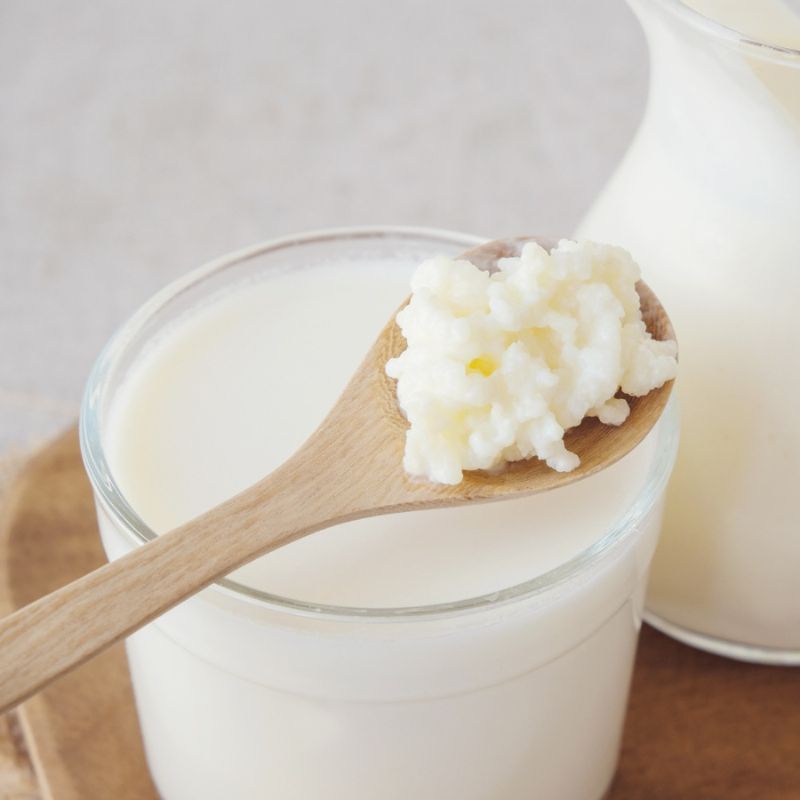
Kefir is a milk or water-based drink produced by the action of bacteria and yeasts that exist in symbiotic association inside kefir grains. The sugars in the milk are broken-down by the micro-organisms life inside the grains to create a fermented dairy drink. Kefir contains many types of probiotic bacteria known to have probiotic qualities. (Bourrie et al., 2016)
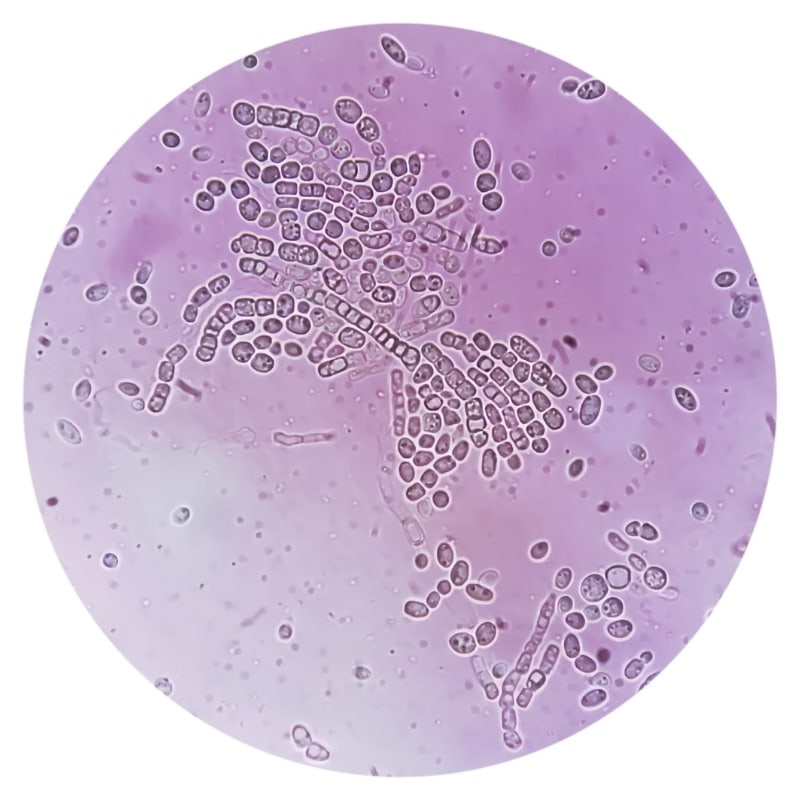
There are many different types of bacteria and yeasts in the kefir grains. The outer part is mostly lactic acid loving bacteria, while the inner part is made up of different yeasts.
The large number of beneficial micro-organisms present in kefir and their microbial interactions, the bioactive compounds and the benefits associated with the use this beverage have some people calling kefir the 21st century yoghurt. Many studies available online today have shown that kefir and its constituents have anti-microbial, anti-tumour, antioxidant, anti-inflammatory, anti-cancer and immune-improving activity and also improve lactose digestion, among others.
Key Articles About Fermented Foods
Kefir Benefits

When we consume fermented foods like kefir, we can enhance the diversity of beneficial bacteria in our gut microbiome, which plays a crucial role in overall health.
According to one study’s author, the convergence of cutting‐edge research and technological innovations place fermented foods like kefir not just as delicious culinary delights, but as sustainable contributors to our health and well‐being. (Valentino et al., 2024)
Multiple studies have found that a diverse gut microbiome hosts a wider array of “good” bacteria that perform many vital functions in the body. Kefir is known to be rich in many probiotic bacteria and yeasts, can survive the challenging conditions of our gut and is believed to boost our digestive health and immune function.
Various studies have been suggesting kefir may improve our blood pressure levels, cholesterol levels, help to control blood sugar control, and help with weight loss. However, like all studies – the scientific evidence supporting these claims can vary sometimes from study to study.
Kefir Is Very Healthy
Kefir’s safety in both animal and human studies, cost-effectiveness, and enriched microbiological composition make it a potential functional super food with significant health benefits. Kefir is rich in bioactive compounds and unique peptides known to alleviate low-grade inflammation, and promote optimal gut health.
Historically, kefir has been recommended as a medicine to support different chronic diseases, including cancer, different gastrointestinal problems, as well as tuberculosis, when modern medical treatments were not available. (Randazzo et al., 2016) Kefir has long been popular in Eastern Europe for a long time because of its health benefits, where patients in hospitals are still given kefir, and babies and the sickly patients are instructed to take it regularly to boost their health. (Neilson et al., 2014)
Because kefir is particularly rich in probiotic bacteria and yeast as well as many essential nutrients, it promotes amazing digestive health overall well-being. It is often reported as being more nutritious than yogurt due to its diverse microbial composition. (Azizi et al., 2021)
Even though there haven’t been many health studies on fermented foods specifically like kefir in humans, most of the evidence shows that eating fermented foods is really good for our health, especially when it comes to treating metabolic diseases like controlling our weight, our mood and mental health, and lowering our overall mortality from many diseases. (Hill et al., 2023)
Probiotic Compounds
In a kefir study published this year, a total of 64 yeast strains and 108 lactic acid bacteria strains were isolated from six different natural kefir sources. Ultimately, three lactic acid bacteria strains (Lactococcus lactis, Lactobacillus helveticus, Lactobacillus plantarum) and one yeast strain (Saccharomyces cerevisiae) were identified through 16S rDNA sequencing. Some strains revealed a notable ability to break down protein (proteolytic activity). (Xu et al., 2023)
Milk kefir grains, containing unique and healthy microbiota, are used for the fermentation of milk. Lactobacillus kefiri, Lactobacillus kefiranofaciens, Lactobacillus kefirgranum and Lactobacillus parakefiri are just a few of the characteristic Lactobacillus bacteria in milk kefir grains; furthermore, many other lactic acid bacteria (LAB), acetic acid bacteria (AAB) and Saccharomyces yeast are present in milk kefir grains. (Gökırmakli et al., 2022).
Kefir Nutrients
The kefir fermentation-process increases digestibility of nutrients and nutritive value and makes nutrients more available for intestinal absorption.
Kefir contains a wide variety of bio-active compounds such as organic acids and peptides, which are believed to have antioxidant and anti-inflammatory properties, further enhancing kefir’s nutritional profile. Milk kefir naturally contains all the nutrients of milk, such as lactose, fat, minerals, protein and vitamins.
The manufacturing of some vitamins during fermentation and the partial breakdown of proteins, lactose and fat increase the nutritional value of kefir, while improving the digestibility and bioavailability of the nutrients. (Verruck et al., 2019).
Kefir Has Unique Properties
Kefir is unlike yogurt in several unique ways we’ll explain. I think one of its greatest features is that it doesn’t need to have the milk warmed-up in order for it to ferment.
Low Curd Tension
Low curd tension means that the kefir curd breaks-up easily into extremely small particles. Yogurt curd on the other hand holds together more readily or breaks into lumps. This minute particle size of kefir grains facilitates its digestion, because it allows greater surface area for the micro-organisms to flourish on as well as a larger surface area for our digestive system to work on. It is this increased surface-area for the digestive system that has led researchers to recommend kefir as a premium food for infants, older people, convalescents, or people with poor digestive health.
Stimulates Saliva Flow
Some studies have found that kefir has the ability to stimulate the flow of saliva, most likely due to its acidic taste, helped along with a small amount of carbonation. Kefir is known to stimulate the flow of digestive juices in the gastro-intestinal tract, as well as stimulate peristalsis, the natural movement of food through our gut.
Due to the increase in peristalsis, kefir has been recommended as a post-operative food, since many abdominal operations temporarily inhibit natural peristalsis, noted by gas pains. In the Soviet Union, kefir has long been recommended for constipation and a wide variety of digestive disorders. (Rosa et al., 2017)
Thin Consistency
Kefir is seen more as a beverage, it has a thinner consistency and is drunk generally like buttermilk. Yogurt on the other hand has a thicker consistency and is eaten.
Milk Does Not Require Heating
In preparing milk for yogurt, it must first be heated in order to destroy any unfavourable micro-organisms that might spoil the ferment. In preparing milk for kefir however, this is unnecessary. If somebody has access to raw and unpasteurised milk, they will have the ideal medium for culturing kefir.
Kefir Health Benefits
Kefir Is Antimicrobial
Kefir has been widely accredited with antibacterial and antifungal activities among other beneficial attributes. (Lopitz-Otsoa et al., 2006)
Kefir has been found to have antimicrobial properties due to actions inherent in its makeup and fermentation process. According to one author’s study, one of the most important aspects kefir’s probiotic effect is the fact that the kefir microbiota produces anti-microbial metabolites (Van Wyk 2017).
The broadest antimicrobial spectra against eight different food pathogens and spoilage organisms were obtained after at least 36-48 h of fermentation (for all types of kefirs) used in one particular study, although traditional kefir fermentation is for 18-24 h at 25℃. (Kim et al., 2016)
This suggests the antimicrobial activity is attributable not only to kefir’s low pH, but also to antimicrobial substances developed and secreted during the extended fermentation process.
Kefir Is Anti-Candida
In another study, kefir was tested for antimicrobial and wound-healing activities against several bacterial species and Candida albicans using an agar diffusion method. Kefir showed activity against all organisms tested; the highest activity was against Streptococcus pyogenes. (Rodrigues 2005).
One study aimed to evaluate the pH, acidity, organic acid content, and anti-Candida activity of both yogurt and kefir samples. The acidity of the samples increased significantly after fermentation, resulting in lower pH levels. Lactic and pyruvic acids levels rose during fermentation, while citric, uric, and hippuric acid content declined. The study found that kefir samples were more effective against Candida compared to yogurt samples. (Azizkhania et al., 2020)
Overall, while kefir is primarily valued for its probiotic benefits, its antimicrobial properties contribute to its overall health-promoting qualities. These properties make kefir not only a nutritious beverage but also a potential ally in maintaining gut health and overall well-being.
Here are 4 key ways in which kefir can help gut microbiome imbalances: (Kim et al., 2016)
Anti-Cancer
The anti-cancer effect of kefir has studied for many different cancer types, such as blood-based cancers (leukemias and lymphoma), breast cancer, gastrointestinal system cancers (gastric and colorectal), and sarcoma (connective tissue tumour).
Over the years, different human as well as laboratory studies have been reporting anti-cancer activities of kefir. Kefir’s anti-cancer effects involve preventing and slowing tumour growth through various mechanisms such as apoptosis, powerful immune response, and modulation of intestinal microbiota. (Sharifi et al., 2020)
Anti-Inflammatory
Studies are finding that Kefir and kefir-derived microorganisms and the tiny proteins they produce increase the anti-inflammatory effect of the immune system and decrease pro-inflammatory responses (cytokines), demonstrating kefir has great anti-inflammatory potential. (Hadisaputro et al., 2012)
Other studies have shown that the plain kefir supplementation significantly reduced the blood sugar levels, the level of pro-inflammatory cytokines (IL1 and IL6), the level of TNF, and enhanced the level of anti-inflammatory compounds, suggesting a decrease in the subsequent effect of free radical damage. (Yin et al., 2018)
Kefir can also help those with inflammatory bowel disease. According to the results of a study, it was determined that in some patients using kefir, there was a statistically significant improvement in abdominal pain, bloating, and quality of life when compared with the control group. (Yilmaz et al., 2019)
Blood-Sugar and Pre-Diabetes
Most of us don’t just all of a sudden spontaneously develop Type-2 diabetes. It doesn’t happen quickly, a person is likely to be pre-diabetic or develop insulin -resistance well-before become diabetic, so they’ve got time to make the changes required to get their blood-sugar (and waistline) back to normal.
Studies show that eating and drinking probiotic foods and drinks on a daily basis may help your body control its blood sugar and make insulin work better. Kefir may also help these things in people who already have diabetes, according to early research.
A small study looked at people with type 2 diabetes who drank kefir every day found they had significantly lower blood sugar levels after 8 weeks compared to people in the control group, the group who didn’t drink kefir. The study concludes with probiotic fermented milk such as kefir can be useful as a complementary or adjuvant therapy in the treatment of diabetes. (Ostadrahimi et al., 2015)
Cholesterol And Blood Pressure Lowering
Animal studies using bacteria derived from kefir have shown promising results in improving cholesterol levels. Yet, human studies examining the direct effects of consuming kefir on cholesterol have not consistently supported these findings until only recently.
Research suggests that kefir may help to lower both total cholesterol and LDL cholesterol. In a study from a few years ago, a group of 48 patients with metabolic syndrome with symptoms including obesity, high blood pressure, high cholesterol, high blood sugar. The intake of kefir over a 12-week period improved blood pressure, fasting glucose, and cholesterol levels, reducing the risk of developing cardiovascular events in the next ten years. These results suggest that daily kefir intake may have positive effects on patients with these health challenges. (Ghizi et al., 2021)
Interestingly, kefir contains kefiran, a sugar molecule found in kefir grains, which has shown in animal studies to prevent blood pressure increases in rats fed high-cholesterol diets.
Lactose Intolerance
Consuming fermented foods has been shown to enhance the diversity and balance of microorganisms in our gut microbiome. We know through research that most kinds of functional digestive problems, such many types of diarrhoea and specific symptoms of irritable bowel syndrome, may benefit from an increased gut microbiome diversity.
Lactose intolerance, a common digestive problem that can cause symptoms like excess gas and bloating, may be helped significantly by kefir. Our body becomes lactose intolerant when it is unable to effectively digest lactose, a sugar found in milk. Usually, this is because there is insufficient lactose, an enzyme that helps in the breakdown of the milk sugar lactose.
The lactic acid bacteria in the fermentation of milk to produce kefir and kefir yogurt, bio-convert the lactose sugar into lactic acid, so these foods are considerably lower in lactose than ordinary dairy milk. Because kefir grains naturally contain beta-galactosidase, the milk’s lactose content is lowered by about 30% during fermentation.
Even after you’ve consumed kefir, some of its enzymes can aid in the digestion of the left-over lactose. That is why kefir is generally better tolerated by people with lactose intolerance compared with normal unfermented milk.
In a small study involving 15 participants with lactose mal-digestion, participants stated that kefir cut their gas in half when compared to milk. Because kefir improved lactose digestion and tolerance in this study, its use may be another potential strategy for overcoming lactose intolerance. (Hertzler et al., 2003)
But yogurt experienced the same thing, so further investigation is required to see whether there is, in fact, a substantial difference between the two.
Weight-Loss
Researchers are currently finding that those who drink kefir experience a similar weight loss, compared with milk drinkers (in a dairy-rich diet in overweight or obese premenopausal women). (Fathi et al., 2016)
Regular consumption of fermented foods can exert beneficial effects on body weight regulation and metabolic function through several mechanisms. Fermented foods produce SCFAs (short-chained fatty acids) in the gut that can regulate our gut microbiome, improve our blood-sugar regulation, inhibit inflammatory pathways, and reduce our appetite hormones. (Stiemsma et al., 2020)
How Is Kefir Made?
Milk kefir and water kefir are the two main types of kefir available. Pasteurised milk is mostly used, but fresh milk can also be successfully used for making kefir. The milk is mixed with the live and active kefir grain culture, which starts fermentation. Both water and milk kefir are also usually easily digested, and the milk kefir is in most cases OK with those who are lactose-intolerant as we’ll discuss soon.
Making kefir is really quite simple, anyone can make it. You’ll easily be able to buy kefir grains online, or in a freeze-dried form.
In most cases, kefir is made by fermenting some kind of milk, usually cow’s milk or goat’s milk, with kefir grains. Different types of milk can be used for kefir production, even buffalo, sheep or plant-based milks like coconut milk. The kefir grains, which resemble small cauliflower stalks, are important for the fermentation process that turns milk into kefir.
Making Kefir Is Simple
Making your own kefir requires nothing more than milk or water, and some basic kitchenware. Your good health food store may be able to supply you with an excellent starter recipe for Kefir, and you can easily find fun, tasty variations of this recipe online.
Once you become experienced at making your own probiotics at home, you’ll find it’s a great alternative to store-bought varieties. With a small investment of time and effort, you can enjoy the many benefits of cultured and fermented foods you prepare and enjoy as part of your diet for long-term health.
Milk Kefir

In milk kefir, the milk becomes soured due to the work of the kefir grains consuming the lactose. You can drink kefir as a beverage, eat it as yogurt or even turn it into a cheese substance.
If you are looking for a fermented food packed full of beneficial bacteria and yeast it doesn’t get much better than milk kefir, and a better choice than yogurt if you want to get a more diverse range of probiotics.
Lactose is the sugar found in milk some of us can’t handle well, but the beneficial bacteria in milk kefir break most of it down so that many people can consume it without any problems. The lactose content of kefir is likely to be lower than yogurt due to the large amount of micro-organisms it contains that consume the lactose.
Kefir made from coconut, almond, or other nut milks can be bought or made by people who can’t have any milk at all. Kefir does still contain the casein protein from cow’s milk, making it unsuitable for those with dairy allergy, not lactose intolerance. Read about the difference between a food allergy and food intolerance here.
During the fermentation process the milk gets a lovely fresh sour taste, which can make it a little thick. Even though a lot of people like to drink kefir straight, it’s often mixed with mango, raspberries, blueberries, strawberries, or other fruits to make the naturally sour taste more pleasant.
How Do I Make Milk Kefir?
My recommendation is to buy milk kefir first and get used to the taste, smell and texture before you make your own. This will give you some level of experience in consuming it in different ways, as well as an idea of what you are looking to create if you decide to make it regularly.
If you’ve decided on making your own kefir, read on, you’ll need the grains first and can then take the next step, look at fermentation. To make milk kefir more interesting and better tasting, you can make it special by adding different herbs, fruits and vegetables. I’ve know patients from our clinic who would make a litre or more per week for their own use, and even share their kefir grains with others.
Use Pasteurised Milk
The problem with raw and unpasteurised milk is the bacteria and yeast it already contains may become competitive to the kefir micro-organisms. Most people have found that milk kefir seems to work better if the milk to be fermented has been pasteurised.
When kefir grains are added to pasteurised milk, the bacteria and other micro-organisms in don’t have to compete with any micro-organisms in the milk. Raw milk may work for some people, but it may be hard for others if it hasn’t been processed properly.
Kefir Grains
If you do want to make kefir, you’ll need kefir grains. They are easily available online today, and you can buy kefir grains either fresh or dried. Buy fresh milk kefir grains if you intend to ferment your milk kefir within three days, otherwise it is best to buy dried milk kefir grains.
When you buy fresh or dried milk kefir grains, you’ll end up with anything from a one to two teaspoons up to a few tablespoons, I’ve found quite a difference. It pays to enquire before you buy. When you get your dried milk kefir grains, keep them at room temperature for 12 to 24 hours before use. You can use the fresh kefir grains as soon as you get them.
Storing Kefir Grains
There are different ways to store kefir grains. If you plan on going away and nobody to lok after your kefir grains in your absence, you can easily preserve them for future use. Kefir grains can be stored either wet, frozen, or dried. Rinse them before storing them in the refrigerator for up to a week or ten days. Beyond that I’d recommend you keep them in the deep freezer.
If they are kept at 4°C (around 39°F), they are only useful for 8 to 10 days. After drying at room temperature for 36 to 48 hours, the kefir grains can last for 12 to 18 months. (Lopitz-otsoa et al., 2006)
One study’s author found the best way to keep kefir grains fresh was to freeze them at or close to –20°C, (around –2.2°F). (Garotte et al., 1997) Kefir grains can be kept in a way that keeps them stable for many years without losing their ability to make kefir. Incubations in milk are done one after the other to complete and mature the recovery process. As the grains slowly get back to their original shape, new kefir grains are created.
Kefir Fermentation
Fermentation typically occurs at temperature ranges between 8°C to 25°C, in a partially sealed container. The fermentation time for kefir is variable from 10 to 40 h. However, the most common incubation time is 24 hours for viable and active kefir grains. (Rosa et al., 2017)
The proportion of kefir grains to milk should be around one teacup of grains to one litre (one quart) of milk. As you continue to culture and make kefir, the number of grains will increase and continue to grow. This increase has been found to be more rapid if skim or low-fat milk is used (less than 1 % butterfat) at normal room temperature. This is between 18 and 24 degrees Celsius. (64°F to 75°F )
If you want to slow fermentation, just hold the culturing milk at a lower temperature. Bring it down to 12°C to 16°C, or 55°F to 60°F. If you do this, you’ll only have to make milk kefir once per week, instead of 2 to 3 times weekly. Of course, it all depends on how much you want to consume.
Kefir Culturing
You will find over time that your kefir grains will multiply nicely, that is – if you look after them. You can allow the abundance of kefir grains to remain, which will result in a thicker product. Or you can remove some and hive them away. Some people culture more than they use and turn the surplus into a kind of cheese. When you culture kefir like this, you have control over the flavour and texture. If you like sourness and a tart kefir, culture it longer. If you prefer it mild, just leave it for less time.
Step By Step Instruction How To Make Milk Kefir
Once you’ve made one or two batches you will know exactly what to do. Just follow these steps, it’s so easy to make milk kefir.
Milk Kefir Benefits
Studies have found that kefir milk grain has more nutritional content compared to kefir water grain. Despite not as widely known and used as milk-based kefir, water kefir is a good source for minerals and health-friendly micro-organisms such as lactic acid bacteria and yeasts.
Goat’s Milk Kefir
Kefir is made most often with cow’s milk in the United States, however, some manufacturers make their kefir with goat’s milk. According to one study, kefir produced from goat milk was a better source of calcium, phosphorus, potassium,. sodium, and magnesium than cow’s milk. (Türker et al., 2013)
Water Kefir
Water kefir is also a fermented beverage, but in this instance it is not made using milk, but water. It is made with water, sugar, and kefir grains. The sugar gives the beneficial bacteria and yeasts found in the kefir grains the food it needs to stay alive. You can taste a slight carbonated fizz in water kefir, which is a bit like a tasty soda water or similar to kombucha, also a kind of fermented tea.
The lactic acid, enzymes, vitamins, probiotics, and other healthy substances produced as a result of the fermentation process, turns sugar into carbon dioxide, which causes natural carbonation, and other by-products from the bacteria and yeasts in the kefir grains.
The flavour of water kefir is described as mildly sweet and a little acidic, quite similar to a carbonated soda drink. After fermentation, water kefir can be flavoured with fruit, herbs, or other liquids to provide a variety of flavours.
Like milk kefir, water kefir has several health benefits, such as enhanced nutrient absorption, immune system support, and better digestion because of its high beneficial bacteria content.
Water kefir is a cooling, high-probiotic beverage that can be a great substitute for sugar-filled sodas or other less healthful options.
Coconut Kefir
While traditional kefir is dairy-based, variations can be made using non-dairy liquids such as coconut water or coconut milk. These alternatives, however, may differ in nutrient content compared to dairy kefir. Regardless of the base, the fermentation process remains crucial in developing kefir’s characteristic tangy taste and beneficial microbial composition.
How To Eat Kefir

Have you tried to consume kefir before? Like any new food, always start by eating a small amount regularly first. Even once or twice a week to begin with is good, or even more frequently if you like – but go slow at first, this superfood is loaded with good bacteria and yeast.
If you have an active gut problem like IBS, you’ll need to take it especially easy in the beginning when first starting out with consuming kefir.
By starting out with small portions, we’re allowing our gut the chance to slowly get used to these new probiotic bacteria and yeasts without creating the risk of overloading our microbiome. It also allows us to get used to the unique taste and texture kefir has to offer us.
You won’t do yourself any favour by starting out big, you’re more likely to develop an aggravation like bloating, gas, or diarrhoea.
Be sure to include plenty of plant-based foods as well as prebiotics and probiotic foods in your diet. This will give your good bacteria plenty of food to help them build healthy colonies inside our gut.
Kefir Taste
Kefir has a distinctive taste, smell and texture quite different from yogurt due the small amounts of carbon dioxide, alcohol, and aromatic molecules are produced as a result of a dual fermentation of lactic acid bacteria and yeasts.
Kefir has a thick texture, a sour taste, and a unique yeasty fragrance because the lactic acid bacteria contribute to the production of organic acids and alter the texture, while yeast adds aroma.
Some people describe kefir as a refreshing slightly carbonated and acidic fermented milk . It can be consumed freshly-made as is, or can be used in cooking, such as in soups, sauces, and cakes.
How do you eat kefir when you first start out? My suggestions are to try a few different ways at first to see what you like. There are many ways to keep kefir consumption interesting, like:

Kefir Side-Effects
Fermented foods, such as kefir, kimchi and sauerkraut, are generally regarded as safe. However, you can get bloating, increased gas, or a change in bowel habit when you first start taking probiotic containing foods, don’t worry, it’s perfectly normal and to be expected. After several days, these mild side-effects normally go away as your body and gut microbiome gets more used to the kefir culture.
Those who are obviously lactose intolerant and know it – may still need to be cautious about how much milk-based kefir they drink, even though it has a significantly lower lactose content than most dairy products. Luckily, probiotic properties can also be obtained from non-dairy types of kefir such as the water-based kefir or coconut-water based kefir.
Water kefir is a popular option for those who wish to completely eliminate lactose; because it contains no dairy protein at all. As an alternative, consider coconut kefir, but if buying any commercial kefir from your local store, always be aware of how much sugar it contains.
Very-Low Alcohol Concentration
It’s important to know that kefir fermentation results in trace amounts of alcohol. Before purchasing, make sure to read the label as kefir can have an alcohol content ranging from 0.5% to 2%. (Rahmatullah et al., 2023) Other studies have found water-based kefir to be between 0.23 and 1.52 alcohol percentage within kefir samples. (Sy et al., 2023)
Kefir vs Yogurt
Kefir and yogurt are both fermented dairy products that offer distinct nutritional profiles and health benefits. If we do a comparison of kefir versus yogurt from a health-perspective however, kefir always appears to come out on top.
But yogurt also has many amazing health-giving benefits and suits some people more than kefir. It’s why it is always important to experiment and decide what fermented foods are right for us as an individual.
Let’s look at the difference between kefir and yogurt briefly side-by-side:
To conclude, as fermented dairy foods, both kefir and yogurt offer valuable health benefits. Kefir stands out for its diverse probiotic profile, thinner consistency, and unique flavour, while yogurt is recognised for its creamy texture and high calcium content. Choosing between kefir and yogurt often comes down to personal preference, consuming either is going to be beneficial for our health.

Kefir In Pregnancy
Studies have found that an intake of kefir (probiotic milk) during late pregnancy was associated with decreased risk of pre-eclampsia, and intake during early pregnancy was associated with a decreased risk of pre-term delivery. (Nordqvist et al., 2018)
Consuming kefir during pregnancy can be beneficial due to its high nutrient content and probiotic properties, but it’s important to be cautious when pregnant about your intake of any new food of drink.
There are many nutritional benefits when it comes to consuming kefir if you are pregnant, because kefir is rich in many key vitamins and minerals, including calcium, phosphorus, B vitamins, protein, and many other important nutrients vital for for both maternal and fetal health during pregnancy.
The probiotics found in kefir can promote digestive wellness and contribute to a healthy gut microbiome, potentially enhancing the mother’s immune system and impacting the development of the baby’s microbiome.
It is also highly-recommended to only purchase commercially produced kefir that has undergone pasteurisation to lower the likelihood of harmful bacteria. If you have a history of dairy allergies or lactose intolerance, I’d recommend a discussion with your health-care professional first.
To summarise, while kefir can be a nutritious addition to your diet when pregnant, it’s important to prioritise food safety, moderation, and your own personal health considerations.

Eric Bakker N.D.
Greetings! I am a naturopathic physician from New Zealand. Although I’ve retired from clinical practice since 2019 after 34 years of clinic. I remain passionate about helping people improve their lives. You’ll find I’m active online with a focus on natural health and wellbeing education through my Facebook page, Reddit page and YouTube channel, including this website.