

Garlic The Supreme Antimicrobial
Garlic is often celebrated for its culinary versatility, but its health benefits extend far beyond enhancing flavor. This humble bulb, belonging to the Allium family, has been utilized for thousands of years in various cultures for its medicinal properties.
From supporting gut health and combating fungal infections to protecting the heart and detoxifying the body, garlic is a potent natural remedy with broad therapeutic applications. Its effectiveness is not only rooted in ancient tradition but also backed by modern science.
Among its many virtues, garlic stands out as one of the most powerful natural antifungals, particularly in the fight against Candida overgrowth—a common concern for gut health.
Garlic: A Journey Through History and Modern Science

The Historical Significance of Garlic
Garlic has been valued for its medicinal and culinary uses for thousands of years, recognized by ancient civilisations like the Sumerians, Egyptians, Greeks, and Romans. The Egyptians used it to boost strength and endurance, while the Greeks and Romans employed it to treat infections and digestive issues.
Even early Olympic athletes consumed garlic to improve stamina. Ancient Chinese and Indian medicine also used garlic for respiratory and parasitic ailments. Long before modern science confirmed its health benefits, garlic was widely revered for its healing properties.

How Garlic Works: The Chemistry Behind Its Medicinal Power
With the dawn of the Renaissance, European scholars renewed their focus on garlic’s medicinal potential, and this interest has only grown. Today, garlic’s role in health, especially concerning gut health and immunity, is well documented. Research highlights its potential in managing conditions like heart disease, high blood pressure, and even cancer prevention due to its strong antimicrobial, anti-inflammatory, and antioxidant properties.
Garlic has become a staple in both traditional and modern treatments, with many studies backing its role in maintaining health. In some Western countries, garlic supplements have become as popular as leading prescription drugs for their therapeutic and preventive properties.
Whether improving stamina for ancient Greek athletes or aiding modern immune health, garlic remains an enduring symbol of the fusion between tradition and science.
Garlic has long been prized for its potent health benefits, particularly its antifungal, antimicrobial, and detoxifying properties. The secret to garlic’s wide-ranging medicinal effectiveness lies in its rich chemical composition, particularly its sulfur-containing compounds

Allicin the Key Compound
The most well-known component of garlic is allicin, which is formed when the garlic is crushed or chopped. Allicin (S-(2-propenyl)-2-propene-1-sulfinothioate), the most biologically active sulfur-containing compound of garlic, is responsible for its smell and taste (Bathia et al., 2020).
Allicin transforms into other organo sulfur compounds like diallyl disulfide, diallyl trisulfide, and s-allyl cysteine, which contribute further to garlic’s health benefits.
These several sulfur compounds travel from the digestive tract into the bloodstream, exerting strong biological effects throughout the body. Their widespread action explains garlic’s effectiveness in various health conditions.
How Allicin Is Formed
When a garlic clove is crushed or chopped, the enzyme allinase is activated, which converts alliin (a sulfur compound found in intact garlic) into allicin, the key bioactive compound.
As garlic sits at room temperature after being chopped, allicin levels increase. In addition to allicin, garlic contains other important compounds, such as thiosulfonates, ajoene, and L-cysteine, which contribute to its wide range of medicinal effects (Bayan et al., 2014).
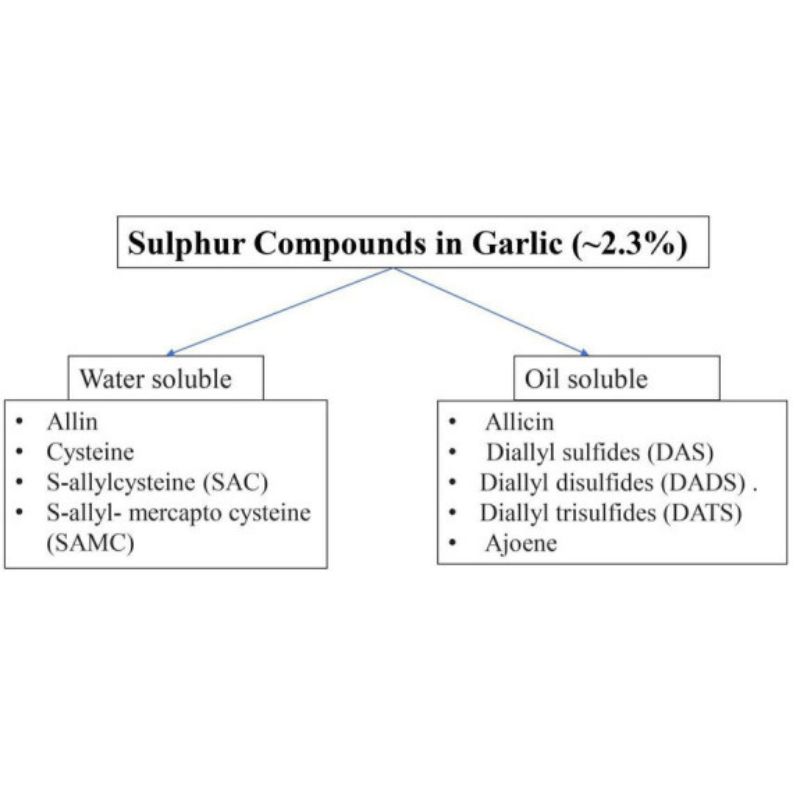
Sulfur Compounds: The Powerhouse Behind Garlic’s Effects
Garlic’s ability to combat fungal infections stems from its powerful sulfur compounds that work by disrupting the normal functioning of fungal cells, inhibiting their growth, and preventing the spread of infection.
Garlic not only targets fungal cell membranes but also interferes with their protein and lipid synthesis, making it a highly effective natural alternative for managing a wide range of fungal infections. This makes garlic an attractive option for those seeking a more natural approach to fungal treatment.
Proven Health Benefits of Garlic
Research consistently shows garlic’s therapeutic and preventive benefits in several key areas:

Targeting Candida: Garlic’s Antifungal Properties
Garlic is a powerful antifungal agent that can combat fungal infections, particularly Candida albicans, a common yeast responsible for infections when it overgrows in the body.
Garlic’s antifungal power was first discovered in 1936 by Schmidt and Marquardt while working with skin fungi (Lemar et al., 2002)
Japanese researchers investigated garlic’s antifungal effects by applying an extract from crushed garlic cloves to agar plates containing various clinically significant fungi.
The extract, rich in allicin, was highly effective against Candida, Cryptococcus, Trichophyton, Epidermophyton, and Microsporum, but showed less potency against Aspergillus. Allicin was found to inhibit both the germination of fungal spores and the growth of hyphae. (Fromtling et al., 1978).
Active Compounds in Garlic
Here’s a breakdown of garlic’s antifungal activity and the relevant studies that highlight its effectiveness:
Key Antifungal Effects of Garlic
How Garlic Works Against Fungi
Garlic vs. Conventional Treatments:
Key Points about Garlic’s Antifungal Action:
How Garlic Boosts Detoxification
Garlic supports the body’s natural detoxification mechanisms, particularly through the liver and lymphatic system. Here are a few major points:

Garlic’s Role in Managing SIBO, IBS, and IBD
Garlic’s combination of antibacterial, anti-inflammatory, and prebiotic properties make it an invaluable natural remedy for managing complex gut disorders like SIBO, IBS, and IBD. Its unique ability to target harmful bacteria while nurturing beneficial ones supports overall digestive health, providing a comprehensive approach to gut care.
These gut-related disorders often involve an imbalance in the gut microbiome, inflammation, or bacterial overgrowth. Garlic’s unique properties make it a valuable natural remedy for addressing these conditions, helping to restore balance and alleviate symptoms.
Garlic as a Natural Antibiotic
One of garlic’s most remarkable qualities is its broad-spectrum antibacterial effect, which can be particularly useful in managing SIBO (Wright et al., 2021).
SIBO occurs when harmful bacteria proliferate in the small intestine, disrupting normal digestion and causing bloating, gas, and discomfort.
Garlic acts as a natural antibiotic, targeting harmful bacteria without wiping out the beneficial strains that are crucial for gut health (Magryś et al., 2021). Fresh garlic extract displayed evident inhibition properties against Candida and MRSA (antibiotic-resistant bacteria) (Li et al., 2015).
How Garlic Aids in SIBO management:
Anti-Inflammatory Effects of Garlic
Inflammation is a common factor in both IBS and IBD, contributing to symptoms like abdominal pain, diarrhea, and cramping.
Garlic has potent anti-inflammatory properties that can help reduce gut inflammation, offering relief to individuals suffering from these chronic conditions. In particular, the sulfur compounds in garlic have been shown to suppress inflammatory markers, providing a soothing effect on the digestive tract.
How garlic helps reduce gut inflammation:
Anti-Cancer Potential of Garlic
Garlic has shown promising anti-cancer potential, largely due to its sulfur-containing compounds like allicin and diallyl sulfide, which can help inhibit the growth of cancer cells.
Research suggests that garlic may reduce the risk of certain cancers, particularly those of the digestive system, by promoting detoxification, reducing inflammation, and protecting cells from oxidative damage. These compounds also play a role in triggering apoptosis, the programmed death of cancer cells, while sparing healthy ones.
Prebiotic Potential of Garlic
Beyond its antibacterial and anti-inflammatory effects, garlic also has prebiotic properties, meaning it supports the growth of beneficial gut bacteria. A healthy microbiome is essential for maintaining overall digestive health and preventing the recurrence of issues like SIBO, IBS, and IBD.
Garlic contains compounds like fructooligosaccharides (FOS) that act as food for beneficial bacteria, encouraging their growth and activity.
How garlic supports a healthy microbiome:
The Importance of a Balanced Microbiome
A balanced microbiome plays a crucial role in overall gut health. When the beneficial bacteria in the digestive tract outnumber harmful pathogens, digestion is more efficient, inflammation is minimised, and the risk of conditions like SIBO, IBS, and IBD decreases.
Garlic’s ability to simultaneously control harmful bacteria, reduce inflammation, and support beneficial bacteria makes it an essential component in managing these gut disorders.
Key benefits of a balanced microbiome:
Caution With Garlic and Side Effects
Garlic is generally safe when consumed in typical food amounts, but supplements and excessive intake may lead to side effects, especially gut discomfort.
Raw garlic can cause bad breath, heartburn, and stomach issues. Pregnant or breastfeeding women should be cautious with garlic supplements, and those taking blood thinners or undergoing surgery should consult their doctor first, as garlic can increase the risk of bleeding. Garlic may also interfere with certain medications, including those for HIV.
Key Side Effects of Garlic:
Harnessing Garlic’s Antifungal Power
Incorporating Garlic into Your Diet
Adding garlic to your meals is easy and delicious. Here are a few ways to enjoy its health benefits:
To reap the health benefits of garlic, consider adding it to soups, stews, marinades, or dressings. You can also take garlic supplements if preferred, though whole garlic is often recommended for maximum benefits.
Medicinal Use of Garlic
Yeastrix Cleanse: A Comprehensive Antifungal
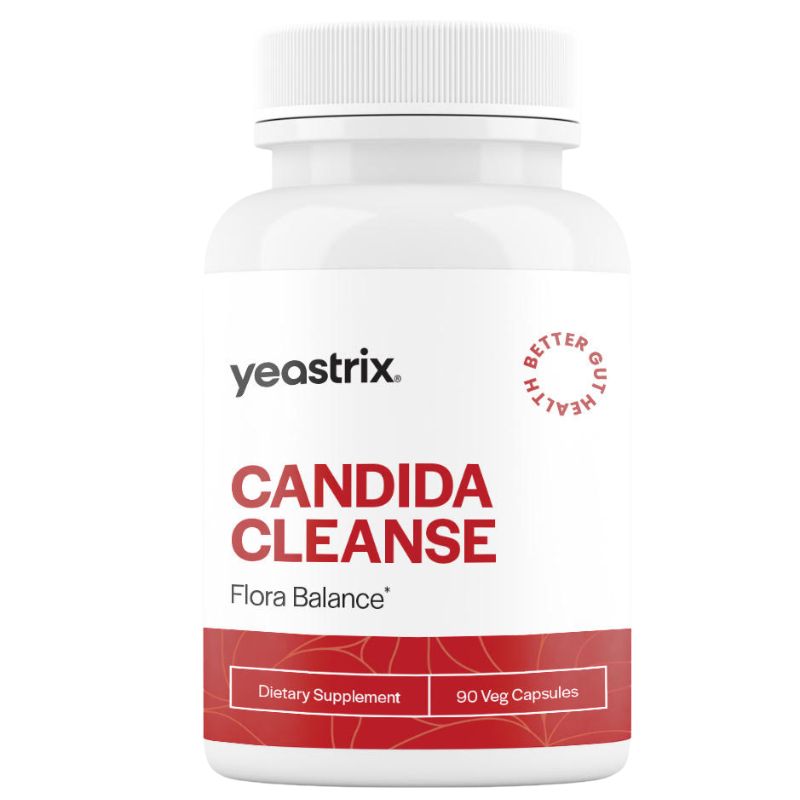
For those looking for an all-in-one solution to tackle Candida and other fungal or bacterial infections, consider Yeastrix Candida Cleanse, our 3rd generation antifungal supplement.
This product combines garlic (2% allicin) with several other powerful antifungals, creating a balanced and effective cleanse for yeast overgrowth.
Yeastrix Cleanse includes:
With Yeastrix Candida Cleanse, you can simplify your antifungal regimen by getting the benefits of garlic along with other natural ingredients that promote gut health and combat yeast infections. Made with the highest-quality, non-GMO, and vegetarian ingredients, it’s designed for those looking for a natural, safe, and effective approach to Candida management.
Conclusion
Garlic is not only a versatile ingredient but also a powerful ally in supporting overall health. Its potential benefits, especially related to heart health and immune function, make it a valuable addition to a balanced diet. Whether consumed fresh, as a powder, or in oil form, garlic can enhance both the flavor of your meals and your well-being.

Eric Bakker N.D.
Greetings! I am a naturopathic physician from New Zealand. Although I’ve retired from clinical practice since 2019 after 34 years of clinic. I remain passionate about helping people improve their lives. You’ll find I’m active online with a focus on natural health and wellbeing education through my Facebook page, Reddit page and YouTube channel, including this website.