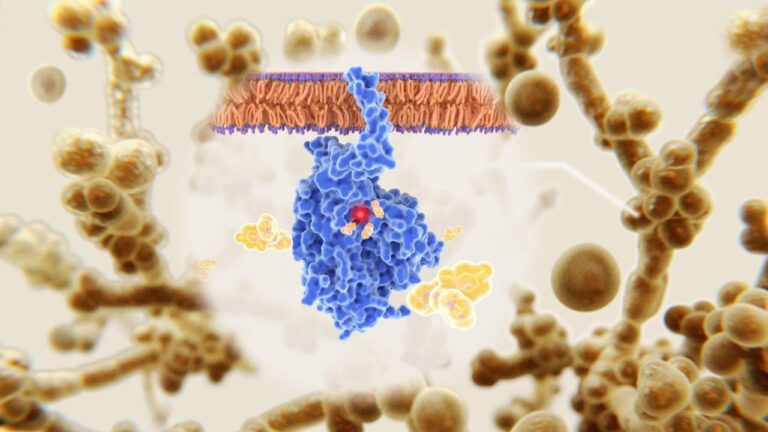

What Is Ringworm?
Ringworm is a common fungal infection caused by dermatophytes, a type of mold that thrives on keratin, the protein in skin, hair, and nails. Despite its name, it is not caused by worms. The infection presents as a red, itchy, and scaly rash in a ring shape and spreads easily through close contact with infected people, animals, or objects.
This common and contagious skin infection gets its name from the red, itchy, ring-shaped skin plaque (a type of scaly rash). It spreads easily and through close contact. Treatments include oral or topical antifungal medications, often available over-the-counter or by prescription.
Among The World’s Most Common Fungal Condition
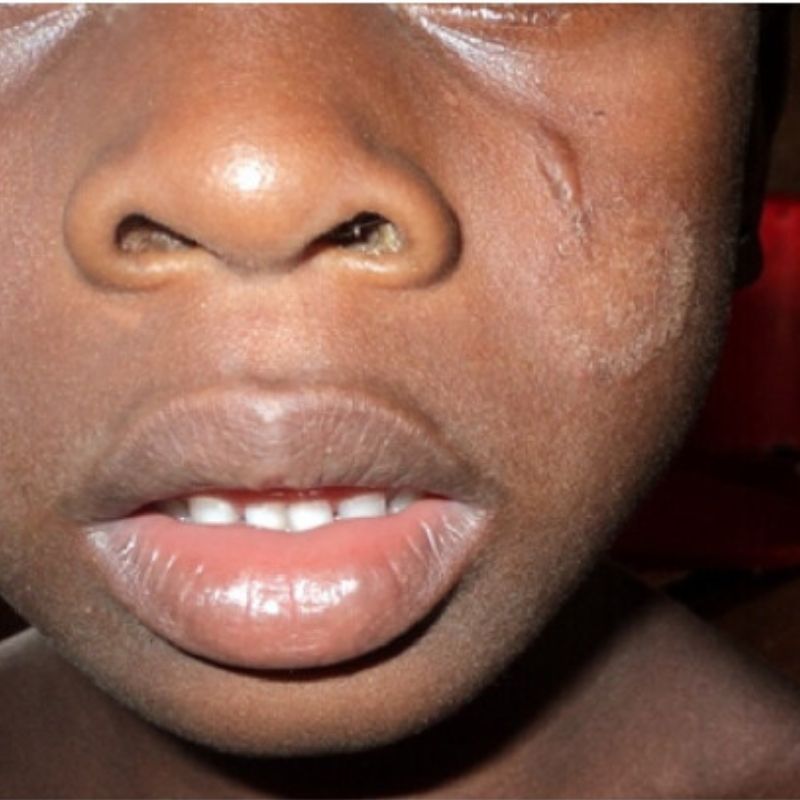
Ringworm (tinea) infections are among the world’s most common fungal conditions. A study revealed that over one billion people worldwide are affected by fungal infections of the skin, nails, and scalp (Bongomin et al., 2017).
Skin fungal infections place a substantial burden on patients worldwide. This burden is the greatest in resource-poor countries, tropical regions, and children between 1 and 5 years of age (Urban et al., 2020).
Why the Name “Ringworm”?
The name “ringworm” comes from the infection’s ring-like appearance, not from worms. This is a common misconception, as the true cause of this skin infection is fungal dermatophytes that survive by feeding on keratin.
Causes and Fungal Transmission
Fungi responsible for ringworm thrive in warm, moist environments such as public showers, locker rooms, and shared clothing or towels. It spreads easily through direct contact with:
Ringworm infection is highly contagious, and quick action is needed to prevent its spread.
Types of Ringworm Infections
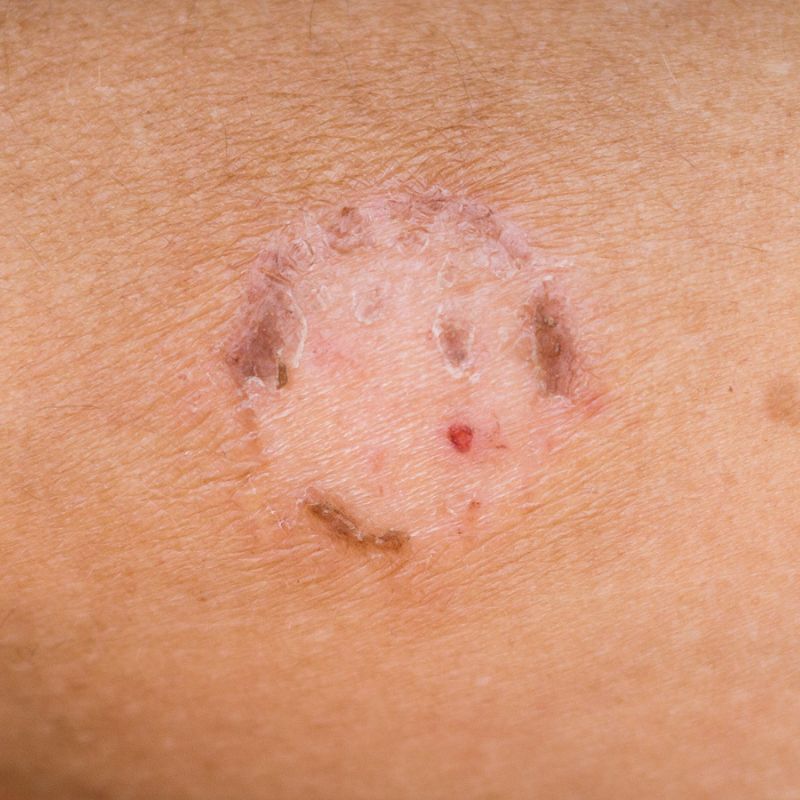
Ringworm (tinea) refers to a common fungal infection that can affect the skin, hair, or nails.
This fungal infection gets its name from the characteristic ring-shaped rash it causes, which is often itchy and red. Over time it often fades, leaving a broken circle behind, as in the image.
Depending on the area of the body affected, ringworm has various names.
Here’s a list of the most common forms of tinea fungal infection:
Take Home

Ringworm Symptoms
Ringworm on the skin begins as a red, scaly patch or bump, which may eventually form one or more rings with raised, bumpy edges and a clear center.
This ring shape gives ringworm its name, though not everyone will have it. Ringworm can affect people’s skin in different ways, but in most cases it is easily self-diagnosed and not hard to treat and get rid of at home.
The skin can flake, peel, crack, and cause itching, stinging, or burning. On the scalp, ringworm may start as a small sore resembling a pimple, progressing to patchy, flaky, or scaly areas that may look like dandruff.
It can cause hair to fall out, leaving bald spots, and may also make the scalp red, swollen, and tender.
In some cases, a pus-filled mass called a kerion can develop, along with swollen lymph nodes in the neck or back of the head. The symptoms of ringworm vary based on the area of the body affected.
The appearance and symptoms of ringworm rash may differ based on the skin tone and infection location:
Ringworm Rash

What Does Ringworm Look Like?
Ringworm typically appears as a red, circular, scaly patch on the skin, often with a clear or less inflamed center, giving it a ring-like appearance. The edges of the lesion are usually raised and may be itchy, flaky, or slightly bumpy. Over time, the patch may grow in size or spread to other areas if untreated. The appearance can vary based on the body part involved, but the distinct ring-shaped pattern with a defined border is a common hallmark of the condition.
Let’s now look at 5 common ringworm infections based on body area:
Beard Ringworm
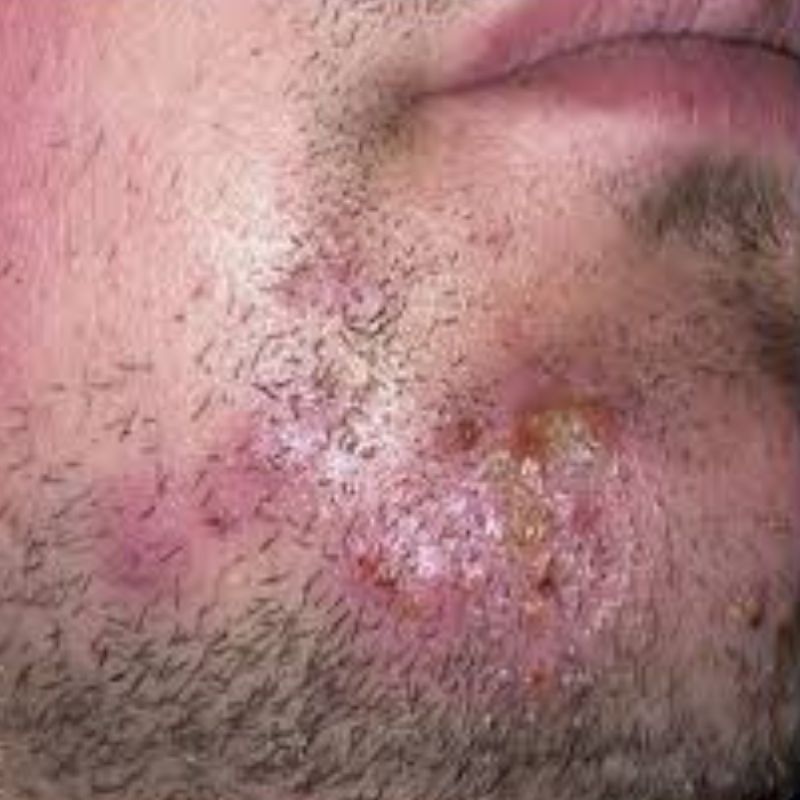
Beard ringworm, also known as tinea barbae, is a fungal infection affecting the skin, hair, and hair follicles in the beard and moustache region. Tinea barbae in the past was attributed to being transmitted by unsanitary razors used by the barbers. Hence, it was commonly referred to as barber’s itch and beard ringworm (Kuruvella et al., 2023).
This condition is caused by dermatophyte fungi, primarily from the Trichophyton species, most likely transmitted through contact with infected livestock such as cows, sheep, horses, or other domesticated animals (Paller et al., 2011).
Although contagious from animals, human-to-human transmission is much more uncommon. Tinea barbae typically presents as red, ring-shaped rashes, sometimes accompanied by inflamed areas called kerions, which can cause scarring and hair loss. This condition primarily affects adult males who work with farm animals and may pose higher risks for those with autoimmune disorders, diabetes, or frequent skin trauma.
Signs and Symptoms of Beard Ringworm
Body Ringworm

Body ringworm, or tinea corporis, typically begins on the skin of a person’s limbs or torso, appearing as a red, scaly patch and may progress into ring-shaped lesions with raised, bumpy edges and a clear centre (Leung et al., 2020).
These rings often expand outward while the centre appears to heal, creating the characteristic pattern. The affected skin may flake, peel, or crack, leading to noticeable irritation.
Symptoms such as itching, stinging, or burning can range from mild to severe, causing significant discomfort. In some cases, the rash may develop overlapping rings or spread to other parts of the body if not treated promptly.
Signs and Symptoms of Skin Ringworm
Scalp Ringworm

Scalp ringworm, or tinea capitis, often begins as a small sore resembling a pimple, which progresses to flaky or scaly patches that may look like dandruff. It can cause hair to break or fall out, resulting in bald spots, and may make the scalp red, tender, and swollen (Ion et al., 2024).
In severe cases, it can lead to the formation of a pus-filled, boggy mass known as a kerion, and may also cause swollen lymph nodes at the back of the head or neck (Mendoza et al., 2009).
Signs and Symptoms of Scalp Ringworm
Nail Ringworm
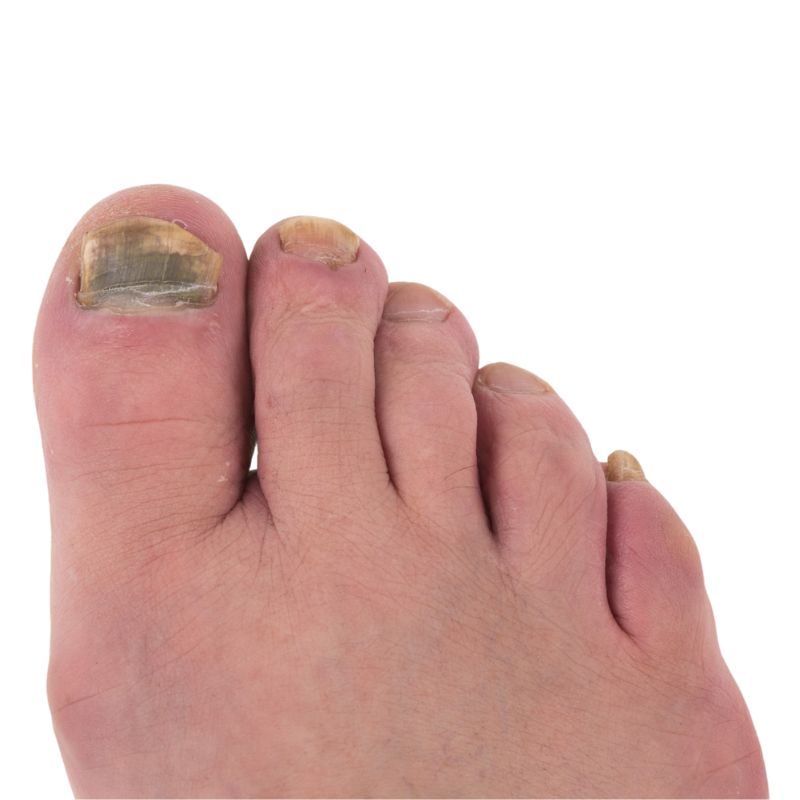
Nail ringworm, or tinea unguium, affects the nails on the hands or feet, with toenails being more commonly impacted. The infection causes nails to become thick, brittle, and discoloured, often appearing white or yellowish (Elewski et al., 1998).
Over time, the nails may crack, crumble, or separate from the nail bed, leading to discomfort and an increased risk of further fungal or bacterial infections.
Many people have toenail fungal infections.
Signs and Symptoms of Nail Ringworm (Toenail Fungus)
Signs of nail ringworm, also known as tinea unguium, typically develop within 4 to 14 days after exposure to the fungus. The infection can worsen over time if untreated. Common signs include:
These symptoms often occur in toenails due to the moist, warm environment inside shoes, but fingernails can also be affected.
Groin Ringworm
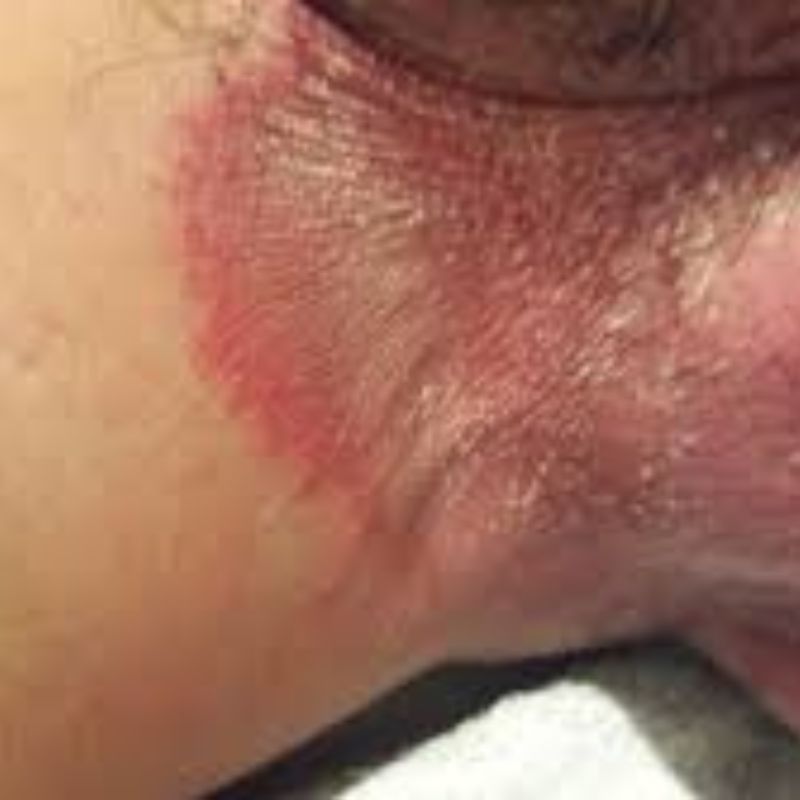
Groin ringworm, or tinea cruris, is more commonly known as jock itch.
In this instance, it is a fungal infection of the skin that affects the groin, inner thighs, and buttocks. It’s caused by dermatophytes, mould-like fungi that thrive in warm, moist environments. The infection creates a red, scaly, and itchy rash that can also appear grey or brown on darker skin (Denk 2007).
While commonly known to affect men and athletes, jock itch can occur in any person who sweats a lot or has a weakened immune system, or those with diabetes. Though uncomfortable, it’s usually mild and can be treated by keeping the area clean and dry, as well as improving gut function, in this post we look at jock itch prevention. For best treatment of jock itch you’ll want this post.
Signs and Symptoms of Groin Ringworm (Jock Itch)
The symptoms of jock itch mainly affect the groin and inner thighs. At times, symptoms may spread to the buttocks and even the lower abdomen. Symptoms may get worse after activity or exercise.
What Kind Of Fungus Causes Ringworm?

Ringworm is caused by fungi known as dermatophytes, which naturally live on the skin, hair, and nails. These fungi thrive in warm, moist environments, and when conditions are favourable, they grow uncontrollably, leading to infection.
Dermatophytes are molds that require dark, damp, and warm environments to grow. Socks, undergarments, and poorly ventilated areas create perfect conditions for these fungi. They can also survive on surfaces and in animal fur for extended periods, contributing to their persistence (Moskaluk et al., 2022).
Ringworm spreads through various means, including:
The 3 Most Common Dermatophyte Species
The 3 most common species of fungi responsible for ringworm include Trichophyton, Microsporum, and Epidermophyton. These fungi can live on the skin, hair, nails, surfaces, and even in soil as spores for extended periods (Monod et al., 2022).
Let’s talk a little more about these three different types of fungi:
Trichophyton

Trichophyton is a genus of dermatophyte fungi that primarily infects the keratinised tissues of the skin, hair, and nails. Trichophyton rubrum is the most common dermatophyte in the world with the highest prevalence in South Korea (Lee et al., 2015)
These fungi thrive by feeding on keratin, a structural protein found in these tissues. Trichophyton species are particularly resilient, able to survive on surfaces and in soil as spores for extended periods.
Common species include T. rubrum and T. mentagrophytes, which are responsible for a variety of infections. These include tinea pedis (athlete’s foot), tinea unguium (fungal nail infections), tinea corporis (ringworm of the body), and tinea capitis (scalp infections)
Recommended Treatment:
Key points:
Microsporum

Microsporum is another genus of dermatophyte fungi that feeds on keratin in skin and hair but rarely infects nails. Species like M. canis and Microsporon audouinii are well-known for causing tinea capitis and tinea corporis, often presenting as scaly, inflamed patches with hair loss.
These fungi are highly contagious and can spread through direct contact with infected individuals, animals (especially cats and dogs), or contaminated surfaces. Microsporum species are also capable of persisting in soil as spores, adding to their transmissibility (Sierra-Maeda et al., 2024).
Recommended Treatments:
Key Points:
Epidermophyton

Epidermophyton is a genus of dermatophyte fungi that exclusively infects skin and nails, feeding on keratin but not invading hair.
The primary species, E. floccosum, is known for causing tinea cruris (jock itch), tinea pedis (athlete’s foot), and onychomycosis (nail infections). These fungi thrive in warm, moist environments such as locker rooms, communal showers, and between folds of skin, making hygiene critical for prevention.
Recommended Treatments:
Key Points:
What’s the Difference Between Candida and Ringworm?
Fungal infections can be caused by various types of fungi, each with distinct characteristics and effects on the human body. While both Candida and tinea are fungal organisms, they differ significantly in their biology, the areas they affect, and the symptoms they produce. Understanding these differences can help in identifying the type of infection and determining the best course of treatment.

Ringworm (Mold)
Ringworm, despite its name, is not caused by worms but by dermatophyte fungi.
These fungi, such as Trichophyton, Microsporum, and Epidermophyton, are molds that infect keratinized tissues like skin, hair, and nails. Dermatophytes thrive in warm, moist environments and are highly contagious.

Candida (Yeast)
Candida is a genus of yeast that differs from dermatophytes in its ability to affect both external and internal areas of the body. The most common species, Candida albicans, is a normal part of the microbiome but can overgrow under certain conditions, leading to infections. Unlike ringworm, Candida infections often occur in moist, mucosal regions and may involve systemic effects.
Key Differences Between Candida and Ringworm
While both Candida and tinea fungal infections may differ in presentation and cause, they share a common need for proper diagnosis and treatment.
Dietary recommendations to prevent fungal overgrowth, such as reducing sugar intake and supporting the immune system, are beneficial for managing both Candida and ringworm infections.
How Do You Get Ringworm?
Humans can contract ringworm through direct exposure to the fungus. The fungi that cause this infection are particularly common in warm, humid environments.
When we think about the different ways humans come into close contact with each other, it’s easy to see why gym lockers are one of the key places for fungal transmission.

Risk Factors for Ringworm
While anyone can develop ringworm, certain individuals are at greater risk due to specific conditions or behaviours.
There are many reasons why a person may develop a skin fungal infection, ranging from poor immune function, high-sugar diet, living in a hot a humid climate, and having a disease like Type 2 diabetes.
Here is a list of the most common risk factors for developing a ringworm infection:
Common Locations and Sources of Ringworm Infection
Ringworm can appear on various parts of the body, and its occurrence is influenced by direct or indirect exposure:
Who Is Most Affected by Ringworm?
Certain groups are more likely to develop ringworm due to increased exposure or higher susceptibility:
Summary of Key Risk Factors
The likelihood of developing ringworm increases with:
Understanding these causes and risk factors can help in preventing ringworm and limiting its spread.

Diagnosing Ringworm
Diagnosing ringworm is often straightforward but can be complicated by prior use of certain medications like corticosteroids, which may mask symptoms. Clinical evaluation is typically the first step, with healthcare providers examining the characteristic ring-shaped lesions. But in many cases, the patient can generally self-diagnose this condition by looking at pictures, for example, on this or many other webpages.
Dermoscopy, a non-invasive diagnostic tool, can provide additional clarity.For a definitive diagnosis, microscopic examination of skin scrapings taken from the active border of the lesion is commonly used. Fungal elements are clearly visible under the microscope when the skin scraping is prepered with potassium hydroxide (KOH)
In uncertain cases, fungal culture is considered the gold standard. This method is particularly useful when infections are widespread, severe, recurrent, or unresponsive to treatment. Skin biopsies or black-light examinations are sometimes used when necessary.
Key Diagnostic Methods for Ringworm:
When to See a Healthcare Provider

If you suspect a chronic ringworm rash, nail infection, or other symptoms, unresponsive to home treatments – consult a healthcare provider for proper diagnosis and treatment. You can visit a primary care physician, dermatologist, or podiatrist, depending on the affected area.
Ringworm symptoms can sometimes overlap with other skin conditions, making testing essential to ensure accurate diagnosis and appropriate treatment.
Healthcare providers may perform a visual examination, inquire about your symptoms and lifestyle, or scrape a small skin sample for laboratory testing. These diagnostic approaches help differentiate ringworm from other conditions and determine the most effective treatment plan.
Prompt diagnosis ensures timely and effective treatment, reducing the risk of complications or transmission to others. If antifungal natural remedies fail or symptoms worsen, systemic antifungal medications may be required, particularly for extensive or chronic infections.
Ringworm Treatment

Treating ringworm depends on its location and severity. Many external fungal infections can often be managed with home treatments, essential oils, over-the-counter (OTC) antifungal creams, sprays, while more extensive, chronic, or more stubborn cases may require prescription-strength medications.
Ringworm affecting the scalp or nails often requires systemic (oral) antifungal treatments to be more effective, as these infections penetrate deeper into the tissues.
Over-the-counter options like creams, and natural medicines like probiotics, antifungal supplements, and essential oils are effective for mild to moderate infections. These are can be taken internally and/or applied directly to the affected area as directed. For more severe or widespread infections, doctors may prescribe topical medications such as ketoconazole or oral treatments like terbinafine or fluconazole.
Ringworm on the scalp is often treated with a combination of oral antifungals and medicated shampoos to reduce fungal spores and minimise the risk of spreading the infection.
Effective ringworm treatment relies on a combination of appropriate natural or pharmaceutical medication, diet and lifestyle changes, and appropriate hygiene practices. Prompt and thorough care ensures a quicker recovery and prevents the spread of infection.

Corticosteroid Cream Warning
Corticosteroid creams are not appropriate for treating ringworm. Do not use over-the-counter creams containing steroids, or corticosteroids, for ringworm or for a rash that has not been diagnosed. Steroids can make ringworm worse (CDC).
They may reduce inflammation temporarily but can worsen the infection by suppressing the immune response. Always use treatments specifically formulated to address fungal infections. Research has uncovered that the rampant use of topical corticosteroids has led to increasing recurrence in tinea infections. (Paudel 2021)
Pharmaceutical treatments for fungal rashes often begin with creams or ointments but can escalate to stronger medications, including corticosteroids, which merely suppress symptoms rather than address the root cause. Long-term use of these drugs can lead to dependency, making it difficult to stop without experiencing rebound symptoms.
Combination steroid creams should not be used for fungal infections. I’ve encountered many cases where patients, including children, faced significant challenges after prolonged steroid use. Avoiding these medications for minor skin complaints can prevent unnecessary complications later.
Ringworm Home Remedies
Many people turn to home remedies such as coconut oil, turmeric, or apple cider vinegar to treat ringworm. While remedies like apple cider vinegar may help alleviate the condition, pharmaceutical antifungal drugs remain a powerful option—though often accompanied by significant side effects.
In most cases, ringworm can be easily diagnosed and managed at home. However, for recurrent or chronic infections, these methods should complement, not replace, proven medical treatments. Our clinical approach emphasises informed choice, empowering patients with knowledge about various effective options without bias.
Among natural remedies, essential oils stand out as some of the most potent treatments for ringworm.
Let’s explore the best essential oils for combating this stubborn fungal infection. This expanded discussion positions essential oils as versatile and highly effective natural treatments, may appeal to those seeking alternatives to pharmaceutical drugs for fungal skin conditions.
How Do Essential Oils Work For Ringworm?

Essential oils are powerful natural remedies for ringworm, working by targeting the fungi responsible for the infection. Compounds like carvacrol in oregano oil, terpinen-4-ol in tea tree oil, and eugenol in thyme disrupt the fungal cell membrane, causing it to break down and leading to cell death.
Many essential oils also inhibit spore production, the primary way fungi spread, making them highly effective in containing the infection. Their additional anti-inflammatory and soothing properties reduce redness, itching, and irritation, promoting faster healing of the affected skin.
Research shows that plants combat fungi through active compounds that damage fungal membranes, inhibit reproduction, and support the immune system in fighting infections (Nazzaro et al., 2017). These antifungal and immune-boosting properties make essential oils a holistic option for treating fungal infections.
Tea Tree Oil

Tea tree oil (Melaleuca alternifolia), a natural antifungal and antimicrobial agent, has shown promise as a treatment for fungal skin infections. In a notable study involving 158 patients with athlete’s foot, those treated with tea tree oil had a 64% cure rate compared to just 31% in the placebo group (Satchell 2002).
Based on my clinical experience since the late 1970s, I’ve observed that pure tea tree oil often works exceptionally well for various fungal skin issues. This remarkable natural product is worth considering before turning to pharmaceuticals, especially for mild to moderate fungal infections. Tea tree has proven inhibitory and fungicidal activity (Hammer et al., 2002).
For anyone considering tea tree oil, ensure it’s 100% pure and apply it sparingly to the affected area. While this natural remedy can be highly effective, always perform a patch test first to check for potential sensitivity or irritation. By starting with tea tree oil, you may find a simple, effective solution to fungal skin issues while avoiding the risks associated with pharmaceutical interventions.
Oregano Essential Oil

Oregano essential oil, derived from the herb Origanum vulgare, contains powerful antifungal compounds, primarily carvacrol and thymol.
These compounds are known to disrupt fungal cell membranes, making oregano oil a strong candidate for combating fungal infections like ringworm. (Rashed et al., 2021).
Various studies have found oregano oil to have powerful antimicrobial activity, namely antifungal, bactericidal and antiviral (Leyva-López et al., 2017).
Highlights:
Application Tips:
Other Essential Oils for Ringworm
Suggested Protocol for Ringworm:

Personal Hygiene Is Important
To optimise healing, the affected area should be kept clean and dry. Washing with soap and water, drying thoroughly with a clean towel, and using separate towels for unaffected areas can prevent further spread.
Changing clothing, socks, and undergarments daily is crucial. Treating other co-existing fungal infections, such as athlete’s foot, can help reduce reinfection risks.
Ringworm fungi can live on surfaces for extended periods, so maintaining a clean environment is vital. Washing bedding, towels, and clothing in hot water and disinfecting surfaces with bleach or antifungal sprays are effective preventive measures. Avoid scratching the affected area, as this can lead to secondary infections. Loose, breathable clothing is recommended to minimise irritation.
Best Steps for Effective Home Care Treatment
To enhance recovery and prevent reinfection:
Is Ringworm Contagious?
Yes, ringworm is highly contagious and spreads easily through direct or indirect contact. The fungal spores thrive in warm, damp environments and can survive on skin, surfaces, and even in soil. Both humans and animals can carry and transmit the infection, making hygiene and awareness essential in preventing its spread.
These fungi thrive in moist, warm environments, so maintaining hygiene and avoiding direct contact with infected people, animals, or objects can help reduce the risk.
Ringworm FAQs
Can Ringworm Come Back?
Yes, ringworm can return if it’s not fully treated. Completing the entire treatment plan prescribed by your healthcare provider is essential to ensure the infection clears completely. Stopping treatment too soon may cause the fungus to persist and reappear.
Can You Get Ringworm From Dogs or Cats?
Yes, ringworm can spread from animals like dogs, cats, cows, goats, or horses to humans. Protect yourself by washing your hands after handling pets. If your pet is infected, disinfect their bedding and clean surfaces they’ve touched to reduce the risk of transmission.
Can You Prevent Ringworm?
Good hygiene practices can significantly reduce the risk of ringworm. This includes washing your hands after interacting with animals, keeping your skin clean and dry, and avoiding sharing personal items like towels, clothing, or brushes. If you have a weakened immune system, take extra precautions, such as disinfecting surfaces and wearing shoes in communal areas.
Does Ringworm Go Away By Itself?
While ringworm may resolve without treatment in some cases, it often takes longer and may spread to other areas or people in the meantime. Treatment helps resolve the infection more quickly and reduces the risk of complications.
How Can I Prevent Ringworm?
To prevent ringworm, keep your skin dry and clean, especially after sweating or showering. Avoid sharing personal items like towels or combs and disinfect surfaces frequently. Wash your clothes, sports gear, and bedding regularly, and wear footwear in communal areas like pools or showers.
How Does Ringworm Affect Pregnancy?
Ringworm itself doesn’t harm pregnancy, but it’s important to consult a healthcare provider before using antifungal treatments. Over-the-counter creams are usually safe, but oral medications may need additional consideration. Your provider can recommend the best treatment for you.
How Is Ringworm Contagious?
Ringworm spreads easily through direct contact with an infected person, animal, surface, or soil. Sharing personal items like towels or brushes can also transfer the fungus. Warm, damp environments and communal areas, such as gym locker rooms, are particularly high-risk zones.
How Is Ringworm Different From Eczema?
Ringworm and eczema both cause red, itchy skin, but eczema isn’t contagious and doesn’t form the distinct ring-shaped pattern characteristic of ringworm. If unsure, consult a healthcare provider for an accurate diagnosis.
How Long Does Ringworm Last?
Mild cases of ringworm typically resolve within 2 to 4 weeks with treatment. However, infections affecting the scalp or nails may require up to 3 months of more intensive therapy.
Is Ringworm an Actual Worm?
No, ringworm isn’t caused by a worm. It’s a fungal infection named for the ring-like rash it produces on the skin.
Is Ringworm Contagious?
Yes, ringworm is highly contagious. It spreads through direct skin-to-skin contact, contaminated surfaces, or objects like towels and brushes. It can also transfer from animals or soil to humans.
Ringworm Prevention
Preventing ringworm involves maintaining good hygiene, such as washing hands after playing with animals, cleaning pet bedding, and wearing shoes in communal areas. Avoid sharing personal items and ensure your skin stays dry, particularly after exercising or showering.
What Are the Complications of Ringworm?
Using corticosteroid creams on ringworm can worsen the infection, allowing it to spread. In severe cases, scalp ringworm may cause kerion, a painful condition with pus-filled sores, hair loss, and potential scarring.
What Gets Rid of Ringworm?
Topical antifungal medications are usually effective for mild ringworm infections. For more severe or persistent cases, oral an NDtifungal treatments may be necessary.
What Is Ringworm Caused By?
Ringworm is a fungal infection, not a worm. It’s caused by dermatophyte fungi, which thrive in warm, moist environments. The infection spreads through contact with infected people, animals, objects, or soil.
Final Note from Eric Bakker ND

Ringworm can be an uncomfortable and persistent condition, but with the right approach, most cases resolve within a few weeks of treatment. For those looking to address the root cause of recurring infections, consider exploring our Ultimate Candida Cleanse Program—a comprehensive guide designed to cleanse, heal, and revitalise your gut, promoting overall skin and immune health.
Antifungal natural medications are also a proven method for eliminating the fungus responsible for ringworm. However, it’s crucial to complete the full course of treatment as prescribed, as stopping too soon can lead to recurrence and make the infection more challenging to treat.
If you’re struggling with a stubborn or recurring ringworm infection, consult your healthcare provider for tailored advice and additional strategies to achieve lasting relief

Ultimate Candida Cleanse System
Beat Candida naturally with the complete, science-based system created by naturopath Eric Bakker, N.D. This all-in-one package gives you two downloadable guidebooks plus the Yeastrix Gut Restore Kit — three targeted professional formulas that work together to reset your gut, restore balance, and rebuild healthy digestion.
You get a structured, step-by-step program, professional clinical guidance, and supplements designed to support each stage of recovery. No guesswork. No confusing protocols. Just a clear roadmap and the right tools to help you finally reduce symptoms, rebalance your microbiome, and feel like yourself again. The Ultimate Candida Cleanse System is everything you need to make real progress — naturally, safely, and effectively.

Eric Bakker N.D.
Greetings! I am a naturopathic physician from New Zealand. Although I’ve retired from clinical practice since 2019 after 34 years of clinic. I remain passionate about helping people improve their lives. You’ll find I’m active online with a focus on natural health and wellbeing education through my Facebook page, Reddit page and YouTube channel, including this website.