

The Top 12 Evidence-Based Health Benefits of Coconut Oil
Health benefits of coconut oil begin with its origin as a plant-based fat extracted from the meat of mature coconuts (Cocos nucifera). Traditionally, it has been a dietary staple and medicinal remedy in tropical regions, particularly in Southeast Asia and the Pacific Islands.
In Ayurvedic medicine, coconut oil has been used for thousands of years to treat a wide range of ailments, from digestive issues to skin conditions. Its versatility in traditional medicine highlights its importance beyond culinary uses. Today, coconut oil is praised for its health benefits and is widely used in cooking, skincare, and as a natural antifungal remedy (Boateng et al., 2016).
Coconut oil is an increasingly popular cooking oil, often praised for its array of health benefits, coconut oil is a versatile product with applications in cooking, cosmetics, and even industrial uses.
The Composition of Coconut Oil
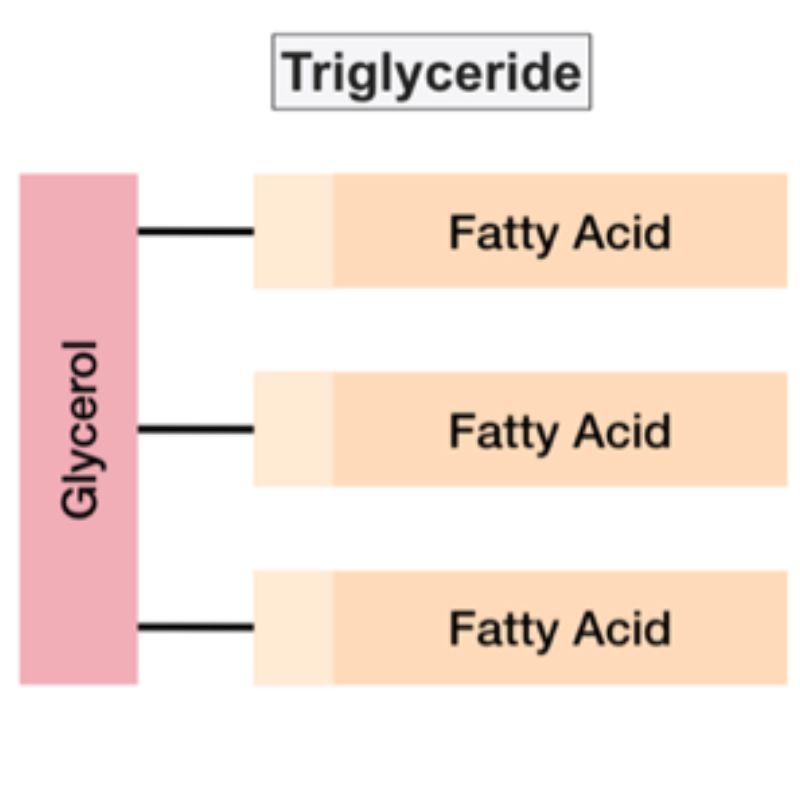
Coconut oil can become a solid fat below 25°C (77°F) and transforms into a clear liquid at higher temperatures. Unrefined, or virgin, coconut oil retains a distinct coconut aroma, which appeals to many for its natural, tropical scent. Coconut oil is particularly high in MCTs, Medium Chained Triglycerides.
Medium-Chain Triglycerides (MCTs)
MCTs, or medium-chain triglycerides, are a type of saturated fat commonly found in coconut oil, palm kernel oil, and dairy products like milk and cheese.
They are composed of fatty acids that have a medium chain length, typically containing 6 to 12 carbon atoms. This unique structure distinguishes them from long-chain triglycerides (LCTs), which are found in most other dietary fats, such as those in fish, avocado, nuts, seeds, and olive oil.
The medium length of MCTs gives them unique properties. Unlike LCTs, which require bile acids and enzymes for digestion, MCTs are rapidly absorbed and processed by the liver (Shah et al., 2017).
Once in the liver, MCTs are either converted into ketones or used immediately as a quick source of energy. Ketones, produced when the liver breaks down fats, serve as an alternative energy source for the body, particularly when glucose is limited (Cantrell et al., 2023).
Health Benefits of MCTs
MCTs are known to have various health benefits, including improved digestion and immune support, making coconut oil a unique fat compared to long-chain fatty acids found in most other cooking oils. The unique chemical composition of coconut oil is what sets it apart from other oils.
Additionally, MCTs have been shown to support digestive health, enhance immune function, and improve metabolic processes (Rial et al., 2016). Rich in medium-chain triglycerides (MCTs), coconut oil is easily digestible and quickly converted into energy by the body, rather than being stored as fat. This makes it a valuable ingredient for supporting weight loss and metabolic health.
Cold-Pressed vs Refined Coconut Oil
Coconut oil is available in both unrefined (virgin) and refined forms. Unrefined coconut oil is cold-pressed from fresh coconut meat and retains much of the coconut’s natural aroma and beneficial compounds like antioxidants.
Refined coconut oil, on the other hand, undergoes processing, which may strip away some of its health-promoting properties (Liu et al., 2019).
While refined coconut oil has a higher smoke point and is often preferred for high-heat cooking, unrefined coconut oil is generally considered to have more health benefits due to its natural state.
My recommendations are to purchase the virgin cold-pressed coconut oil. It has to smell and taste fresh, refined coconut oil has virtually no smell and very little taste. Read below about the main differences betqeen the two different types of coconut oil.
How Coconut Oil is Made
Coconut oil is derived from pressing the meat of coconuts, with the method of extraction affecting its quality and properties. The two main types of coconut oil are virgin coconut oil and refined coconut oil, with different processes used to create each.
Virgin Coconut Oil
Refined Coconut Oil
Coconut Oil Terms to Know
Coconut Oil Storage and Shelf Life
Coconut oil should be stored in a cool, dark location in a sealed container or in the refrigerator to prolong its shelf life. Storage duration depends on the type of processing, it’s interesting that the raw, unrefined coconut oils so much longer than the processed stuff.
How do you pick spoilage in coconut oil? Look for yellow discolouration of the oil, you may also notice odd-flavours or odours. Proper storage ensures that the oil remains fresh and free from spoilage.
The 12 Evidence Based Benefits of Coconut Oil

1. Fat Burning and Weight-Loss Potential
Coconut oil contains 65% medium-chain triglycerides (MCTs), a type of saturated fat that is processed differently by the body. MCTs are known for their potential fat-burning properties (Hewlings 2020). A 2023 study showed that MCT supplementation during a low-calorie ketogenic diet significantly reduced body weight, BMI, and waist circumference. (Vetrani et al., 2023).
However, there’s no strong evidence that consuming coconut oil alone boosts calorie burning like pure MCT oil. More research is needed to understand its full weight loss potential.
Improves Satiety
Some believe coconut oil helps people feel fuller after meals, potentially reducing overall calorie intake. However, studies have shown that MCT oil, not coconut oil, has a stronger effect on improving satiety, meaning coconut oil may not significantly curb hunger or lead to lower calorie consumption (Maher et al., 2019). I’ll talk more about satiety and MCTs soon.
Weight Loss Considerations
A study in mice suggested coconut oil may be less likely to trigger weight gain and diabetes compared to other fats, but more human research is needed (Gao et al., 2022). Since coconut oil is calorie-dense (121 calories per tablespoon), consuming large amounts may lead to weight gain if it adds excess calories to your diet. Like other high-fat foods, it should be used in moderation.
Summary
MCTs found in coconut oil may increase fat burning, but it’s still unclear if coconut oil itself has the same effect. More research is required to confirm its role in weight loss.

2. – Rapid Energy Source and Boosts Endurance
Quick Energy Supply
The medium-chain triglycerides (MCTs) in coconut oil provide a fast source of energy. Unlike long-chain triglycerides (LCTs), which are processed slowly through the lymphatic system before being stored or used for energy, MCTs are absorbed directly into the bloodstream from the small intestine. This allows your body to use MCTs for immediate energy, much like it does with carbohydrates. For this reason, MCTs are popular in sports nutrition for athletes who need quick energy.
Boosts Energy and Endurance
Coconut oil is not only easy to digest, but it also offers sustained energy and helps boost metabolism. The MCTs are quickly converted into energy by the liver, making coconut oil a popular choice for athletes, especially triathletes (Boateng et al., 2016). For a quick homemade energy boost, mix coconut oil with raw honey and chia seeds, and consume it 30 minutes before exercise.
Summary
Coconut oil’s MCTs are metabolised faster than long-chain fats, providing a rapid and efficient energy source that is ideal for both everyday use and athletic performance (Watanabe et al., 2022).

3. Antimicrobial Effects
Coconut Oil Supports Digestive Health
Coconut oil has been shown to promote digestive health by balancing gut bacteria and reducing inflammation in the digestive tract.
The antimicrobial properties of lauric and caprylic acids help eliminate harmful bacteria, such as Helicobacter pylori, which is associated with stomach ulcers, and Candida, a yeast that can cause digestive discomfort when it overgrows. (Matsue et al., 2019).
This makes coconut oil an effective natural treatment for gut infections, promoting a healthier balance of gut flora.
Fighting Candida and Other Infections
Coconut oil is effective against Candida albicans, a common cause of yeast infections. Its anti-inflammatory and antimicrobial properties, especially monolaurin, help reduce fungal overgrowth and harmful bacteria (Ogbolu et al., 2007).
Lauric acid acts as both a bacteriostatic agent, preventing bacterial growth, and a bactericidal agent, killing certain bacteria (Matsue et al., 2019). Coconut oil’s antimicrobial properties, due to its high lauric acid content, help combat harmful microorganisms such as:
Antifungal Benefits of Coconut Oil
Coconut oil’s antifungal properties, mainly from lauric, caprylic, and capric acids, make it useful in treating fungal infections like Candida and athlete’s foot. These fatty acids break down harmful fungi, making coconut oil a natural remedy for fungal conditions
Lauric Acid’s Antibacterial Action
Targeting Fungal Infections
- Anti-Fungal: Coconut oil is effective in treating fungal infections like athlete’s foot, ringworm, and digestive Candida overgrowth (Ogbolu et al., 2007).
- Topical Use: Applying coconut oil directly to fungal infections can help soothe and treat conditions like athlete’s foot or ringworm while boosting overall immune strength. (lyvehobu et al., 2024).
Summary
Lauric acid in coconut oil has antimicrobial properties that may help protect against harmful bacteria, fungi, and viruses. Its potential to fight infections like Candida and other fungal infections.

4. Immune Support and Immune Boosting
Coconut oil supports the immune system by boosting the body’s natural defenses. Lauric acid and monolaurin stimulate white blood cells, helping the body fight bacterial, viral, and fungal infections. Coconut oil’s anti-inflammatory properties also reduce chronic inflammation, which is linked to various diseases, improving overall immune function.
Immune-Boosting Properties

5. Appetite Control
MCTs and Satiety
Medium-chain triglycerides (MCTs), a primary component of coconut oil, may help increase feelings of fullness (satiety) and reduce food intake. This effect is thought to occur because MCTs are broken down in a way that produces molecules called ketones, which are known to influence hunger (Maher et al., 2019).
However, while coconut oil is a rich source of MCTs, there’s no solid evidence to suggest that coconut oil itself reduces appetite more effectively than other oils. For example, a study showed that MCT oil has a more significant impact on satiety than coconut oil. (Watanabe et al., 2022).
Coconut Oil and Weight Loss
Despite its high fat content, coconut oil has shown potential benefits for weight loss, particularly due to the unique properties of MCTs.
Summary
Coconut oil, thanks to its high concentration of MCTs, may help control hunger and aid in weight loss by promoting fat burning and energy use. However, it may not be as effective as pure MCT oil in reducing appetite.

6. Epilepsy and Seizure Reduction
Ketogenic Diet and Epilepsy
Ketogenic diets, low in carbohydrates and high in fats, have been used for decades to manage drug-resistant epilepsy, particularly in children. These diets significantly reduce seizure frequency by altering how the brain accesses energy. By lowering glucose levels, the body enters a ketogenic state, using fat-derived ketones as an alternative energy source for the brain. This shift is believed to reduce seizure activity effectively. (Borowicz-Reutt et al., 2024)
Role of Coconut Oil in Seizure Management
Coconut oil, rich in medium-chain triglycerides (MCTs), is quickly converted into ketones in the liver, providing an alternative fuel for the brain. These ketones may help lower seizure frequency. Modified ketogenic diets that include MCTs and allow for more carbohydrates have shown promise in managing seizures, even in adults. However, more research is needed to confirm the effectiveness of these diets for adults with epilepsy.
Summary of Benefits
Incorporating coconut oil into a ketogenic diet may offer potential benefits for epilepsy patients, particularly for those seeking alternative treatments beyond traditional medications.

7. May Help Those With Alzheimer’s Disease
Alzheimer’s disease, the leading cause of dementia, impairs the brain’s ability to use glucose for energy. Researchers believe ketones, which can be produced from MCTs in coconut oil, may offer an alternative energy source for brain cells, potentially offsetting early symptoms of mild to moderate Alzheimer’s. While some studies show promise, larger human trials are needed.
Helps Repair Brain Function

8. Boosts Skin Health and Improves Skin Issues
Coconut oil is widely used for cosmetic purposes, improving the health and appearance of the skin. Studies show it can increase moisture levels in dry skin, enhance skin barrier function, and protect against external threats like chemicals and allergens.
Improves Many Skin Conditions
Coconut oil has been shown to alleviate various skin conditions, thanks to its anti-inflammatory, moisturizing, and antimicrobial properties.

9. Hair and Scalp Protection and Benefits
Coconut oil can also be used to treat fungal infections on the skin and scalp. Its moisturizing and healing properties make it an effective treatment for conditions like dandruff, which is often caused by fungal overgrowth on the scalp. (Lourenço et al., 2024).
By incorporating coconut oil into daily skincare or haircare routines, users may experience improvements in both the appearance and health of their skin and hair, thanks to its antifungal and hydrating effects.
Enhances Hair Shine and Scalp Health
Coconut oil is often used to add shine to hair and protect it from damage. While some studies show mixed results, many people find it beneficial for improving hair condition.
Coconut oil can help prevent hair damage by deeply penetrating the hair strands, making them more flexible and less prone to breakage. A 2021 study found that coconut oil improves hair strength and resilience under tension, reducing hair breakage.

10. Antioxidants and Anti-Aging
Coconut oil is rich in antioxidants, which help reduce oxidative stress and slow the aging process. Research has shown that it can improve antioxidant levels and reduce stress on the liver, supporting detoxification and overall health (Pham et al., 2022). Coconut oil also aids in nutrient absorption, particularly of fat-soluble vitamins such as vitamins A, D, E, and K. Taking one tablespoon of coconut oil with antioxidant-rich foods, like berries, may help naturally slow aging.
Rich Source of Antioxidants
Coconut oil contains a variety of antioxidants that help neutralize harmful free radicals, potentially lowering the risk of chronic diseases (Ramya et al., 2022).

11. Oral and Dental Health
Coconut oil can benefit oral hygiene through a practice known as oil pulling. A study found that swishing coconut oil in your mouth, which leverages the oil’s antibacterial properties, can significantly reduce harmful bacteria like S. mutans compared to regular mouthwash (Peng et al., 2022).
Lauric acid in coconut oil helps to form a soap-like substance when it reacts with saliva, which prevents cavities, reduces dental plaque, and alleviates gum inflammation (Peedikayil et al., 2015).
Helps Prevent Gum Disease and Tooth Decay
Oil pulling with coconut oil has been a traditional method for maintaining oral health and healing periodontal disease. Due to its high concentration of antibacterial medium-chain fatty acids (MCFAs), coconut oil effectively denatures and removes oral bacteria, reducing the risk of periodontal disease.
A 2017 review highlighted the benefits of oil pulling for dental health. Studies indicate that this traditional practice can protect against cavities, improve gingivitis, and balance oral bacteria levels.

12. DIY Home Remedies
Topical Applications and Home Remedies
Beyond its use in the kitchen, coconut oil has a range of topical applications. It is commonly used as a moisturiser for skin, offering hydration and soothing properties, particularly for dry or irritated skin.
Many people use coconut oil as a natural makeup remover, lip balm, or even as an ingredient in DIY beauty products like body scrubs or hair masks.
Its antifungal and antimicrobial qualities make it a popular choice for addressing minor skin conditions, such as cuts, scrapes, and rashes.
Skin and Hair Health
Coconut oil works as a natural moisturizer and hair treatment due to its antimicrobial properties. Use it for:
DIY Natural Remedies
Its antimicrobial properties make coconut oil great for DIY recipes like:
Household Cleanser
Coconut oil is a natural cleaner, used for:
Special Heart Health Considerations
Recent research on coconut oil and heart health presents a mixed picture. While some studies suggest that coconut oil may improve cholesterol levels by lowering LDL (bad) cholesterol and raising HDL (good) cholesterol, other evidence indicates that it could significantly increase LDL levels, thus raising the risk of heart disease.
The conflicting results may stem from differences in study methodologies, such as comparisons with unsaturated vegetable fats versus saturated animal fats like butter.
Saturated Fat Content and Heart Health
Coconut oil is composed of approximately 90% saturated fat, which has led to health concerns about its impact on cardiovascular health. High saturated fat intake is linked to increased LDL cholesterol levels, potentially elevating the risk of heart disease. Therefore, moderation is key, and it’s advisable to balance coconut oil consumption with other healthy fats, such as those found in olive oil, avocados, and nuts.
How to Use Coconut Oil
When purchasing coconut oil, opt for extra virgin, wet-milled, unrefined, and organic versions. These forms retain more nutrients and offer the greatest benefits compared to refined options.
Cooking and Dietary Uses
Coconut oil is a versatile cooking oil that can be used in various ways, including frying, baking, and sautéing. Its high smoke point makes it ideal for high-heat cooking, and its subtle coconut flavour can enhance dishes ranging from savory stir-fries to baked goods. Coconut oil is also a popular ingredient in smoothies, coffee, and even homemade energy bars, as its medium-chain triglycerides (MCTs) provide a quick energy boost.
Balancing Coconut Oil in a Healthy Diet
While coconut oil can be part of a balanced diet, it’s essential to use it in moderation, especially in light of concerns about saturated fat. For those looking to benefit from its unique properties, it may be best to use coconut oil alongside other healthy fats, such as olive oil or avocado oil, to ensure a varied intake of fatty acids.
Additionally, incorporating coconut oil into a diet rich in fruits, vegetables, and whole grains can help mitigate potential risks while reaping its health benefits.
Incorporating coconut oil into your diet may offer health benefits such as improved digestion, enhanced energy levels, and better nutrient absorption. However, given its high saturated fat content, it’s recommended to use coconut oil in moderation and as part of a balanced diet that includes a variety of healthy fats.
Cooking and Baking
Coconut oil is excellent for cooking and baking, offering a pleasant coconut flavour and easier digestion than other oils. It’s a versatile oil for:
Risks and Side Effects of Coconut Oil
Potential Allergic Reactions and Sensitivity
Although coconut oil is generally safe for most people, some individuals may experience allergic reactions or skin sensitivities when using it topically. Symptoms of an allergic reaction to coconut oil may include redness, itching, or swelling of the skin. (Iddagoda et al., 2022).
To avoid adverse reactions, it’s advisable to perform a patch test before applying coconut oil directly to larger areas of the skin.
Additionally, while coconut oil has been touted for its antimicrobial and antifungal properties, it should not be relied upon as a sole treatment for serious infections. If you experience persistent or severe symptoms, consult a healthcare professional for appropriate treatment.
Conclusion
Coconut oil offers numerous potential health benefits, from its antimicrobial properties and antioxidant effects to its role in supporting weight loss and improving skin health. However, due to its high saturated fat content, it’s important to use coconut oil in moderation.
While it may not be suitable as a primary cooking oil for everyone, when incorporated thoughtfully, it can be a valuable part of a balanced diet and wellness routine.
Tips for Buying, Storing, and Using Coconut Oil

Eric Bakker N.D.
Greetings! I am a naturopathic physician from New Zealand. Although I’ve retired from clinical practice since 2019 after 34 years of clinic. I remain passionate about helping people improve their lives. You’ll find I’m active online with a focus on natural health and wellbeing education through my Facebook page, Reddit page and YouTube channel, including this website.