Home » fungal infection

fungal infection

  • Mold

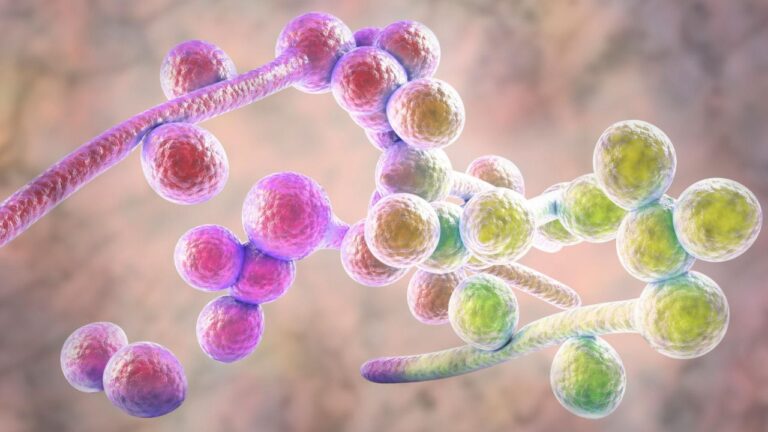
    Mold refers to a group of microscopic fungi that grow in the form of multicellular filaments called hyphae. These fungi typically appear as fuzzy or slimy patches on various surfaces, particularly in damp environments. Unlike mushrooms, mold is not something you want to include in your diet or allow in your living space.

  • Candida Krusei

    Candida krusei is an infrequent cause of fungal infection and accounts for only 3 to 4% of fungal infections. Candida krusei is naturally resistant to the widely-used pharmaceutical fluconazole

  • Grapefruit Seed Extract

    Grapefruit Seed Extract (GSE) is a powerful natural medicine made from the seeds, pulp, and white membranes of grapefruit. This extract has gained popularity for its wide range of health benefits, particularly its potent antimicrobial and antioxidant properties.

  • Caprylic Acid

    Caprylic acid is a natural antifungal compound found in coconut oil that helps combat Candida yeast infections by disrupting the yeast’s cell membranes, inhibiting its growth, and reducing biofilm formation. This makes it an effective treatment for Candida overgrowth in the gut, skin, and other areas of the body.

  • Acetaldehyde Toxicity

    Aldehydes, toxic byproducts of sugar fermentation, exacerbate Candida overgrowth, leading to a host of health issues. Candida’s metabolic processes release acetaldehyde, intensifying symptoms akin to a persistent hangover. Addressing Candida overgrowth and minimising aldehyde exposure are vital for restoring balance and alleviating associated discomfort, highlighting the intricate interplay between these two factors in health and wellness.