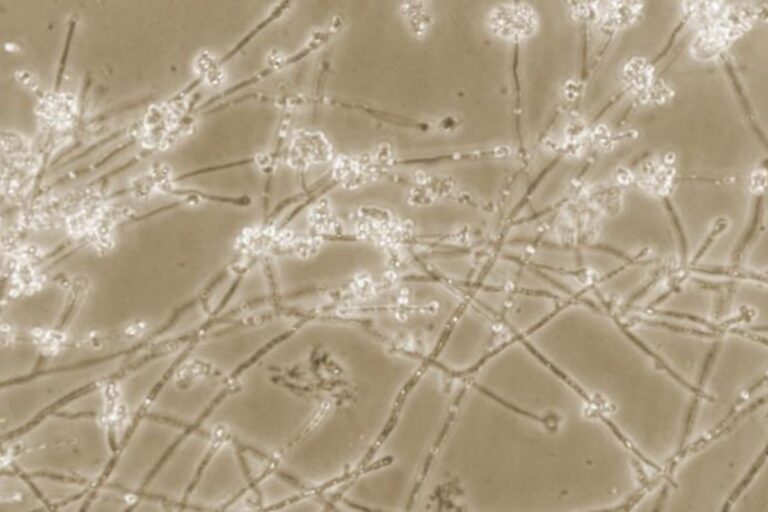
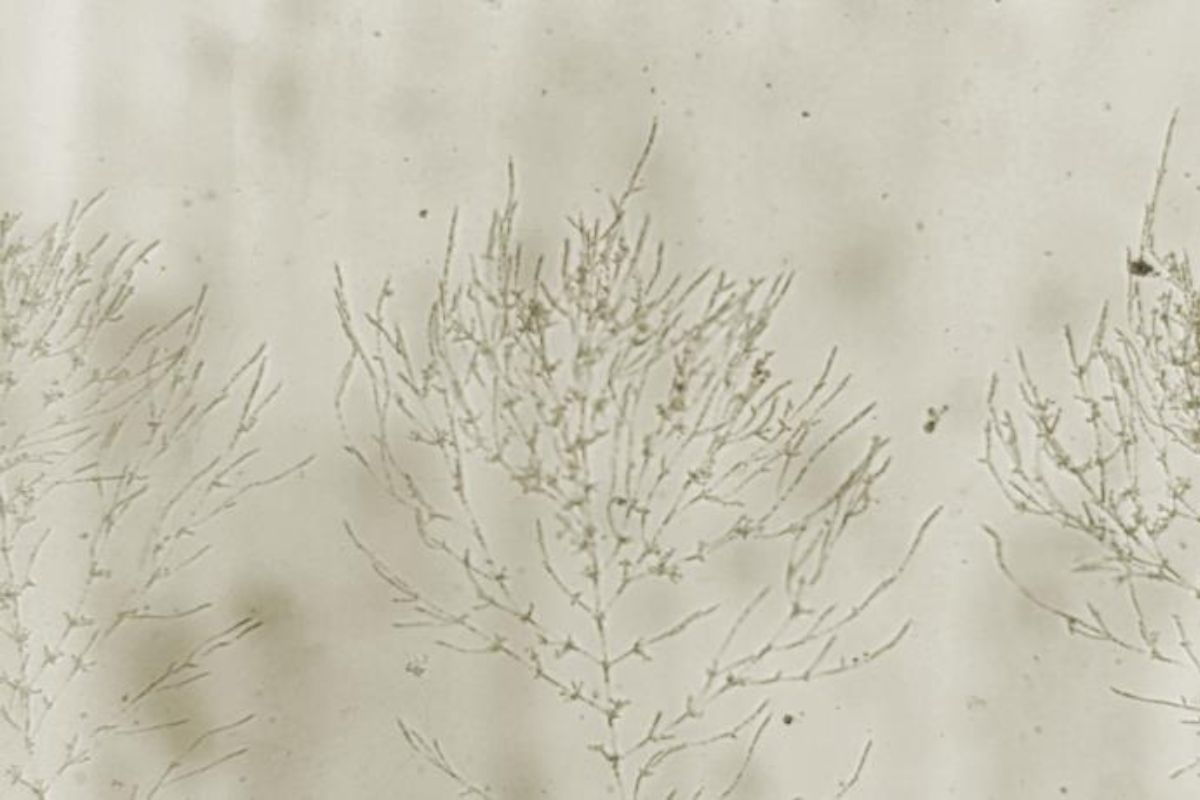
What Is Candida Krusei ?
Candida krusei (formerly Pichia kudriavzevii ) is a yeast that naturally inhabits various environments, including our human body. It belongs to the broader family of Candida species, which are often part of the normal flora in the mouth, gut, and skin.
Under healthy conditions, Candida krusei co-exists peacefully within the body. However, like any Candida species, once the balance of our microbiome is disrupted or when the immune system is compromised, this opportunistic pathogen can lead to infections, particularly in immunocompromised individuals.
Historically, 92–95% of all cases of Candida infection are a result of the five most common species: Candida albicans, Candida glabrata, Candida parapsilosis, Candida tropicalis, and Candida krusei (Berkow et al., 2017). In the United States, Candida glabrata is the second most common Candida infection, with Candida albicans being the primary.
Candida krusei is the fourth most common non-albicans species implicated in invasive infections and has emerged as a particularly important pathogen in patients with blood-based cancers such as leukaemia. (haematological malignancies) (Oliva et al., 2013).
For many years, Candida albicans was seen as the main Candida species capable of bloodstream fungal infections called invasive candidiasis. Recently, other Candida species have also been causing more infections, with Candida krusei emerging as a major concern, and more recently, Candida auris.
Candida krusei is however an infrequent cause of fungal infection in most clinical accounts for only 3.5% to 4.5% of fungal infections. (Wingard et al., 1995).
Unlike Candida albicans, Candida krusei is naturally resistant to the widely-used pharmaceutical antifungal medication Fluconazole, and many infections have occurred in people taking this drug.

Why is Candida Krusei Concerning?
The most alarming aspect of Candida krusei is its inherent resistance to fluconazole, one of the most commonly prescribed antifungal drugs. Fluconazole belongs to a class of drugs known as azoles, which inhibit the synthesis of ergosterol, a vital component of the fungal cell membrane.
While effective against many Candida species, fluconazole is largely ineffective against Candida krusei. This resistance necessitates the use of alternative antifungal agents, which may be more expensive, have more side effects, or be less accessible (Lee et al., 2021).
Unlike Candida albicans, responsible for the majority of candidiasis cases, Candida krusei is less commonly found but poses significant concerns due to its natural resistance to fluconazole, considered a frontline antifungal drug. Antifungal drug resistance, coupled with its ability to cause severe infections in vulnerable populations, makes Candida krusei a more serious clinical concern. (Fisher et al., 2022).
In one study, Candida krusei colonisation was found in 41% of patients who received Fluconazole treatment compared with 17% of patients who received no Fluconazole (Abbas et al., 2000). In addition to drug resistance, Candida krusei infections can be more challenging to diagnose and treat due to their non-specific symptoms and the need for precise identification of the strain (Fang et al., 2023).
Delayed treatment or Candida-species misdiagnosis can lead to complications, particularly in patients with weakened immune systems, such as those undergoing chemotherapy, organ transplant recipients, or individuals living with HIV/AIDS (Firacative 2020).

Symptoms of Candida Krusei Infection
Candida krusei can cause a range of infections, with symptoms varying depending on the part of the body it affects. Recognising these symptoms early is crucial for timely treatment. Many symptoms of Candida krusei infections are similar to those caused by Candida albicans, and the 4 more common symptoms are:
1. Oral Thrush
Characterised by white patches on the tongue, inner cheeks, gums, and throat, oral thrush can cause discomfort, a cottony feeling in the mouth, and difficulty swallowing.
2. Vaginal Yeast Infection
Women may experience itching, redness, swelling, and a thick, white discharge that resembles cottage cheese. Pain during urination or intercourse is also common.
Candida krusei should be considered as a cause of stubborn cases of vaginitis, especially in older white women who seek care for chronic vaginitis and whose infections respond poorly to conventional anti-fungal drug treatments (Singh et al., 2002).
3. Gastrointestinal Candidiasis
This manifests as bloating, gas, abdominal discomfort, and changes in bowel habits. It may also contribute to leaky gut syndrome, which can exacerbate food sensitivities and autoimmune conditions.
4. Systemic Candidiasis
In severe cases, particularly in immunocompromised individuals, Candida krusei can enter the bloodstream, leading to systemic candidiasis or candidemia. Symptoms include fever, chills, fatigue, and signs of sepsis, such as rapid heart rate and low blood pressure. This is a life-threatening condition requiring immediate medical attention.
Candida Yeast Infection symptoms In Men, Women, and Children

4 Common Signs and Symptoms of Candida Yeast Infection
Some websites that Candida can commonly lead to a wide range of symptoms, virtually “any” symptoms, including mood swings, cognitive fog, sinus infections, allergies, toenail fungus, joint discomfort, right through to cancer.
While it is true that many illnesses may be significantly influenced by Candida infection, the 4 most typical signs of a Candida yeast overgrowth aren’t those rare and unusual symptoms though.
Candida Causes and symptoms

Candida Krusei in Chocolate Production
Cacao beans undergo a fermentation process to reduce bitterness and unlock their rich flavors. This process involves two specific fungi: Pichia kudriavzevii and Geotrichum (Pereira et al., 2017).
Typically, these fungi are naturally present on the cacao plant’s seed pods and seeds. However, modern chocolate production often uses carefully selected strains to enhance both flavor and aroma. Each chocolate manufacturer has its own unique strains, chosen to create a signature taste.
During fermentation, the yeasts produce enzymes that break down the pulp surrounding the beans and generate acetic acid. This acid not only kills the cacao embryo within the seed but also helps develop the characteristic chocolate aroma and removes bitterness, paving the way for the delicious flavours.
Risk Factors for Candida Krusei Infection
Several factors can predispose individuals to Candida krusei infections. Understanding these risk factors is key to prevention and early intervention:
Prolonged Antibiotic Use
Broad-spectrum antibiotics can disrupt the natural balance of bacteria and fungi in the body, eliminating beneficial bacteria that keep Candida species in check. This can create an environment where Candida krusei can thrive (Lin et al., 2005).
Immunosuppression
Individuals with weakened immune systems are particularly vulnerable to Candida krusei infections. This includes patients undergoing chemotherapy, organ transplant recipients taking immunosuppressive drugs, and individuals with HIV/AIDS (Vazquez 2013).
Diabetes
High blood sugar levels can promote the growth of Candida species. Diabetics with poorly controlled blood glucose levels are at increased risk for infections, including those caused by Candida krusei. (Mohammed et al., 2021).
Use of Corticosteroid Drugs
Long-term use of corticosteroids, for autoimmune conditions, asthma, or other inflammatory diseases, can suppress the immune system, increasing susceptibility to fungal infections. (Yasir et al., 2023).
Hospitalisation and Invasive Procedures
Candida krusei infections are more common in hospitalised patients, particularly those with intravenous catheters, urinary catheters, or those who have undergone surgery. The use of these invasive devices can provide a pathway for Candida krusei to enter the body (Hankovsky et al., 2015).

Diagnosing Candida Krusei
Given the complexity of treating Candida krusei infections, accurate diagnosis is essential for effective management. Diagnosis typically starts with laboratory testing, where samples from the affected area—such as a swab from the mouth or vagina, or a blood sample in cases of systemic infection—are cultured and analyzed (Barantsevich et al., 2022).
The lab will identify the specific Candida species and determine its sensitivity to various antifungal medications, which is crucial for guiding treatment since Candida krusei is resistant to common antifungals like fluconazole.
In more serious or invasive infections, such as bloodstream infections (candidemia), advanced diagnostic methods like polymerase chain reaction (PCR) testing or other molecular techniques may be employed.
These methods can detect Candida krusei more rapidly and with higher precision than traditional cultures, allowing for quicker initiation of targeted treatments (Avni et al., 2011). Rapid and accurate diagnosis is particularly important in severe cases, where delayed treatment could lead to complications or even become life-threatening. In some instances, specialised tests may be needed to monitor antifungal resistance patterns, ensuring the selected treatment will effectively combat the infection.
Candida Krusei Treatment
Treatment of Candida krusei infections must be tailored to the severity and location of the infection, as well as the patient’s overall health. The severity of treatment is generally in line with the severity of the infection. Many options exist for the treatment of Candida krusei, both pharmaceutical or natural medicine treatment. Let’s explore both, starting with the medical treatment of Candida. You will find the different antifungal drugs below to be the ones most widely prescribed:
Given its resistance to fluconazole, alternative antifungal drugs are typically required:
Echinocandins
This class of antifungals, including caspofungin, micafungin, and anidulafungin, works by inhibiting the production of a major component of the Candida fungal cell wall, beta-glucan. Echinocandins are often the first choice for treating Candida krusei infections, particularly in severe or systemic cases. They are generally well-tolerated and effective against Candida krusei. Like most pharmaceutical drugs there are always the inevitable side-effects.
Amphotericin B
This broad-spectrum antifungal has been used for decades and remains effective against many resistant strains of Candida, including Candida krusei. However, its use is limited by its potential for severe side effects, including kidney toxicity. Lipid formulations of amphotericin B can reduce some of these side effects, making it a viable option in certain cases. (Ahmady et al., 2024).
Since Candida krusei may be less susceptible to amphotericin B than other Candida species, the daily dose of amphotericin B used should be 1 mg/kg at institutions where C krusei infections are prevalent (Abbas et al., 2000).
Voriconazole or Posaconazole
These newer azole antifungals can be effective against Candida krusei, though they are typically reserved for cases where echinocandins are not suitable or have failed. Careful monitoring is required due to potential drug interactions and side effects. (Ghannoum et al., 1995).
Combination Therapy
In some cases, a combination of antifungal agents may be used to enhance treatment efficacy and reduce the risk of resistance. This approach is particularly useful in managing severe or refractory infections.
Natural Medicine Approaches to Managing Candida Krusei
In addition to conventional antifungal treatments, several natural approaches can support the management and prevention of Candida krusei infections. These strategies focus on restoring the balance of the microbiome, enhancing immune function, and creating an internal environment that discourages fungal overgrowth:
Probiotics
Regular consumption of probiotic-rich foods, such as yogurt, kefir, sauerkraut, and kimchi, or high-quality probiotic supplements can help maintain a healthy balance of gut flora. Specific strains like Lactobacillus acidophilus and Bifidobacterium bifidum have been shown to inhibit the growth of several Candida species, including Candida krusei. (Salari et al., 2020).
Interestingly, recent research has shown that beneficial gut bacteria can help prevent invasive candidiasis, which opens the door to developing probiotics not only for treating vaginal yeast infections but also for protecting patients at high risk of systemic candidiasis.
This includes those who undergo major surgeries, where Candida populations from the gut can become problematic. This discovery highlights the potential of probiotics in preventing serious fungal infections by maintaining a healthy balance of gut microbes. (Höfs et al., 2016).
Low-Sugar Diet
Candida species, including Candida krusei, thrive on freely-available blood sugar. (Chouhan et al., 2019). Reducing or eliminating refined sugars, high-glycemic carbohydrates, including junk food and ultra processed foods from the diet can prevent overgrowth, especially in diabetics. Focus on whole foods, lean proteins, healthy fats, and non-starchy vegetables to maintain blood sugar levels and discourage fungal proliferation.
Garlic and Coconut Oil
Garlic contains allicin, a compound with potent antifungal properties that can help combat Candida overgrowth. Coconut oil, rich in caprylic acid, also has antifungal effects and can be used both internally and topically to address Candida infections.
Stress Management
Chronic stress can weaken the immune system, making the body more susceptible to infections, including those caused by Candida krusei. Incorporating stress-reducing practices such as meditation, breathing exercises, regular physical activity, and adequate sleep can support immune function and overall well-being.
Good Hygiene Practices
Maintaining good hygiene is crucial in preventing the spread of Candida krusei infections. This includes regular handwashing, avoiding the sharing of personal items, and keeping affected areas clean and dry. In hospital settings, stringent infection control measures are essential to prevent the transmission of Candida krusei.
Candida Krusei Infection Prevention
Key Strategies to Avoid Candida Krusei Infection
Preventing Candida krusei infections is particularly important for those at higher risk. Here are some key strategies to reduce the likelihood of developing an infection:
1. Limit Antibiotic Use
Only use antibiotics when absolutely necessary and under the guidance of a healthcare provider. Avoiding unnecessary antibiotics helps preserve the natural balance of microorganisms in the body, reducing the risk of Candida krusei overgrowth (Drummond et al., 2022).
2. Use Antifungals Most Cautiously
For individuals prone to fungal infections, it may be necessary to use antifungal medications prophylactically, especially during periods of immunosuppression. However, this should always be done under the supervision of a healthcare provider to avoid contributing to antifungal resistance.
3. Manage Blood Sugar Levels
For individuals with diabetes, maintaining well-controlled blood glucose levels is essential in preventing Candid infections. Regular monitoring, a balanced diet, and adherence to medication regimens can help keep blood sugar in check (Ahmad et al., 2023).
4. Strengthen Immune System Responses
A robust immune system is the body’s first line of defence against infections. Support immune function by eating a nutrient-rich diet, staying physically active, managing stress, and getting sufficient sleep.
Consider immune-boosting supplements like vitamin C, vitamin D, and zinc, especially during times of increased susceptibility.
5. Practice Safe Hygiene in Healthcare Settings
For those who are hospitalised or undergoing medical procedures, it’s important to follow strict hygiene protocols to prevent healthcare-associated infections (HAIs).
Healthcare providers should use proper sterilistion techniques, and patients should be vigilant about personal hygiene and infection control measures.
Navigating the Challenges of Candida Krusei
Candida krusei represents a significant challenge in the realm of fungal infections due to its inherent resistance to common antifungal treatments and its potential to cause severe infections in vulnerable populations. Understanding the nature of Candida krusei, recognising the symptoms of infection, and implementing both conventional and natural treatment strategies are crucial steps in managing this resilient pathogen.
For those at higher risk, prevention remains the most effective strategy. By maintaining a balanced microbiome, strengthening the immune system, and practicing good hygiene, it’s possible to reduce the likelihood of a Candida krusei infection and ensure better overall health.
Remember, if you suspect you have an infection caused by Candida krusei, it’s essential to seek medical advice promptly. Early diagnosis and appropriate treatment can make a significant difference in the outcome, helping you manage the infection effectively and avoid complications.

Ultimate Candida Cleanse System
Restore gut balance naturally with the Ultimate Candida Cleanse System — a complete, professional-grade gut health solution developed by naturopath Eric Bakker, N.D.
This all-in-one system combines two in-depth books — The Ultimate Candida Cleanse Program and The Ultimate Candida Cleanse Guide — along with the Yeastrix Gut Restore Kit, featuring targeted antifungal, probiotic, and enzyme formulations. Together, they deliver a structured, step-by-step approach to eliminating Candida overgrowth, rebalancing your gut microbiome, and rebuilding healthy digestion from the inside out — your foundation for lasting energy, comfort, and vitality.
To achieve real, lasting results, you need more than just a plan — you need the right support. That’s why Eric Bakker created Yeastrix, a professional-grade supplement range launched in 2025 to work hand-in-hand with his new Candida Cleanse Program. Each Yeastrix formula targets a key stage of gut recovery — helping restore microbial harmony, enhance digestion, and support long-term wellness.
If you’re ready to take control of your health and finally feel like yourself again, the Ultimate Candida Cleanse System gives you everything you need — expert guidance, a proven roadmap, and powerful natural support that truly works.

Eric Bakker N.D.
Greetings! I am a naturopathic physician from New Zealand. Although I’ve retired from clinical practice since 2019 after 34 years of clinic. I remain passionate about helping people improve their lives. You’ll find I’m active online with a focus on natural health and wellbeing education through my Facebook page, Reddit page and YouTube channel, including this website.