
Conventional Medical Treatment of Candida
Fungal infections, particularly those caused by Candida species, are increasingly common and can range from mild skin rashes to serious, even life-threatening systemic infections. Known as candidiasis, these infections can affect various parts of the body and can be particularly severe in individuals with compromised immune systems.
As candidiasis rates rise, so too does the challenge of treating them due to a concerning increase in antifungal drug resistance.
The Role of Antifungal Drugs in Treating Candida
Conventional treatment for candidiasis relies heavily on antifungal medications, yet selecting the appropriate type and dosage depends on multiple factors, including:
Evidence-based Western medicine has faced challenges in curing yeast infections as effectively as bacterial infections. Unlike bacteria, fungi share similar cell structures and metabolic pathways with human cells, complicating drug development and often leading to side effects. This challenge has resulted in slower progress in antifungal drug development compared to antibiotics Dixon 1996).
Antifungal Drug Types and Their Mechanisms
Five main classes of antifungal medications are currently in use for treating Candida infections:
These medications generally work by targeting ergosterol, the fungal equivalent of cholesterol, which is crucial for maintaining fungal cell membrane integrity. However, because ergosterol and human cholesterol share structural similarities, these drugs can sometimes affect human cells, increasing the risk of adverse effects (Herrick et al., 2024).
Challenges in Antifungal Drug Development and Resistance
The development of new antifungal drugs has lagged due to the limited number of fungal-specific targets, which also contributes to increasing drug resistance. Fungi like Candida auris, which are multidrug-resistant, pose significant treatment challenges (Howard 2020).
Fungi adapt to antifungal treatments through various mechanisms, leading to reduced drug efficacy and underscoring the need for innovative approaches to combat fungal infections effectively.
Bacteria vs. Yeast: Why Fungi Are Harder to Target

Unlike yeast and other fungi, bacteria are structurally simpler organisms. As single-celled prokaryotes, they lack a nucleus and other membrane-bound organelles, providing numerous pharmacological targets that are distinct from human cells, making them easier to treat.
Bacteria’s simpler structure and distinct cellular makeup make it relatively straightforward to develop treatments that kill bacterial cells without harming human ones.
Fungi, on the other hand, present a far greater challenge. They are eukaryotic organisms, like humans, with cells that have a nucleus and complex organelles.
Candida albicans and other fungi can develop sophisticated defence mechanisms, like producing decoys to evade immune attacks, going “stealth” by hiding from immune cells, and creating specialised toxins to protect themselves
.
Why Antifungal Treatment Is More Complicated
According to one study, available antifungal drugs are limited and often face challenges like intrinsic multi-drug resistance in certain Candida species, further complicated by their ability to form protective biofilms. As a result, clinical trials and experiments for potential antifungal agents are often complex and less successful than those for antibacterial treatments (Alves 2020).
Antifungal Drug Options and Their Challenges
Let’s take a quick look at the advantages and limitations of two commonly prescribed antifungal medications for Candida infections:

Antifungal Medications Come In Various Forms
Because yeast can inhabit nearly every part of the body—gut, skin, urinary and reproductive tracts, and mucous membranes—antifungal drugs come in various forms: tablets, capsules, powders, creams, ointments, and even intravenous options for severe cases.
Through these options, healthcare providers work to match the antifungal form and treatment to the infection’s location and severity.
Methods of Antifungal Drug Administration
Antifungal treatments are typically delivered in one of two ways:
Fungicide and Fungistatic Drugs in Antifungal Treatment
Antifungal, or “anti-mycotic”, medications are essential for treating and preventing various fungal infections, medically known as mycoses.
These range from common infections like athlete’s foot, ringworm, and nail infections to more severe cases, including vaginal thrush, jock itch, and life-threatening systemic infections such as cryptococcal meningitis.
These medications come in two main types based on their effect on fungal cells: fungicidal and fungistatic drugs.
Types of Antifungal Drugs by Action
Antifungal drugs are categorised by their mode of action and chemical structure. Their primary modes of action include:
Through these different application methods and targeted approaches, fungicidal and fungistatic drugs offer flexible and effective options for addressing various fungal infections, from mild cases to life-threatening systemic infections.
Prescription vs. OTC Antifungal Medications
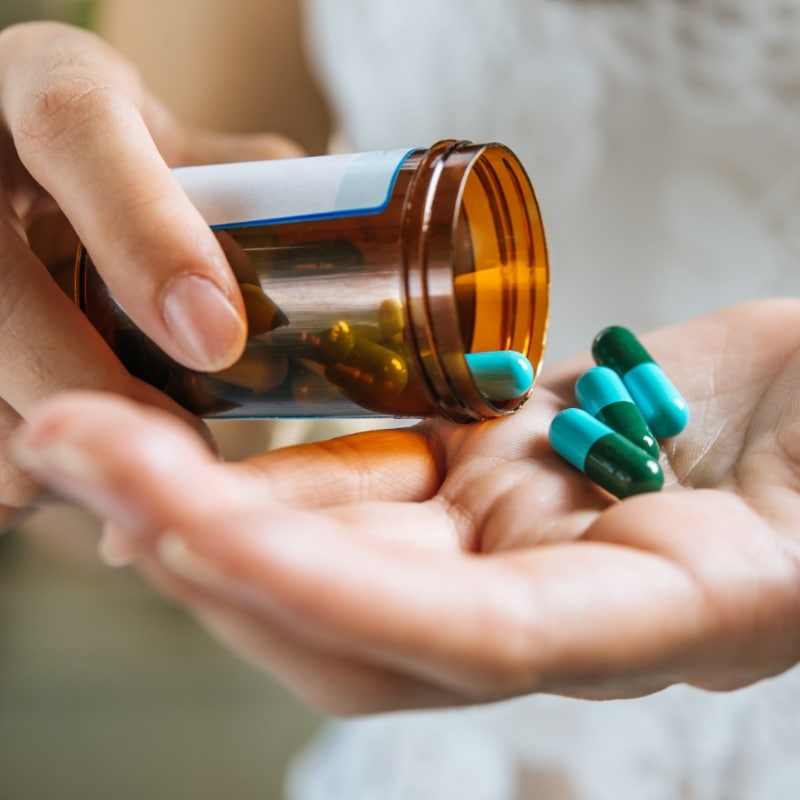
Many antifungal medications are available only by prescription, though some can be purchased over-the-counter (OTC) at chemists or pharmacies. In my experience working with patients over many years, I’ve found that prescription antifungal drugs aren’t usually necessary for most Candida cases, unless it’s life-threatening.
Severe blood-borne yeast infections, which require immediate intravenous intervention in an ICU, are indeed critical but rare. Most cases of yeast infections seen in naturopathic practice are less severe and include conditions like:
These types of cases, while sometimes seen as minor, are often treated with topical or oral OTC antifungal medications. However, there are times when a short-term prescription intervention may be necessary to help control an escalating Candida imbalance.
Short-Term vs. Long-Term Antifungal Treatment
For antifungal treatments, it’s best to focus on short-term symptom control rather than long-term reliance. Antifungal drugs control symptoms but don’t provide a lasting cure for Candida imbalances. Prolonged antifungal use can contribute to drug resistance, posing future challenges as the options for effective antifungal classes are limited.
A more targeted approach that includes yeast species susceptibility testing, alongside cautious use of antifungals, is essential for sustainable Candida management (Denning 2022).
Key Classes of Antifungal Drugs
Antifungal medications fall into four main classes: polyenes, azoles, allylamines, and echinocandins. While each class operates differently, here we’ll focus on the two most commonly prescribed antifungals:
- Azoles: The most widely prescribed class, with fluconazole being particularly popular for its effectiveness against Candida infections. Azoles work by interfering with fungal cell membranes, but they can also impact human cells if used for extended periods.
- Nystatin: Unlike azoles, Nystatin is a polyene antifungal with broad fungicidal and fungistatic effects, particularly effective against Candida albicans. Its broad-spectrum activity makes it a preferred choice for naturopathic physicians who may incorporate it into a balanced Candida treatment plan.
These primary antifungal options highlight the importance of careful drug selection based on the infection type, location, and patient-specific factors, aiming to minimize side effects and support lasting fungal balance.
Risks of Self-Medicating with AntibioticDrugs
Self-medicating with over-the-counter (OTC) antibiotic and prescription antifungal drugs is increasingly linked to the rise of antimicrobial resistance, especially among commonly used azole drugs. Frequent or unnecessary use of these medications has significantly reduced their effectiveness in treating fungal infections (Sachdev et al., 2022).
For mild fungal issues—like itchy toes or minor athlete’s foot—a few drops of tea tree oil on a regular basis will help, avoiding the need for pharmaceutical interventions. However, more persistent cases, such as recurring jock itch or chronic vaginal yeast infections, demand a more strategic approach.
Understanding the limitations of OTC treatments and the potency of prescription antifungal drugs is crucial to avoiding resistance. Instead of relying on drugs as a first response, patients should consider alternative treatments, reserving antifungal drugs for when they are absolutely necessary to preserve their efficacy.
Self-Medication Trends and Resistance Concerns
A recent study explored the prevalence of self-medicating with antifungal drugs and herbal remedies among university students in Egypt, where fungal infections affect around 6.4% of the population, with Candida being the most common type of infection. This study revealed that 38% of students self-prescribed antifungal drugs, and an overwhelming 95.5% reported that fluconazole was easily available without a prescription (Khairy 2021).
These trends emphasise the need for greater awareness of drug resistance risks, especially in settings where antifungal medications are readily accessible without medical oversight.
FDA Warnings About Online Pharmacies

In this study, fluconazole emerged as the most commonly self-medicated antifungal drug, used by 70.1% of respondents. This aligns with other research showing azole drugs, particularly fluconazole, as the most widely dispensed OTC antifungal drugs.
The FDA has issued warnings about unregulated online pharmacies that sell unapproved and potentially dangerous drugs, violating the U.S. Federal Food, Drug, and Cosmetic Act.
To stay safe, purchase medications only from licensed local pharmacies rather than unreliable foreign websites.
While antifungal drugs are generally safe for short-term use (one to two weeks), prolonged use can lead to tolerance, requiring higher doses and more extended treatments for symptom management. This cycle may increase drug dependency and, with azole drugs, carries a risk of liver damage.
Therefore, taking antifungal drugs should not represent a problem short-term unless :
Azole Drugs
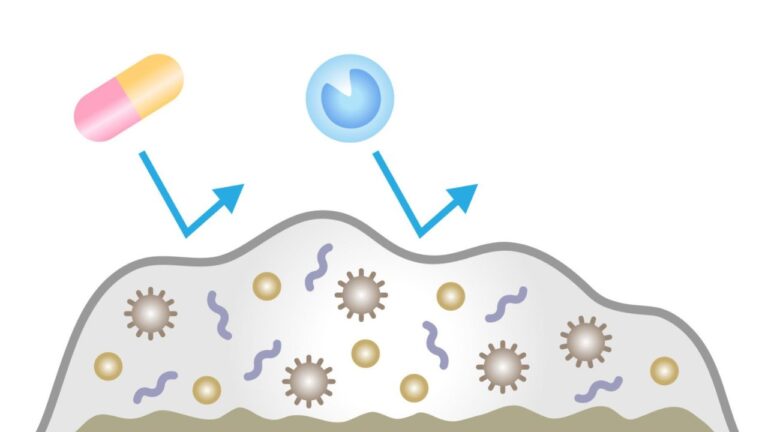
Some of the most widely used antifungals are called “azole” drugs. The way they work is to disrupt an enzyme necessary for the formation of the fungal cell membrane. The result is an unstable yeast cell membrane that may eventually leak and cause cell death.
Azole antifungal agents have added greatly to the therapeutic options available to doctors for treatment of fungal infections. There are many azole drugs that are available for systemic and topical use. The azole drugs should be taken with meals because they need stomach acid to be absorbed. Avoid taking antacids. Those with digestive issues or those who cannot consume large amounts of food may not absorb azole drugs that well.
Some azole antifungal medicines:
Other anti-fungal (non-azole) drugs include:

Fluconazole (Diflucan)
Fluconazole is among the most commonly prescribed antifungal drugs, typically used for yeast infections affecting the mouth, skin, or genital area. Treatment for oral or skin infections generally lasts 10–14 days, while esophageal infections, the tube that runs from your throat to your stomach. may require up to two or three weeks until symptoms clear.
While fluconazole effectively helps many, it doesn’t work for everyone, with some patients reporting persistent nausea.
A surprising number of women treated in our clinic received ongoing weekly prescriptions for years, yet received little or no guidance on dietary or lifestyle changes that can significantly support antifungal treatment.
Important Fluconazole Considerations:
Many patients who have taken Diflucan regularly, often for years, successfully discontinue it after committing to a Candida Cleanse approach including lifestyle adjustments.
Liver Cleansing
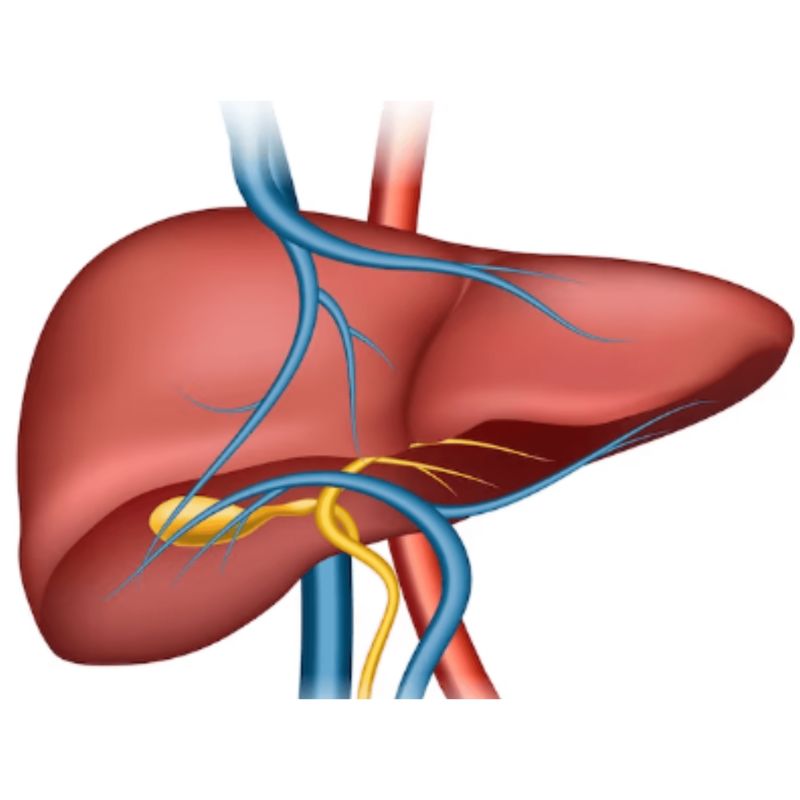
Since the liver can be affected while taking this medication, I recommend a herbal liver-cleansing treatment for a few weeks if you have been taking this medication and have noticed any unfavourable side effects, or if you have been taking fluconazole for some time and wish to stop and detox.
After taking azole drugs, consider using an effective probiotic for several weeks, twice daily, a dose when you wake up and when you go to bed.

Nystatin
Nystatin, formerly known as Fungicidin, was created by Elizabeth Lee Hazen and Rachel Fuller Brown after discovering its source in Streptomyces noursei bacteria.
Dr. William Crook, an international authority on Candida in the 1980s, praised Nystatin as the top treatment for fungal infections. Unlike more potent antifungals, Nystatin is minimally absorbed through the skin and digestive tract, resulting in fewer side effects than many modern antifungals.
Nystatin performs more subtly than the forceful azole medications, which is so notable that some clinicians today even regard Nystatin as a kind of “natural remedy”. While Nystatin was ranked the safest pharmaceutical antifungal in a study, fluconazole was significantly more effective in treating oral candidiasis is HIV positive patients. (Rajadurai 2021)
Key Points:
Clinical Applications and Studies
Nystatin is especially beneficial for individuals with compromised immune systems, including those with AIDS or undergoing chemotherapy, as it effectively prevents dangerous fungal overgrowths.
Symptoms and Signs of Infection
Nystatin remains a versatile and often safer option for managing Candida infections, especially for individuals with vulnerable immune systems or those seeking a mild, effective treatment.
Nystatin Side-Effects
Although Nystatin rarely causes as many adverse effects as fluconazole, there is a list nevertheless. These may consist of symptoms like:
Pharmaceutical Drug Interactions with Antifungal Supplements

Many patients at our clinic are often prescribed drugs like fluconazole alongside supplements from various practitioners.
However, drug-supplement combinations can sometimes be incompatible, leading to heightened side effects or reduced efficacy.
In other cases, patients may be taking several prescription, OTC drugs, and supplements simultaneously, further increasing the risk of interactions.
For a safer and more effective antifungal approach, proper planning and communication with healthcare professionals is essential.
Different Forms of Nystatin
Nystatin is an effective antifungal agent with several forms of administration, each tailored to specific needs. While it is less likely to be absorbed through mucous membranes, it can still cause some side effects. Here’s an overview of the different forms of Nystatin and their functions:
Forms of Nystatin
Mechanism of Action
Nystatin is both fungicidal (killing fungi) and fungistatic (preventing fungal growth). It works by selectively targeting the cell walls of fungi:
Effectiveness and Limitations
While Nystatin is effective for internal yeast overgrowth, its efficacy for external infections may be limited.

Die-Off or Herxheimer Reaction with Nystatin
In the late 80s and early 90s, when natural antifungals and probiotics were largely unavailable, I began recommending Nystatin for Candida infections.
Nystatin, considered safer than azole drugs and unlikely to cause liver damage (LiverTox 2020), was generally effective.
However, many patients reported a range of side effects, from mild discomfort to severe reactions.
Over time, it became clear that some of these effects were related to the Herxheimer reaction, or “die-off”—a response to toxins released when Candida cells are destroyed.
Articles of Interest:
Key Points on Die-off and Fungal Antigens
Dr. William Crook – Strong Nystatin Advocate

Even the relatively mild Nystatin, effective and fungi-specific, can still trigger unpleasant symptoms if dosages are too high. Dr. William Crook, a strong Nystatin advocate, viewed die-off symptoms as evidence that Candida was being killed. However, while these symptoms suggest Candida cell death, their absence can also indicate an effective treatment pace that avoids unnecessary symptoms including unwanted immune strain.
Ultimately, my approach differs from Dr. Crook’s in that I prefer minimal die-off reactions. If symptoms improve without major side effects, there’s no need for higher doses. For lasting results, low-dose Nystatin can be effective without provoking unnecessary die-off symptoms or patient discomfort.
Nystatin Die-off Symptoms
Nystatin and Die-off Reactions
Die-off symptoms from Nystatin treatment can be more than mildly unpleasant; for some patients, they may feel like a severe flu, akin to COVID-19 symptoms. These reactions often appear quickly after starting treatment, especially with high doses, and include:
Clinic’s Approach to Nystatin
Our clinic phased out internal Nystatin due to these adverse reactions, but this isn’t a dismissal of its effectiveness. Instead, I suggest a low, gradual dosing approach to avoid strong die-off symptoms while ensuring the treatment remains effective.
Recommended Dosage Approach
Low-dose Nystatin can still be effective, particularly if symptoms are improving gradually, as this indicates Candida is being managed without unnecessary side effects.
Topical Antifungals: Uses and Efficacy
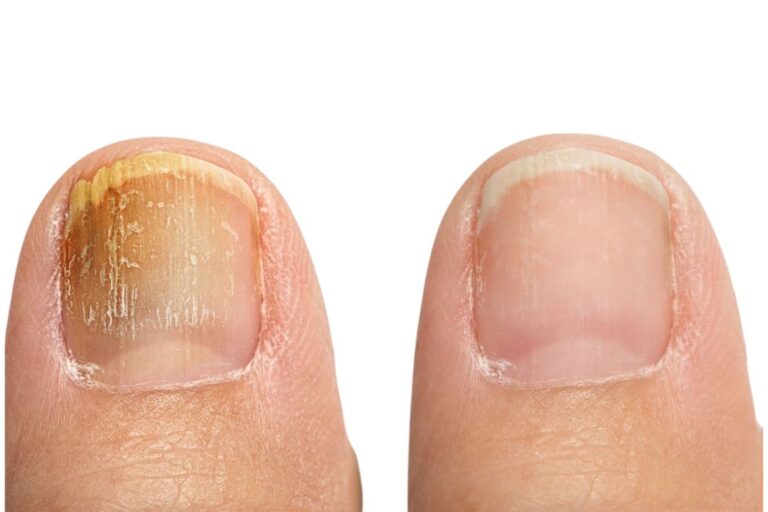
Topical antifungals—creams, liquids, or sprays—are widely used to treat fungal infections on the skin, scalp, and nails.
Various types and brands of antifungal creams are available, offering options for different needs.
There are many different kinds of antifungal creams, they are available under many different brand names. The most popular in this topical group are:
Is it a Yeast or Bacterial Infection?
When a vaginal yeast infection is caused by Candida, some women may opt for over-the-counter topical treatments. However, it’s important to note that similar symptoms may result from other conditions.
If symptoms persist despite OTC treatment, a thorough examination by a healthcare provider, such as a doctor, obstetrician, or gynecologist, is recommended. This ensures an accurate diagnosis, allowing for a more informed decision on whether antifungal medications or natural remedies are the best course of action.
Conventional Antifungals vs. Natural Candida Treatments
For much of history, natural medicines were the main option for various health concerns, and today they remain the primary medicine for 80% of the global population (Ekor 2013). While modern pharmaceuticals are powerful and science-backed, they often focus on managing symptoms rather than addressing underlying causes.
Limitations of Conventional Antifungals:
Benefits of Natural Treatments:
Natural treatments offer a gentler, comprehensive approach to managing Candida, often serving as a safe first line of defence before resorting to stronger medications or invasive treatments.
Natural Medicines Have Become Increasingly Regulated
With the rise of natural medicine, it’s essential to note that “natural” doesn’t always equate to “safe.” Regulatory standards for herbal and natural medicines are, however, becoming more globally standardized and robust (Ekor 2014).
In the U.S., for instance, CGMP (Current Good Manufacturing Practices) has been implemented to ensure safety and quality. Today, many effective antifungal herbs and natural medicines—such as specific probiotic strains—offer strong therapeutic benefits without the side effects seen in pharmaceutical antifungals.
This shift highlights the potential of natural therapies as safe, potent alternatives in antifungal treatment.
Get Help With Treatment When Required
Many people manage yeast or bacterial imbalances at home through diet, lifestyle changes, and supplements. However, working with a qualified practitioner can be highly beneficial for guidance and personalized treatment.
This individualised strategy can make all the difference in achieving successful, sustained relief.
Natural yeast infection treatment
Natural Candida yeast infection has many advantages over drug-based treatments. We mentioned before that antifungal drug development has lagged behind as a consequence of the cellular structure of yeasts.
The question is, why has medical science not further investigated the natural medicine route when it comes to the development of highly effective natural antifungal medicines? Many medicinal plants have shown to have antifungal properties, some more remarkable than others, without serious side-effect risks posed by powerful antifungal drugs.
According to research (Soliman 2017), anti-Candida mechanisms of action initiated by plant natural products involve the inhibition of:
Benefits vs. Cost of Antifungal Drug Treatment
When considering antifungal medications like fluconazole or Nystatin for managing Candida, it’s essential to evaluate your specific health situation. Begin by assessing the severity of your symptoms.
If they are so intense that they disrupt your daily life, it may be necessary to seek medication. However, if your symptoms are mild and manageable, you might consider waiting before starting treatment.
Key Considerations:
Natural alternatives, such as holistic approaches involving probiotics, healthy diets, and natural antifungals, can often provide effective relief with fewer side effects. Additionally, if you decide to pursue antifungal medication, request monitoring of liver enzymes and kidney function to avoid potential adverse effects.
For chronic conditions like Candida or SIBO, it’s important to weigh the pros and cons of pharmaceutical versus natural treatments. Collaborating with your healthcare provider can help you develop a mutually agreeable treatment plan that aligns with your health goals.
Explore Natural Solutions
If you’re interested in managing Candida overgrowth while minimising pharmaceutical use, consider a comprehensive treatment plan.
I’ve developed a complete Candida treatment program that includes dietary adjustments, lifestyle changes, probiotics, enzymes, and natural antifungals, based on 35 years of experience. For more details, visit Yeastrix.

Eric Bakker N.D.
Greetings! I am a naturopathic physician from New Zealand. Although I’ve retired from clinical practice since 2019 after 34 years of clinic. I remain passionate about helping people improve their lives. You’ll find I’m active online with a focus on natural health and wellbeing education through my Facebook page, Reddit page and YouTube channel, including this website.



Good morning, I have CVID and take Cuvitru sub q every week. Also have bronchiectasis and get frequent lung/sinus infections. Almost every time I take antibiotics I get oral thrush and am prescribed Diflucan. I’m currently on Levaquin and Diflucan together. I want to get this under control. What is my best option?
Hi, thanks for your question Teresa,
With CVID + bronchiectasis, recurrent infections and repeated antibiotics unfortunately create the perfect setup for recurrent oral thrush. In your case, the thrush isn’t the primary problem — it’s a predictable downstream effect of immune deficiency + antibiotic pressure.
A few important points to frame this properly:
Diflucan is suppressive, not corrective
Fluconazole can clear symptoms short-term, but with repeated use it often leads to rebound thrush and reduced sensitivity over time. That doesn’t mean it has no place — it just shouldn’t be the only strategy.
Antibiotics are the main trigger
Levaquin (and similar broad-spectrum antibiotics) strongly disrupt oral and gut flora. Every course lowers bacterial competition and gives Candida another opening — especially in CVID.
Your best long-term option is prevention, not reaction
The goal is to:
Rebuild oral and gut microbial resilience
Support digestion and nutrient absorption
Reduce Candida’s ability to overgrow between antibiotic courses
Non-drug strategies matter a lot here
This typically includes:
Targeted probiotics (oral + gut-focused, used correctly)
Diet that limits rapid sugar exposure without being extreme
Supporting digestion and mucosal immunity
Using antifungals more strategically, not continuously
Because of CVID, this is not a “one supplement fixes all” situation — it’s about reducing frequency and severity, not chasing eradication.
If you want a structured, education-based place to start, my Ultimate Candida Cleanse Program was designed specifically for chronic, relapsing Candida patterns, including people who must use antibiotics repeatedly.
You’re dealing with a real physiological challenge — not a lack of willpower. Focus on stabilising the terrain, not just killing the organism.