Home » candida albicans

candida albicans

Microscopic image of human skin tissue showing multiple layers and structures, stained in shades of purple for better contrast.

4 Stages of Candida Biofilm and Yeast Infection

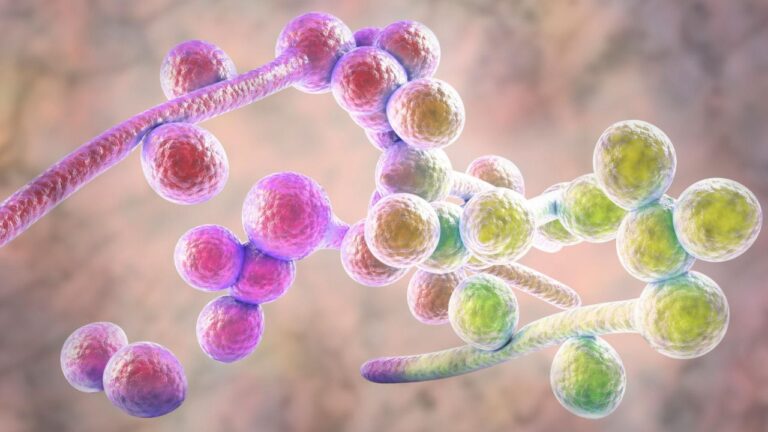
Understanding Candida and its biofilm formation is important for managing yeast infections most effectively. Candida albicans, a naturally occurring fungus, can become problematic when it overgrows, forming protective biofilms that shield it from treatments.

Let’s break down the four stages of Candida biofilm development in easy-to-follow terms, so you can grasp what this clever yeast does and why it matters for your health.
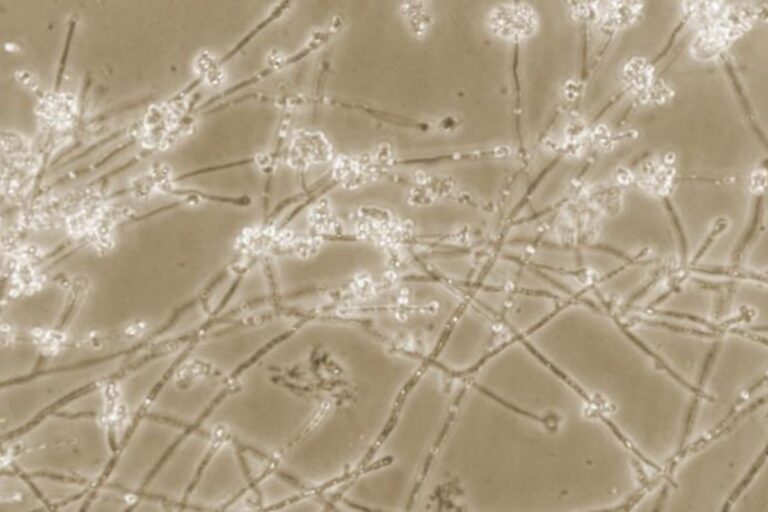
A microscopic view of Candida albicans, showing its filamentous hyphal growth form on a beige background.

What Are Fungi?

Fungi are a vast and diverse kingdom of organisms that play a crucial role in nature. Unlike plants, fungi do not rely on photosynthesis to generate energy. Instead, they break down organic material and absorb nutrients from their surroundings. This makes them essential decomposers in ecosystems, helping to recycle nutrients and maintain soil health.

A female scientist in a lab coat using a microscope in a laboratory setting.

Testing For Candida Overgrowth

Detecting Candida overgrowth or infection can be a complex process, as there is no single test that provides 100% certainty, besides, Candida albicans is a naturally occurring yeast that lives in the body, and in healthy people, the levels are kept in balance by our immune system and beneficial bacteria. Identifying an overgrowth can be important, but it requires a combination of clinical observation and laboratory testing.