.
Understanding Fungi vs. Bacteria
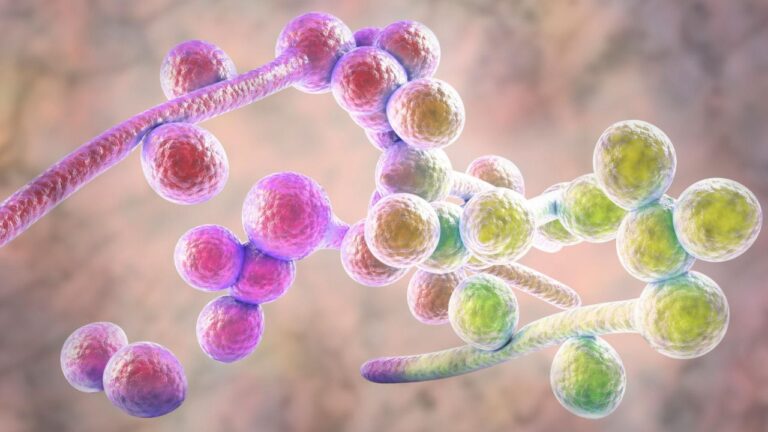
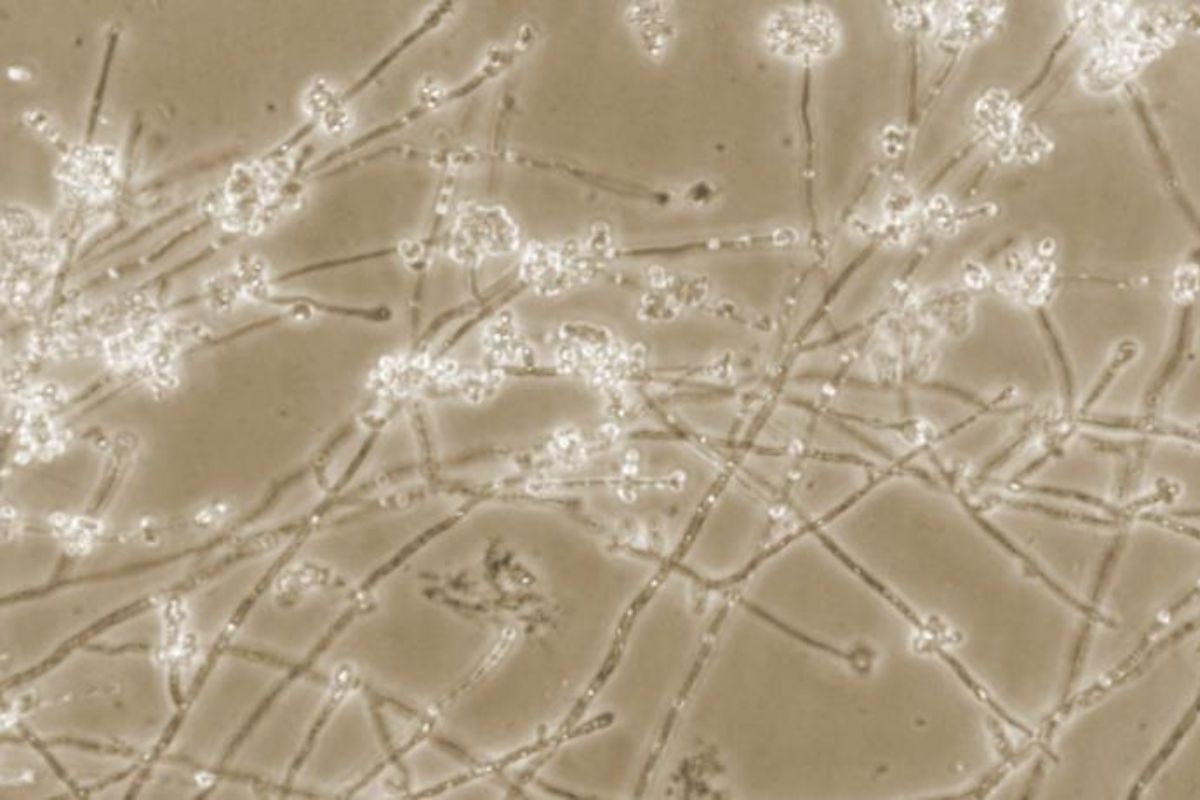
Before diving into Candida, it’s essential to understand fungi and how they differ from bacteria. While both can be microscopic organisms capable of causing infections, they differ significantly in their structure, function, and impact on the environment and human health.
What Are Fungi?
Fungi are a vast and diverse kingdom of organisms that play a crucial role in nature. Unlike plants, fungi do not rely on photosynthesis to generate energy. Instead, they break down organic material and absorb nutrients from their surroundings. This makes them essential decomposers in ecosystems, helping to recycle nutrients and maintain soil health.
Characteristics of Fungi:
The Diversity of the Fungi Kingdom
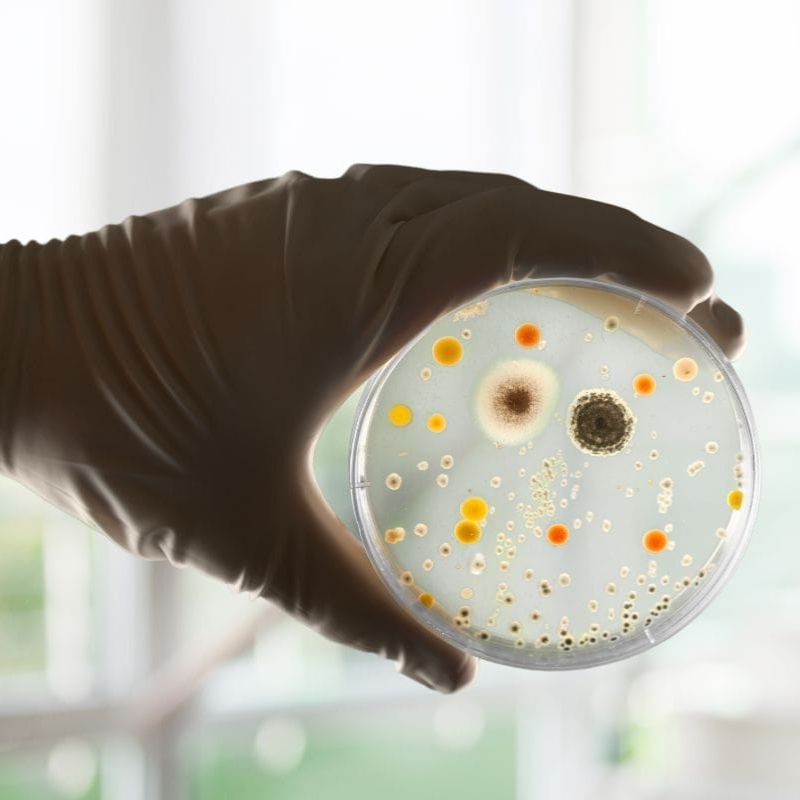
The fungi kingdom is vast, with millions of estimated species. Scientists believe there could be over 5 million species of fungi on Earth, but only about 1% have been officially identified. (Chris Dart, CBC)
These organisms exist everywhere—from the soil and water to the air we breathe and even inside our own bodies.
Types of Fungi:
Fungi are so crucial to life that they have shaped the development of ecosystems on land, enabling plants to thrive by forming symbiotic relationships with their roots.
Key Differences Between Fungi and Bacteria
How Fungi Survive and Spread
Fungi reproduce primarily through spores, which are microscopic and highly resilient. These spores can be found in:
Fungal spores can withstand extreme temperatures, drought, and radiation, allowing them to persist in harsh conditions until they find a suitable environment to grow.
The Beneficial Role of Fungi
Despite their reputation for causing infections, fungi provide numerous benefits to humans and the environment:
Studies have shown that medicinal mushrooms and fungi produce over 130 bioactive compounds with potential therapeutic effects.
The Harmful Side of Fungi
While many fungi are beneficial, some can be harmful:
Take-Away
Fungi are some of the most versatile and essential organisms on Earth. They can be beneficial, serving as decomposers, food producers, and sources of medicine, or harmful, causing infections and producing toxins. Understanding fungi’s unique characteristics helps us appreciate their role in nature and human health.
By recognising the differences between fungi and bacteria, we gain insight into why fungal infections are often harder to treat and why fungi play such an important role in our ecosystem.
What Are 5 Diseases Caused By Fungi?
Fungi are an often-overlooked cause of illness, yet they’re responsible for a surprising range of health problems—from superficial skin infections to life-threatening systemic diseases.
Unlike bacteria or viruses, fungal pathogens can be stubborn, slow to respond to treatment, often becoming drug-resistant in chronic cases. I’ve often found chronic and recurring fungal infections to be deeply rooted in weakened immunity, recurring antifungal drug prescriptions, and gut microbiome imbalances.
Understanding fungal diseases is important not only for accurate diagnosis but also for effective, long-term recovery. Below are five of the most common—and clinically important—diseases caused by fungi that everyone should know about.
1. Candidiasis
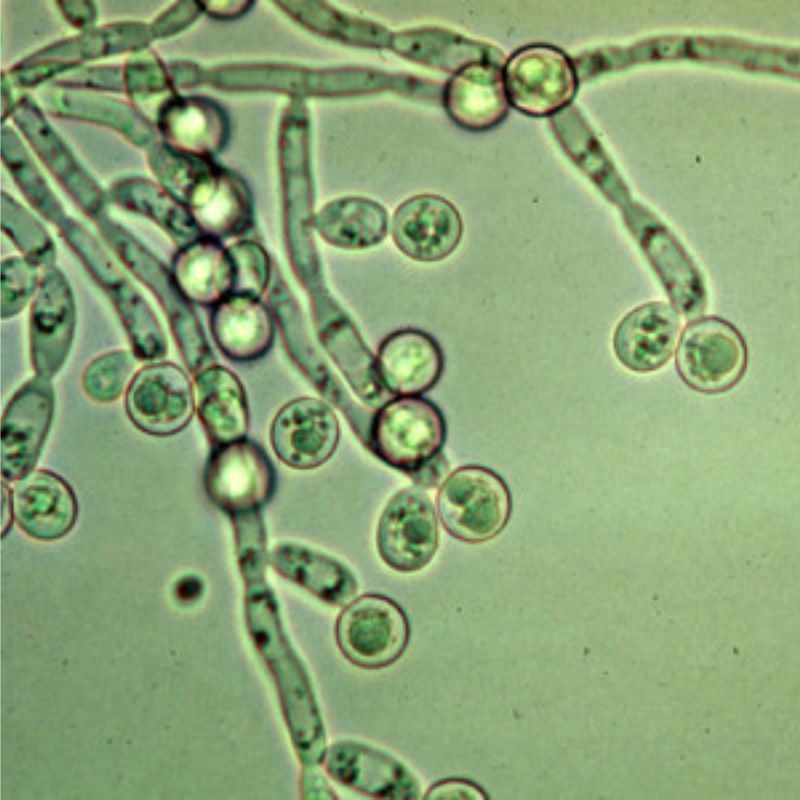
Candidiasis is a fungal infection caused by a fungal species called Candida, especially Candida albicans, which naturally lives in the body in small amounts. However, when conditions such as antibiotic use, high sugar intake, or immune suppression disrupt microbial balance, Candida can overgrow and cause issues ranging from oral thrush and vaginal yeast infections to systemic candidiasis in severe cases.
It often presents with symptoms like fatigue, digestive problems, and recurring fungal infections. Managing diet, gut health, and immune function is key to preventing and controlling candidiasis.
2. Aspergillosis

Aspergillosis results from inhaling spores of Aspergillus, a common mold found in the environment. While usually harmless to healthy individuals, it can cause severe illness in people with compromised immune systems, lung disease, or asthma. The most serious form, invasive aspergillosis, can spread rapidly from the lungs to other organs.
Symptoms may include cough, shortness of breath, and chest pain. Early diagnosis and antifungal treatment are essential. Supporting lung health and minimising mold exposure can help reduce risk.
3. Ringworm (Tinea)

Despite its name, ringworm is not caused by a worm but by a group of fungi known as dermatophytes. It appears as red, itchy, circular rashes on the skin and can affect the scalp, feet (athlete’s foot), groin (jock itch), and fungal nails.
It’s highly contagious through skin contact, shared clothing, or damp environments. Though often treated topically, recurrent cases suggest deeper immune or microbiome imbalances. A low-sugar diet, hygiene practices, and antifungal herbs can support recovery and prevention.
4. Histoplasmosis

Histoplasmosis is a lung infection caused by Histoplasma capsulatum, a fungus that thrives in soil enriched with bat or bird droppings. People typically contract it by inhaling airborne spores while gardening, cleaning attics, or exploring caves.
In most healthy individuals, it causes mild flu-like symptoms, but it can become chronic or disseminated in those with weakened immune systems. Natural antifungal support and lung-cleansing strategies may be helpful alongside medical treatment in more severe cases.
5. Cryptococcosis

Cryptococcosis is a serious fungal infection caused by Cryptococcus neoformans, often found in soil or bird droppings. It typically enters the body through the lungs and can spread to the brain, leading to a life-threatening condition called cryptococcal meningitis.
It primarily affects immunocompromised individuals, such as those with HIV/AIDS or undergoing chemotherapy. Symptoms may include headaches, fever, and neurological issues. Preventive support focuses on immune strength and reducing exposure in high-risk environments.
Key Differences Between Bacteria and Fungi
Knowing the key differences between bacteria and fungi (like yeast) is important for proper identification and appropriate treatment in case of infection.I’ve commonly found that many fungal infections are treated with antibiotics—drugs that are designed to target bacteria.

Fungal Infections Can Become Severe With Antibiotics
When a fungal infection is treated with an antibiotic, the fungal infection may potentially become more severe, and resistant to treatment. This is due to the likelihood of the antibiotic killing some of the healthy bacteria that normally keep fungal levels in balance in the gut, allowing the fungus to spread unchecked. The microbiome becomes disturbed, and in some cases can take years to rectify.
Antibiotic resistance, which makes it more challenging to treat bacterial infections in the future, can and often is the result from overusing antibiotics. As you will see later, patients treated repeatedly with antibiotics were some of the most challenging yeast infection cases in our clinic.
Likely, the most significant distinction between yeast and bacteria, is that yeast is eukaryotic, it contains a nucleus and membrane bound organelles. Bacteria on the other hand have a membrane but lack a nucleus. Although bacteria and yeast are both unicellular, bacteria belong to their own domain, and yeast belongs to the fungi kingdom. The cell walls of bacteria and yeast are also varied in composition.
Bacteria and yeast are both microorganisms that are quite different in terms of their structure, metabolism, and reproduction. Knowing the difference between them is also important because it helps us understand how they function, and how to best deal with these microorganisms when them become out of balance in our gut.
Most of the Candida species of yeast are capable of changing their appearance in response to changes in their environment, especially the availability of nutrients, or fluctuations in temperature.
Bacteria Do Not Change Shape

Many of our virulent bacterial pathogens are genetically monomorphic, meaning, they do not change shape. (link)
This makes them an easier target for drugs like antibiotics, and explains the wide success of antibiotics, and the difficulties in treating yeast infections with antifungal drugs.
Unlike bacteria, Candida however has evolved into a shape-shifting fungus, it has developed special tricks to avoid detection and destruction, and can adapt to virtually any environment in which it finds itself.
Candida Is A Shape-Shifter

Fungi such as Candida albicans were once thought to be dimorphic, meaning that it can exist in only two forms, both in mold and a yeast form. This change is brought about mainly by the temperature of their environment.
Dimorphic is a term used in reference for fungi being able to switch between yeast and filamentous cells, and back again. What has surprised scientists is Candida’s ability to develop into more than two shapes. Research recently has discovered that Candida albicans is a polymorphic fungus.
Polymorphism means different phenotypes can arise due to differences in the surrounding environment. This concept is often referred to as phenotypic plasticity. The term “phenotype” describes the observable physical properties of Candida, including its appearance, development, and behavior. The genotype determines the phenotype, which is the set of genes Candida already carries. Environmental influences also affect these genes.
To be classified as a polymorph, the different shaped organisms must be able to change form and shape, occupy the same habitat at the same time, and belong to the same population.
Candida species have the ability to convert from the fungal yeast cell form to the hyphal-stage form, and then back again, if the conditions of the gut are right for this to occur. (Hsu et al., 2021)
Most of the Candida species of yeast are capable of changing their appearance in response to changes in their environment, especially the availability of nutrients, or fluctuations in temperature.
Summary of Key Differences:
Structure.Bacteria are single-celled organisms, typically a few micrometres in size. Yeast, also single-celled, are much larger and have a distinct oval shape. Bacteria are classified as either gram-positive or gram-negative, while yeast do not have such classifications based on their cell walls.
Movement. Bacteria can move by way of structures known as a flagellum, fungi are non-motile, meaning they don’t move.
Metabolism. Bacteria are diverse in terms of their metabolism and can be photosynthetic (get food from light), chemosynthetic (can make their own food), or heterotrophic (get food from other sources). Yeast is heterotrophic, meaning they obtain energy by breaking down organic compounds. A heterotroph is an organism that cannot produce its own food, instead taking nutrition from other sources of organic carbon, mainly plant or animal matter. Fungi are the decomposers, helping to break down and decompose dead matter.
Reproduction. Bacteria reproduce through a process called binary fission, in which a single cell divides into two identical daughter cells. Yeast reproduces by budding, in which a small protrusion forms on the parent cell, eventually detaches and forms a new cell.
Habitat. Bacteria can live in a wide range of environments, including soil, water, and inside the human body. Yeast, on the other hand, are mostly found in warm, moist environments and are often used in the manufacturing of fermented foods like bread and beer.
Fungi Are Classified In Their Own Kingdom

Only as recent as 1969, a scientist named Robert Whittaker publish the first major revision to Linnaeus’s proposed two kingdom classification of animals and plants. Linnaeus was a Swedish botanist (studies plants) and zoologist (studies animals) and the first to formalise the classification of all living things on earth.
When Carl Linnaeus proposed his classification system in 1758, he placed fungi under the plant category. In the revised version, Whittaker suggested that fungi should be classified as a separate kingdom altogether, a classification that has now been accepted by scientists.
You will soon learn that fungi deserve their own unique category, as they are peculiarly strange, and different in many ways by comparison to plants and animals.
This new classification of fungal species is very diverse, ranging from most beneficial species through to those harmful to our health. Illnesses caused by fungi are called medically called mycosis.
Eukaryotes and Prokaryotes
Fungi are single-celled micro-organisms called eukaryotes. A eukayote is a cell that has a distinct nucleus and membrane-confined organelles.
The total number of eukaryotic species on Earth has recently been estimated at 8.7 million, with fungi making up approximately 7% (611,000 species) of this number.(link)
Organelles are special sub-units, think of them as the organs of a cell. Eukaryotes are organisms whose cells have a nucleus (like a kind of brain). A nucleus is typically a single rounded structured organelle containing the genetic material.
All animals, plants, and fungi, and countless unicellular organisms, are eukaryotes. The total number of eukaryote species on our earth was estimated recently to be close to 9 billion. Fungi account for around 7 % of all eukaryotes.
The other group are the prokaryotes. A prokaryote is a single-celled organism that lacks a nucleus and other membrane-bound organelles. These are the bacteria.
The diagram shown below visually displays the differences between the two. This important, and I’d like you to know that yeast is different to bacteria, in both structure and function.
Let’s look at the classification of the five major kingdoms of living things:
| 5 Kingdoms | Cell Type | Characteristics | Examples |
|---|---|---|---|
| Animals | Eukaryote | Animals are multicellular, and can move by different ways. Animals acquire nutrients by ingestion, they feed on living things. | Mouse, dog, fish, frog |
| Plants | Eukaryote | Plants are multicellular and most don’t move. Nutrients are acquired by photosynthesis They all require sunlight. They make their own food. | Shrubs, grass, trees, flowers |
| Fungi | Eukaryote | Fungi are multi-cellular. No movement. Ranging in size from microscopic to mushroom size. Digest food by releasing enzymes on organic material, absorbing nutrients. Get food from living or dead things. | Molds, yeasts, slimes, mushrooms |
| Protista | Eukaryote | Protists are single-celled and can move. Usually no cell wall. Many are protozoan. Nutrients are acquired by photosynthesis, ingestion of other organisms, or both. | Algae, amoebas |
| Monerans (Prokaryote) | Prokaryote | Monerans are single-celled, may or may not move, have a cell wall. Usually very tiny, although one type, namely the blue-green bacteria, look like algae. They absorb nutrients through the cell wall or produce their own by photosynthesis. | Bacteria |
What Are Fungi Capable Of?
Fungi are incredibly diverse and versatile organisms capable of various functions. They can decompose organic matter, form symbiotic relationships with plants, produce antibiotics, and even cause infections in humans and animals. Let’s look at some of the things they can and can’t do:
Fungi Can’t Make Their Own Food
Fungi cannot make food, they get it from their surroundings. Unlike plants, fungi cannot make their food from any available sunlight, water and carbon dioxide, a process known as photosynthesis. Fungi lack the green pigment chlorophyll, specialised cells plants use to capture the sun’s light energy. Therefore, like animals, fungi must obtain their food from other organisms. They achieve this by producing specialised enzymes and can then break down and absorb their food from external sources.
According to biochemistry professor Gerry Wright, fungi produce molecules that humans still can’t reproduce in any lab, and we’re only beginning to scrape the surface of what we can learn from them.
Fungi Are Natural Garbage Disposers
Fungi are the garbage disposal units of the natural world. They break down dead, organic matter and by doing that they release nutrients and those nutrients are then made available for plants to carry on growing. In essence, they turn death back into life.
This explains why many fungal species have become successful at scavenging and decomposing organic matter. All life in the forest would soon be buried under mountains of dead plant matter, unless fungi aid in their decomposition.
It also explains why fungi and yeast can thrive in the dark, unlike plants, they have no need for light to in order to thrive. Fungi are particularly adept at thriving in warm, dark and moist environments. We’ll talk a lot more about this later, when we discuss men’s and women’s yeast infections.
Fungi are no push-over
Fungi cause many types of diseases, ranging from skin infections such as athlete’s foot, ringworm, dandruff, superficial skin infections, to the more serious and invasive Candida and Aspergillus in immune-compromised patients.
A 2022 study by Rayens and Norris informed us that fungal disease is a serious clinical concern with substantial healthcare costs and significant increases in morbidity and mortality, particularly among predisposed patients. It might seem surprising to learn that the global annual death toll due to fungal infections* is greater than that for malaria, breast, or prostate cancer and more like those rates seen in tuberculosis (TB) and HIV.
*Gow, N. et al. 2018. Strategic Research Funding: A Success Story for Medical Mycology. Trends in Microbiology. Doi: 10.1016/j.tim.2018.05.014.)
This toll runs to over 1.5 million people. In addition, around 10 million suffer from a severe fungal allergy; 100 million women annually experience recurrent vulvovaginal infections, and more than a billion people are afflicted by fungal skin infections each year.
Of all fungi, around 600 species are human pathogens. (link) You will soon learn that fungus is no pushover when it comes to effective control. There are many ways fungi and yeast can avoid and even recover from effective drug treatments. As we will soon discover, yeast like Candida has several clever tricks up its sleeve that bacteria don’t. It is a formidable shape-shifting opponent and can even go “undercover”.
I’ve found these special stealth capabilities of Candida are what makes this fungal species challenging to control, and some species are even becoming increasingly anti-fungal drug resistant. Species like Candida auris have been rapidly emerging since 2019. This strain of Candida is seen as a global threat because of its drug-resistance. C. auris has been the cause of many deaths already worldwide.
Not all fungi are bad Though
The living world as we know it would come to an end very quickly if fungi did not exist. Once things stop breaking down naturally, and nutrients stop being recycled or made available, nothing that could not make its own nutrients would be left, which is the majority of all living things.
Even if we were only to lose the mycorrhizal fungi and not the decomposers, we would still be in a most terrible situation. Mycorrhizal fungi give plants a helping hand in absorbing beneficial nutrients and water, filtering out potentially harmful elements, and fending off many kinds of plant predators. Fungi are necessary for the majority of rooted plants and many types of mosses to be able to take in nutrients and water. What this means is, if there are no fungi, there is very little plant food, and no plant growth. (Adedayo et al., 2023)
Before we go further, it is therefore important to mention that not all fungi are harmful to our health. In fact, many fungi are important to us as human beings, and in many different ways.
Fungal organisms lack mobility and can feed on dead matter and decaying organic matter. Fungi are known as the decomposers. In nature, fungi are a vital part of the food cycle, as they are responsible for consuming and utilising dead matter. Those who go for walks into nature will often stumble upon some kind of yeast or fungus doing its thing. It’s for this reason they were always thought as belonging to the plant kingdom.
The Human Mycobiome
The human gut microbiome is comprised of many different types of micro-organisms, including bacteria, fungi, and even viruses. The latest evidence suggests that the intestinal fungi (gut mycobiome) plays an important role in host immunity and inflammation. (Belvonicikova et al., 2022)
When you hear the word “microbiome” think of all the micro-organisms throughout your entire body. The term mycobiome describes more specifically the specific fungal communities in and on our entire body. You will find existing scientific literature hardly mentions the term mycobiome, for some reason it is largely ignored.

Significant differences have been found in the fungal colony makeup in different areas of a person’s body, especially the gastrointestinal tract, the genitourinary tract, and their skin.
There are only a few types of fungi that may colonise and develop in the gut, mostly Candida yeasts and yeasts from only a select few other families. Further research is required to fully understand the potential coloniser roles of the filamentous fungi. (Hallen-Adams 2016)
Penicillium species are commonly found on fermented foods and in various environmental settings. These fungi cannot grow at human body temperature. Penicillium species come from the diet or the environment, but they either cannot or do not colonize the human body.
Other commonly detected fungus also have dietary or environmental sources, like Saccharomyces cerevisiae, a fermentation agent and sometime probiotic. Environmental factors likely influence the gut microbiome, making it less stable than the bacterial microbiome.
You will most likely be aware now the Candida is a yeast that is quite normal to have in and or our body. Candida itself is not the problem, it is not to be feared. It is our lack of resistance to Candida (and bacterial) infections that is of concern. The important lesson here is that we need to keep our body strong and build powerful resistance against any kind of infection. You’ll read all about how to achieve this later in this book.
What use are fungi to us?
The fact that fungi decompose dead organic matter is most likely the primary reason for the benefits that they bestow upon us and the vast majority of other living things. This includes decomposing things that some of us might not think of as being organic right away, things like shower curtains. Every year new fungi are discovered that can degrade and breakdown plastic waste. (Ekanayaka 2022)
After about 600 million years, fungi have acquired a lot of skills, and there is very little that fungi are unable to do or are unwilling to do. Because of this, we as humans make regular use of fungi and the products they manufacture, although most of the time we are unaware of this fact. You’ll be amazed just how useful fungi are to us as humans. Here are just some of the many hundreds of uses of fungi that we probably take for granted:
Food and Drink
We take pleasure in fungi either on their own as delectable foods, or in the form of their contribution to many food and beverage products we know. Yeasts are commonly used in the fermentation of fruits like grapes to produce wines, cereals to make beer, and flavouring in the form of yeast extracts.
Some fungal species are critical for the production of certain foods like cheese, and many kinds of breads, to name a few. Penicillia camemberti and Penicillia roqueforti are species of penicillin fungi commonly used in the production of Cemembert and Roquefort cheese.
Natural Medicines
Many natural medicines have been created from all kinds of fungi. Scientists are only just starting to figure out the this kingdom contains enormous potential when it comes to human health.
Here are a mere handful of countless studies that exist online regarding fungi and health:
- Antibacterial (Sulkowska-Ziaja et al., 2023)
- Antidiabetic (Murugan et al., 2017)
- antifungal (Anke et al., 1979) (Briggs Purdue Univ. 2013)
- Anti high-cholesterol (Schneider et al., 2011) (Briggs Purdue Univ. 2013)
- Antimicrobial (Jakubczyk et al., 2020)
- Antioxidant (Sugiharto et al., 2016; Hameed et al., 2017)
- Antiparasitic (Martinez-Luis et al. 2011)
- Antitumor (Deshmukh et al., 2018; Uzma et al., 2018)
- Antiviral (Linnakoski et al., 2018)
- Cardiovascular (Klupp et al., 2015)
- Free-radical scavenging (Liu et al., 2007); (Oyetayo 2009)
- Liver-protective and detoxification (Soares et al., 2013)
- Immunomodulating (Lull et al., 2005; Kanazawa et al., 2013)
Probiotics
Just like bacteria, it is important to remember that not all species of fungi are bad for our health. Some yeast species like Sacchromyces boulaardi (SB) are probiotic by nature, and can be very beneficial when it comes to helping to control yeast infections. (Kunyeit 2020)
Some of the many stool samples our clinic has studied from patients over the years revealed that SB could be cultured from a stool sample for a month or even longer after supplementation. It is common for SB to live in a person’s gut for up to a week after supplementation, but no harm occurs because it is a beneficial yeast. SB is non-systemic, unlike Candida, it does not travel outside of the GI tract to the rest of the human body.
Many Industrial Applications
Fungi are responsible for the production of many kinds of industrial chemicals such as citric acid, gluconic acid, lactic acid, and malic acid. They are even involved in the production of a wide array of industrial enzymes such as lipases for detergents, amylases, cellulases, invertases, proteases, and xylanases.
Fungi Take Care Of Our Messiest Problems
Fungi have the ability to convert pesticides, herbicides, pentachlorophenol, creosote, coal tars, and many other undesirable substances into carbon dioxide, water, and other fundamental and non-toxic elements. As incredible as it may seem, fungi even appear capable of biomineralizing depleted uranium. (Fomina 2008)
Food and Shelter
Mycorrhizal fungi are essential to the growth of about 90 percent of the crop plants and timber trees that we use. Mycorrhizal fungi increase soil nutrient uptake in 90% of all the world’s crop plants and trees we rely on. Fungi help plants to absorb more nutrients, resulting in fruit and vegetables that are more nutrient-rich. This offers health benefits to us as consumers. Studies have found that mycorrhizal inoculation notably helps walnut trees to establish and improves planting performances in terms of plant survival and development. (Mortier 2020)
Antibiotics from Fungi
Fungi have been used to make different kinds of drugs for many years. Many of us has used some kind of a penicillin-based antibiotic, at least once in our lives. Fungi have been a major sources of antibiotics, like penicillin derived from the fungus called Penicillium. Penicillin fungi are commonly found in soil and in rotting organic matter, but most people will be familiar with the green bluish mold growing on rotting fruits or bread
Did you know the world’s first wonder drug was made from a fungus? In 1928 Dr Alexander Fleming returned from a holiday to find a green mold growing on a Petri dish containing Staphylococcus bacteria. He began to notice the mould seemed to be preventing the bacteria around it from growing, because there was a wide inhibition zone that was clear around the green/blue mold.
Fleming soon identified that the mold produced a self-defence chemical that could kill bacteria like Streptococcus, Meningococcus and even Diphtheria bacillus. Dr. Fleming then worked with assistants to isolate pure penicillin from the mold.
It took many years before this occurred, but in just time for the US Army to employ penicillin on the front line in Word War 2. Penicillin saved many lives, and was seen as one of the first wonder drugs. Many may not even be aware that the first wonder drug came from a fungus, and a common one at that.
Following penicillin, other antibiotics made from fungi include:
Scientists were starting to take notice of fungi in the 1920s, and discoveries of antibiotic properties soon paved the way fungi were viewed a lot more favourably by the general population. There was a renewed recognition of the important role they played in medicine, food and beverage production.
What many didn’t realize was the pain that was about to come, the dangers of antibiotic drug-resistance we see today. The antibiotic crisis. (Ventola 2015) The problem with the continual development of antibiotics, as we will learn more about later, is their ability to make bacteria increasingly resistant to their effects. And because antibiotics are made from fungi, they have no effect on curbing fungal growth in our bodies, only adding to the problem.
Antibiotics opened up the body to new types of invasive fungal infection, the most serious of which was with Candida albicans, which was well known as the cause of yeast infections in men, women and children. Thrush is commonly seen as an oral infection, especially in babies, jock itch in men and a genital infection in women.
Almost 10 percent of blood samples taken from Candida patients are resistant to antifungal drugs. (CDC) In addition, Candida species have been linked with vaginal yeast infections that can become resistant. (IQWiG). Now that we have discussed fungi, let’s look at Candida, more importantly – Candida albicans.

Eric Bakker N.D.
Greetings! I am a naturopathic physician from New Zealand. Although I’ve retired from clinical practice since 2019 after 34 years of clinic. I remain passionate about helping people improve their lives. You’ll find I’m active online with a focus on natural health and wellbeing education through my Facebook page, Reddit page and YouTube channel, including this website.