

What Is Jock Itch?
Jock itch (tinea cruris), is a fungal infection of the skin that affects the groin, inner thighs, and buttocks. It’s caused by dermatophytes, mould-like fungi that thrive in warm, moist environments. The infection creates a red, scaly, and itchy rash that can also appear grey or brown on darker skin.
Itching in the groin or genital area can be uncomfortable and alarming, but its usually not a big issue in most cases. Depending on where it occurs — around the genitals (penile yeast infection) or on the skin nearby — it may be caused by a yeast or fungal infection. While yeast infections are often associated with women, men can get them too, and they are highly treatable.
While commonly known to affect men and athletes, jock itch can occur in any person who sweats a lot or has a weakened immune system, or those with diabetes. Though uncomfortable, it’s usually mild and can be treated by keeping the area clean and dry, as well as improving gut function. In this post we’ll look at these points, including the treatment, symptoms, and causes of jock itch.
Article of Interest: Male Yeast Infection
Best Jock Itch Treatment

From personal experience, I know just how distressing jock itch can be, especially when it becomes a recurring and persistent problem. Beyond the physical discomfort, what often goes unmentioned is the emotional toll.
Persistent jock itch can lead to feelings of embarrassment, self-consciousness, and anxiety, particularly when it interferes with intimacy or daily routines. If left untreated, this condition can even lead to depression, amplifying the importance of seeking prompt and effective treatment.
In my clinical experience, when it comes to treating jock itch, a comprehensive multi-pronged approach is key to both alleviating symptoms and preventing recurrence, essentially a cure. It’s OK just to treat the symptoms, but if you are looking for a permanent solution the following stages are essential.
Jock Itch – 4 Treatment Considerations
Effectively treating jock itch requires a comprehensive approach that targets both the external symptoms and the internal root causes. Let’s break down the four essential treatment areas that will help eliminate this condition and prevent it from coming back.

1. Diet Changes – Supporting Gut and Skin Health
Your diet plays a critical role in both gut and skin health. Fungal infections thrive on sugar and refined carbohydrates, so eliminating these foods is essential to starving the infection.
With chronic jock itch, you’ll ned top quit alcohol until your condition is significantly improved.
Additionally, quitting alcohol is crucial. Alcohol disrupts gut flora, weakens immunity, and fuels fungal overgrowth, making it harder for your body to recover. In my clinical experience, removing alcohol until complete resolution is necessary for long-term success.
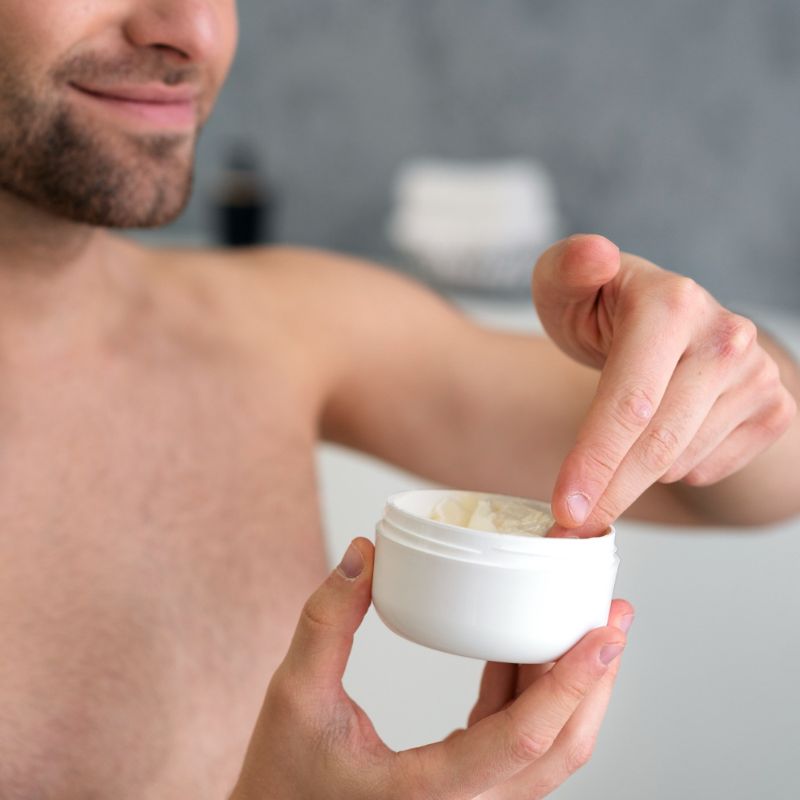
2. Topical Skin Treatments – Fast and Effective Relief
Applying the right antifungal treatments directly to the affected skin is a key step in eliminating jock itch.
Topical creams, powders, or sprays—whether natural or prescription-based—help clear the infection and provide much-needed relief.
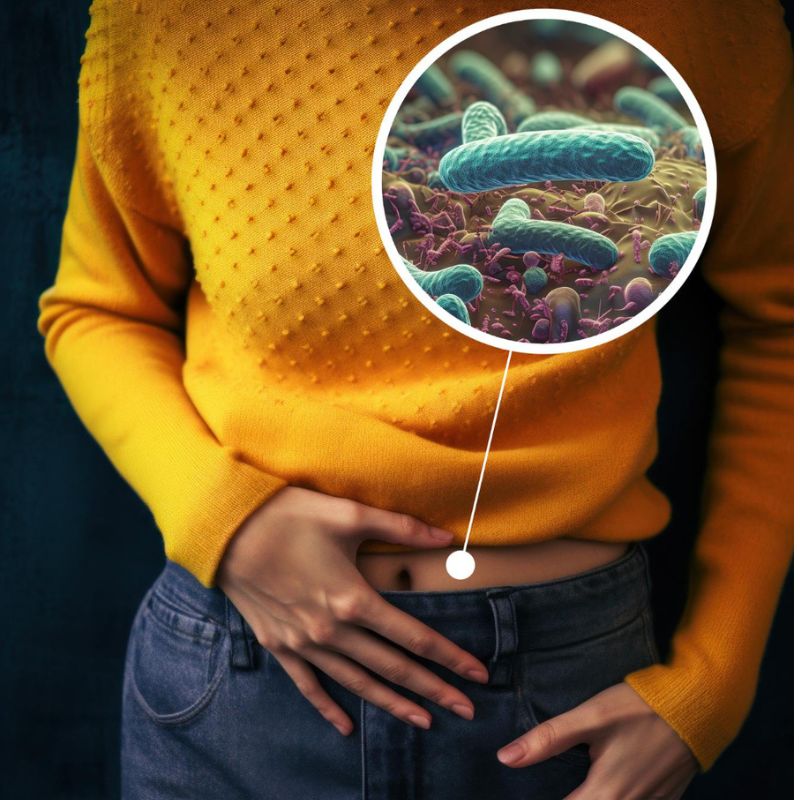
3. Healing the Gut Microbiome – Antifungals, Enzymes, and Probiotics
Treating jock itch from the inside is just as important as addressing it externally.
Many fungal infections, including jock itch, stem from an imbalance in the gut microbiome. To correct this, a combination of antifungal supplements, digestive enzymes, and probiotics is highly effective.
By healing your gut, you strengthen your immune system and significantly reduce the likelihood of recurring fungal infections.

4. Addressing Underlying Causes – Stopping Recurrence at the Source
To prevent jock itch from returning, it’s essential to identify and eliminate contributing factors.
It is especially important in chronic and recurring cases to tackle this problem in multiple ways for the best possible outcome.
Key areas to assess include:
By following this well-rounded treatment plan, you’ll not only get relief from jock itch but also prevent it from recurring. Ready to take the next step?
Check out these two additional articles for more in-depth strategies on managing jock itch effectively:
Key Articles about Jock Itch
1. Changing Your Diet If You Have Jock Itch

Diet plays a crucial role in both the prevention and treatment of jock itch. Fungi, including those responsible for jock itch, thrive in environments rich in sugars and simple carbohydrates. By adjusting your eating habits, you can help starve the fungal infection, giving your body the upper hand in healing and preventing its recurrence.
Foods high in refined sugars and carbs provide fuel for yeast and fungi, so reducing or eliminating these from your diet can make a significant impact.
Whole fruits and vegetables, especially those with natural antimicrobial properties, should become a staple of your daily meals. These nutrient-dense foods support your immune system and help create an internal environment that is less hospitable to fungi.
Avoiding processed foods and focusing on a diet rich in fibre, lean proteins, and healthy fats can enhance your body’s natural defences.
Another critical point is alcohol consumption, particularly beer, which is known to contribute to yeast overgrowth. Beer contains yeast and sugar, which can exacerbate fungal infections, including jock itch. Reducing or eliminating alcohol, especially during an active infection, is an important step toward healing.
Key Dietary Tips to Help Jock Itch:
Making these dietary changes can significantly contribute to healing and preventing future fungal infections like jock itch.
2. Skin Treatments & Hygiene

Most Effective Skin Treatment Solutions
While synthetic chemical antifungal creams and sprays are readily available, natural remedies like herbs and essential oils can be equally effective due to their powerful antifungal properties
Plant-based treatments are often more affordable, chemical-free, and have fewer side effects. (Rashed et al., 2021).
There are several essential oils you may find useful when it comes to treating jock itch symptoms, and there are several I recommend.
The two best oils are tea tree and lavender oil. You’ll also find apple cider vinegar soothing and healing. Various jock itch creams are available online that may help as well.
For skin-based treatment, using natural, chemical-free creams or lotions is essential. You may like to look at this page when it comes to the best home remedies for jock itch .
Jock itch almost always responds to self-care within a couple of weeks by providing some some basic practices. If the following self-care treatments don’t resolve the issue in a few weeks, it may be time to consult your medical doctor for further treatment options.
Key Skin Treatment Tips to Help Jock Itch:
Making these changes to your skin care regime can significantly contribute to healing and preventing future jock itch skin lesions. An important thing to bear in mind and remember however, is to:
Try Not To Scratch!
Scratching jock itch might bring temporary relief, but it risks breaking the skin, increasing the chance of bacterial or further fungal infections. The fungus can also spread to your hands and nails, potentially leading to multiple infections.
Affected skin may appear irritated, scaly, and flaky, with changes in color (red, pink, white, tan, or grey). Blisters, bumps, or dryness may also develop. Using natural skin-care creams to treat jock itch is safer than relying on corticosteroid creams, which may only mask symptoms temporarily and delay healing. Early treatment of fungal infections can prevent them from becoming chronic and harder to resolve.
Medical Jock Itch Treatment
Conventional jock itch treatments like clotrimazole and terbinafine creams or powders can have side effects such as irritation, redness, and skin peeling. Natural remedies are often gentler and more effective for those sensitive to harsh chemicals.
When visiting a doctor for jock itch, you’ll likely be prescribed an antifungal medication. These drugs can be effective for short-term relief, but long-term use should be reconsidered due to potential side effects.
Clotrimazole
One of the most common antifungal drugs recommended for jock itch is clotrimazole, found in products like Canesten® and Lotrimin®. It’s available in cream or powder form. According to research, clotrimazole side effects have been associated with liver toxicity, leading to elevated ALT levels, a marker for liver damage. The cause remains unclear. (Bethesda 2012)
Side effects of clotrimazole may include:
Terbinafine
Another widely used drug is terbinafine, found in Lamisil AT®. This antifungal is often used to treat nail fungus (onychomycosis), but is also effective for jock itch, athlete’s foot, and ringworm.
One study showed that adverse effects were experienced by 10.5% of patients, most commonly involving gut issues (4.9%) or skin reactions (2.3%), which were usually mild and reversible. (Hall 1997)
Terbinafine works by inhibiting fungal growth and is applied topically. The area should be cleaned and dried before application, avoiding contact with the eyes, mouth, or other sensitive areas.
3. Healing the Gut Microbiome
Treating Gut Health
Addressing gut health is an important but often over-looked step in the treatment of jock itch, particularly for those who experience recurring infections. While jock itch may primarily affect the skin, the root cause often lies deeper, within the gut.
Treating the gut is crucial, especially for recurring cases of jock itch. Balancing the gut’s fungal and bacterial population can help prevent future outbreaks, and probiotics are a good supplement to help you achieve this.
The digestive system plays a significant role in maintaining overall immune function and fungal balance, making it essential to treat any fungal overgrowth or imbalances in the gut to prevent future outbreaks.
Why Gut Health Matters for Jock Itch
The gut houses a complex community of bacteria, fungi, and other microorganisms that work together to maintain a healthy balance. When this balance is disrupted—often due to poor diet, antibiotics, or excessive sugar intake—it can lead to an overgrowth of harmful fungi such as Candida albicans.
This fungal overgrowth can weaken the immune system and increase the likelihood of fungal infections like jock itch recurring on the skin. By treating the gut and rebalancing its microbial population, we can significantly reduce the likelihood of future fungal infections, including jock itch. This internal approach, paired with external antifungal treatments, offers a holistic strategy for managing and preventing the condition in the long term.

Gut Microbiome Supportive Treatment
Internal treatment is equally important, as gut-yeast imbalances often contribute to the recurrence of jock itch, especially if the individual also has athlete’s foot, fungal nails, or other manifestations of yeast infection like vaginal or penile yeast infection..
If your condition is chronic or recurring, consider completing our Ultimate Candida Cleanse Program. It’s easy to follow.
Key Gut Treatment Tips to Help Jock Itch:
4. Dealing With The Cause

Treating jock itch effectively requires more than just addressing the symptoms—it’s crucial to tackle the root causes to prevent recurrence. Poor hygiene is a significant contributor. If you don’t clean and dry the groin area thoroughly after activities like exercising or sweating, you create a warm, damp environment ideal for fungi to thrive.
Showering regularly and ensuring the area is completely dry before dressing is essential. Wearing tight, non-breathable clothing can also exacerbate the problem by trapping moisture, so opting for loose-fitting, breathable fabrics like cotton is a smart preventative measure.
Excess moisture is another factor that fuels jock itch. Individuals who sweat heavily or live in humid climates are especially prone to fungal infections. Using talcum powder or moisture-wicking underwear can help keep the area dry.
Additionally, lifestyle habits and key triggers such as frequent alcohol consumption can weaken the immune system and lead to fungal overgrowth. Alcohol disrupts the body’s natural balance of microorganisms, making it easier for infections to develop. Eliminating alcohol can strengthen your body’s ability to fight off fungal issues. Recurring antibiotic prescriptions can also leave us more prone to fungal infections.
Underlying health conditions, such as diabetes or obesity, can also increase the risk of recurring jock itch, as these conditions affect the body’s ability to regulate moisture and maintain a strong immune system. It’s also vital to treat any co-existing infections, such as athlete’s foot, which can spread to the groin area if left untreated. Managing all fungal issues simultaneously will help prevent jock itch from spreading or reappearing.
Key Jock Itch Prevention TipsTips:
By addressing these root causes, you can create an environment that makes it difficult for jock itch to develop and reoccur, leading to long-term relief and prevention.
Who Is At A Higher Risk Of Jock Itch?
Certain factors can increase the risk of developing a yeast or fungal infection, including:
Jock Itch Symptoms

Jock itch can present itself in various forms, with symptoms that vary in location, sensation, and intensity. In my years of clinical practice, I’ve encountered numerous cases where men describe a wide range of experiences with this yeast infection.
While some men only experience mild discomfort, others report severe itching, burning, and irritation that can significantly disrupt daily life. The infection can also present as red, scaly patches, often making it even more uncomfortable and difficult to ignore.
Typically, jock itch starts in the inner thighs and groin area, where the skin is prone to excess moisture and friction. In chronic cases, however, the infection can spread beyond these areas. It may affect the scrotum, spread to the lower abdomen, or even extend between the buttocks.
This wider spread can make the infection harder to treat and increase the risk of secondary skin infections due to persistent scratching and irritation.
Jock Itch Symptoms
The symptoms of jock itch mainly affect the groin and inner thighs. At times, symptoms may spread to the buttocks and even the lower abdomen. Symptoms may get worse after activity or exercise.
Other Symptoms Associated of Jock Itch
Other Conditions Found In Those With Jock Itch
What Causes Jock Itch?
Tinea cruris, commonly known as jock itch, is caused by three kinds of molds called dermatophytes: Trichophyton, Epidermophyton, and Microsporum (Pippin 2023).
Of these, Trichophyton rubrum is the most frequently isolated species and remains the leading cause of tinea cruris worldwide (Lee et al., 2015).
Dermatophytes are mould-like fungi that invade the outer layer of the skin (stratum corneum) and other keratinized tissues such as hair and nails.
These fungi can cause infections (dermatophytoses) at various skin sites, but are most commonly seen on the feet, groin, scalp, and nails. Dermatophytes are among the earliest microorganisms known to cause infections in humans.
Jock Itch Diagnosis
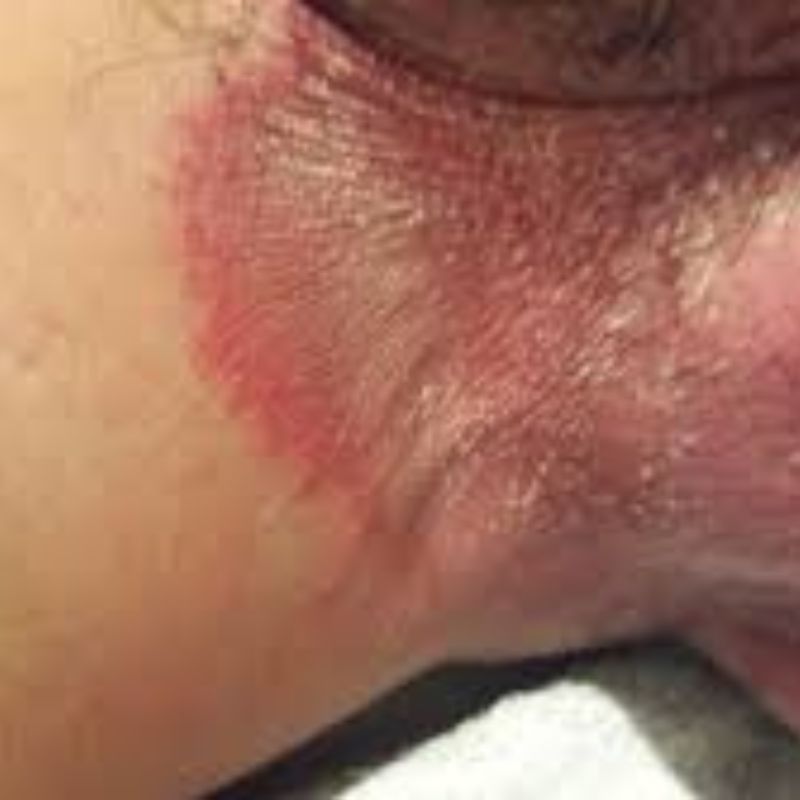
Self-diagnosing jock itch is relatively straightforward, especially with the help of a quick Google image search. The telltale signs—such as redness, itching, and a scaly rash in the groin area—are usually quite distinct. However, while self-diagnosis might point you in the right direction, if your skin condition doesn’t respond in several weeks, or appears to be getting worse, it’s always a good idea to consult your doctor.
Your doctor should be able to accurately diagnose jock itch through a simple physical examination, visually inspecting the affected area for characteristic symptoms. In some cases, especially when the rash appears a bit a-typical, they might take a small scraping of skin cells from the infected area to get a closer look and ensure it’s not another condition, like psoriasis or eczema, which can sometimes mimic the symptoms of jock itch.
If required, lab tests can further analyze the sample to determine the specific type of yeast or fungus involved, helping to guide the most effective treatment plan. Getting an accurate diagnosis not only ensures you get the right medication but also helps rule out other potential skin issues that could complicate treatment.

Eric Bakker N.D.
Greetings! I am a naturopathic physician from New Zealand. Although I’ve retired from clinical practice since 2019 after 34 years of clinic. I remain passionate about helping people improve their lives. You’ll find I’m active online with a focus on natural health and wellbeing education through my Facebook page, Reddit page and YouTube channel, including this website.