

Male Yeast Infection: Best Tips for Jock Itch Prevention
Preventing male yeast infections, particularly jock itch, requires a proactive approach that includes proper hygiene, dietary modifications, and lifestyle changes. While the treatment for male yeast infections is similar to that of female infections, men can take specific steps to lower their risk of developing or prolonging these conditions. By addressing underlying causes and making mindful adjustments, you can significantly reduce the likelihood of recurrent infections.
Male Yeast Infection Prevention
The groin area, including the penis and scrotum, provides a naturally warm, moist, and dark environment—an ideal breeding ground for yeast and fungi. To minimise your risk of infection, it’s essential to improve airflow, maintain proper hygiene, and make dietary and lifestyle adjustments.
Wearing breathable clothing, reducing sugar intake, and avoiding excessive alcohol consumption are key factors in preventing jock itch. Let’s explore the most effective solutions and dive into the best strategies for jock itch prevention. Below are some key guidelines to prevent yeast infections around the genital area.
Articles about Jock Itch
Key Article: Male Yeast Infection
1. Choose Loose, Breathable Clothing

Tight clothing traps heat and moisture, creating the perfect conditions for fungal overgrowth. If you are prone to jock itch or yeast infections, opt for loose-fitting clothing such as boxers, breathable shorts, and relaxed-fit pants.
Natural fibre like cotton and merino wool are preferable, as they wick away moisture more effectively than synthetic fabrics.
2. Avoid Hot Baths and Damp Environments

Excessive heat and moisture encourage fungal growth.
Hot baths, jacuzzis, and whirlpools can worsen yeast infections, so it’s best to stick to cooler showers and avoid prolonged exposure to warm, damp environments.
3. Wear Fresh, Dry Clothes After Bathing or Exercising

Always change into clean, dry clothing after showering, swimming, or sweating.
Damp clothing provides a breeding ground for yeast, so make it a habit to dry off thoroughly and wear breathable undergarments to keep moisture levels low.
4. Reduce or Eliminate Alcohol Consumption

Alcohol disrupts gut health by promoting fungal overgrowth, making yeast infections more likely to occur and persist.
Cutting back or eliminating alcohol can help restore microbial balance and improve your body’s ability to fend off infections naturally.
5. Follow a Low-Sugar, Anti-Inflammatory Diet

A diet high in sugar and processed foods fuels yeast growth.
To prevent infections, focus on a low-sugar, anti-inflammatory diet that includes nutrient-dense foods, lean proteins, healthy fats, and plenty of vegetables and fresh fruits. Avoid bread, pastries, candies, and sugary beverages.
6. Use Antibiotics Only When Necessary

Unnecessary antibiotic use can disrupt your microbiome by killing beneficial bacteria, allowing yeast to thrive.
If antibiotics are needed, take high-quality probiotics to replenish gut flora and minimise the risk of fungal overgrowth.
7. Maintain Proper Grooming Practices

Keeping pubic hair short reduces heat and moisture buildup, making the area less hospitable to yeast.
Regular trimming of pubic hair helps prevent fungal growth and improves overall hygiene, especially in summer or in hot and humid climates.
8. Manage Sweat and Heat Exposure During Physical Activity

Excessive sweating can aggravate jock itch.
If you engage in high-intensity activities like running, cycling, or weightlifting, ensure you shower promptly afterward and change into clean, dry underwear to keep the area cool and dry.
9. Commit to a Full Treatment Plan

Many men discontinue treatment too soon, leading to recurrent infections.
To prevent recurrence, follow your antifungal regimen for at least 90 days, ensuring the infection is fully eradicated before stopping treatment. Consider our Ultimate Candida Cleanse Program.
10. Take Advantage of Saltwater and Sunlight

Natural remedies such as saltwater and sunlight can aid in yeast infection recovery.
If possible, swim in the ocean during summer months or expose affected areas to direct sunlight to inhibit fungal growth.
11. Address Your Partner’s Health If Needed

Yeast infections can be transmitted between partners.
If you experience recurring infections, have your partner checked and treated if necessary. Treating both partners simultaneously can prevent reinfection and break the cycle.
12. Be Wary of Quick Fixes

Short-term treatments may provide temporary relief but often fail to address the root cause of the infection.
Stick to a long-term strategy that includes lifestyle, dietary, and hygiene adjustments to prevent recurring issues.
13. Use Natural, Antifungal Lubricants
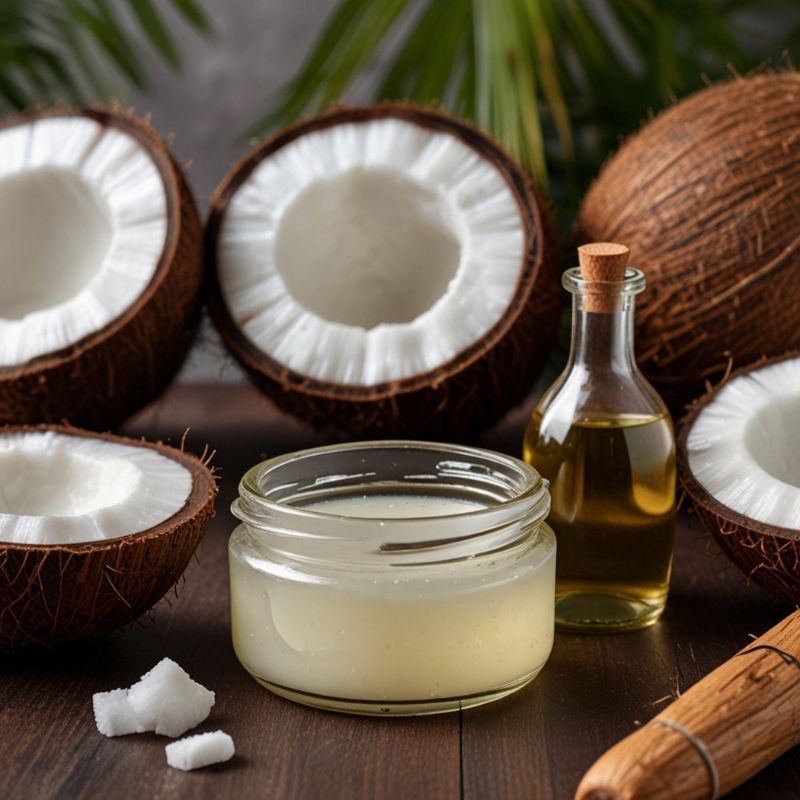
Coconut oil is an excellent natural lubricant with antifungal properties.
Using organic coconut oil as a personal lubricant can enhance comfort and help reduce the risk of infection during intercourse.
14. Check for Fungal Infections in Other Areas
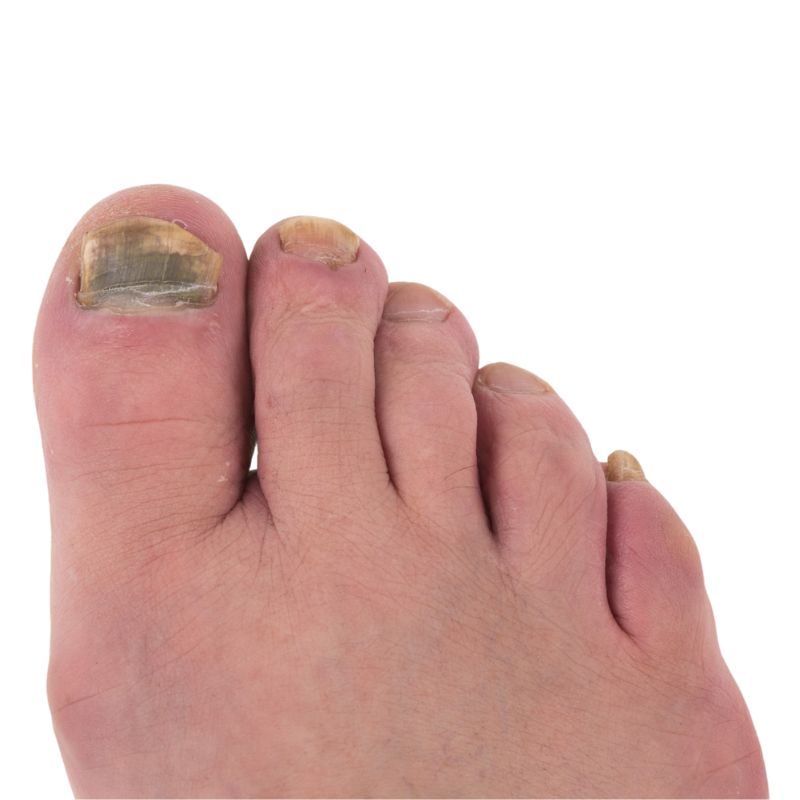
Yeast infections don’t just occur in the groin; they can appear anywhere on the body.
If you have jock itch, check for fungal infections in other areas such as the feet (athlete’s foot), nails, or scalp. Treating all affected areas simultaneously prevents reinfection and further complications.
Key Take-Aways
By following these strategies
Prevention is always better than treatment, so take proactive steps to maintain a healthy, balanced environment in your body and prevent fungal overgrowth before it starts.

Eric Bakker N.D.
Greetings! I am a naturopathic physician from New Zealand. Although I’ve retired from clinical practice since 2019 after 34 years of clinic. I remain passionate about helping people improve their lives. You’ll find I’m active online with a focus on natural health and wellbeing education through my Facebook page, Reddit page and YouTube channel, including this website.