

Food Allergies and Food Intolerances
The key area to focus on with any elimination diet first are the food allergies, allergies to the most common foods, in addition to avoiding or being aware, of commonly occurring sugars, starches, or food chemicals your gut can’t seem to tolerate for some reason.
It’s important not to confuse food allergies with food intolerances. While both can cause uncomfortable symptoms, they are distinct conditions. Let’s discuss both and more in this comprehensive blog post.
Understanding the Difference: Allergies and Intolerances
Most low-allergy diet recommendations primarily focus on true food allergies caused by immune responses, and may not account for conditions such as celiac disease, lactose intolerance, irritable bowel syndrome, ulcerative colitis, or sensitivities to food additives and preservatives, colours, flavours, amines, salicylates, or FODMAPs.
The important thing to remember is that there are both immune and non-immune based reactions to foods. These food sensitivities can be complex to understand and navigate for some, and may require further discussion with your healthcare practitioner.
We trust this comprehensive page will explain the difference between them both, but don’t hesitate to seek professional guidance, as it’s easy to become confused when distinguishing between different food-related reactions.
Food Reactions: Immune or Non-Immune Based

The High and Low Reactive Food List
High and Low Reactive Food List and Guide. (PDF)
Our two-page list contains two primary lists that will help you assess your food choices. By using our lists you will be able to establish your “problematic” foods and take action, especially when used in conjunction with the Food Scoring Guide. These documents are both available in our Ultimate Candida Cleanse Program.
Food Reactions Caused By Our Immune System

Food Allergies
Food allergies are immune-mediated reactions in which the body’s immune system incorrectly recognises a dietary protein as being harmful. The rise in food allergies in recent decades has been noticeable in Western countries. Self-reported food allergy has risen at a rate of 1.2% per decade since 1988, and by 2018, the prevalence of food allergy in the United States was estimated to be 8% in children and 11% in adults. (Hwang 2022)
The most of the common allergens are protein-rich foods like peanuts, tree nuts, milk, eggs, soy, wheat, fish, and shellfish. Egg, milk, wheat, soy allergies are more likely to resolve than peanut, tree nuts, fish, shellfish allergies. (Sicherer 2021).
The immune system releases histamines when a person with a food allergy consumes the allergenic food, causing symptoms that can range from very subtle to severe. Hives, itching, and mild gut symptoms are mild symptoms, while breathing difficulties and anaphylactic reactions are more severe, even potentially fatal.
The 6 Most Common Food Allergens
Removing suspected trigger foods to allow your gut microbiome and body time to reset. We recommend starting by removing the six most common allergens from your diet:
IgE Antibodies
Food allergies are immune-mediated responses where the immune system mistakenly identifies a dietary protein as harmful. A “true” food allergy occurs when an antibody from your immune system (IgE) binds with a food protein to stimulate a reaction.
In recent decades, there has been a marked rise in food allergies, particularly in Western countries.
Food Linked With Allergies

Tree Nuts 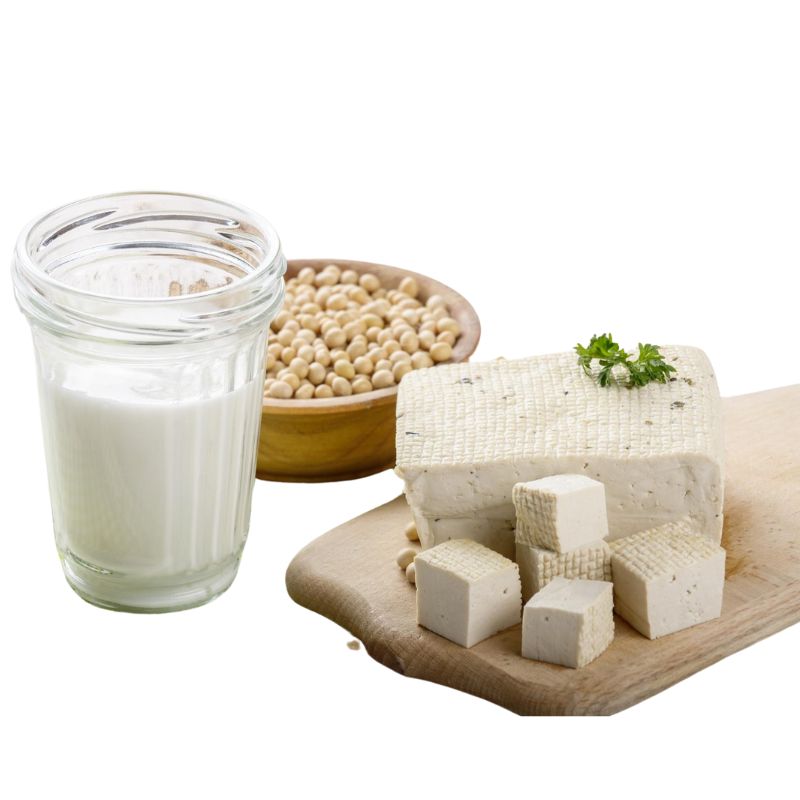
Soy Products 
Cow’s Milk 
Shellfish 
Wheat Products 
Tree Nuts 
Fish 
Fish
Food Reactions Not Caused by Our Immune System
Food Sensitivities
While not true allergies, food sensitivities are also immune-mediated and involve the immune system. Some individuals may experience digestive or other symptoms in response to foods, but these reactions differ from typical allergic responses. Examples include:

Food Intolerances
Food intolerances are non-immune responses that occur when the body has difficulty breaking down certain foods or food components. Unlike food allergies, which involve the immune system and are typically triggered by proteins, food intolerances are often linked to issues with digesting specific sugars, enzymes, or other compounds. Intolerance to food is often aided by temporarily including digestive enzymes and probiotics in your diet.
Food reactions can vary widely in symptoms and severity, and they’re surprisingly common—affecting an estimated 15–20% of the population (Tuck 2019). Because food intolerances don’t follow a single mechanism and symptoms can appear gradually or be delayed, they’re often difficult to diagnose and easy to overlook.
Over the years in our clinic, we’ve seen just how often unresolved digestive symptoms—especially in chronic cases—are linked to undiagnosed food intolerances or sensitivities. Identifying and addressing these intolerances has been a key step in helping many people finally get relief.
Below is a list of some of the most common food intolerances we’ve encountered in our practice:

Food-Derived Toxins
Natural substances in foods can cause food intolerances. Food contains a wide variety of components, including proteins, carbohydrates, fats, nutrients, and naturally occurring chemicals. Some of these chemicals contribute to the flavour, aroma, and texture of food, but they can also trigger intolerance symptoms in sensitive individuals.
Some food reactions stem from toxins rather than immune responses. These toxins are often produced by pathogens such as bacteria or parasites in contaminated food.
In 1999, Salmonella, Listeria, and Toxoplasma were responsible for 1,500 deaths annually in the U.S. (Mead 1999). The CDC estimates that each year, food borne illnesses in the U.S. affect 48 million people, leading to 128,000 hospitalizations and 3,000 deaths (CDC 2020).
Here’s a breakdown of common natural substances in food that may cause intolerances:
Understanding the distinction between immune-mediated and non-immune-mediated reactions is key to identifying and managing food-related symptoms effectively. While food allergies often require immediate and vigilant management due to the potential for severe reactions, food intolerances and toxin-based reactions might involve dietary modifications or stricter food safety practices.
If you suspect you are intolerant to any of these components, it can be helpful to avoid or limit them in your diet.
Food Linked With Intolerances

Food Additives lactose Intolerance 
Food Additives High Salicylate 
High Salicylate 
Salicylate Intolerance 
High Histamine Foods 
Food Additives 
Food Additives 
High Histamine Foods 
High Salicylate 
High FODMAPs 
High Histamine Foods 
High Histamine Foods 
High FODMAPs
Around 1 in 10 Adults Have a Food Allergy

In the United States, about 1 in 10 adults have a diagnosed food allergy. This means there’s a reasonable 10% chance that adopting a low-allergy diet could benefit you.
If you suspect you may have an allergy or sensitivity to a specific food, even if it’s just a gut feeling, it’s worth avoiding that food for at least two weeks. Start by reviewing the Low-Reactive Diet and identifying any potential food triggers. (it’s part of our Ultimate Candida Cleanse).
A study involving over 40,000 adults in the U.S. revealed almost 19% of participants believed they had a food allergy, but that only 10.8% were actually allergic at the time of the study (Gupta 2019).
Interestingly, nearly half of these adults developed their food allergies later in life, known as adult-onset allergies. The most common food allergens are eight key foods: cow’s milk, eggs, tree nuts, peanuts, shellfish, fish, soy, and wheat.
Food Allergies, Intestinal Permeability, and Candida Overgrowth
Candida overgrowth and SIBO are linked to intestinal permeability, commonly known as “leaky gut.” This connection makes it crucial to identify and eliminate any food allergies that may be contributing to a weakened intestinal barrier. Many people with food reactions experience leaky gut, a condition that has been linked to food allergies in earlier studies (Elberg 1993).
In my experience working with psoriasis patients, many of whom also suffer from leaky gut, eliminating food allergens has been key to improving their skin health. Research supports this, showing that individuals with various skin conditions, whether fungal or bacterial in nature, benefit from removing allergens due to the impact on gut permeability (Pessemier 2021).
A study found that gastrointestinal Candida colonisation promotes sensitivity to food antigens, partly due to increased permeability in the small intestine (Yamaguchi 2006). In my clinic, I’ve consistently seen the benefits of a low-reactive diet not only for children with eczema or psoriasis patients but also for those with Candida infection, SIBO, IBS, and IBD.
Let’s talk about a few common approaches to food eliminations, especially when it comes to your gut and immune health.
Food Allergies, FODMAPs, Amines, and Salicylate Foods
It can be challenging to tell the difference between a food allergy, food intolerance, or sensitivity in some situations, but does it really matter in the end? In some circumstances, you won’t be able to identify the offending foods without careful elimination and challenge.
It is therefore best to eliminate one food or food group at a time before moving onto the next, so be patient and try not to rush things. Foods in the same group often share the same protein or sugar structure, and can therefore elicit similar symptoms, although sometimes quite mild and subtle. You won’t know unless you avoid the food group entirely, and it’s certainly worth a try if you tried everything else, and been to several doctors.
These are the groups when it comes to food reactions, but some of the most popular the past several years include the following:
Food Allergy Testing

Food allergy testing has gained significant popularity in recent years as more and more people seek to understand the root cause of their food-related symptoms. However, is it truly the most effective or reliable method for diagnosing and managing food sensitivities or allergies? While many individuals are tempted to turn to allergy tests for quick answers on what foods they can tolerate and which ones might be causing problems, in my experience, this approach is often unnecessary, expensive, and can sometimes lead to inconclusive or misleading results.
There are much simpler, more cost-effective ways to identify whether you are sensitive or allergic to certain foods, and these methods don’t require expensive testing. By paying attention to your body and making some careful adjustments to your diet, you can get clearer answers. In the following sections, we’ll dive into why the Low-Reactive Diet is often a more practical, effective, and affordable solution for identifying problematic foods, helping you to make better dietary choices without unnecessary expenses.

Should I Complete Food Allergy Testing Or A Low-Reactive Diet?
Testing for food allergy testing is quite popular, but is it really the best choice, or just another quick revenue stream for your doctor? As our clinic gained more experience over many years, we realised that food allergy testing was just another one of those unnecessary functional medicine tests, especially these expensive multi-panel tests costing several hundred dollars.
Unless you have money to spend you can figure this “problem food thing” out for yourself in most cases. Let’s talk about the two most common food allergy-type tests, the skin prick test and the blood tests.
RAST Tests (Skin-Prick Test)
You could visit your medical doctor and get a RAST or skin-prick test to determine food allergies, although this way of testing has proven to be notoriously unreliable. Studies have shown that some major disadvantages of this way of testing for food allergies severely limit its use in the majority of allergy patients. (Hein 1983). Clinically I discovered early on that most patients who tested “positive” with RAST testing to many foods could in fact eat most of them without any issues.
Food Allergy Blood Tests
t could be tempting to spend several hundred dollars on a food sensitivity test while attempting to determine which foods you can handle and which ones cause symptoms. But in most cases, it’s not worth your hard-earned money in my opinion, and for several reasons. You can figure out what your food allergies are with the elimination method, along with some common-sense in nearly all cases.
We have ever only seen a handful of food allergy cases that were exceptionally difficult to diagnose, and virtually unresponsive to any kind food elimination. They do exist but are more rare than you may think, so it’s highly likely that in your case it will be a matter of a more common food allergy or intolerance.
I’ll soon show you this “most common” food list below. Please keep reading, the more you learn and understand about unwanted food or drink reactions, the more likely you’ll solve your own “impossible” health problem at home. Let’s have a brief look at the two most common food allergy blood tests. There are two main types of blood tests depending on the antibody tested.
These two main antibodies are IgE and IgG, let’s take a brief look at them both:
IgE Food Allergy Testing
IgG Food Allergy Testing
Articles Of Interest
Food Allergy Testing vs. The Elimination Diet
Why I Don’t Think Food Allergy Testing Is Worth It:
Key Observations from Clinical Experience:
The Limitations of Food Allergy Blood Tests
IgG Antibodies May Not Be Relevant:
Many allergy blood tests, particularly those looking for IgG antibodies, claim to detect food allergies or sensitivities. However, IgG responses are a normal part of the immune system’s function when exposed to food antigens and don’t necessarily indicate an allergic reaction or intolerance.
Elimination Diets: A More Reliable Option
The Risk of Over-Diagnosis
Another issue with food allergy and sensitivity tests is the potential for overdiagnosis. Many different conditions (such as migraines, chronic urticaria, inflammatory bowel diseases, chronic fatigue syndrome, etc.) are sometimes attributed to food reactions, often based on alternative diagnostic tests like kinesiology, bio-resonance, electro-acupuncture, and hair analysis.
Why I Prefer the Elimination Diet
After conducting food allergy tests for over 20 years, I ultimately shifted my focus toward the elimination diet. While the tests could cost hundreds of dollars, the actual benefit to most patients was minimal. The elimination diet, in contrast, provides a much clearer and more affordable path to symptom relief and better health.
Pro Tips for the Low-Reactive Diet

The Foundation Diet
One approach that can be beneficial is to adopt a Mediterranean-styled diet, a proven anti-inflammatory dietary framework that has been extensively studied for over 50 years (Tsigalou 2020).
However, it’s essential to note that certain foods commonly associated with immune reactions, such as gluten-containing grains, dairy, and eggs, may need to be excluded, depending on your sensitivities.
The Mediterranean diet emphasises whole, anti-inflammatory foods as well as nutrient-dense foods that can help reduce systemic inflammation, a key factor in managing food allergies.
This dietary plan is an excellent starting point but should be tailored to your unique needs to avoid triggering adverse immune responses.
By combining a low-allergy diet with anti-inflammatory principles, you can potentially improve your overall health while managing food allergies or sensitivities more effectively. Check out the Foundation Diet, it is my recommendations of a healthy whole-foods diet based on Mediterranean diet principles, but more. It’s the final module in our Ultimate Candida Cleanse Program.

Eric Bakker N.D.
Greetings! I am a naturopathic physician from New Zealand. Although I’ve retired from clinical practice since 2019 after 34 years of clinic. I remain passionate about helping people improve their lives. You’ll find I’m active online with a focus on natural health and wellbeing education through my Facebook page, Reddit page and YouTube channel, including this website.