

Cinnamon: A Spice with Powerful Antifungal Benefits
Cinnamon is a potent spice that has been used medicinally around the world for thousands of years. Its distinctly sweet and warming taste makes it easy to incorporate into a variety of recipes, but the spice’s true value lies in its widespread health benefits. From antifungal and antibacterial properties to its role in boosting circulation, cinnamon offers a wide array of health advantages that go beyond just enhancing the flavour of your favourite dishes.
When most of us think of cinnamon, we tend to associate it with sugary delights like cinnamon buns, festive treats, or warm drinks. However, this fragrant spice is much more than just a flavour enhancer for desserts.
In fact, cinnamon has been used as a medicinal remedy for centuries, and one of its most important applications today is in the fight against Candida overgrowth.
Benefits Of Cinnamon
Cinnamon is much more than a common kitchen spice. Its wide range of health benefits makes it a powerful tool in natural medicine, particularly for conditions like Candida overgrowth. Rich in antioxidants and equipped with antibacterial, antifungal, and anti-inflammatory properties, cinnamon has the potential to support your health in multiple ways.
Whether you’re looking to support your immune system, improve circulation, or simply enjoy its delightful flavour, adding cinnamon to your diet is an easy and effective step toward better health. From traditional medicine to modern research, the evidence points to cinnamon as one of the most versatile and beneficial spices available today. As you will learn, this is one of the most potent spices, especially when it comes to Candida overgrowth.
2 Main Types of Cinnamon: Ceylon and Cassia

Cinnamon, a popular spice worldwide, is derived from the bark of trees belonging to the Cinnamomum genus. With approximately 250 species identified, two main types of cinnamon dominate the market today – cinnamon from Sri Lanka (fromerly Ceylon) and cinnamon from other countries, including India, called cassia
Ceylon cinnamon, often referred to as “true or real” cinnamon (left in the image), and cassia cinnamon (right in the image).
Real vs. ‘Fake’ Cinnamon
Ceylon cinnamon (also known as true cinnamon) is sweeter and less pungent than the more common cassia cinnamon, which is what you usually find in supermarkets. In fact, more than 90% of the cinnamon imported into the U.S. is cassia.
Ceylon cinnamon is believed to have stronger antifungal properties due to its composition, which includes cinnamyl alcohol, cinnamaldehyde, and cinnamyl acetate (Suriyagoda et al., 2021).
These compounds give cinnamon its antifungal and antibacterial properties. While cinnamyl alcohol is often used in cosmetics, and cinnamyl acetate in hair products, all three are present in Ceylon cinnamon, making it a potent medicinal spice.
Although both varieties offer health benefits and share a distinctive spicy flavour, they differ in their origins, chemical composition, and health impacts. Click on + for more.
What Makes Cinnamon So Powerful?
True cinnamon is derived from the bark of the Cinnamomum verum (or Cinnamomum zeylanicum) tree. This particular bark contains several unique compounds responsible for its health-promoting properties, including:
These compounds work together to give cinnamon its powerful antioxidant, anti-inflammatory, and antimicrobial effects, making it a key player in natural medicine.
Traditional Medicinal Uses of Cinnamon
Throughout history, cinnamon has been prized for its wide range of medicinal applications. In traditional medicine, it has been used as:
In some cultures, cinnamon is even used as tooth powder to treat toothaches, dental problems, and bad breath. Its effectiveness in supporting oral microbiota makes it a popular natural remedy for maintaining oral health (Rao et al., 2014).
According to one researcher, given its broad spectrum of applicability, this particular palatable spice can be used as an adjunct to the regular medications in most of the patients (Kawatra et al., 2015).
Cinnamon’s medicinal uses are vast and varied (Kowalska et al., 2021).
It has been employed in traditional medicine as:
Cinnamon Is Antimicrobial
Ceylon cinnamon, known for its broad-spectrum effects, has a long history of use as an antimicrobial agent in traditional medicine. Its remarkable range of benefits extends to its powerful antimicrobial, antifungal, antibiotic, and antiviral properties, which have been validated by modern scientific research. (Nabavi et al., 2015).
The essential oils in Ceylon cinnamon are rich in immune-boosting compounds, making it effective against various pathogens and infections (Suriyagoda et al., 2021).
Historically utilised in diverse cultures to combat illnesses and support immune function, Ceylon cinnamon’s efficacy is now corroborated by many contemporary studies, which confirm its ability to help prevent and manage infections by disrupting harmful microorganisms and enhancing overall immune health.
Cinnamon Fights Infections and Viruses
Cinnamon offers a range of benefits for protecting the body from illness due to its natural antimicrobial, antibiotic, antifungal, and antiviral properties. Here’s how cinnamon supports immune health:
Cinnamon and Immune Health
Candida yeast and dysbiotic bacteria like Pseudomonas or Campylobacter can disrupt gastrointestinal balance, affecting immune function. Cinnamon oil is particularly noted for its protective and immune-boosting qualities when it comes to dysbiosis and Candida overgrowth.
Here are a few studies confirming cinnamon’s antimicrobial abilities:
Cinnamon and Candida Overgrowth
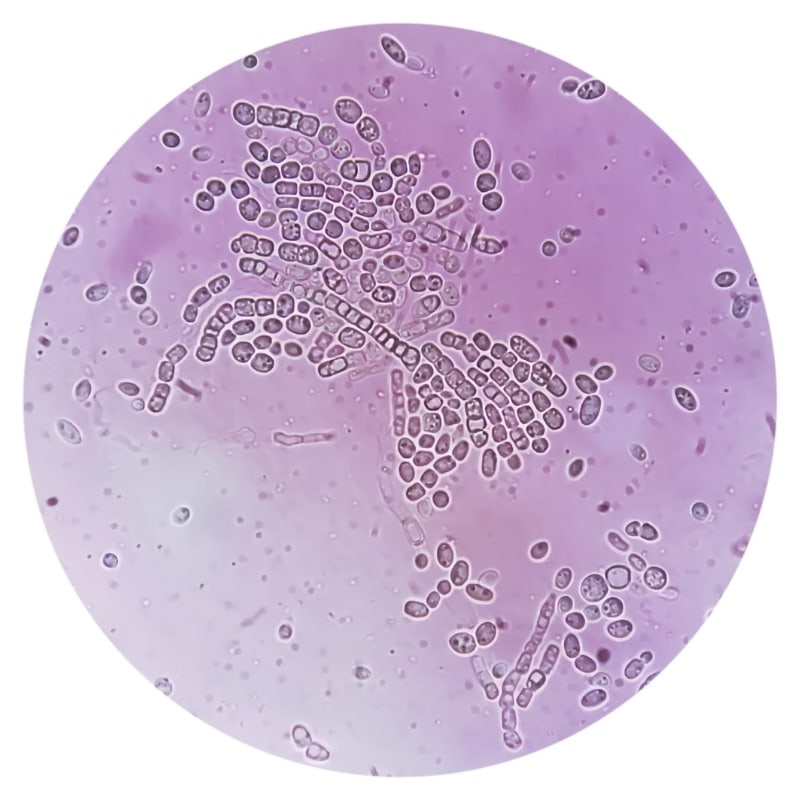
Candida albicans is a common yeast that can cause various health issues when it grows unchecked in the body, particularly in the gut. Cinnamon has been shown to have powerful antibacterial and antifungal properties, making it a valuable tool in combating Candida overgrowth.
Adding cinnamon to your diet, especially during a Candida recovery plan, may enhance your body’s ability to combat the infection. Research confirms cinnamon’s potent antifungal and blood sugar-regulating properties, making it an effective tool for addressing Candida overgrowth. Here are a few studies:
These studies reinforce cinnamon’s role in both Candida management and blood sugar control, making it a valuable addition to a balanced diet. Including cinnamon in your diet can be a strategic addition to your Candida treatment plan.
Yeastrix Cleanse: A Comprehensive Antifungal Solution
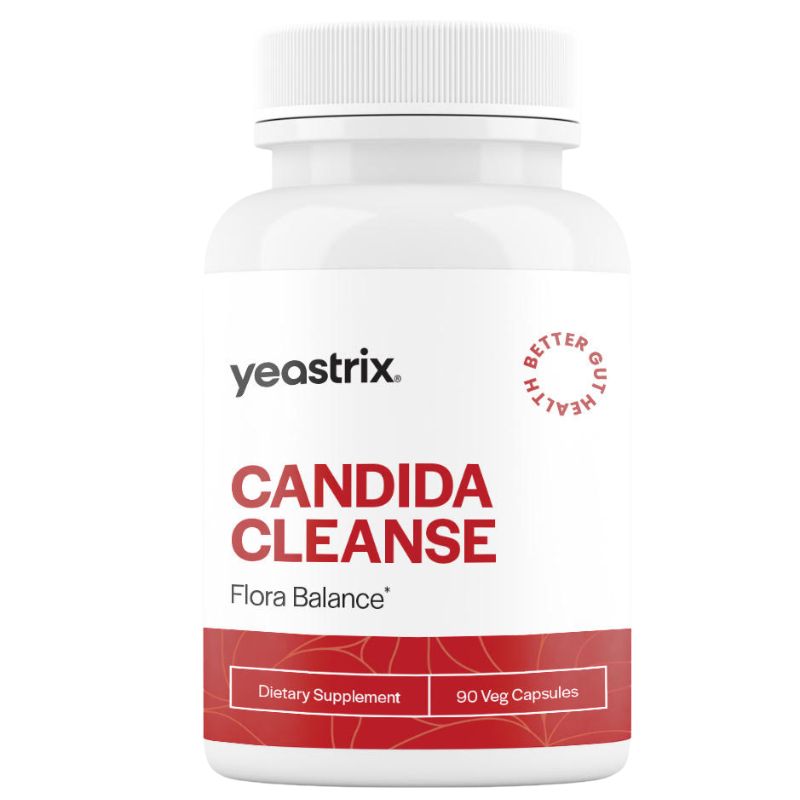
For those looking for an all-in-one solution to tackle Candida and other fungal or bacterial infections, consider Yeastrix Cleanse, our 3rd generation antifungal supplement.
This product combines cinnamon with several other powerful antifungals, creating a balanced and effective cleanse for yeast overgrowth.
Yeastrix Candida Cleanse includes:
With Yeastrix Cleanse, you can simplify your antifungal regimen by getting the benefits of cinnamon along with other natural ingredients that promote gut health and combat yeast infections. Made with the highest-quality, non-GMO, and vegetarian ingredients, it’s designed for those looking for a natural, safe, and effective approach to Candida management.
The Treatment effect of oral cinnamon capsules is better than clotrimazole vaginal cream in the treatment and recurrence of vaginal candidiasis. Therefore, the use of oral cinnamon may be an effective remedy for vaginal candidiasis.
Cinnamon’s Anti-Inflammatory Benefits
Cinnamon is a potent anti-inflammatory spice, thanks to its rich content of antioxidants. These compounds help alleviate inflammation, potentially reducing the risk of conditions like heart disease, cancer, cognitive decline, and more. Researchers have identified various types of flavonoids in cinnamon that effectively combat harmful inflammation levels throughout the body.
Because of its ability to lower swelling and inflammation, cinnamon can also aid in pain management. Studies have shown that it helps:
In summary, cinnamon’s anti-inflammatory properties not only help with Candida-related symptoms but may also lower your risk for chronic conditions, making it a powerful addition to your health regimen.
Cinnamon and Antioxidants
Cinnamon is loaded with highly potent antioxidants that combat oxidative stress and protect against chronic diseases. Antioxidants fight oxidative stress in the body, reducing inflammation and aiding in the prevention of chronic diseases.
The unique blend of polyphenols, phenolic acid, and flavonoids found in cinnamon plays a key role in maintaining overall health and preventing long-term damage caused by free radicals (Singh et al., 2022).
The main antioxidants are:
Cinnamon Ranks Near The Top
Researchers have found that true cinnamon ranks almost No. 1 out of the most popular herbs and spices in the world in terms of its protective antioxidant levels. They have identified at least 41 different protective compounds in cinnamon, making it one of the most antioxidant-rich spices available. (Shan et al., 2005).
According to another study, cinnamon ranks very high among all foods, even surpassing popular antioxidant-rich herbs like thyme, garlic, and rosemary in terms of antioxidant power. (Carlson et al., 2010).
Cinnamon and Heart Health
One of the most significant health benefits of cinnamon is its potential to improve heart health. (Akilen et al., 2010). Research has demonstrated that cinnamon can reduce several key risk factors for heart disease, such as:
By lowering blood pressure, cinnamon decreases the risk of developing heart disease or suffering a stroke.
Additionally, cinnamon acts as a natural blood coagulant, helping the body form blood clots and preventing excess bleeding. Its ability to increase circulation and improve tissue repair can be particularly beneficial in regenerating heart tissue, aiding in the fight against heart attacks, heart disease, and stroke.
Cinnamon’s Role in Blood Sugar Regulation
Cinnamon is widely recognised for its anti-diabetic effects, making it one of the best foods for managing blood sugar levels. Here’s how cinnamon supports blood sugar control:
Cinnamon Can Help Reduce Sugar Consumption
Cinnamon is a natural way to reduce sugar consumption due to its sweet flavour, making it a great substitute for added sugars in various recipes. Its sweetness allows you to lower the glycemic load of meals, which is particularly beneficial for managing blood sugar levels.
Along with its anti-diabetic properties that slow sugar absorption, cinnamon can help curb sugar cravings by stabilising blood glucose (Kizilaslan et al., 2019).
With no added sugar and minimal calories, it’s a healthy addition to foods like coffee, tea, baked goods, fruit, and oatmeal, offering a nutrient-rich alternative that supports weight management and reduces the risk of conditions like diabetes and Candida overgrowth.
Incorporating Cinnamon Into Your Diet
Cinnamon is versatile and easy to incorporate into your daily meals. It works in smoothies, yogurt, oatmeal, and even savoury dishes like soups and curries.
You can also find cinnamon supplements like pills or capsules for a more concentrated dose. Adding cinnamon to your cooking can enhance the flavor of sweet and savory dishes while providing many health benefits.
How to Use Cinnamon:
Cinnamon’s health benefits come from its pure bark, essential oils, ground spice (bark powder), or extract. These forms of cinnamon contain compounds like phenolics, flavonoids, and antioxidants, which contribute to its powerful antioxidant, anti-inflammatory, anti-diabetic, antimicrobial, and immunity-boosting properties.
To get the most benefits, opt for organic Ceylon cinnamon powder or cinnamon essential oil found in health food stores. Cassia cinnamon, more commonly found in grocery stores, is less expensive but contains higher levels of coumarin, a compound that can be harmful in large quantities.
You can also buy cinnamon sticks, grate fresh cinnamon, or use whole sticks to infuse drinks like mulled wine. Ceylon cinnamon sticks are generally thinner and more brittle compared to the thicker cassia bark.
Given its numerous health benefits, incorporating cinnamon into your daily diet is a smart way to boost your overall wellness. Here are a few easy ways to include it in your meals:
Great Ways to Use Cinnamon in Your Candida Diet:
Can You Have Too Much Cinnamon?
Cinnamon is generally safe when consumed in moderation, but excessive intake—especially of cassia cinnamon—can lead to adverse effects.
Cassia cinnamon contains high levels of coumarin, a compound that, in large quantities, may cause liver damage. To avoid this risk, it’s best to use Ceylon cinnamon, which has significantly lower coumarin content, or limit the consumption of cassia.

Eric Bakker N.D.
Greetings! I am a naturopathic physician from New Zealand. Although I’ve retired from clinical practice since 2019 after 34 years of clinic. I remain passionate about helping people improve their lives. You’ll find I’m active online with a focus on natural health and wellbeing education through my Facebook page, Reddit page and YouTube channel, including this website.