
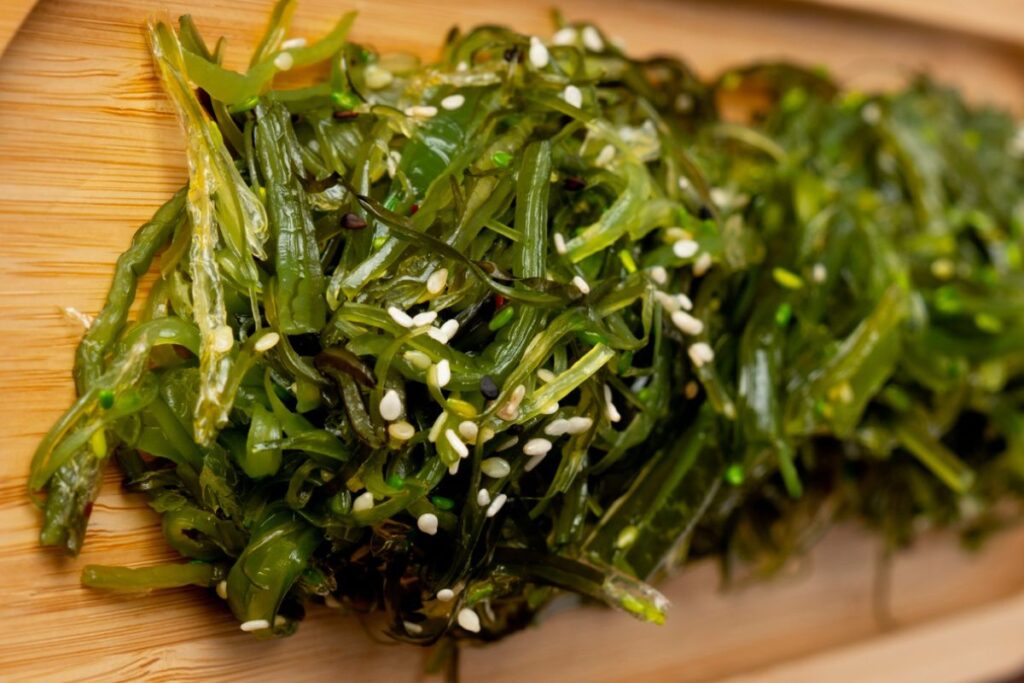
Seaweed: The Ocean’s Nutrition Powerhouse
Seaweed, sometimes referred to as sea vegetables or marine macro algae, includes a wide variety of marine algae that grow in our oceans and rivers. With its rich nutrient profile and versatility, seaweed has earned a spot among the world’s most beneficial foods. Commonly consumed in Asian cuisines such as Japanese, Korean, and Chinese, it’s a staple ingredient in dishes like sushi, soups, salads, and even snacks. However, its potential goes far beyond culinary uses.

What Is Seaweed?
Seaweed refers to a diverse range of marine algae that thrive in oceans and coastal waterways around the world. These aquatic plants are classified primarily by their colour, with the most common varieties being red, green, and brown.
Marine ecosystems house a wealth of flora and fauna, including algae, sponges, plankton, diatoms, corals, and fish, offering a treasure trove of medicinal compounds that differ significantly from those derived from terrestrial sources (Palumbi et al., 2009).
Each type of seaweed has unique characteristics, shapes, and nutritional profiles, making them versatile in their applications. While often overlooked in Western diets, seaweed has been a dietary staple in many Asian cultures for centuries, revered for its rich nutritional content and health benefits. As we shall see in this article, beyond food, seaweed plays an integral role in traditional medicine, agriculture, food preservation, and even modern cosmetics, highlighting its multifaceted value.
Seaweed is so much more than just a food source—it is a cornerstone of marine ecosystems. By serving as a habitat for numerous species, it supports biodiversity and promotes ecological stability. Seaweed acts as a natural carbon sink, absorbing significant amounts of carbon dioxide from the atmosphere and water, which helps mitigate the effects of climate change and ocean acidification.
Its ability to grow abundantly without the need for freshwater, land, or artificial inputs makes seaweed a highly sustainable resource, demonstrating its potential to address both environmental and global food security challenges.
Let’s take a look at all these issues and more in this comprehensive article all about seaweed.
3 Main Types Of Seaweed
Seaweeds can be broadly classified into three main types based on their pigmentation and photosynthetic pigments: Chlorophyta (green), Rhodophyta (red), and Phaeophyta (brown). Each type exhibits distinct patterns of mineral accumulation. (Mouritsen 2013).
Seaweeds contain chlorophyll, the pigment essential for capturing light energy during photosynthesis. Brown and red seaweeds contain additional pigments that allow them to perform photosynthesis even in low-light conditions at greater ocean depths.
These pigments overshadow the green hue of chlorophyll, giving brown seaweeds shades ranging from yellow-brown right through to a very dark olive. Red seaweeds, on the other hand, exhibit the widest colour spectrum, including pink, purple, red, brown, and almost black tones.
This rich mineral content makes seaweeds an excellent candidate for integration into our diet, and the food industry as functional ingredients. Let’s now take a closer look at each of these three seaweed types:
Brown Seaweed

Brown algae (Phaeophyceae), are recognised for their striking brown to olive-green hues, are a prominent group of seaweeds found in temperate and cold waters, often inhabiting rocky coastlines and forming dense kelp forests.
Known for their impressive size and intricate structures, such as holdfasts, stipes, and blades, brown algae include notable species like Laminaria (kelp), Saccharina (kombu), Undaria (wakame), Fucus (bladderwrack), and Sargassum fusiforme) hijiki.
Seaweed has the ability to bioaccumulate chemical hazards like inorganic arsenic, lead, cadmium, and mercury from the marine environment. This bioaccumulation can vary between seaweed species, with certain types, such as hijiki, being particularly prone to accumulating inorganic arsenic.
These algae are a rich source of bioactive compounds—fucoidans, alginates, and phlorotannins—that offer a range of health benefits. These compounds have been extensively studied for their antioxidant, anti-inflammatory, and anticancer effects.The concentration of iodine is generally higher in brown seaweeds.
Red Seaweed

Red algae (Rhodophyta) are distinguished by their vibrant red or purplish hues, resulting from pigments like phycoerythrin and phycocyanin. These versatile algae thrive in diverse marine environments, from tropical and temperate intertidal zones to the deep sea.
They exhibit various growth forms, including filamentous, foliose, and coralline structures. Notable examples include Palmaria palmata (Dulse), Porphyra/Pyropia (Nori), and coralline algae.
Red algae are known for their bioactive polysaccharides, such as carrageenans and agar, which exhibit anticoagulant, antiviral, and immune-modulating properties, alongside other secondary metabolites like polyphenols and terpenoids with therapeutic potential.
Green Seaweed

Green algae (Chlorophyta) are a diverse group of seaweeds characterised by their vibrant green coloration, resulting from chlorophyll pigments. They inhabit various marine and freshwater environments, including intertidal zones and coral reefs, and exhibit a range of forms, such as unicellular, filamentous, sheet-like, or colonial structures.
Prominent examples include Ulva lactuca (sea lettuce) and Codium tomentosum. Green algae are notable for their unique biochemical profile, which includes bioactive polysaccharides, polyphenols, terpenoids, and bioactive peptides, contributing to their antioxidant, antimicrobial, and anti-inflammatory properties.
Recent research on green seaweeds revealed their richness in bioactive compounds with antibacterial, anti-inflammatory, antioxidative, and immunostimulatory properties, positioning them as valuable in medical treatment and disease prevention (Xu et al., 2023).
Traditional and Contemporary Uses Of Seaweed

Seaweeds are considered the sea vegetables and the basis of life in the aquatic habitats, and they have been used as fertiliser, human food, and animal feed from ancient to modern times (Cotas et al., 2020).
The use of seaweed as both a dietary and medicinal resource spans centuries, deeply rooted in the traditions of countries like Japan, Korea, and China. These nations have long recognised the nutritional richness of macro-algae, which are low in calories but abundant in proteins, fatty acids, dietary fiber, vitamins, and essential minerals (Bocanegra et al., 2009).
Beyond nutritional value, seaweed has been used for therapeutic properties, with traditional uses aimed at improving health and preventing many diseases. This longstanding practice has helped establish different kinds of seaweed a cornerstone of health and wellness in many Asian cultures (Adarshan et al., 2023).
The therapeutic potential of seaweed is vast, extending beyond basic nutrition to include antimicrobial, antifungal, antiviral, anti-inflammatory, and even anti-cancer properties. Despite their abundance and the variety of bioactive compounds they contain, these marine resources remain vastly under-explored, particularly in tropical regions (Silva et al., 2020).
Contemporary Drug-Use Studies
The pharmaceutical potential of seaweed has gained growing interest in recent years. Seaweed is recognised as a source of essential nutrients like proteins, vitamins, and minerals that are critical to human health, making it an increasingly important focus for drug development (El Gamal, 2010). With unique bioactive metabolites derived from marine plants and animals, researchers are uncovering new opportunities for antifungal treatments and other therapeutic applications.
The pharmaceutical industry’s advances, such as marine-derived antifungal drugs, underscore this untapped potential of these marine resources (Malve et al., 2016), (Hang et al., 2024). But is seaweed good for our health? Let’s explore this question further and look at the many benefits we can get by incorporating seaweed into our diet.
The Mineral Power of Ocean-Grown Vegetables

Seaweeds, or sea vegetables, absorb nutrients directly from ocean water, which contains over 70 essential minerals and trace elements (Mouritsen 2013). Unlike nutrient-depleted soils in modern farming, sea vegetables retain their mineral density, offering bioavailable forms that nourish the body.
Seaweeds thrive in a mineral-rich aquatic environment, unlike land-based plants. They are also far more resilient to environmental challenges like droughts, floods, and pesticide exposure, making them a safer, cleaner food source.Sea vegetables are among the most mineral-dense foods on the planet.
Even a small serving, like half a sheet of nori, can significantly enhance your diet. If you’ve enjoyed sushi or miso soup, you’ve likely already tasted the health benefits of seaweed—a nutritional powerhouse that deserves more recognition as a true superfood.
Seaweeds Accumulate Minerals
Seaweeds are renowned for their exceptional ability to accumulate many minerals and trace elements, which are crucial for human nutrition (Circuncisão et al., 2018). However, the levels of these nutrients can vary widely depending on several factors, including the physical attributes of the seaweed, environmental conditions, and geographic location. Despite this variability, variations in mineral accumulation have been observed across different types of seaweed, ranging between 8–40% of the dry weight of the seaweed.
Seaweed offers a unique profile of vitamins, minerals, and trace elements essential for health. It’s particularly rich in iodine and tyrosine, which are vital for thyroid function and hormonal balance.
Additionally, it provides magnesium, calcium, and potassium to support bone density, muscle health, and heart function. Seaweed is also a potent source of dietary fibre, which aids digestion and gut microbiome health, and plant-based protein, which is valuable for vegetarian and vegan diets.
Its vitamin content includes vitamin K, crucial for bone health and blood clotting, along with vitamins A, C, E, and even some B-complex vitamins.
Bio-Active Compounds
Seaweed also delivers key antioxidants like polyphenols and carotenoids, which protect cells from oxidative stress. Trace elements such as selenium, manganese, and zinc support immune function and enzymatic activity, while bioactive compounds like agar, alginates, carrageenans, fucoidans, fucosterols, fucoxanthins, laminarins, peptides, and phlorotannins, provide additional anti-inflammatory and therapeutic benefits
Research supports the extraordinary mineral and bioactive compound content of seaweeds:
Modern Everyday Superfood

Incorporating even a small amount of seaweed, like half a sheet of nori or a few pieces in miso soup, can provide substantial health benefits. Asian cuisines, particularly Japanese and Korean, have long embraced seaweed in dishes like sushi and soups, a practice now gaining recognition globally.
Sea vegetables are more than a dietary supplement; they are a true superfood capable of bridging nutritional gaps caused by modern farming practices and soil degradation. With their incredible mineral richness and health benefits, seaweeds represent an ancient food group perfectly suited for modern nutritional needs.
Seaweed is packed with nutrients and bioactive compounds that make it a nutritional powerhouse:
Key Nutrients and Bio-Actives in Seaweed
Is Seaweed Good For You?

Absolutely! Sea vegetables are among the most mineral-dense foods available. They draw energy from sunlight and nutrients from ocean water, making them an unmatched source of dietary minerals, vitamins, and bioactive compounds.
During my years running a busy online clinic, I observed that most people living in the Western world are unfamiliar with the concept of incorporating sea vegetables into their diet. Despite their remarkable nutritional profile, sea vegetables remain an overlooked dietary powerhouse. I’d expect in time, just like yogurt, kale, and turmeric, seaweed will one day become trendy and popular through social media.
Recent research highlights the immense therapeutic potential of regular seaweed consumption, which stems from its exceptional concentrations of protein, essential minerals, vitamins, dietary fibre, fatty acids, polysaccharides, and many bioactive compounds. These nutrients not only support a balanced diet but also offer unique health benefits that set sea vegetables apart (Biris-Dorhoi et al., 2020).
Regular algae consumption has been linked to a variety of health advantages, including cardioprotective, neuroprotective, and anti-inflammatory effects in East Asian nations (mostly Japan, China, and Korea).The Japanese have the highest life expectancy in the world (they used to), mainly due to their healthy eating habits centred on the Okinawan diet, where seaweeds form an essential part of the diet, as well as their healthcare systems.(Willcox 2009).
The Many Health Effects of Seaweed
Here is an evidence-based list of a few of seaweed’s benefits:
Seaweed is not only a versatile addition to a healthy diet but also a promising source of bioactive compounds for therapeutic and preventive health applications. For optimal benefits, it’s best consumed as part of a balanced diet or as a carefully formulated supplement.
We will soon talk about how to incorporate seaweed into your diet, but first let’s look a little deeper into a few powerful therapeutic properties of seaweed:
Gut and Digestive Health

Research suggests that the microbes we consume through food may introduce new genes into our gut microbiome, enhancing its ability to process diverse foods.
An interesting study found that red seaweed, commonly eaten in Japan, contains microorganisms capable of transferring enzyme-producing genes to the gut microbiome (Hehemann, 2010). This transformation enables efficient digestion of seaweed, reflecting the microbiome’s adaptability and its response to dietary inputs
Prebiotic
Further studies highlight seaweed’s role as a prebiotic. Polysaccharides in seaweed, such as alginate and carrageenan, are shown to boost the production of short-chain fatty acids (SCFAs), which support gut lining health and improve gut barrier function (Chen, 2018).
This nutrient-dense food is particularly beneficial for individuals with imbalanced gut flora, such as those dealing with Candida or SIBO (Small Intestinal Bacterial Overgrowth).
Benefits of Seaweed for Gut Health
Incorporating seaweed into your diet in small, regular amounts can have a profound impact on gut health. Think of it as a “super-concentrated kale” for your microbiome—nutrient-packed and gut-nourishing!
Antimicrobial Properties

Seaweeds have gained increasing attention for their potential as natural antimicrobial agents due to their effectiveness against a broad spectrum of pathogens, including bacteria, viruses, and fungi. Numerous studies have evaluated the antimicrobial properties of seaweed extracts from various regions, demonstrating their potential in medical applications.
Marine-Derived Anti-Candida Compounds
Recent research has identified several phenolic compounds with anti-Candida activity, particularly those extracted from marine plants and algae. For a critical review on anticandidal properties of marine plants you may be interested in this study: Priyanka et al., 2023.
Another study regarding red algae (Agar) showed that seaweed extracts are promising for inhibiting the growth of Candida albicans as shown by much lower biofilm formation after 24, 48 and 72 hours exposure compared to those caused by fluconazole. This indicates a potential of seaweed extract as natural anti-fungus to treat Candida albicans. (Mubarak 2018)
While many of these compounds show great promise, most remain in early stages of human and clinical trials. Continued exploration of marine plants could yield effective treatments for Candida infections, addressing the challenges posed by resistant strains.
Effective Against Bacterial Pathogenic Microorganisms
Research highlights the activity of seaweed extracts in combating both Gram-positive and Gram-negative bacteria. These findings suggest their promising role in addressing antimicrobial resistance challenges
For example, extracts from Ulva lactuca, a green algae species, have shown notable antimicrobial activity against the below pathogens, demonstrating their broad-spectrum effectiveness (Alghazeer et a.,, 2013).
Antioxidant Activity of Seaweed
Seaweeds thrive in oxidative marine environments and therefore must develop robust antioxidant defences to protect against free radicals and reactive oxygen species. Their chemical composition includes polyphenols, polysaccharides, and carotenoids, which all contribute to their powerful antioxidant properties (Michalak et al 2022).
These compounds are not only vital for seaweed survival but also show great potential for human health and industrial applications.
The antioxidant properties of seaweeds position them as valuable resources for both therapeutic and industrial uses.

Seaweed and Thyroid Function
Seaweed is a powerhouse of essential nutrients that play a critical role in maintaining thyroid health. One of its most significant contributions is its high iodine content, a trace element vital for the synthesis of thyroid hormones (Smyth 2021).
Thyroid hormones are crucial for regulating metabolism, muscle function, heart rate, body temperature, and digestion. Without enough iodine, the thyroid gland cannot produce adequate hormones, potentially leading to symptoms like fatigue, hair loss, impaired growth, heightened sensitivity to cold, and swelling in the neck (goitre).
Seaweed varieties such as kelp, nori, and wakame are excellent natural sources of iodine, making seaweed an ideal addition to diets aiming to support thyroid health. Seaweed is also rich in tyrosine, an amino acid essential for thyroid hormone production, further enhancing its benefits for the endocrine system. Together, iodine and tyrosine ensure that the thyroid functions optimally, helping to maintain overall well-being.
Some researchers believe that the reason the Japanese have one of the world’s highest life expectancy may be down to the amount of iodine they consume as part of their seaweed intake. (Tsugane 2021)
Consuming Seaweed
High-quality seaweed is now available online, products that has been collected in a region with a reputation for having low pollution levels, and if you are unsure of the product’s origin, ask the manufacturer. They’ll be able to tell you where it was harvested.
Let’s start our culinary seaweed journey with a broth containing seaweed, one of the easiest ways to begin incorporating seaweed into our diet. It’s how I started many years ago.

Healthy Seaweed Broth
Making your own broth at home is a simple and nutritious way to elevate your meals. Whether you prefer vegetable stock or bone broths from chicken, beef, or fish, homemade stock offers significantly more minerals, fatty acids, protein, and other nutrients compared to store-bought versions.
For added flavour and nutritional benefits, include a piece of dried kombu—a seaweed known for its high mineral content and umami taste. I’ve discovered that even kombu stored for decades remains effective! Simply add a piece about half the size of your palm to soups, casseroles, crockpots, or broths for a nutrient boost.
For those making bone broths, add a tablespoon of apple cider vinegar to the simmering stock. This helps draw out more calcium and magnesium from the bones, especially when simmered for up to four hours (Hsu, 2017). Kombu enhances not only the flavor but also the nutritional profile of your broth, making it an excellent choice for those looking to incorporate seaweed into their diet.
Tips for Making Seaweed Broth
Start this simple habit of weekly broth-making to enrich your diet with natural minerals and flavors while enjoying the benefits of seaweed!
How To Get The Most Out Of Seaweed
Some seaweeds require soaking before cooking, others don’t. Always carefully read the instructions on the pack; certain sea vegetables require soaking for a longer period of time than others.
Including seaweed in your diet is a simple and effective way to support health while benefiting from its wide range of nutrients. Seaweed can help combat deficiencies, providing vital minerals like calcium, magnesium, potassium, iron, zinc, and many more minerals and trace elements.
Seaweed Risks and Cautions
While seaweed offers significant health benefits, there are a few potential risks associated with its consumption that require consideration.
Impact of Ocean Pollution on Sea Vegetables

Rising ocean pollution has raised concerns about the safety of consuming sea vegetables, which are known to absorb their surrounding environment’s nutrients—and contaminants. When harvested from polluted waters, particularly near industrial areas, seaweed can accumulate heavy metals such as mercury and arsenic.
For example, shallow-water varieties like wakame, often sourced near ship-heavy coastlines, may pose greater risks than deep-sea kelp harvested from cleaner waters. Although concerns about heavy metals in seaweed are valid, it’s important to distinguish between different types of arsenic.
Since only 10 to 12% of the entire world’s population lives in the Southern Hemisphere, it makes sense that those regions have the cleanest oceans given that the world’s oceans are sadly becoming increasingly polluted. Ocean pollution is a real concern.
Research confirms that most seaweeds contain undetectable levels of inorganic (toxic) arsenic, while the organic arsenic commonly found in seaweed is generally harmless. The fear that consuming seaweed could lead to arsenic poisoning is not supported by scientific evidence (Rose et al., 2007).
Ensuring Safe Seaweed Consumption
Professor Peter Ryan of the University of Cape Town emphasises that ocean pollution is not only about plastics but also includes natural fibre like cotton and wool. His findings suggest that the Southern Ocean is among the least polluted, making it a promising source for safer seaweed (Ryan, 2020).
By choosing high-quality seaweed from trusted sources, you can enjoy its benefits while minimising potential risks.
High Iodine Levels
One concern is its iodine content, particularly in brown seaweeds, which are exceptionally rich in this micronutrient. While iodine is essential for thyroid function, excessive intake can disrupt hormonal balance, leading to conditions such as goitre, hypothyroidism, or hyperthyroidism.
The average Japanese individual consumes the most iodine globally, average 1,000–3,000 micrograms daily from seaweed ( Zava et al., 2011). This intake is linked to their high life expectancy, though balance is key to avoid potential thyroid issues. Researchers believe that the reason the Japanese have the world’s highest life expectancy, may be down to the amount of iodine they consume as part of their seaweed intake. (Tsugane 2021)
Asian diets (South Korea, Japan, China, etc.) often pair seaweed with vegetables like bok choy, broccoli, and cabbage, all goitrogenic foods which help regulate iodine absorption (Zava et al., 2011). Goitrogens are substances that disrupt the production of thyroid hormones.
Although iodine from seaweed is highly bio-accessible, its bioavailability is quite low, which somewhat mitigates this risk. Soaking and cooking seaweed can help reduce its iodine levels, and consuming it in moderation as part of a balanced diet is crucial to avoid complications. Additionally, boiling seaweed for 15 minutes can reduce its iodine content by up to 90% or more.
Heavy Metal Accumulation
Another significant risk is the potential accumulation of toxic heavy metals in seaweed, such as arsenic, lead, and cadmium. These contaminants, often absorbed from marine environments, can accumulate in the human body, potentially affecting the central nervous system and other systems if consumed in excess (Khandaker et al., 2021).
While studies indicate that heavy metal levels in seaweed are generally not harmful to most healthy adults, the lack of standardised regulations in many regions, particularly in Asia, remains a concern.
Opting for reputable brands (check the reviews) for organic seaweed, and monitoring intake can minimise exposure to these contaminants. I find a Hair Analysis for the determination of toxic heavy metals is worth it if you consider seaweed on a regular basis.
Hijiki Seaweed And Arsenic Exposure
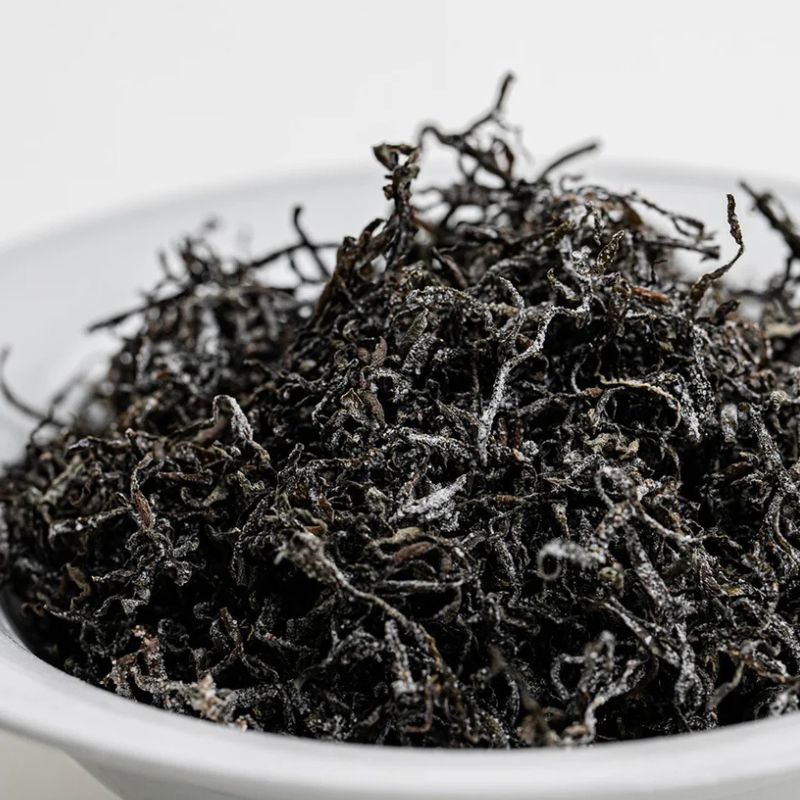
Hijiki seaweed, while nutrient-dense, has raised significant concerns due to its ability to accumulate inorganic arsenic, a toxic compound (Yokoi et al., 2012).
A review by also highlighted the potential for inorganic arsenic exposure among US subpopulations consuming hijiki, suggesting it could be a dietary risk (if consumed daily in large amounts) (Tsuji et al. 2007).
The Ministry of Health, Labour and Welfare of Japan released a report pointing out that the average daily consumption for Japanese people is around 0.9 g., while consuming more than 4.7 g hijiki seaweed per day could result in an intake of inorganic arsenic that exceeds the tolerable daily intake (MHLW Japan)
Key Points
Hijiki offers nutritional benefits, but its arsenic content makes moderation crucial. Opting for safer seaweed varieties is a practical step to minimise health risks while still reaping the benefits of sea vegetables. While hijiki offers nutritional benefits, individuals should be cautious about its arsenic content and consider limiting consumption or opting for other types of seaweed with lower contamination risks.
Understanding the risks associated with hijiki is crucial for informed dietary choices, especially for frequent seaweed consumers.
Key Risks to Manage
Environmental Benefits of Seaweed Farming
Seaweed farming is not just about food production—it’s a tool for ecological restoration and climate change mitigation.
This approach supports both environmental health and global food security, especially as terrestrial farming faces challenges from climate change.
The Bottom Line
Seaweeds represent a remarkable “forgotten” resource for nutrition, health, and innovation. Their versatility in enhancing functional foods and their bioactive compounds’ potential for therapeutic applications highlight their value in addressing nutritional deficiencies and combating microbial pathogens.
However, their ability to absorb both beneficial and harmful elements requires careful regulation and responsible consumption to ensure safety.
Careful selection and preparation are key.In Western diets, overconsumption of seaweed is rare, and moderate intake can provide essential nutrients like iodine without adverse effects.
Research into seaweed-derived compounds, such as those with antimicrobial and antifungal properties, opens exciting possibilities for public health and medical advancements.
By embracing seaweed responsibly and continuing scientific exploration, we can unlock its full potential for sustainable nutrition and innovative treatment
We hope you enjoyed this post all about seaweed. Please leave a comment with your experiences or views of seaweed.

Eric Bakker N.D.
Greetings! I am a naturopathic physician from New Zealand. Although I’ve retired from clinical practice since 2019 after 34 years of clinic. I remain passionate about helping people improve their lives. You’ll find I’m active online with a focus on natural health and wellbeing education through my Facebook page, Reddit page and YouTube channel, including this website.