
The Cleanse Diet
Starting your gut cleansing journey with wholesome, natural foods is a simple yet powerful way to restore internal health and vitality. The Cleanse Diet can be used on its own as a stand-alone healthy diet or as the first step in rebuilding and nurturing the gut microbiome following the Colon Cleanse.
The Cleanse Diet is the second module in our Ultimate Candida Cleanse Program, a foundational approach to achieving long-term digestive health and wellness.
How Does A Cleanse Diet Work?
The Cleanse Diet is 2nd module, it is a gut-cleansing process that helps by gently stimulating our digestive system and gut microbiome.
We’ve compiled a comprehensive list of the best cleansing foods, drinks, herbs, and spices that support gut health and a gentle cleanse.
If you are considering extending the 14-day cleanse or addressing chronic issues like Candida overgrowth, SIBO, or irritable bowel syndrome, we recommend following-up with the rest of the program.

The Cleanse Diet Resources
Here is a list of the different resources available for you to guide you through the 2-week Cleanse program. Be sure to download and print any relevant documents.
Advances In Gut Microbiome Research
Recent advances in gut microbiome gene sequencing have deepened our understanding of how the foods we eat impact gut bacteria and our health (Berg et al., 2020).
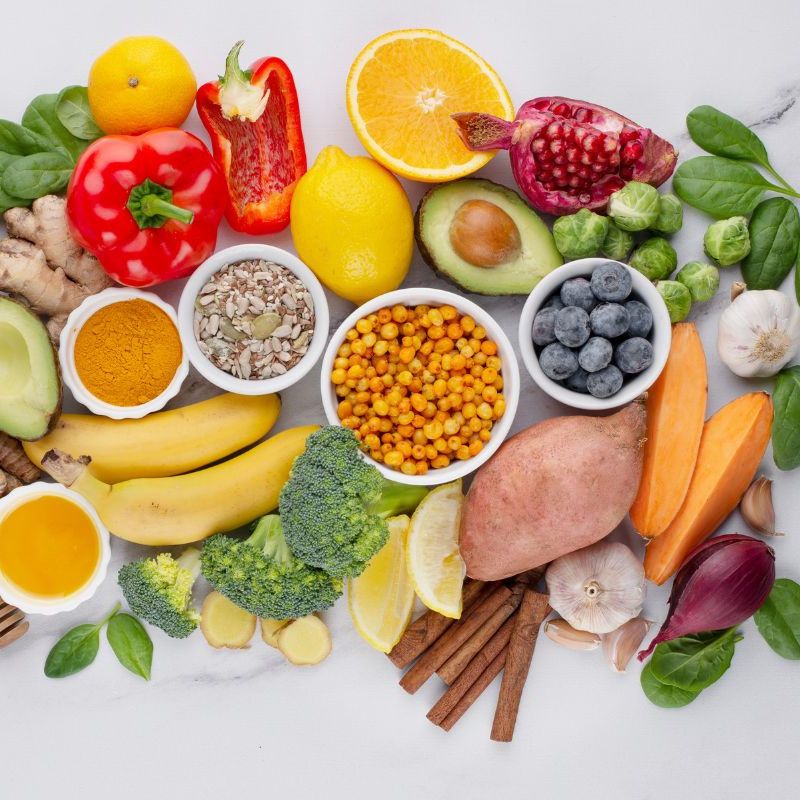
These new insights show that moving towards a fresh whole foods way of eating can really improve our digestion, immune function, and overall health. The Cleanse Diet aligns with this by promoting whole, unprocessed foods, plenty of fibre, and plant-based diversity, strengthening our gut microbiome to support detoxification and long-term gut health.
For lasting benefits, focus on long-term eating habits centered on whole, nutrient-rich foods rather than short-term “diets” or cleanses. While changes in dietary intake, especially in what we eat, can induce temporary changes in our gut microbiome, it is the long-term diet that determines the long-term bacterial and fungal residents of our gut. (Van Der Merwe 2020)
Let’s discuss the first 3 modules (cleansing steps) of the Ultimate Candida Cleansing Program once again briefly:
Module 1. The Colon Cleanse (One Week)
Start with a gentle Colon Cleanse to clear out accumulated waste, toxins, and harmful microorganisms like yeast, bacteria, and parasites. This short cleanse, helps restore a healthy intestinal barrier, boosts nutrient absorption, and balances the gut microbiome. It also helps reduces the chance of sudden die-off. Probiotics, digestive enzymes, and antifungals can be taken advantageously during this stage to clear unwanted yeast, dysbiotic bacteria, and parasites.
Module 2. The Cleanse Diet (Two Weeks) – This Page

The Cleanse Diet follows the Colon Cleanse. By nourishing our gut and body with whole foods, we provide it with essential vitamins, minerals, and antioxidants necessary for healing the gut. During this phase, mindful eating practices are key—listen to your hunger cues, chew thoroughly, enjoy your food. A Cleanse Diet helps us repair our “leaky” gut lining and prepare it for the liver cleanse. Targeted supplements during this phase further cleanse and balance the gut.
Module 3. The Liver Cleanse (One Week)
The Liver Cleanse, the final stage, focuses on detoxifying and revitalising the liver to support healthy digestion and efficient detoxification—key for Candida overgrowth, IBS, or SIBO recovery. This phase activates the liver’s detox pathways, helping the body eliminate toxins, dead yeast, chemical residues, and heavy metals. Antimicrobial supplements, probiotics and digestive enzymes play a crucial role during this third phase of the Candida gut cleanse.
Articles of Interest
The Cleanse Diet Is Your Stepping-Stone
The Cleanse Diet acts as a pathway to improving gut and digestive health, leading us towards increased vitality, energy, and resilience. Our emphasis is on nourishing the body with wholesome, nutrient-dense foods while eliminating processed foods, refined sugars, salt, and unhealthy fats.
It involves transitioning from a diet rich in ultra-processed, pre-packaged foods to one centred around fresh, whole, unprocessed foods.
Did You Complete The Colon Cleanse?
Our first stage of our cleansing process involves the Colon Cleanse, which aims to our large intestine, of accumulated toxins and waste materials. This step involves gently cleansing the bowel with a colon cleansing supplement such as a magnesium powder. Colon cleansing is a gentle process and lasts for up to one week.
The reason we in initially recommend a colon cleanse initially is that it promotes a cleaner intestinal barrier as a base, a reduction in gut-associated toxins (yeast, bacteria, fungi), as well as improved nutrient absorption. Our gut microbiome improves as a result, enhancing our overall health and wellbeing. You’ll almost certainly feel better starting your Cleansing diet after a colon cleanse.
Although it may at first seem strange to perform a “bowel flush” (even if you go to the bathroom every day) it’s actually a good idea before any good cleanse to have a bowel cleanse because it can make a significant difference, particularly for individuals who rely on processed foods and drinks and have sedentary (tech) jobs.
Before We Begin – an important little question …

Do You Go To The Bathroom… Every Day?
the one crucial question we need to ask all patients
“Are you having at least one good bowel motion every day?” I’ve heard many people say: “Well, not quite every day “. Your bowel function needs to be working daily before you commence a Cleansing Diet.
Are you having daily bowel motions? Click Yes or No to learn more:
The Cleanse Diet

Foods To Avoid On Your Cleanse Diet
Being mindful of your food and drink choices is essential during the Cleanse Diet. While not all processed foods are inherently unhealthy, it’s important to always check ingredient labels and nutritional information to make informed decisions.
Cooking at home gives you full control over your ingredients and ensures higher meal quality. Moderation is key, and occasional indulgences are fine once your gut health is restored, as long as they align with a generally healthy eating pattern.
During the Cleanse Diet, it’s best to avoid processed foods and unhealthy snacks, such as chips, chocolate, and sugary treats. These can hinder your progress and lead to increased cravings over time.
Instead, prioritise home-cooked meals that are gentle on your digestive system. Opt for cooking methods like steaming, grilling, or simmering over low heat, as they preserve nutrients and support overall well-being, making them more suitable for digestion than deep-frying.
By making these mindful choices, you’ll optimise your cleanse and set the stage for long-term gut health.
Read: Junk Food and Ultra-processed Food
Here’s a list of foods to avoid on your Cleanse Diet:
Foods and Drinks To Minimise or Avoid
Read: Are We Hungry Or Just Craving Food ?
Just Avoid This Entirely…
Types of Junk and Processed Foods
Your gut’s not craving chips—it’s crying for change. Ditch the junk, feed it real food – and watch your amazing biology remember how to thrive
candida.com
Building a Resilient Microbiome

Our collective microbiome consists of trillions of microbes, including bacteria, fungi, viruses, and their genes, that live within and on our bodies. A healthy microbiome is integral to digestion, immune function, and overall health. The Cleanse Diet focuses on improving gut microbiome diversity as a cornerstone of well-being.
One of the key factors in cultivating a thriving microbiome is a diet rich in fruits, vegetables, lean proteins, and other whole foods. Research has consistently shown that a diverse, plant-based diet supports a healthy balance of gut bacteria, leading to numerous health benefits such as reduced inflammation, enhanced nutrient absorption, and improved immune function (Heiman 2016)
In contrast, diets dominated by processed foods, excessive animal protein, caffeine, and alcohol have been shown to negatively impact microbiome health. Plant-based diets, supported by ample research, are particularly effective in promoting microbiome diversity and resilience.
A plant-forward, fibre-rich diet during the Cleanse diet phase helps promote the growth of beneficial gut bacteria while reducing harmful bacteria. This supports the production of short-chain fatty acids (SCFAs), which play a vital role in maintaining gut lining integrity, regulating inflammation, and promoting metabolic health. Foods high in polyphenols, prebiotics, and probiotics are especially effective at nurturing microbial diversity.
Thanks for clicking and reading, it tells me you like to know about building a healthy gut. Based on this premise, I recommend completing an optional module down the track, it is most helpful when it comes to building and maintaining a healthy gut microbiome for life: Gut Building

Foods To Eat On Your Cleanse Diet
Being mindful of your food and drink choices is essential during the Cleanse Diet. While not all processed foods are inherently unhealthy, it’s important to always check ingredient labels and nutritional information to make informed decisions.
Cooking at home gives you full control over your ingredients and ensures higher meal quality. Moderation is key, and occasional indulgences are fine once your gut health is restored, as long as they align with a generally healthy eating pattern.
During the Cleanse Diet, it’s best to avoid processed foods and unhealthy snacks, such as chips, chocolate, and sugary treats. These can hinder your progress and lead to increased cravings over time. Instead, prioritise home-cooked meals that are gentle on your digestive system.
Opt for cooking methods like steaming, grilling, or simmering over low heat, as they preserve nutrients and support overall well-being, making them more suitable for digestion than deep-frying.
By making these mindful choices, you’ll optimise your cleanse and set the stage for long-term gut health.
Gut Cleansing Food Ideas
Here is a summary of the best foods for a 14-day Cleanse diet. For more detail, scroll down further:
Best Gut Cleansing Foods
Here’s more comprehensive information about foods recommended on the cleansing diet:
Protein Foods For Cleansing
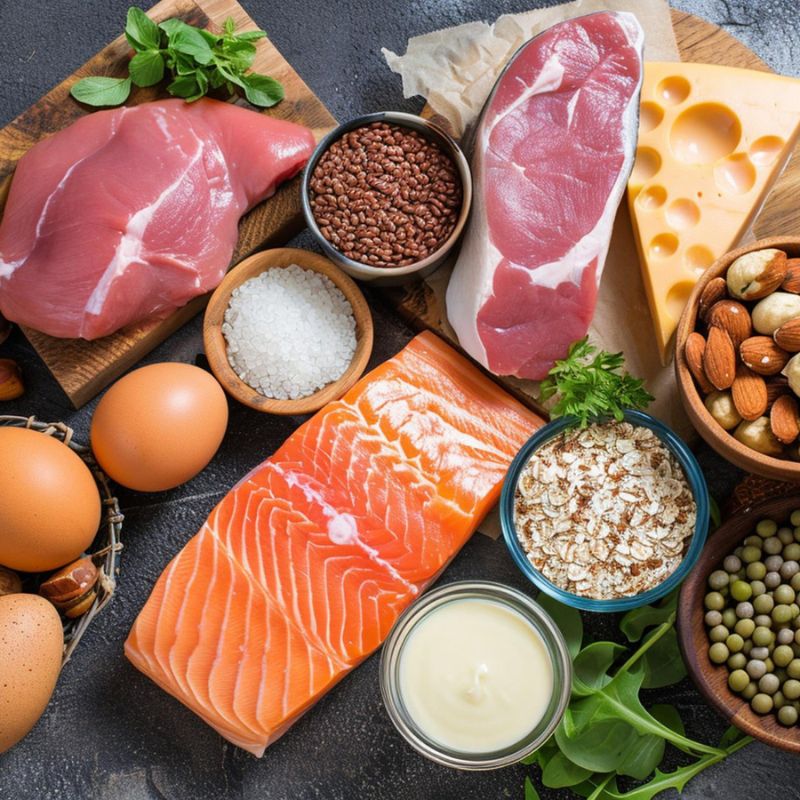
When choosing your protein sources, consider their overall nutritional value, including their vitamins, minerals, healthy fats, and fibre.
You don’t have to consume meat during your cleanse but if you do, make it fish, chicken or eggs. Try to avoid red meat, processed meats, and pork during our Cleansing Diet.
My personal preference with a cleanse is usually to consume a wide variety of plant-based protein sources to meet my protein needs, but I also consume eggs, chicken, and fresh fish.
Read: Protein
Beans And Legumes For Cleansing
When choosing your protein sources, consider their overall nutritional value, including their vitamins, minerals, healthy fats, and fibre.
You don’t have to consume meat during your cleanse but if you do, make it fish, chicken or eggs. Try to avoid red meat, processed meats, and pork during our Cleansing Diet.
My personal preference with a cleanse is usually to consume a wide variety of plant-based protein sources to meet my protein needs, but I also consume eggs, chicken, and fresh fish.
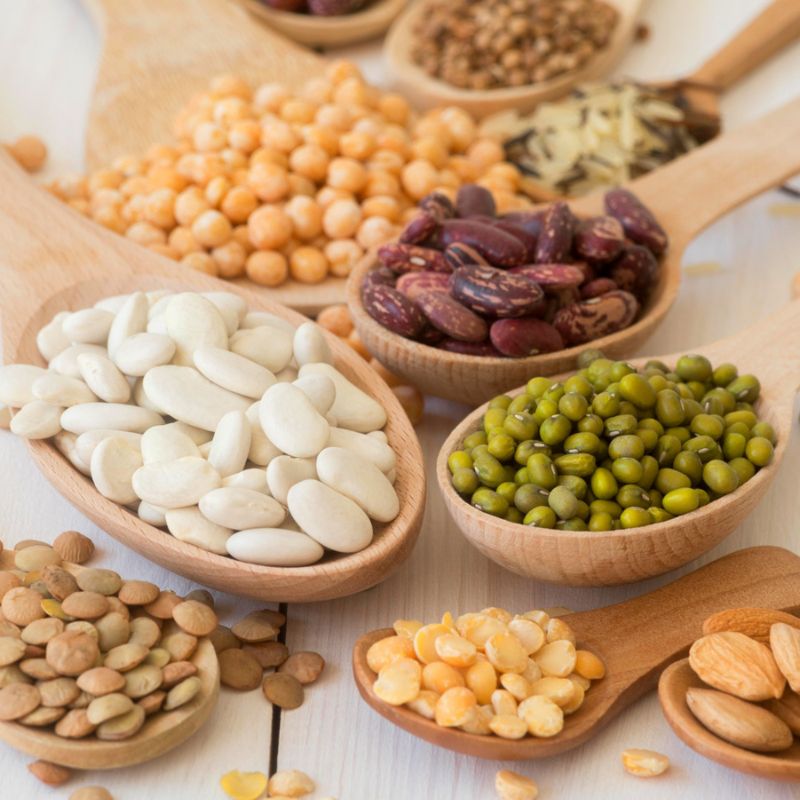
Beans and legumes support detoxification due to their high fibre, plant-based protein, and nutrient content. Mediterranean diets, while not strictly vegetarian, also emphasise the benefits of plant-based foods, particularly legumes (Polak 2015). Dark-coloured beans are especially nutritious, containing more polyphenols, anthocyanins, and flavonoids like quercetin (Chávez-Mendoza 2017).
Incorporate beans and legumes into a balanced diet with vegetables, fruits, whole grains, nuts, seeds, healthy fats, and lean proteins. Drink plenty of water and stay active to support your body’s natural cleansing processes. Gradually increase your fibre intake to avoid digestive issues like bloating and gas, as sudden increases can cause discomfort (Gill 2021). Soak beans overnight and boil them until tender to reduce potential anti-nutrients such as lectins, protease inhibitors, tannins, and phytic acid.
Here are some of the best beans and legumes to include in your cleansing diet:

Vegetables For Cleansing Diet
A large part of our diet intake needs to be vegetables that are high in fibre, have a high water content, and are nutrient-dense. These are important considerations when thinking about your cleansing diet. High-fibre, high-nutrient, and high-water are keywords when it comes to vegetables. The focus on this stage is to eat more plant-based foods, i.e.; more fruit and vegetables.
When including vegetables in your cleanse, aim for a variety of colours and types to ensure you’re getting the widest-possible range of nutrients. Consider enjoying vegetables daily in a variety of ways, like in salads, soups, casseroles, side-dishes, stir-fries, and raw in juices or smoothies for maximum benefits.
The following vegetables especially are the ones shown support regular bowel movements, improve the abundance and diversity of gut bacteria, while improving digestion and the health of your digestive system in general.
Read: Vegetables
Here are the best cleansing vegetables:

Fruits For Cleansing Diet
Many people like to have fruit when they are undergoing a cleanse or detox. It’s a good decision, because most fruit is rich in antioxidants, and provide the most appropriate nutrients supporting our body’s natural detoxification processes. However, some types of fruit are potentially problematic when it comes to Candida and gut dysbiosis.
Certain fruits can be problematic during a cleanse and are best avoided during your cleanse. These fruits may cause bloating, stomach cramps, or gas, especially if they’re new to your diet. Highest sugar-containing fruits are watermelon, mangoes, grapes, bananas, figs, and oranges.
Read: Fruits
Two Categories of Problem Fruit
During your two cleansing weeks, consume a variety of colourful fruits for diverse nutrients and antioxidants. Remember, a balanced diet of whole foods supports your body’s detoxification.
During your two-week cleansing diet, it’s a good idea to focus on fruits that are hydrating, taste good yet low in sugar. Avoid these two categories of fruits for the next month due to their potential to cause issues:

Sugar Content Problem
Sugar content: the “too sweet” category due to their high sucrose and fructose levels, not the best idea if you have a Candida overgrowth, SIBO or IBS. All forms of dried fruit are just too high in sugar.
Fermentation symptoms include bloating, indigestion, nausea, burping, gas, and diarrhoea.

Allergy-Potential Problem
Avoid fruits that don’t agree with you, especially if you have allergies. This is known as “oral allergy syndrome.” Different fruits can contain allergens from various classes, leading to varied reactions among sufferers.
Fruit allergy symptoms can cause reactions like mouth, lip, and throat swelling, itching, and other mild symptoms shortly after consumption.
Here are what I consider the best fruits to consider incorporating into your diet during a cleansing week:
Summary of Best Cleansing Foods & Drinks
Here is a list of foods, drinks, herbs, and spices that we consider the most beneficial for promoting gut health and potentially supporting a gentle yet effective gut cleanse.
You’ll find this approach is very sustainable and most beneficial for your health, here are the best foods:
The food and drink options listed above are recognised for the following beneficial actions:
A balanced and varied diet made up from fresh fruits, vegetables, proteins, legumes, nuts & seeds, fats, etc. is key to supporting optimal gut health. Rather than focusing solely on a “Candida cleanse,” aim to adopt long-term dietary habits that prioritise whole, nutrient-dense foods, including a diverse wide range of nutrients that support the six key actions mentioned.

Herbs and Spices For Cleansing
Using herbs and spices for gut cleansing is not only a culinary tradition but also a practice rooted in their antimicrobial properties, making them excellent allies for gut health.
Across cultures, these natural ingredients have been valued for their ability to support detoxification and microbial balance in our digestive system. According to recent research, many natural chemicals found in culinary spices cause positive changes in our gut health, which in turn promote gut balance, health and digestive efficiency.
Turmeric boasts anti-inflammatory and antioxidant benefits that support liver function and overall detox pathways. Recent studies are finding lemongrass and cinnamon to have some of the best anti-fungal effects against Candida albicans, even when compared to garlic. It’s why we’ve included all three herbs in our potent and newly-researched formulation called Yeastrix Candida Cleanse.
Incorporating herbs and spices into daily meals or herbal teas offers more than just enhanced flavor—it actively promotes a healthy gut microbiome. Their antimicrobial properties play a crucial role in cleansing the gut, which supports digestive health and overall well-being. Whether used individually or combined in cleansing recipes, these natural compounds contribute to a holistic approach to detoxification.
Read: Spices and Condiments
Best Cleansing Herbs and Spices

Healthy Drinks For Cleansing
Incorporating the right health drinks into our daily routine can be a simple yet powerful way to address these issues. Whether we are dealing with the persistent bloating of IBS, Candida overgrowth, or the inflammation tied to IBD, specific beverages can help alleviate symptoms and promote healing.
Beyond managing gut-related conditions, these drinks can serve as preventative measures, keeping our gut microbiome in balance and supporting long-term health.
Additionally, drinks play a crucial role in digestion, promoting regular bowel movements, and even enhancing skin health.
Read: Healthy Drinks
Best Healthy Drinks
The Potassium Broth

Potassium broth is a nutrient-rich soup made primarily from root vegetables, offering high levels of potassium, calcium, and magnesium. This drink is an excellent tonic for detoxifying and alkalising the body. It’s especially beneficial for those recovering from surgery, chronic illness, or for women seeking a health boost post-childbirth.
To get the most out of your potassium broth, use the freshest vegetables, preferably homegrown or organic. For added benefits, mix in a few tablespoons of liquid whey (from homemade yogurt) during the cooling stage to enhance digestion and nutrient absorption.
Ingredients:
Method:
Lemon – The Alkalising Drink

The Lemon Drink is a powerful morning beverage with an impressive alkalising effect on your body. While it may take some getting used to, it’s highly effective for tackling bacterial or yeast infections and preparing your body for a cleanse.
Lemon juice not only alkalizes your body, especially the digestive system, but it also creates peroxide, promoting apoptosis (the death of rogue or pre-cancerous cells). This drink delivers a potent antioxidant boost and is particularly beneficial for the liver and gallbladder, acting as a natural cleanser and regenerator. If you consume olive oil regularly, lemon juice enhances the detoxifying effects, as both are key components in liver and gallbladder flushes.
By drinking lemon juice before breakfast, you create an environment that discourages dysbiosis (SIBO) and helps eliminate harmful yeasts and bacteria, without affecting beneficial gut flora.
The Drink Recipe
* Caution with straight lemon juice in your mouth. You may notice that your tooth enamel may be sensitive to the effects of citric acid, so be sure to rinse with clean water after and swallow afterwards.
Dandelion Coffee & Tea

Have you ever tried dandelion coffee made from roasted 2-year-old dandelion roots, or dandelion tea brewed from dried leaves? Dandelions are rich in iron, vitamin A, calcium, and potassium. Dandelion root coffee supports liver health, while tea from the leaves has a stronger effect on the kidneys. Both drinks help eliminate toxins through these organs, making them excellent additions to any detox program.
The Dandelion Drink Recipe
To make a dandelion brew,
The Cleansing Diet Supplement Support
What Supplements Should I Take During My Cleansing Diet?

The supplements you take during your Cleansing Diet can vary depending on your specific health goals and condition.
If you have a condition involving Candida overgrowth, SIBO, IBS, or IBD however, there are some common dietary supplements we have found that people may consider incorporating into their cleansing regimen to great advantage. Here’s the list:
Dietary Supplement Caution

It’s important to note that while supplements can complement your Cleansing Diet, they should not be used as a substitute for whole foods. For example, we prefer whole foods naturally high in protein over the use of processed protein powder, whether it be pea protein or whey protein.
Additionally, it’s essential to consult with your healthcare professional if you are in any doubt, before starting any new dietary supplement regimen. This will ensure a high level of safety and efficacy, especially if you have any underlying health chronic conditions or are taking pharmaceutical medications.

Golden Probiotic Tips
Probiotics have been found to improve our immune function by maintaining our gut lining, inhibiting pathogens like yeasts, bacteria and viruses from adhering to our intestinal surface, and properly maturing our immune system. Importantly, probiotics have been found to improve our immune function to treat diseases by positively affecting our intestinal bacterial flora. (Wang et al., 2021)
Final Words On Cleansing Diet And Bowel Function
If you have difficulty having at least one bowel motion daily (constipation), stay with the Colon Cleanse for another cycle of one or two weeks. Please be sure to see your health-care professional if you are having on-going problems with constipation unresponsive to home treatments. It’s important.
The Cleanse Diet is a pivotal step in the Candida Cleanse Beginner Program, designed to nourish and restore your gut while preparing your body for the final phase, the Liver Cleanse. By focusing on whole, nutrient-dense foods, this stage provides the vitamins, minerals, and antioxidants necessary for healing the gut lining, enhancing digestion, and improving overall vitality. The Cleanse Diet builds on the foundation set during the Colon Cleanse and serves as a transition toward more intensive phases of the program.
Don’t forget – to make your journey smoother, we’ve created valuable resources for each module of the Ultimate Candida Cleanse Program. These include videos and downloadable PDF handouts to guide you step by step. Remember to take your time during this phase, listen to your body, and follow the recommendations to optimise your results.
The Cleanse Diet not only provides immediate benefits but also sets the stage for long-term gut health. With the tools and resources we’ve developed, you can confidently progress to the Liver Cleanse, where you’ll further support your body’s detoxification pathways.
Key Takeaways:
Thank you for reading this page. Please leave any comments or suggestions!

Eric Bakker N.D.
Greetings! I am a naturopathic physician from New Zealand. Although I’ve retired from clinical practice since 2019 after 34 years of clinic. I remain passionate about helping people improve their lives. You’ll find I’m active online with a focus on natural health and wellbeing education through my Facebook page, Reddit page and YouTube channel, including this website.