

What Are Canker Sores?
Canker sores, also known as mouth ulcers or aphthous ulcers, are small but painful lesions that form on the mucous membrane inside the mouth. These inflamed, white or reddish spots can appear on the gums, tongue, inner cheeks, lips, or roof of the mouth, often developing in groups of two to four at a time. While they can make activities like eating, drinking, and speaking uncomfortable, they’re typically harmless, non-contagious, and usually heal on their own within a week or two.
Canker Sores Are Very Common
For some people, canker sores recur frequently, showing up every few weeks, while for others, they may only reappear after months or even years. Although the exact cause of canker sores remains unknown, a combination of genetics, stress, and dietary triggers may play a role. Currently, there’s no cure to prevent canker sores entirely, but over-the-counter gels, creams, or mouthwashes with pain-relieving or anti-inflammatory properties can help ease symptoms during a flare-up.
In certain cases, it’s best to seek medical advice, especially if the sores are unusually large, persistent, or accompanied by other symptoms like bad breath or swollen lymph nodes. A doctor or dentist can determine whether these are regular canker sores or if another underlying condition may be causing the sores.
In this post, we’ll take a closer look at the causes, types, and management of canker sores, including tips to help you spot potential triggers and prevent future flare-ups.
Canker Sores
Canker sores, the most common type of mouth ulcer, affect around 20% of people at least once in their lives, with most experiencing them three to six times per year. However, some individuals may go years without an occurrence, especially as they grow older, when symptom-free phases often become longer. (NIH)
Most recurrent canker sores are small, typically under 10 mm (3/8 inch) in diameter, and heal within 7 to 10 days without leaving scars. Although the exact causes remain unclear, local physical trauma can trigger these sores in people who are more susceptible (Staines et al., 2015).
There are three main types of canker sores, each with unique characteristics. Understanding these 3 types can help us identify the kind of canker sore we are dealing with and guide appropriate self-care or medical consultation (Plewa et al., 2023).
Let’s look at the three types of canker sores:
Minor Canker Sores

Minor canker sores are the most common type of mouth ulcer, making up about 80% of all cases. These small, round, whitish spots with slightly raised, reddish edges typically form on the inner cheeks or lips, though they can also appear on the gums, tongue, or roof of the mouth. Usually just a few millimeters wide and slightly sunken, minor canker sores are something most people will experience at some point in their lives.
Around 20% of people will encounter these small, painful sores from time to time. Common triggers include accidentally biting the inside of the cheek or tongue, or, in some cases, reactions to certain foods or allergies. Fortunately, minor canker sores usually heal within 7 to 10 days without leaving scars.
Major Canker Sores

Large ulcers are much less commonly experienced than smaller ones, but are more severe. Major canker sores tend to be larger and deeper in size than minor canker sores, ranging from 1 to 3 centimetres, often resulting in more prolonged and severe pain.
Major canker sores can hurt more and for a longer time, in some cases it can take up to four weeks for them to heal. The longer they last and more recurrent the chronic ulcers are, the higher the likelihood of scar tissue forming in the mucous membrane.
Herpetiform Canker Sore

Herpetiform canker sores are the least common type, affecting approximately 5% of those who experience canker sores. These sores appear as clusters of very small, pinhead-sized lesions that often group together and can merge into larger sores. Despite their name, herpetiform canker sores are not related to the herpes virus.
These tiny ulcers tend to occur more frequently in older adults, but they can manifest at any age. Unlike minor canker sores, which are typically solitary, herpetiform canker sores can appear in clusters of twenty or more in a single area. Healing from these sores can take several weeks, making them particularly bothersome for those affected.
Key Points to Remember
The Important Bit
Follow the home treatments recommended further below, but if you experience no relief after two weeks, or have unusually large, painful, or persistent sores, consulting a healthcare provider can help rule out underlying conditions and provide relief.

Canker Sore On Tongue
A canker sore on the tongue can be a particularly painful experience, as the tongue is constantly in motion, whether talking, eating, or even at rest. This movement can irritate the sore, intensifying discomfort and making daily activities like chewing and speaking difficult. Additionally, the tongue’s sensitivity to hot, spicy, or acidic foods can make eating even more uncomfortable, often leading people to avoid certain foods until the sore heals. I’ll show you the top canker sore trigger foods soon.
While sores on the tongue generally heal on their own within one to two weeks, rinsing with a gentle saltwater solution, avoiding irritants (alcohol, coffee/tea), and using topical gels can help soothe the pain and speed up recovery.
Canker Sore Pictures
Canker sores are typically found inside the mouth, but the location can vary. They are normally found on the gums, tongue, inner cheeks, inner lips, or the roof of the mouth (soft palate). Mouth ulcers are generally round or oval in shape and can appear red, yellow, or white, depending on the stage of healing. .
Although they might look concerning, they’re not caused by a sexually transmitted infection (STI) and cannot be spread through kissing or sharing utensils. Here are a few pictures of canker sores:


Different Types of Mouth Ulcers
Mouth ulcers can manifest in various forms, each with distinct characteristics and potential causes. The two most common presentations however are canker sores and oral thrush.
Here are some of the most common types of mouth ulcers:
Understanding these various types of mouth ulcers is crucial for proper diagnosis and treatment. If you experience persistent or severe symptoms, seeking medical advice is always recommended.
What Causes Canker Sores?
Mouth ulcers are common and usually benign, but if you frequently experience them or find that they’re interfering with your quality of life, exploring possible triggers and prevention methods can make a real difference in managing this condition.
Certain risk factors and triggers have been identified that can increase the likelihood of developing these painful sores. Women, children, adolescents, and those with a family history of mouth ulcers are at a higher risk.
Although there is no one single or definitive cause, various factors can lead to the formation of mouth ulcers. The following list may help give you insight into what your possible cause or trigger is.
A range of triggers contribute to the development of canker sores, the most common ones include:
In addition to these triggers, mouth ulcers may also signal more serious underlying health conditions. Canker sores, especially if chronic or recurrent, can be associated with:
Stress As A Cause

Canker sores can arise from a variety of factors, but clinically I would tend to feel stress as being one of the primary contributors. When individuals are feeling run down or under pressure, they are more susceptible to developing these painful sores – because they become more immune-compromised.
Stress can weaken the immune system and disrupt normal bodily functions, making it easier for mouth ulcers to form (Verma et al., 2023).
Additionally, lifestyle changes—such as quitting smoking or significantly altering one’s diet—can also lead to an uptick in mouth ulcers. Studies show that up to 40% of people will experience mouth ulcers after quitting smoking (McRobbie et al., 2004).
For many people, these transitions are accompanied by stress, which can further exacerbate the likelihood of experiencing ulcers. Therefore, managing stress effectively and making gradual lifestyle changes can be beneficial in reducing the incidence of mouth ulcers.
Trauma to the Mouth

Accidental trauma is the second most significant cause of canker sores, leading to painful mouth ulcers. Common instances of trauma include inadvertently biting the tongue or the lining of the cheeks, which can occur during eating or talking.
Additionally, consuming foods that are excessively hot can scald the delicate tissues in the mouth, resulting in ulcers (McKinney et al., 2023).
Other potential sources of trauma include sharp edges from broken teeth or dental work and ill-fitting dentures that irritate the gums and soft tissues. These types of injuries can trigger inflammation and pain, making individuals more susceptible to developing mouth ulcers (Scully et al., 2001).
By being mindful of oral hygiene and seeking timely dental care, one can help minimise the risk of such accidental injuries.
Nutritional Deficiencies

Nutritional deficiencies are a common factor in the development of mouth ulcers, particularly for those who experience recurring ulcers.
People who frequently get mouth ulcers may have underlying deficiencies in key nutrients, such as iron, folate, or vitamin B12, which are essential for maintaining healthy tissues and supporting immune function (Slebioda et al., 2014).
Anemia, often due to low levels of these nutrients, has been linked to a higher incidence of mouth ulcers (Chiang et al., 2019).
Zinc and Vitamin C Lozenges
Zinc deficiency is another critical factor and is possibly one of the most significant nutritional contributors to mouth ulcers (Hassan et al., 2020).
Research has frequently shown an association between low zinc levels and the occurrence of mouth ulcers. In such cases, zinc and vitamin C lozenges may be beneficial, especially for individuals without any apparent dental issues. Both nutrients are known to support tissue repair and immune health, potentially reducing the frequency and severity of mouth ulcers.
Other contributing factors may aggravate the occurrence of canker sores, such as:
Nutritional deficiencies, particularly in vitamin B12, iron, or folate, as well as conditions like celiac or Crohn’s disease, can also trigger mouth ulcers in susceptible individuals.
Food Allergies and Food Intolerances
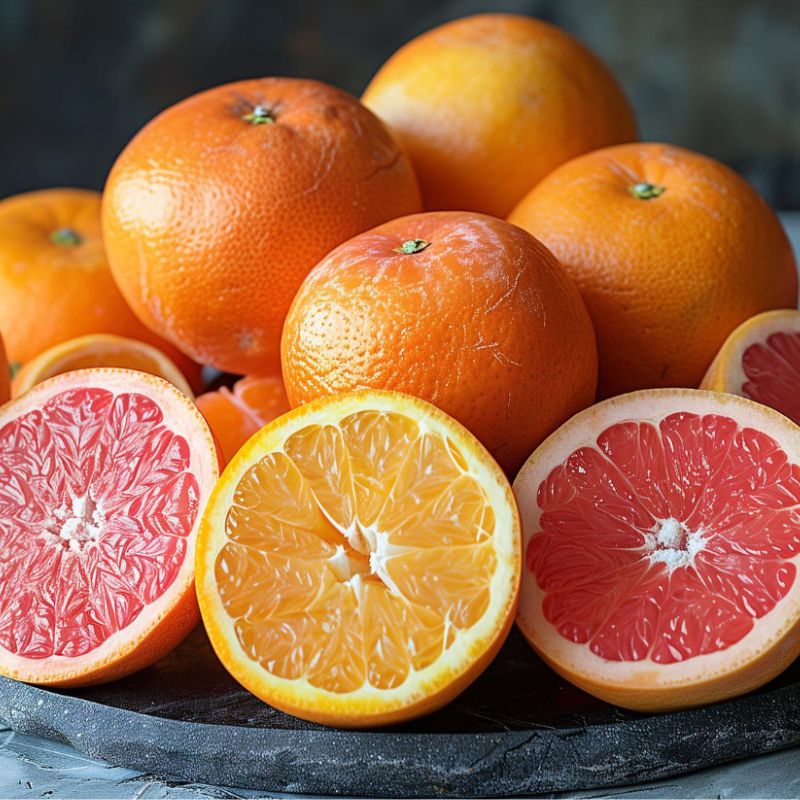
Food allergies and intolerances can be a significant, yet often overlooked, trigger for recurring mouth ulcers. In my clinical experience, many patients with chronic or recurring mouth ulcers had underlying sensitivities or allergies to specific foods. Identifying and avoiding these trigger foods often led to a notable reduction in ulcer frequency.
Personally, I’ve discovered that fresh pineapple, though delicious, can cause mouth ulcers if I consume it more than once a week. Occasional indulgence is fine, but my mouth can’t handle it regularly. This kind of pattern—where certain foods are well-tolerated in small amounts but problematic in excess—is common among those with food sensitivities. You may reactions after eating any kind of citrus fruit, mango, kiwifruit, or stone fruit. There are potentially many kinds of fruits and even vegetables that may be mouth ulcer triggers.
Have you noticed any foods that seem to correlate with your mouth ulcers? Exploring potential food allergies or intolerances could reveal a key to managing those hard-to-explain, recurring ulcers.
Underlying Medical Conditions
Hormonal changes, such as those before menstruation, can make some people more prone to mouth ulcers. Additionally, underlying medical conditions like celiac disease, Crohn’s disease, and ulcerative colitis may increase susceptibility. Certain medications can also irritate the mouth lining, especially if taken incorrectly, so it’s wise to consult a doctor if you suspect a medication is the cause.
Though rare, persistent mouth ulcers could be pre-cancerous or cancerous, particularly in those with a history of smoking or heavy drinking. If an ulcer doesn’t heal within 3–4 weeks, even if it’s painless, see a healthcare professional for further evaluation.

Always See Your Doctor If Symptoms Persist
Understanding these causes and triggers can help individuals take preventive measures and seek appropriate treatment when necessary. In some cases, persistent mouth ulcers might indicate an underlying health issue, such as a viral infection, autoimmune disorder, or gastrointestinal condition.
If an ulcer is unusually large, extremely painful, or doesn’t heal within a couple of weeks, it’s advisable to consult a healthcare professional to rule out any serious conditions.
Who is More Prone to Canker Sores?
Certain factors may increase the likelihood of developing canker sores such as:
Mouth ulcers are common but typically benign. Identifying potential triggers and maintaining good oral health can help manage this condition, making flare-ups less frequent and less bothersome.
Canker Sore Treatment
There are several ways to ensure we get recurring or commonly experience canker sores. First and foremost, it’s about looking after our teeth and our mouth.
Good dental hygiene is absolutely crucial when it comes to preventing canker sores. Regularly brushing your teeth after meals and visiting your dentist or hygienist at least once a year helps maintain oral health and can prevent small injuries to the gums and cheeks that may lead to ulcers. Addressing issues like chipped teeth or damaged fillings promptly is also crucial, as these can irritate the mouth lining and lead to recurring sores.
Eating a balanced diet rich in fresh fruits, vegetables, whole grains, lean protein, and dairy supports overall immune health, which may help prevent ulcers. This nutrient-rich approach provides essential vitamins and minerals to strengthen your body’s defences, especially the mucosal defences found in the mouth and throughout the digestive tract.
How To Get Rid Of Canker Sores
For lasting benefits, make oral health and balanced nutrition a priority, and always address any mouth pain or persistent sores with a healthcare professional.
Propolis Tincture

Propolis tincture is definitely worth a try for mouth ulcers. This natural remedy, derived from bees, has strong antibacterial and anti-inflammatory properties that can help soothe and heal sores (Samet et al., 2007).
To use, add a few drops of propolis tincture to a small amount of water and rinse your mouth thoroughly, or apply a drop directly on the ulcer. It may sting at first, but it often provides noticeable relief soon after.
Look for tinctures with a lower alcohol content (around 25%) to minimise the stinging sensation, especially when applying directly to sensitive areas.
Honey

Honey is valued for its natural antibacterial and anti-inflammatory properties, which research suggests may aid in healing wounds, including canker sores. Honey can help reduce the pain, size, and redness of sores and may also prevent secondary infections (Tashkandi 2021).
To use honey for a canker sore, apply a small amount directly to the sore two to three times a day, preferably away from meals or snacks. Opt for unpasteurised, unfiltered raw honey, such as Manuka honey, as it retains more of its healing properties compared to processed honey found in most supermarkets.
Important Note: Do not give honey to infants under 12 months old due to the risk of infant botulism.
Coconut Oil

Coconut oil is rich in lauric acid, giving it powerful antifungal and antibacterial properties that may help treat canker sores caused by bacteria and prevent them from spreading.
Additionally, its natural anti-inflammatory effects can reduce redness and pain, making it especially useful for canker sores. Coconut oil may also help treat oral thrush if Candida albicans is present, a common cause of oral infections.
To use coconut oil for canker sores, apply a generous amount directly to the sore and reapply several times a day until the sore heals.
Chamomile Tea

Chamomile is a natural remedy known for its soothing, anti-inflammatory, and antiseptic properties, thanks to compounds like azulene and levomenol found in German chamomile. These properties can help ease pain and promote healing for canker sores (Chauhan et al., 2021).
To use chamomile, steep a tea bag in hot water, let it cool to room temperature, and then apply it directly to the sore as a compress for a few minutes. Alternatively, you can swish cooled chamomile tea around your mouth before meals to help relieve pain and inflammation. Repeat this process three to four times daily for best results.
Herbal Medicines

There are many popular liquid herbal medicines available at your local health food shop, chemist, or whole foods store, that will be suitable for helping your canker sores heal.
Try echinacea, myrrh, sage, or licorice. Better still – talk to your local naturopath or herbalist.
Sage Tea
Sage has been a traditional remedy for mouth inflammation, valued for its antibacterial, anti-inflammatory, antiseptic, and astringent properties. Sage mouthwash can be effective for a range of oral issues and may help reduce pain associated with canker sores (Ghorbani et al., 2017).
You can find dried sage tea in most health food shops. Make a simple homemade version by steeping 1 to 2 teaspoons of fresh sage leaves in boiling water for at least 5 minutes. Strain, let it cool, then swish the solution around your mouth for a few minutes. You can choose to swallow the rinse or spit it out.
Apple Cider Vinegar

Apple cider vinegar (ACV) is a very popular home remedy, known for its antibacterial and antifungal properties, which may help reduce bacteria around canker sores. However, this treatment can be controversial, as the acidity in ACV may worsen sores in some people. Use it cautiously and always dilute.
How To use:
Some suggest applying undiluted ACV directly to the sore with a cotton swab, though this may cause irritation. Some even do this with pure tea tree oil with good effect. Rinsing after any ACV use is essential to prevent damage to your teeth. Check out our apple cider vinegar digestive shot.
Vitamin B12

If you’re experiencing recurrent canker sores and your dental health is satisfactory, considering a vitamin B12 supplement for a few weeks may be beneficial. Research has shown that individuals with recurring canker sores experienced improvement from taking B12, even if their blood levels of the vitamin were within the normal range.
One study suggests that healthcare providers use vitamin B12 as an adjunctive therapy. This approach could enhance pain management and significantly improve the quality of life for those affected by these painful lesions. (Liu et al., 2015)
Pain Relief Of Mouth Ulcers
While waiting for your mouth ulcer to heal, it’s essential to manage the painful sensations that can hinder your enjoyment of meals. Many patients have asked for recommendations on alleviating the smarting, stinging, or burning feelings associated with mouth ulcers. Here are some effective suggestions:
See Your Dentist or Dental Hygeinist

The Importance of Dental Health for Preventing Mouth Ulcers
Your teeth are undoubtedly one of your greatest assets, serving not only as essential tools for eating and speaking but also playing a significant role in your overall health and confidence. It’s quite astonishing how many individuals discover not only dental issues but also mouth ulcers during their regular dental checkups. The connection between oral health and the occurrence of mouth ulcers is often overlooked, yet it is a critical aspect to consider.
Dentists are experts in diagnosing and treating various oral health problems, making it essential to consult them if you experience recurring mouth ulcers.
These professionals can provide valuable insights into the underlying causes of your discomfort. One of the primary culprits behind recurrent mouth ulcers is damage to your teeth, such as a broken or chipped tooth, which can create sharp edges that irritate the delicate tissues in your mouth. Additionally, ill-fitting braces or dentures can cause ongoing friction, leading to inflammation and ulceration.
Regular visits to the dentist not only help maintain your teeth but also allow for the early detection of issues that could lead to mouth ulcers. A dentist can assess your oral health comprehensively, identifying factors such as dental hygiene practices, dietary habits, and potential allergens that may contribute to the development of mouth ulcers.
By addressing these issues, you can significantly reduce the frequency and severity of your ulcers, ensuring your smile remains a source of pride and confidence.
“Every tooth in a man’s head is more valuable than a diamond.”
— Don Quixote – Miguel de Cervantes – (1605)

Ultimate Candida Cleanse System Bundle
The Ultimate Candida Cleanse System Bundle brings together everything you need to support gut balance — expert guidance, targeted supplements, and a practical roadmap you can actually follow.
The recipes on Candida.com pair beautifully with the Ultimate Candida Cleanse Program. They’re designed to match each stage of the cleanse, making daily meals simple, nourishing, and fully aligned with your gut-healing goals.
Inside the bundle, you’ll find Eric Bakker’s two core books — The Ultimate Candida Cleanse Program and The Ultimate Candida Cleanse Guide — along with the Yeastrix Gut Restore Kit. This professional-grade supplement system works hand-in-hand with the recipes and the program, supporting each step with antifungals, probiotics, and enzymes that help restore microbial balance and strengthen digestion.
If you want a clear plan, supportive meals, and natural formulas that work synergistically, the Ultimate Candida Cleanse System Bundle ties it all together — making your cleanse easier, smoother, and far more effective.

Eric Bakker N.D.
Greetings! I am a naturopathic physician from New Zealand. Although I’ve retired from clinical practice since 2019 after 34 years of clinic. I remain passionate about helping people improve their lives. You’ll find I’m active online with a focus on natural health and wellbeing education through my Facebook page, Reddit page and YouTube channel, including this website.


