
What Is Fatty Liver?
Increasingly, healthcare professionals recognise nonalcoholic fatty liver disease as a major health concern, especially among individuals with gut-related conditions such as Candida overgrowth, SIBO, IBS, and IBD. In addition, the liver plays a crucial role in detoxifying the body and supporting gut health. As a result, impaired liver function can lead to toxin accumulation, causing fatty liver disease symptoms and exacerbating these gastrointestinal disorders.
People with conditions like Candida overgrowth and SIBO should be concerned about fatty liver disease, as it closely links to overall gut health. A healthy liver aids in toxin removal and digestion, but a compromised liver can worsen gut problems, creating a challenging cycle to break.
This is one condition that extends well beyond the liver. The liver plays a vital role in detoxification, ensuring the gastrointestinal system stays clean and functional. When the liver’s health is compromised, it can increase toxin levels and cause harm to gut-related conditions.
What Is the Role Of Our Liver?
The liver, one of our most vital digestive organs, performs many life-sustaining functions. Here are several of its many functions our liver performs:
Fatty Liver Disease
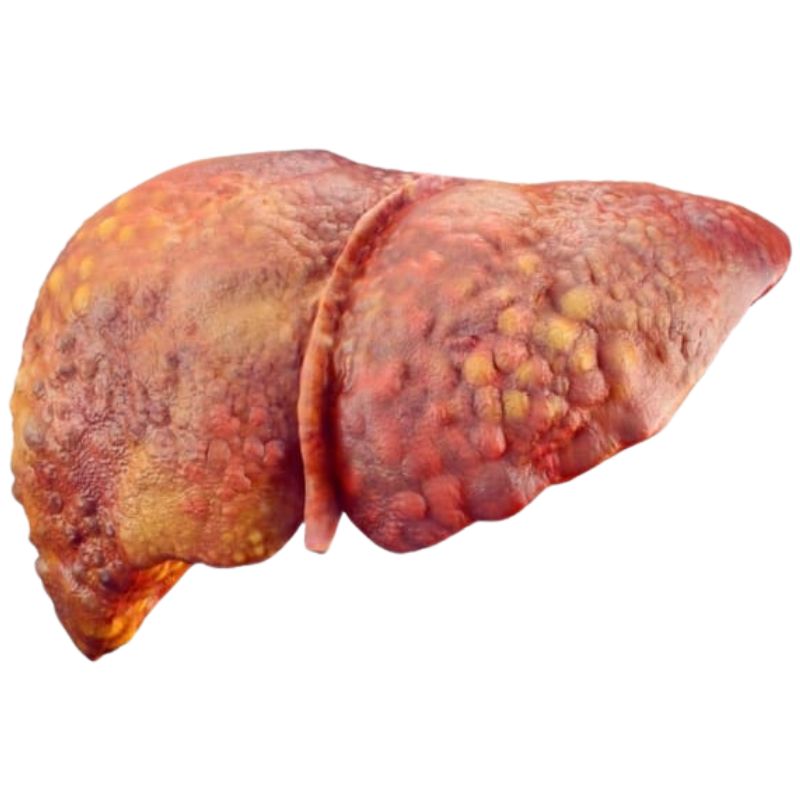
The liver, the body’s largest organ, plays a vital role in maintaining overall health. It regulates weight, energy levels, and even affects sleep quality and mood. Unfortunately, many people don’t fully appreciate the liver’s importance until faced with liver-related issues. Fatty liver disease, an increasingly common condition in Western countries, can significantly impact liver function and overall health.
Fatty liver disease comes in two main forms: alcoholic and non-alcoholic. Alcoholic fatty liver disease is caused primarily by excessive alcohol consumption. Non-alcoholic fatty liver disease (NAFLD), on the other hand, is often linked to poor lifestyle choices, including a diet high in refined foods, unhealthy fats, and excess sugar from items like soda, ice cream, and candy. Both types can lead to serious liver complications if left untreated.
In the following sections, we’ll delve into the symptoms and causes of these two types of fatty liver disease and explore strategies to enhance liver health. Stay tuned for tips and resources on liver cleansing and maintaining a healthy liver. For more information on liver cleansing check out the Liver Cleanse, it’s part of our Ultimate Candida Cleanse Program.
Alcoholic Liver Disease
Alcoholic liver disease is a condition that arises from excessive alcohol consumption. The severity of the disease can range from fatty liver, which is an early and potentially reversible stage, to more severe forms like alcoholic hepatitis and cirrhosis. Moderate drinking guidelines suggest up to one drink per day for women and up to two drinks per day for men. However, consuming alcohol beyond these limits significantly increases the risk of developing alcoholic liver disease.
In the United States, approximately 5% of adults are affected by alcoholic liver disease, highlighting its prevalence and the need for awareness and preventive measures. This condition not only impacts liver function but can also lead to broader health complications if not managed effectively.
Key Points:
Nonalcoholic Fatty Liver Disease (NAFLD)

Nonalcoholic fatty liver disease (NAFLD), now commonly known as metabolic dysfunction-associated liver disease (MASLD), is a widespread chronic liver condition affecting individuals who either do not consume alcohol or drink only minimally. This disease is increasingly recognized as a major health issue, with research indicating that up to 25-30% of individuals in Europe and the USA are affected (Lonardo et al., 2017).
In the United States, NAFLD affects approximately one in three adults and one in ten children. Although the exact cause remains unclear according to mainstream medicine, it is well-established that lifestyle and dietary factors are significant contributors. Poor dietary habits, such as high consumption of refined foods, unhealthy fats, and excessive sugars, play a critical role in the development and progression of NAFLD.
Recent research also reveals a link between more advanced stages of NAFLD and changes in the gut fungal population. Notably, increased systemic antibodies against Candida albicans have been observed in NAFLD patients(Demir et al., 2022).This association underscores the importance of a comprehensive approach to liver health, including a liver cleanse as part of a broader candida cleanse strategy, to potentially improve outcomes and manage the disease more effectively.
Key Points:

Fatty Liver Disease Symptoms
A fatty liver indicates liver dysfunction, where the liver is overloaded, toxic, or sluggish, leading to inefficient operation. This condition, which often precedes more severe liver diseases, is surprisingly common. Based on my thirty years of experience, at least one in three patients exhibits signs of a dysfunctional liver.
Even mild dysfunction can adversely affect the immune system, making it more challenging to manage conditions like Candida overgrowth or SIBO (Small Intestinal Bacterial Overgrowth).
In the early stages, fatty liver disease may not present noticeable symptoms, and routine liver function tests (LFTs) often appear normal.
Symptoms typically become more evident only as the condition progresses.
As fatty liver disease advances, potentially reaching stages like cirrhosis, symptoms can vary but may include:
It’s important to note that these symptoms can overlap with other health conditions. If you experience persistent or concerning symptoms, consulting a healthcare professional is crucial for an accurate diagnosis and appropriate management.
Key Points:
Let’s explore the many signs and symptoms associated with a dysfunctional liver:
Poor Metabolism of Fats
Digestive Health Problems
Blood Sugar Problems
Cognitive Dysfunction And Mood Disorders
Immune Dysfunction
Metabolic and Hormonal Imbalances
Liver Disease And Gut Health

We can keep our liver’s health in top shape through healthy eating, drinking, and lifestyle habits.
A healthy liver results from healthy living. Therefore, it is essential for supporting overall health and top priority for the recovery from various conditions, including those affecting the digestive system. Let’s look at a few conditions regarding the importance of healthy liver function:
Candida Overgrowth and Liver Function
While the liver doesn’t directly fight yeast infections, it plays a crucial role by processing toxins released by Candida. It supports immune function indirectly. For this reason, maintaining a healthy liver is essential for overall immune system efficiency, which ultimately aids in combating all infections. Additionally, mycotoxins like candidalysin have been associated with fatty liver disease. (Zeng et al., 2022)
Irritable Bowel Syndrome, SIBO, and Liver Function
Similarly, the liver indirectly supports recovery by processing nutrients and medications involved in managing these conditions. Furthermore, it plays a significant role in regulating gut microbiota balance and inflammation, both of which are important for gastrointestinal health.
Notably, fatty liver is associated with the development of irritable bowel syndrome. In fact, compared with non-NAFLD patients, those with NAFLD showed a 13% higher risk of developing IBS. (Wu et al., 2022)
The Causes Of Fatty Liver
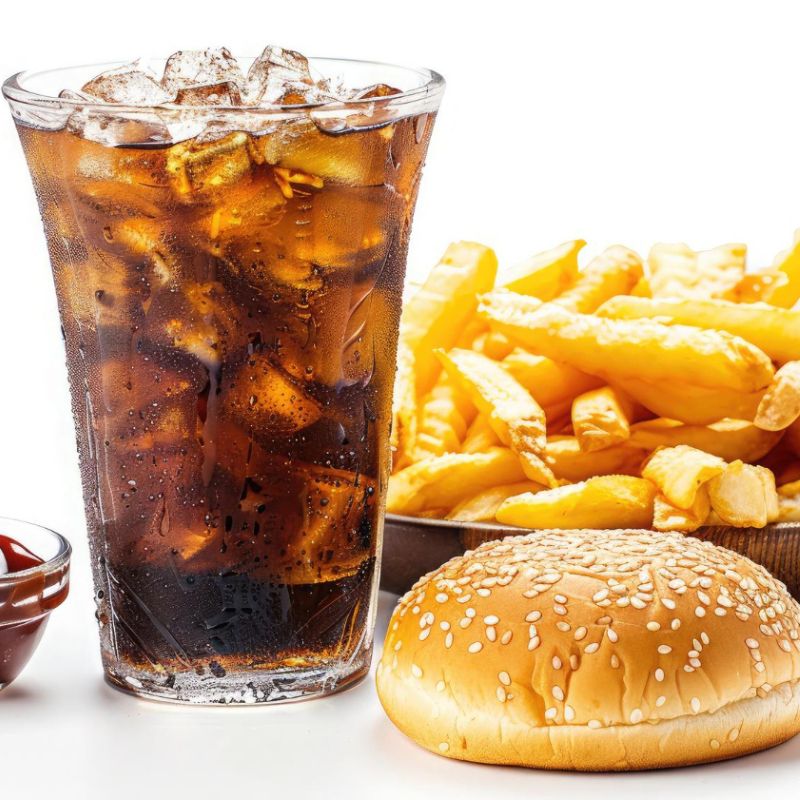
Research highlights that eating lots of carbohydrates, simple sugars, saturated fats, red meat, and processed foods, combined with low fibre intake, is linked to non-alcoholic fatty liver disease. (Perdomo et al., 2019)
Did you know that the quality of what you drink affects the health and functioning of your liver? Sugar sweetened beverages like cola drinks, energy drinks, fizzy drinks or soda drinks are often very sweet and highly desired drinks for many people, especially in summer time or the warmer regions.
While alcohol is a leading cause of fatty liver disease, soda drinks aren’t far behind. A comprehensive study revealed a positive and most association between higher consumption of sugar-sweetened drinks (soda and fruit juice drinks) and the risk of non-alcoholic fatty liver disease. (Tseng et al., 2023)
A review of 7 studies (4,639 people) showed that consumers who regularly drank sugar-sweetened drinks had a 53% increased risk of developing fatty liver compared to non-consumers. (Wijarnpreecha et al., 2016)
Although sweetened beverages may seem irresistible, there’s a heavy price to pay. It makes sense therefore to look at healthy drinks when it comes to liver function, and avoid those with added sugar.
Binge Drinking

Binge drinking is harmful and should be avoided. If you’re trying to lose weight but drink alcohol regularly, you’ll struggle. Alcohol is high in sugar and burdens your liver, making weight loss difficult.
Each (one) ml of alcohol has 7 calories, and each gram of fat has 9 calories. A glass of wine is nearly as fattening as a slice of cake, so keep that in mind when trying to shed pounds.
Most binge drinkers don’t have a serious alcohol problem. However, binge drinking is a risky behaviour associated with injuries and various disorders. It also increases the risk of developing an alcohol use disorder. (NIH)
Foods Associated With Fatty Liver

Refined Carbohydrates And NAFLD
Many people know the negative effects of fat and alcohol on liver health, but sugar can be just as harmful. The liver struggles to metabolize fructose, leading to fat production and storage within its cells, eventually causing fatty liver disease.
Once fatty liver develops, the risk of metabolic syndrome, insulin resistance, and Type 2 diabetes significantly increases. Research from 2021 highlights the importance of reducing free sugars, refined carbohydrates, and saturated fats in treating non-alcoholic fatty liver disease (NAFLD) (Yki-Järvinen et al., 2021).
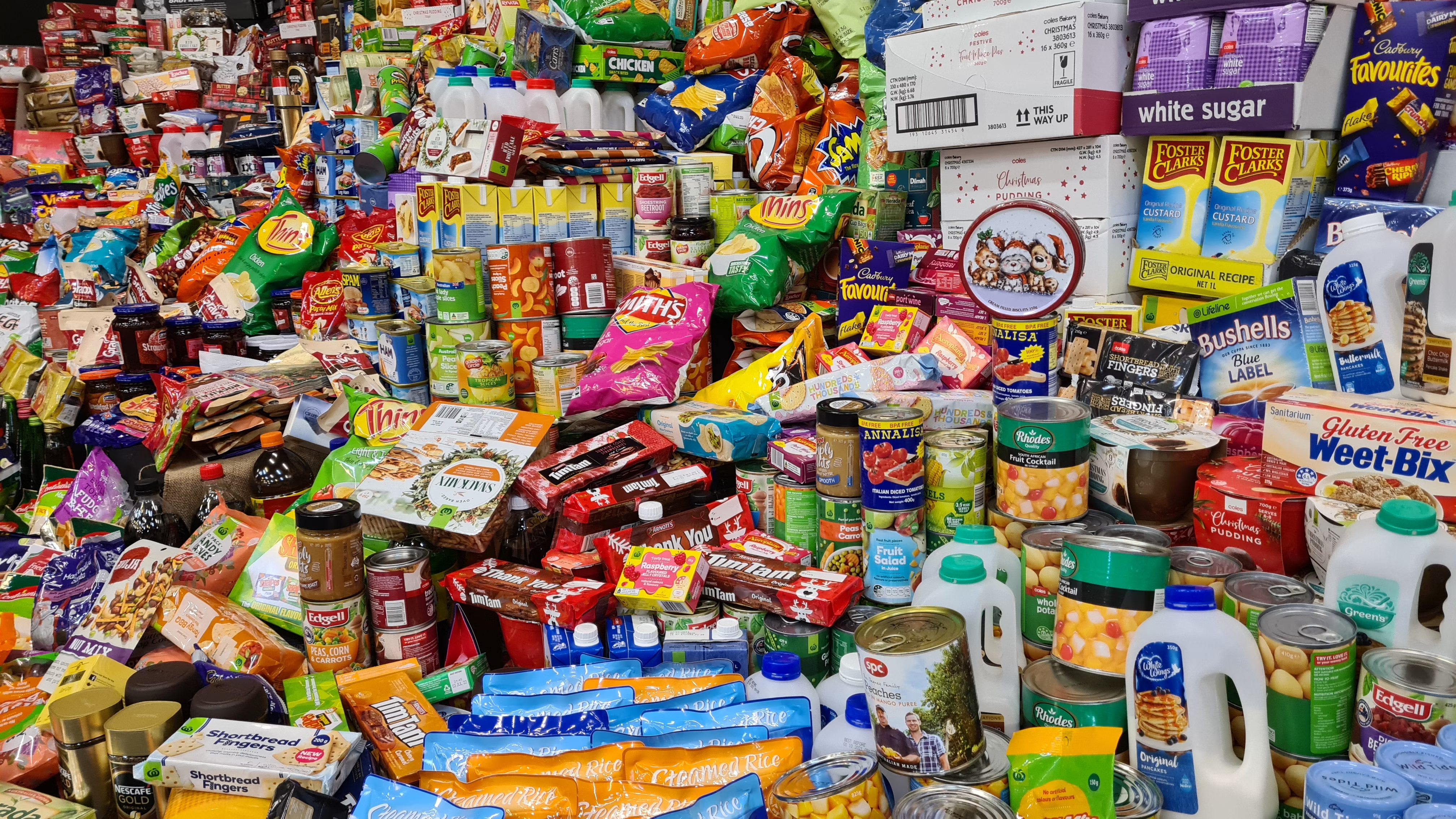
Sugar is pervasive in daily diets, hidden in foods like breads, biscuits, muesli bars, cereals, pasta, rice, sauces, and even potatoes. These refined carbohydrates, unless needed for energy, are converted into fat by the liver. This dietary pattern, combined with a sedentary lifestyle, increases the risk of obesity and NAFLD.

Cigarettes and Whiskey
My step-father John underwent repeated liver biopsies over the years to monitor his progression of liver cirrhosis. A liver biopsy is performed when a small piece of liver is extracted with a needle, it might be recommended if advanced liver disease such as liver cirrhosis or other liver problems are suspected.
John was a Scotch whiskey drinker, consuming a bottle daily for as long as I can remember. John had a strong affinity for alcohol and smoked a pack of Camel cigarettes daily for over forty years. Back then, even his doctor smoked tobacco, reflecting the 1960s era.
My step-father passed away in his early 60s in 1998, succumbing to a stroke. John embraced life but battled alcohol addiction. Daily smoking, drinking, and poor diets often lead to shorter lives due to cancer or heart disease; in my experience, few people with this lifestyle reach 65 without developing serious health issues.
Fatty Liver Disease Treatments
Is there a specific treatment for fatty liver disease? There is no specific treatment, instead, I recommend you focus on the causes and circumstances that contribute to your fatty liver. If this is difficult, you may find it easier to work with your health care professional to help you manage the causes.
Your practitioner will most likely also advise making lifestyle and diet modifications similar to those found on this page that can help you live a healthier life. Here are the best fatty live treatment recommendations:
Fatty Liver Treatment Recommendations

Liver Cleanse
To cleanse your liver, consider a liver cleansing program, it’s one of the six modules that make up our clinically-proven Cleanse Program. In the 21st century, our liver faces exposure to many toxins, including chemicals, hormones, antibiotics in food, environmental pollutants, and contaminants in water. While our liver can detoxify and eliminate these substances, constant exposure can overwhelm its capacity.
Regular annual liver cleansing helps maintain our ideal weight, as the liver is the body’s main fat burner, and promotes overall health. Follow the dietary recommendations, avoid alcohol for at least three months, and focus on drinking juices, exercising more, and increasing water intake.
Fatty Liver Diet
If you’ve been diagnosed with fatty liver disease, changing your diet is important for treatment and reducing the risk of further liver disease complications. Poor dietary choices contribute to fatty liver, while proper nutrition can prevent it. The following diet recommendations aim to reduce liver fat buildup and promote overall liver and gut health.
Whether dealing with alcoholic or non-alcoholic fatty liver disease, dietary adjustments are key to managing and potentially reversing this common condition.
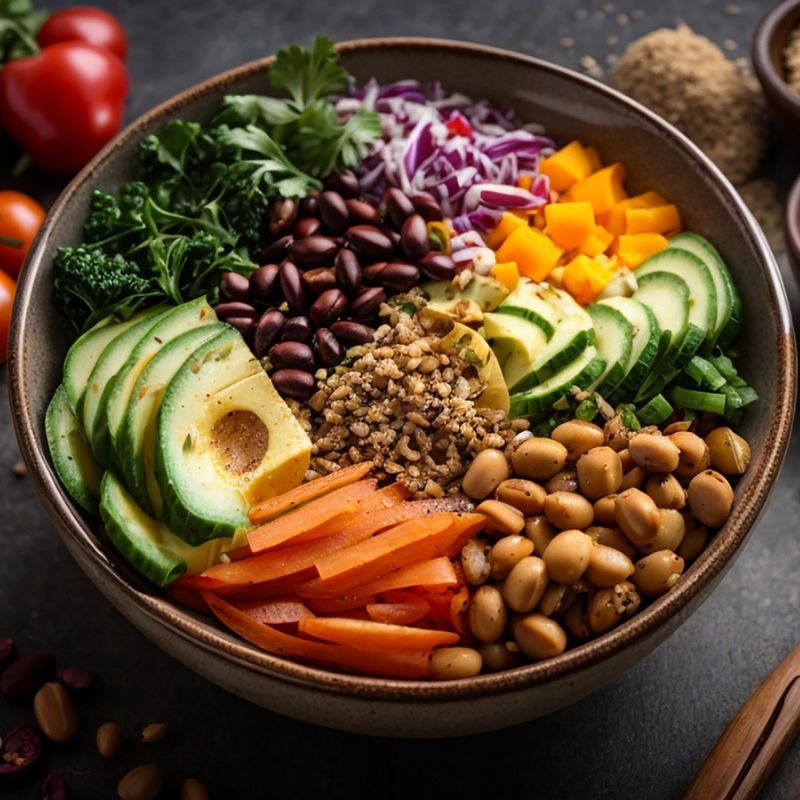
Best Foods For Fatty Liver with Evidence
Most studies found fruit and vegetable consumption in people with fatty liver to be much lower compared to healthy individuals or recommended levels.
Studies have also found, repeatedly, that foods such as ultra-processed foods, sugar sweetened beverages, and saturated fats are the main contributors of fatty liver; and that dietary patterns, such as the Mediterranean diet, could be the best prevention of fatty liver. (Romero-Gómez et al., 2023)
The reason consuming a lot of fruits and vegetables protects against fatty liver is because they are rich in fibre, phytochemicals, and antioxidants. Anti-inflammatory compounds like phytochemicals and antioxidants can prevent fatty liver. (Mirmiran et al., 2017)
Including these fruits, vegetables, herbs, and spices in your diet can support liver health and help manage fatty liver disease. These dietary choices can significantly impact liver health and help in managing NAFLD effectively.
Best Fruits For Liver
Best Vegetables For Liver
Best Herbs And Spices For Liver
Best Protein Sources For Liver
Best Fats and Oils For Liver
Best Legumes For Liver
Best Nuts, Seeds And Grains For Liver
Including these foods in your diet can support liver health and help manage fatty liver disease effectively.

Probiotics For Fatty Liver
Probiotics, defined by the WHO as “live microbes that, when administered in adequate amounts, confer a health benefit on the host,” are gaining recognition for their potential in disease prevention and overall well-being. (Hemarajata et al., 2012)
Probiotics help combat intestinal dysbiosis by restoring microbial balance, enhancing the gut barrier, regulating the immune system, and influencing metabolic processes. They colonise our gut, out-compete harmful pathogens, and produce antimicrobial substances, collectively promoting gut health and reducing inflammation associated with dysbiosis.
Beneficial bacteria and yeasts, naturally found in the gut, have therefore shown promise in improving liver function tests in patients with fatty liver. (Jadhav et al., 2024). Have you thought about taking a course in a quality probiotic supplement for fatty liver?
Fatty Liver Test
Tests for fatty liver are crucial in diagnosing and tracking liver health. Specifically, the Liver Function Test (LFT) is one of the major tests that measures enzyme levels, bilirubin, and proteins in the blood. Notably, higher levels of liver enzymes, such as ALT, may suggest liver inflammation and damage.
Moreover, the LFT plays a vital role in detecting early signs of liver distress, which allows for timely intervention and treatment. Consequently, individuals with obesity, diabetes, or high alcohol consumption should undergo regular testing for fatty liver disease.
Ultrasound, CT scans, and MRI are imaging tests used alongside LFTs to visualize the liver and evaluate fat accumulation. Doctors can use non-invasive tests to get detailed liver images and detect fatty deposits or structural issues. Sometimes, doctors perform a liver biopsy to get a tissue sample for further analysis.
These tests enable healthcare professionals to diagnose and develop treatment plans for fatty liver disease accurately, providing a comprehensive assessment of liver health. Regularly monitoring the condition and using these tests to manage it is crucial in order to avoid additional liver damage.

Fatty Liver Blood Test
Liver function tests (LFTs) measure liver inflammation. Next time you get a blood test, ask your doctor for an LFT. This test quickly determines the levels of four liver enzymes, bilirubin (a bile component), and various proteins.
The LFT is useful for detecting liver problems early. Elevated enzymes indicate liver distress, as these inflammatory enzymes spill into the bloodstream. Alanine aminotransferase (ALT) is a specific marker for liver inflammation, often elevated in fatty liver disease. (Chen et al., 2008)
If you have elevated liver enzymes, it’s crucial to get a professional opinion. Raised enzymes can result from various causes, including viral infections, excess alcohol, fatty liver, autoimmune disease, celiac disease, and dysbiosis (SIBO, overgrowth of harmful gut bacteria). For this reason, getting tested can quickly help determine the cause.
Other Fatty Liver Tests

Eric Bakker N.D.
Greetings! I am a naturopathic physician from New Zealand. Although I’ve retired from clinical practice since 2019 after 34 years of clinic. I remain passionate about helping people improve their lives. You’ll find I’m active online with a focus on natural health and wellbeing education through my Facebook page, Reddit page and YouTube channel, including this website.