

What Are Fruits?
In essence, a fruit is the part of a plant that houses its seeds. After a flower is pollinated, its ovary develops into a fruit. This process helps plants disperse their seeds more effectively. Edible fruits have evolved to attract humans and animals, who consume them and subsequently spread the seeds.
This mutualistic relationship benefits both parties: plants achieve seed distribution, while animals gain nourishment. Fruits come in a wide variety of flavors and textures, often being sweet or sour, and can be enjoyed raw or cooked.
Common examples include apples, bananas, grapes, lemons, oranges, and strawberries. However, in botanical terms, fruits encompass more than just what we typically think of as fruits. This broader category includes nuts, bean pods, corn kernels, avocados, tomatoes, and even wheat grains.

The Protective Power Of Fruit and Vegetables
Modern nutrition research underscores the significant health benefits of a diet rich in fruits and vegetables. These foods offer substantial protection against gut diseases and help guard against chronic conditions such as heart disease and diabetes.
Protection Against Gut Diseases: Fruits and vegetables are crucial for maintaining gut health and preventing a range of gut-related issues.
Safeguard Against Other Diseases: Regular consumption is associated with reduced risk of heart disease, and diabetes (Donaldson, 2004).
The protective effects of fruits and vegetables are supported by several mechanisms:
Fruits and vegetables are rich in essential nutrients like vitamins, minerals, and antioxidants, which contribute to overall health. Dietary fiber, a key component, is particularly important for maintaining a healthy gut microbiota.
Personalising Your Fruit Intake
Tailoring fruit consumption to individual needs is essential:
Experiment with different fruits to determine which ones are most beneficial for your specific gut health condition, such as Candida, SIBO, IBS, or IBD. Avoid rigid “allowed or forbidden” lists and focus on finding what works best for you.
Current Consumption Trends
Despite the known benefits, many people do not meet recommended fruit and fiber intake levels:
Incorporating a variety of fruits and vegetables into your diet is essential for optimal health. Balancing personal preferences with these dietary guidelines can help you achieve better overall well-being.
Health Benefits Of Fruit
Fruit has many and countless benefits to our health, here are just a few, you’ll find many studies online (Slavin et al., 2012) that support the consumption of fruit with the following conditions:
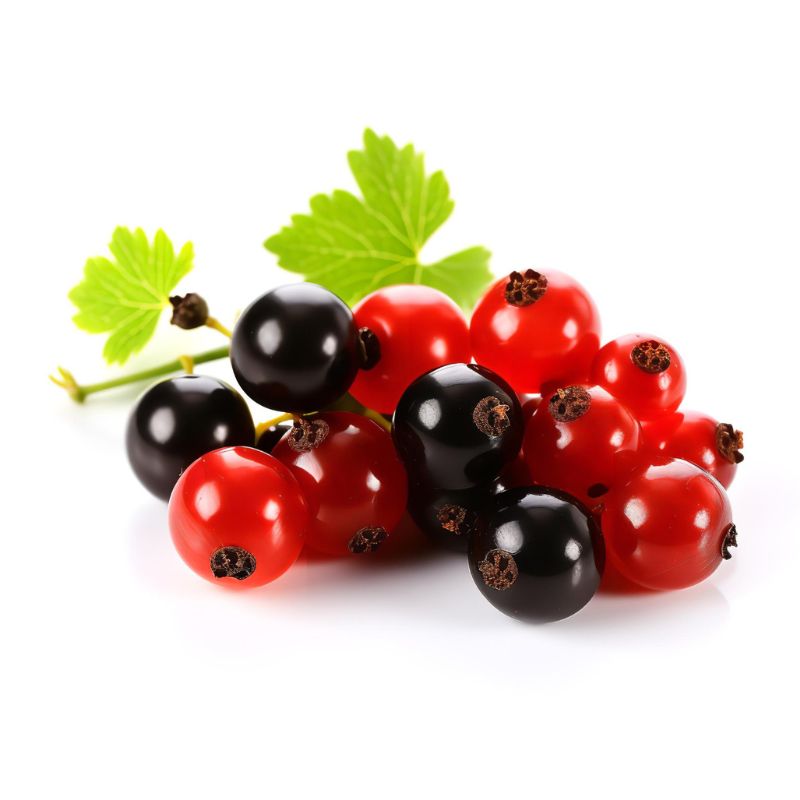
Fruits Are Rich in Phytochemicals
Edible fruits are packed with valuable nutrients and compounds that support overall health and address gastrointestinal issues. They are a major source of phytochemicals, which are known for their anti-inflammatory, antioxidant, and antimicrobial properties.
Nutrient-Rich Profile: Fruits contain essential elements like vitamins, minerals, dietary fiber, flavonoids, carotenoids, bioactive peptides, and polyphenols.
Diverse Nutrient Sources: A balanced diet incorporating a variety of fruits provides a broad spectrum of vitamins and minerals crucial for good health.
Bioactive compounds in fruits play a significant role in reducing the risk of chronic illnesses such as diabetes, heart disease, and cancer. They achieve this by protecting cells from oxidative stress and free-radical damage (Dhalaria et al., 2020).
Fruits Are Fibre-Rich And Hydrating
To maximize your fiber intake, it’s beneficial to consume fruits and vegetables in their whole form, including the peel and membranes when possible. Research shows that eating fruits and vegetables closer to their natural state can enhance satiety and provide additional health benefits.
Hydration from Fruits
Fruits are naturally hydrating due to their high water content, which supports several vital body functions. Proper hydration is crucial for:
Individual Considerations
When evaluating the impact of diet, lifestyle, and sugar intake on conditions like Candida overgrowth, it’s important to consider individual responses. Removing fruit from your diet may not be necessary for everyone and should be tailored to personal health needs rather than applied as a general rule.
Check out my tips:

Understanding the Impact of Sucrose and Reducing Its Intake
Sucrose is a disaccharide made up of glucose and fructose, commonly used as granulated sugar in baking and made from sugar cane or sugar beets. This refined white sugar is prevalent in many processed foods and beverages like soda or energy drinks.
Impact on Candida and Oral Health
Research highlights the connection between sucrose intake and Candida overgrowth. Streptococcus mutans, a bacterium associated with dental cavities, can promote the growth of Candida albicans in biofilms when sucrose is present.
Studies have shown that eliminating sucrose can significantly reduce both the formation and maturation of these biofilms.
Prioritising Refined Sugar Reduction Over Fruit Elimination
When addressing Candida overgrowth or similar concerns, it is important to focus on eliminating refined sugars like sucrose before considering the removal of fruits from your diet. Refined sugars contribute significantly to Candida growth and other health issues, so reducing their intake is a crucial first step.
Managing Candida Through Diet
Candida’s reliance on simple sugars underscores the importance of making informed dietary choices. By prioritising the reduction of refined sugar sources and maintaining a balanced intake of fruits, you can support a healthier microbiome and overall well-being.

Fibre-Rich Fruit and Vegetables Feed Gut Bacteria
Recent studies reveal that a high microbial diversity, resulting from a varied intake of fresh fruits is strongly linked to excellent health. Conversely, low microbial diversity is associated with conditions such as diabetes, inflammatory bowel disease, cancer, and other illnesses, including mental health issues and cognitive dysfunction. (Elechi et al., 2023).
A healthy gut microbiome, characterised by a diverse range of bacteria, plays a crucial role in reducing our risk of inflammation and many diseases affecting intestinal and immune function.
Fruit and Vegetables Lower our Fungal Infection Risk
By consuming a variety of fibre-rich fruits and vegetables, we support beneficial gut bacteria, enhance microbial diversity, and strengthen our immune system. This fruit and vegetable dietary approach lowers our risk of fungal and bacterial overgrowth, boosts energy and vitality, and contributes to clearer skin, improved sleep, reduced brain fog, and better mood, enhancing our overall well-being. (Dreher 2018)
Incorporating fruits and vegetables into your diet can lead to rapid improvements in gut microbiota. A study demonstrated that a diet rich in fruits, vegetables, and high-fiber plant-based meals can enhance gut bacterial diversity within just two weeks. This quick turnaround underscores the powerful impact of a varied, fiber-rich diet on gut health. (Klimenko et al. 2018).
Best Fruits For Candida Overgrowth
When managing Candida overgrowth or SIBO, it’s crucial to focus on high-fibre and nutrient-dense fruits while avoiding high-sugar fruits if you are in the active Candida or SIBO stages. Fruits such as melons and grapes can exacerbate these conditions if consumed with active overgrowth or dysbiosis.
Fibre-rich fruits help maintain a healthy gut microbiome and aid digestion, supporting overall gut health. Nutrient density ensures we are getting essential vitamins and minerals without excessive sugar intake. By choosing fruits wisely, we can better manage symptoms and support our body’s natural healing responses.
When incorporating fruits into a Candida diet, it’s essential to consume them in moderation and focus on lower-sugar options. If you only eat a limited amount of types of fruit, you may benefit from rotating fruits to ensure a more diverse nutrient intake.
Fruit Tips
Gut and fruit acceptance
Fruit selection often depends on your gut’s acceptance of the fruit’s sugar content at the time. A fruit elimination and challenge diet phase will soon tell you if your gut accepts any particular fruit at any given time.
It depends on your gut microbiota, how effective your anti-fungal treatment is, and the quality of your diet and lifestyle. Click on the + to read some good gut and fruit tips:
Best and Worst Fruits To Eat With Candida
Very sweet fruits are more likely to produce gut discomfort and negatively affect a person’s blood sugar response, especially if consumed in large amounts. Discomfort is more apparent when a person is in the active stages of Candida overgrowth, IBS, or SIBO.
It is important to minimise or eliminate high-sugar and very sweet fruits from your diet in the early stages of any gut treatment. You can always try these fruits later, when your gut is in better shape.
ENJOY
AVOID
MAYBE
For a lot more ormation about the “maybe” foods check out the Candida diet maybe foods page.

You Don’t Have to Eliminate Most Fruits!
Re-thinking Candida Diet Fruit Elimination
Many Candida diets suggest minimising fruit consumption or focusing solely on fruits with the lowest sugar content. However, based on extensive experience in gut health, whether dealing with Candida, SIBO, IBS, or IBD, it may not be necessary to completely eliminate most fruits from your diet.
Individual Impact: The effect of fruit on your health largely depends on your unique gut health and other personal factors.
Potential Benefits: Some fruits have natural antifungal properties and may help combat Candida rather than worsen it. For example, certain tropical fruits contain potent antimicrobial compounds (Budiati et al., 2022).
Food Reactions Are Highly Individual
Dealing with Candida overgrowth involves more than just avoiding specific fruits. It requires understanding how different fruits affect your gut and applying an informed approach. How does your gut feel and bowel react after certain fruits?
Focus on Refined Sugars First
Instead of immediately cutting out most fruits, it is often more effective to first reduce intake of simple sugars and carbohydrates that promote yeast, harmful bacteria, and parasites.
Make Gradual Adjustments
Before making drastic changes to your fruit consumption, observe how your gut microbiota responds to the removal of refined sugars and other problematic foods.
Ask yourself these questions before deciding to cut out many fruits entirely:
Stop Dried Fruit Temporarily

Bioactive Compounds in Dried Fruits
Dried fruits are packed with various bioactive compounds known as phytochemicals. These include carotenoids, chalcones, dihydrochalcones, flavonoids, phenolics, proanthocyanidins, phytoestrogens, and stilbenes.
These compounds have antioxidant effects, helping to neutralise free radicals and reduce oxidative stress, which can contribute to overall health and disease prevention (Alasalvar et al., 2023).
Dried fruits can be a good snack option for those with mild gut issues. However, increased sensitivity may develop due to high stress, alcohol, antibiotics, or lifestyle changes. If you experience adverse reactions, it may be wise to limit or avoid dried fruits until your gut health stabilises.
Dried Fruit Consumption Guidelines and Recommendations
Dried Fruit Cautions
Why Dried & Candied Fruits Can Be Problematic
Fungal Infection Consideration
For those with chronic infections such as vaginal yeast infections or jock itch, or any infections related to bacteria, yeast, or parasites, it’s best to avoid dried fruits. Reintroduce them only after resolving these issues. Excessive consumption of dried fruits for constipation relief can inadvertently worsen Candida overgrowth and perpetuate gut problems.
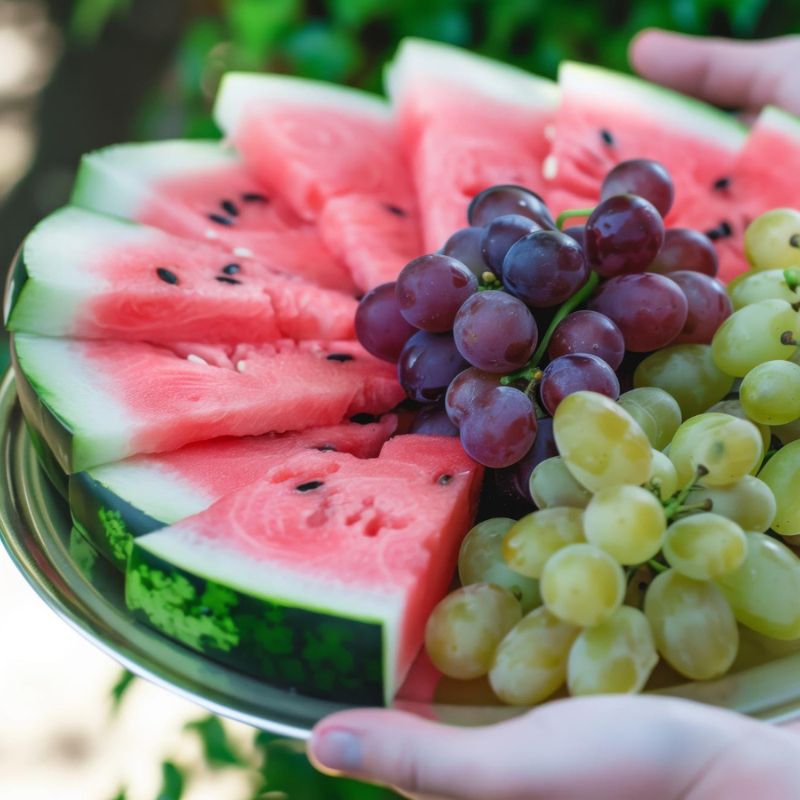
Avoid Any High-Fructose Fruits Initially
Many fruits contain sugars, with fructose being a notable one. To manage Candida or bacterial overgrowth effectively, it’s essential to avoid high-fructose fruits, foods, and drinks, especially in the early stages of your diet.
High-Fructose Fruits and Sweeteners
Top Culprits: Dried fruits have the highest fructose content and should be avoided initially.
Other High-Fructose Foods: Pay attention to other high-fructose sweeteners and foods, as they can exacerbate digestive issues.
Gradual Reintroduction
Fresh Fruits: Gradually reintroduce fresh fruits with lower fructose content after initial improvements. Avoid Dried Fruits: Continue to avoid dried fruits until your gut health has significantly improved.
Monitoring Your Body’s Response
Lower Fructose Fruits
Higher Fructose Fruits

Caution With Fruits That Have Stems
When consuming stemmed fruits such as apples, cherries, grapes, and stone fruits, it’s essential to exercise caution. These fruits are more prone to harbouring mold, which is not always visible to the naked eye.
If you struggle with Candida overgrowth, SIBO, or IBS, it’s particularly important to avoid softer and sweeter stemmed fruits, especially grapes, as their high sugar content and softness can worsen gut symptoms. Overconsumption of these fruits can easily lead to excessive sugar intake, which may aggravate your condition.
To protect your gut health, avoid stemmed fruits until you experience significant improvement in your symptoms.
Always thoroughly wash fruits and vegetables—especially those stored in the fridge for a few days—to reduce the risk of mold or spore contamination. This practice is vital for maintaining a healthy gut and preventing potential flare-ups.
Key Take-Away
Managing Candida: The Importance of Balanced Blood Sugar Levels
When addressing Candida overgrowth, it’s crucial to maintain balanced blood sugar levels. Certain fruits can support this goal, while others may disrupt it.
Low-Sugar Fruits to Include:
Fruits to Limit:
Gradual Introduction:
Once symptoms improve, consider gradually reintroducing higher-sugar fruits in small amounts to gauge your individual tolerance.
Supporting Research
Research underscores the link between blood sugar levels and Candida virulence:
Conclusion
To effectively manage Candida overgrowth, focus on low-sugar fruits while being cautious with those high in sugar. Regularly assess your body’s response to different foods, and adjust your diet to support your digestive health. Balancing blood sugar is essential not only for overall well-being but also for reducing the risk of Candida-related complications.
List Of Fruit
The range of fruit is considerable depending where you live. In most countries you will be able to get different types of fruits. Remember, fruit is commonly referred to as the succulent, seed-containing parts of plants. Fruits are known for their typically sweet or tart flavours and suitable for raw consumption. Although most fruits are usually eaten raw, some varieties can be cooked.
Please Note: This is not a list of the “best” foods for Candida, it is a list of the major groups of fruits widely available. Fruits come in a wide variety of colours, shapes and flavours. The “Best Fruits For Candida” list is further up this page.
Pip Fruit
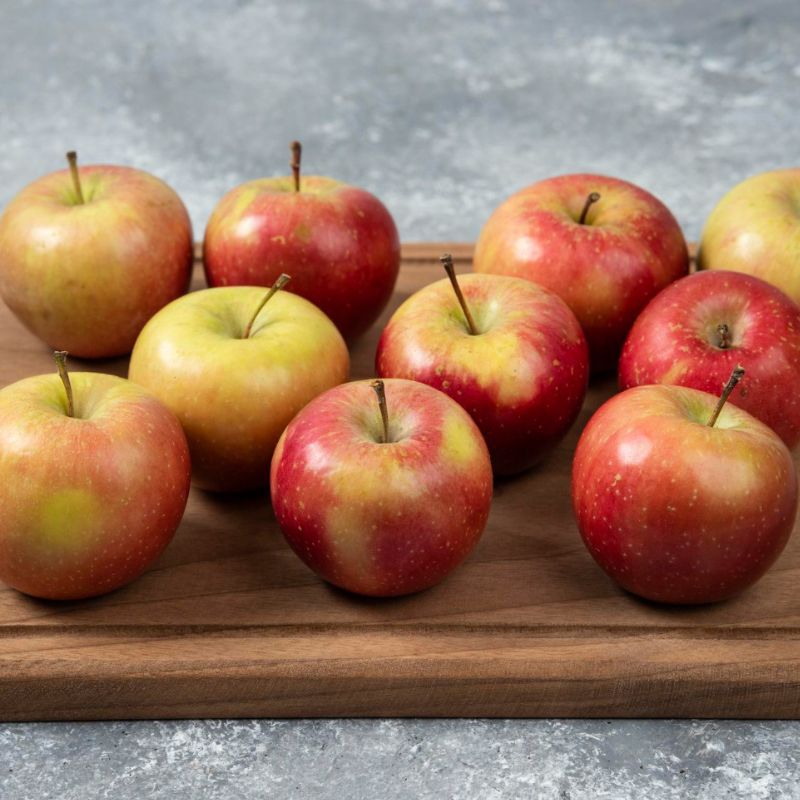
Pip Fruit Overview
Pip fruits like apples, pears, and quinces are sweet, juicy, and contain small seeds or “pips” at their core. These fruits are rich in fiber, vitamins, and antioxidants, making them both nutritious and versatile in various recipes.
Apples and Candida: What You Need to Know
Apples are generally safe to eat while following a Candida, SIBO, IBS, or IBD diet, as long as they’re consumed in moderation and carefully chosen. Apples are low on the glycemic index, high in fiber, and support healthy bowel movements.
The peel contains soluble and insoluble fiber, which aids digestion and promotes healthy gut bacteria. One apple or pear per day is typically sufficient, providing around 5 grams of fiber.
Choosing the Right Apples
Benefits of Apples for Gut Health
By incorporating less sweet apple varieties into your daily routine, you can safely support gut health and manage Candida while enjoying their numerous health benefits.
Citrus Fruit
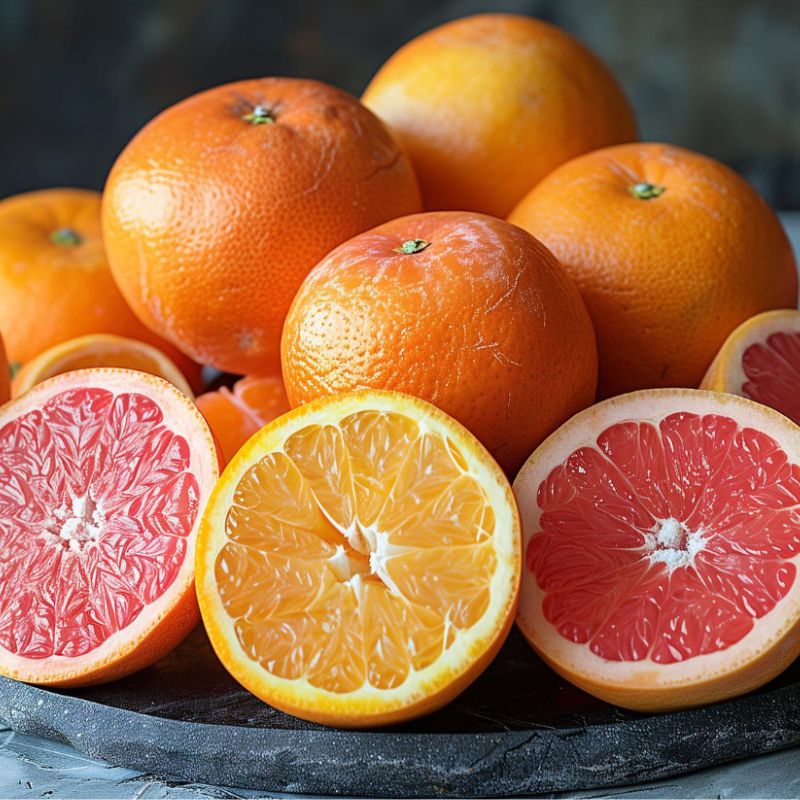
Citrus fruits, including oranges, grapefruits, mandarins, and limes, are known for their bright flavours and high vitamin C content.
They are refreshing, juicy, and versatile, used in everything from fresh juices to savoury dishes. Their tangy taste and health benefits make them a popular choice for boosting immunity and adding zest to meals.
Caution with oranges as they have a tendency to stimulate food allergies in some people.
Stone Fruit

Stone fruits, such as nectarines, apricots, peaches, and plums, are known for their juicy, sweet flesh surrounding a single pit. These fruits are rich in vitamins, antioxidants, and fibre, making them a delicious and healthy addition to your diet. They dry and store well. Some stone fruits people may react to include cherry, peach, plum, or apricots. (Krikeerati et al., 2023)
My recommendations are to be cautious eating stone fruits with Candida overgrowth, SIBO, IBS, or IBD. I find apricots to be reasonably well accepted in small amounts, but not when consumed over-ripe like any fruit. Some people may find them a bit too “acidic” on gut function. Avocado is not usually an issue with many.
Tropical Fruit

Tropical fruits are delicious and packed with essential nutrients. They provide vitamins, minerals, and antioxidants that boost immunity, aid digestion, and offer a natural energy boost. Their high water content keeps you hydrated, making them a healthy choice.
Bananas are sometimes gut-acceptable if consumed partially green (more starch) rather than fully ripe (more sugar). Pineapple can be fine for some, but problematic for others, whereas I’ve not seen papaya to cause problems for people. Passionfruit will likely be too sweet and you’ll need to be cautious.
Berries

Berries, such as strawberries, blueberries, and raspberries, are small but considered superfoods. They are extremely rich in vitamins, antioxidants, and fibre, which support heart health, improve digestion, and protect against oxidative stress.
Their low sugar content and high nutritional value make them a perfect, tasty addition to a balanced diet. We have never known berries to present problems for people, especially blueberries, blackberries, and raspberries. They are a good snack food to help get people away from candy, ice cream and sugary sweet desserts. They are good frozen but even better fresh.
Melons

Melons are hydrating and refreshing fruits high in vitamins and antioxidants. They provide a natural source of hydration and essential nutrients while being relatively low in calories.
However, due to their high natural sugar content, they should be avoided by those dealing with Candida overgrowth, SIBO, IBS and IBD. Once your gut and other symptoms subside, they may be re-introduced at a later stage of your treatment.
Caution is always recommended with very sweet fruits like melons. While melons can be part of a balanced diet, it’s important to monitor portion sizes, even if you don’t have Candida overgrowth or gut problems.
Exotic Fruits

Exotic fruits like dragon fruit, lychee, and passion fruit offer unique flavors and a variety of vitamins, minerals, and antioxidants. These fruits can boost overall health by supporting the immune system and providing essential nutrients.
However, when dealing with Candida overgrowth, it’s important to consume exotic fruits in moderation due to their natural sugar content. There are exceptions however. Mangosteen however has been shown to have antimicrobial properties, especially antifungal action. Starfruit (Carambola) has found to have similar actions, but caution is advised in those with kidney disease.
Other Fruits
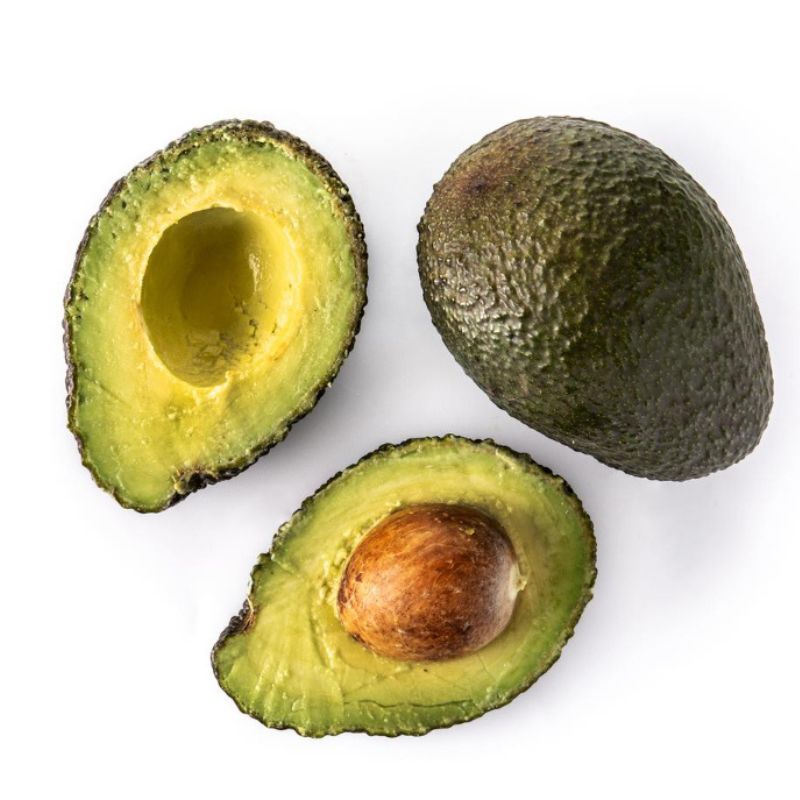
Pomegranates, avocados, tomatoes, and figs belong to a unique group of “other” vegetables beneficial for gut health and managing Candida. Pomegranates are rich in antioxidants and fibre, supporting a healthy gut microbiome.
Avocados provide healthy fats and fibre, aiding digestion. Tomatoes, with their lycopene and fibre content, reduce inflammation. Figs are high in fibre, promoting regular bowel movements and nourishing good gut bacteria – but they are also high in sugar so you’ll need to be cautious. Including these fruits can improve gut health and help us with Candida and other gut problems.
We have not found problems with avocados with patients with any health complaint, and recommend them for individuals with Candida overgrowth and other issues involving the gut. Pomegranates have shown to have antifungal activity against several species of Candida. (da Silva et al., 2018). Tomatoes are fine to eat, but hold the figs until your gut improves.
Fruit And Microbiome Health
Intestinal gas can be a source of embarrassment, but can also underpin more underlying serious symptoms in some people, and may need further investigation if no cause (often some sugar) can be found. The most common micro-organisms (gut bacteria) that cause intestinal gas include Bacteroides, Ruminococcus, Roseburia, Clostridium, Eubacterium, Desulfovibrio, and Methanobrevibacter bacteria.
You’ll find that pulses (chick peas, lentils, dry beans, peas), vegetables, fruits, grains, and lactose (from dairy products) are foods most linked to intestinal gas production. These meals are high in non-digestible carbs, such as fructans, polyols, oligosaccharides of the raffinose family, and, for those who are sensitive, lactose.
The bacteria in our colon (large intestine) digest these carbohydrates and then create the gas through fermentation. Remember – it may not be fruit in your diet that’s causing the problem with regards to bloating or gas. Could it be something else you are eating? Have a think about it.
I’ve found that patients would sometimes come into our clinic and report excessive flatulence or gas to be a big problem. Gas is often associated with abdominal complaints such as constipation, bloating, abdominal pain or cramping, and the excessive passage of gas, at times tremendous amounts. Excessive gas for some can be source of embarrassment, even creating social problems. This cluster of gut complaints is often synonymous with IBS, irritable bowel syndrome.

Intestinal Gas Study
An interesting study was published quite recently with respect to intestinal gas production by our gut microbiota. (Mutuyemungu et al., 2023)
Many dietary fibre-rich foods are known to increase gas and flatulence. Pulses like chickpeas, lentils, dry beans, and peas, as well as vegetables, fruits, grains, and lactose from dairy products, are commonly linked to intestinal gas production. So before you declare fruit off-limits due to gas, what else are you eating that may be causing it? Have you checked?
Flatulence can also be accompanied by symptoms such as bloating, cramping, and abdominal pain. The predominant gases produced by our gut microbiome include hydrogen, carbon dioxide, and methane, with hydrogen often found in excess in irritable bowel syndrome (IBS) cases (King et al., 1998).
The two main bacterial groups responsible for gas production are Bacteroidetes and Firmicutes, which together constitute over 90% of our gut microbiota. The gases produced are influenced by an individual’s diet and the composition of their gut microbiota.
Fruits Help Build Gut Microbiome Health
Over the last ten years, research has validated that adopting a diet rich in fruit and vegetables can have a profound effect on our health and wellbeing. This is mainly due to the positive effect that fruit and vegetables have on our gut microbiota, including the production of metabolites such as SFCAs (short chained fatty acids).
The fermentation of dietary fibre found in fruits results in the production of short-chain fatty acids (SCFAs) by our gut bacteria. SCFAs help promote good health by lowering our risk of IBD (inflammatory bowel disease), colon cancer, easing most digestive symptoms, encouraging healthy weight, improving blood sugar regulation, and providing countless other health advantages.
Some of the best foods to increase SFCAs include citrus fruits, avocados, apples, oats, legumes, and green beans, all foods high in fibre.
Fruit and Vegetables Build Faecalibacterium Prausnitzii Levels

One of the most prevalent bacteria in a healthy gastrointestinal tract is Faecalibacterium prausnitzii (FP).
Faecalibacterium prausnitzii produces short-chain fatty acids (SCFAs) that have powerful anti-inflammatory effects. Low levels of FP are linked to conditions such as IBS, celiac disease, inflammatory bowel disease, and other types of gastrointestinal inflammation.
Current research suggests that switching to a plant-based diet may help increase the diversity of health- promoting bacteria in the gut, including high levels of Faecalibacterium prausnitzii .(Sidhu et al., 2023)
On the other hand, an animal-based diets resulted in significantly lower levels of carbohydrate fermentation products and a higher concentration of amino acid fermentation products linked to bowel disease. (David et al., 2014)
Fruits contain a wide variety of bioactive ingredients that affect gut microbiota. While some of these substances can be directly absorbed into our gut, others undergo metabolism to become smaller, more readily absorbed molecules. Let’s first look at a few important studies regarding fruit and the gut.
By adding fruit to our diet, we help in the treatment and prevention of diseases, including immune system disorders and degenerative conditions. (Westfall et al., 2017).
Fruit is also helpful and important in re-structuring our gut microbiota composition, re-building gut microbiota dynamics, and controlling our gut microbiota (healthy & beneficial bacteria) equilibrium. (Jin et al., 2023)
Several past and present studies suggest that higher intakes of fruit and vegetables lead to both a reduction in proinflammatory mediators and an enhanced immune cell profile. (Banafshe et al., 2018)
Perhaps we shouldn’t be too hasty in deciding against fruit consumption when we have an infection or overgrowth of bacteria and fungi in our body. Recent studies have shown that various types of fruit have remarkable anti-properties when it comes to unwanted microbes like Candida or potentially pathogenic bacteria.
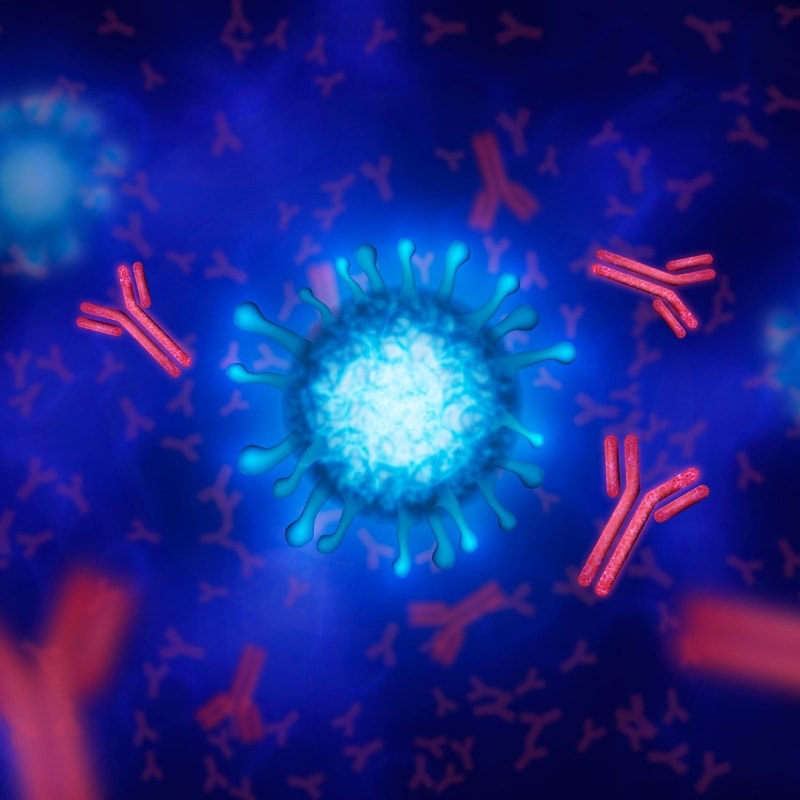
Fruits Have Anti-Microbial Properties
Did you know that many kinds of fruit are anti-microbial by nature? Along with an increased interest in our human microbiome, there has also been a rise in interest in plant phytochemicals derived from fruit as substitute approaches to treating infectious diseases caused by bacteria and fungi. (Santos et al., 2019)
Different fruits contain bioactive antibacterial and antioxidant molecules and are among of the most important of the functional components found in fruit extracts.
These compounds have a number of well-documented anti-bacterial processes, and we are learning more over time how their bio-activity can be used to treat and prevent infections in people.
Given that bacteria and fungi are becoming increasingly resistance to a active singular compounds, resistance when using fruit extracts as an antimicrobial drug substitute appears a sensible approach due to the much wider combination of active ingredients. (Suriyaprom et al., 2022)

Is Fructose Antifungal?
In order to thrive, Candida albicans produces a “tube” extending from its cells called a germ tube. The germ tube formation is a transition state from budding to hyphal cells, and represents an essential stage for Candida to produce disease. Studies show that fructose is metabolised in a different way from glucose for germ tube production by Candida albicans.
Overall, glucose had a stimulatory effect on Candida growth while fructose an inhibitory effect on the growth of Candida growth. Research found fructose intake, as part of diet food, as a sugar replacement agent in diabetes, may play a protective role against oral candidiasis. (Man et al., 2017)

Goji Berries Have Proven Anti-Fungal Activity
Some people think all dried fruits are out of the question with any kind of gut problem, especially with Candida yeast infection, SIBO, and other similar micro-organism overgrowth-related complex. I would like to argue, this is not always the case.
When researching fruits and Candida, I found an interesting study regarding Chinese goji berry and Candida, and found it to have incredible properties, besides being a prime anti-ageing herb in Chinese medicine dating back 2,000 years, it has shown to be an effective anti-fungal agent against Candida species. (Gao et al., 2017)
Research recently discovered that goji berry extracts contain the metabolites gallic acid, chlorogenic acid, catechin, sinapinic acid, rutin, and even carvacrol (found in oregano). When these metabolites were submitted to a wide biological screening, the combination was found to have anti-fungal activity against Candida albicans. (Mocan et al., 2019)
In a recent study conducted by (Cremonesi et al. 2022) New Zealand white rabbits fed a diet enriched with a small amount of goji berries they had enrichment of Ruminococcaceae, Lachnospiraceae, Lactobacillaceae, and the genus Lactobacillus, all considered to be beneficial bacteria, compared to a control group fed regular food and no goji berries.
Different animal and laboratory studies have found that dried goji berries (Lycium barbarum) can positively influence our gut microbiota and intestinal barrier function, thereby reducing and preventing the occurrence of many gut-related diseases. (Gao et al., 2017)
In one study involving mice, supplementing the diet with dried goji berries enhanced the growth of many beneficial bacteria (including Verrucomicrobia, Bacteroidetes, Anaerotruncus, Coprococcus, Ruminococcaceae, and Akkermansia), while suppressing the growth of unwanted or harmful bacteria (Firmicutes, Helicobacter, Bacteroides, and Mucispirillum). (Tian et al., 2020)
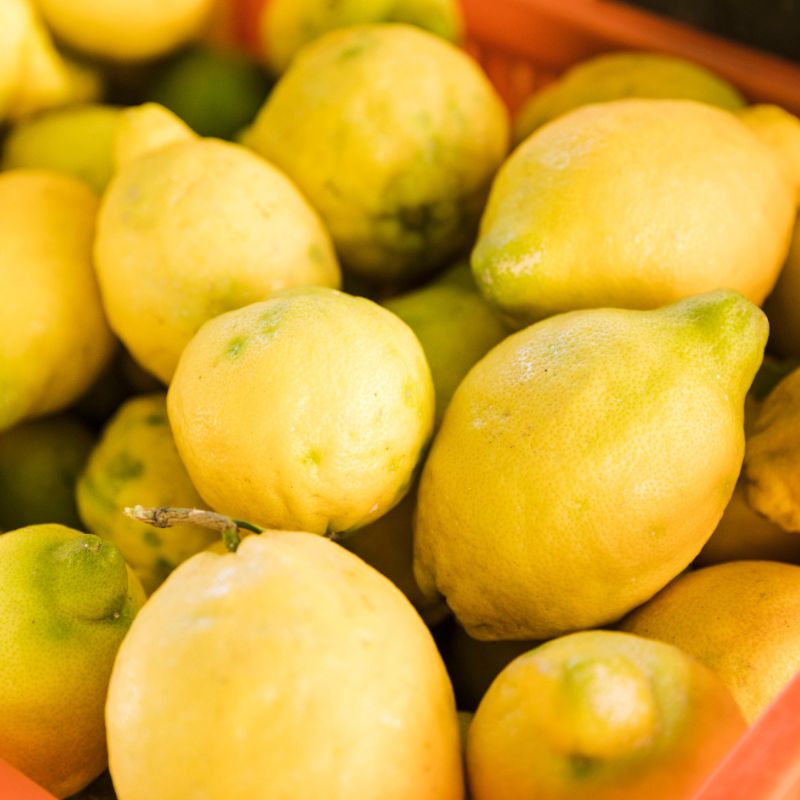
Lemon is Alkalising, Anti-Fungal and Anti-Bacterial
Did you know that lemon and lime juice is considered both alkalising and anti-fungal by nature? These juices are acid outside the body, but once consumed the body renders them alkaline and as such are considered alkaline fruits.
Most all fruits are alkaline by nature but many contain sugars and are best left well alone until Candida, SIBO, or gut issue improves considerably.
An older study found lemon oil to be very effective as an anti-fungal agent against several strains of candida. (Białoń et al., 2014) Whereas a more recent study found fresh lemon peel top exhibit a high anti-fungal activity. (Abdu et al., 2021)
A further study discovered both anti-bacterial and anti-fungal activity of citrus essential oils against multiple pathogenic bacteria and Candida strains (Mancuso et al., 2019)

Fruits Can Help Inflammatory Bowel Disease (IBD)
An interesting study was published just recently with emphasis on the value of traditional knowledge for treating health problems with fruit, with an emphasis on inflammatory bowel disease (IBD).
The author’s goal is to present interesting about 36 edible fruit species from ten families traditionally employed as medicine to both prevent and treat IBD.
The study gathered information from reliable sources, and reviewed a large body of literature published between 2001 and 2022, and concludes that extracts from edible fruits may provide supplemental or alternative treatment for people with IBD.

Candida Cleanse
If you are looking how to plan the best food to eat and foods to avoid during your Candida diet, check out our Candida Cleanse treatment plans.
There is no charge for any of our plans or information, it’s all free!

Eric Bakker N.D.
Greetings! I am a naturopathic physician from New Zealand. Although I’ve retired from clinical practice since 2019 after 34 years of clinic. I remain passionate about helping people improve their lives. You’ll find I’m active online with a focus on natural health and wellbeing education through my Facebook page, Reddit page and YouTube channel, including this website.


