

Is Eating Meat Bad for Our Health?
Eating meat is not necessarily “bad” for our health, but moderating meat consumption is important for health, environmental, and ethical reasons. Firstly, high intake of red and processed meats has been associated with increased risks for many chronic diseases. Secondly, the environmental impact of eating meat is significant and multifaceted, affecting greenhouse gas emissions, water usage, deforestation, biodiversity, and soil quality.
And thirdly, the ethics of eating meat is a complex and nuanced issue, and perspectives vary widely depending on philosophical, cultural, environmental, and personal considerations. We’ll discuss these issues and more in this comprehensive blog post.
Many people ask whether eating meat is compatible with a Candida Cleanse, given the conflicting information available. Some vegetarian and vegan resources warn against meat, while many paleo advocates caution against plant-based diets.
In this sea of opinions, it can be challenging to discern your own personal best approach. Some websites claim that meat produces ammonia, which supposedly raises body pH and encourages Candida growth, but this is not supported by any studies or research and therefore considered unscientific.
Let’s first look at some of the benefits of eating red meat and then consider why it is a good idea to moderate our meat consumption. The first question is: “Can I eat meat on a Candida diet or cleanse?

Meat And The Candida Cleanse
When planning a Candida cleanse or diet, it’s essential to focus on cultivating a healthy balance of bacteria and yeast in the gut, rather than solely aiming to eliminate Candida. Including a variety of foods—such as lean meats, vegetables, and fruits—can provide an array of nutrients to support overall health. Some misconceptions linger, however, such as the belief that “meat is too acidic” for a Candida cleanse.
In reality, the acidity or alkalinity of one’s diet has little effect on Candida growth. Research shows that Candida can adapt its environment and adjust its surrounding pH from 4 to above 7 within 12 hours, regardless of dietary changes (Vylkova et al., 2011). This adaptability means that restrictive dietary choices aimed solely at lowering acidity are unlikely to control Candida levels effectively.
Here are some key points to consider:
Supporting Gut Health with Food Choices
To foster a gut-friendly environment, aim for a balanced intake of nutrient-rich foods that enhance digestion and support beneficial bacteria:
There is no single “right” or “wrong” food choice—only what’s right for your gut. Ultimately, a balanced and flexible approach that considers your body’s needs, ethical preferences, and health goals is the key to building a diet that truly supports your well-being. In summary, focusing on a balanced, nutrient-rich diet with a variety of food sources—rather than restricting certain foods is likely more beneficial for gut health and effective for overall wellness.
Let’s take a look at the health benefits of meat:
Health Benefit of Red Meat
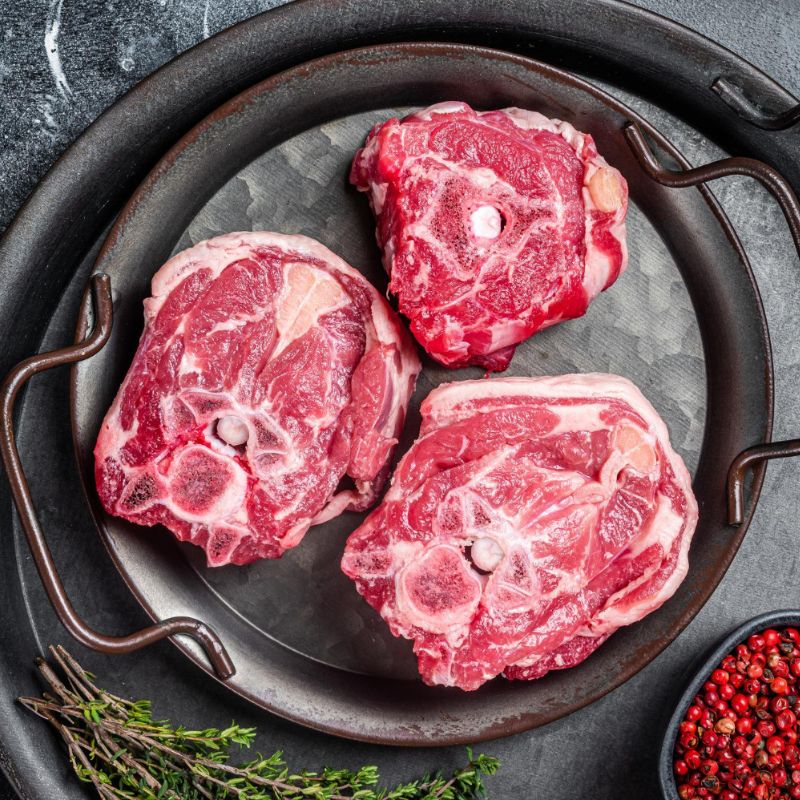
While red meat is often discussed in terms of its risks, it also offers several valuable health benefits when eaten in moderation. Red meat is an excellent source of high-quality protein, essential for muscle repair and immune health, and it provides heme iron, a form of iron that is particularly well-absorbed by the body and supports oxygen transport in the blood.
Additionally, red meat is a good source of zinc, which plays a role in immune function, and vitamin B12, essential for nerve health and the production of red blood cells. While red meat is not the only way to obtain these nutrients, it remains a concentrated and bioavailable source of them.
Key Nutrients and Benefits of Red Meat:
For those seeking alternative sources of these nutrients, options include poultry, seafood, and plant-based proteins such as legumes and tofu. A balanced approach, incorporating a variety of protein sources, can help minimise risks while retaining the nutritional benefits.
But what about the accepted health-guidelines around eating meat? Let’s talk about this now!
Red and Processed Meat: Health Guidelines

Limiting red and processed meat can support overall health, particularly in lowering the risk of different types of cancer, such as colon and rectal cancer.
Evidence shows that while red meat—such as beef, pork, and lamb—provides key nutrients like protein, iron, zinc, and vitamin B12, it’s beneficial to keep portions moderate to balance these advantages with potential health risks.
What Counts as Red and Processed Meat?
Dietary Recommendations
Practical Alternatives and Nutritional Balance
Choosing lean cuts of red meat and considering alternatives like poultry, fish, eggs, and dairy can help diversify protein sources. Plant-based diets rich in legumes, grains, and a variety of vegetables can also provide sufficient protein, iron, and other nutrients, supporting a balanced diet even without meat.
The Power of a Plant-Based Diet for Cancer Prevention
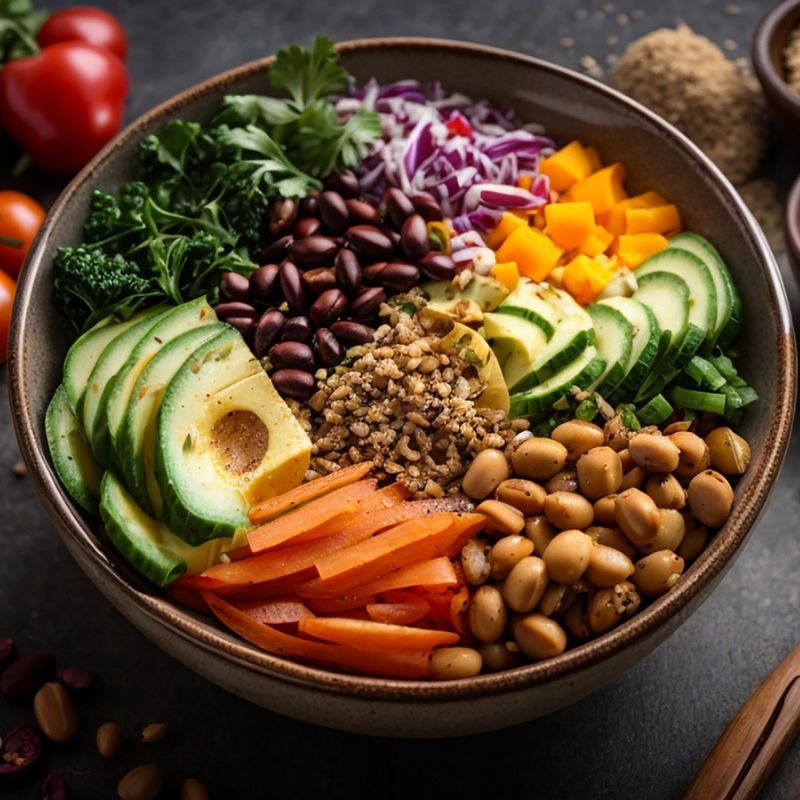
A plant-based diet is widely regarded as the most effective approach for cancer prevention, focusing on filling two-thirds of your plate with whole grains, vegetables, fruits, beans, nuts, and seeds (Viroli et al., 2023).
The remaining one-third can include lean proteins such as chicken, fish, or plant-based alternatives, while allowing for up to 8 ounces of red meat per week. It’s advisable to limit processed meats and alcohol to further reduce health risks.
In addition to cancer prevention, a plant-based diet contributes to a lower risk of heart disease and helps mitigate various health issues, including digestive problems, obesity, hypertension, high cholesterol, and elevated blood sugar levels. Adopting a nutritious diet offers significant benefits in lowering the risk of major diseases while enhancing overall quality of life (Capodici et al., 2024).

Why It’s Best to Eat Meat in Moderation
If you’re aiming for long-term gut health and overall well-being, eating meat in moderation is a smart approach. While meat is a valued protein source, particularly in Western diets, it isn’t essential for meeting our protein needs, and many of us eat too much meat. In high-income countries, average meat consumption is around 200–250 grams per day—nearly triple the United Nations’ recommendations (Miller et al., 2022).
In fact, studies show that high consumption of red and processed meats is linked to microbiome imbalances and an increased risk of various diseases, including heart disease, cancer, and even cognitive decline. (Conlon et al., 2014), (Diakité 2022).
Experts suggest that transitioning from a meat-heavy diet to a plant-based diet or balanced approach could not only prevent millions of premature deaths annually but also reduce healthcare costs and environmental damages on a massive scale. (Rust et al., 2020). But meat production just continues to climb. Incorporating more plant-based proteins while limiting red and processed meats can help improve health outcomes and reduce ecological strain. This shift would also help mitigate climate change, saving over a trillion dollars in related damages .
There are compelling reasons to reduce meat intake, particularly red and processed meats, due to their health and environmental impacts. Unlike fish or lean white meats, red meats like beef, pork, and lamb have a more significant environmental footprint and are often associated with higher risks of chronic diseases (González et al., 2020).
By prioritising plant-based proteins and sustainably sourced meats, we can achieve a more balanced diet that supports both personal and planetary health.

Red Meats Cooked At High Temperatures
Cooking meat at high temperatures creates two primary carcinogenic compounds: heterocyclic amines (HCAs) and polycyclic aromatic hydrocarbons (PAHs), both of which are linked to an increased risk of various cancers. Heterocyclic amines and polycyclic aromatic hydrocarbons are chemical compounds that form in muscle meats, including beef, pork, fish, and poultry, when cooked at sustained high temperatures.
Impact on Health
HCAs and PAHs are both strongly linked to cancers of organs connected to the digestive and waste-processing systems, including the colon, rectum, pancreas, kidney, and bladder.
These organs are susceptible to these toxic compounds because they encounter them directly during digestion and waste excretion. Additionally, some studies have suggested a link between these toxins and breast cancer due to their potential for DNA damage and hormone disruption. When the body cannot efficiently detoxify and eliminate these compounds, the risk of cellular damage and tumour formation increases, particularly in organs that handle waste. Now you can see why colon, rectum, pancreas, kidney, and bladder cancers are so prevalent.
Here’s a closer examination of these compounds, their effects, and ways to minimise exposure:
Protective Measures to Reduce HCAs and PAHs
To enjoy meat while lowering cancer risk, consider these practical cooking adjustments:
Summary
While it isn’t necessary to eliminate grilled or seared meats entirely, moderating their frequency and adjusting cooking practices can effectively lower the intake of carcinogenic HCAs and PAHs.
Key Health Reasons to Moderate Meat Consumption
Here are a few of the many health reasons to cut-back and moderate on meat consumption:
By making mindful choices and incorporating more plant-based options, we can enjoy the benefits of a balanced diet while reducing the potential health and environmental risks associated with excessive meat consumption.
Environmental Reasons to Moderate Meat Consumption

Environmental Impact Of Meat Eating
The environmental impact of eating meat is significant and multifaceted, with consequences that extend across greenhouse gas emissions, water usage, deforestation, biodiversity, and soil quality. One of the most significant reasons for moderating meat consumption is its environmental impact.
Meat production is resource-intensive, requiring large amounts of water, land, and feed, and contributing substantially to greenhouse gas emissions. Studies indicate that reducing meat intake, especially from livestock like cattle, can lower one’s carbon footprint and alleviate pressures on natural resources
Deforestation is another critical issue linked to meat production, as forests are often cleared to make way for grazing lands or to cultivate feed crops like soy. This loss of forested land diminishes biodiversity, threatening numerous plant and animal species that depend on these ecosystems.
Additionally, intensive livestock farming practices can degrade soil quality, stripping it of essential nutrients and leading to erosion, which reduces the land’s future productivity and impacts local ecosystems. Altogether, these factors contribute to a complex environmental footprint that underscores the need for more sustainable approaches to food production and consumption.
Large-scale animal farming has a considerable environmental footprint, contributing to deforestation, greenhouse gas emissions, and water depletion. Reducing meat intake can help lessen our environmental impact and promote sustainability (Espinosa-Marrón et al., 2022).
Here are 5 key areas of concern when it comes to meat consumption and our environment:
Greenhouse Gas Emissions
Livestock production is a major contributor to greenhouse gases, especially methane and nitrous oxide. Methane, released by ruminants (e.g., cows, sheep) through digestion, is particularly potent, trapping heat at a rate over 25 times that of CO₂. Xu (2021) found that producing meat accounts for 57% of all food production-related emissions, with beef alone contributing a quarter of emissions within the sector.
Water Usage
Meat production is highly water-intensive compared to plant-based foods. Producing one kilogram of beef, for example, requires an estimated 15,000 liters of water, whereas many plant-based foods require significantly less. Water scarcity, already a pressing issue worldwide, is exacerbated by this heavy demand from meat production, impacting freshwater resources and ecosystems. (Michel 2023).
Deforestation and Habitat Loss
Livestock farming is a primary driver of deforestation, especially in regions like the Amazon rainforest, where vast areas are cleared to create pastures or to grow feed crops like soy. This not only leads to carbon emissions from the loss of trees but also diminishes biodiversity and disrupts the balance of local ecosystems. (Ritchie 2024).
Soil Degradation and Pollution
Overgrazing by livestock can degrade soil quality, leading to erosion and desertification. Additionally, runoff from animal waste and fertilisers used on animal feed crops can contaminate soil and water bodies, leading to problems like algal blooms and “dead zones” in oceans, which severely impact marine life. (National Ocean Service)
Biodiversity Loss
The land conversion required for meat production, along with pollution and resource overuse, contributes significantly to biodiversity loss. Species are displaced or endangered as forests and natural habitats are cleared for grazing or feed production, altering the balance of ecosystems and reducing resilience to climate change (Petersen 2024).
These environmental impacts have prompted calls for dietary shifts toward plant-based or lower-meat diets, which have been shown to reduce greenhouse gas emissions, conserve water, protect biodiversity, and support a more sustainable agricultural system.

How To Eat Meat Sustainably
Eating meat sustainably involves mindful choices that balance personal nutrition with environmental impact. While completely avoiding meat can reduce greenhouse gas emissions, sustainable meat consumption can also help reduce environmental harm.
Here are some practical tips for making meat part of an eco-friendly diet:
Choose Grass-Fed and Pasture-Raised Meats
Look for labels that indicate grass-fed or pasture-raised, as these animals typically live in healthier ecosystems and contribute to soil health through grazing.
While grass-fed animals may produce slightly more methane than those from concentrated animal feeding operations (CAFOs), their environmental footprint is often smaller overall due to the reduced need for grain .and synthetic feed. (Broocks et al., 2017)
Support Local Farm with Meat Shares
Some local farms offer meat shares, allowing you to invest in packages of sustainably raised meat to pick up regularly. Supporting local, smaller-scale farms reduces the carbon footprint associated with transport and provides transparency in farming practices. (Ritchie 2020).
Reduce How Much Meat You Eat
Smaller portions help reduce the overall demand for meat. Consider using meat as a garnish or flavouring in meals that otherwise feature vegetables, grains, and legumes. Stir-fries, salads, and soups can showcase plants as the main ingredients, with small meat portions adding flavor.
Have Meat-Free Days
Rather than cutting out meat abruptly, gradually reduce your intake. Try Meat-free Monday, plant-based lunches, or limiting meat to one meal a day. This flexible approach allows you to adjust at your own pace, easing the transition to a lower-meat diet.
Stretch One Serving of Meat Across Multiple Dishes
Use small amounts of meat across several recipes. For instance, one pound of ground beef can be spread across burgers, tacos, and stews. Mixing beans, grains, or vegetables with meat in dishes like chili or burgers helps bulk-up a meal and reduce the amount of meat needed.
Explore Plant Proteins
To make reducing meat easier, focus on adding plant foods to your meals rather than simply removing meat. Explore new ingredients like tofu, lentils, chia seeds, chickpeas, and many kinds of beans. Experimenting with recipes such as lentil dal, grain bowls, mixed-salads, or bean-based chilis can provide variety and satisfy cravings.
The Ethics of Eating Meat

The ethics of eating meat is a complex and nuanced issue, and perspectives vary widely depending on philosophical, cultural, environmental, and personal considerations.
Here are some of the main arguments for and against the ethicality of consuming meat, along with considerations that often shape people’s views on the topic:
Arguments for the Ethical Consumption of Meat
Arguments Against the Ethical Consumption of Meat
Middle Ground Recommendations
5 Core Reasons We Need To Reduce Meat In Our Diet
- The environmental impact is far too great
- It requires too much water, land, and grain feed
- It hurts poor nations
- It causes a lot of animal suffering
- Meat can make us sick
Moderate Meat Consumption Summary
The ethics of eating meat is deeply personal and context-dependent. While some argue that ethical meat consumption is possible with conscious choices around sourcing, others believe that true ethical alignment requires abstaining from meat altogether.
Advances in food technology and changing cultural attitudes continue to shape this debate, with a growing awareness of animal welfare and environmental impacts prompting many to reevaluate their choices around meat consumption.

Eric Bakker N.D.
Greetings! I am a naturopathic physician from New Zealand. Although I’ve retired from clinical practice since 2019 after 34 years of clinic. I remain passionate about helping people improve their lives. You’ll find I’m active online with a focus on natural health and wellbeing education through my Facebook page, Reddit page and YouTube channel, including this website.