

What Are Vegetables?
Vegetables are among the most nutrient-dense and beneficial foods we can include in our diet, whether we’re recovering from a digestive issue or striving to maintain excellent health. They are essential for their profound ability to support overall well-being and, in particular, to aid in the recovery and maintenance of a healthy digestive system.
All conditions such as IBS, Candida overgrowth, SIBO, or even inflammatory bowel diseases (IBD) can greatly benefit from a diet rich in vegetables.
Vegetables Nourish Our Gut Microbiome
The power of vegetables lies in their natural ability to nourish and balance the gut microbiome. When consumed daily, fresh vegetables provide the body with a wealth of vitamins, minerals, fiber, antioxidants, and other plant compounds essential for optimal function. This dietary abundance doesn’t rely on magic—it’s simply the incredible synergy of nature at work.
By incorporating a wide variety of vegetables into your meals, you’re giving your body the tools it needs to repair, rebuild, and thrive. Their diverse flavours and textures make them not only a cornerstone of digestive health but also a versatile and enjoyable part of a healthy, balanced diet. On this page we look at the health benefits of vegetables of vegetables and talk about the different types.

The Protective Power Of Fruit and Vegetables
Modern nutrition research underscores the significant health benefits of a diet rich in fruits and vegetables. These foods offer substantial protection against gut diseases and help guard against chronic conditions such as heart disease and diabetes.
The protective effects of fruits and vegetables are supported by several mechanisms. Fruits and vegetables are rich in essential nutrients like vitamins, minerals, and antioxidants, which contribute to overall health. Dietary fibre, a key component, is particularly important for maintaining a healthy gut microbiota.
Article of Interest: Fruits
Only 1 in 10 of Us Eat Enough Vegetables and Fruit

Are you eating multiple servings of vegetables and a few pieces of fruit each day? Unfortunately, research shows that most of us fall short.
Over the years, I’ve found that many people fail to recognise the crucial link between their diet, gut health, and overall health and well-being. Shockingly, I found most patients only make meaningful dietary changes after receiving a chronic disease diagnosis—something that could often be avoided with earlier intervention.
According to the CDC, in 2019, only 1 in 10 adults in the United States met the daily fruit and vegetable intake recommendations. This isn’t just a missed opportunity; it’s a significant contributor to premature aging and chronic disease.
Grow Some Food Of Your Own
One of my main goals with this website is: a): to inspire you to eat more vegetables and fruit—and, b): if possible, to try growing some of your own vegetables and fruits. Gardening has been a deeply rewarding experience for my family, and I believe it can be for you too. It’s an area I want to expand on in future, and share with you what we grow and what we do with all our produce.
How Much Vegetables and Fruit Should We Eat?
The 2015–2020 Dietary Guidelines for Americans recommend that adults consume:
Meeting these recommendations is linked to reduced risks of cardiovascular disease, type 2 diabetes, obesity, and many types of cancer. Yet, studies show that meeting vegetable intake goals is most common among women (10.9%), people over 50 (10.9%), and those in higher income brackets (11.4%) (Lee-Kwan et al., 2017).

Why Fresh Vegetables and Fruits Are Essential
A diet rich in fresh, whole plant foods has an extraordinary impact on health, largely thanks to the interaction between plant compounds and our gut microbiome (Armet et al., 2022).
Polyphenols, fibre, and oligosaccharides found in vegetables fuel beneficial gut bacteria (Van Der Merwe 2020), which in turn:
Vegetables have been shown to:
Fruits and Vegetables: A Path to Healthier Weight
Beyond their ability to prevent chronic disease, fruits and vegetables are a key ally in weight management. Studies show that increasing plant intake boosts gut microbiota diversity, enhances metabolic health, and can even reverse metabolic syndrome (Sidhu et al., 2023).
Tailoring Your Vegetable Intake for Gut Health
If you have chronic gut issues like Candida, IBS, IBD, or SIBO, you may need to adjust your vegetable intake. The prebiotic effect of fruits and vegetables also helps regulate intestinal flora, making them valuable in preventing and improving many diseases (Yu et al., 2022).
Starchy root vegetables or nightshade vegetables might not work well for everyone. However, it’s rarely a good idea to avoid entire vegetable groups without careful consideration. The key is finding a balance that works for your unique digestive needs.
Key Take-Away
By making vegetables and fruits a priority in your diet, you can significantly improve your health and well-being—one meal at a time.

The 7 Main Types Of Vegetables
There are at least seven groups of fruits and vegetables, each containing hundreds of plant compounds. These compounds vary in their benefits, but all contribute to overall health. Eating a variety ensures you’re reaping the full range of nutrients and protective compounds that nature has to offer.
Vegetables are an essential component of a balanced diet and have been classified in various ways for centuries. I like to categorise them based on their botanical characteristics, nutritional content, and their culinary and medicinal uses in the kitchen.
Interestingly, some vegetables can fit into more than one category. For example, cruciferous vegetables such as broccoli, Bok choy, and cauliflower are not only classified as brassica vegetables but can also be considered green leafy vegetables. Below is a breakdown of seven key vegetable categories, along with their unique benefits and examples. This classification may help you better understand the diversity of vegetables and how to incorporate them into your diet.
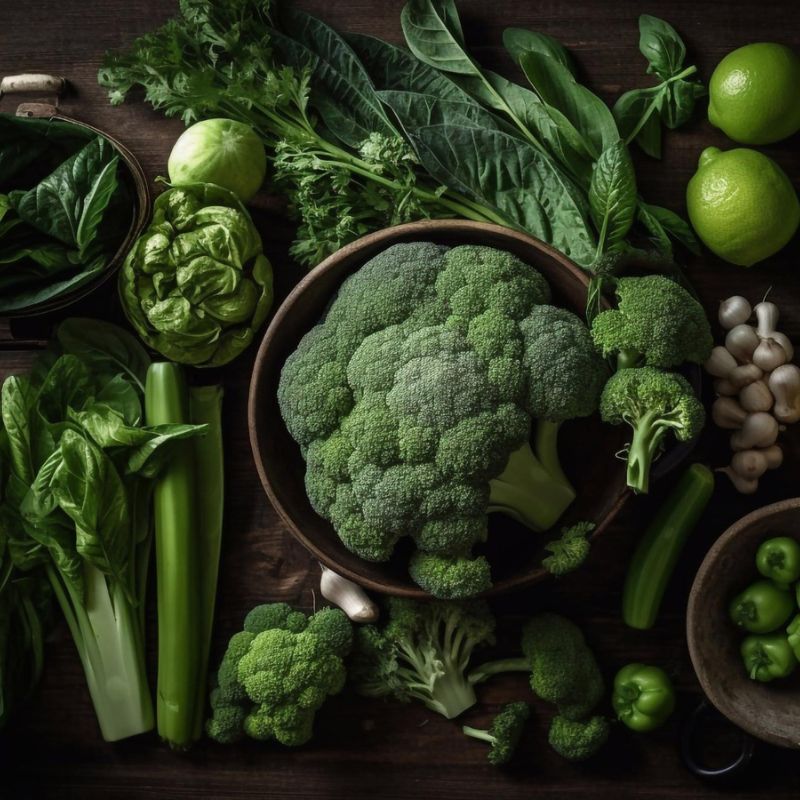
1. Green Leafy Vegetables (GLVs)
Examples: Lettuce, spinach, silver beet, celery, asparagus.
Green leafy vegetables are packed with vitamins (like A, C, and K), minerals (iron and calcium), and dietary fibre.
They are especially beneficial for gut health, as their high fibre content serves as food for beneficial gut bacteria.
Incorporating a variety of GLVs into your meals—whether raw in salads, sautéed, or added to soups—can boost your microbiome diversity, leading to greater health resilience.

2. Cruciferous Vegetables (Brassica)
Examples: Cabbage, cauliflower, Brussels sprouts, broccoli.
Cruciferous vegetables are renowned for their detoxifying properties, thanks to sulfur-containing compounds called glucosinolates.
These vegetables are particularly supportive of liver health and may play a role in reducing inflammation and protecting against certain cancers. Steamed, roasted, or fermented, cruciferous veggies add flavor and a nutritional punch to any dish.
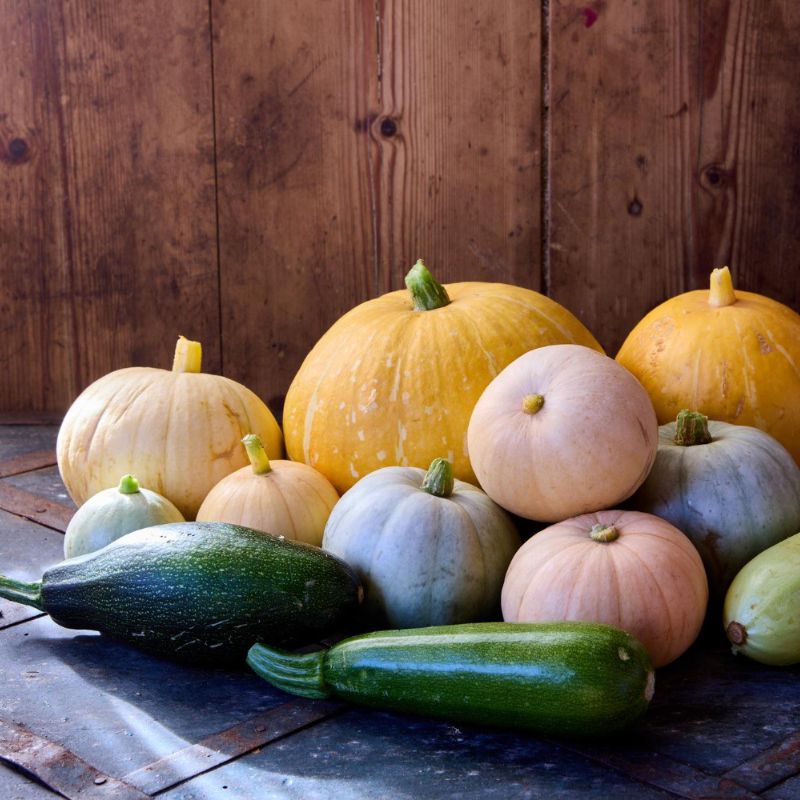
3. Gourd Vegetables (Cucurbitaceae)
Examples: Squash, zucchini, cucumber, melons, watermelons, pumpkin.
Gourd vegetables are versatile and hydrating, often containing high water content.
Cucumbers and melons are refreshing in salads or as snacks, while pumpkins and squash are nutrient-dense sources of beta-carotene and other antioxidants. These vegetables can be used in both savory dishes and desserts, making them incredibly adaptable.

4. Root Vegetables
Examples: Celeriac, parsnip, carrots, radishes.
Root vegetables are nutrient-dense powerhouses, providing complex carbohydrates, fiber, and a variety of vitamins such as vitamin C and potassium.
They are particularly grounding and sustaining, making them ideal for colder months. Roast them for a comforting meal, or enjoy them raw for a crisp and refreshing snack.

5. Tuber Vegetables
Examples: Sweet potato, yam, cassava.
Tuber vegetables are rich in energy-boosting carbohydrates and provide an excellent source of dietary fiber, vitamins (such as B6), and minerals like manganese.
Sweet potatoes, for instance, are rich in beta-carotene, which supports eye health and immune function. These starchy vegetables are perfect for roasting, mashing, or baking.
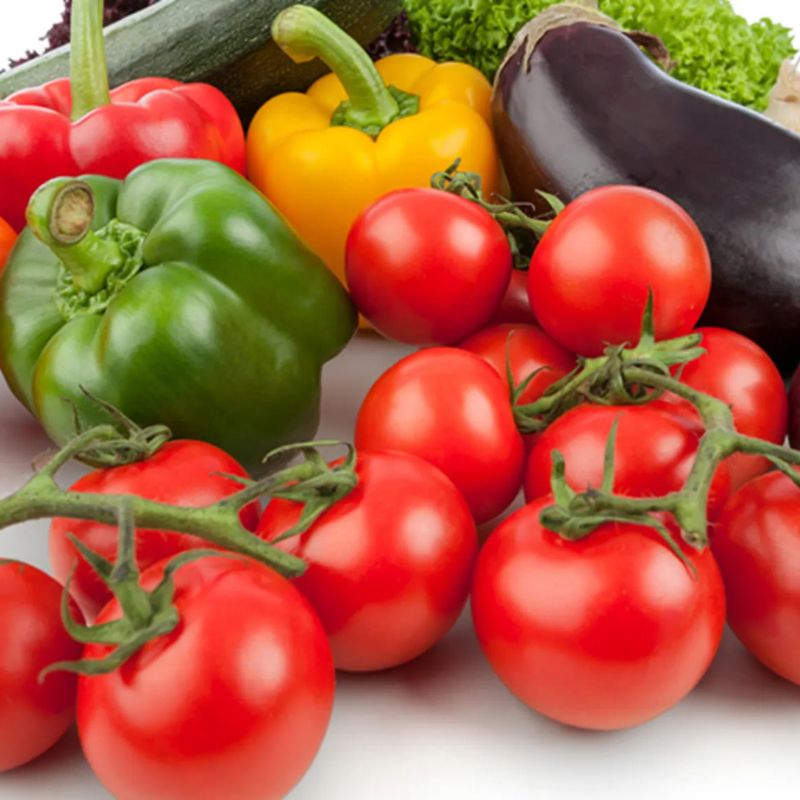
6. Nightshade Vegetables (Solanaceae)
Examples: Potato, tomato, eggplant, chilli, capsicum (bell peppers).
Nightshade vegetables are quite tasty and offer a range of nutrients, including vitamin C, potassium, and antioxidants like lycopene (in tomatoes).
However, some individuals with sensitivities may need to limit nightshade consumption, as these vegetables contain alkaloids that can trigger inflammation in certain cases. Despite this, nightshade vegetables are a staple in many cuisines worldwide, especially the Mediterranean region.

7. Bulb Vegetables (Allium)
Examples: Red onion, brown onion, leek, garlic, shallots.
Bulb vegetables are known for their potent anti-inflammatory and antimicrobial properties, largely due to sulfur compounds like allicin found in garlic.
These vegetables not only enhance the flavor of dishes but also support immune function, cardiovascular health, and gut health. Bulbs can be eaten raw, roasted, or sautéed to bring out their natural sweetness.
Variety Is The Key
This list represents just a fraction of the diversity of vegetables available worldwide. Regional and specialty vegetables often found in local markets can provide unique flavours, textures, and nutritional benefits. Eating a broad spectrum of vegetables contributes to a more diverse microbiome, which is crucial for maintaining overall health and building resilience against disease.
Vegetables can be prepared in countless ways, from raw salads to baked, broiled, or sautéed dishes. By experimenting with these categories and exploring unfamiliar vegetables, you can enhance both your culinary skills and your health.
Article Of Interest: Diet Diversity
Tips to Increase Diet Variety:
It’s well known that eating a varied diet is key to overall health, but the reasons behind it may be less clear. Variety in your diet is more than just including a range of foods; it ensures a broad intake of essential nutrients, supports gut health, and may even help prevent chronic diseases.
Key Take-Away

A Rainbow of Colours: The Power of Vibrant Vegetables
Vegetables are an essential component of a balanced diet and have been classified in various ways for centuries. I like to categorise them based on their botanical characteristics, nutritional content, and their culinary and medicinal uses in the kitchen.
Interestingly, some vegetables can fit into more than one category. For example, cruciferous vegetables such as broccoli, Bok choy, and cauliflower are not only classified as brassica vegetables but can also be considered green leafy vegetables.
Below is a breakdown of seven key vegetable categories, along with their unique benefits and examples. This classification will help you better understand the diversity of vegetables and how to incorporate them into your diet.
Vegetables, with their stunning array of colours, are often called “rainbow vegetables” for a good reason. Their brilliant pigments not only make your meals visually appealing but also signify the presence of specific phytonutrients that promote health.
Each colour group offers unique vitamins, minerals, antioxidants, and phytochemicals that benefit various aspects of your body.
To maximise these benefits, aim to eat a rainbow of colourful fruits and vegetables daily. Let’s explore the main vegetable colour groups and their health-boosting properties:
Red Vegetables
Orange and Yellow Vegetables
Green Vegetables
Blue and Purple Vegetables
White or Tan Vegetables
Key Takeaway: Eating a wide variety of colourful vegetables every day ensures you get a full spectrum of nutrients to support your overall health. Let your plate be your palette—fill it with vibrant, nourishing foods!
Eric’s Tips When Selecting Vegetables and Fruits
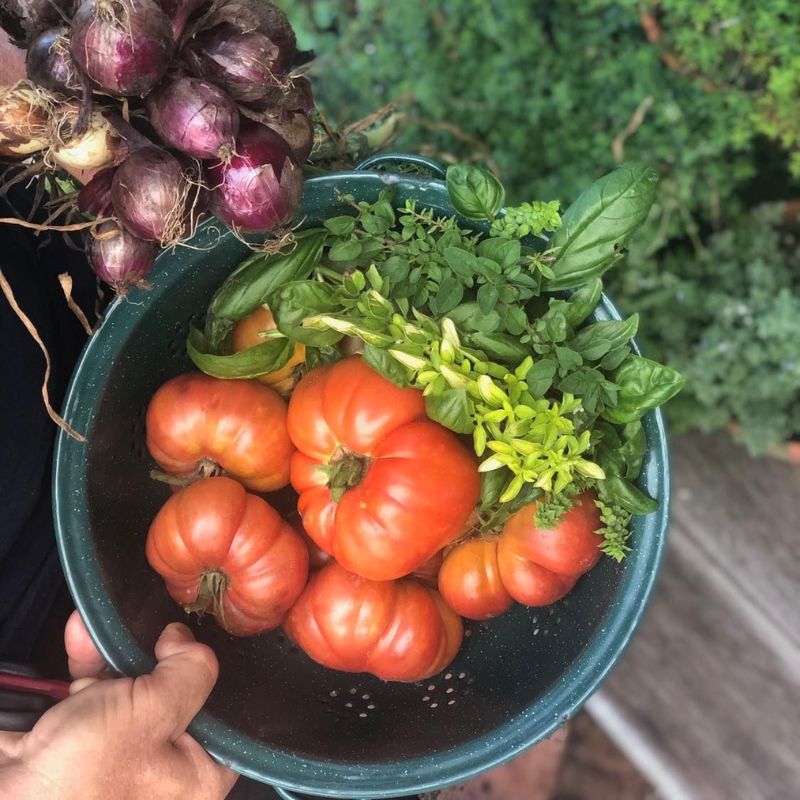
10 Tips for Maximum Freshness and Nutrition
To boost your nutrient intake and add visual appeal to your meals, buy and serve a variety of fruits and vegetables. Always prioritize freshness and quality, and select produce that’s in season for the best taste and nutrition.
Here are some practical tips to help you choose and buy vegetables wisely:
Pay Attention to Firmness and Colour
Support Local Growers or Farmers’ Markets
Look Underneath for Fresh Stock
Don’t Rely on Smell for Vegetables
Eat with the Seasons
Caution with Pre-Packaged Vegetables
Explore New Varieties
Let Colours Guide You
Keep Your Fridge Clean and Organised
Consume Within a Reasonable Timeframe
Fresh, high-quality produce makes a world of difference in your meals and overall health. By following these tips, you’ll enjoy the best flavours, textures, and nutritional benefits fruits and vegetables have to offer. Make every shopping trip count!
Look Out for These Specifics When Choosing Vegetables
When you’re in the produce aisle, selecting fresh vegetables with confidence can be easy if you know what to look for. Here are specific tips to help you pick the freshest, most vibrant produce every time:
Bell Peppers
Broccoli and Cauliflower
Corn
Leafy Greens
Root Vegetables
Gourd Vegetables
By following these tips, you can confidently select vegetables that are not only fresh and nutritious but also visually appealing for your meals.
Eating More Vegetables – Here’s 4 Easy Steps
Over the years, I’ve worked with many patients to help them overcome their struggles with eating more vegetables. Interestingly, fruits were rarely the issue—likely because their natural sweetness makes them more appealing. It’s much easier to enjoy a juicy slice of watermelon on a hot day than to sit down to a plate of steamed kale.
For those who find vegetables less enticing, I’ve developed a few strategies that might make the transition easier. One of the first things to do is to let go of the traditional mindset that your plate needs to consist of meat and three standard vegetables. Instead, experiment with different ways of incorporating vegetables into your meals and explore the variety they offer.
A great starting point is to try a mix of raw, lightly cooked, and fully cooked vegetables. This variety not only adds texture and flavour to your meals but also ensures a broader range of nutrients. One of my favourite approaches is incorporating Asian-style cooking, particularly stir-frying with a Mediterranean twist. I call it the Foundation Diet. A quick wok-based meal with olive oil, garlic, fresh herbs, and seasonal vegetables can transform even the simplest ingredients into something vibrant and delicious.
By breaking away from rigid meal structures and experimenting with preparation methods, you’ll find vegetables becoming a more enjoyable and natural part of your diet. With time, you might even discover new favourites that rival the appeal of fruits.
Step #1: Remind Yourself Why It Matters
Take a moment to reflect on all the incredible benefits of eating more vegetables and fruits while cutting back on ultra-processed and refined foods. This mental exercise can keep you motivated and help you resist temptations like chocolate bars or packaged snacks.
Notice how your digestion and bowel health improve, and remind yourself that eating more plant-based foods can significantly lower your risk of cancer, diabetes, and heart disease. Visualize how good you’ll look and feel as you age when you’re fueling your body with nutrient-dense foods.
Step #2: Make a List of Your Favourites
Sit down and create a list of vegetables you genuinely enjoy and wouldn’t mind eating every day. You’ll likely discover the list is much longer than you thought! Seeing how many options you already like makes eating more vegetables feel less like a chore and more like an opportunity to diversify your meals. Remember, there’s no rule that you’re limited to salad greens like lettuce and tomatoes—there’s a world of delicious vegetables to explore.
Step #3: Shop Smart and Experiment with Variety
Visit your local farmer’s market or whole-foods store to pick up fresh, high-quality produce. Start by adding just one new vegetable each week. After a month, you’ll have tried four new vegetables you might not have eaten before! Aim to include seven to nine types of vegetables daily. This might sound like a lot, but it’s achievable when you group them into categories:
Prepare your vegetables in simple yet flavorful ways, like stir-frying, lightly steaming, or gently sautéing in extra-virgin olive oil (EVOO). Keeping vegetables slightly crunchy not only enhances their taste but also preserves nutrients.
Step #4: Turn It into a Habit
Science shows that doing something daily for twenty-one days can turn it into a lasting habit. Commit to eating more vegetables every day for three weeks, and it will soon feel like a natural part of your routine.
When dining out, choose vegetable-rich dishes, like Thai stir-fries or Japanese meals filled with fresh, colorful produce. Over time, this way of eating will become second nature—your default approach to meals.
By following these simple steps, you’ll enjoy the benefits of a vegetable-rich diet without feeling overwhelmed, and your health will thank you for it!
Make Meals Healthier By Adding Vegetables
Making your meals healthier by adding vegetables is both simple and rewarding. Fresh vegetables can elevate the flavor, texture, and nutritional value of almost any dish. Whether you’re cooking a hearty dinner, preparing a quick snack, or trying something new, vegetables are versatile and easy to include. Here are some creative and practical ways to add more vegetables to your meals:
Adding vegetables to your meals is easy, delicious, and a step toward better health. By experimenting with these ideas, you can make vegetables the star of your cooking!
Adding Green Leafy Vegetables
Adding leafy green vegetables to your meals is one of the simplest ways to boost your health while enhancing flavour and texture. These nutrient-packed powerhouses can be prepared in countless ways to suit every taste and culinary style. Here are some ideas to help you easily incorporate leafy greens into your daily diet:
By experimenting with these methods, you’ll find it easy to make leafy greens a regular and delicious part of your meals!

Eric Bakker N.D.
Greetings! I am a naturopathic physician from New Zealand. Although I’ve retired from clinical practice since 2019 after 34 years of clinic. I remain passionate about helping people improve their lives. You’ll find I’m active online with a focus on natural health and wellbeing education through my Facebook page, Reddit page and YouTube channel, including this website.


