

What Is Junk Food?
Junk food refers to highly processed foods that are high in sugar, unhealthy fats, and salt, while being low in essential nutrients like vitamins, minerals, and fibre. This category includes sugary snacks, sodas, fast food, packaged chips, and even some frozen meals.
Junk food is everywhere, from fast food outlets to vending machines, and its convenience makes it a staple in many people’s diets. However, its impact on health, particularly gut health, cannot be overstated.
Our Western diet is known for its heavy reliance on energy-dense, nutrient-poor foods, including junk food, sugary drinks, and highly processed meals. These foods are typically high in added sugars, salt, and saturated fats, which contribute to a range of health issues like obesity, heart disease, and diabetes. This dietary pattern lacks essential nutrients like fibre, vitamins, and healthy fats that are critical for overall health.
Highly-Appealing But Highly-Processed
This highly-appealing food is designed to be quick, cheap, and tasty, but it’s nutritionally void and can cause significant harm to our health if consumed in excess. Take-away and highly-processed convenience foods disrupt our body’s natural processes and create an environment in the gut that is ripe for the overgrowth of harmful bacteria and fungi.
In this blog post we explore how diet, particularly junk food, affects our gut microbiome and increases the likelihood of conditions like Candida overgrowth and other gut disorders. Understanding these connections can help people make better dietary choices for improved gut health and overall wellness.
Avoid Junk Food and Ultra Processed Foods for Gut Health First

Managing Candida overgrowth and promoting gut health starts with what you eat, and your food choices play a vital role in your success. While many believe a Candida-friendly diet must be strict—limited to non-starchy vegetables, probiotic foods, healthy proteins, and select gluten-free grains—the reality can be more flexible.
Though it may feel restrictive at times, especially when faced with lists of “forbidden” foods, it’s important to realize that not everything is off-limits. Many agree you can effectively manage Candida overgrowth without feeling deprived.
A balanced, nutrient-dense and highly varied diet can still support your gut health while allowing for occasional indulgences, especially as your gut health improves.
Stop ALL Junk Food – FIRST and FOREMOST
The real challenge lies in avoiding junk and highly-processed foods first, which typically many of us include to some degree in our Western diet. These foods are not only nutritionally-depleted, they also tend to be loaded with sugar, different carbs, and various chemicals which harm our gut health. It makes sense to stop all junk foods first, if we are serious about recovery. This is best achieved well before we quit gluten, dairy products and other suspect foods.
Studies consistently show that diets high in processed foods contribute to digestive issues, inflammation, and poor gut microbiome diversity. By prioritising nutrient-dense, unprocessed foods, we can nourish our body, recover from Candida, SIBO, or other gut imbalances, and significantly reduce the risk of many different chronic diseases.
Junk Food Marketing

Junk food marketing targets children, adolescents and adults through an overwhelming number of channels, making it difficult for them to avoid. Whether it’s through TV commercials, product placements in movies, or catchy images and videos on social media platforms, the constant exposure encourages unhealthy eating habits. With the rise of mobile apps and online games, brands have found new and interactive ways to embed their products into entertainment (Tsochantaridou et al., 2023).
These omnipresent tactics are especially appealing to teens, as they merge seamlessly into their daily digital activities, often without them even realising they’re being marketed to.
Sweets, Sugary Drinks, and Fast Food Restaurants
The most common food ads aimed at kids and teens focus on sweets, sugary drinks, and fast food, (according to Busse et al 2017). Similarly, other studies found that fast food, energy drinks, and sweets were the top categories promoted in digital media. Studies looked at TV ads during children’s shows and found most promoted foods were unhealthy, high in sugar and fat, like chocolates (Tsochantaridou et al., 2023)
Celebrity and athlete endorsements further amplify this influence. When a favorite sports star or actor promotes a fast food chain or sugary beverage, it creates a strong connection between the product and the idea of success or popularity (Packer et al., 2022).
Product packaging also plays a role in marketing, with bright colours, appealing designs, and limited-time offers, all adding to the allure. These subtle yet persuasive marketing strategies make junk food seem more desirable, particularly to a demographic already prone to impulsive decisions and peer influence (Theben et al., 2020).
Ultimately, the relentless exposure to junk food marketing can significantly shape adolescents’ dietary preferences and habits, contributing to the rise in poor nutrition, obesity, and other health issues (Smith et al., 2019).
Key Take-Away

Avoid Top-Tier Junk First
It’s time to stop eating those really sweet foods, fatty foods, or highly salted foods first. They are the top-tier when it comes to junk food.
These foods are sky high in calories, refined sugar, unhealthy fats, sodium, and all kinds of chemicals, including flavours and colours, which can contribute to various health issues when consumed in excess. It’s important to get rid of all these junk foods and prioritise whole, nutrient-dense options for better gut health.
.
The Very Sweet
The Very Fatty
The Very Salty
Junk Foods Upset Our Gut Microbiome
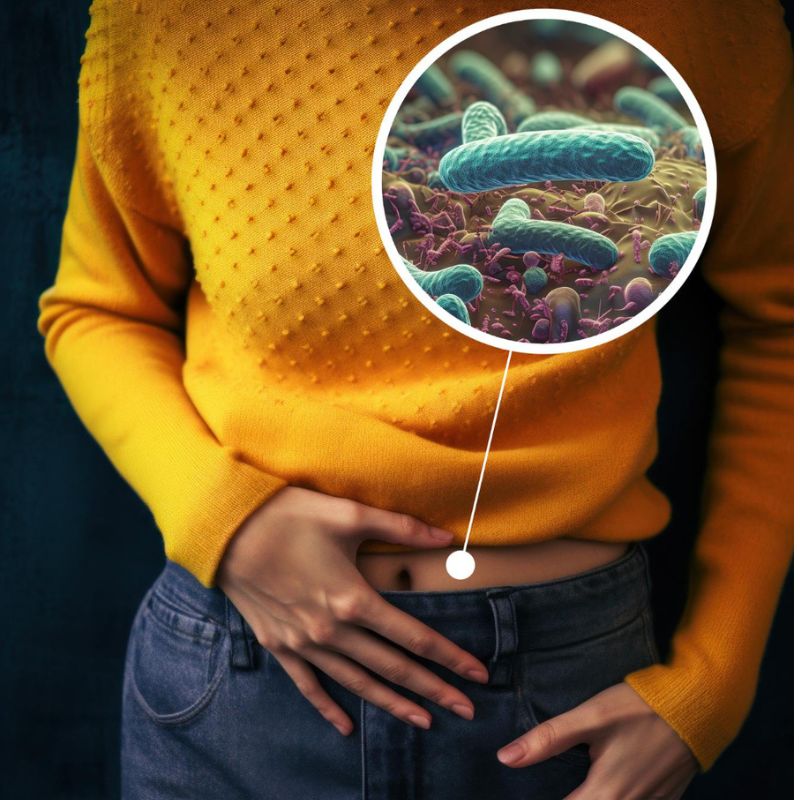
Our gut is home to trillions of bacteria that play a crucial role in digesting food, producing nutrients, and supporting our immune system.
Junk food disrupts this balance by feeding harmful bacteria and fungi while depriving the beneficial microbes of essential nutrients.
The high levels of sugar and refined carbohydrates in junk food encourage the growth of harmful microbes, leading to an imbalance known as gut dysbiosis (Seo et al., 2020). Over time, this imbalance weakens the gut lining, causing inflammation and increasing the risk of gut-related disorders like irritable bowel syndrome (IBS) and inflammatory bowel disease (IBD) (Conlon et al., 2014).
Our gut microbiome is made up of various microorganisms, with two main groups, Bacteroidetes and Firmicutes, dominating. These microbes help with essential functions and can impact how healthy we are or how vulnerable we are to certain diseases (Hou et al., 2022).
Gut Bacteria in Junk Food Eaters

The composition of our gut microbiome is heavily influenced by diet and plays a crucial role in our overall health. A healthy gut microbiome, supported by a balanced diet rich in fibre, diverse nutrients, and low in added sugars, fosters a range of beneficial bacteria that enhance digestion, immunity, and even mental well-being.
Research shows a clear contrast between the gut microbiomes of those who consume healthy foods and those who rely on junk food. (Shah et al., 2023).
Junk Food Disrupts Our Gut Microbiome
Junk food eaters experience a reduction in microbial diversity, with an increase in harmful bacteria and yeast linked to inflammation, obesity, and metabolic issues (Shah et al., 2023).
Junk food consumption promotes the growth of more harmful microorganisms like Firmicutes, linked to inflammation and obesity. Studies show that higher caloric intake is associated with a 20% growth of Firmicutes and 20% reduction in Bacteroidetes, which was directly related to the gain in body weight (Davis 2016).
Reduced Bacterial Diversity, More Harmful Bacteria and Yeasts
Junk food, on the other hand, is high in saturated fats, sugars, and processed ingredients, which negatively impacts gut health by promoting harmful bacteria and yeasts like Candida albicans and reducing the diversity of beneficial microbes (Jawhara 2023).
The gut microbiome’s role in metabolism and immune function is well established. Healthy eaters benefit from improved cholesterol and glucose metabolism, reduced systemic inflammation, and a more robust gut barrier. Junk food disrupts these functions, weakening gut defences and leading to chronic health problems (Hills et al., 2019), (Zhao et al., 2023),
Dietary interventions, such as increasing fibre, prebiotic and probiotic foods, and adopting personalised nutrition plans, can help restore gut health, Candida, IBS, or SIBO recovery, and mitigate the risks associated with poor dietary choices.
Junk Food Eaters Typically Have
Gut Bacteria in Healthy Eaters
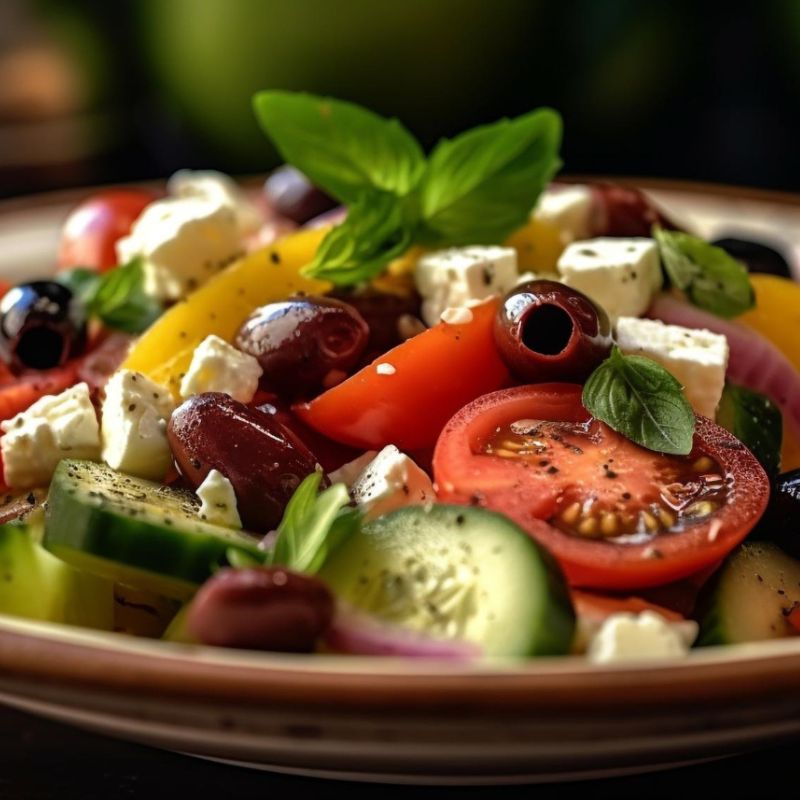
In contrast to diets rich in junk and processed food, traditional diets from non-Western countries, such as the Mediterranean diet, emphasise whole, unprocessed foods. These diets are rich in fruits, vegetables, whole grains, legumes, and healthy fats like olive oil, fish, and nuts.
Healthy Eaters Have A More Diverse Microbiome
Healthy eaters have more diverse gut bacteria, including beneficial strains like Bifidobacterium and Lactobacillus, which thrive on high-fibre foods (Fu et al., 2022). These beneficial bacteria aid in digestion, produce essential nutrients like short-chain fatty acids (SCFAs), and strengthen the cells lining our gut, the intestinal barrier.
Such balanced diets provide ample essential nutrients and high-fibre, promote gut bacterial diversity and gut microbiome health, and have been linked to lower risks of many chronic diseases including conditions like SIBO, IBS, and IBD (Merra et al., 2021).
The stark contrast between these two dietary patterns highlights the importance of choosing nutrient-dense, whole foods over processed, sugary and unhealthy options for long-term health.
Higher SFCA and Beneficial Bacteria Levels
Healthy eaters tend to have a diverse array and higher amounts of beneficial bacteria in their gut, such as Bifidobacteria and Lactobacilli, which play critical roles in our immune function and overall health (Aziz et al., 2024). These beneficial bacteria help produce SCFAs, vital for gut health, as they fuel beneficial bacteria, support the gut barrier, modulate the immune system, maintain gut pH balance, regulate appetite, and protect against harmful pathogens. They also possess anti-inflammatory properties and promote mucus production.
Are You A Social Junk Food Junkie?

Many of us gravitate towards consuming junk food in social situations, often without realising how common it is. Whether it’s sharing snacks at a party or indulging in takeout with friends, food high in sugar, salt, and saturated fats seems to go hand-in-hand with socialising.
Much like how people bond over alcohol, sharing junk food makes us feel more comfortable about our choices when others are indulging in the same treats.
Why do we do this? It could be out of convenience, tradition, or simply because junk food often feels like a treat. Think of times like movie nights, birthday parties, or even casual hangouts—these are moments where junk food is often the star.
It’s a way to relax and enjoy, but this frequent consumption may be contributing to ongoing health issues like weight gain, digestive problems, or even more serious conditions like Candida overgrowth or IBS.
However, being aware of these habits can help us make healthier choices. Just because junk food is the norm in many social settings doesn’t mean we can’t bring healthier options to the table or practice moderation. It’s worth taking a moment to reflect on your own habits.
Article of Interest: 50 Healthiest Snack Ideas
Do you recognise yourself in any of these following situations? It might be the key to unlocking why certain health issues persist, and how junk food may be a contributing factor.
Junk Food and Candida Overgrowth
Candida albicans naturally exists in small amounts in our gut. However, when fed by excessive sugar and processed carbohydrates—both abundant in junk food—Candida can grow out of control, leading to Candida overgrowth. This overgrowth can affect digestion, weaken the immune system, and trigger a wide range of symptoms from fatigue to brain fog.
Candida albicans and dysbiotic bacteria thrive in junk food environments, which is perfect fuel. Foods rich in refined sugars and processed carbs, like cookies, sodas, and white bread, feed dysbiosis and Candida and allow it to spread throughout the digestive system, sometimes even entering the bloodstream (Jawhara 2023).
Junk Food and Gut Disorders
Junk foods affect our gut in different ways. Let’s look beyond Candida overgrowth at other kinds of functional gut disorders either caused or linked with these foods.
SIBO
SIBO (Small Intestinal Bacterial Overgrowth) occurs when bacteria that typically reside in the colon start growing excessively in the small intestine. Junk food, rich in refined carbohydrates, contributes to SIBO by feeding these bacteria, leading to symptoms like bloating, gas, and diarrhea (Knez et al., 2024).
The lack of fibre in junk food slows down gut motility, making it harder for food to move through the digestive system, which can further exacerbate SIBO symptoms. Without enough fiber and prebiotics, the beneficial bacteria that keep harmful microbes in check are starved, leading to imbalances and bacterial overgrowth (Dukowicz et al., 2007).
Irritable Bowel Syndrome
IBS (Irritable Bowel Syndrome) is another condition that is highly sensitive to diet. Junk food, especially those rich in fats, sugar, and artificial additives, can trigger IBS symptoms such as abdominal pain, constipation, and diarrhea (Rinninella et al., 2020).
Junk food affects the gut’s natural motility and irritates the lining of the intestines, making it a frequent trigger for those with IBS. Artificial sweeteners, often found in diet sodas and sugar-free snacks, can be particularly problematic, as they are known to disrupt gut bacteria and cause digestive distress in sensitive individuals (Ruiz-Ojeda et al., 2019).
Inflammatory Bowel Disease
Finally, IBD (Inflammatory Bowel Disease), which includes Crohn’s disease and ulcerative colitis, is marked by chronic inflammation of the digestive tract. Junk food promotes this inflammation, worsening IBD symptoms, both in Crohn’s disease (Trakman et al., 2022), and ulcerative colitis.
One study found junk food dietary elements most frequently identified with IBD symptom onset and aggravation included dairy-based foods or drinks and foods cooked by deep-frying (Morton et al., 2020).
The high levels of processed fats, sugars, and preservatives in junk food can inflame the gut lining and disrupt immune responses, leading to more frequent and severe IBD flare-ups. For individuals with IBD, a diet low in processed foods and high in anti-inflammatory nutrients is crucial to managing the condition.
Healing the Gut: Dietary Change

Reducing junk food can be challenging, but it’s a crucial step for improving gut health. One effective strategy is meal planning—by preparing healthy meals and snacks in advance, you’ll be less likely to reach or convenient junk food options.
Gradually cutting back on sugar and refined carbs can also reduce cravings, making it easier to transition to a gut-friendly diet. Swap out sugary sodas for water, herbal teas, or other healthy drinks, and replace processed snacks with whole foods and healthy snacks like fruits, nuts, and seeds. Mindful eating practices, such as slingwing down during meals and paying attention to hunger cues, can help break the cycle of unhealthy food choices. Consider following the Cleansing Diet to get back on track.
Recent studies have shown that our diet has a major impact on our gut microbiome, as changes in our food and drink patterns can lead to significant, although temporary, shifts in microbial composition even within a 24-hour period. (Singh et al., 2017)
The Cleansing Diet
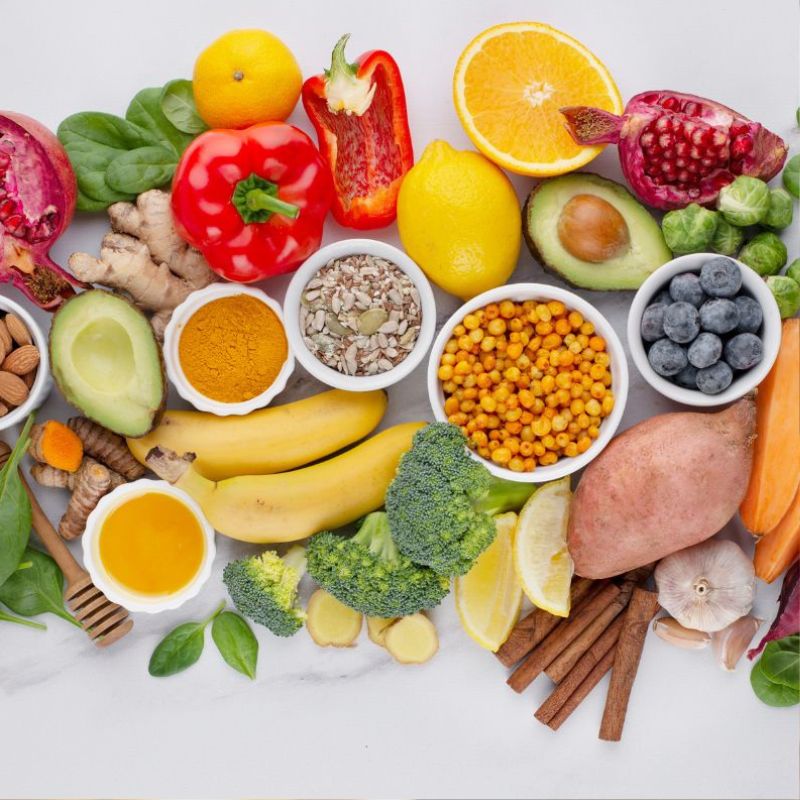
Despite many people attempting to eat well, it seems many still seem unaware of the importance of eating well, consuming too much junk or ultra processed food.
This is not necessarily a sign of personal failure, but rather a consequence of the fast-paced lives many of us lead nowadays.
To conclude on our Junk Food page, it makes sense to discuss a Cleansing Diet approach.
Duration
The Cleanse Diet is a 14-day program.
Being Aware Of What We Eat
Cleanse diet helps us become more aware of our daily food choices. It encourages a shift from junk and processed foods to natural, whole foods. These better choices promote gut balance and diversity, addressing issues like Candida overgrowth and bacterial dysbiosis, aka SIBO. You’ll know exactly what to eat and can follow a printable Candida cleansing diet food list.
Balancing The Gut and Lowering Inflammation
The cleanse diet also aims to reduce inflammation while gradually introducing anti-inflammatory, nutrient-dense and prebiotic and probiotic foods to improve gut function, especially our gut bacteria. By eating fresh, whole foods, including fermented foods, we boost energy levels, enhance digestion, and improve overall health, aiding in recovery from all diseases.
What Is the Purpose Of A Cleanse Diet?
The purpose of the Cleanse Diet is to support our body’s natural detoxification processes and promote overall health and well-being. By temporarily eliminating certain foods or food groups, the cleansing diet aims to
When our meals are both nourishing and enjoyable, we are less likely to feel the temptation to go back to a diet filled with processed foods, especially sugar-rich foods and drinks.
It’s all about finding the sweet spot where our health and pleasure intersect, making our journey towards a healthier lifestyle not only highly effective, but also fun and enjoyable in the long run.
Conclusion
Junk food may be tempting, but its impact on gut health is significant, often leading to conditions like Candida overgrowth. By reducing or cutting out junk food and focusing on nutrient-dense, gut-friendly foods, you can restore balance to your microbiome and improve both digestive and mental health. Even small dietary changes can make a big difference, so start today by making healthier choices for a healthier gut.
A diet rich in whole, nutritious foods supports a strong gut barrier and reduces inflammation. This helps prevent fungal (Candida) and bacterial (SIBO) overgrowths, while protecting against conditions like leaky gut and autoimmune diseases such as ulcerative colitis. On the other hand, junk food diets weaken gut defenses, increase inflammation, and lead to gut dysbiosis, Candida overgrowth, and other health problems.
Recognising these differences is key to developing effective dietary strategies that boost gut health and lower the risk of many diseases. Incorporating fibre-rich foods, prebiotics, probiotics, and whole-food nutrition can greatly improve your gut and overall well-being.
Thanks for reading! Feel free to share your experiences with junk food in the comments.

Eric Bakker N.D.
Greetings! I am a naturopathic physician from New Zealand. Although I’ve retired from clinical practice since 2019 after 34 years of clinic. I remain passionate about helping people improve their lives. You’ll find I’m active online with a focus on natural health and wellbeing education through my Facebook page, Reddit page and YouTube channel, including this website.