
Grains

SHARE
A wooden table with jars of various grains, including corn kernels, millet, buckwheat, and rice, and two ears of corn.

Your Guide to Whole Grains

Grains have played a pivotal role in human history and continue to serve as a dietary staple for billions of people around the world. These small, dry seeds are the foundation of many traditional diets and are packed with essential nutrients that contribute to overall health.

Grains have been a cornerstone of civilisation for thousands of years. From the wheat fields of ancient Mesopotamia to the rice paddies of Asia, grains have fuelled economies, shaped cultures, and provided vital sustenance to people around the globe. Today, they continue to supply roughly half of the world’s calories.

In this blog post, we’ll explore what grains are, their different types, some misconceptions about grains, and the key health benefits whole grains have to offer.

Grains Are Highly Controversial With Most Gut Problems

A man with glasses and a beard, wearing a light blue shirt, stands thoughtfully with his hand on his chin against a plain white background.

When it comes to grains and pseudograins on the Candida diet (or SIBO, IBS, or IBD), there is often some debate. Some experts argue that non-gluten grains can be eaten freely, while others suggest that their carbohydrate content means they should be completely avoided. The truth likely falls somewhere between these two views, because we are all individual and so is our gut microbiome.

Gluten-containing grains (wheat, barley, and rye) are likely to be avoided by some due to their gluten content. Although once controversial, it’s now widely accepted that gluten can cause health issues – but only for some who are genetically predisposed to do so, or who have have a gut temporary incapable of handling grains for one of many reasons we will discuss later.

Research shows that while gluten may trigger immune responses in non-celiac individuals, it may also be a fructans intolerance as we will discuss later. It may also be a Candida yeast infection.

A person in a striped shirt holds their head in their hands, appearing stressed. They sit at a table with a cup, notebook, smartphone, and open laptop, perhaps overwhelmed by researching vaginal yeast infection symptoms.

Look At Your Diet and Lifestyle Before You Quit Gluten

If you’re dealing with chronic Candida overgrowth in the gut, your intestinal lining is likely already compromised. To aid its recovery, it’s first best to eliminate many potential trigger foods from your diet.

Are you tired, carrying too much weight, poor sleep and gut function? Got a job you hate? Consider incorporating lifestyle changes, as well as gut-healing foods and supplements such as probiotics.

May I suggest you look at Food Allergies and Intolerances, and also the Low-Reactive Diet, before you decide to eliminate all gluten from your diet based on somebody’s advice (who likely doesn’t even know your gut). The Low-Reactive Diet is one of the modules in our Ultimate Candida Cleanse Program.

The issue of net carbohydrates is more complex once you look beneath the surface. While pseudograins are gluten-free, like other grains, they still contain significant amounts of net carbs, which might initially seem like a reason to exclude them from a Candida diet. However, these pseudograins offer significant health benefits that help offset their carb content. Additionally, their prebiotic effects that help build a healthy gut microbiome—quite an important factor in the Candida diet.

Ultimately, the health-boosting and prebiotic properties of grains and pseudograins make them a valuable addition to any diet, including the Candida diet, despite their relatively high net carb content. That said, like all foods, they should still be consumed in moderation.
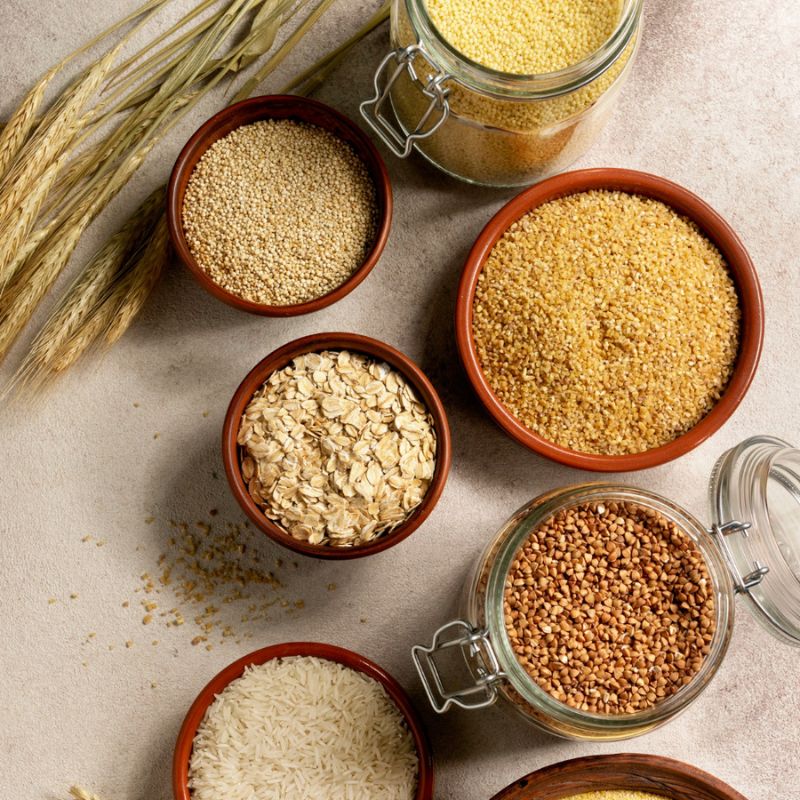
Assorted grains and cereals, including quinoa, oats, millet, and rice, are displayed in brown bowls and glass jars alongside wheat stalks on a light-colored surface—perfect for those following an anti candida diet.

What Are Grains?

Grains are sometimes called cereal grains, they are the small, hard, edible seeds that grow on grass-like plants known as cereals. They come in a wide variety of forms and serve as a primary food source for many cultures worldwide.

Cereal grains are the foundation of global agriculture, providing the majority of the world’s calories. Common staples include rice, wheat, and maize, while grains like rye, oats, barley, and millet are vital in many regions.

Additionally, grains such as amaranth, buckwheat, chia, and quinoa are not true cereals but are used similarly in diets, classified as pseudocereals.

Most cereals are cultivated as annual crops, producing one yield per planting season. Winter varieties are hardy, planted in autumn, and harvested in the spring, while spring varieties are sown and reaped within the same growing season.

The term “cereal” comes from Ceres, the Roman goddess of agriculture and fertility, signifying the historical and cultural importance of grains in human civilisation.

Some of the most widely consumed grains include:

  • Barley
  • Corn (Maize)
  • Millet
  • Oats
  • Rice (brown, wild, basmati)
  • Rye
  • Sorghum
  • Wheat (bulgur)
  • Teff

Benefits of Grains

Incorporating grains, particularly whole grains, into your diet offers numerous health advantages. When consumed as part of a balanced diet, low in added sugars, sodium, and unhealthy fats, grains can help reduce the risk of certain diseases. They provide essential nutrients necessary for the body’s overall health and proper functioning.

Whole Grains vs. Refined Grains

Grains fall into two main categories: whole grains and refined grains. Each type has distinct characteristics and impacts on health.

Diagram of a whole grain kernel cross-section labeled with its three parts: Bran (fiber, B vitamins, vitamin E, protein, minerals), Endosperm (carbohydrates, protein, B vitamins), and Germ (B vitamins, vitamin E, minerals, phytochemicals, antioxidants). Learn what are whole grains.

Whole Grains

Whole grains contain the entire grain kernel, which includes three key parts:

  • Bran – The outer layer, rich in fiber and antioxidants.
  • Germ – The nutrient-packed core, containing vitamins, minerals, and healthy fats.
  • Endosperm – The middle layer, which provides starchy carbohydrates and some protein.

Because they retain all parts of the grain, whole grains are rich in fibre, B vitamins, iron, magnesium, and other vital nutrients. Research shows that whole grains can reduce the risk of heart disease, improve digestive health, and help maintain a healthy weight.

Examples of whole grains include:

  • Whole-wheat flour
  • Brown rice
  • Bulgur (cracked wheat)
  • Oatmeal

Refined Grains

On the other hand, refined grains have been milled, a process that removes the bran and germ, leaving only the endosperm. While this process extends the shelf life and improves the texture of grains, it also strips them of many essential nutrients, including fibre, iron, and B vitamins.

Examples of refined grain products include:

  • White flour
  • White bread
  • White rice
  • Corn grits

Refined grains are often enriched, meaning certain vitamins and minerals are added back in after processing. However, the fibre is not restored, which makes whole grains the healthier choice.

Why Are Grains Essential?

Grains provide a host of essential nutrients and energy, making them an important part of a balanced diet. They are packed with carbohydrates, which are the body’s primary source of fuel, and they offer additional health benefits, including:

  • Fibre – Supports digestive health and helps lower cholesterol levels.
  • B Vitamins – Essential for energy metabolism and brain function.
  • Minerals – Iron, magnesium, selenium, and zinc found in grains are vital for various bodily functions.
  • Protein – While not as protein-rich as animal products, grains still provide valuable amino acids.

Whole grains, in particular, are packed with the following beneficial nutrients. Choosing whole grains over refined grains ensures you get the full spectrum of health benefits.Grains are a powerhouse of essential nutrients that contribute significantly to overall health, they are rich in complex carbohydrates, dietary fiber, B vitamins, and important minerals like iron, magnesium, and selenium.

Here’s some of the important nutrients you will find in grains, most of these nutrients are vital:

  • B Vitamins – Thiamin (B1), Riboflavin (B2), and Niacin (B3)
  • B vitamins are key players in metabolism, helping the body convert carbohydrates, fats, and proteins into usable energy. B vitamins, particularly thiamin, riboflavin, and niacin, are essential for brain function, nerve health, and maintaining mental clarity.
  • Many refined grain foods today are fortified with added B vitamins, ensuring you still get these critical nutrients even if consuming non-whole grain options
  • Dietary Fibre
  • Fibre is crucial for maintaining healthy cholesterol levels and reducing the risk of heart disease. It also supports digestive health by promoting regular bowel movements and preventing constipation.
  • Fibre helps control blood sugar levels, making it beneficial for weight management and reducing the risk of type 2 diabetes.
  • Folate (vitamin B9)
  • Folate is crucial for cell growth and repair, particularly important for pregnant women as it helps prevent neural tube defects in developing babies.
  • Many cereals and refined grain products are enriched with folic acid (a synthetic form of folate), providing an easy way to boost intake of this vital nutrient.
  • Iron
  • Iron is crucial for producing hemoglobin, the protein that carries oxygen in the blood. Iron deficiency can lead to anaemia, a common issue, particularly among women of childbearing age.
  • Grains provide non-heme iron, especially in fortified cereals. Consuming grains with vitamin C-rich foods, such as citrus fruits or peppers, enhances iron absorption, making it more effective.
  • Magnesium
  • Magnesium is essential for building strong bones, maintaining muscle function, and aiding in the relaxation and repair of tissues. It also supports energy production and a healthy immune system.
  • Adequate magnesium intake is linked to a reduced risk of conditions like type 2 diabetes, high blood pressure, and osteoporosis.
  • Phosphorus
  • Phosphorus plays a role in forming healthy bones and teeth, and it helps the body use carbohydrates and fats efficiently. It also aids in repairing tissues and cells. Whole grains like wheat, oats, and rice contain significant amounts of phosphorus.
  • Potassium
  • Potassium helps maintain healthy blood pressure levels, supports heart health, and regulates fluid balance in the body.
  • Some whole grains, like quinoa and brown rice, offer decent amounts of potassium, which is important for muscle function and maintaining hydration.
  • Protein
    Although grains are not typically high in protein compared to meats or legumes, they do contribute to daily protein intake, especially when combined with other plant-based foods. Whole grains, such as quinoa and barley, offer more protein than refined options.
  • Grains provide essential amino acids, which are the building blocks of proteins. When eaten with other protein sources (e.g., beans), they create a complete protein, making grains an essential part of plant-based diets.
  • Selenium
  • Selenium is a powerful antioxidant that protects cells from oxidative stress, helping to reduce inflammation and lower the risk of chronic diseases.
  • This mineral plays a key role in supporting immune function and thyroid health, ensuring the body’s defense mechanisms are functioning optimally.
  • Vitamin E
  • Vitamin E is a potent antioxidant that helps protect cells from oxidative damage and supports immune function. Whole grains, especially wheat germ, are a good source of this fat-soluble vitamin.
  • Zinc
  • Zinc supports the immune system, assists in wound healing, and is vital for DNA synthesis and cell division. Whole grains, especially wheat germ and oats, provide a good source of zinc.

Whole grains are more nutrient-dense than refined grains, offering not only fiber but also a full spectrum of vitamins and minerals.By incorporating a variety of whole grains into your diet—such as quinoa, brown rice, oats, and whole wheat—you can enjoy these diverse nutrients while reaping the health benefits associated with whole grains.

Health Benefits of Whole Grains

Whole grains, in particular, have been shown to provide numerous health benefits, including:

  • Heart Health: Regular consumption of whole grains can lower the risk of cardiovascular diseases. The fiber content helps reduce cholesterol levels, while antioxidants protect against oxidative stress.
  • Reduced Risk of Diabetes: Whole grains help regulate blood sugar levels, reducing the risk of type 2 diabetes.
  • Improved Digestive Health: The fiber in whole grains promotes healthy digestion, prevents constipation, and supports a healthy gut microbiome.
  • Weight Management: Whole grains are more filling and satisfying than refined grains, making them an excellent choice for weight management.

Common Foods in the Grains Group

Many everyday foods fall into the grains group. Some examples include:

  • Bread – Whole-wheat or white bread.
  • Pasta – Made from whole grain or refined flour.
  • Breakfast cereals – Oatmeal, granola, and whole-grain cereals.
  • Rice – Brown rice or white rice.
  • Tortillas – Made from corn or flour.
  • Snacks – Popcorn, chips, and crackers.

Many grain-based foods, like chips, pastries, and cookies, are made from refined grains and can be high in sugar and fats. It’s best to opt for whole-grain versions whenever possible.

Choosing the Right Grains

Grains are an essential part of a healthy diet, but not all grains are created equal. Whole grains, which retain the entire grain kernel, are packed with fiber, vitamins, and minerals that support long-term health. In contrast, refined grains have fewer nutrients and should be consumed in moderation.

When incorporating grains into your diet, aim to:

  • Choose 100% whole grains whenever possible.
  • Check labels for “whole grain” or “enriched” to ensure you’re making a nutritious choice.
  • Limit refined grains and grain-based snacks high in sugar and fats.

By making informed choices about the types of grains you consume, you can enjoy the numerous health benefits they offer and make grains a valuable part of your diet for years to come.

Grains and Anti-Nutrients: Should You Be Concerned?

Some people worry about anti-nutrients in grains, but it’s essential to understand their context. Anti-nutrients are compounds found in certain plant foods that can interfere with the absorption of nutrients during digestion. Common anti-nutrients include phytic acid and lectins.

  • Glucosinolates
  • Found in:cruciferous vegetables such as broccoli, Brussels sprouts, and kale
  • Glucosinolates are compounds commonly found in e. These compounds are often associated with a bitter taste and are known for their potential effects on health.
  • While glucosinolates can inhibit the absorption of iodine—a mineral essential for healthy thyroid function—they typically pose no toxicity unless consumed in excessive quantities.
  • In moderate amounts, glucosinolates offer nutritional benefits. However, excessive intake can disrupt iodine utilization, leading to thyroid enlargement, or goiter. It’s essential to enjoy these nutritious vegetables in balance to reap their health benefits while minimising potential risks.
  • Goitrogens
  • Found in: Brassica vegetables (kale, Brussels sprouts, cabbage, turnip greens, Chinese cabbage, broccoli), millet, cassava, soy products.
  • Goitrogens are natural compounds that can interfere with thyroid function by inhibiting iodine absorption, which is vital for thyroid hormone production. This is especially concerning for individuals with iodine deficiencies, as it may increase the risk of goiter and other thyroid issues.
    However, most people consume sufficient iodine to mitigate these risks. Cooking methods such as steaming or boiling can also reduce goitrogen levels, allowing individuals to enjoy these nutritious foods safely. Therefore, moderate consumption of soy and cruciferous vegetables can provide health benefits without significantly affecting thyroid health.
  • Lectins
  • Found in: Legumes, cereal grains, seeds, nuts, fruits, vegetables
  • Lectins are naturally occurring proteins found in legumes and grains that can interfere with nutrient absorption and may lead to digestive discomfort when consumed in excessive amounts. While they play a role in plant defense, high levels of lectins can negatively impact gut health.
    In particular, lectins can damage the intestinal lining, potentially contributing to a condition known as leaky gut syndrome. This condition allows undigested food particles and anti-nutrients to enter the bloodstream, which can trigger inflammatory responses and may contribute to the development of autoimmune disorders.
    However, it’s important to note that cooking and processing methods, such as soaking and boiling, can significantly reduce lectin content, making these foods safer and more nutritious.
  • Oxalates
  • Found in: Spinach, Swiss chard, sorrel, beet greens, beet root, rhubarb, nuts, legumes, cereal grains, sweet potatoes, potatoes
  • Oxalates are naturally occurring compounds found in a variety of foods. While they are often overlooked, oxalates can pose health risks, particularly when consumed in large amounts. One of the primary concerns associated with oxalates is their ability to bind with calcium, leading to the formation of calcium oxalate crystals in urine.
  • This can increase the risk of kidney stones, a painful condition affecting many individuals.
    In addition to kidney stones, excessive oxalate consumption can contribute to calcium deficiency (hypocalcemia) and may even play a role in the development of osteoporosis. Foods such as spinach and rhubarb are particularly high in oxalates and should be consumed in moderation, especially by those with a history of kidney stones or calcium-related health issues. Being mindful of oxalate intake while maintaining a balanced diet can help mitigate potential risks and promote overall health.
  • Phytic Acid (phytate)
  • Found in: Legumes, cereal grains, pseudocereals (amaranth, quinoa, millet), nuts, seeds
  • Phytic acid, also known as phytate, is one of the most widely discussed anti-nutrients due to its potential effects on mineral absorption. This compound is prevalent in various plant foods, including grains, legumes, nuts, and seeds. In whole grains, phytic acid is primarily concentrated in the bran, while in seeds and legumes, it is mainly found in the endosperm.
    The unique property of phytic acid is its ability to bind to essential minerals such as iron, calcium, zinc, and magnesium within the digestive tract. This binding action can inhibit the body’s ability to absorb these vital nutrients effectively. As a result, while phytic acid may present concerns regarding nutrient absorption, it is important to consider its presence within a balanced diet. In moderate amounts and when properly prepared through soaking or fermenting, the impact of phytic acid on mineral absorption can be minimized, allowing for a nutritious and healthy dietary pattern.
  • Protease Inhibitors
  • Found in legumes, they interfere with protein digestion by inhibiting enzymes like trypsin and pepsin. Problem is resolved by soaking and rinsing before cooking.
  • Saponins
  • Found in: Legumes, nightshade vegetables, and seeds like amaranth, and quinoa.
  • Saponins are naturally occurring compounds found in various plant sources, including l These compounds are known for their distinctive soap-like properties, which create a frothy foam when mixed with water. This is particularly noticeable when cooking beans and chickpeas, where saponins contribute to the foam that rises to the surface.
    While saponins have some health benefits, their presence can also lead to concerns regarding nutrient absorption. When ingested in significant amounts, they can bind to cholesterol and other nutrients, potentially leading to digestive issues such as leaky gut and increased inflammation in the digestive tract.
  • Tannins
  • Found in: Tea, cocoa, grapes, berries, apples, stone fruits, nuts, beans, whole grains
  • Tannins are polyphenolic compounds present in various foods, including certain fruits, seeds, and even tree bark, leaves, and roots. These compounds are often found in bitter-tasting foods that exhibit yellow or brown hues. While tannins can contribute to the complex flavors and health benefits of these foods, they can also hinder the absorption of iron, which may lead to nutritional concerns.
    Common sources of tannins include tea and coffee. When consumed in moderation, they can be part of a healthy diet. However, excessive intake—especially on an empty stomach—can cause gastrointestinal discomfort, including nausea. Therefore, it’s advisable to balance tannin-rich foods with those high in iron to ensure optimal nutrient absorption.

Where Are Anti-nutrients Found?

It’s important to note that antinutrients are not exclusive to grains. They are also present in various healthy foods, such as:

  • Nuts
  • Seeds
  • Legumes
  • Tubers
  • Certain fruits and vegetables

Reducing Anti-nutrients in Grains

The good news is that antinutrients can be minimised through common food preparation techniques:

  • Soaking
  • Sprouting
  • Fermenting

These methods help break down compounds like phytic acid, reducing any potential impact on nutrient absorption.
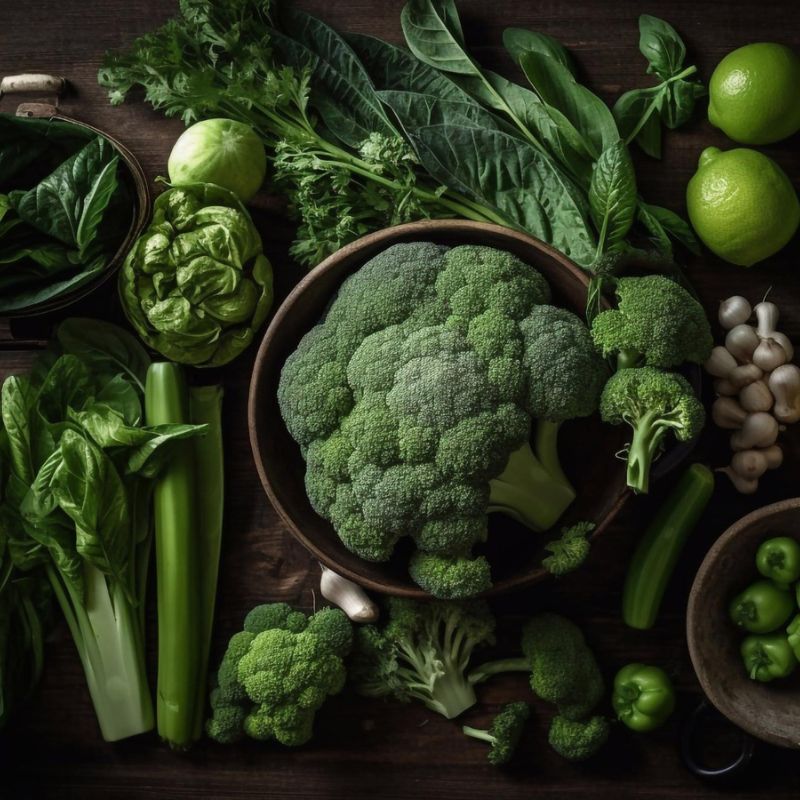
A variety of green vegetables, including broccoli, lettuce, celery, spinach, bok choy, green beans, peppers, and limes, arranged on a dark wooden surface.

Are Anti Nutrients Harmful?

Anti-nutrient compounds are seldom consumed in isolation, as they are typically found in foods within their natural, whole form. In plant-based diets, which are rich in these compounds, there are also thousands of other beneficial compounds within the food matrix that can offset any potential negative effects of anti-nutrients.

Therefore, it’s questionable whether these compounds are truly as “harmful” as they appear when studied in isolation, since they may behave differently when ingested as part of a well-prepared, whole food. Furthermore, soaking, cooking, fermenting, and applying heat are often crucial processes for activating or neutralising some of these compounds.

For most people, anti-nutrients in grains don’t pose significant health risks when grains are consumed as part of a balanced diet. Cooking grains, as we generally do, further diminishes the effects of antinutrients. Additionally, eating grains in moderation and within a varied diet ensures that their benefits far outweigh any potential downsides.

Key Takeaways:

  • Anti-nutrients are present in many plant foods, not just grains.
  • For most, eating grains in normal amounts is both safe and nutritious.
  • Simple preparation methods like soaking and cooking reduce their effects.

In summary, while gluten may cause issues for those sensitive to it, concerns over anti-nutrients in grains are largely overstated for the average person

Should You Go Gluten Free for Health Reasons?

Assortment of gluten-free foods with grains, nuts, and flour around a "gluten free" sign on a slate board.

Gluten is a protein found in grains like wheat, barley, and rye. It’s essential for people with certain medical conditions like celiac disease to avoid it, but for the majority of people, gluten isn’t inherently harmful. Although gluten-free habits have gained adherence in recent years, often conditioned by some misconceptions associated with gluten, it should be noted that after 10,000 years, wheat is still one of the most representative foods in the human diet (Sousa et al., 2021).

According to Harvard Health, there is no compelling evidence that a gluten-free diet will improve health or prevent disease if you don’t have celiac disease and can eat gluten without trouble. In my clinical experience – most people can tolerate gluten, providing they consume it in sensible amounts – and have discontinued alcohol, refined foods, soda drinks, sugar-containing foods, and other junk before they’ve decided to go gluten-free.

Gluten-free diets are everywhere, and it seems like everyone is jumping on the bandwagon, even if they don’t have a clear medical reason to avoid gluten. While some famous influencers swear by going gluten-free, the reality is different for most people. The rise in gluten-free food sales (up to $15.5 billion in 2016) reflects more of a trend than a medical necessity for most people (Hellman 2020)

Unless you have a specific condition like celiac disease, gluten sensitivity, or a wheat allergy, there’s little evidence that avoiding gluten will benefit your health. In fact, cutting out gluten-containing grains can lead to nutrient deficiencies, and I don’t recommend it.

Who Should Avoid Gluten?

Despite the gluten-free trend, avoiding gluten isn’t necessary for the general population. In fact, whole grains that contain gluten, like unrefined wheat, are packed with fibre, vitamins, and minerals that support a healthy diet.

Before making any drastic dietary changes, consult your health-care professional. They can help determine if gluten is an issue for you and guide you toward a balanced diet. Self-diagnosing and eliminating entire food groups without expert advice can certainly do more harm than good.

There are specific conditions where gluten avoidance is necessary:

  • Celiac Disease (CD):
  • An autoimmune disorder where gluten damages the small intestine. For people with CD, even small amounts of gluten can cause serious health issues. Around 1 in 100 people globally are affected by celiac disease.
  • Non-Celiac Gluten Sensitivity (NCGS):
  • Some people experience symptoms similar to celiac disease without testing positive for it. While NCGS is real, its cause is still debated within the medical community.
  • Wheat Allergy:
  • Like other food allergies, some individuals react to proteins found in wheat, though it’s much rarer than celiac disease or gluten sensitivity.

Is It a Gluten or Fructans Intolerance?

For most people, there is no need to avoid gluten unless they have celiac disease. However, many mistakenly believe they have gluten sensitivity when, in fact, their issue may be related to fructans, a type of FODMAP found in wheat. Both fructans and gluten levels are high in wheat, and they can produce similar digestive symptoms, leading to confusion between the two (Skodje 2018).

Fructans are complex carbohydrates (oligosaccharides) that the body cannot digest and must be fermented by beneficial gut bacteria. This differs from gluten, which is a protein often demonised as unhealthy. Yet, recent studies suggest that non-celiac gluten sensitivity (NCGS) may be more of a misdiagnosis or even an invention of the gluten-free industry, which is projected to reach $14 billion by 2032 (Pearlman 2019) .

Fructans vs. Gluten Sensitivity

  • Gluten: A protein found in wheat, often blamed for digestive issues.
  • Fructans: A complex sugar found in wheat, often responsible for IBS-like symptoms.

Recent research suggests that many who think they are gluten-sensitive may actually be reacting to fructans (FODMAPs). “Non-celiac wheat sensitivity” (NCWS) is considered a more accurate term than NCGS, as the intolerance may stem from fructans, not gluten (Catassi 2023).

The Bigger Picture

  • Wheat Sensitivity: Symptoms could be due to fructans, not gluten.
  • Gut Health: Many digestive issues may stem from an imbalance in gut bacteria that makes it hard to ferment fructans.
  • Potential Overlap: Some cases may involve histamine intolerance rather than gluten or fructans sensitivity.

In conclusion, unless you are diagnosed with celiac disease, it’s possible you can reintroduce gluten-containing foods into your diet once your gut health improves. It’s possible that fructans, not gluten, is the real culprit behind your symptoms.

Close-up of various seeds, including whole grains, in wooden bowls. The seeds are of different colors and textures, suggesting a variety of types. The bowls are arranged closely together on a wooden surface.

Pseudograins

The term “pseudocereals” is a non-botanical classification that encompasses dicotyledonous plants, in contrast to cereals, which belong to the gramineae family. Pseudocereals are not only gluten-free but are also packed with various essential nutrients that promote health and prevent disease.

Below, we summarise some of the key nutritional components of pseudocereals:

High In Protein

Pseudocereals like quinoa, amaranth, and buckwheat stand out as excellent sources of high-quality proteins. Despite their long history of cultivation, they remain under utilised due to higher costs.

Both quinoa and buckwheat contain all essential amino acids, making them complete protein sources. Notably, they are rich in lysine and sulfur-containing amino acids, nutrients that are typically lacking in conventional cereals.

Carbohydrates and Dietary Fiber


All pseudocereals are known for their high dietary fiber content, which aids in digestion and enhances the absorption of other nutrients in the large intestine. Moreover, dietary fiber is associated with increased post-meal satiety, reducing hunger and aiding in weight management.

Antioxidants

Pseudocereals are a rich source of antioxidants, particularly phenolic compounds such as flavonoids and phenolic acids, as well as carotenoids and several other important nutrients.

These antioxidants play a crucial role in preventing oxidative damage by neutralising free radicals, which are by-products of cellular redox processes. While low levels of reactive oxygen species (ROS) can support immune function and cellular responses, excessive ROS can lead to oxidative stress.

This stress, in turn, is a major contributor to chronic and degenerative diseases, including cardiovascular issues and neurodegenerative disorders.

Quinoa, various millets, and amaranth have been found to contain prebiotics that support the growth of beneficial gut bacteria. This is particularly valuable for those looking to restore gut health while managing Candida overgrowth.

Furthermore, pseudograins are naturally gluten-free, making them an excellent choice for those looking to enhance the nutritional quality of gluten-free foods (GFF). They are particularly noted for their:

  • Quality Proteins: Providing essential amino acids beneficial for muscle repair and growth.
  • High Fiber Content: Promoting digestive health and enhancing satiety.
  • Antioxidants: Rich in phenolic compounds and carotenoids; protect against oxidative stress.
  • Minerals and Trace Minerals: Pseudocereals contain several hard-to-get dietary minerals
  • Unsaturated Fatty Acids: Contributing to heart health and overall wellness.
  • Gluten-Free: pseudograins are all free from gluten.

Among the most notable pseudograins are:

  • Quinoa:
  • Quinoa (Chenopodium quinoa) is primarily cultivated in South America. A complete protein source that contains all nine essential amino acids. It is also high in fiber and rich in vitamins and minerals, making it a nutritious choice for various diets.
  • Quinoa is a good source of vitamin E, thiamine, folic acid, and vitamin C. It is also relatively high in iron, although its absorption is somewhat hindered by compounds like saponins and phytic acid.
  • Among pseudocereals, quinoa boasts a substantial lipid fraction, rich in essential polyunsaturated fatty acids. These fats have gained prominence in recent years due to their positive effects on cardiovascular health, prostaglandin metabolism, insulin sensitivity, immune system function, and cell membrane integrity.
  • Quinoa, in particular, has a high starch content, forming semi-crystalline structures known as “starch granules,” alongside a small amount of refined sugar (around 3%).
  • Amaranth:
  • Amaranth (Amaranthus cruentus) is primarily cultivated in South America. Known for its high protein and fiber content, amaranth is also a good source of iron, magnesium, and phosphorus. This grain is versatile and can be used in a variety of dishes.
  • Buckwheat:
  • Buckwheat, which originated in Central Asia, is now widely grown in Central and Eastern Europe. Despite its name, buckwheat is gluten-free and rich in antioxidants, fiber, and essential nutrients. It is often used in pancakes and noodles, providing a hearty alternative to traditional grains.
  • Buckwheat is technically a fruit seed rather than a grain and offers numerous health benefits. It has anti-inflammatory properties, lowers cholesterol, reduces blood pressure, and may even offer cancer protection.
  • Buckwheat is an excellent source of vital minerals such as manganese, copper, magnesium, phosphorus, and various vitamins.
  • Chia Seeds:
  • Chia (Salvia hispanica) has its origins in Mexico and Guatemala. These tiny seeds are packed with omega-3 fatty acids, fiber, and protein. They are commonly used in puddings, smoothies, and baking, adding both nutrition and texture to meals.
  • Chia seeds also offer a higher biological value compared to many other cereals, with significant amounts of calcium, magnesium, and potassium—sometimes exceeding the levels found in milk.
  • Chia seeds are especially valued for their omega-3 fatty acid content, with about 65% of their oil comprising α-linolenic acid, an essential nutrient for reducing inflammation and supporting heart health.

Key Food Pages

Ultimate Candida Cleanse System

Beat Candida naturally with the complete, science-based system created by naturopath Eric Bakker, N.D. This all-in-one package gives you two downloadable guidebooks plus the Yeastrix Gut Restore Kit — three targeted professional formulas that work together to reset your gut, restore balance, and rebuild healthy digestion.

You get a structured, step-by-step program, professional clinical guidance, and supplements designed to support each stage of recovery. No guesswork. No confusing protocols. Just a clear roadmap and the right tools to help you finally reduce symptoms, rebalance your microbiome, and feel like yourself again. The Ultimate Candida Cleanse System is everything you need to make real progress — naturally, safely, and effectively.

Eric Bakker N.D.

Greetings! I am a naturopathic physician from New Zealand. Although I’ve retired from clinical practice since 2019 after 34 years of clinic. I remain passionate about helping people improve their lives. You’ll find I’m active online with a focus on natural health and wellbeing education through my Facebook page, Reddit page and YouTube channel, including this website.

Similar Posts

Leave a Reply

Your email address will not be published. Required fields are marked *