
Butter Is Better
Butter, a product of milk production, is made by churning cream or milk, primarily from cows, although goat, buffalo, and sheep milk can also be used. The butter you typically find in stores often contains added salt, coloring, flavouring, and preservatives to enhance taste and prolong shelf life.
Fats, scientifically known as lipids, are macronutrients crucial for human health. They help build cellular membranes, protect organs, aid in hormone production, and prevent the body from entering “starvation mode.” Both saturated and unsaturated fats are vital for survival. Fatty acids found in these fats support cellular integrity, hormone production, and provide a reliable energy source.
Furthermore, high-fat foods, such as butter, facilitate nutrient absorption, ensuring the body receives essential vitamins and minerals. They also contribute to immune defense, helping the body combat bacterial, fungal, and viral infections.

Butter Has Been Unfairly Demonised
For years, butter has been unfairly vilified as a harmful source of fat, blamed for clogging arteries and contributing to various health issues. However, despite being a saturated fat, butter plays an essential role in brain function and overall maintenance of the body.
Saturated fats, like those found in butter and coconut oil, are not to be feared but embraced for their health benefits. These fats are rich in critical nutrients such as vitamins A, D, and E, potassium, magnesium, and beneficial fatty acids like butyric and lauric acid.
In our clinic, we have always supported the inclusion of butter, even on the Candida diet, and we have never recommended its exclusion for any health condition. While moderation is key due to its high saturated fat content, most individuals consume butter in reasonable amounts without adverse effects. For those who do indulge, a mindful approach is recommended, but butter can absolutely be part of a healthy diet.
Butter Fats: A Food for Health and Wellbeing
Butter is composed of about 80% fat and water. It’s a remarkably complex food, containing more than 400 different types of fatty acids. Contrary to outdated beliefs, research increasingly supports that saturated fats, such as those in butter, are not harmful but instead necessary for life. Every cell in the body is surrounded by a fat-rich membrane, and the brain itself is approximately 60% fat. Depriving ourselves of these essential fats can impact optimal health.
Those dealing with Candida overgrowth or chronic illness often require more fat and protein to support healing. Fat and protein serve as the building blocks for cellular repair, aiding recovery and maintaining overall well-being.
Historically, fat was a major component of the human diet before the agricultural revolution. People relied on natural fats from animals, and these remained a dietary staple year-round, as many wild plants were toxic. Our bodies instinctively sought out these high-energy, nutrient-dense foods.
Butter’s fat content includes around 25% monounsaturated fatty acids and 70% saturated fatty acids. Polyunsaturated fats (PUFAs) make up only about 2%. Butter also contains cholesterol and phospholipids, important for various bodily functions (Månsson 2008).
Choosing Better Butter

The colour of butter varies based on a cow’s diet. Butter from grass-fed cows is typically yellow due to higher nutrient content, whereas grain-fed cows produce whiter butter.
For better nutritional value, always aim for butter made from grass-fed cows (Alothmen et al., 2019).
Environmental Impact of Dairy Products
While butter has grown in popularity as a natural alternative to processed spreads, its environmental impact remains a concern. Dairy farming contributes significantly to methane emissions, the excessive use of nitrogen fertilisers, and the overgrowth of algae that harm waterways.
The dairy industry’s environmental footprint has raised serious public health concerns. As such, reducing dairy consumption is becoming essential for those wanting to minimise their ecological impact (Pope 2021).
Saturated Fat and Moderation
Though butter provides many essential fats and nutrients, it’s important to moderate its consumption due to its high saturated fat content. Using alternatives like avocado, hummus, and nut or seed butters can offer health benefits while ensuring a more varied nutrient profile.
Fats are also highly caloric, meaning that mindful consumption is necessary for those looking to maintain gut health and a balanced diet.
Butter: Nature’s Nutrient-Rich Fat
When we compare a complex fat naturally produced by a cow grazing on grass to an artificial trans-fat created in an industrial lab, it’s clear which one our bodies were designed to benefit from.
Wouldn’t you agree?
For over a century, many of us were unknowingly consuming harmful trans fats—artificially-made, hydrogenated fats that posed a serious threat to health. Despite the FDA’s responsibility to ensure food safety, it wasn’t until the 1990s that the deadly effects of trans fatty acids became undeniable.
Studies showed that these fats were responsible for as many as 90,000 deaths each year in the USA (Amico 2021). Yet, it took until the mid-2000s for the FDA to finally act and ban these artery-clogging substances. It was the relentless efforts of a centenarian scientist that finally forced change.
In contrast, natural fats like butter can play a positive role in a balanced diet—when consumed in moderation. Rich in essential fatty acids (EFAs), vitamins, and minerals, butter is far from the health villain it’s been made out to be. It certainly isn’t a recipe for a heart attack like those dangerous trans fats of the past.
How Much Butter is Too Much?
This is a question we get frequently from patients, especially those concerned about their overall health or managing conditions like Candida. Butter, when eaten in moderation, offers many benefits—helping with satiety, providing fat-soluble vitamins such as A, D, and E, and delivering essential fatty acids that support brain and cellular health.
Butter and Cravings: Finding Balance
Often, when people cut out sugar or carbohydrates, they find themselves turning to other types of foods—sometimes healthy, sometimes not. It’s important to pay attention to your body and its cravings, which are often signals that something is missing from your diet.
During stressful times, it’s common to crave three primary things: carbohydrates, salt, and fats. These cravings can lead us to reach for quick, often unhealthy snacks like fried doughnuts or hot French fries. The combination of fat and sugar is particularly enticing because it triggers a powerful response in the brain. Carbohydrates elevate serotonin levels, which helps us feel good, and when combined with fat, dopamine is released, reinforcing this reward mechanism.
Once you begin reducing sugary foods in your diet, you’ll notice that cravings for fatty foods often decrease as well. Your mood, blood sugar levels, and waistline all tend to improve as a result. Research even suggests that the sweet taste of food—more than fat itself—may be responsible for driving addictive-like behaviors (Avena 2009), (Wiss 2018).
Butter: A Smart Addition To Our Diet

For those on the Candida diet, or anyone looking to stabilise their health, a small increase in butter can help curb cravings and promote satiety, which prevents mindless snacking.
This is particularly important as you eliminate other foods from your diet. Including healthy fats like butter, along with snacks such as fresh nuts and seeds, can keep your energy and satisfaction levels steady throughout the day.
However, moderation is key. Even though butter offers many health benefits, excessive consumption of saturated fats can still be linked to cardiovascular issues.
While butter has its place in a balanced diet, it’s important to remember that diets rich in healthier fats—such as olive oil—are associated with lower risks of heart disease.
Finland provides a striking example: after a national health campaign in the 1970s reduced butter consumption, the country saw an 80% decrease in annual heart disease mortality among working-age adults (Puska, 2009).
The takeaway? Butter can absolutely be a beneficial addition to your diet, but like all good things, it’s best enjoyed in moderation.
Take-Away
Health Benefits of Butter
Butter is known to contain butyric acid, lauric acid, and several vitamins
Butter contains several unique components that provide numerous health benefits. One of the most significant is butyric acid, a short-chain fatty acid (SCFA) that has been shown to support gut health. Butter, particularly from cattle, goats, and sheep, contains the highest concentration of butyrate, making up an impressive 11% of its fatty acid content (Månsson, 2008).
Butyric Acid: Gut Health and Inflammation Support

Butyric acid has been extensively studied for its positive effects on gut function. Research has shown that butyrate can help improve symptoms and induce remission in individuals with Crohn’s disease by reducing colonic inflammation (Sabatino, 2005).
Butyrate also supports healthy intestinal motility and reduces gut inflammation, which is vital for those dealing with gastrointestinal (GI) issues.
Studies have even suggested that butyrate may play a role in preventing colon cancer. Beyond its role in digestion, butyrate has demonstrated antimicrobial potential. One study highlighted its ability to reduce fungal biofilm formation and inhibit Candida albicans, a common yeast linked to gut infections (Nguyen, 2011). Sodium butyrate, found naturally in foods like Parmesan cheese and butter, as well as in dietary fiber, can be a powerful tool for promoting gut health.
Butyric Acid is Anti-Candida
A more recent study explored butyrate’s ability to combat bacterial infections, showing its effectiveness against gram-negative bacteria like E. coli, Pseudomonas aeruginosa, and Klebsiella species (Bereswill, 2021). This makes butter, particularly grass-fed varieties, a valuable addition to a Candida diet. Fatty acids like butyrate help naturally suppress Candida overgrowth, which is crucial for those struggling with this condition (Noverr, 2004).
Lauric Acid: Antifungal and Antibacterial Properties
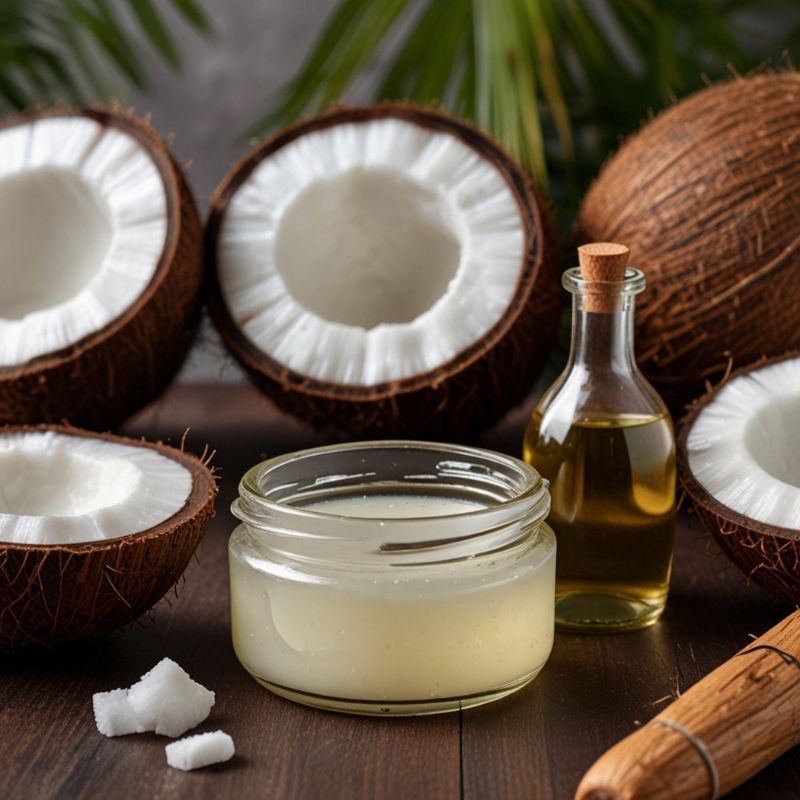
Another beneficial component of butter is lauric acid, a medium-chain fatty acid (MCFA) also found in coconut oil. Lauric acid makes up around 3% of the fatty acids in grass-fed butter, while it constitutes 40-50% of coconut oil’s fat content.
Studies have shown that lauric acid, along with capric acid, can effectively kill Candida albicans, making it useful for treating infections caused by this yeast and other pathogens (Bergsson, 2001).
Lauric Acid is a True Anti-Microbial
Lauric acid’s antimicrobial properties extend beyond Candida, offering protection against bacteria and viruses. The presence of lauric acid in both coconut oil and grass-fed butter makes these fats excellent choices for those dealing with gut imbalances or fungal overgrowths, such as Candida.
Butter: A Rich Source of Vitamins A, D, E, and K
In addition to its fatty acids, butter is packed with essential vitamins, particularly the fat-soluble vitamins A, D, E, and K. Vitamin A is crucial for skin health, immune function, and vision, while vitamins D and E support bone health and cellular protection. (NRC – USA 1989)
Butter is also one of the few natural sources of vitamin K2 (menaquinone), a form of vitamin K that plays a key role in calcium metabolism and heart health. Most vitamin K1 (phylloquinone) comes from leafy greens, but vitamin K2 is primarily found in fermented foods and animal products like butter. Vitamin K2 has been shown to encourage the growth of anti-inflammatory bacteria such as Faecalibacterium prausnitzii, which helps maintain a healthy gut microbiota (Fenn, 2017).
Incorporating Butter into Your Diet
While butter is rich in nutrients and can offer various health benefits, it’s important to consume it in moderation, especially if you’re dealing with a chronic condition like Candida overgrowth. Butter, especially from grass-fed sources, provides vital fatty acids, vitamins, and antimicrobial properties, making it a beneficial addition to a gut-friendly diet. However, it’s essential to balance butter consumption with other healthy fats like olive oil, as excessive intake of saturated fats can increase cardiovascular risks.
The Bottom Line

Eric Bakker N.D.
Greetings! I am a naturopathic physician from New Zealand. Although I’ve retired from clinical practice since 2019 after 34 years of clinic. I remain passionate about helping people improve their lives. You’ll find I’m active online with a focus on natural health and wellbeing education through my Facebook page, Reddit page and YouTube channel, including this website.