
Exercise

The Life-Changing Benefits of Physical Activity
Do you enjoy staying active—going for walks, stretching, or engaging in regular workouts? Or do you find yourself spending most of your time sitting, whether at work, in the car, or in front of a screen? In today’s world, sedentary lifestyles have become the norm, but our bodies were never designed to stay still for long periods.
Research shows that globally, one-third of people aged 15 and older do not get enough physical activity, negatively impacting their health (Ha Park 2020).
Movement is more than just an energy boost—it plays a crucial role in gut health, circulation, muscle strength, and emotional well-being. By incorporating the right balance of movement and structured exercise, you can build a stronger, more resilient body and significantly improve your quality of life.
Incorporate Regular Physical Activity

Inactivity can have serious consequences on your health, affecting everything from circulation to digestion. Understanding the difference between movement and structured exercise is key to making sustainable lifestyle changes. We’ll discuss how much daily activity is needed for optimal well-being and why both movement and exercise play a crucial role in supporting gut health, mental clarity, and overall vitality.
By incorporating regular physical activity into our routine, we can improve digestion, boost energy levels, recover faster, and reduce the risk of chronic diseases. Let’s explore how staying active can transform our health!
Movement vs. Exercise: What’s the Difference?
Many people think of exercise as structured workouts like jogging, yoga, or lifting weights. While these activities are excellent for health, everyday movement is just as important.
Both movement and exercise prevent prolonged sitting, which is linked to many digestive problems, including metabolic issues, poor circulation, heart disease, diabetes, and cancer.
Staying Active Throughout the Day: A Simple Yet Powerful Approach

You don’t have to spend hours at the gym to reap the benefits of an active lifestyle. Engaging in unstructured movement—such as walking, stretching, or climbing stairs—can be just as beneficial.
Studies show that combining regular physical activity with a healthy diet promotes longevity and overall wellness (Dhuli 2022).
Additionally, people who stay physically active tend to enjoy better sleep quality (Alnawwar 2023)
Short bursts of movement throughout the day not only enhance mood, circulation, and energy levels but may also lower the risk of developing chronic diseases, including certain types of cancer.
How Much Exercise Do You Need?
The amount of exercise you need depends on your fitness level, goals, and preferences. Some people enjoy high-intensity workouts, while others prefer activities like yoga, tai chi, or hiking.
Regardless of your preferred type of activity, the key is to stay consistent and engaged in movement throughout the day. Even small lifestyle changes—such as taking the stairs instead of the elevator—can make a big difference.

The Powerful Benefits of Physical Activity
Daily physical activity is one of the most effective ways to support overall well-being. Exercise promotes brain health, weight management, disease prevention, muscle and bone strength, and overall functional fitness.
Even small amounts of moderate-to-vigorous activity can bring significant health benefits and reduce the risks of many chronic diseases.
One of the most under-rated aspects of regular physical activity, especially when on a daily level, is how it improves our moods. Those who exercise daily always seem to look and feel better than those who don’t, have you noticed?
There are few, if any, lifestyle choices that have a greater impact on our health than regular movement. Best of all, these benefits are available to everyone—regardless of age, ability, ethnicity, or body shape.
A study recently published highlights the following : (Qiu et al., 2022):
Furthermore, research confirms that regular physical activity lowers the risk of dementia and cognitive decline while also protecting against a wide range of acute and chronic diseases, including infectious diseases and Alzheimer’s disease.
Different Ways to Incorporate More Activity into Daily Life
If traditional exercise routines don’t appeal to you, focus on movement in everyday activities:
Movement vs. Medication: A Better Long-Term Strategy

Aging is inevitable, but how we age is largely within our control. Many assume that stiffness, weakness, and chronic disease are unavoidable, but in reality, staying active and maintaining a nutritious diet significantly reduces the need for medications.
Unfortunately, the medicine business of disease is thriving. The medical system—pharmaceutical companies, insurers, and healthcare providers—profits more from sick individuals than from healthy ones (Payer et al., 1992)
Pharmaceutical companies have also played a significant role in redefining and exaggerating diseases to promote their drugs. Over the past 50 years, corporate-driven definitions of illness have replaced traditional medical assessments. A senior drug company official admitted that pharmaceutical marketing overstates disease prevalence to boost sales. A Roche executive noted, “Marketing teams always tend to inflate these things.” (Moynihan 2002)
As a result, while people today live longer, many older adults suffer from poor health and excessive medication use. It’s rare to meet someone in their 70s or 80s who isn’t taking multiple prescriptions. Research shows that 90% of adults remain too sedentary to achieve the health benefits of exercise (Reugsegger 2018).
Small Steps, Big Impact: Why Even Low Levels of Exercise Matter
The good news? Even small amounts of activity yield noticeable improvements in health. Regular movement is one of the best ways to prevent heart disease, circulatory issues, and other modern lifestyle-related conditions.
Beyond the cardiovascular benefits, staying active enhances day-to-day functionality. Many people underestimate how strength and fitness impact daily tasks:
Planned Exercise: A Focused Approach to Fitness

Beyond everyday activity, structured exercise is a powerful tool for improving strength, flexibility, and endurance. It allows for targeted progress toward specific fitness goals and enhances overall physical function.
However, structured workouts aren’t for everyone. The biggest challenge is often consistency. Studies show that time constraints, lack of access, and reluctance to train alone are key reasons people struggle to stick with formal exercise programs (Boulton 2019).
That said, planned exercise—whether in a gym, class, or at home—can be a highly effective way to stay fit. The American Heart Association (AHA) recommends:
Final Thoughts
Movement is one of the most powerful tools for maintaining long-term health, reducing reliance on medications, and improving quality of life as we age. Whether it’s through structured workouts or everyday activities, the goal is simple: keep moving. The benefits far outweigh the effort.
Evidence-Based Benefits of Exercise on Gut Health and Well-being
Regular movement and exercise offer a wide range of health benefits:
Key Take-Away
Regular movement and exercise are essential for gut health, emotional well-being, and disease prevention. You don’t need an intense workout routine to see results—simply staying active throughout the day can make a significant impact.
Find activities you enjoy, stay consistent, and embrace movement as a daily habit rather than a chore. Your body and mind will thank you!

Exercise Is Good for Our Gut Microbiota
We’ve previously in this website discussed how various diseases, including autoimmune conditions, are linked to changes in gut microbiota diversity (See: Immune Function). Many lifestyle factors influence this dynamic internal community, including genetics, medications, stress, smoking, diet, and hydration.
In this website, we’ve already highlighted how a diverse plant-based diet, quality sleep, stress management, and time in nature contribute to a healthier gut microbiome. However, a key factor we haven’t yet explored in depth is the role of physical activity and gut health.
Our gut is home to trillions of microorganisms that perform essential functions, given this, it makes sense that gut microbiota composition isn’t just influenced by diet—but also by the type and intensity of physical activity we engage in.
Exercise Increases Microbiome Diversity
Did you know that physical activity has been linked to greater microbiome diversity and composition? This is highly beneficial, as a more diverse gut microbiota is associated with better digestion, stronger immunity, and improved mental health.
Recent research highlights that fitness levels and gut microbiota diversity are strongly linked. In fact, exercise alone can explain over 20% of the changes in microbiome species richness—even when accounting for factors such as age, diet, and carbohydrate intake (Mohr et al., 2020).
This means that even if dietary habits remain unchanged, increasing activity levels can significantly enhance gut microbiota health.
The Link Between Exercise and Gut Health
Many people who exercise consistently report noticeable improvements in both physical and mental well-being. When asked about their experience, I’ve found their response is almost always the same:
“Yes, exercise has done wonders for me!”
And research supports this sentiment. One study found that high-level physical activity—such as that of professional athletes—results in significant shifts in gut microbiota composition and diversity compared to sedentary individuals (Bragina 2021).
Additionally, engaging in regular exercise has been shown to increase specific bacterial communities that produce short-chain fatty acids (SCFAs) (Barton 2018).
These SCFAs play a critical role in:
The Gut-Brain Connection: How Exercise Helps
Emerging evidence suggests that exercise influences a two-way relationship between the gut and brain by altering microbiome composition. This connection explains why exercise is such an effective therapeutic tool for both gut and psychological disorders (Dalton 2019).
In summary, movement isn’t just beneficial for our muscles, heart, and metabolism—it’s also crucial for gut health, immune function, and mental well-being. By incorporating regular physical activity, we can enhance microbiota diversity, reduce inflammation, and support long-term health.

What Is Sedentary Behaviour?
Sedentary behaviour is simple to define—it refers to long periods of inactivity with little to no physical movement. Since ancient times, humans have continuously sought ways to make daily tasks easier, and modern technology has accelerated this trend.
In today’s high-tech, AI-driven world, a sedentary lifestyle includes prolonged sitting while working at a computer, watching TV, playing video games, or using mobile devices for extended periods. When this behaviour becomes a daily habit over months or even years, it can have significant health consequences.
Rest and relaxation are essential for overall well-being, but at what point does “taking a break” turn into a chronically inactive lifestyle? If we evaluate our daily routines, how much time do we actually spend sitting down?
While working at a desk for long hours may not seem as harmful as smoking, some experts suggest the health risks of prolonged sitting may be just as concerning.
The Impact of a Sedentary Lifestyle:
Has sitting become the new smoking?
Some healthcare professionals refer to sitting as the new smoking due to the alarming amount of time people spend sitting—whether for work or leisure.
While some argue that being sedentary may pose health risks similar to smoking, it’s important to recognise that the consequences of smoking and prolonged sitting are not directly comparable.
However, prolonged sitting can contribute to a wide range of health problems, including:
The Hidden Impact of Sedentary Living on Fat Metabolism

Living a sedentary lifestyle reduces the activity of an important enzyme found in our body called lipoprotein lipase (LPL). LPL plays a crucial role in the metabolism of fats, especially triglycerides.
LPL is crucial for breaking down fats, particularly triglycerides, and plays a key role in energy production. When LPL activity drops due to prolonged inactivity, several negative effects can occur. Here are three ways in which reduced LPL activity can affect us:
The solution is simple: regular movement throughout the day. Whether it’s walking, stretching, or any form of physical activity, staying active helps keep LPL levels balanced, improves energy, and reduces disease risk.
The Link Between Movement and Happiness
From clinical experience, I’ve observed that physically active people tend to be happier than those who spend most of their time sitting at a desk, on a chair, or in front of a screen. Research also supports this, with studies finding a strong connection between physical activity and life satisfaction across all age groups (Hsin-Yu An 2020).
As we age, the health risks associated with sedentary behaviour accumulate over time, increasing the likelihood of chronic illness. That’s why I strongly advocate for an active lifestyle, incorporating movement and exercise that suits each individual.
Finding What Works for You
Notice I said “some regular form” of exercise? That’s because what works for one person may not work for another. The key is to find an activity you enjoy, making it a habit rather than a chore. Whether it’s walking, cycling, swimming, or another form of movement, staying active supports long-term health and well-being.
Most people acknowledge the importance of regular physical activity, yet many still struggle to adopt a more active lifestyle. Could our love affair with screens be partly to blame? Perhaps it’s time to step away from the screen, stretch, and move—our health depends on it.

Sedentary Lifestyle, Metabolic Syndrome, and Screen Time
Sedentary lifestyles are becoming increasingly common worldwide due to the rise of technology-based jobs, longer working hours, and fewer opportunities for physical activity. Many people spend more time in front of screens and less time engaging in movement.
Automation and digital conveniences have made daily life easier but have also contributed to a decline in physical activity, leading to a greater risk of health issues associated with prolonged sedentary behaviour.
Research suggests that approximately 4% to 7% of young adults and 25% of the aging adult population worldwide have metabolic syndrome(Nolan 2017).
Metabolic syndrome is a cluster of conditions—high blood pressure, excess abdominal fat, high cholesterol, and insulin resistance—often caused by unhealthy dietary and sedentary behaviours. A 2016 study in Mexico involving 3,166 adults over 20 years of age found that 59.6% of participants had metabolic syndrome.
The study also revealed that men averaged 3.6 hours of screen time per day, while women averaged 2.8 hours. For every additional hour of screen time, the risk of abdominal obesity increased by 4% (Macías 2021).
Like many people, I enjoy screen time but make it a priority to balance it with daily walks and gardening. The key is to use technology wisely and incorporate outdoor activity whenever possible.
Be Aware of Your Body Around Screens
If you spend long hours on your phone, computer, or TV, pay attention to these common signs of excessive screen use:
The best way to counteract these effects is to stay active, limit screen time, and maintain a balanced diet. Even walking for just 5 to 10 minutes a day can significantly improve your health.
Sedentary Behaviour and Its Impact on Health

The effects of a sedentary lifestyle are far-reaching, impacting nearly every body system. While medical advancements have extended life expectancy, the quality of life has not necessarily improved (Geffen 2017). Over the past 50 years, technological progress has contributed to longer lifespans, but it has also led to a surge in chronic diseases related to obesity and inactivity (Woessner 2021).
Metabolic syndrome symptoms often go unnoticed until they develop into serious health conditions. Many individuals assume they are symptom-free when, in reality, internal damage is slowly accumulating, increasing their risk of conditions like heart disease, type 2 diabetes, stroke, and even cancer (Esposito 2012).
One lesser-known consequence of prolonged inactivity is the reduction in certain enzyme activity levels in the body, which can further impact metabolic health. The good news is that there are simple and effective solutions to counteract the negative effects of a sedentary lifestyle.
Key Takeaways: How to Counter a Sedentary Lifestyle
By making small, consistent changes, you can significantly improve your health, energy levels, and overall quality of life.

Stop Making Excuses!
I’ve heard every excuse in the book—believe me. You’re too busy, too tired, out of shape, you’ve got no money, or you are just not motivated. But here’s the truth: you don’t have to be perfect, you just have to start.
Feeling stuck in a sedentary routine is normal, but instead of focusing on limitations, find the form of movement that suits you. Walking, stretching, or short workouts can fit into your daily routine. Start small, build confidence, and let momentum take over.
Overcoming these excuses often involves finding creative solutions, setting realistic goals, and understanding the long-term benefits of regular exercise.
Feeling trapped in a sedentary routine is a common experience, especially if exercise feels overwhelming or out of your reach. Discover activities that match your interests and physical capabilities. Movement and exercise isn’t just about your appearance—it boosts mood, energy, and long-term health. It’s important to prioritise self-care and embrace movement as a tool for transformation.
Do Any Of These Sound Familiar?
Whatever the excuse, there’s a way around it. Take the first step—your body and mind will thank you.
Walk away from 97% of the crowd. Don’t use their excuses. Take charge of your own life .
— Jim Rohn

Get a Fitbit or Pedometer, Start Slowly & Build Momentum
If you’re new to exercise, start small—just 10 to 15 minutes of walking daily. Gradually increase your duration to 30 minutes, then work up to an hour, five or six days a week. It may seem daunting at first, especially if you’re used to a sedentary lifestyle, but your body will adjust quickly.
To make walking more enjoyable, consider joining a walking group or bringing a dog along. Socialising while exercising can make it feel like an event rather than a workout. Additionally, using a pedometer, Fitbit, or fitness tracking app can be an excellent way to stay motivated.
Research confirms that people who use a pedometer walk an average of 318 more steps daily than those who don’t, even when they can’t see their step count. This increase was consistent regardless of whether participants had set fitness goals or received incentives (Tayler 2022).
Once you start tracking your steps, you’ll naturally want to beat your personal best or even compete with friends. You might surprise yourself with how much progress you can make!
Why Fitness Trackers Can Boost Your Motivation
Here’s why I like wearable tech when it comes to walking:
The key to long-term success is finding what keeps you engaged. If seeing tangible progress motivates you, a Fitbit or pedometer could be one of the best investments in your fitness journey.
Remember, the key to sustained motivation is finding what works best for you. If having a tangible measurement of your activity on your wrist that helps keep you accountable and motivated, a Fitbit or pedometer can be a most valuable tool in your fitness journey.

Getting Back Into a Physically Active Lifestyle
Some of us have who have lead predominantly sedentary lives and want to increase our level of physical activity, others may be wanting to return to a level of physical activity they once experienced. In both situations, whether beginning to exercise or returning to physical exercise after a hiatus can be challenging.
If you’ve been sedentary for some time, you may find it challenging when trying to get back into physical activity. Many of us just starting out may discover they just can’t seem to sustain their efforts for long without feeling exhausted.
Always remember, getting back into physical movement is a positive step towards improved health, and with a good deal of patience and a mindful approach, you can easily overcome any initial challenges and build a sustainable exercise routine.
Feeling disheartened, defeated, or a sense of despair is common for many of us the first few months after we get back into a physical exercise. For some it could spell mild aches or pains, for others it could be other problems. Could you explain what we need to keep in mind when getting back into physical movement.
This is perfectly normal, you’ll find the intensity and duration of exercise will improve if you just take it easy and keep at it.
Here are a few key points in mind can help make the transition smoother:
If you are not willing to risk the unusual, you’ll have to settle on ordinary.
— Jim Rohn

Consistency: Your Key to Building a Lasting Exercise Habit
No matter which strategy you choose, consistency is the foundation of success. Whether you’re engaging in light, moderate, or vigorous activity, the key is to establish a routine and stick to it. The more consistent you are, the more your body will adapt, leading to long-term health benefits.
Even on days when motivation is low, maintaining your routine will make a significant difference over time. The best way to maximize the benefits of exercise is to find activities you enjoy and make them a regular part of your life.
Frequent movement—whether through structured workouts or daily activity—offers proven benefits, including:
The most effective exercise plan is the one that fits your lifestyle and preferences while being sustainable in the long run. Whether you prefer structured workouts or staying active through daily movement, the goal is to find balance and stay consistent.
Consulting a Professional Before Starting a Fitness Plan
If you’re new to exercise or have specific health concerns, it’s wise to consult with a fitness specialist or healthcare professional to develop a plan tailored to your needs.
How to Exercise Without Quitting
Many people associate exercise with high-intensity workouts, gym sessions, or exhausting cardio. This can be especially intimidating for those managing health concerns like Candida overgrowth, IBS, or other chronic conditions.
However, staying active doesn’t require intense exercise. Small adjustments to your daily routine can greatly improve your well-being without the need for strenuous workouts.
By making consistent, manageable changes, you can reap the benefits of movement without feeling overwhelmed or discouraged. The key is to keep going—at your own pace, in a way that works for you.

Eric’s Final Words on Exercise
The key to success with any activity or exercise is consistency. If you haven’t already read The Four Stages of Change, I highly recommend going back to it—especially if you are serious about making lasting changes in your health.
Commitment and consistency are what bring real results. This principle has worked for me, and for countless others. What we do daily determines our future—not just in fitness, but in all aspects of life. Our habits shape our health, and regular exercise, paired with healthy eating, is one of the best habits you can build.
Take It Easy When First Starting Out!
For those dealing with Candida, IBS, SIBO, or IBD, it’s important to ease into exercise gradually. Your immune system is already working hard to restore balance, so pushing yourself too hard can place unnecessary strain on your body—especially your gut.
Instead of diving into intense workouts, focus on gentle activities that support your body’s healing process. Walking, yoga, swimming, or light stretching can be excellent ways to stay active without overwhelming your system.
The Ultimate Candida Cleanse Program
A healthy gut is foundational to overall well-being. Our microbiome plays a vital role in immune function, digestion, and energy levels. This is why I strongly recommend incorporating gut-supportive foods as outlined in The Ultimate Candida Cleanse Program. Our program is designed to restore beneficial bacteria, enhance digestion, and promote long-term health.
Listen to Your Body
As you embark on your fitness journey, pay attention to your body’s signals. If you feel dizzy, fatigued, or out of breath, take a break and reassess. Gradually increasing your activity over time allows your body to adapt and strengthen naturally.
Create a Sustainable Fitness Routine
The goal is to build long-term habits that enhance your health and well-being. By starting with gentle exercises, respecting your body’s limits, and prioritising gut health, you’ll create a balanced, sustainable approach to fitness. It’s not about pushing to extremes—it’s about creating a lifestyle that supports optimal health for years to come.

Best Exercise Tips for Individuals With Fungal Infections
Our naturopathic clinic discovered that people with fungal or bacterial issues who exercise or who work-out on a daily basis may be causing problems for themselves, some might even be making their yeast or bacterial infection worse due to the stress they put on their gut health and metabolism.
I’ve found this to be true based on working with more than a few athletes, a few even at the Olympic level, but more commonly more enthusiastic patients, those who like to exercise frequently and who have yeast infections, gut problems, or other similar health issues.
Exercise causes the body to heat up, and it’s crucial that you realise that, in addition to the fact that sweating increases moisture, which aggravates skin and vaginal yeast infections, any exercise that is too intense or strenuous can also exacerbate a yeast or bacterial infection.
Exercise is undoubtedly beneficial for those with a Candida overgrowth, SIBO, IBS, or other problem, but it’s crucial to proceed with caution and take steps to assist in your body’s healing process.

Athlete’s Foot
People who have athlete’s foot should take extra care to dry their feet, especially after taking a shower, and should ideally wear sandals until their feet are completely dry. It’s easy to let your feet get and stay wet, especially if you are wearing covered shoes. Take your shoes off at your earliest convenience, go bare feet.
A couple pairs of high-quality running shoes, rotated regularly, and a few drops of tea tree oil applied once a week to the toe and heel areas will help to eventually get rid of athlete’s foot and toenail fungus. Have patience! After the feet and nails are dried, dab on some tea tree oil. Apply Australian tea tree oil daily for several days.
Joint Pain
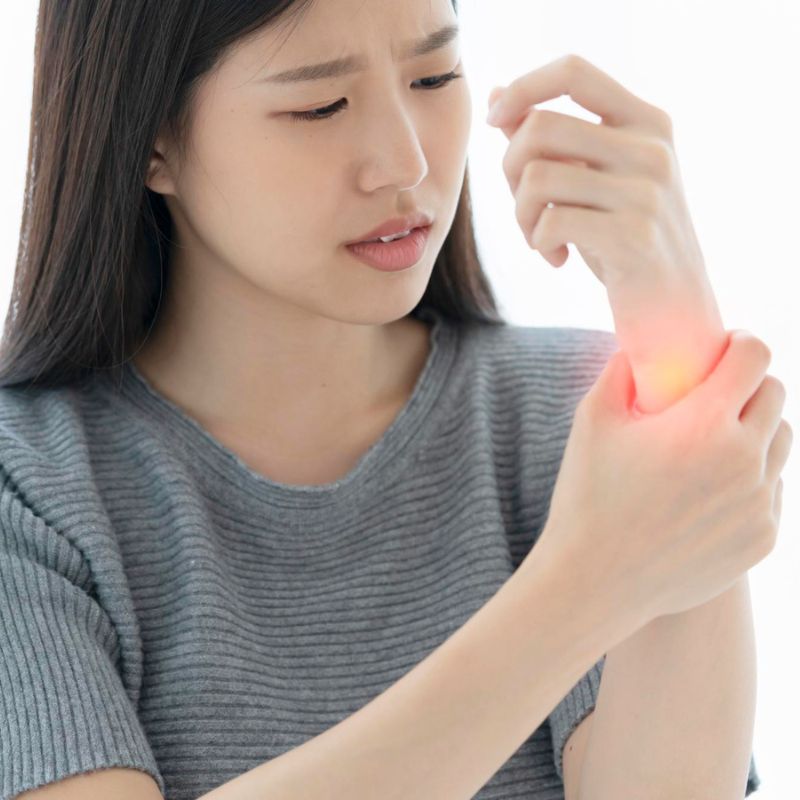
Exercise is essential for everyone, but it is especially important for those with joint or muscle pain, including conditions like arthritis. Regular movement strengthens bones, muscles, ligaments, and tendons, making daily activities easier and reducing stiffness. Stretching exercises can also help combat fatigue and ease joint pain.
However, when joints feel sore and stiff, the idea of going for a walk or swimming a few laps might seem daunting. The good news is, you don’t need to run marathons or do high-impact workouts. Even mild exercise can help maintain a healthy weight, improve flexibility, and reduce pain.
Find the Right Type of Exercise for You
Many people with joint pain can still exercise; they just need to find a method that works for them. In fact, the right movement can increase flexibility and reduce discomfort over time. If you experience pain in your lower back, neck, hips, or shoulders, consider exercises that are low-impact and joint-friendly, such as:
These activities boost cardiovascular health and promote movement without putting stress on your joints. Finding the right exercise for your body can help you stay active, improve mobility, and keep pain from limiting your lifestyle.
For men and women who like to be active and exercise, but who have Candida or gut issues, I can highly recommend the following advice: