Weight Loss

Healthy Weight Loss: The Natural Path To Sustainable Results
Many people seek quick fixes for weight loss, but are weight-loss diets and pills truly the best solution? While it’s essential to maintain a healthy body weight, sustainable weight management comes from long-term habits rather than short-term interventions. By taking control of your weight today, you’ll find it much easier to maintain a balanced, healthier body in the long run.
The Evolution of Weight Loss to the Present Day
Over the decades, weight loss strategies have evolved dramatically. The 1950s and 1960s saw the rise of fad diets like the grapefruit diet, while the 1970s popularised meal replacements and extreme low-calorie plans. The 1980s and 1990s introduced aerobics, low-fat diets, and weight-loss drugs like fen-phen, which was later pulled from the market due to serious heart-safety concerns.
The 2000s shifted toward low-carb trends, such as Atkins and keto, while today, sustainable approaches like intermittent fasting, whole-food-based nutrition, and gut health-focused weight management are gaining popularity. There is now a greater emphasis on long-term health, mental well-being, and scientific research over quick-fix solutions.
Weight Loss In The 1940s
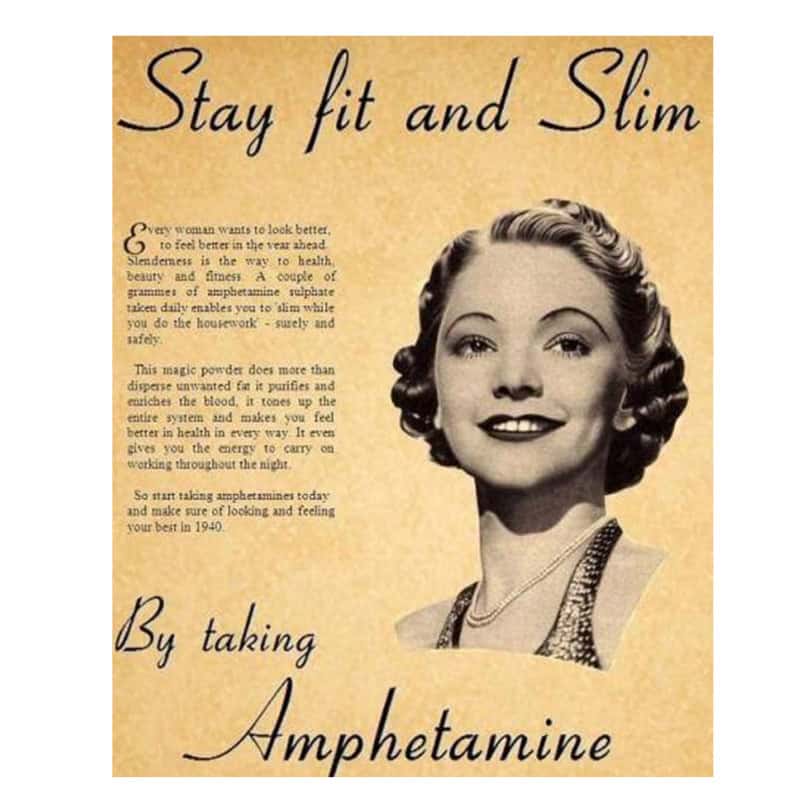
In the 1940s, weight loss was not the billion-dollar industry it is today, but there was a growing awareness of body weight, particularly among women. Amphetamines, commonly known as “pep pills,” were widely prescribed as appetite suppressants. Methamphetamines are not “new” drugs, America’s first amphetamine occured between 1929 and 1971 (Rasmussen 2008).
Doctors once recommended amphetamine to housewives and working women to curb hunger and boost energy levels. The emphasis on being slim was tied to beauty standards, and many weight-loss solutions were medically endorsed without much concern for long-term health effects.
Unlike today’s focus on balanced nutrition and fitness, weight loss in the 1940s often relied on quick fixes, including restrictive dieting and pharmaceutical aids.
Take-Away
The Gut-Weight Connection: Why Our Microbiome Matters
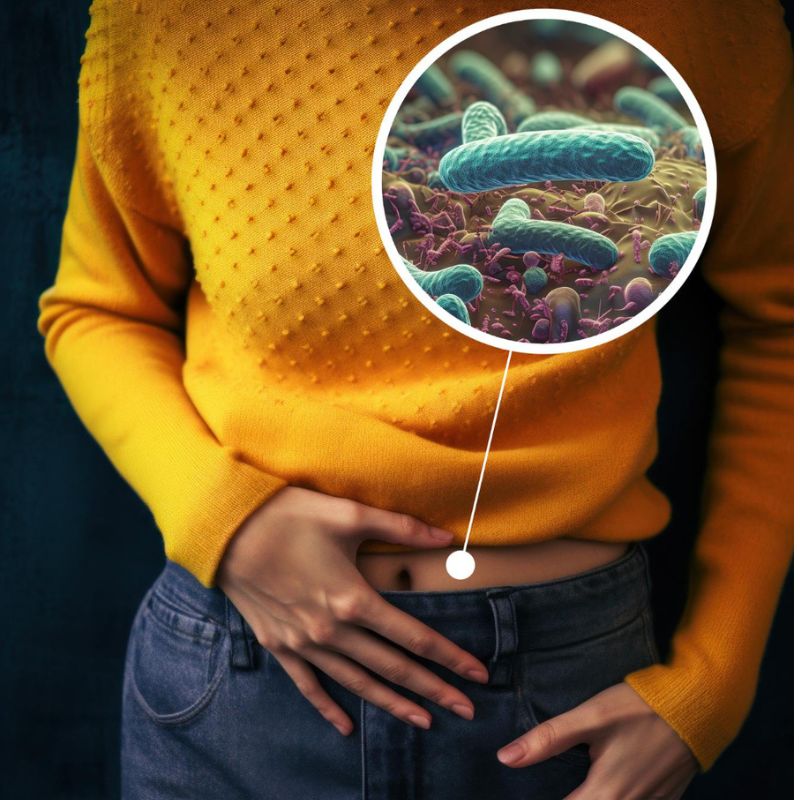
Prioritising a balanced diet and adopting healthy daily habits is crucial—not only for weight management but also for our gut health. Research suggests that a well-balanced gut microbiome plays a key role in regulating body weight.
Disruptions in gut flora balance can contribute to weight gain, metabolic issues, and systemic inflammation. A healthy microbiome supports digestion, improves nutrient absorption, and enhances metabolism, helping you maintain an optimal weight (Aoun et al., 2020). Research has also found that our susceptibility to developing a yeast infection depends a great deal on the health and condition of our gut microbiota (Delavy et al., 2022).
Even Small Weight Loss Yields Big Benefits
If you currently weigh more than your ideal weight, losing just 5 to 10 percent of your body weight can significantly lower your risk of chronic disease. Studies show that even modest weight loss can improve cardiovascular health, reduce inflammation, and enhance insulin sensitivity (Ryan et al., 2018). By focusing on gradual, sustainable changes, you can achieve long-term health benefits without extreme dieting or unsustainable weight loss methods.
Weight Becomes Harder to Manage with Age
As we age, maintaining a healthy weight becomes more challenging. Metabolism slows down, muscle mass decreases, and hormonal shifts occur, making it easier to gain weight and harder to lose it. Therefore, it’s best to establish healthy habits early on. Carrying excess weight in middle age can lead to increased fatigue, poor sleep quality, and reduced mobility, limiting your ability to enjoy life fully.
The Link Between Excess Weight and Chronic Disease
Excess weight isn’t just a cosmetic concern—it’s a major risk factor for chronic illness. When weight is within a healthy range, the body functions optimally, reducing the likelihood of metabolic and inflammatory diseases. However, being overweight or obese significantly increases the risk of:
A major study involving 16,000 participants (NHANES III) found a strong correlation between obesity and conditions such as osteoarthritis, diabetes, heart disease, gallbladder disease, and high cholesterol (Must 1999).
Key Take-Away
By taking a holistic approach—focusing on nutrition, gut health, and sustainable lifestyle changes—we can achieve and maintain a healthy weight while enhancing overall well-being.
Weight Loss Science is Finally Becoming Gut-Woke

An interesting study (Geng 2022) was published recently highlighting three key points:
Naturopaths have been discussing these three points with patients for countless years, while science has finally become gut woke.
Article of Interest: Signs Of A Sick Gut
Gut Health Shapes Our Health And Wellbeing
My early studies into natural health in the 1980s and personal terrible experience with antibiotics very much woke me up to the fact that our gut shapes every aspect of our being, from our appearance to our way of thinking. From our moods to our sleep, energy and so much more.
This was in an era when probiotics were seen as “unproven science”, when today we know they are even linked with weight loss. Studies today show that specific lactobacillus and Bifidobacterium strains show the best results in reducing body weight. (Álvarez-Arraño et al., 2021). Check out our Yeastrix Probiotics.
Weight Loss Diet Not Needed
Foods shape our microbiome, which then in turn shape our health. Some foods are better than others at feeding our gut, like prebiotic and fermented foods, especially yogurt and sauerkraut. Some foods are worse, like refined sugars, take away foods, and ultra-processed foods.
The importance of selecting the right foods can never be overestimated when it comes to gut microbiome building a healthy and balanced microbiome. Only then will your bodyweight be easy to manage, much easier than if you carry a lot of weight.

Energy Level is Related to Bodyweight
One of the most important commodities when it comes to our health is energy. Energy is like money, everybody wants more, and there never seems to be enough to go around. The fact is, bigger people are in general, the more tired they seem to get and the less energy they have. You’ll notice this a lot if you are observant.
You’ll find that energy is related in many ways to your bodyweight. Your weight and energy balance, or calories consumed vs calories being burned, are impacted by a wide variety of factors Your body, mind, including the environment and society you work and live in, are just a few examples of these powerful influences (NRC USA 1989).
Article of Interest: The 6 Core Healthy Eating Principles
Healthy Weight Management
There are many ways to lose weight, and there are many weights to keep weight off. There are diets, supplements, and many self-help programs. It all comes down to these three basic points, it usually does.
It’s all about:
I’d like you to consider these three points when maintaining a healthy weight. It pays to read the blog post entitled: “The Four Stages of Change”, because this information applies particularly well to losing and maintaining body weight for the long-term.
Article of Interest: The Four Stages of Change,
Adopt Healthy Diet and Lifestyle Practices Long-Term

Move your body every day and slowly try to increase your activity levels. The aim is to eventually walk every day, some days more (a mile or 2, maybe more), some less (around the block, or up the street, etc.).
I’ve seen many patients over the years go from an almost entirely sedentary lifestyle to eventually walking virtually every single day. I’m not one to recommend “2 .5 hours of moderate exercise a week”.
Just walk every day. Walking is the best exercise according to many credible websites, including harvard.edu because it requires no expense nor special skills and is accessible to all.
Learn To Only Eat When You are Hungry
If you find yourself “always hungry” or looking in your refrigerator a lot, you’re probably eating the wrong kind of foods. Aim for eating satisfying foods, preferably foods high in protein and fibre. You’ll find these foods satisfy your hunger for much longer than snack foods like take away foods. Are We Hungry Or Just Craving Food?

Reduce the Amount of Sauces and Condiments
Many of these products contain unwanted levels of sugar, salt, preservatives,and high levels of fat. Try to increase your use of fresh and dried herbs and spices, like ginger, garlic and the Mediterranean herbs like rosemary, basil, oregano, thyme, and marjoram.
Your sense of taste and smell will increase over time, along with the health of your digestive system. The end result is a more balanced and robust microbiome, and better health. It’s much harder for Candida overgrowth or SIBO to occur in a strong and healthy gut.
You Can Still Eat Take Aways!
Be aware that, within our recommended framework of a general healthy eating plan and lifestyle, it is still possible to make less nutrient-dense decisions down the track. You can still enjoy take away foods now and then, but for the first several months, until your gut, waistline, and willpower improve, it’s best to entirely avoid these food choices. This may even seem extreme for some, especially those who still have a lot to learn about cause and effect and food choice long-term.
Food Is Not A “Reward”

Food needs to be restored into its proper place. Food needs to be a source of nourishment and pleasure, being careful not to eat just for pleasure, boredom or as a reward. Make small changes over a long period of time.
Make small but continual adjustments to your diet until you are enjoying predominantly nutrient-dense foods, as opposed to foods containing too much sugar, salt, dietary fats.
This is the smart approach, for it allows your microbiome to gradually change, develop, and become strong and balanced over a period of several years. This is similar to building a powerful investment portfolio over a period, if correctly planned and executed, you are virtually assured of success.
Have Confidence and Trust in your Ability
Belief in yourself! I’ve got confidence in those seeking information on health and wellness, people wanting to get well and stay well for as long as possible by natural and drug-free means.
I found patients who were confident and optimistic who came seeking treatment, were the patients more likely to maintain healthy and balanced body weight and general health, as opposed to those who were highly-stressed and more negative about their future

Pay Attention To Your Body’s Signals
Your body has internal hormonal appetite regulation intended to keep it healthy. I always recommend you pay attention to your body’s signals of hunger, fullness, and appetite to help it determine the proper weight.
Do you have Candida Overgrowth perhaps? It could be a reason you are craving foods inappropriately.
Stress tends to negatively affect a person’s hormonal system, causing weight issues. Chronic stress is known to alter a person’s pattern of food intake, their dietary preference, and the rewarding properties of foods. (Scott 2012)
Be Committed to Making Healthy Changes
A great way to begin your health journey is to make a promise, a commitment to yourself. It’s a powerful step to decide to lead a healthier lifestyle and control your weight, but if you make a commitment telling yourself you’re going to stay on track and achieve what you really want to achieve, you’ll find it easier than just waking up one day thinking “I need to lose weight, I’ll just cut back on what I eat”.
You’ll find it even more useful to list the reasons you want to control your weight in writing. You may be experiencing different signs and symptoms related to your weight, like aches and pains, fatigue, mood disorders, or all kinds of gut symptoms like bloating, constipation, or endless gas.
If you write a list, concentrate on the advantages you might encounter personally with losing weight, like:

Weight Loss Myths and Fads: Separating Fact from Fiction
There are many myths and fads surrounding weight loss on the internet. You’ll find loads of celebrity-endorsed fad diets and magic weight-loss pills online, all many backed by testimonials and individual success stories. How many are real and how many are fake?
I would take all these too good to be true stories with a grain of salt. If you’ve worked in a naturopathic clinic as long as I have, and stayed in diet & nutrition and healthcare industry, you’ll have seen plenty of fakes over time.
Weight Loss Pills And Weight Loss Medication Always Fail
Remember that you are more likely to gain back any weight you lose if the methods you use to lose weight are not ones you can maintain for the rest of your life. We are all good in the beginning, everybody’s a gangster for the first few weeks, maybe two or even three at the most.
But what about thereafter, after a few weeks, or months, let alone, years? Not many, if any. You can see why many people could potentially fall for the quick weight loss programs like they do for pay day loans. It’s a false promise.
Healthy Habits Long Term Are The Solution
While many of these diets can help in weight loss while being followed, the moment your regular lifestyle is resumed the weight begins to slowly creep back on. This may all sound cliché, but it happens in most cases in my experience, maybe in your experience to. That’s because maintaining a healthy weight loss over the long term is a lot more challenging than simply “losing weight” with some crash diet or weight-loss program.
It takes more than just sticking to a diet for a few weeks to lose weight; managing your weight requires a lifetime commitment. But it gets easier, a lot easier over time once the new habits become more fixed. I’ve worked with enough patients to tell you that I’ve seen positive changes in some people that really surprised me with their chronic health challenges. It does not matter what health challenge you now face, if you really want to lose weight, you’ll do it regardless.
How To Spot Fad Weight Loss or Supplement Programs
But how do you recognise fad weight loss diets? In fact, how do you recognise if any dietary supplement company is suspect? If they have one or several of these characteristics:
Achieving Permanent Weight Loss Requires A Comprehensive Approach

Greetings, it’s Eric Bakker, thanks for reading this page. I encourage all who are interested in losing weight and maintaining weight-loss to look at a more comprehensive approach than just a weight loss diet.
Our clinic worked with many people who lost weight – and who then maintained their weight-loss for many years. It’s totally achievable.
Let’s look at a few important points, and then discuss my ten best weight-loss tips:
Effective Weight Loss
Effective weight loss involves more than just dropping the pounds quickly. It requires a sustainable approach that integrates healthy habits into our daily life.
Importance of Diet and Nutrition
A healthy and balanced diet plays a central role in achieving and maintaining our weight loss goals. Just by following the dietary recommendations below , we can successfully reduce excess body weight and establish a healthier weight balance.
Are Weight Loss Pills and Weight Loss Medication Needed?
No, they are not required. While weight loss pills and medication can aid in short-term weight reduction, they are pretty useless by comparison with a long-term nutritious diet and regular exercise routine. I never recommend going down this quick-fix route.
Long-Term Goals and Expectations
In the initial weeks, significant weight loss may occur, but over time, a more gradual rate of weight loss—averaging a few pounds per month—is realistic for sustained results. Embracing a long-term lifestyle and dietary plan is essential for lasting success. Anything really worthwhile takes time.
Lifestyle Adjustments for Sustainable Results
Key Take-Away
By adopting a more comprehensive diet and lifestyle approach to weight loss, individuals can optimise their metabolism and body size, ensuring a healthier future. Remember, sustained efforts toward healthy living yield lasting results, positively impacting both physical health and overall well-being. Setting realistic goals, maintaining consistency, and seeking support are key factors in staying motivated and on track toward achieving weight loss goals. Gradual lifestyle changes can lead to significant health benefits that endure over time.
Here are 10 of my best tips:
Eric’s 10 Best Weight Loss Tips
1. Just Eat Less Food.

If you want to lose weight, and more importantly, maintain weight loss permanently, it is vital to cut your calorie consumption. This means, you’ve got to eat LESS food. However, it is equally important to not just reduce your food intake, but to look at the kind of foods and drinks you consume. Intermittent fasting has become popular, and for a very good reason.
2. Avoid Sugar and Refined Carbohydrates.
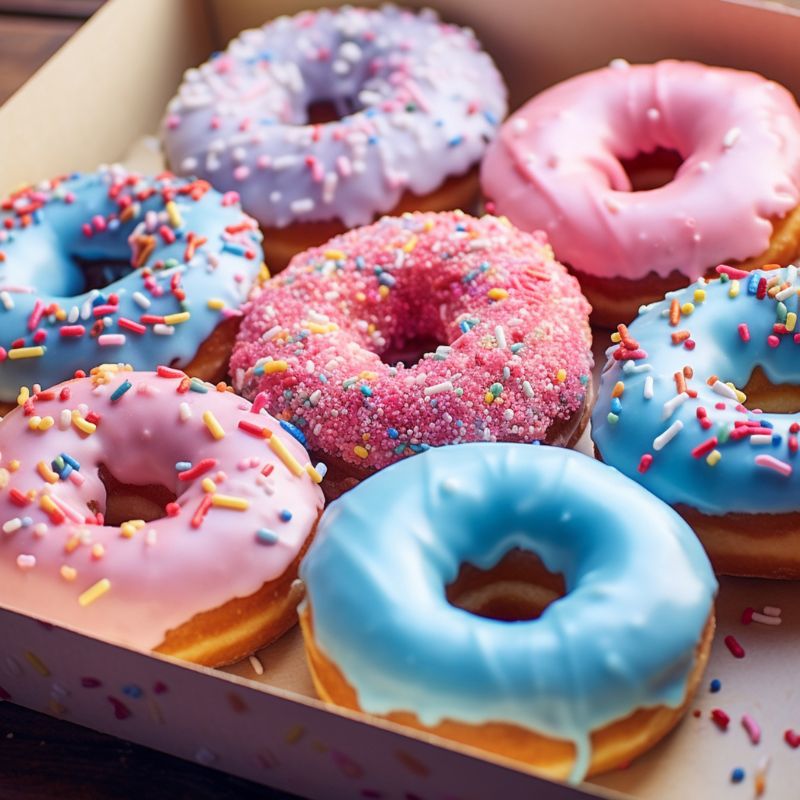
This essentially means anything that tastes very sweet. It is best to avoid places that sell lots of this food as well, like take-away shops. These foods are things like sweets and candy, cakes, chocolate, puddings, biscuits and cookies, muesli bars, most breakfast cereals, jams, marmalades, soft or soda drinks.
3. Avoid Alcohol a Lot of the Time.

I’ve often found that people who drink alcohol regularly, especially daily, tend to have difficulty in losing and maintaining body weight. If you struggle with your weight, and you drink regularly, you are advised to quit drinking for a long time. Those who drink daily don’t tend to eat much fruit, or consume as much fresh food as those who hardly drink at all.
4. Eat Food Regularly.
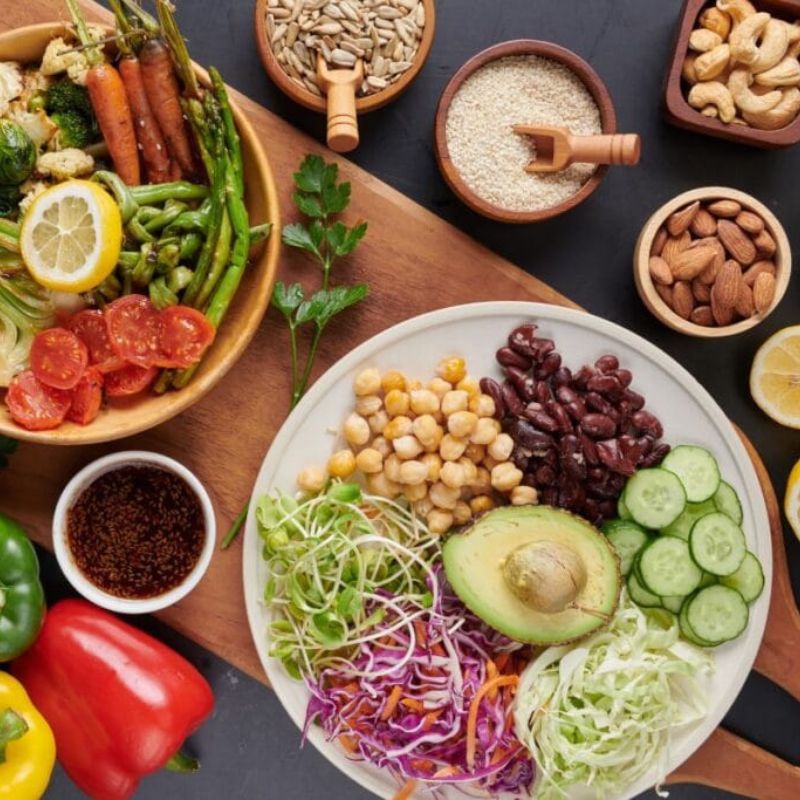
Skipping meals is not a good way to permanent weight loss. Three meals per day is a sensible approach to keeping your blood sugar stable and energy levels more balanced throughout the day. You don’t need to eat a lot with each meal either. Aim for quality and not quantity with your food. You’ll sleep better and your moods will be more stable as well.
5. Eat Mostly Nutritiously-Dense Foods.
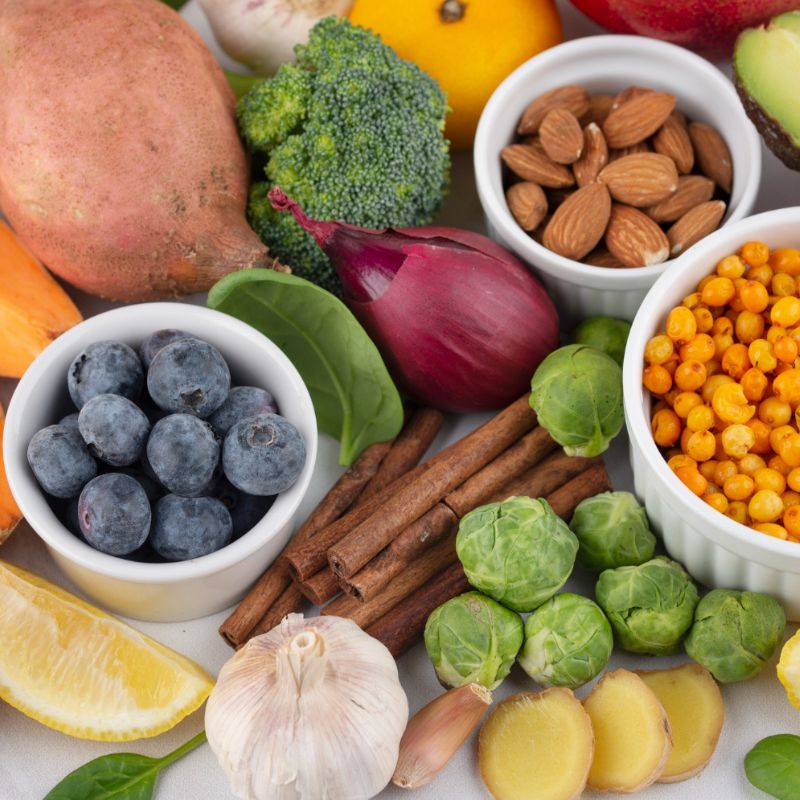
It’s a non-brainer. By eating the most nutritiously dense foods, you’ll be ensuring your body’s needs for vitamins and minerals are easily met, allowing it to operate at peak efficiency. These foods include, fruits like berries, avocados, lean meat, eggs, fish, vegetables, and nuts. You’ll soon lose the desire to snack on fries, pizza, fried chicken, nuggets, and burgers.
6. Learn How to Avoid Food Cravings.
Practice mindful eating, try to avoid mindless munching, slow down during meals, chew food thoroughly, enjoy each bite. Pay attention to hunger and fullness cues, avoid distractions while eating.Food cravings can lead to inappropriate snacking and weight-gain. . You’ll get these by consuming the most nutritiously-dense foods daily.
7. Hidden Food Allergies and Intolerances.

Some people may have a hidden food allergy or intolerance. It’s been my experience that some people (who have “tried it all”) lose weight more easily when placed on an exclusion diet. Often, a diet low in animal fat and refined carbs that avoid all grains, sugars, are dairy products, appears to be successful when other ways of eating failed.
8. Dietary Supplements are Necessary for Some.

Many can benefit from taking digestive enzymes and probiotics when their diet is in a state of transition. When reducing the intake of refined carbohydrates and including more fresh fruit, vegetables, nuts and seeds, lean meats and eggs into the diet, enzymes and probiotics can reduce the likelihood of developing gut symptoms like bloating, constipation, or gas.
9. Exercise and Movement.

When you exercise or move your body more regularly throughout the day, you’ll be increasing your calorie needs. This allows you to consume plenty of healthy food, yet without any fear of gaining weight. There is now a large body of evidence that shows exercise greatly enhances the weight-losing effects of a healthy and balanced diet.
10. Support and Accountability.

Surround yourself with a supportive network of friends, family, or a group on Facebook to stay motivated and accountable. This is why relationships are so important. There are many online tools and trackers available. Share your goals, challenges, and successes with others who understand and can provide encouragement along the way.