

The Signs and Symptoms Of An Unhealthy Gut
How healthy is your gut? This question has become increasingly important as research continues to reveal the pivotal role gut health plays in overall wellness. The connection between an imbalanced gut and a wide range of health issues is now undeniable. From digestive discomfort like bloating and gas to links with mental health, skin conditions, food sensitivities, sleep problems, and energy levels, the health of our gut microbiome is central to our total well-being.
From digestive discomforts like bloating and gas to surprising links with mental health, skin conditions, food sensitivities, and even energy levels, it’s evident that gut health is integral to holistic wellness. This page can show you some of the most common causes and triggers I’ve found commonly associated with a sick gut.
Nurturing Our Gut Is The First Step Towards Wellness
Through years of clinical practice and thousands of consultations, I’ve identified consistent patterns and triggers amongst a wide variety of patients (over 60 countries) associated with poor gut health function. This page explores some of the most common causes of gut dysfunction and the key steps you can take to address them.
A healthy gut is the cornerstone of a resilient body and mind. One of the most fundamental principles of naturopathy is that most chronic diseases originate in the gut before they manifest outwardly. The state of our digestive system impacts every aspect of our health, from physical vitality to mental clarity.
We’ll soon dig into the 12 key indicators of an unhealthy gut and how addressing them can profoundly transform our overall health. But first, it’s important to recognise that understanding and supporting our gut is not just a step—it’s the foundation of achieving true holistic wellness. If you’re with me on this one, be sure to read this page and identify if any one of these 12 indicators may relate to you.
I hope you enjoy reading this page as much as I enjoyed writing it, please leave a comment if you wish.
All Diseases Begin In The Gut
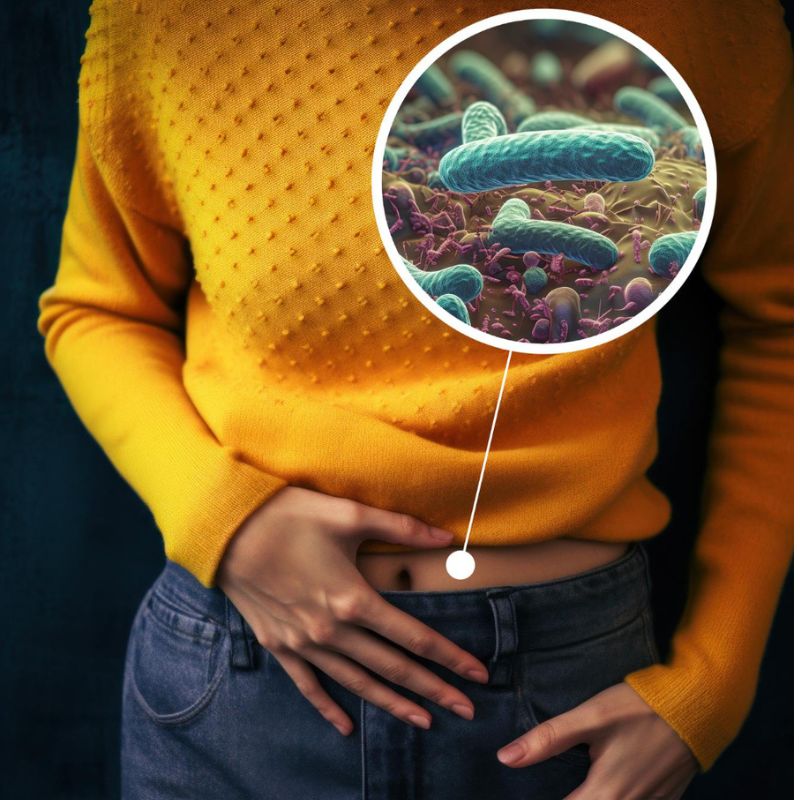
When considering gut health, it’s natural to think about digestive symptoms such as acid reflux, constipation, or diarrhoea. However, modern research highlights its far-reaching influence. The gut microbiome – a complex community of trillions of microorganisms living in your digestive system – interacts with nearly every system in the body.
For instance, imbalances in this microbiome have been linked to conditions like anxiety, depression, autoimmune disorders, and even obesity. This aligns with the ancient wisdom of Hippocrates, who proclaimed nearly 2,500 years ago that “all disease begins in the gut.”
While not entirely accurate, this statement underscores the foundational role of gut health in maintaining equilibrium throughout the body.
Symptoms of poor gut health aren’t always dramatic. While irritable bowel syndrome (IBS) or inflammatory bowel disease (IBD) may be well-known examples, less obvious signs such as chronic fatigue, frequent headaches, skin breakouts, and persistent cravings can also point to an unhealthy gut. These subtle manifestations are often dismissed or misattributed, leaving many unaware that their digestive system may be the root cause.
If you’ve struggled with unexplained symptoms for years, you might be surprised to learn they could stem from your gut. Fortunately, with targeted dietary and lifestyle changes, such as incorporating probiotic-rich foods, reducing processed sugar intake, and managing stress, many people find relief and even resolution of these issues.
Always trust your gut, it knows what your brain hasn’t worked out yet
1. Bad Breath

The Role of Oral Bacteria in Halitosis and Overall Health
The balance of bacteria in the mouth, throat, and stomach plays a critical role in determining our breath odour. Halitosis, the medical term for persistent bad breath, is often caused by sulfur-producing bacteria living on the tongue, throat, gums, and between the teeth.
When these bacteria break down proteins at an accelerated rate, they release foul-smelling gases, making poor oral hygiene and dental issues the primary contributors to bad breath.
Approximately 90% of cases are linked to poor oral hygiene, gum or periodontal disease, coated tongue, food impaction, unclean dentures, faulty restorations, broken or infected teeth, oral cancer, oral thrush, and throat infections, or inadequate oral care ( Aylıkcı et al., 2013)
Poorly maintained dentures and irregular brushing or flossing can exacerbate halitosis by allowing food particles to remain in the mouth. These particles are broken down by bacteria, leading to unpleasant odours. Beyond the social and psychological impact of bad breath, oral bacteria are also associated with serious health risks. Research has demonstrated a clear link between oral infections and heart disease, with evidence suggesting that these bacteria may contribute to atherosclerosis, the hardening of arteries.
The Bigger Picture: Oral Health and Systemic Impact
Maintaining good oral hygiene is not just about fresh breath—it’s about protecting overall health. The same bacteria responsible for halitosis can increase the risk of heart disease, demonstrating the far-reaching consequences of poor oral care. This highlights the importance of regular dental check-ups, proper cleaning of dentures, and consistent brushing and flossing routines. Addressing dental issues like broken or infected teeth can not only eliminate bad breath but also reduce the risk of systemic health complications.
Take-Aways
Focusing on a healthy oral microbiome is not only key to avoiding halitosis but also vital for long-term systemic wellness.
2. Gut Upset Regularly

Gut Health, Candida Overgrowth, and Dysbiosis
Gut upset is a common symptom of Candida overgrowth, presenting as bloating after meals, increased gas, constipation, or diarrhoea. While mild Candida overgrowth may cause occasional discomfort and irregular bowel movements, chronic overgrowth leads to more severe symptoms, such as constant bloating, cramping, and sensitivity to specific foods.
A healthy gut microbiome becomes destabilised, impairing digestion and waste elimination, which can also trigger fatigue, mood disorders, and sleep disturbances.
Candida thrives when the gut microbiome is imbalanced, typically due to factors like prolonged antibiotic use, years of birth control, or diets high in refined sugars and processed carbohydrates ( Pérez 2021).
I found many patients with Candida-related gut issues initially rely on over-the-counter medications like antacids or laxatives for relief. In chronic cases, they often visit gastroenterologists who may perform tests like colonoscopies and diagnose them with IBS.
However, unless their doctor has functional medicine training, Candida overgrowth is frequently overlooked as the root cause.
Identifying and Addressing the Root Causes
Candida overgrowth often impacts the small intestine, where food digestion and absorption primarily occur. Symptoms such as bloating, cramping, or pain occurring about 90 minutes after eating can signal small intestinal issues rather than stomach problems. Thin or soft bowel movements, straining during elimination, or alternating constipation and diarrhoea may also indicate microbial imbalances. Additionally, acid reflux (commonly mistaken for a heart attack Coons 2022) can be a sign of bacterial infections like Helicobacter pylori, which affects nearly half the global population.
Addressing Candida involves improving the microbiome balance with a diet low in refined carbohydrates and sugars while incorporating probiotics and antifungal strategies. Functional medicine approaches can provide more comprehensive solutions than conventional IBS diagnoses, helping patients regain a stable digestive system and overall well-being.
Article Of Interest: The 12 Fundamental Signs of a Sick Gut
Take-Aways
Understanding the connection between Candida, gut health, and systemic symptoms is crucial for addressing the root causes and restoring digestive balance effectively.
Pages of Interest:
3. Fatigue

Gut Health and Fatigue: A Deep Connection
People who feel tired all the time often have problems in their gut. One study found that some level of IBS was present in almost half of the people who were tired. (Han 2016).
Medical science is finally starting to discover and understand something naturopaths have known for a long time. That a person’s gut microbiome is central to that person’s overall health and vitality, including their energy levels, the gut is even central to emotional and cognitive function.
The connection between gut health and fatigue is increasingly well-documented, with studies showing that disruptions in the gut microbiome significantly impact energy levels and overall health (Boolani et al., 2022).
A balanced microbiome is essential for proper digestion, nutrient absorption, and immune function, all of which contribute to maintaining vitality (Zhang et al., 2022).
An Imbalanced Gut Leads To Inflammation and Hormonal Disruption
When gut bacteria are imbalanced—often due to factors like poor diet, stress, or antibiotic use—it can lead to chronic inflammation, nutrient deficiencies, and hormonal disruptions, all of which are known contributors to persistent fatigue (Zhang et al.,. 2015).
Conditions like irritable bowel syndrome (IBS) and chronic fatigue syndrome (CFS/ME) further highlight this relationship. Research indicates that individuals with IBS frequently report ongoing tiredness, likely due to systemic inflammation and impaired gut-brain communication (Lakhan et al., 2010).
In CFS/ME, differences in the microbiome compared to healthy individuals suggest that gut dysbiosis exacerbates symptoms by disrupting immune responses and energy metabolism. These findings underscore the importance of gut health not just for digestion but as a cornerstone of physical and mental well-being. (NIH 2023).
Key Research Findings:
How Our Gut Issues Impact Fatigue:
Take-Aways
Improving gut health is not a quick fix but a foundational approach to enhancing energy and overall well-being. Continued research into the gut-fatigue connection offers hope for targeted therapies and better management strategies for those suffering from chronic tiredness.
4. Sleeping Problems

The Link Between Gut Health and Sleep Quality
Gut health and sleep, and insomnia, are all deeply interconnected, with mounting research highlighting the critical role of the gut microbiome in regulating sleep quality and overall well-being.
The gut-brain axis—a communication network linking the gastrointestinal tract and central nervous system—is central to this relationship. Neurotransmitters like serotonin and melatonin, which play a pivotal role in sleep-wake cycles, are predominantly produced in the gut (Sejbuk et al., 2024).
It has now been estimated that up to 95% of the body’s serotonin originates from our gut bacteria, underscoring how microbial health directly influences sleep and mood (American Psychological Association).
Gut Patients Often Have Disrupted Sleep
When the gut microbiome is imbalanced due to conditions like Candida overgrowth, dysbiosis or inflammation, it can result in poor sleep. Chronic gut inflammation correlates strongly with sleep disturbances. For example, inflammatory bowel disease (IBD) patients frequently report disrupted sleep; studies show 100% of those with active disease and over 70% in remission experience sleep issues (Ali 2013). Studies indicate nearly all patients with active IBD experience poor sleep, and even those in remission face significant sleep challenges (Kinnucan et al., 2013), (Sun et al., 2023).
Conversely, sleep deprivation has been shown to alter the gut microbiome, reducing diversity and increasing intestinal permeability, which further exacerbates inflammation and disrupts sleep (Smith 2019). Reduced sleep time can cause alterations in gut microorganisms and increased permeability of the gut epithelial barrier (leaky gut syndrome). (Yuanyuan 2018). This bi-directional relationship forms a vicious cycle, where poor gut health leads to sleep disturbances, and inadequate sleep worsens gut function.
Take-Aways
To optimise sleep, maintaining a healthy gut is essential. Strategies include a diet rich in prebiotic and probiotic foods, managing stress levels, and establishing consistent sleep patterns. These interventions can break the cycle of gut dysfunction and poor sleep, paving the way for better health and vitality. By addressing both gut health and sleep hygiene simultaneously, individuals can unlock the full potential of their restorative sleep and improve their overall well-being.
5. Food Allergies or Intolerances

Our Gut Regulates Our Immune Function
The link between gut health and food-related sensitivities is becoming increasingly clear. Food allergies are immune system responses to specific proteins, while food intolerances result from the inability to digest certain components, often due to enzyme deficiencies.
Both these conditions can lead to gastrointestinal discomfort, such as bloating, cramps, and diarrhoea, but food allergies also provoke immune reactions like swelling, hives, and, in severe cases, anaphylaxis.
A well-functioning gut microbiome plays a crucial role in regulating immune responses and maintaining tolerance to dietary proteins (Wu et al., 2012). Studies have found gut microbiota may affect food allergy susceptibility by modulating immune function, influencing immune development and tolerance, and promoting intestinal barrier function. (Zhao 2018)
Allergies and Intolerances Develop With Gut Imbalance
When the gut microbiota is imbalanced—often caused by factors like antibiotic use, dietary changes, or stress, its ability to support immune tolerance decreases (Patangia et al., 2022).
Research shows that disruptions in gut bacteria can increase the likelihood of developing food allergies by impairing the intestinal barrier and promoting pro-inflammatory immune responses, leading to leaky gut. For example, specific gut bacteria are involved in producing short-chain fatty acids (SCFAs), which help maintain the gut lining and prevent unwanted immune activation (Poto et al., 2023).
Emerging studies suggest that restoring gut microbiome balance through probiotics, prebiotics, and a diverse diet can reduce the severity of food allergies and intolerances (Nance et al., 2020). Probiotic strains like Lactobacillus and Bifidobacterium have shown promise in modulating the gut-immune axis to improve tolerance to allergens and alleviate symptoms. Additionally, avoiding highly processed foods and incorporating a fiber-rich diet supports microbiome diversity, which is essential for managing sensitivities
Take-Aways
6. Anxiety, Depression, Mood Swings

The Gut-Brain Connection and Mental Health
Our gut and brain are intricately connected, with their relationship influencing not just our digestion but also our emotions and mental well-being. Expressions like “gut feeling” or “butterflies in your stomach” highlight this deep connection. Studies are increasingly finding that the bacteria in our gut influence how we think and feel (Limbana 2020).
Often called our “second brain,” our gut contains the enteric nervous system (ENS), a vast network of neurons that communicates directly with the brain via the vagus nerve. This bidirectional communication is part of the gut-brain axis, which regulates mood, cognition, and mental health.
Many studies have shown that our gut microbiome—the trillions of microorganisms in the digestive system—plays a crucial role in shaping how we think and feel. (Frankel and Warren 2023).
Microbial imbalances in the gut, or dysbiosis, have been linked to increased inflammation and disruptions in serotonin production, a neurotransmitter critical for mood regulation (Chen et al., 2021).
Research has shown about 95% of the body’s serotonin is produced in the gut, emphasising its key role in mental health (Appleton 2018).
How Gut Dysfunction Impacts Anxiety and Depression
When our gut health is compromised, it can lead to both physical and emotional challenges. Research shows that our gut bacteria influence mood by interacting with the immune, endocrine, and nervous systems (Carabotti et al., 2015).
Dysbiosis and gut inflammation have been associated with heightened anxiety, depression, and mood swings. Inflammatory cytokines triggered by poor gut health can travel to the brain, causing inflammation and exacerbating mental health disorders (Clapp et al., 2017).
Diet also plays a significant role in maintaining this delicate balance. Diets high in processed foods and low in fibre can harm gut health, while nutrient-rich, plant-based diets like the Mediterranean diet promote microbial diversity and reduce inflammation. Increased intake of omega-3 fatty acids, found in fish and flaxseeds, is also beneficial for reducing gut-related inflammation and enhancing mood (Zivkovic et al., 2014).
Improved Mental Health Through Gut Care
Taking care of the gut can significantly improve our mental health well-being. Strategies to maintain gut health include eating a diet rich in whole, unprocessed foods, avoiding excessive sugar and alcohol, and incorporating probiotics and prebiotics. Probiotics like Lactobacillus and Bifidobacterium can help restore microbial balance, while prebiotics found in garlic, onions, and bananas nourish beneficial bacteria .
Regular relaxation and stress-management techniques, such as mindfulness and yoga, further enhance gut health by reducing stress-induced gut dysbiosis. These lifestyle habits support the gut-brain axis, helping to alleviate anxiety, depression, and mood swings over time.
Take-Aways
By nurturing the gut, you can unlock significant improvements in both mental and physical health.
7. Poor Focus and Concentration

Gut Function and Cognitive Performance
The gut-brain connection is an increasingly recognised factor influencing mental clarity, focus, and cognitive performance. Research reveals that our gut microbiome interacts directly with our central nervous system, modulating neurotransmitter production, inflammation, and energy regulation (Chen et al., 2021).
This complex communication system, often referred to as the gut-brain axis, underscores how a well-balanced microbiome is crucial for sustaining cognitive functions like focus, memory, and mental stamina.
An imbalanced microbiome, characterised by an overgrowth of harmful bacteria or reduced microbial diversity, can contribute to systemic inflammation and metabolic imbalances. These factors often drain mental energy and impair focus (Hrncir 2022).
A recent study involving the gut microbiome and cognitive assessment found specific adverse gut microbial features (dysbiosis) may play an important role in dementia development. (Liang 2022)
Diet and Nutrition Significantly Affect Cognitive Function
Research has found that diet and nutrition profoundly impact microbiome composition, which in turn plays a significant role in cognitive health. Evidence suggests that gut dysbiosis may also play a role in the development of cognitive impairments linked to conditions like dementia (Rogers et al., 2016).
A study in further emphasises that gut microbes influence memory and visual processing by interacting with the brain through neurotransmitters like serotonin and gamma-aminobutyric acid (GABA) (Dicks 2022).
Promisingly, dietary interventions and targeted therapies aimed at improving gut health could enhance cognitive function. A study found that improving gut microbiota diversity through nutrition and probiotics can boost mental clarity and alleviate cognitive fatigue, even in healthy individuals (Kim et al., 2022).
Key Points
Take-Aways
This integrated approach can help break the cycle of gut dysfunction and cognitive impairment, paving the way for enhanced focus, mental clarity, and overall well-being.
8. Cravings For Sweet Foods

Gut Function and Cravings for Sweet Foods
The connection between gut health and sugar cravings goes deeper than simply enjoying sweet treats. Emerging research highlights how the composition of our gut bacteria can directly influence our cravings and eating behaviours. Gut bacteria in the gut compete for resources and can manipulate their host’s behaviour to enhance their survival.
For example, certain sugar-loving bacteria and yeast like Candida albicans thrive on sugary diets, perpetuating cravings for simple carbohydrates and sweets. This dynamic can create a cycle where excessive sugar intake fosters imbalances in the gut, known as dysbiosis, leading to inflammation and weakened gut barrier integrity (Pérez 2021). It can also lead to SIBO.
Treat and Prevent Unhealthy Microbiome
Studies ave found one of the most hopeful treatments for modifying our gut microbiota to improve eating disorders would be the use of probiotics and prebiotics, not only to treat but also to prevent the unhealthy microbiome imbalance (Novel 2021).
Studies show that high sugar consumption alters the microbiota by favouring harmful species like Proteobacteria over beneficial ones like Bacteroidetes, which are crucial for producing anti-inflammatory short-chain fatty acids (SCFAs) (Satokari 2020).
Our gut microbiome imbalance impacts digestion, immunity, and our mental clarity, creating an environment for cravings and addictive-like behaviours toward sweet foods and sugar. Addressing these cravings requires disrupting this cycle by recalibrating the microbiome through dietary changes (Gupta et al., 2020).
Simple swaps can significantly reduce sugar dependence. Replacing sugary beverages with herbal teas or water infused with lemon, swap a donut for a juicy sweet apple, and opting for whole foods instead of processed snacks, starves harmful microbes and nurtures beneficial bacteria. Over time, these small daily adjustments build healthier gut microbiome, lower inflammation, support gut lining repair, and help reduce the intense drive for sweet sugary foods.
Article Of Interest: Are We Hungry Or Just Craving Food?
Key Points
Take-Aways
By addressing the root causes of sugar cravings and making sustainable changes, you can improve your gut health and overall well-being, breaking free from the cycle of sugar dependency
Key Diet and Nutrition Pages
9. Unintentional Weight Gain

Gut Function and Weight Gain
Are you gaining weight unexpectedly despite eating a healthy diet? This may be linked to an imbalance in your gut microbiome. When your gut bacteria are out of balance, it can affect your body’s ability to absorb nutrients, regulate blood sugar, and metabolise energy efficiently (Aoun et al., 2020).
Research shows that weight gain—or even weight loss—can result from an overabundance of harmful bacteria or insufficient beneficial bacteria.
A study published in Cancer Epidemiology, Biomarkers, & Prevention revealed a strong connection between gut microbiome diversity and body weight. Researchers found that reduced gut bacterial diversity correlated with higher body mass index (BMI) in over 500 participants. (Loftfield, 2020).
Similarly, a groundbreaking study demonstrated that the composition of a person’s gut microbiota could accurately predict obesity. (Davis, 2016). This evidence underscores the pivotal role of gut health in weight regulation.
Some gut bacteria species break down food more effectively than others, enabling us to absorb more calories from eating the same foods. (Seitz 2020) Certain types of gut bacteria are highly efficient at extracting calories from food, enabling some people to absorb more energy even when consuming similar meals. Conversely, other bacterial strains are less efficient, reducing caloric absorption. A review in Nutrients explained that the balance between these bacteria is a key factor influencing BMI and body shape. (Pinart et al., 2022).
The other issue is that some gut microbes promote inflammation, which can lead to insulin resistance and weight gain over time. (Scheithauer et al., 2020).
Why the Gut Microbiome is a Target for Weight Management
Our dietary choices play a significant role in shaping the gut microbiome. Consuming a diet rich in plant-based fibre, such as fruits, vegetables, legumes, and whole grains, has been shown to improve gut health and reduce weight gain, irrespective of calorie intake. A study in Preventive Nutrition and Food Science highlighted that green dietary patterns are linked to healthier weight regulation. (Aoun et al., 2020)
Key Points
Take-Aways
10. Skin Problems

Gut Function and Skin Problems
If certain foods seem to worsen your skin issues, your gut health might be to blame. The connection between gut bacteria and skin conditions is becoming increasingly clear. A study published in Microorganisms found that diets high in saturated fat and refined sugars promote an unhealthy gut environment, or dysbiosis, which disrupts immune system balance and contributes to inflammatory skin conditions such as eczema, psoriasis, acne, rosacea, and dandruff (Pessemier 2021)
The gut-skin connection is further supported by evidence showing that individuals with inflammatory skin conditions have a different gut bacterial composition compared to those without such issues.
Many Skin Diseases Are Link To Poor Gut Health
Acne rosacea sufferers, for instance, are more likely to have gastrointestinal disorders, and between 7% and 11% of people with inflammatory bowel disease (IBD) also have psoriasis. Additionally, Candida species are often found in higher concentrations in the gut and saliva of psoriasis patients, potentially playing a role in inflammation (Pietrzak 2018).
Other skin conditions, such as acne vulgaris and rosacea, have also been linked to gut health (Wang 2021). While the exact mechanisms remain unclear, shared factors such as genetic predisposition, gut microbiota imbalances, and immune system dysregulation are suspected. Research shows that the use of probiotics may reduce skin eruptions, supporting the gut’s role in maintaining clear skin. (Chilicka 2022)
To improve skin health, experts recommend an anti-inflammatory diet rich in plant-based whole foods, omega-3 fatty acids (e.g., from fish), and low in processed and animal-derived foods. This dietary approach has been shown to positively influence gut microbiota and reduce systemic inflammation (Bolte 2021).
Key Points
Take-Aways
11. Headaches

Gut Function, Headaches, and Migraines
If you experience frequent headaches or migraines, your gut health might play a bigger role than you actually realise. In my clinical experience, people suffering from recurrent headaches, especially migraines accompanied by nausea or feeling sick, often show signs of underlying gut or liver dysfunction.
Scientific research supports this connection, revealing that gut dysbiosis—an imbalance in gut bacteria—can trigger systemic inflammation and stimulate the production of inflammatory cytokines, both of which are known contributors to headaches.
Studies show that individuals with migraines have distinct gut microbiomes compared to those without. For instance, an increase in specific gut bacteria that produce gamma-aminobutyric acid (GABA), a neurotransmitter that may contribute to migraines, has been identified in migraine sufferers. (Fernandez 2008)
Additionally, a strong link exists between migraines and irritable bowel syndrome (IBS). A prevalence cohort study found that IBS patients are 40–80% more likely to experience migraines, depression, and fibromyalgia compared to those without IBS. (Cole 2006). These findings highlight the intricate connection between gut health, neurological function, and systemic inflammation.
Diet also plays a critical role in the gut-brain connection. Histamine sensitivity, for example, can trigger migraines in some individuals after consuming histamine-rich foods such as fermented products. Diets high in processed foods and sugar can disrupt the gut microbiota and increase inflammation, further exacerbating headaches.
Emerging evidence suggests that probiotics may help alleviate migraines by restoring gut balance, reducing inflammation, and modulating immune response. (Tegegne 2022). While more research is needed, dietary and lifestyle changes remain a key approach to supporting both gut and neurological health.
Key Points
Take-Aways
12. Auto-Immune Disease

Gut Function and Autoimmune Disease
Your immune system, a highly complex and resilient system, is largely housed in the small intestine, where it maintains the critical task of distinguishing between friend and foe. However, when this system malfunctions, it can mistakenly attack the body’s own cells, resulting in autoimmune diseases such as rheumatoid arthritis, multiple sclerosis (MS), ulcerative colitis, and over 100 other conditions (Campbell 2014).
Emerging research increasingly links poor gut function to the development of autoimmune disorders. For example, intestinal permeability—commonly known as “leaky gut syndrome“—has been associated with conditions such as MS and Sjögren’s syndrome (Sjostrom 2021).
The connection between gut health and autoimmunity lies in the delicate balance the immune system must maintain between pro-inflammatory and anti-inflammatory responses. Many autoimmune diseases are thought to stem from an imbalance in gut bacteria, known as dysbiosis, which can upset this equilibrium.
Research suggests that beneficial bacteria like Lactobacillus play a critical role in regulating the immune system by producing metabolites that suppress inflammation. When these beneficial bacteria are diminished, pro-inflammatory cells may dominate, exacerbating autoimmune symptoms (Guillou 2021).
Studies have also shown that certain gut microbes can directly trigger autoimmune diseases in genetically predisposed individuals. For instance, researchers found evidence of specific gut bacteria causing autoimmune diseases in mice, with similar microbes detected in humans suffering from these conditions. (Wein 2018) In autoimmune diseases like rheumatoid arthritis, ankylosing spondylitis, and type 1 diabetes, dysbiosis is a recurring theme. The role of diet in influencing the gut microbiota is becoming increasingly clear. Diets rich in fresh fruits, vegetables, legumes, nuts, seeds, and lean proteins help foster a healthy microbiome, while poor diets often contribute to dysbiosis and inflammation (Harkins 2021).
Key Points
Take-Aways

Eric Bakker N.D.
Greetings! I am a naturopathic physician from New Zealand. Although I’ve retired from clinical practice since 2019 after 34 years of clinic. I remain passionate about helping people improve their lives. You’ll find I’m active online with a focus on natural health and wellbeing education through my Facebook page, Reddit page and YouTube channel, including this website.