
Best Irritable Bowel Syndrome Treatments
Effectively managing IBS often involves a multifaceted approach, with dietary modifications playing a pivotal role. Identifying the best food choices, understanding what to eat and what to avoid, and incorporating beneficial supplements can significantly alleviate symptoms and promote gut health.
In this comprehensive guide, we’ll delve into these aspects, providing insights and recommendations to help you navigate the complexities of IBS management and natural treatment.
For ease of navigation, utilise the Table of Contents to jump directly to sections of interest. Whether you’re seeking information on the best foods to eat, what to avoid, or effective treatments, this page aims to equip you with the knowledge needed to manage IBS effectively.
For a comprehensive IBS page go here: Irritable Bowel Syndrome

Irritable Bowel Syndrome Treatment
IBS: The Urgent Need for Effective Treatment
A global IBS survey revealed that chronic IBS patients would be willing to sacrifice 25% of their remaining life (approximately 15 years) or even accept a 1 in 1,000 risk of death if it meant guaranteed relief from their symptoms (Drossman et al., 2009).
This staggering finding underscores how deeply IBS affects quality of life. The chronic discomfort, unpredictable flare-ups, and emotional distress make it more than just a gut issue—it’s a life-altering condition.
Once serious conditions that mimic IBS have been ruled out and no organic disease is found, the key to effective IBS management lies in a comprehensive and personalised approach.
Here is a summary of the four essential pillars of an effective IBS treatment plan, each step is explained in detail further below:
1. Identify & Correct IBS Triggers
Goal: Pinpoint and eliminate individual triggers for symptom relief.
2. Restore Gut Microbiome Balance
Goal: Rebuild a healthy microbiome to support digestion and gut function.
3. Optimise Nutrition and Lifestyle
Goal: Support long-term gut health through sustainable nutrition and lifestyle choices.
4. Manage Stress & Gut-Brain Connection
Goal: Improve resilience to stress and strengthen gut-brain communication.
Let’s now look at each one of these four essential steps of IBS treatment in more detail:
4 Steps To IBS Treatment

1. Identify & Correct IBS Triggers
Irritable Bowel Syndrome (IBS) is often diagnosed by exclusion, requiring clinical judgment and experience to determine a firm diagnosis. Unless causes and triggers are identified, IBS symptoms may persist for years, often remaining undiagnosed.
A survey by the International Foundation for Gastrointestinal Disorders (IFFGD) found that nearly 2,000 IBS patients reported an average of 6.6 years between symptom onset and diagnosis. Without careful investigation, many patients suffer prolonged discomfort without answers.
Identifying IBS Triggers
While IBS can be challenging to diagnose, certain hallmark symptoms provide strong diagnostic clues:
A detailed patient history can eliminate much of the vagueness in diagnosing IBS. Understanding a patient’s history with antibiotics, antifungal drugs, or food reactions often sheds light on possible triggers.
Asking the right questions is crucial:
Common IBS Triggers
While IBS triggers vary by individual, clinical experience has shown us that key causes include:
IBS as a Stress-Sensitive Disorder
Research supports the idea that IBS is a stress-sensitive disorder, making stress management an essential part of treatment (Qin et al., 2014). Stress-related gut responses must be addressed alongside dietary and lifestyle changes to improve long-term outcomes.
Common IBS Triggers

Anxiety 
Deep-Fried Foods 
Sugar 
Soda Drinks 
Chocolate 
Artificial Sweeteners 
Condiments 
Dairy Products 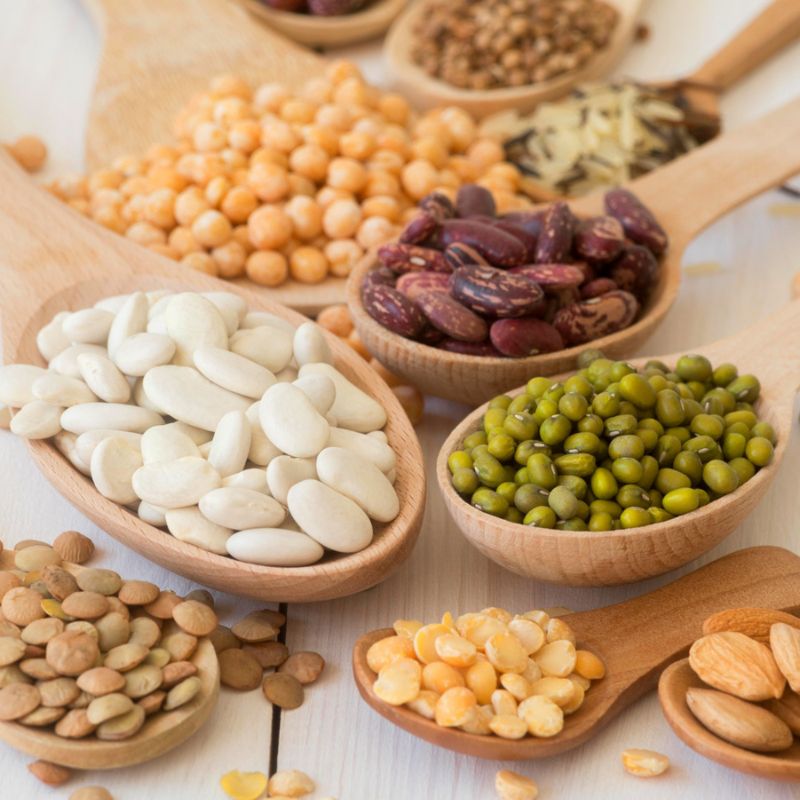
Beans and Lentils 
Gluten (if intolerant) 
Coffee and Tea 
Brassica Vegetables 
Onions & Garlic 
Insomnia 

Relationship Issues
IBS Food Triggers:
IBS Drink Triggers:
IBS Stress Triggers:
Final Thoughts
Understanding and identifying personal IBS triggers is essential for effective symptom management. A comprehensive, personalised approach—focusing on diet, medication history, stress levels, and gut health—is the most effective strategy for long-term IBS relief.

2. Restore Gut Microbiome Health
A well-balanced gut microbiome is essential for our overall health, influencing digestion, immunity, and even our mental health well-being. When this delicate balance is disrupted—a condition known as dysbiosis can occur.
When dysbiosis occurs, harmful microbes (pathobionts) can outcompete beneficial bacteria, leading to widespread health issues (Van Den Houte et al., 2020).
Although researchers are still investigating whether dysbiosis causes IBS or is a result of the condition, extensive evidence confirms a strong link between gut microbiota imbalances and IBS symptoms. Studies show that IBS patients experience notable shifts in both the quality and quantity of their gut microbiota (Altomare et al., 2021).
These changes are known to worsen key IBS symptoms, such as visceral pain and irregular bowel movements (Rinninella et al., 2021).
Bacterial and Fungal Dysbiosis in IBS
Research has uncovered a striking connection between gut dysbiosis and IBS:
Dysbiosis and Colon Cancer Risk
Emerging research suggests that gut dysbiosis may contribute to colon cancer development:
Take-Away
By targeting gut microbiome imbalances, we can take meaningful steps toward improving IBS symptoms and long-term gut health.
Dietary Supplements and IBS: Exploring Effective Solutions
Irritable bowel syndrome is a common and often frustrating digestive condition that can significantly impact a person’s daily life. With symptoms ranging from bloating and cramping to constipation or diarrhoea, finding effective ways to manage IBS is essential.
Fortunately, dietary supplements have emerged as a promising support tool for many IBS patients. Below, we explore some of the best supplements for managing IBS symptoms, particularly probiotics and antifungal/antibacterial supplements, and how they work.

Probiotics and IBS: The Role of Beneficial Bacteria
Probiotics are live microorganisms that, when consumed in sufficient amounts, offer health benefits by supporting the gut’s microbial balance. For individuals with IBS, certain probiotic strains have been shown to help alleviate symptoms by restoring this balance and reducing inflammation in the digestive tract. The connection between the gut microbiome and IBS is particularly significant, as research continues to uncover how gut bacteria influence digestion and overall gut health.
Some studies have highlighted the benefits of probiotics for IBS patients. For instance, (Agrawal et al., 2009) found that certain probiotics could speed up digestion and ease symptoms in individuals with constipation-type IBS (IBS-C).
Probiotics Improve IBS Symptoms
Similarly, (Cha et al., 2012) demonstrated that probiotic formulations containing different strains may improve stool consistency and reduce symptoms in those with diarrhea-type IBS (IBS-D). Furthermore, (Hill et al., 2017) and (Scott et al., 2015) observed that probiotics could enhance stool consistency and promote better intestinal transit, improving the quality of life for IBS-C patients.
Research also suggests that IBS patients often experience a reduced diversity of healthy microbiota, which can exacerbate their symptoms. In fact, (Raskov et al., 2016) noted that more than 70% of IBS patients exhibit significant differences in their gut microbiota composition compared to healthy individuals. These findings underline the potential of probiotics in addressing the microbiota imbalance that contributes to IBS.
Given this evidence, probiotics have become a staple recommendation in IBS treatment. For optimal results, it’s best to take probiotics twice daily with meals, such as those offered by Yeastrix Probiotics, which are specially formulated for gut health.
Peppermint Oil: A Natural Remedy for IBS Pain and Spasms

Peppermint oil, particularly in its enteric-coated form, has gained recognition as an effective natural remedy for managing IBS-related symptoms.
Numerous clinical studies have explored its ability to alleviate pain and discomfort associated with IBS, making it a popular option in both medical practice and home treatments.
Peppermint Oil and IBS: Proven Effectiveness
Peppermint oil has been shown to provide significant relief for IBS pain symptoms, with several double-blind trials supporting its effectiveness. One of the key mechanisms behind peppermint oil’s effectiveness lies in its ability to inhibit smooth muscle contractions in the gut, which helps reduce spasms and pain. Chumpitazi et al., (2018) found that peppermint oil inhibits smooth muscle action in the gut, both in laboratory animals and humans, helping to relieve discomfort and improve gut function.
In the green accordion box below, we delve into its potential benefits, and the best practices for using it.

Yeastrix Supplements Specialised for IBS Support
With almost 40 years of expertise in the natural support of IBS, IBD, and SIBO, our clinic has developed highly-targeted diet, lifestyle, and supplement strategies to support many gut health conditions. High-quality supplements—like antimicrobials, probiotics, and enzymes—play a key role in reducing IBS symptoms and improving digestive function.
Research confirms the benefits of supplementation for IBS patients. A study (Galica et al. 2022) highlights how targeted support enhances well-being and overall gut health. Through years of clinical practice and functional medicine testing, we’ve seen firsthand how the correct digestive health products significantly improve symptoms and patient outcomes, especially when paired with a balanced diet and lifestyle.
Recognising the need for evidence-based solutions, we developed Yeastrix—our third-generation gut health formulation range designed specifically for IBS. Backed by decades of research and experience, Yeastrix provides effective, science-driven support for optimal digestive health.
Take-Away
The right supplements—especially probiotics, enzymes, and antimicrobials—can be a game-changer for IBS. With years of clinical experience and research behind them, Yeastrix products serve as a vital part of a comprehensive IBS management plan, whether used alone or alongside diet and lifestyle adjustments.

3. Best Diet for IBS
Optimise Nutrition & Lifestyle For IBS Relief
Research has explored various diets for IBS, including gluten-free, lactose-free, and high-fiber approaches. Studies show that dietary modifications can significantly reduce symptoms—sometimes more effectively than medications. However, no single diet works for everyone. Notably, over one-third of IBS patients do not benefit from the FODMAP diet (Sarvepalli et al., 2023).
A well-balanced diet tailored to individual triggers is key to managing IBS. This means avoiding problem foods, increasing fibre cautiously, staying hydrated, eating smaller meals, and experimenting with a low-FODMAP approach. While some praise the FODMAPs approach, I’ve found that others find it ineffective—trial and error is the only way to determine what works best for the individual.
IBS Foods To Eat

While trigger foods can exacerbate symptoms in some individuals with IBS, there are also foods that can help alleviate symptoms or promote digestive health. These include low FODMAP foods, probiotic foods, prebiotic foods, soluble fibre sources like oats and psyllium, lean proteins, extra-virgin olive oil, low-sugar fruits, and leafy-green vegetables.
Food Allergy and IBS
IBS patients often experience symptom flare-ups after consuming certain foods or drinks. Our clinic has found that many see significant improvements with elimination and challenge diets, particularly when combined with probiotic supplements.
Research suggests these reactions may stem from an excessive gut-nervous response, irregular eating habits, or psychological stress rather than an actual food allergy or intolerance (Lea et al., 2005). However, studies on dietary elimination and food challenges indicate that certain food plays a role in triggering IBS symptoms (Choung et al., 2006).
Surprisingly, many IBS sufferers unknowingly continue consuming trigger foods—often those with high allergy potential. In my clinical experience, people tend to crave the very foods that aggravate their symptoms. The only way to know if a food is problematic is to remove it and observe the effects.
Experimenting with different foods and keeping a food diary can help identify dietary patterns that work best for managing your symptoms. You’ll find more useful information about identifying reactive foods and introducing once-problematic foods back into your diet by clicking their links.
Fruits and Vegetables
People with IBS should focus on eating vegetables and fruits that are low in insoluble fibre and high in soluble fibre. Here are some good fruit and vegetable options:
IBS Vegetable Options IBS Fruit Options
Best Protein Sources for IBS
Currently, research on the direct impact of animal protein sources on IBS is limited (Radziszewska et al., 2023). However, high-quality proteins remain essential for overall health and maintaining muscle function, energy levels, and immune system strength.
Key protein sources include:
For those with IBS, protein intake should be balanced and individualised. Some people may tolerate certain sources better than others, so it’s important to listen to your body while ensuring adequate protein intake from a variety of sources.
Eat More Fish, Plant-Based Foods, Nuts, Seeds, and Legumes.
A study analysing the microbiome of 1,425 people with irritable bowel syndrome (IBS), inflammatory bowel disease (IBD), and the general population, found that diets higher in fish, nuts, legumes, seeds, and plant-based foods reduced harmful gut bacteria and fungi associated with inflammation. However, diets high in processed foods and animal-derived foods were consistently associated with higher abundances of less-desirable gut bacteria and an increase in internal toxins. (Bolte et al., 2021).
These dietary patterns promoted beneficial gut bacteria that convert fibre into short-chain fatty acids, providing anti-inflammatory benefits. Higher fish consumption also increased omega-3 intake, which helps reduce pro-inflammatory factors while supporting a healthier gut environment.
Milk and Dairy Products: A Balanced Approach for IBS
Lactose intolerance is a common issue that can mimic IBS symptoms, making dairy a controversial topic in digestive health. However, not all dairy products cause problems—fermented dairy, such as yogurt and kefir, can offer significant benefits for gut health.
A recent review of seven clinical trials found that consuming yogurt and kefir improved lactose digestion and increased lactose tolerance in individuals with diagnosed lactose malabsorption. Beyond digestive benefits, fermented dairy consumption was linked to a reduced risk of breast and colorectal cancer, Type 2 diabetes, improved gut health, better weight management, and enhanced cardiovascular and bone health (Savaiano et al., 2021).
Including small amounts of yogurt or kefir in a daily diet may support microbiome health and diversity while offering essential nutrients like calcium, probiotics, and proteins beneficial for overall well-being.
10 Best Dietary Practices For IBS Relief

Is The FODMAP Diet The Answer For IBS?
If standard dietary recommendations do not alleviate IBS symptoms, implementing a low FODMAP diet may be beneficial. FODMAPs (Fermentable Oligosaccharides, Disaccharides, Monosaccharides, And Polyols) are short-chain carbohydrates that are poorly absorbed in the small intestine, leading to fermentation and gas production.
A low FODMAP diet involves eliminating foods rich in these fermentable carbohydrates. Studies have shown that a low FODMAP diet can improve IBS symptoms in up to 76% of patients who experience chronic and recurring IBS.
High FODMAP Foods
Foods high in FODMAPs include:
Personalised FODMAPs Dietary Approach
Individual responses to low and high FODMAP foods can vary significantly among IBS patients. If you are interested in FODMAPs, a personalised dietary approach is crucial. Working with a healthcare provider or dietitian with FODMAP diet experience can help identify specific food triggers and develop a tailored dietary plan.
It’s important to note that while a low FODMAP diet can be effective in managing IBS symptoms, long-term adherence may reduce the diversity of gut microbiota. Therefore, once symptoms have subsided, it is recommended to gradually reintroduce high FODMAP foods based on individual tolerance (Bertin et al., 2024).
Key FODMAP Considerations for IBS Patients
By identifying and avoiding specific dietary triggers, people with IBS can effectively manage their symptoms and improve their quality of life.
Don’t Eliminate All “Prohibited” Fruits and Vegetables

IBS patients shouldn’t completely avoid certain fruits and vegetables just because they’re labeled “prohibited.” Instead, it’s essential to assess individual tolerance.
Beyond the type of produce, portion size and preparation methods also matter.
For instance, the skins of many fruits and vegetables contain high levels of fructans, so peeling them may improve tolerance. Ideally, IBS patients should aim for 3–5 servings of vegetables and 2–3 servings of fruit daily (Galica et al., 2022).
Fruits and vegetables are rich in essential nutrients, making them vital for overall health. The key is mindful selection and observation of how specific choices impact gut symptoms. Additionally, preparation plays a crucial role—if raw foods cause discomfort, steaming, stewing, baking, mashing, or juicing may be better options.
IBS Caution Foods
Carbohydrates, Candida Overgrowth and IBS
Candida overgrowth has been linked to higher carbohydrate consumption, suggesting that adjusting carb intake may help manage both IBS symptoms and Candida-related issues. Moderating carbohydrate consumption can reduce Candida proliferation and biofilm formation, offering a practical approach to symptom control (Santana et al., 2013).
Additionally, studies reveal that Candida is more abundant in IBS patients, particularly in those with diarrhoea-predominant IBS (IBS-D), where it correlates with increased bloating and anxiety (Das et al., 2021). Balancing carbohydrate intake may be a key factor in managing both IBS and Candida overgrowth effectively.
Dietary Fibre and IBS
The role of dietary fibre in IBS management is complex and varies based on the IBS subtype. Constipation-predominant IBS (IBS-C) patients typically respond better to increased fibre intake, whereas those with diarrhoea-predominant IBS (IBS-D) may experience worsened symptoms with fibre and should be cautious.
While some studies support wheat bran for increasing dietary fibre, our clinic has found wheat bran to be problematic for many IBS patients, often increasing abdominal pain and bloating. Instead, a safer and more beneficial approach is to obtain fibre from fruits and vegetables, which support beneficial gut bacteria without triggering an allergic immune response.
Grains and IBS – Going Gluten-Free Is Not Mandatory
Gluten is another frequently avoided food group among IBS patients. According to NICE protocols, individuals with IBS should try to replace wheat with alternatives like rice, oats, quinoa, or corn
(El-Salhy et al., 2019).
Clinical studies show mixed results regarding gluten and IBS. Some research indicates a gluten-free diet (GFD) may improve symptoms and gut microbiota in certain IBS patients (Saadati et al., 2022), while other studies find no clear evidence linking gluten to IBS symptoms (Algera et al., 2019).
Furthermore, the American College of Gastroenterology advises against gluten-free diets based on antibody or leukocyte activation testing, as personalised dietary modifications still require more study
(Ford et al., 2018).
We Don’t Recommend a Gluten-Free Diet
We do not recommend a gluten-free diet as a default approach to managing IBS (nor Candida overgrowth, SIBO, or IBD) unless a patient has been medically diagnosed with celiac disease. Instead, we encourage individuals to assess their own personal tolerance towards gluten through an elimination and challenge approach. Moreover, some gluten-containing foods, such as sourdough bread made via traditional fermentation, may be significantly better tolerated than commercially-produced bread (Costabile et al., 2014).
It’s also important to consider other dietary factors well-before eliminating gluten. Consuming allergenic foods, ultra-processed and junk foods, sugary items, or inflammatory beverages (e.g., alcohol and soda) while avoiding gluten may not provide any benefit. In the clinic we’ve often found that by removing the majority of processed and inflammatory foods first can improve gut health significantly, allowing the “leaky gut” to repair sufficiently, thereby enhancing gluten tolerance.
Legumes Can Be An IBS Trigger
Your gut microbiota plays a significant role in how well you tolerate legumes. Some individuals experience discomfort even without IBS, while others find they digest legumes well when combined with probiotic-rich foods and a well-balanced diet.
Legumes contain galacto-oligosaccharides (GOS), a type of FODMAP that can cause bloating and gas in IBS patients. Different legumes have varying levels of GOS:
Legumes, Nuts, and IBS – Start Slowly
Legumes are a nutrient-dense food group rich in protein, fibre, vitamins, and minerals. However, some IBS patients experience bloating, gas, and discomfort after consuming beans and lentils. Current dietary guidelines suggest avoiding legumes in IBS, but our clinic has successfully reintroduced them in many cases by using proper preparation techniques and a gradual approach.
How to Reintroduce Legumes Safely
Anti-Nutrients in Legumes and Grains
Anti-nutrients are naturally occurring compounds in plant-based foods that can interfere with nutrient absorption and digestion.
While they serve as a defence mechanism for plants, these substances may hinder the body’s ability to absorb essential minerals like iron, calcium, and zinc. However, anti-nutrients are not inherently harmful—many foods containing them also provide valuable nutrients and health benefits.
The key lies in proper preparation, which can significantly reduce their effects and improve digestibility. Legumes and grains contain several types of anti-nutrients, including:
Although these compounds can reduce nutrient absorption, traditional preparation methods such as soaking, sprouting, fermenting, boiling, and pressure-cooking effectively lower anti-nutrient levels, making legumes much easier to digest.
Pressure cooking overall improved in protein digestibility to well over 90 percent by reducing anti-nutrients considerably. These results indicate that pressure cooking should be preferred cooking method for legumes. (Deol et al., 2010)
For legumes particularly high in lectins, like soybeans and kidney beans, thorough boiling or pressure-cooking is essential to eliminate lectins entirely. Research confirms that boiling completely removes lectins from kidney beans, making them safe to eat (Nciri et al., 2015).
Despite concerns surrounding anti-nutrients, there is no evidence from human trials suggesting that lectin-rich foods cause inflammation, intestinal permeability, or nutrient malabsorption in the general population (Petroski et al., 2020).
In fact, the health benefits of legumes—including their rich protein, fibre, and micronutrient content—far outweigh any potential drawbacks.

Always Soak Legumes Before Cooking
Soaking legumes is crucial to reducing their antinutrient content and improving digestibility. Soak legumes in water overnight, then rinse thoroughly before cooking.
Among different cooking methods:
Important Take-Away:
Legumes, when properly prepared and introduced gradually, can be a highly beneficial part of an IBS-friendly diet. Avoid unnecessary restrictions and experiment with safe reintroduction strategies to find what works best for your gut. But please remember – it’s all in the preparation – soaking and boiling.
Foods and Drinks To Avoid With IBS
Managing IBS effectively starts with identifying and avoiding foods that trigger symptoms. Many people with IBS experience flare-ups after consuming certain foods and drinks, making dietary awareness essential for symptom control.
Common culprits include onions, garlic, cabbage, artichokes, beans, peas, and watermelon. Spicy and fatty foods, caffeine, alcohol, and carbonated beverages can also worsen symptoms. By minimizing these triggers, many individuals experience significant relief. Let’s take a closer look at the most problematic IBS food triggers.
Sugar and IBS

Research has long shown that high sugar consumption contributes to inflammation, gut permeability, and IBS symptoms. Excess sugar, particularly refined sugar, slows intestinal motility, making IBS and SIBO symptoms worse.
A study found that nearly one-third of IBS patients no longer met the conventional IBS criteria after following a sugar-free diet for just four weeks (Nilholm et al., 2019). This highlights how eliminating sugar can significantly improve digestive health.
High-sugar foods can also increase intestinal water retention, triggering an osmotic effect similar to that caused by laxatives, leading to bloating, pain, and altered bowel habits (Jayasinghi et al., 2024).
Reducing sugar intake is one of the most effective ways to manage IBS and improve overall gut function.
Most Specific Irritable Bowel Syndrome Food Triggers
Certain foods are known to exacerbate IBS symptoms due to their effects on digestion and gut motility. While triggers vary from person to person, studies have found that nearly half of IBS sufferers experience symptoms within 90 minutes of eating problematic foods (Ragnarsson et al 1998).
One study using a double-blind oral food challenge found that specific foods—including banana, coffee, corn, eggs, milk, peas, potatoes, and wheat—were common triggers for IBS patients (Heizer et al., 2009).
Most Common IBS Trigger Foods
Certain foods and beverages are known to trigger IBS symptoms in susceptible individuals. Avoiding or limiting these trigger foods can help reduce symptom flare-ups in many patients. Common culprits include:

Avoid Processed Meats with IBS
Ultra-processed meats pose additional risks for individuals with IBS. The findings of a recent study show that eating ultra-processed foods (UPFs) like processed meats increases the risk of developing IBS—the more you eat, the higher the risk (Wu et al., 2024).
The International Agency for Research on Cancer (WHO-IARC) classifies processed meats as carcinogenic and red meat as “probably carcinogenic.” These meats are known to contain harmful compounds, including nitrates, nitrites, and heterocyclic amines.
By eliminating processed meats and focusing on whole, unprocessed foods, IBS sufferers can reduce inflammation and digestive discomfort while improving long-term gut health

4. Stress and Lifestyle Management
There is growing evidence that stress has a significant impact on our gut microbiota, influencing both digestion and overall bowel function. This connection helps explain why many IBS sufferers experience not only symptoms like bloating, pain, and irregular bowel habits but also mood-related issues like anxiety and depression (Collins 2014).
Recent research shows that up to one-third of IBS patients also struggle with anxiety or depression (Staudacher et al., 2023). In my clinical experience, many chronic IBS sufferers tend to be nervous, critical, and impatient—often frustrated by years of digestive issues and ineffective treatments. If this sounds familiar, it may be time to shift focus from just diet to stress management as well.
Stress management plays a crucial role in improving IBS symptoms. Patients who incorporate relaxation techniques into their daily routine consistently report a better quality of life, improved sleep, and fewer IBS flare-ups compared to those who focus only on food. A recent review of 10 randomized trials, including 587 IBS patients, found that stress-management techniques led to noticeable short-term relief from digestive symptoms and mental health concerns (Horn et al., 2023).
Some studies reported symptom improvements within just 3–8 weeks, while others showed long-term benefits lasting over six months. The takeaway? Managing stress isn’t just a bonus—it’s a vital part of IBS treatment. If you’re serious about reducing symptoms, focusing on relaxation and lifestyle changes could make a world of difference.

The Connection Between IBS and Mental Health
Chronic irritable bowel syndrome (IBS) is more than just a digestive disorder—it also has a significant impact on mental and emotional well-being. Many IBS patients experience symptoms such as anxiety, depression, emotional fatigue, and sleep disturbances.
Research has shown a strong link between psychological factors and the severity of IBS symptoms. For example, studies indicate that poor sleep quality can increase both the frequency and intensity of gut-related issues (Buchanan et al., 2014).
But is IBS the cause of mood disorders, or do mood disorders contribute to IBS? Researchers have different theories on this relationship. Some believe that children may develop IBS symptoms as a way to cope with stress, while others suggest that chronic anxiety and depression can actually trigger IBS by altering gut function. Regardless of the cause-and-effect relationship, it’s clear that managing mental health plays a crucial role in IBS symptom relief.
IBS Patients and Personality Profiles
Having IBS does not mean a person has an inherent mental health issue. However, the daily challenges of living with unpredictable bowel symptoms can understandably lead to increased stress and emotional distress over time. Anyone experiencing digestive issues for three to six months or more is likely to feel anxious or even depressed—after all, an unreliable bowel can significantly impact quality of life.
Despite this, research has shown that people with IBS generally have normal personality profiles. Psychological symptoms and mood disorders in IBS patients are more likely linked to external factors, such as stress mismanagement, food allergies, small intestinal bacterial overgrowth (SIBO), or Candida overgrowth (Farnam et al., 2007).
We also know that stress can increase colon activity in both IBS and non-IBS individuals. However, in those with IBS, stress tends to trigger more pronounced symptoms, including abdominal pain and irregular bowel function. While some studies suggest that IBS patients have difficulty adjusting to life’s events, others have found no conclusive evidence to support this. What remains clear is that people who manage stress effectively tend to experience fewer IBS flare-ups than those who don’t.
Key Take-Away
While you may not always have control over stressful situations or people in your life, you do have control over how you respond to them. Learning effective stress management can make a significant difference in your IBS symptoms and overall well-being.
Stress Management Techniques for IBS Relief
Stress is a known trigger for IBS symptoms. From my years of clinical experience, I’ve never seen highly-relaxed individuals struggling with chronic and recurring symptoms of IBS. Instead, it’s often the “hurried and worried” ones who suffer the most. Stress-reduction techniques can play a vital role in alleviating symptoms and improving quality of life.
Some effective strategies include:
Addressing Mood Disorders in IBS Patients
If you frequently feel anxious, overwhelmed, or emotionally drained, incorporating stress-management techniques into your daily routine can be life-changing. While there is no one-size-fits-all approach, healthcare professionals often recommend the following for IBS patients dealing with mood disorders:
Key Take-Away
Managing IBS goes beyond diet and supplements—it requires a holistic approach that includes mental health and stress reduction. If you suffer from IBS and recognise that stress is a factor in your symptoms, now is the time to take action. Implementing even a few of these techniques can lead to noticeable improvements in your gut health, mood, and overall quality of life.

Mindfulness and IBS Management
Mindfulness-Based Stress Reduction (MBSR) is an evidence-based, holistic approach that has been shown to help manage IBS symptoms without requiring specialized psychological knowledge Kabat-Zinn et al., 2003).
Mindfulness involves focusing on the present moment, cultivating self-awareness, and responding thoughtfully rather than reacting impulsively. Mindfulness programs typically last around two months, incorporating daily 45-minute practices, often in group settings. When combined with techniques from cognitive-behavioral therapy (CBT), such as Mindfulness-Based Cognitive Therapy (MBCT), mindfulness can be even more effective.
Although clinical trials on mindfulness specifically for IBS are limited, existing research suggests that it can help alleviate symptoms by shifting poor thought patterns toward a more neutral, non-judgmental awareness. Mindful eating, for example, encourages slower and more deliberate food consumption.
Many IBS patients experience gut pain simply because they eat too quickly and fail to chew properly. Slowing down while eating and drinking helps prevent excess air swallowing, which can contribute to bloating and discomfort.
In earlier years, health practitioners demonstrated relaxation techniques in person, but today, many recommend digital apps that offer guided mindfulness and relaxation exercises.
Self-Management for IBS
Empowering IBS patients with self-management skills can significantly enhance recovery and long-term symptom control. Natural healthcare professionals often provide resources such as diet handouts, self-help books, websites, and mobile apps to educate patients about their condition and equip them with effective coping strategies.
These resources offer practical advice on modifying lifestyle factors that influence IBS symptoms, including:
The ultimate goal of IBS self-management is to help patients take an active role in their care while increasing their confidence in managing symptoms effectively (self-efficacy). One of the most crucial elements of successful IBS treatment is the promotion of patient empowerment through education and self-care.
Exercise and IBS
Regular physical activity can play a significant role in reducing IBS symptoms. Many IBS patients report that gentle daily exercise, such as leisurely walking, helps alleviate discomfort—likely due to its well-known stress-reducing effects.
Exercise not only benefits overall health but also enhances stress management, elevates mood, and improves overall well-being. Research suggests that physical activity may reduce the severity and frequency of IBS symptoms (Shahabi et al., 2016). However, findings remain inconclusive regarding its effects on abdominal pain and quality of life (Nunan et al., 2022).
For IBS patients, a carefully considered exercise routine is essential. The most effective strategies involve gentle, gradual, and low-impact activities, such as:
Encouraging IBS patients to engage in suitable forms of physical activity can lead to improved digestion, reduced stress levels, and better sleep—key factors in managing IBS symptoms effectively.
We hope this comprehensive guide has provided valuable insight into managing IBS naturally.
If you found this information helpful, please leave a comment and share this page with anyone who may benefit.

Eric Bakker N.D.
Greetings! I am a naturopathic physician from New Zealand. Although I’ve retired from clinical practice since 2019 after 34 years of clinic. I remain passionate about helping people improve their lives. You’ll find I’m active online with a focus on natural health and wellbeing education through my Facebook page, Reddit page and YouTube channel, including this website.