

What Is Irritable Bowel Syndrome?
Irritable Bowel Syndrome (IBS) is one of the most common gastrointestinal disorders, affecting up to 10% of the population. However, less than half of those affected receive an official diagnosis. IBS is characterised by recurring abdominal pain, discomfort, and changes in bowel habits, making it a challenging condition to manage.
Welcome to a comprehensive page on Irritable Bowel Syndrome (IBS). Here, you’ll find everything you need to know, from symptoms and causes to testing, treatments, and the best foods for managing IBS. To make navigation easier, be sure to use the Table of Contents to quickly jump to the section you’re interested in.
For the IBS treatment page go here: Irritable Bowel Syndrome Treatments
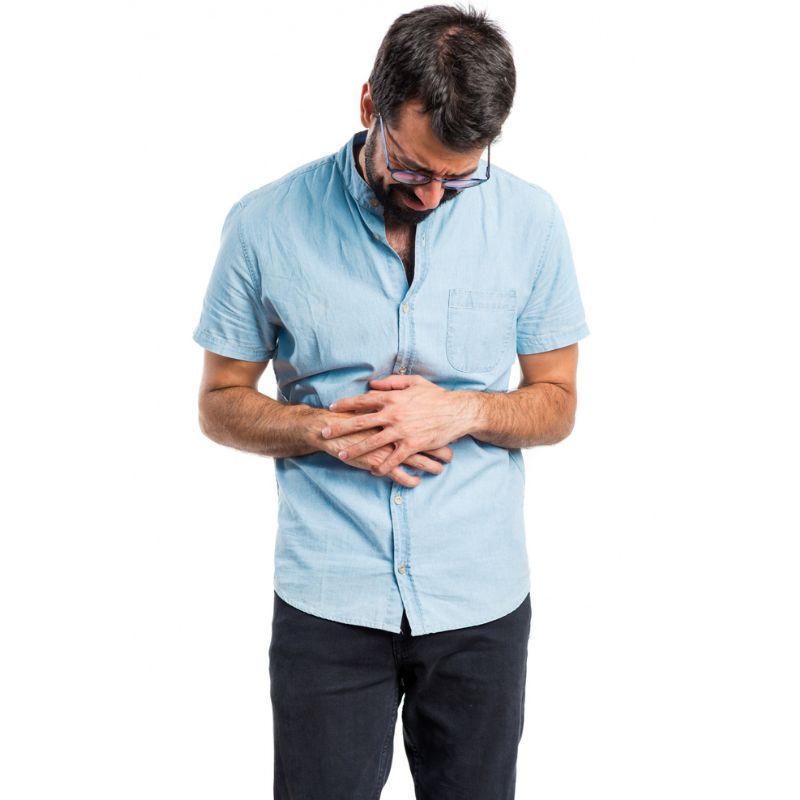
IBS: A Widespread but Often Undiagnosed Condition
IBS is one of the leading reasons people seek medical attention for digestive problems. In my clinical experience, constipation, IBS, Candida overgrowth, psoriasis, and SIBO (small intestinal bacterial overgrowth) were among the most frequently seen health concerns.
IBS may be common, but that doesn’t mean we should ignore it. Talking about digestive health openly and seeking professional guidance can make a significant difference in managing symptoms and improving quality of life.
Just How Common Is IBS?
Research over the years has provided different estimates of IBS prevalence:
IBS is not a single disease but a collection of symptoms influenced by multiple factors within the gut. The condition can significantly affect a person’s well-being, despite not causing permanent damage. Understanding its root causes is key to effective management.
Irritable Bowel Syndrome Causes
What Causes Irritable Bowel Syndrome?
The exact cause of IBS is not fully understood, but it is believed to involve a combination of gut-related imbalances and external factors. The cause of more frequent bowel movements seen in IBS has been attributed to many different factors, including physiological, psychological, as well as dietary factors.
The most commonly recognised causes include:
A study confirmed that IBS is a complex disorder influenced by these interconnected factors. Addressing IBS requires a comprehensive approach rather than a one-size-fits-all solution (Chey et al., 2015).

Commonly Used Drugs Linked to IBS Symptoms
Many people who take prescription drugs for conditions like high blood pressure or chronic pain often hear from their doctors:
“We can’t find anything wrong with your digestive system and don’t understand the cause of your diarrhea or constipation.”
However, through patient history analysis and comprehensive stool testing in our clinic, we found that many of these “unexplainable” symptoms were actually linked to drug-induced disease, a condition known medically as iatrogenic disease—essentially, collateral damage to the gut caused by medications.
It’s important to talk with your health-care provider and discuss any concerns, and more importantly – if you can take a break from the medicine to establish cause and effect, or change to a different drug.
Hidden Causes Found in Stool Testing
In many cases, our comprehensive stool tests revealed:
Many of these issues were overlooked because stool testing had not been completed previously.
Prescription Medications and Gut Damage
One of the most common underlying factors in these cases was a history of prescribed medications, particularly:
Many commonly prescribed drugs can disrupt gut flora, leading to Candida overgrowth, bacterial imbalances (SIBO), and inflammation, all of which are linked to IBS symptoms.
For greater detail about common drugs that affect the bowel click on the accordion box below:
Take-Away
IBS is a complex, widespread condition that affects millions of people worldwide. Despite its prevalence, many remain undiagnosed due to the stigma surrounding digestive issues. Addressing IBS effectively requires understanding its many potential causes, including medications, and making dietary and lifestyle changes, and seeking the right support.
In the following sections, let’s explore the latest research on IBS, effective treatment strategies, and practical steps you can take to regain control over your gut health.

Bowel Disease Prevalence In USA
Diarrhea, Constipation, or Both?
IBS presents differently in each individual, but most people fall into one of the following patterns:
For greater detail about the sub-types click on the accordion box below:

The Bristol Stool Chart
The Bristol Stool Chart is a useful tool for assessing bowel health and is often referenced in IBS management.
It categorises stool into seven types, ranging from hard, lumpy stools (Type 1 and 2, common in IBS-C) to loose, watery stools (Type 6 and 7, seen in IBS-D).
People with IBS-M may fluctuate between these extremes. Tracking stool consistency using this chart can help identify patterns and guide dietary and lifestyle adjustments for better IBS symptom control. Download your own copy of the Bristol Stool Chart, along with your own personal poop diary.
Irritable Bowel Syndrome Symptoms

Abdominal Pain 
Bloating Bowel Change From Food or Stress 
Constipation 
Diarrhoea 
Gas 
Anxiety and Irritability 
Mucus in Stool

What Does Irritable Bowel Syndrome Feel Like?
Most people, at some point in their lives, will experience gastrointestinal discomfort, such as:
These occasional digestive changes are perfectly normal
Factors like diet, lifestyle shifts, and stress can temporarily disrupt digestion, but in most cases, these symptoms are mild and short-lived.
How IBS Feels Different
People with irritable bowel syndrome, however, experience gut discomfort more frequently, may experience stronger symptoms, or for prolonged periods of time. Their symptoms tend to be persistent, recurring, and often disruptive to daily life.
Most Common IBS symptoms include:
Symptom Severity and Fluctuations
IBS symptoms vary greatly from person to person. Some experience mild discomfort, while others suffer from severe, daily episodes. Symptoms can also fluctuate over time, often triggered by:
Understanding your unique symptom patterns and triggers is essential for managing IBS effectively. As we’ll explore further, IBS is influenced by multiple factors, and addressing both diet and lifestyle can make a significant difference in symptom control.
Irritable Bowel Syndrome Symptoms
Symptoms of IBS can vary widely among individuals, and in our clinical experience may include symptoms that are commonly overlooked such as urgency and frequency of stool, as well as feelings of anxiety or depression.
Symptoms that support IBS diagnosis (Kellow 2001)
Let’s now explore some of the key IBS symptoms a little further:
Abdominal Pain
A large population-based study of over 1,800 IBS patients found that those with IBS-C (constipation-dominant) experience more frequent and bothersome abdominal pain than those with IBS-D (diarrhea-dominant) (Shah et al., 2020). While diet alone may not completely alleviate abdominal pain, research suggests that adopting a healthier lifestyle and dietary habits can significantly improve quality of life for IBS sufferers (Di Rosa et al., 2023).
Stress is also a major trigger for IBS-related abdominal pain. A real-time symptom tracking study found that higher stress levels correlate with increased pain scores in IBS patients. This research highlights the importance of addressing daily life stressors when managing IBS symptoms (Vork et al., 2020).
Bloating

Bloating is one of the most common gut symptoms I’ve encountered in clinical practice. I’ve lost count of how many times I’ve heard patients say, “I need to loosen my waistband after a meal.” Sometimes, bloating can be linked to something as simple as poor chewing habits. Chewing affects digestion, and poor chewing can lead to poor pooping—I know this because I spent decades talking to patients about exactly that.
Research supports just how prevalent bloating is among IBS sufferers. In one study, 60% of IBS patients reported bloating as their most troublesome symptom, while 29% found abdominal pain to be the most bothersome (Lembo et al., 1999). Another study found that up to 90% of IBS patients experience bloating (Chang et al., 2001).
Women with IBS seem to experience bloating and abdominal distention more frequently than men, particularly before their menstrual cycle (Lee et al., 2001). Stress is another factor—research suggests that stress worsens bloating in IBS, while relaxation techniques may help relieve it (Hasler 2007).
Gas
Many people experiencing gut discomfort often attribute their symptoms to excess gas, believing it to be the culprit behind bloating, belching, fullness after eating, or flatulence. Before consulting a doctor or gastroenterologist, patients frequently experiment with dietary changes and over-the-counter remedies in an attempt to ease their discomfort.
Gas-related symptoms are particularly common in IBS sufferers, where bloating, abdominal distension, and flatulence are among the primary concerns. Unfortunately, these symptoms have sometimes been dismissed by medical professionals in the past. However, scientific research into intestinal gas is now gaining momentum, shedding light on a long-overlooked issue.
For many IBS patients, bloating and distension can be even more distressing than abdominal pain, significantly affecting their quality of life. Recent studies confirm both the prevalence of these symptoms in IBS and the considerable discomfort they cause (Hungin et al., 2003).
Diarrhoea
There is nothing worse than feeling uncertain about your bowel movements. I know this personally, and I’ve spoken with countless patients who have experienced the same distress. The lack of confidence in leaving the house, the embarrassment, and the disruption to daily life can be overwhelming. For some, it even affects their ability to work—one IBS patient I recall had to quit his truck-driving job because of frequent, unpredictable bouts of diarrhea.
The most common IBS subtype is diarrhea-predominant IBS (IBS-D), affecting approximately 40% of IBS patients in the United States, Canada, and England (Pallson et al., 2020).
IBS-D is diagnosed when at least 25% of bowel movements are classified as Type 6 or 7 on the Bristol Stool Scale (BSS), with less than 25% being Type 1 or 2. Studies suggest that individuals with IBS-D may have a higher prevalence of food trigger reactions (Eswaran et al., 2014).
One of the most distressing aspects of IBS-D is stool urgency, which can strike suddenly and unpredictably. Research has found that IBS-D patients consider urgency to be one of their two most bothersome symptoms (Mangel et al., 2011).
Interestingly, there may also be a connection between IBS and Candida overgrowth. One study found that Candida-associated diarrhoea can produce symptoms very similar to IBS-D (Wang et al., 2014).
Constipation
Constipation-predominant IBS (IBS-C) occurs when 25% or more of bowel movements are classified on the Bristol Stool Scale (BSS) being at type 1 or 2, and less than 25% at type 6 or 7.
At present, there is no perfect diet for managing constipation-dominant IBS. However, focusing on nutrition is the primary strategy to alleviate IBS symptoms, especially when it comes to stopping sugars, alcohol, processed foods, and other similar potential dietary triggers. I always tell patients to “cut the crap” first, that is, get rid of the obvious crappy foods. You’d be surprised how many processed foods and drinks alter our bowel function.
The low-FODMAP diet is currently the most popular choice for managing IBS, yet, its effectiveness seems to be more significant for IBS-D (diarrhoea-predominant) than IBS-C patients.
A recent study looked at both IBS-C and IBS-D and found that IBS-C patients had more methane in their breath, linked to higher levels of certain gut bacteria (Methanobrevibacter). This methane was tied to worse constipation symptoms, the higher the methane levels detected the worse the constipation scores. When methane increases it slows down gut movements, making constipation worse. (Villanueva-Millan et al., 2022)
Bowel Change Triggered By Food or Stress
Some IBS patients have what I call a “touchy” bowel—one that reacts quickly to certain foods or changes in diet. However, this sensitivity isn’t limited to food; it can also extend to stress and emotions. It’s not uncommon for an IBS patient to suddenly develop diarrhea after an emotional event—as if their gut is reacting instantly to what’s happening in their life.
Clinical research suggests that food sensitivity may play a role in IBS. Some patients experience a significant reduction in symptom severity when following elimination diets. However, the exact mechanisms behind food hypersensitivity in IBS remain unclear (Choung et al., 2006).
Mucus In Stool
I’ve had patients with chronic IBS talk to me about finding mucus in their stool. Mucosal biofilms are present in 57% of patients with IBS and 34% of patients with ulcerative colitis compared with 6% of people without IBS symptoms. The presence of mucosal biofilms is a feature in a subgroup of IBS-D (diarrhoea). These biofilms have been confirmed to be dense bacterial biofilms. (Baumgartner 2021)
Anxiety and Irritability
From experience I can tell you that many IBS patients have some level of anxiety, depression, or mood swings they are aware of. Study results revealed that people with IBS were more likely to experience moderate to severe anxiety compared to those without IBS. This high prevalence underscores the strong connection between IBS and anxiety disorders. (Alhazme et al., 2024).
Did you know that about one-third of people with IBS also deal with depression? (Staudacher et al., 2023) Both gut problems and psychological issues drive people with IBS to seek medical help, but the mental health side can have a bigger impact on long-term well-being. The best way to help is with a mix of treatments that target both the gut and the mind.

When To See Your Medical Doctor
In our naturopathic clinic, we always worked alongside general practitioners (GPs), particularly seeking those out and forming relationships with GPs trained in functional and integrative medicine. This approach allowed patients to receive the best of both worlds—combining experienced natural medicine approach and the latest in scientific advancements. While many IBS cases can be effectively managed at home, some symptoms may require medical evaluation and treatment.
You should see a medical doctor or gastroenterologist at your earliest convenience if you experience:
While most IBS cases do not indicate serious disease, “alarm symptoms”—such as bleeding, significant weight loss, or ongoing severe pain—can be red flags for underlying organic conditions. Seeking prompt medical attention ensures accurate diagnosis and proper treatment.
For greater detail about the medical/scientific way of diagnosing IBS click on the accordion box below:
Common Conditions That Mimic IBS Symptoms
The most common conditions that mimic IBS and may fool more than a few healthcare professionals, these conditions are celiac disease, inflammatory bowel diseases, food allergy, lactose intolerance, bile malabsorption issues, and SIBO.
Let’s talks about these briefly:

Celiac Disease
Over the years, we’ve seen many celiac patients in our clinic—some diagnosed and many undiagnosed. In the 1980s, it could take years for a young person to receive a celiac diagnosis.
Fortunately, with greater awareness and improved testing, diagnosis is now faster.
Celiac disease often presents with symptoms like diarrhoea, abdominal pain, and bloating, which can overlap with IBS symptoms. This is why ruling out celiac disease is essential, especially for IBS-D (diarrhoea-dominant) patients.
Research shows that 1.1% of IBS patients in the U.S. also have celiac disease (Almazar et al., 2018).
Now, imagine a busy doctor’s office—three more patients waiting outside—trying to distinguish between IBS and celiac.
Misdiagnosis Can Happen Easily.
To check for celiac disease in IBS patients, specialised blood tests are required, including:
These tests aren’t always ordered initially, unless the doctor has extensive knowledge of gut conditions. If IBS symptoms persist despite dietary changes, a celiac screening should be considered.
Inflammatory Bowel Disease (IBD)
It’s easy to become confused when trying to differentiate IBS from IBD. Both conditions can cause abdominal pain, bloating, and changes in bowel habits, making diagnosis a challenge.
Research confirms that IBS and IBD symptoms often overlap, leading to potential misdiagnosis (Szałwińska et al., 2020). However, the underlying causes are very different—IBS is a functional disorder, while IBD involves chronic inflammation and potential damage to the gut lining.
To rule out IBD, doctors often test for:

In our clinic, we’ve seen hundreds of irritable bowel syndrome cases, and in several instances, inflammatory bowel disease (ulcerative colitis) was later diagnosed after recommending comprehensive stool testing. These specialised tests are invaluable in making an accurate diagnosis, helping to guide more effective treatment strategies.

Food Allergy
Food allergies can trigger gastrointestinal symptoms, including abdominal pain and bloating, often due to an immune response to certain food antigens like milk, soy, egg, gluten, and wheat. While food allergies affect around 2.5% of the U.S. population, reactions can vary significantly (Liu et al., 2010).
The two types of food reactions can be classified as being:
For those experiencing clear allergic reactions, such as skin rashes, it’s important to consult a healthcare professional who can organise appropriate allergy testing. However, it’s important to note that medical guidelines for managing IBS generally do not recommend routine food allergy testing unless there are consistent symptoms that strongly suggest a food allergy (Lacy et al., 2021).
Keep in mind that some food allergy tests may not be fully validated or standardised, so always check for lab certifications to ensure reliability.
Lactose Intolerance
Lactose intolerance is often confused with IBS because both can trigger symptoms like diarrhea and flatulence. To confirm whether lactose intolerance is the cause, consider:
In some cases, people may experience both lactose intolerance (milk sugar) and a dairy allergy (milk protein) simultaneously. To figure out whether dairy is the issue:
Many people with IBS report finding relief from symptoms by avoiding lactose-containing foods for at least a month (Catanzaro et al., 2021).
Sucrose intolerance—similar to lactose intolerance—can also cause abdominal pain, bloating, and diarrhea, although its prevalence in IBS is uncertain.
To determine if sucrose is affecting you, consider:

Bile Acid Mal-Absorption (After Gallbladder Removal)
Having a cholecystectomy (gallbladder-removal) is a common operation, in fact, gallbladder disease is one of the most common procedures done in the United States with more than 1.2 million cholecystectomies performed every year. (Jones et al., 2023)
Bile Acid Mal-Absorption (BAM) often occurs after cholecystectomy), a condition that can lead to:
Many patients, particularly women, report experiencing diarrhoea shortly after gallbladder removal. Digestive enzymes can often be of help in cases of gallbladder-removal.
As a clinician, I’ve found it essential to ask the right questions:
In addition to cholecystectomy, certain types of bowel surgery can also lead to bile acid malabsorption.
While bile-acid testing remains limited, treatment with specific pharmaceutical drugs may help identify the issue. However, this approach is not widely endorsed as a primary diagnostic tool. Careful patient history and symptom tracking are key in managing this condition.

SIBO
Small Intestinal Bacterial Overgrowth (SIBO) is prevalent in about 38% of IBS patients (Chen et al., 2018) and shares symptoms with IBS-D and other IBS subtypes. Symptoms often include bloating, diarrhea, and abdominal discomfort, which can overlap with other digestive conditions.
SIBO Diagnosis:
SIBO Treatment:
Because of the challenges with breath testing, the focus in treatment should be on clinical response and a thorough patient history to guide management.
Other Conditions That Mimic IBS

Irritable Bowel Syndrome and Pharmaceutical Medication
While pharmaceutical drugs are commonly prescribed to treat IBS, the effectiveness of many of these medications has been called into question. Studies show that the benefit of prescribed drugs is often minimal when compared to the placebo (sham drug) response.
Effectiveness of IBS Medications
For example, in randomised controlled clinical trials, Rifaximin, a commonly prescribed IBS drug, demonstrated therapeutic benefits in only 43% of IBS patients. In comparison, 34% of patients responded positively to a placebo, meaning the drug only improved symptoms in a small percentage of patients (Lacy et al., 2021).
This raises an important point: given the complex nature of IBS, it’s unlikely that drugs targeting a single receptor or mechanism—such as diarrhea—would provide a meaningful advantage over a placebo, especially since the placebo response in IBS can be as high as 40% or more (De Ponti 2013).
Purpose of Medications
Despite the questionable effectiveness of many drugs, medications are still prescribed to help alleviate IBS symptoms such as:
Common Pharmaceutical Medications for IBS
Medications for IBS are typically used to regulate bowel function and reduce discomfort. Depending on the symptoms, the following pharmaceutical options may be recommended by healthcare providers:
How Serotonin Modulators Work
Serotonin modulators, which include serotonin agonists or antagonists, aim to control bowel function by altering the activity of serotonin, a neurotransmitter that regulates gut motility and sensitivity. By modifying serotonin levels, these drugs can help control how food moves through the digestive tract and ease IBS symptoms.
Take-Away
IBS medications may offer symptom relief, but their effectiveness is often minimal when compared to placebo treatments. Pharmaceutical drugs are still prescribed based on individual symptom profiles, with different medications aimed at improving constipation, abdominal cramping, diarrhoea, and mood disorders. However, the complex nature of IBS means that no single drug is likely to be universally effective.

Are Antibiotics For IBS The Solution?
While antibiotics might seem like a solution for IBS, their use in treating IBS is highly questionable. In fact, when patients respond well to antibiotics, it’s more likely that they are dealing with dysbiosis, known today as SIBO, which requires appropriate antimicrobial treatment. Ironically, these patients often have a history of antibiotic use, which has harmed their gut microbiome over time.
The Problem with Antibiotic Trials for IBS
Most antibiotic trials focus on symptom relief to determine the effectiveness of the drug. However, they fail to address the underlying mechanisms of action, which is crucial for finding an effective treatment solution for IBS. Since IBS is a complex condition with an unclear development process, each patient’s underlying cause of symptoms is likely to be unique.
Recent research suggests that using antibiotics to treat IBS is still a crude approach with limited efficacy. According to studies, antibiotics can have unintended consequences, especially in patients with a dysregulated gut microbiome (Black et al., 2020).”My gut has Never Felt quite well since taking those antibiotics
Antibiotics Are Major Gut Microbiota Disruptors
In our clinic, we’ve seen many patients develop bacterial dysbiosis (SIBO) and Candida overgrowth after being prescribed antibiotics. Through examining countless patients’ medical histories and prescription timelines, we’ve found a strong correlation between antibiotic use and the onset of gut symptoms.
Many patients were initially diagnosed with IBS by general practitioners (GPs) who were unfamiliar with bacterial or fungal overgrowth in the gut. Probiotics were often dismissed as “unproven”, and the concept of the gut microbiome was not yet recognised (80s-90s). As a result, if a patient developed gut imbalances after antibiotic treatment, they were often labelled as an IBS patient, particularly if the antibiotics were prescribed years before the gut problems started.
Antibiotics and Their Role in The Development of IBS
It’s only recently that the link between antibiotics and IBS has been fully recognised. Studies have shown that antibiotics can cause profound changes in the gut microbiota, which significantly contributes to the development of IBS. As major disruptors of the gut microbiome, antibiotics seem to contribute to all aspects of IBS disease (Figure3). (Mamieva et al., 2022).
This research highlights the importance of understanding the long-term impact of antibiotic use on gut health. Instead of relying on antibiotics for IBS, it’s crucial to look at the underlying causes of symptoms and address gut imbalances with more targeted treatments, such as probiotics, herbal antimicrobials, or a low-FODMAP diet.

Irritable Bowel Syndrome Tests
Clinically, IBS is often a chronic and difficult-to-treat condition, leaving many patients feeling dismissed and frustrated due to the lack of effective medical interventions and testing options.Traditional medicine sometimes labels SIBO or Candida-related complex as IBS due to a so-called “lack of evidence.”
However, in our clinic, we frequently referred patients to medical doctors and gastroenterologists to rule out serious conditions like:
In several cases, these referrals led to a firm diagnosis and the correct treatment—something that would have been missed if IBS was simply assumed.
Testing for IBS: What’s Involved?
There is no single test to diagnose IBS. Instead, healthcare providers rely on:
Why IBS Is Often Overlooked
Many doctors are overworked and face time constraints, making it easy to miss an IBS diagnosis. With funding cuts in primary healthcare, patients with chronic gut problems are often diagnosed with IBS by default after no “organic” cause is found.
Unfortunately, many of these patients are sent home with generic advice:
For chronic IBS sufferers, these recommendations often offer little to no relief, reinforcing the need for a more individualized and thorough approach to gut health

What is a Wastebasket Diagnosis?
In my years of practice, I noticed that many patients with “unexplained” gut issues often ended up with an IBS wastebasket diagnosis.
A wastebasket diagnosis (also referred to as a trashcan diagnosis) occurs when a patient clearly has symptoms indicating something is wrong, but the doctor cannot identify a specific cause or diagnosis. In these cases, the doctor may choose to label the issue as IBS to provide reassurance to an anxious patient, without a clear understanding of the underlying problem.
Why Does a Wastebasket Diagnosis Happen?
While it may seem frustrating, a wastebasket diagnosis isn’t the fault of the general practitioner (GP).
Often, this happens due to:
Though the term “wastebasket diagnosis” may sound harsh, it’s important to note that not all doctors resort to this. However, in a brief 10-minute consultation, some doctors may write a prescription or refer the patient to a gastroenterologist.
The Compounding Issue
This issue becomes more complex when considering that many doctors (both past and present) may lack training in more functional digestive disorders such as:
This lack of “specialised” knowledge can contribute to the overuse of a general diagnosis like IBS, which may not address the true underlying cause of the patient’s symptoms.

Comorbidities of IBS: The Hidden Health Burden
IBS rarely exists in isolation—many patients suffer from other health conditions that develop slowly in the background. These co-existing conditions are called “comorbidities”, meaning they occur alongside IBS and may complicate treatment and recovery.
Why comorbidities matter in IBS:
Common IBS Comorbidities
Several conditions are linked with IBS, often tied to stress and the gut-brain connection (Bellini et al., 2014) :
Understanding these associations is critical in creating a personalised treatment plan that addresses both IBS and its related conditions.
IBS vs. Colon Cancer: Understanding the Differences
IBS and colon cancer are distinct conditions, yet they can share overlapping symptoms, making it crucial to differentiate between them. Let’s take a brief look at the differences between them both:
Key Differences Between IBS and Colon Cancer
| Feature | IBS | Colon Cancer |
|---|---|---|
| Cause | Functional digestive disorder | Malignant tumour growth |
| Pain | Chronic, cramps, often relieved by bowel movement | Persistent, worsening over time |
| Bowel Habits | Alternating diarrhoea/constipation | Blood in stool, narrow stools, persistent changes |
| Weight Loss | Uncommon | Unexplained weight loss is a red flag |
| Fatigue | May occur due to poor digestion | Common due to anaemia and cancer progression |
| Diagnostic Tests | No specific test, diagnosis by exclusion | Requires colonoscopy, biopsy, and imaging |
Why Proper Diagnosis is Essential
If in doubt, always consult a healthcare professional to rule out serious conditions and ensure the right treatment plan.

IBS Needs Personalised Treatment
IBS Cookie-Cutter Protocols Don’t Work
Each IBS patient is unique, with different causes, triggers, and lifestyle factors, making effective treatment challenging. However, that’s the essence of naturopathy—treating the individual, not the diagnosis.
A standardised approach to IBS doesn’t make sense.
People have different diets, stress levels, jobs, genetics, and lifestyles, meaning no two cases are exactly alike.
For instance:
The Most Important IBS Treatment Recommendations
While every case is different, key IBS treatment strategies include:
A personalised treatment plan is crucial, especially for chronic IBS sufferers. Ideally, patients should work with a gut-health specialist experienced in IBS, SIBO, and Candida overgrowth. Leave cookie-cutter solutions to the Cookie Monster—IBS treatment requires a tailored approach.

Irritable Bowel Syndrome Treatment
A global IBS survey revealed that chronic IBS patients would be willing to sacrifice 25% of their remaining life (approximately 15 years) or even accept a 1 in 1,000 risk of death if it meant guaranteed relief from their symptoms (Drossman et al., 2009).
This staggering finding underscores how deeply IBS affects quality of life. The chronic discomfort, unpredictable flare-ups, and emotional distress make it more than just a gut issue—it’s a life-altering condition.
Once serious conditions that mimic IBS have been ruled out and no organic disease is found, the key to effective IBS management lies in a comprehensive and personalized approach. Here are the four essential pillars of an effective IBS treatment plan:
1. Identify & Correct IBS Triggers
Goal: Pinpoint and eliminate individual triggers for symptom relief.
2. Restore Gut Microbiome Balance
Goal: Rebuild a healthy microbiome to support digestion and gut function.
3. Optimise Nutrition and Lifestyle
Goal: Support long-term gut health through sustainable nutrition and lifestyle choices.
4. Manage Stress & Gut-Brain Connection
Goal: Improve resilience to stress and strengthen gut-brain communication.
Let’s now look at each one of these four essential pillars of IBS treatment in more detail: on this page: Irritable Bowel Syndrome Treatments
We hope our comprehensive page about irritable bowel syndrome has given you insight into this all too common gut problem.
Please leave a comment – and share this page!

Eric Bakker N.D.
Greetings! I am a naturopathic physician from New Zealand. Although I’ve retired from clinical practice since 2019 after 34 years of clinic. I remain passionate about helping people improve their lives. You’ll find I’m active online with a focus on natural health and wellbeing education through my Facebook page, Reddit page and YouTube channel, including this website.